Categories
Health

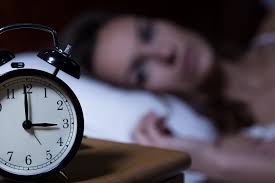
Can’t Sleep?

Ideal sleep for an average adult means falling asleep within 30 minutes, not waking more than once, and taking less than 20 minutes to return to sleep when you do wake at night. Is your sleep less than ideal? Read on!

Here are some tips to help get the rest you need!

  1. Turn off electronics. Phones, tablets and computers bleep and flash and these noises can disturb your sleep. Don’t charge your electronics in your bedroom!

  2. Daytime naps? While short naps can recharge and improve productivity, longer ones can leave you groggy and make it more difficult to get a good night’s sleep. Limit daytime naps to 20 mins or less.

  3. Watching the clock? Some find they check the time frequently when they wake at night, getting upset about being unable to get back to sleep quickly. For some, turning the clock away from view or putting it in a drawer can mean a better night’s sleep.

  4. Get comfy… A relaxing bath with Epsom salts can relieve muscle and joint pain and set you up for a good rest. If your bed is not comfortable, consider a new mattress or memory foam topper. Your pillow needs to be the right depth to support the natural curve of your neck and a second pillow for between or under knees may make you more comfortable, especially if issues with back pain. A dark, relatively cool room also helps sleep.

  5. Allergies? If you get stuffy at night, you may be allergic to dust mites, one of the most common allergies. These are microscopic creatures that live off dead skin cells in our mattresses. Dust mite proof or plastic mattress covers that are wiped down or vacuumed regularly plus washing bedding (including pillows) in hot water reduces mite counts and can eliminate or greatly reduce this problem.

  6. Stick to sleep and sex… Working, watching TV or surfing the internet in bed trains your brain to be alert in the bedroom. Keep your sleep environment relaxing by saving it for only sleep and sex.

  7. Wake/sleep cycle… Establish routine bed and wake times. This can help people of any age fall asleep more quickly and sleep more soundly. Lowering lights in the evening also helps set up for sleep and bright light for 5 to 30 minutes when you wake up helps get you going in the morning too.

  8. Avoid caffeine. Some people who don’t metabolize caffeine well may find that any caffeine results in a poor night’s sleep. For most, avoiding caffeine after noontime is usually sufficient. Watch for hidden caffeine in chocolate and some “herbal” teas, pain relievers and weight loss pills.

  9. Exercise can help or hinder. Regular exercise can improve sleep, but some experience a post-workout increase in energy that could keep you awake. Try scheduling exercise to finish 3 to 4 hours before bedtime. Relaxing exercise, like yoga or tai chi, however, can help sleep when done just before bed.

  10. Alcohol. Alcohol can make you drowsy but, when the effect wears off, you may find yourself waking up more often. Mid-life women may actually experience increased hormone swings several hours after consuming alcohol. Try non-caffeine herbal tea instead if you notice this connection.

  11. Getting up to pee? Try avoiding liquids for 2 hours before bed.

  12. Noises at night? Use earplugs or try a white noise machine or fan to drown out traffic, a dripping faucet, hubby’s snoring or the neighbour’s barking dog.

  13. Still smoking? Nicotine is a stimulant that can make insomnia worse…yet another good reason to quit!

  14. And doggie makes three… You love your pet but he can be the cause of nighttime wakening as well as allergies. Ask your vet or pet school how to train your pet to sleep in his own bed. Same goes for toddlers – but talk to a sleep specialist or your doctor instead of the vet…

  15. Consider meditation. Meditation trains you to put active thoughts out of your mind. Clearing your thoughts for even 10 mins before bed can help you fall asleep. Avoiding work or complex discussions for 2 to 3 hours before you retire is also advised for best sleep.

  16. Careful with sleeping pills. Many prescription sleeping medications are habit forming and only recommended for up to 7 days of continuous use. Rebound insomnia can occur with guaranteed poor sleep for up to several weeks on discontinuation. Some also have side effects such as memory impairment and use in elderly is associated with falls that can cause bone fractures.

  17. Non-prescription supplements?

    1. A magnesium supplement taken at bedtime relaxes muscles and can help sleep. Magnesium is important for bone health too, so you may benefit from it in more than one way…

    2. Chamomile tea or valerian in pill or tea form can help sleep and are non-addicting. Valerian smells somewhat like “dirty socks”, though, so I’d suggest the pill form!

    3. Vitamin B5 (pantothenic acid) can help reduce production of the stress hormone, cortisol, that is sometimes inappropriately produced at night in stressed people, causing them to wake at night feeling “tired but wired”. B5 is a common ingredient in vitamin B-based stress formulas available without prescription.

    4. Antihistamines, like Gravol (dimenhydrinate) or Benadryl (diphenhydramine, also used in several non-prescription sleep aids), are not recommended for nightly use. Both have been reported to be habit forming and tolerance develops to the drowsy effect within a few days, leading some to increase the dose inappropriately. Withdrawal effects can be noted with the drug is stopped.

  18. Look for a possible cause. Ask your doctor if a health condition like acid reflux, arthritis, asthma, depression or hormone imbalance could be causing the problem. Get your pharmacist to check if a medication you are taking could be contributing to insomnia. Try keeping a sleep diary to determine what factors might be interfering with your sleep. Ask about the possibility of treatment at a sleep clinic.

Lastly, until you find the solution to your problem, avoid tossing and turning in bed. Get up and do something calming, like reading for 10 or 15 minutes. Chances are you’ll fall asleep more easily when you return to bed!

Categories
Health

Gut Bacteria Have Many Roles

The Mayo Clinic reported on some interesting research this week. A study conducted in mice has shown a link between the presence of a particular bacteria in the gut, called Collinsella, and increased risk of developing rheumatoid arthritis. This bacteria is not usually found in the intestines but was found in significant numbers in people with rheumatoid arthritis, inspiring researchers to run a test in mice.

Rheumatoid arthritis (RA) is an autoimmune disease where the body’s immune system mistakenly attacks itself, causing damage to joints with swelling and pain. It can also cause damage to other parts of the body, including the skin, eyes, heart, lung and blood vessels. To date, no cause or cures have been identified, and treatments focus on relieving pain and swelling, and slowing the progression of the disease.

Researchers treated the mice by introducing a specific good bacterial flora to compete with the unwanted bacteria. This resulted in decreased symptoms and fewer inflammatory indicators associated with rheumatoid arthritis in the treated mice.

Since mice’s immune systems and arthritis processes are similar to those in humans, this suggests that a similar treatment could give people relief from this difficult to treat disease. Further, it suggest that examining intestinal bacteria may provide a way to detect who is at risk of developing arthritis and even the possibility of preventing it from occurring. It is expected that, like the mice, humans will be unlikely to experience side effects from this treatment.

The Mayo Clinic is also researching other autoimmune and infection problems that might possibly be related to improper bacteria in our digestive systems. These include conditions such as:

  • Gluten sensitivity

  • Irritable bowel syndrome

  • C. Difficile gut infection

  • Colon cancer

  • Bacterial vaginosis and reproductive health problems

While it will be interesting to see results of human trials using treatment of RA with good bacteria, there is no reason not to try this therapy on yourself if you are suffering with one of these diseases. Discuss this possibility with your physician! There are many good quality probiotics available without prescription that might give similar results to the product used in the mice experiment in arthritis.

This ties in closely with my earlier book review blog post, Bacteria for Breakfast, http://jeanniebeaudin.wixsite.com/author/single-post/2016/07/22/Bacteria-for-Breakfast-Probiotics-for-Good-Health-%E2%80%93-A-book-review that discusses how gut bacteria can influence the function of the immune system. Click here if you missed it!

Reference: Mayo Clinic Microbiome Program and https://www.ScienceDaily.com/releases/2016/07/160711151315.htm

Categories
Health

Infrared sauna..health effects?

This question from a reader prompted me to investigate use of infrared as a treatment for inflammation, pain and autoimmune diseases.

Here’s what I found…

Mayo Clinic describes infrared saunas as being similar in function to heat saunas: regular heat saunas warm the body by producing heat in the air around the body; infrared saunas produce warmth directly, generating heat in the tissues (similar to the way longer wavelength microwaves heat food). They report these treatments are considered safe, with no reports of adverse effects.

While we are all familiar with light emitting diodes (or LEDs) in our TVs and lightbulbs, infrared-LEDs (or IR-LEDs) emit light in a specific wavelength that is longer than visible red light – somewhere in the range of 800-1000 nanometers (nm). Infrared rays are invisible to humans but sometimes appear red due to a small amount of red or orange wavelength light being also emitted.

Infrared light waves can penetrate the skin up to 3 – 4 cm, depending on the wavelength and power intensity of the LED. While the IR-LED does not feel warm on the skin (or only slightly warm), it generates heat in and below the surface of the skin. Users will usually describe sweating during use.

In addition to generating heat, studies have found that IR-LEDs reduce “mediators of inflammation”, substances that the body produces to create and sustain the inflammatory process. Infrared LEDs also dilate blood vessels. They are used in medicine to reduce edema (swelling caused by increased fluid in the tissues), reduce production and movement of inflammatory substances, and to accelerate skin and connective tissue healing.

Studies have demonstrated increased healing rates of 25-35% post-surgery and similar rates of improvement in soft tissue injury, such as sprains. IR-LEDs have also been shown to decrease pain and increase range of movement in injuries with no bone involvement, such as tennis elbow.

Many diseases of aging, for example rheumatoid arthritis, involve production of inflammatory substances that have been shown to be reduced by IR-LED irradiation, suggesting a potential use in these diseases. Animal studies suggest IR-LED may also improve healing of nerve lesions but, as of the publication of the articles I found, additional study was still needed.

Infrared-LEDs are available as small portable units as well as complete saunas. The technology is considered very safe to use, with the exception of early pregnancy when no saunas of any type are recommended (increased body temperature can be harmful to the baby). I would expect heat therapy would be safe for small area treatment, such as a joint, with a hand-held unit but best, as always, to check with your doctor first.

Regarding IR-LED use in autoimmune diseases, the focus of the question I received, there didn’t seem to be as much research available. Infrared-LED seems to be primarily recommended for inflammatory diseases: cardiovascular disease, diabetes, rheumatoid arthritis, Chronic Fatigue Syndrome, chronic muscle and joint pain, poor digestion and anger/depression (although no mechanism was given for these last two actions). Infrared saunas are recommended for those with increased blood pressure who wish to use a sauna. They cause a temporary reduction in pressure due to dilation of blood vessels, as compared to heat saunas that raise blood pressure when used.

Only one reference I found (blog by physician Amy Myers) referred to autoimmune action. She described many of the benefits of infrared LED as being produced by vasodilation and increased blood circulation to the area. She also described differences in various wavelengths of infrared radiation:

  • Near-infrared (shorter wavelength) – best for wound healing and improving immune function

  • Middle-infrared – ideal for increasing circulation and promoting muscle relaxation

  • Far-infrared (longer wavelength) – mainly for detoxification

I would expect that one would need to use a sauna-style of near infrared LED to expose the entire body to achieve immune effects. A hand-held unit could be used when only a small area needs to be treated for pain or inflammation.

It is recommended to use IR-LED for 5 to 30 minutes, with one source recommending no longer than 20 minutes per session. Sessions can be repeated several times daily, however. The effect is considered useful for temporary relief when used for pain and inflammation.

Bottom line…

For pain and inflammation, infrared-LED can be useful but would be expected to give subtle improvements. There does not yet appear to be a lot of scientific study for its use in autoimmune disease but it is safe and not extremely expensive for those who want to try it. For relaxation or detoxification (produced by sweating), infrared saunas would function similarly to heat saunas.

Healthy Aging Review 2015

Categories
Uncategorized

New Year’s resolutions??

Did you make a New Year’s resolution? Is it something you really want? Well, now is time to start doing the work it takes to make it happen!

You know, most people don’t fulfill their resolutions… One-quarter give up after only a week, one-third after a month. After 6 months less than half are still trying and, after all is said and done, only 8% are successful.

Why does this happen? Well, life gets in the way…we get busy, make excuses, fall behind, lose motivation and get frustrated.

But, if your resolutions are truly important to you, do it right! Don’t leave worthwhile changes to chance or rely on an approach that is almost guaranteed to fail.

Making successful change involves 3 steps: setting your goals, determining exactly what you have to do to get there, and checking back to make sure you’re on track. And I guess there’s a 4th step – congratulating yourself when you succeed!

So, let’s see what this looks like…

First…setting the goals. Large companies and institutions use a system called SMART goal setting, and you can use this too. What are SMART goals, you ask?? They are detailed goals that are Specific, Measurable, Achievable/Actionable, Relevant and Timed. And they write them down and keep them front and center to make sure they aren’t forgotten.

Be Specific – Know exactly what you want to achieve. Many resolutions are vague, such as enjoy life more, or spend more time with family. Make yours specific…use numbers, pin down details of what you want to achieve.

Make it Measurable – Include parameters you can measure so you know exactly what you are aiming for.

Achievable and Actionable – Make sure what you want to do is actually achievable…don’t set yourself up for failure! Be realistic about your goals. Include details about what actions you need to take to be successful. Learn from earlier attempts, if you’ve tried and failed to reach this goal in the past.

Be Relevant – Choose goals that you really want to achieve. Change is almost always difficult…you have to really want it!

Timed – Set a realistic time frame…next month? By the end of the year? Don’t make the time too long and definitely don’t leave your goals open-ended, to be accomplished “some day”. Interim deadlines are often a good strategy too, and can keep you moving along with your plan.

Next, you need to determine the details of exactly what you will do to achieve your goals within the time you have given yourself. Write the steps down; set a time frame for each. Large organizations call this a strategic plan (and actually pay thousands of dollars to develop these!), but yours doesn’t need to be overly complicated. Just be sure that, like your goals, your action plan is doable, specific and timed. And remember, with some goals there are proven plans already out there… for example, for quitting smoking or losing weight (2 of the most popular New Years resolutions!).

Thirdly, keep this written plan somewhere where you won’t just forget about it. You may want to post your plan where you will see it every day, or make your update part of your Saturday morning coffee routine. Depending on your time frame, the first of every month can be often enough to make sure you are still on track. But be specific about this, and mark it on your calendar!

Remember that vague resolutions are often just unattainable dreams…written, focused goals with well-planned, practical steps to get there will greatly increase the likelihood of achieving the significant improvements in your life that you desire. And be sure to celebrate your success and reward yourself for a job well done when you achieve your New Years resolutions for 2017!

My resolution for 2017 is to self-publish the book on hormones I have been working on for the past year. I want to achieve this by June 2017 and have enrolled in an online course to learn exactly what I need to do to publish and market my book effectively. My first step is to build a mailing list so I can effectively tell people when my book is available. Please help me by subscribing to my blog, if you haven’t already, so your name will be added to my list! Thank you for your support…

#Resolution #SMARTgoals

Categories
Uncategorized

New Year's resolutions??

Did you make a New Year’s resolution? Is it something you really want? Well, now is time to start doing the work it takes to make it happen!

You know, most people don’t fulfill their resolutions… One-quarter give up after only a week, one-third after a month. After 6 months less than half are still trying and, after all is said and done, only 8% are successful.

Why does this happen? Well, life gets in the way…we get busy, make excuses, fall behind, lose motivation and get frustrated.

But, if your resolutions are truly important to you, do it right! Don’t leave worthwhile changes to chance or rely on an approach that is almost guaranteed to fail.

Making successful change involves 3 steps: setting your goals, determining exactly what you have to do to get there, and checking back to make sure you’re on track. And I guess there’s a 4th step – congratulating yourself when you succeed!

So, let’s see what this looks like…

First…setting the goals. Large companies and institutions use a system called SMART goal setting, and you can use this too. What are SMART goals, you ask?? They are detailed goals that are Specific, Measurable, Achievable/Actionable, Relevant and Timed. And they write them down and keep them front and center to make sure they aren’t forgotten.

Be Specific – Know exactly what you want to achieve. Many resolutions are vague, such as enjoy life more, or spend more time with family. Make yours specific…use numbers, pin down details of what you want to achieve.

Make it Measurable – Include parameters you can measure so you know exactly what you are aiming for.

Achievable and Actionable – Make sure what you want to do is actually achievable…don’t set yourself up for failure! Be realistic about your goals. Include details about what actions you need to take to be successful. Learn from earlier attempts, if you’ve tried and failed to reach this goal in the past.

Be Relevant – Choose goals that you really want to achieve. Change is almost always difficult…you have to really want it!

Timed – Set a realistic time frame…next month? By the end of the year? Don’t make the time too long and definitely don’t leave your goals open-ended, to be accomplished “some day”. Interim deadlines are often a good strategy too, and can keep you moving along with your plan.

Next, you need to determine the details of exactly what you will do to achieve your goals within the time you have given yourself. Write the steps down; set a time frame for each. Large organizations call this a strategic plan (and actually pay thousands of dollars to develop these!), but yours doesn’t need to be overly complicated. Just be sure that, like your goals, your action plan is doable, specific and timed. And remember, with some goals there are proven plans already out there… for example, for quitting smoking or losing weight (2 of the most popular New Years resolutions!).

Thirdly, keep this written plan somewhere where you won’t just forget about it. You may want to post your plan where you will see it every day, or make your update part of your Saturday morning coffee routine. Depending on your time frame, the first of every month can be often enough to make sure you are still on track. But be specific about this, and mark it on your calendar!

Remember that vague resolutions are often just unattainable dreams…written, focused goals with well-planned, practical steps to get there will greatly increase the likelihood of achieving the significant improvements in your life that you desire. And be sure to celebrate your success and reward yourself for a job well done when you achieve your New Years resolutions for 2017!

My resolution for 2017 is to self-publish the book on hormones I have been working on for the past year. I want to achieve this by June 2017 and have enrolled in an online course to learn exactly what I need to do to publish and market my book effectively. My first step is to build a mailing list so I can effectively tell people when my book is available. Please help me by subscribing to my blog, if you haven’t already, so your name will be added to my list! Thank you for your support…