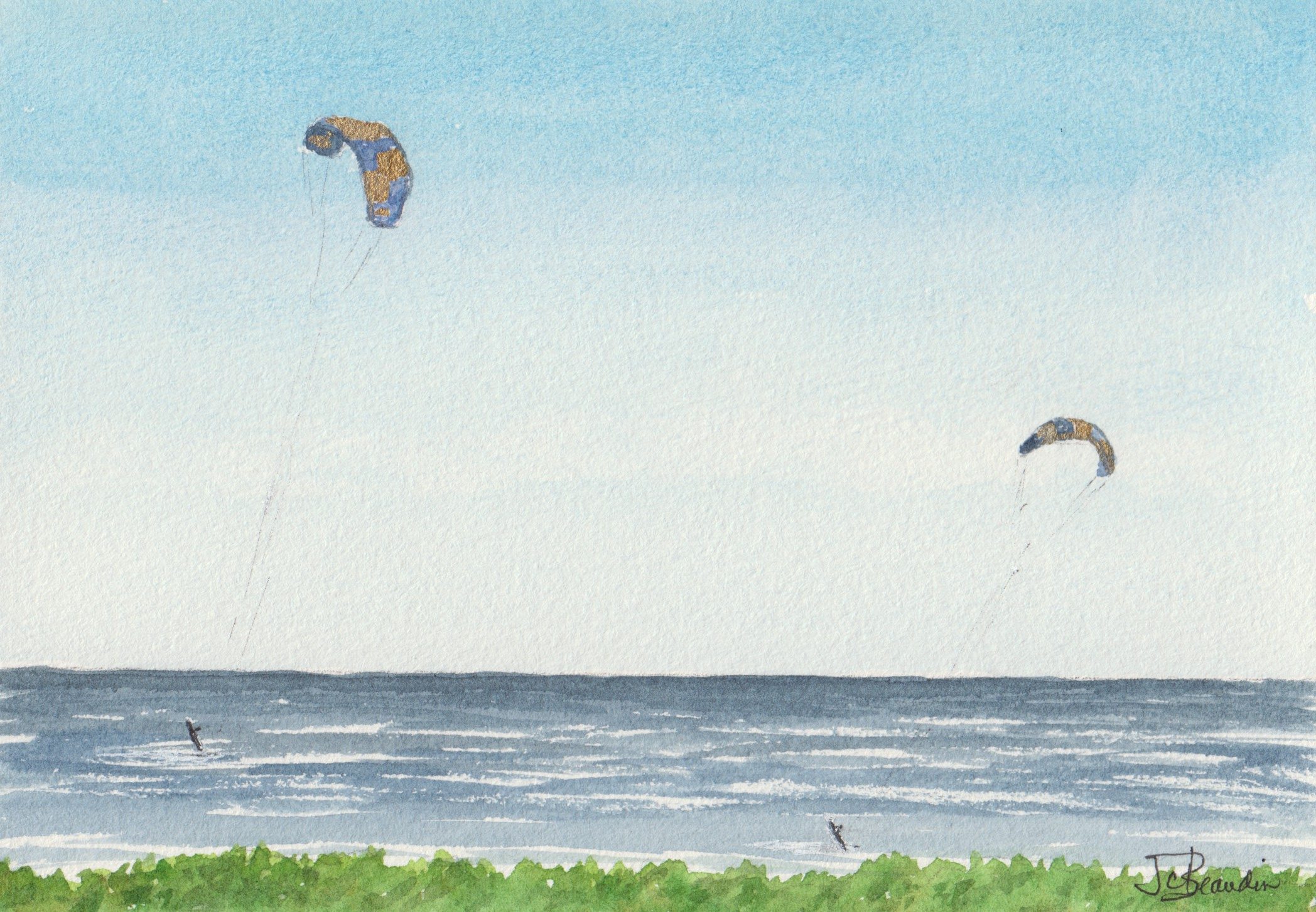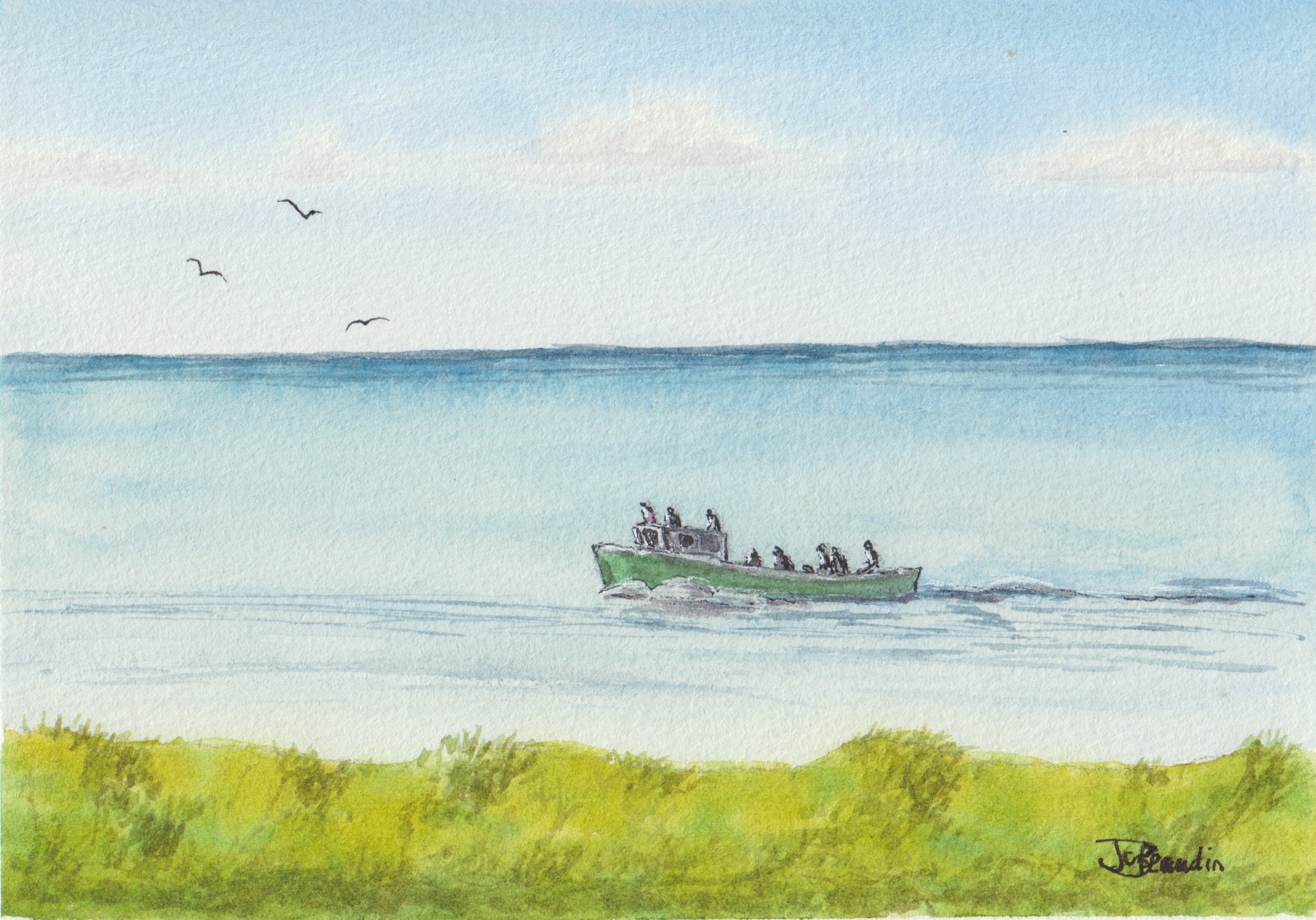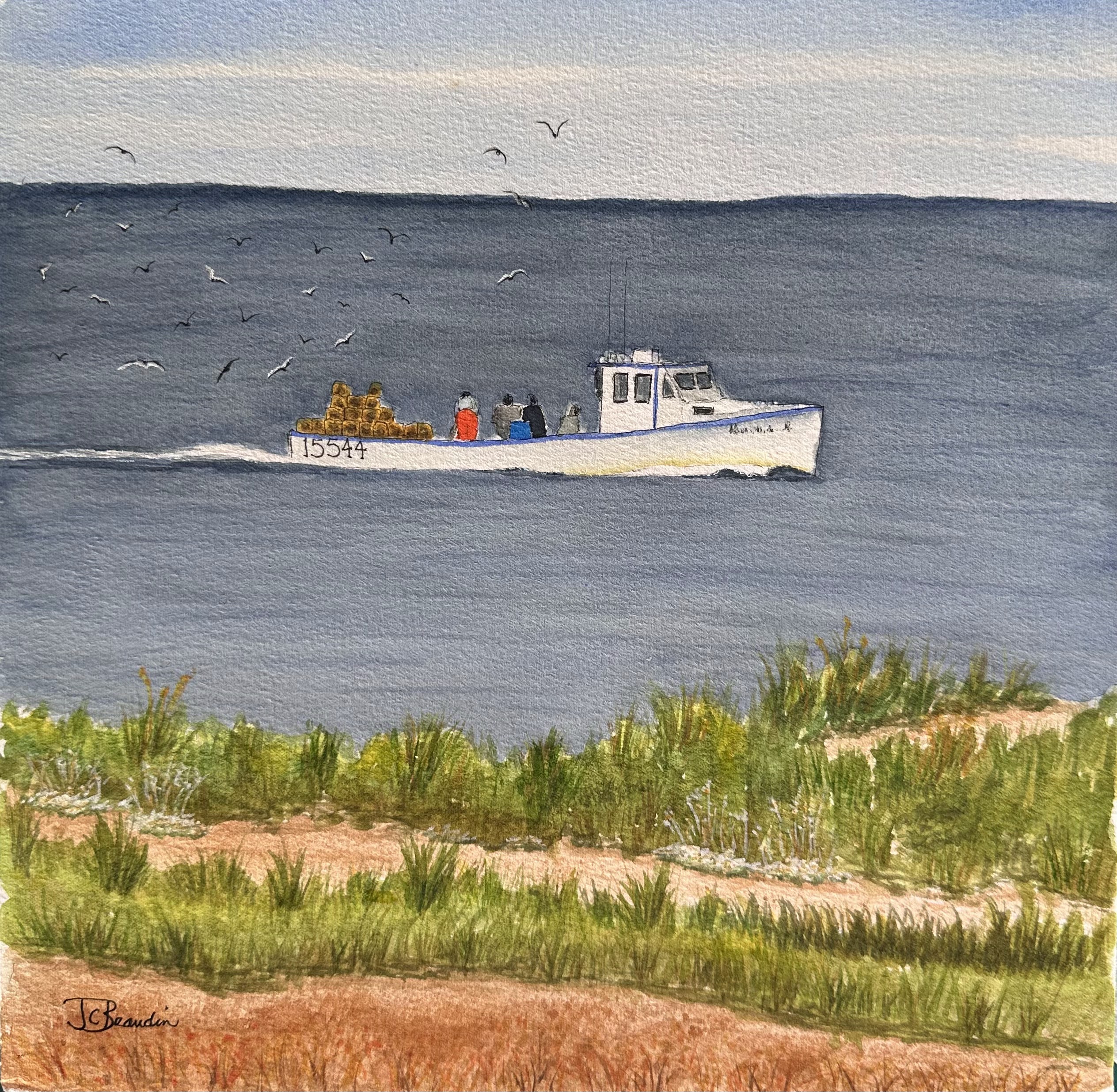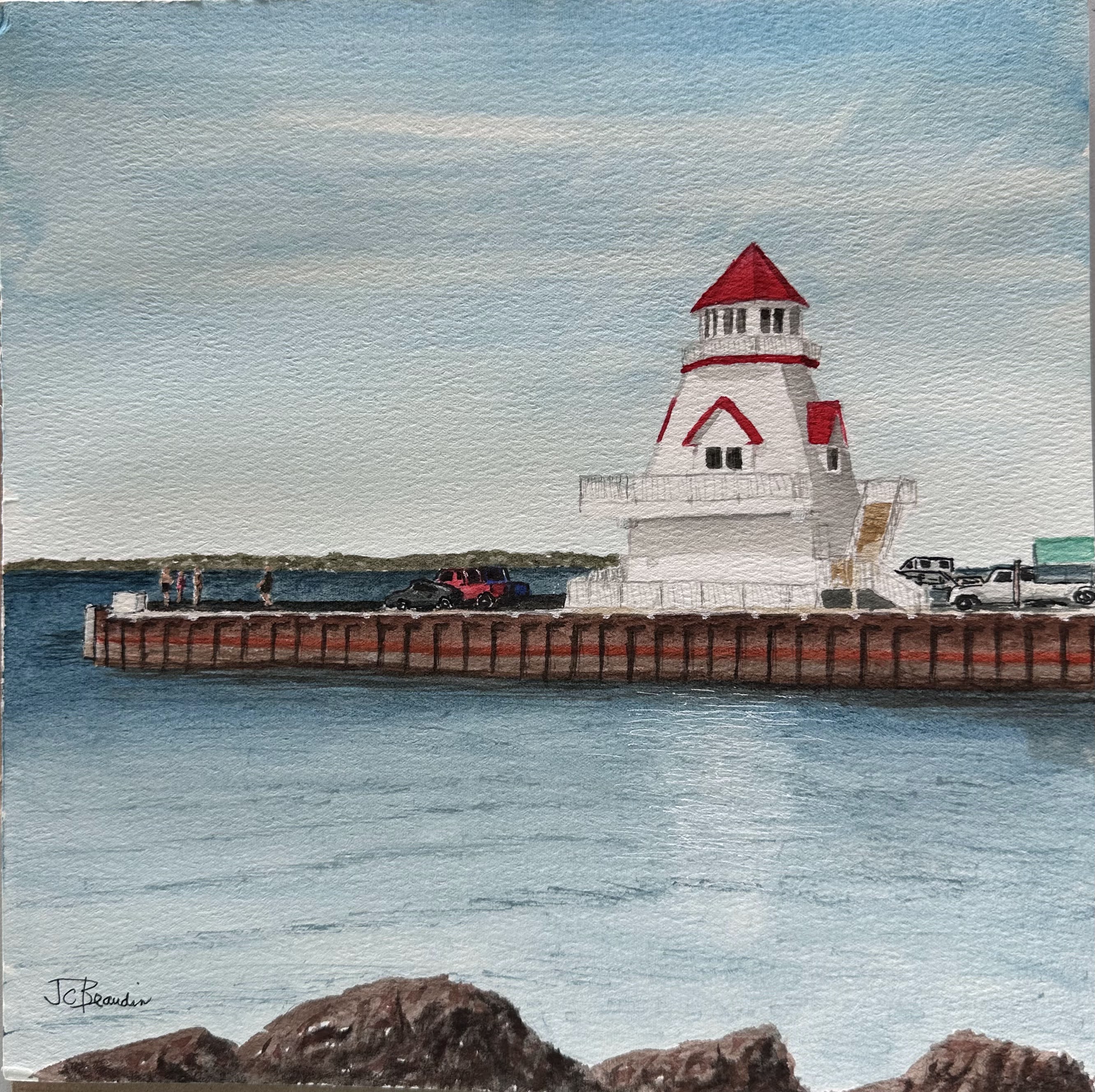

Categories
Health

Protected: Welcome…

This content is password-protected. To view it, please enter the password below.

Categories
Health

On Being a Perfectionist…

(A page from my sketchbook, celebrating a successful art show in Barachois, NB last September… I learned that faces are really hard to do with an ink pen!)

There’s a “thing” we artists and writers call “impostor syndrome”… Many of us feel like we can’t really be true artists, our work can’t be worth actual money or must be worth very little. Never mind how many hours we’ve spent learning our craft and creating the art! We’re impostors, trying to pass as real artists!! Hence the “starving artist” persona that is all too common.

But when I compare my paintings to works selling for far more than I’d dare ask, I find it compares well! Must be a result of the years of practice and online study I did to learn the craft, just enjoying it as a hobby. When I first started selling my art at local art shows, I thought I was being brave and asked a price that actually made me feel a little uncomfortable (with an alternative list with lower prices, in case nothing sold…), only to have buyers tell me what a great price I had on my art. I guess I too suffer from “impostor syndrome”!

Am I done yet?

I also often have difficulty deciding that a painting is finished. One client, for whom I was doing a commission, thought that it was very odd that I wouldn’t know when I was done. But we perfectionists are rarely satisfied with every part of a painting. At some point we have to just decide to put down the paint brush or the pen and tell ourselves it’s finished! Too many “fixes” and “additions” can actually result in spoiling the painting, making it look overdone or overworked. Too much editing means you’ll never be finished the book.

So, one of the things I like about painting outdoors “en plein air” in a little sketchbook, is that there’s no pressure to be perfect. The painting is just for you, it can’t be taken out of the sketchbook especially if it’s painted across both pages, as I usually do. It’s a great place to experiment and learn, and to just paint for the fun of it. And being outside is an extra bonus! It’s like an active meditation that’s great for mental health…

I guess I gush about this quite often — several of my friends in Spain decided they wanted to try watercolour too, and we had a few sessions at our dining room table this winter to help get them started! I also put together a half dozen Plein Air Paint Kits (with lessons included) with the same goal — sharing the fun of being able to paint outdoors and when travelling! They all sold and I made 8 more to sell at art fairs this summer (Of course, you can always contact me if you too have always had an “envie” to paint…). And I always bring my own little kit and paint at shows – it makes the day even more fun!

Human creation vs AI production

I was just reading another article about AI in art and writing, especially in digital media and online posts (a popular topic these days). They noted that people show a preference for artistic work that they know has been done by humans, appreciating the work, knowledge and hours of practice needed to learn the craft and create the piece of art or writing. While people in general have been willing to pay more for an item that was handcrafted, the work of human artisans is being increasingly valued in this age of invasion of machine generated art into the marketplace.

And, strangely, while human artists worry about small imperfections remaining in their work, current AI generated art is noted for containing blatant errors, like people with 3 hands, extra fingers or some body part attached backwards! You’d think a computer would make the image too perfect. Too funny, really…

I’ll put a link to the article I was reading below, along with a link to a study of how being more exposed to nature can lower stress hormones. The article ended with this quote:

“Ultimately, what we value about art is not whether it’s perfect, but its ability to connect us with another human being.” Art is more than just a pretty picture — it’s an image with story, an ability to generate emotions, feelings and memories, and a connection to the artist too! I think that explains why people generally prefer handmade art and human generated writing — to share emotions and feelings with another person, often over time and distance, rather than with a machine that has no feelings at all and can only borrow the words and images of others.

I’ll be sharing the stories behind my art with those on my Art Priority List. Join me there if you love art, or if you find nature relaxes you and drains away stress, like it does for me! Click HERE to join my Art List!

References:
1)The Conversation: “In the age of AI, human creative output is becoming a luxury” ( https://theconversation.com/in-the-age-of-ai-human-creative-output-is-becoming-a-luxury-276514 )

2)Natural environments and chronic stress measured by hair cortisol ( https://www.sciencedirect.com/science/article/abs/pii/S0169204615002510#preview-section-abstract )

Categories
Health

“Katie” (KT) in the health system (Knowledge Translation)

Meet Katie…

I was involved in promoting health research in New Brunswick for a number of years, and was even chair of the Board of Directors of the NB Health Research Foundation for 3 years and its Vice-Chair for 3 years before that. Along with being a pharmacist (for longer than I like to admit out loud…) I’ve learned a lot about research, including how problematic it can be to get new discoveries into actual use on the front line of patient treatment.

This is called “Knowledge Translation”, nicknamed KT (or sometimes referred to as “Katie”) — translating the knowledge gained through years of research, into actual practice in hospitals and doctors’ offices. People tend to be resistant to change, doctors are trained to follow protocols, and protocols are too often difficult to update. Research results that involve lifestyle or diet changes can get lost in the sea of drug solutions…

It takes, on average, 17 years for changes to get from “bench” to “bedside” — that’s incredible really, and is very likely delaying needed improvements in treatments!

Last week I wrote about the problem of Insulin Resistance, and that’s a good example of a lack of knowledge translation — we continue to look only at glucose blood levels when researchers (and most health professionals) know Type 2 diabetes is a disease of insulin resistance, with raised insulin blood levels. That was discovered almost 100 years ago by Joseph Kraft, a prominent researcher of insulin resistance. Insulin doesn’t work as well when our bodies are insulin resistant, so the body produces more to get the insulin action we need when our cells are resistant to the action of insulin, creating detrimental effects throughout the body because of insulin’s many actions in the body.

But because historically it has been easier to measure blood glucose (“sugar”) than insulin and, in spite of claims I’ve read that you can test your blood insulin for as little as $25 USD (which sound inexpensive to me), it’s still considered an expensive and difficult test to do. In most places, it’s not included in standard blood tests, even though (as I mentioned last week) it could alert you that you were developing diabetes several years before a blood sugar or glucose tolerance test would detect the problem.

So, to cut through the “red tape”, some researchers are now publishing their research results in book form (the traditional route has been to publish in medical journals, which they also do). In my research for last week’s blog, I discovered one such book, by Dr. Benjamin Bikman, PhD, metabolism researcher and professor at professor at Brigham Young University, where he directs the Diabetes Research Lab in the Department of Cell Biology and Physiology. It is called “Why We Get Sick: The Hidden Epidemic at the Root of Most Chronic Disease–and How to Fight It”.

Of course, you do need to look closely at the credentials of any writer (as I’m sure you’ve looked at mine!) I certainly looked at Dr. Bikman’s background and found him to be reputable, the type of researcher we would like to have funded when I was involved in health research.

In his book, Dr. Bikman explains the results of his research (and that of others) very clearly and offers a solution/preventive strategy through lifestyle and diet changes, all based on science with footnotes included, so if you’re keen to look up the original research the links are there. My kind of book! I’ve ordered a copy that I plan to share with family and friends — anyone who wants to avoid the long list of chronic diseases associated (and likely caused) by insulin resistance and elevated blood insulin, according to Dr. Bikman’s research. The good part, whether you are trying to prevent or correct insulin resistance (remember that 1/3 to 1/2 of us probably are affected), you can make the changes yourself. It’s all about correcting diet and lifestyle. No prescription needed!

But meanwhile (if you have a good relationship with your doctor and can discuss such things), it’s interesting to know that Metformin, a safe drug that’s been around for many years, reverses insulin resistance. If you have symptoms of insulin resistance (weight gain around the waist, high blood pressure, etc., have been diagnosed with “pre-diabetes”), or any of the chronic diseases associated with insulin resistance, or your triglyceride to HDL-cholesterol ratio is elevated, it’s worth having a conversation. Metformin can help reverse the effects of elevated insulin while you implement the necessary changes in your diet and lifestyle to reverse your insulin resistance. After decades of use, it’s considered a very safe drug with limited side effects (mainly the potential of stomach upset, which can be mitigated by taking it with food and increasing the dose gradually). It’s also interesting that longevity experts recommend taking Metformin as people, on average, live longer when taking the drug, whether or not they have been diagnosed with diabetes.

Once I’ve read the book “Why We Get Sick” (the last section, Part 3, is all about how to make the changes!) I may be tempted to pass some suggestions along… healthy advice for us all! But, meanwhile, if you have suggestions for a blog or a question you’d like answered, let me know. I’ll try to find answers for you!

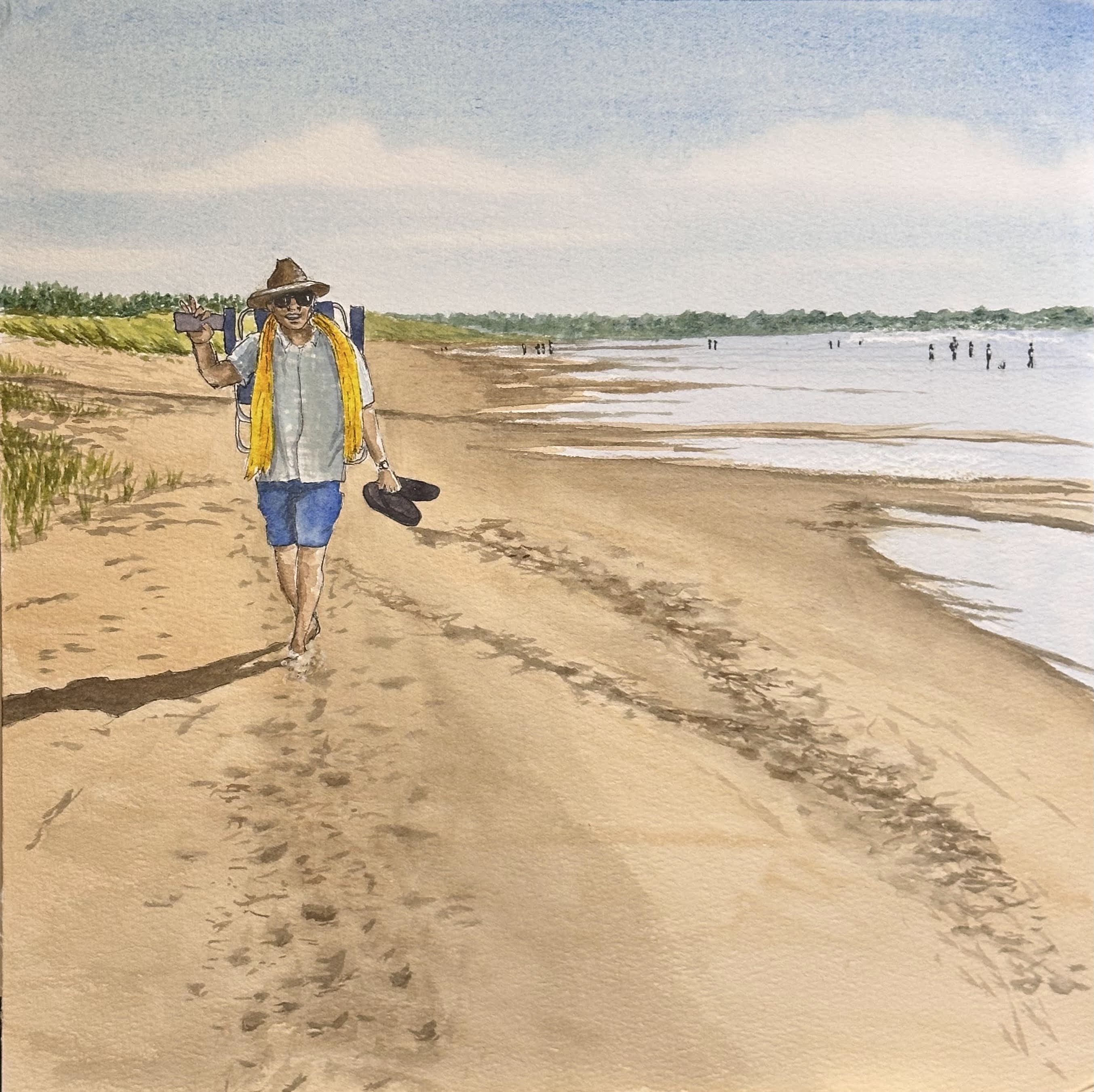
Note: The painting above is of my friend Katie in Benalmadena Pueblo… [I’m still learning to paint figures 🙂 ]

And a final post note: I’m setting up an “Art Priority List” for those who are interested in following my art and seeing it first! Just click this link https://mailchi.mp/bbfbd5414055/art-priority-list to sign up directly on my site or drop me a note with your email at jeannie.beaudin@gmail.com and I’ll sign you up!

Categories
Health

Insulin Resistance

…The precursor to diabetes and other chronic diseases!

Diabetes is a huge health problem worldwide, with numbers affected expected to grow rapidly in the coming years. Given that it’s expensive to control (average cost in North America is $10,700CDN or $7,811USD yearly per person) and is a risk factor for other diseases like heart disease and obesity, it will increasingly contribute rising health costs and health risk in the future. Currently, according to the International Diabetes Federation 2024 statistics, 589 million adults worldwide are living with diabetes and this number is predicted to rise by 45% to 853 million by 2050. Already treatment of diabetes consumes approximately 12% of the global health budget.

In North America, 1 in 7 adults have diabetes, and 1 in 3 are not diagnosed. We have one of the highest prevalence in the world at 15.1% of the population. One in 4 live births are affected by hyperglycemia (high blood sugar), a potentially significant effect on the next generation.

Why is this happening?

Diabetes develops when our insulin stops working properly. This can happen relatively quickly, as in Type 1 (“early onset’, autoimmune) diabetes where the immune system attacks and destroys the insulin producing cells in the pancreas, or more slowly over years, as in Type 2 (“adult onset”, lifestyle related) diabetes where the body becomes resistant to the action of insulin (“insulin resistance”) requiring increased production of insulin to control blood sugar levels. Type 2 diabetes is only diagnosed once our insulin production can no longer keep blood sugar within the normal range and sugar levels become higher than normal even when fasting. The advancement of insulin resistance to diabetes generally takes several years.

What surprises me is that doctors don’t look for increases in fasting insulin, the test that would tell us that we are becoming insulin resistant and are on the path to developing diabetes. When I first read about this, I asked my doctor for this relatively inexpensive blood test (compared to the cost of treating diabetes!). I was told that there was “no protocol” for testing blood insulin levels. It seems that doctors are discouraged from doing additional testing, even if it could predict the development of a very expensive disease.

This just doesn’t make sense to me on multiple levels: increased blood insulin causes inflammation, and this is now believed to be the root cause of many diseases like heart disease, obesity, fatty liver disease, Alzheimers and other dementias, hormone imbalances, and cancer), as well as diabetes. If we can predict and reverse this years before it develops, why aren’t we doing it?

So, what causes insulin resistance?

Like all hormones, insulin is released in one part of the body (the pancrease produces insulin) and works in another part of the body by attaching to a receptor. Just like staring at a bright light fatigues the light receptors in the retina of the eye causing you to see dark spots for a short time when you look away, lots of insulin in the blood can cause the insulin receptors to become resistant to the action of insulin. Insulin production is triggered by sugar in the blood and even the anticipation of eating something sweet.

One thing I notice when travelling in Europe, is how much less sweet the diet is — even the “sweets” are usually less sweet tasting. We have an amazingly sugar-sweetened diet in North America. Even foods that are not normally sweet have sugar added to them during processing. At the same time, fiber is being removed or ground up enough to make it ineffective. Fiber slows the absorption of carbohydrates from sugar and starches (starch is turned to sugar when digested), so eating fiber along with your carbs reduces the spike of blood sugar that demands higher insulin production. These are the reasons why whole foods are healthier than juices and processed foods. I was surprised when I read years ago that pulp-free fruit juices are as unhealthy as soda pop — they both contain sugar without any fiber and will raise blood sugar and insulin.

Your taste and perception of what is satisfying is influenced by your diet. A high sugar diet can result in cravings for sugar and perception that less-sweetened foods are bland. But your taste will adjust quite quickly to a lower sugar intake, I guess you could say more sensitivity to the taste of sugar, and you’ll start to prefer less sweet foods and find sweet treats you formerly enjoyed to be far too sweet for your taste!

What to do about all this…

First we need to reduce the amount of carbohydrates we are eating and replace some of them with fiber and protein. Realize that starches (flour, potatoes, etc) are broken down into sugars when digested. Remember that fiber slows the absorption of sugars, reducing the damage. Note that the “keto” diet generally counts “net carbohydrates”, a number that is calculated by subtracting grams of fiber in the food from the total grams of carbohydrate, taking into account the effect of fiber in foods.

Second, choose whole foods rather than processed ones. Food processing removes fiber and adds sugars, fats and all kinds of chemicals that we can’t even pronounce, let along understand what they do in the body. These chemicals are included to preserve the shelf life of the product or make it look nice, not to improve our health!

Third, get outdoors and exercise. Exercise has been described as the “silver bullet” for avoiding and controlling diabetes, as it lowers blood sugar (using it up for energy) along with the many other health benefits it gives us. Being outside is a great stress reducer, and stress hormones increase blood sugar — the stress response physically prepares us for “fight or flight”… to fight off a perceived danger or run away from it!

Fourth, if you have access to your blood lipid tests, you can do a calculation that can indirectly tell you if you may have become insulin resistant using an online Triglyceride to HDL calculator. You will need your blood triglyceride and your HDL-cholesterol measurements (included in a full lipid panel). I’ll post links to one of these calculators in the References below. Fill in your cholesterol numbers in the boxes in the center of the page, being sure to correct the units to mmol/L if you live outside the US. Scroll down on the right to find an explanation of the results, again being careful to read the explanation for mmol/L if your test was done outside the US.

Why worry??

Researchers are telling us that more than 50% of us in North America have some level of insulin resistance. Some have stated they believe that number may be more like 85% of the population in parts of North America. These people are all at high risk of developing diabetes and the diseases associated with raised insulin blood levels. While we will often read that obesity causes heart disease, diabetes, cancer, liver disease, etc., researchers are now telling us it’s more accurate to say that all of these diseases have a common cause… and that cause is high levels of insulin due to insulin resistance. The damage caused by elevated insulin starts long before diabetes is diagnosed, and the prevention of these diseases needs to start much sooner, not waiting for blood sugar to increase and for Hemoglobin A1c test to show that it’s staying elevated enough to see extra sugar attached to the hemoglobin in our red blood cells.

Type 2 diabetes was once called “adult onset” diabetes as it was only seen in adults. Now, this type of diabetes is increasing in teenagers and even at younger ages. Our processed, high sugar diet and sedentary lifestyles are catching up with our children too. Insulin resistance is starting earlier in life.

Often doctors don’t bother warning us when signs of fatty liver are detected now as “almost all of [their] patients have it”. Perhaps it would be the same with insulin resistance, even if they did test for it, if over half of us have it. But, for me, if I knew that I was at high risk of developing diabetes and that the process had already begun, that would be motivation enough to change my lifestyle. Heck, we have made major changes since my hubby had his first heart attack in 2004. When it’s that important, most of us will gradually make the needed changes.

Call me the “keto queen” if you want… the keto diet, along with more walking and avoiding processed foods, seems to be the best way I’ve learned to reduce our risk of developing insulin resistance. At my husband’s last cardiologist appointment, the doctor said his major arteries were clear and to keep on doing what we’ve been doing. Hopefully we’re continuing to gradually reduce his risk of another episode.

Post note: On further thought, I’ve decided to create a separate list of people who are interested in seeing more of my art side, rather than subject those who are more interested in health news and controversies to the art world (although I couldn’t resist adding a fun sketch of my hubby, done after a visit to the Picasso Museum!) So, if you’d like to be added to my Art Priority List where I’ll reveal my creations first and share the stories behind the art, send me a message at jeannie.beaudin@gmail.com and I’ll add you to the list!

References:
Triglyceride to HDL calculator — units are set for mg/dL (US units). Be sure to reset for Canadian Standard International Units (mmol/L) if you are outside the US: https://www.omnicalculator.com/health/cholesterol-ratio

International Diabetes Federation statistics: Https://diabetesatlas.com

Dr. Ben Bikman, PhD, Metabolism researcher, author of “Insulin-IQ” podcast, and “Why We Get Sick” – the link between metabolism and chronic disease: https://benbikman.com

Categories
Health

Hello, I’m Back!!

Well, hello again! I’ve been on hiatus for a while, and I thought it was time to explain my absence. While I still enjoy writing and love to share what I’ve learned, hoping it will be helpful to someone (or at least entertaining), I’ve found a new “love”… art!

I actually started drawing years ago, painting wildflowers in a little sketchbook that I would pick on walks , just for myself, for fun. But my hubby said, flowers are boring… why don’t you paint something more interesting… like faces! Of course, I told him faces are hard (and they are!). But it was a challenge! My sister-in-law had been an art teacher for many years, though, and she steered me to a wonderful instruction book: The Big Book of Realistic Drawing Secrets by Carrie Stuart Parks. It is excellent and even includes a section on drawing faces, and I also bought her Secrets to Drawing Realistic Faces book. I soon discovered I love drawing faces! It’s the challenge of making the drawing look like the person, a little puzzle to figure out what line or shading is incorrect and making it look “off”.

These early drawings were all done in pencil (“graphite”), occasionally adding some colour with watercolour pencils, but I had difficulty making the colour even – most of the time the colour looked blotchy and streaked. I knew so little about watercolours that I didn’t realize you need special paper that’s made for watercolour! So I decided to try chalk pastels, thinking they would behave more like graphite. They did, but they were messy and didn’t travel well and, by then, we had started going away for the winter.

Then I learned that key piece of advice: watercolour needs to be used on watercolour paper! With the help of online courses and a few You Tube videos, I started to progress and I discovered I love it! Watercolour is my thing!! Suddenly I seemed to have no time for writing my blog, although I continued to read and make note of interesting subjects to write about – I just never made the time to write them. I was addicted!

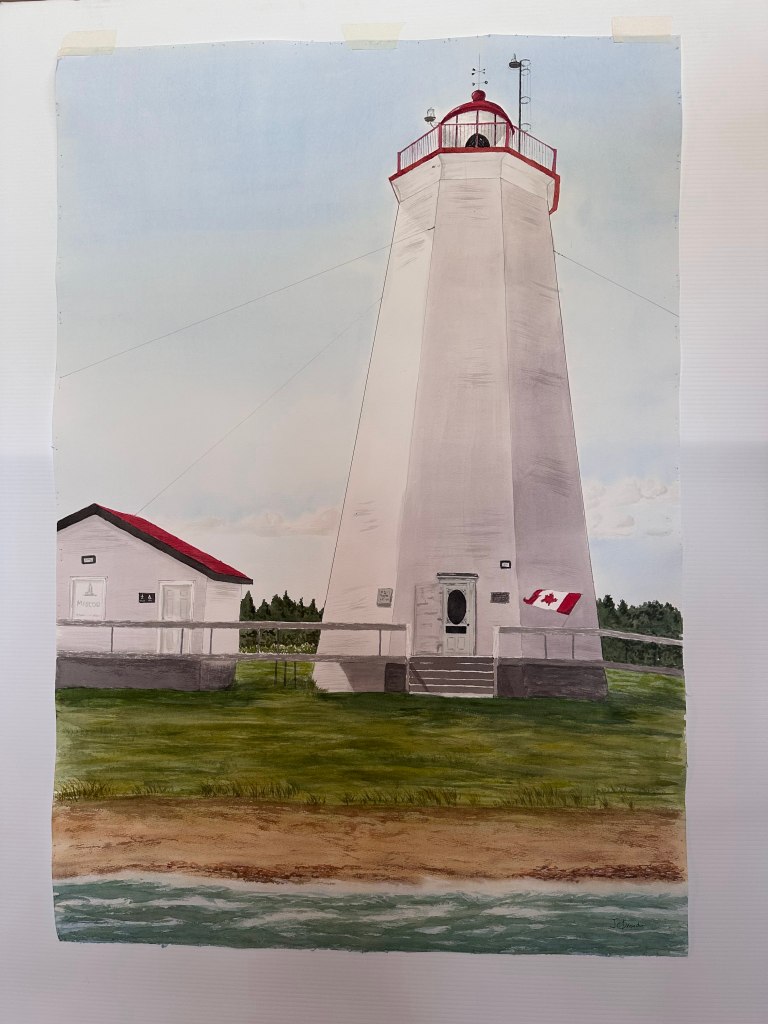
I drew or painted family and friends, gave them as gifts – wedding gifts, Christmas gifts, even hostess gifts sometimes (invite us to dinner, get a painting as a thank you!!) I started wanting to paint places that we’d visited, and that drew me into painting landscapes and buildings. I still love to look through those paintings because of all the memories they hold.

In January 2025 I decided to try painting outdoors, “en plein air”. It’s so much fun! And creating tiny paint kits that had everything I needed became a sideline hobby (I have quite a few… too many really!) Later in 2025, I heard about an art sale being held at the nursing home here in Cap-Pele. By this point I had so much art created that I didn’t know what to do with it all. I was stuffing it into presentation books to store on a shelf as the walls of my art room/sun room were completely covered with my art, plus there was a lot more scattered throughout the house. So I signed up for that show (a great success!) and 3 more over the summer and fall.

My blog started as a way to reach out to women going through the menopause change – my earliest posts are all about hormones and, if that topic interests you, just scroll back in my archives on this site to 2016 and you’ll find what I wrote. Very little has changed since then, except that taking hormone supplements is believed to be safer than what was suggested when the Womens’ Health Initiative Study was stopped early in the early 2000’s. My opinion has always been that hormones that are the same as what our bodies make, in similar amounts, must be safe. They are what we ended up with through evolution, survival of the fittest. It’s synthetic hormones, that are different and therefore have different actions in some parts of the body, that are more likely to create problems and side effects. And, just like too little of our own hormones leave us with unpleasant effects, too much isn’t good either. The safest and most effective route is always to replace only what hormones are missing with the same hormones in a normal “physiological” amount. OK… I’ll get off my soap box now!!

So, fast forward to today… I feel like many of you are good friends who have followed me during my health journey, sharing what I’ve learned, learning from my experiences, passions, and sometimes rants! And, since this blog has been going for 10 years, like me, most of you are well past the menopausal change. I still read about health issues, for both men and women. I want to stay healthy and active and I’m sure you do to. So, I’m thinking I could and should be writing about issues we older gals (and guys) face.

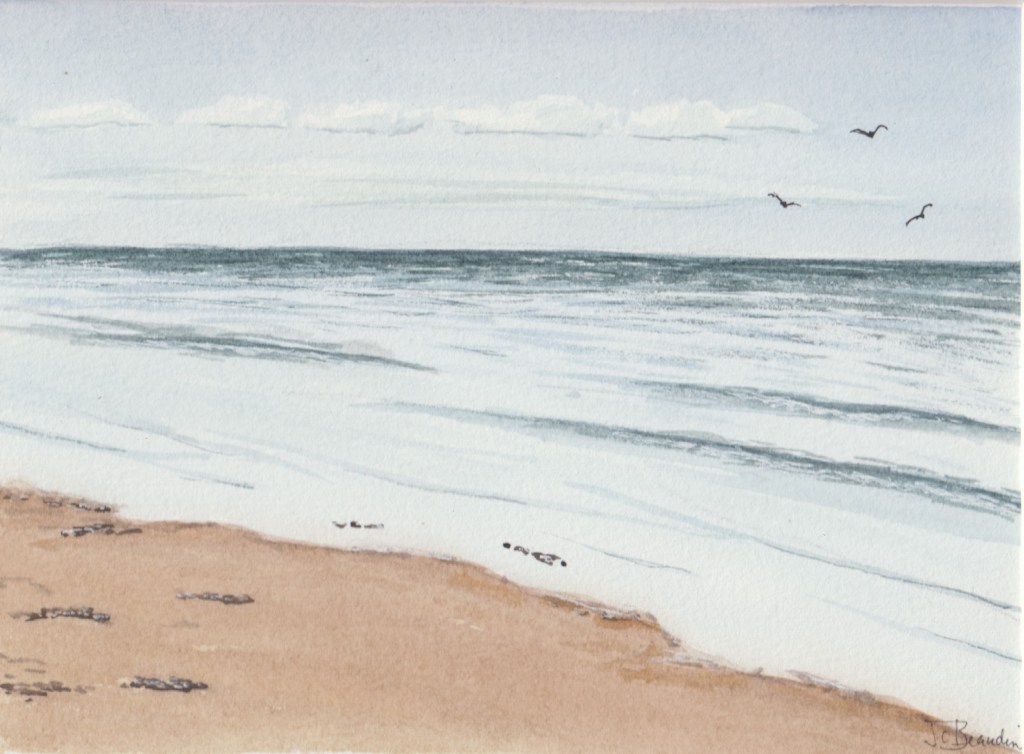
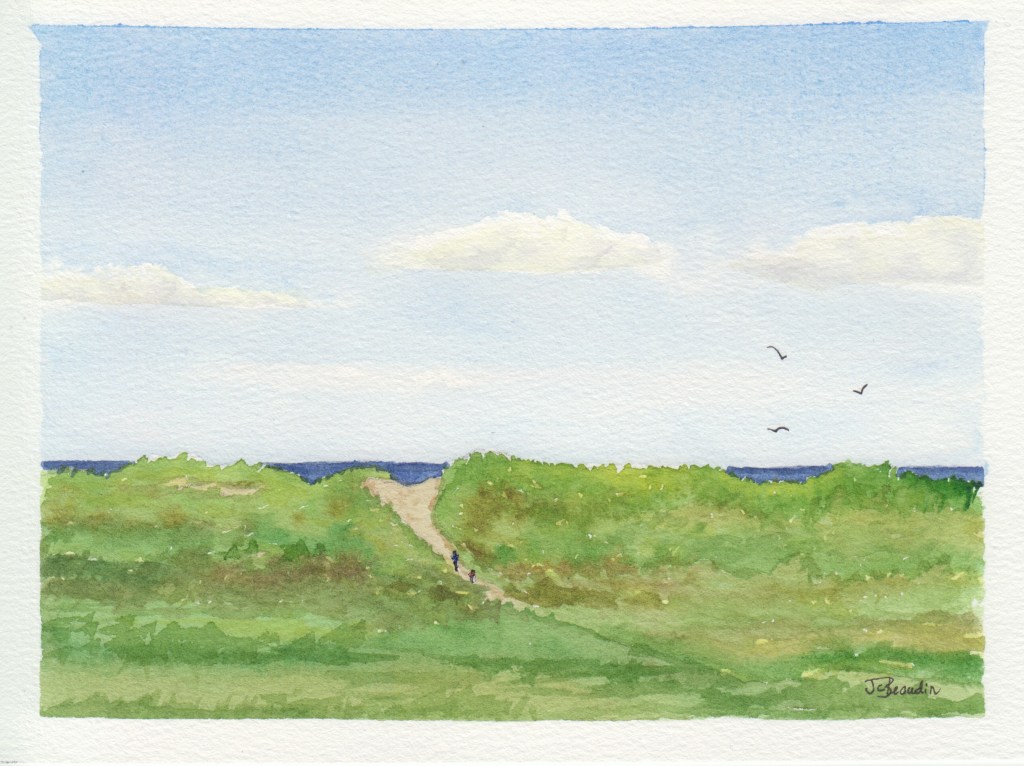
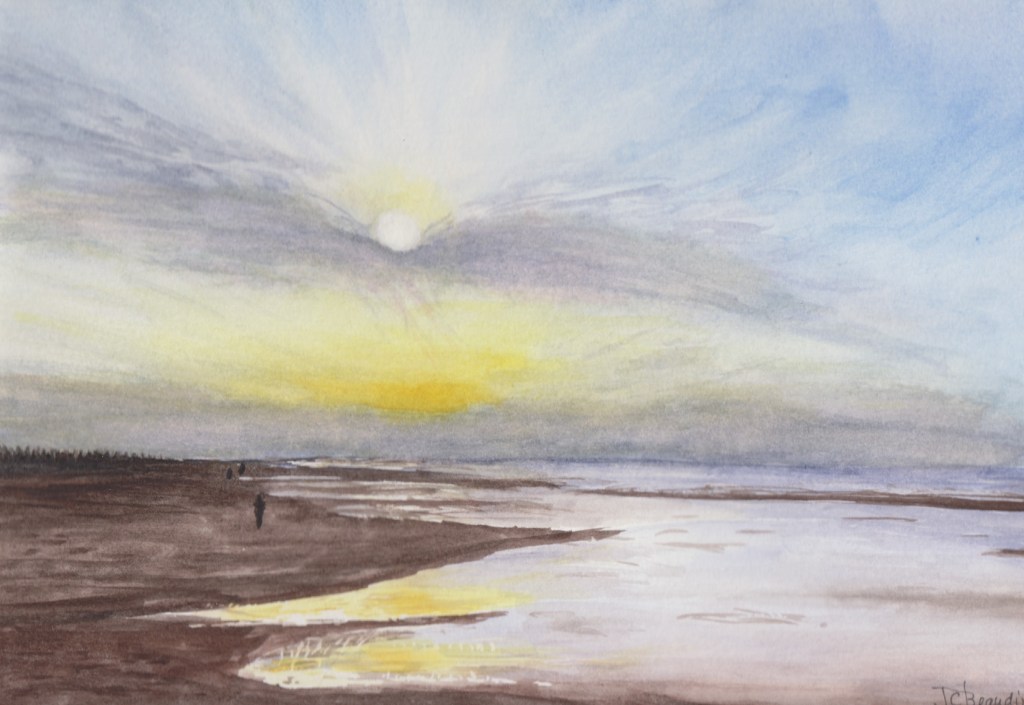
But I feel like I want to share my art journey with you too, although it seems off-topic from my previous writing. I strongly believe doing art is good for your health, giving a purpose in life, an excuse to continue learning and advancing skills, and a passion that can be shared with others. And viewing art is good for your mental health too – it can transport you to another place and time, capture memories, create positive emotions and so much more! The paintings that sell fastest here in Cap-Pele are the ones I’ve done of the beach – people buy them to take the memories of a wonderful vacation or walk on the beach home with them to view whenever they want to feel those feelings again, to feel calmer and better.

So, I’m proposing a new blog, one that’s aimed at supporting physical and mental health — a chat about current health issues and disease prevention, but also sprinkled with some art for you all to enjoy… sharing my learning and my passions in a weekly or bi-weekly chat. Does that interest you? I hope so!

I’ve added a Gallery page to my website, if you’d like to see some of my work. Just go to the menu on the top right to navigate there. I’ll apologize in advance… some paintings have been sold already. I still need to figure out how to mark items as sold!

Every painting has a story and I hope that some of my art stories will resonate with you. I haven’t figured out how to attach explanations of the where and why behind each painting yet either, but I’ll learn! Let me know in the comments below or by direct message if you’re interested in this new format… and which paintings are your favourites!!

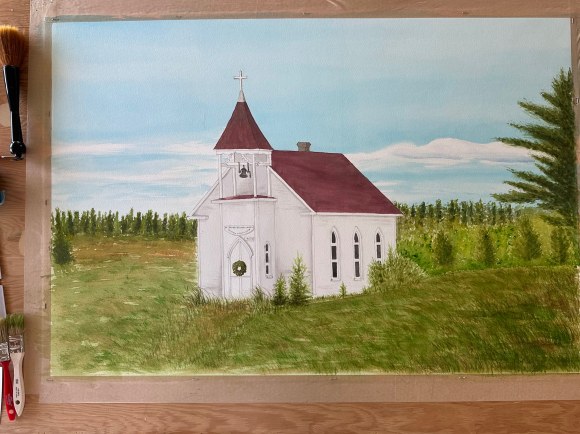
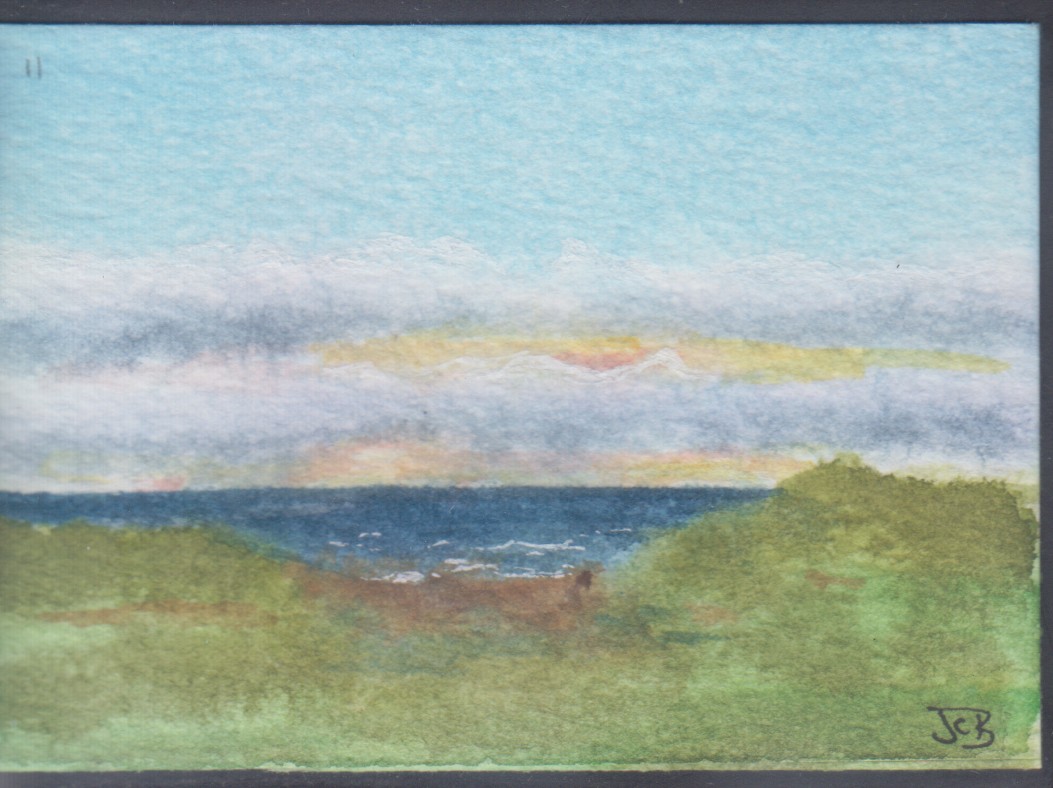
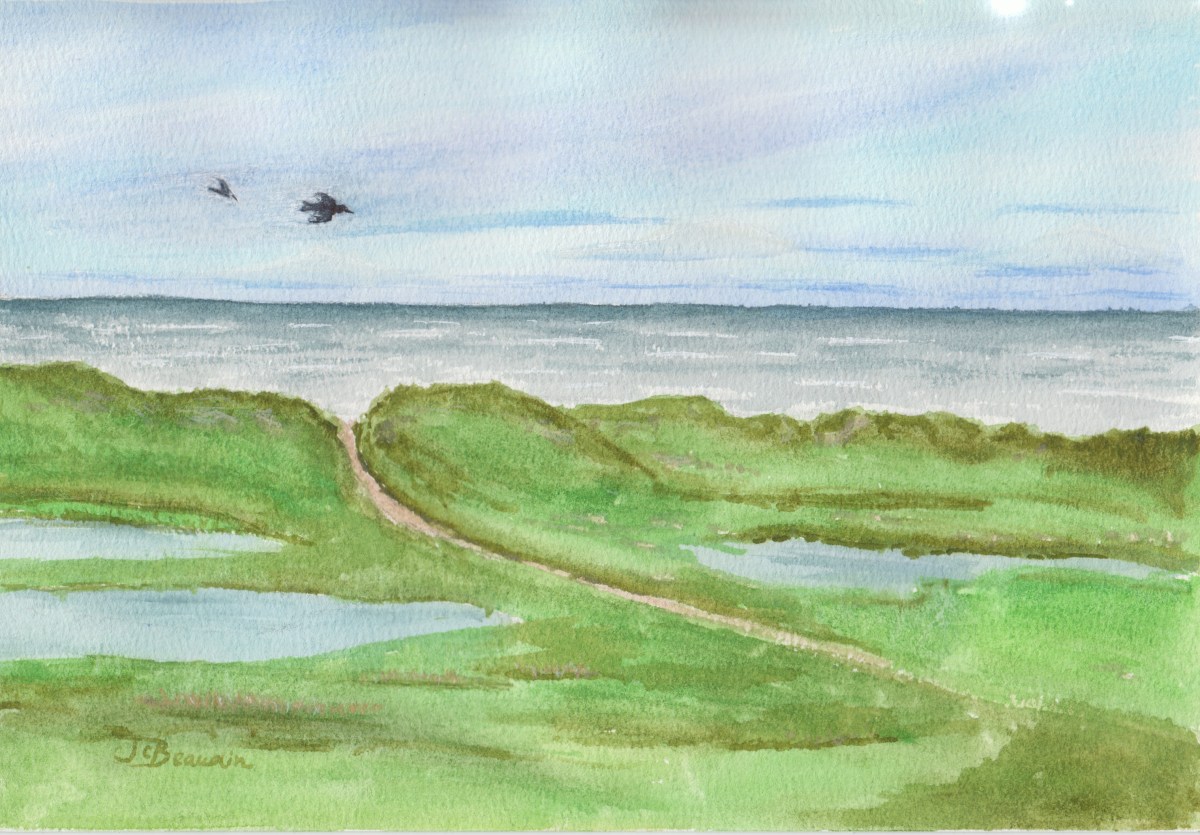
PS: The painting above in the center is my latest — just finished yesterday. It’s a celebration of the return of the Blue Herons… just saw my first of the season!

Categories
Health

Time to think about COVID again??


I know, I know… we’re all tired of hearing about it. Won’t COVID ever go away? **sigh** Instead of settling into a flu-like seasonal pattern, this virus has taken on a life of its own and refuses to behave like most viruses.

How COVID-19 is different

An article in The Conversation newsletter this morning discussing a new study of people in nursing homes – a vulnerable population we need to protect – caught my attention. Surprisingly, those who had been infected with the BA.1-2 strain were 30 times more likely to catch the BA.5 strain that followed it a few months later. This is the opposite of what is expected – usually, catching a virus improves resistance to infection approximately as well as getting a booster shot (just a riskier way to develop immunity). This virus continues to surprise researchers… 

If this applies to all ages (and chances are, it does), this means that the protective practices we all know so well –handwashing, distancing, and masks – are important again. The medical community is already reporting an uptick in cases here in Canada this summer, and school hasn’t started yet. In communities south of the border, where kids are already back to class, some schools have already cancelled classes to try to control the spread. 

And, rather than settling into a predictable seasonal pattern like the ‘flu, it seems to surge in late summer, just as the kids are heading back to close quarters in school where bugs are passed around more easily.

COVID also is good at hanging out in our bodies long after we should have recovered — something rarely seen with other common respiratory viruses. Researchers report that 1 in 10 will continue with disabling symptoms from the infection for months to years in the form of Long COVID. This is a huge future concern for our healthcare systems.

Metformin… wonder drug?  

Another interesting study I read on the subject of COVID, was that the diabetes medication, Metformin, can reduce the chance of developing Long COVID by 43% if taken early in the onset of the acute infection. I have to admit, my greatest fear beyond the risk of having a severe infection (for which I never miss a booster!) is getting Long COVID. 

Metformin, by the way, may just become the wonder-drug of the century, from what I’ve been reading about it recently. As well as improving insulin sensitivity (its main use), it’s been found to reduce the risk of relapse of certain cancers and appears to promote longevity, according to preliminary research. People with Type 2 diabetes who take Metformin statistically live longer than people who don’t have diabetes!  

Type 2 diabetes develops when insulin stops working as it should – the body becomes resistant to the effect of the insulin hormone (called “insulin resistance”) and, in response, the pancreas produces more insulin to keep blood sugar normal. This compensation can continue for years – some estimate that insulin resistance can start as long as 10 years before sugar in the blood (“blood glucose”) starts to rise.  

It astounds me that doctors still only look at blood sugar, even though blood insulin measurement is a relatively inexpensive test. My doctor told me that they don’t do this test (that would detect the development of diabetes years sooner) because there was no “protocol” for it! Why isn’t there a protocol for a simple test that would diagnose a serious disease like diabetes years sooner??? This is a prime example of one of the biggest problems in medicine – “knowledge translation”, getting what has been learned through research into real-world practice. It takes, on average, 17 years for an important medical discovery to become routine practice for doctors. Old habits are hard to change, and it takes time for practice guidelines and protocols to be re-written and put into practice. Like all of us, medical professionals need to be educated about new ways of doing things and then need to actually change their way of doing things. You know about old dogs learning new tricks. But I might be ranting again, am I??? 

And the new vaccine… 

Another factor against us as fall approaches, is that the newest version of the COVID vaccine – the updated one that’s strongly recommended – won’t be available for several weeks, probably November here in New Brunswick, my pharmacist told me.  And he’s not sure he’s going to offer it, as it increases his workload incredibly and, at the same time, compensation for giving the shot has tanked… so won’t be financially feasible for many pharmacists. It’s hard to hire extra staff when you’re making almost half as much as last year for each injection given, while salaries have gone up. This may mean that shots will be harder to access than before. 

The epidemiologists are predicting a late-summer “COVID wave”, so it’s looking like there will be a gap in protection for many people. 

Time to think about digging out those masks and hand-sanitizers again… 

Actually, I’m still finding masks tucked into purses and coat pockets, so I don’t have to dig too far, but I’ve started feeling a little silly wearing one again, much like I did back in early 2020. We seemed to be the only ones who were wearing one then… and they were homemade since the commercial ones were being reserved for medical workers. I’ve since upgraded to N95s, of course. 

I still have my little spray bottle of hydrogen peroxide to sterilize my masks too, sitting on my buffet. Hydrogen peroxide, used as a steam after each use, has been shown to sterilize masks well enough for hospital re-use up to 30 times, so we know peroxide kills COVID and doesn’t damage the mask. When coupled with rotating masks so they’re only worn every 3 to 4 days (also known to kill off the virus) I feel safe re-wearing masks until they are obviously soiled. I’m hoping someone will test this cleaning method but, until then, I’ll keep my 4 masks lined up, spraying each after wearing it, and putting it at the back of the line, as this is the best practical method of sanitizing I know of! 

So, how about you? Will you be going back to masking and hand-washing, with cooler weather and classes keeping people indoors, or are you going to just take your chances when you’re in crowded places??? It’s time to think about it… 

References/Additional Reading:

COVID-19 boosters are the best defence — The Conversation

“Breakthrough” study: Diabetes drug helps prevent long COVID — Medscape

Outlive – Dr. Peter Attia (check your local public library for availability) 

Lifespan – Dr. David Sinclair (longevity researcher at Harvard Medical School). Available through the public library system. 

One in five doctors with Long COVID can no longer work: Survey — Medscape

Stay tuned for a future blog on longevity! And, just a reminder, the ads you see here are sponsored by my web hosting site, WordPress, and not endorsed by me! (The price to be paid for a free website these days…) jcb 

Categories
Health

“Why write about environmental issues on a health blog?”


I received that comment after last week’s blog, from a reader who was wondering why I would discuss environmental issues on a blog about health… quite justified, too, I think. So, I thought I should explain myself! 

You see, I’m reading more and more articles about studies connecting pollution, climate change, and our health, beyond dealing with more severe weather, wildfires, and the stress these can cause. An unhealthy environment can affect our health in ways we are just beginning to understand beyond simply worsening breathing problems. 

For example…

Here’s an example I read last week: microplastics are ending up in treated wastewater sludge, which eventually makes its way into farm soil and, potentially, the food grown there. Treated sludge is a great fertilizer, apparently… who knew? And they need to get rid of it somewhere, right? But ingesting plastics, even in “micro” bits, enables them to get into our bodies, and scientists are not sure yet the ways that could affect our health. 

Of course, it’s not just the physical bits of plastic that pose a problem… it’s the chemicals they contain that will eventually leech out too. I’ve written about the effects of plastic exposure on human health (I’ll post a link to that blog below) and there’s no reason not to expect these chemicals to affect animal health as well. It’s well documented that animals – especially birds and marine life – are dying because of our plastic pollution. 

Single use plastics are considered worst, as they pile up quickly then disintegrate slowly over years into progressively tinier bits. We’re already seeing bans on use of grocery bags and drinking straws. We can expect more of these in the future, but society needs time to adapt to changes, so one thing at a time. Part of my dishwashing routine now is washing out plastic bags (who would have thought!) — recycling within the home reduces our plastic waste in a significant way. And I made myself a cool little tool to clean the inside of my reusable straws – I cut a slit in one end of a wooden skewer and inserted a small strip of fabric into it that I wind around the skewer before sliding it through the straw. Works great! (That’s the gadget pictured in the photo above)

Some good ideas… 

A reader in Alberta told me about a campaign out there, entitled “Leave no Trace” after my last blog. Aimed at park users, the goal is for everyone to leave no signs behind that they were ever there. This includes, not only garbage, but campfires (built in a pit that can later be filled in), human waste (“bury it or carry it”), and even raking over footsteps and campsites with branches to cover the last traces of having been there before they move on. I love it! 

Then, of course, there’s my selfish side – I love our pristine natural beach and want others to respect it too so we all can continue to enjoy this beautiful bit of nature (hence my last article’s rant). The beach could also be said to fall under the “mental health protection” category for me. A brisk walk on the beach has long been my “go to” when I’m deeply upset. The combination of exercise, fresh air, the sound of the waves, and being in nature can make you feel like you’re leaving your troubles behind, whatever the weather. I’m sure a walk in a forest or a park would work equally well (I just happen to live near the beach!) 

PM2.5… tiny particles in the air

This week, I read an article discussing how fine particulate matter (known as PM2.5) from wildfires and agricultural spraying are connected to risk for Alzheimer’s and other dementias, as well as worsening lung diseases. Just when we thought we were through wearing filtering masks, here is a new use: preventing inhalation of fine particulate matter on days when the wind from burning areas is blowing your way.  

But all experts agree that these fires are being caused by extreme heat and drought events brought on by climate change which is already changing weather patterns in noticeable ways. These tiny microparticles (3% of the width of a human hair) can enter the body easily, slipping through the filtering system of the nose. The tiniest of these (called nanoparticles) can even cross the blood/brain barrier, where they cause irritation and inflammation in the brain (this is how they believe they increase risk for brain diseases like dementia) and they can even enter our body’s cells. They are suspected to carry other substances with them, including viruses picked up from the air, toxic heavy metals, and of course plastics, etc. (whatever was burning at the time…) that further increase the health hazards of these particles. See the Government of Canada reference below for more information on effects of PM2.5. 

One proposed route for particles and microorganisms to enter the brain is through the nasal route – the “front door”, where nerves that provide our sense of smell pass through to the brain. This has been suggested as a potential route for the COVID virus to cause brain fog and the notable loss of sense of smell that can last weeks to months in many of those affected by “Long COVID”. 

Other pollution-caused health problems…

Then there’s the emotion and trauma of being exposed to a severe climate event… Post-traumatic stress disorder (PTSD), anxiety, and depression are understandably documented as being more common in those who have been directly affected by climate events like wildfires, floods, and severe storms. 

Time to change our behaviour…

It’s hard not to see the irony in the cancellation of the “Ax the (Carbon) Tax” rally in Whitehorse, Northwest Territories last week, due to the threat of climate-change-caused wildfires… Although it’s just one climate strategy (and more are needed), the controversial Carbon Tax has been demonstrated in studies to give the best “bang for the buck”, creating the most behaviour change with the least cost. It does this by making all of us want to change… to avoid products that are more polluting because they cost more. For example, as gas increases in price, more of us want to buy electric cars which just happen to be less polluting while consuming no gas at all.  

But even before we make that move, we start to think twice about jumping into the car as often. My hubby and I now collect our errands in the city to do all in one day as much as possible, resulting in fewer trips into town (about a half hour away). We also do more shopping at our local grocery store which others must be doing too, as their selection has improved significantly. And one of the attractions for working from home is the significant money saved by not filling the tank as often! 

The New Abnormal…

Some are calling climate change the “New Normal”… but it’s not normal in any sense. There are many things we can do to adjust to this “New Abnormal”, both to protect ourselves from harm from the changes and to lessen our contribution to the causes of change. They call this Climate Adaptation… 

What changes are you considering (or have already made) to lessen the effects of climate change on your life and property? What will you do next??? 

References/Additional reading: 

How microplastics are making their way into our farmland – The Conversation  

Would you like a side of plastic with that? — Jeannie Collins Beaudin’s Blog  

Wildfire smoke is an increasing risk to Canadians’ health — The Conversation

What is Fine Particular Matter (PM2.5)? — Government of Canada 

How our complex relationship with heat inhibits climate action – The Conversation  

Wildfires, pesticides linked to increased risk of dementia – Medical News Today

Wildfire smoke can damage the brain long after the flames are extinguished, research says – The Canadian Healthcare Network

Wildfire smoke is an increasing risk to Canadians’ health — The Conversation

Categories
Health

Protecting the Environment

One small act at a time…

I read stories about young people who are working hard to counter pollution and slow damage to our climate, and it’s wonderful to think the next generation is motivated to make a significant difference to their own future. Students at a local elementary school made two colourful signs, one shown above, asking beachgoers not to litter, to stay off the dunes, and to pick up after their pets. But we still need more education, for young and old alike. Sometimes signs aren’t enough. 

Two days ago, I went to the beach near our home in the morning with our visiting grandchildren. I was surprised to see 2 tents pitched next to the beach entrance, with 4 teenage girls sleeping. I initially felt bad that my grandchildren’s excited screams on reaching the beach appeared to wake them up, even though they shouldn’t have been tenting there (beach camping is not permitted in our village), and especially so close to the dunes where the beach grass was struggling to regain a foothold, post hurricane Fiona. 

But it got worse. Returning later the same day, I was horrified to see the garbage they left behind for us to pick up… empty soda containers and food packages, cigarette butts, remnants of a fire (fires are not permitted on the beach either), and even a dirty tampon. It just doesn’t seem possible that these four young people were not aware of problems with pollution and climate change. Why would they think they had no responsibility to clean up after themselves, or follow rules designed to prevent damage to sensitive coastal areas? Why, unlike others of their generation looking toward the future, don’t they care? 

The scene disgusted me, and I wanted to do something about it. So, I emailed some neighbours to find out whether anyone knew who these girls were. We live on a private road and know all our neighbours, so we knew they didn’t live here, but they could have been visiting someone. Others were as upset about their behaviour as I was – one neighbour said she thought about yelling at them but feared for her safety as she was alone and couldn’t see how many people were in the tents or what age they were. She also reported other garbage further down the beach that upset her so much she has decided not to walk the beach until September when the tourists are gone. It seems it’s not an isolated incident, sadly. 

Anyway, no one knew who they were. It seemed that someone just dropped these girls off (randomly?) on a private road to go camping, despite 2 commercial campgrounds nearby with proper facilities and garbage cans. Someone saw them waiting to be picked up at the beginning of the path to the beach around noon. It defies logic (well, my logic, at least) that a parent would allow their children and friends to behave like that… but then, these children didn’t appear to be following any responsible parental examples. 

So, what to do? My hubby and I went down to the beach again the next morning and picked up the garbage (he wore protective gloves!). Maybe we need yet another another sign? **sigh** Although we already have 6 signs asking people to respect the dunes and beach grass… 

Here are some of my sign ideas: 

  • Cigarette butts kill: birds and other animals think they’re food but can’t digest them 
  • Bacteria from one mess of dog poo can destroy 2 acres of marine life (about the area of a city block). 
  • Why should we pick up after you? Pick up your own shit (literally and figuratively)! 

OK, so I’m really just blowing off a little steam here. But do you blame me? It’s 2 days later as I write this and I’m still angry…  

Signs, obviously, don’t work for everyone, but maybe fines for littering the beach might help (even though they would be very difficult to enforce). But sometimes just the threat of a fine will make people think twice. Cameras are quite cheap now and could help keep watch, at least in highly used areas like our local park beach.  

Sometimes inconsiderate behaviour you’ve observed just sticks in your craw. I wish I’d spoken to those girls about being responsible, rather than feeling bad that my grandchildren had woken them when they shouldn’t have been there in the first place (they looked a little hungover, actually). I still remember chastising a guy years ago who stubbed out a cigarette on a clean floor in a Sobey’s grocery store, while waiting in front of me in line at the take-out lunch counter. I just had to point out that he was standing next to a huge commercial ashtray. His response? He asked me if I worked there (I had on my white pharmacist’s coat) … “No. I just find it disgusting that you dirtied a floor that someone obviously just cleaned.” was my answer. He picked up the butt, put it into the ashtray, and looked sheepish… 

We don’t need to just accept pollution (and polluters) indoors or outdoors. Politely letting people know their behaviour is not acceptable, could be the educational “push” they need to change their habits. Hopefully they’ll be embarrassed about being so uncaring. We all need to stand up for the environment and teach others, especially our kids and grandkids! 

References:

Picking up after your dog: why it’s important — Hills Pet

PS: My apology for any ads you see here — it’s the price I pay for a free website these days (all ads are courtesy of my WordPress hosting site…)

Categories
Health

What did you say?

Hearing loss – causes and effects 

Well, I have to say I’m feeling a little “older” than I was a few weeks ago. I was diagnosed with hearing loss, something my hubby suspected (and encouraged me to investigate) as I was asking him to repeat things quite often. I even misinterpreted words occasionally because I had missed a consonant in the word, like “s” or “t”. I learned this happens when you aren’t hearing higher frequency sounds, usually consonants, as well as you should. I remembered my aunt (the one I’m named after!) laughing about this happening to her… and that’s how she knew she wasn’t hearing properly. 

It’s an adjustment… 

I do have a bit of a problem with calling them “hearing aids” though – it makes me feel like I’m old(er) and I have a disability, but I guess I do. I know I shouldn’t feel this way really, but I’ve decided to call them my “headset”. A name can make a difference sometimes, and it makes me feel better and a little less self-conscious. However, after only a couple of weeks I can see that they’re making a difference for me. I’m hearing sounds that I haven’t heard for a while, at least since my most recent ear infection in January/February this year. Things like running water, the sound of my feet on the ceramic floor, paper rattling, “swishy” sounds. Even my own voice sounds different to me! 

To make the adjustment easier, my audiologist set the volume a little quieter to let me get used to hearing all of those sounds again without becoming overwhelmed. He will increase the volume gradually over a few weeks until I can hear everything around me. It was a good strategy, and I’ve adjusted to them easily.

But my hearing aids really do function as a “headset”. They connect to my phone and function as earphones/air pods. No more chasing around for earphones when I want to do my Spanish lessons on my phone! Modern technology is wonderful.  

Tinnitus can mean there’s a problem starting 

Another thing I learned at my visit with the audiologist was that ringing in the ears, or “tinnitus”, can indicate a loss of hearing. My tinnitus, that I’ve written about previously in a blog about vertigo, started when I was given an untested “off label” treatment for chronic sinusitis. I developed terrible vertigo with this treatment and after I stopped it, I was left with tinnitus. 

This winter I had another bout of stubborn sinus congestion and, since I was flying to Spain for the winter, I went to see a doctor about it. I was terrified that I’d have ear pain due to not being able to adjust to the changing pressure in the airplane… it’s happened to me before and I wouldn’t wish that painful misery on anyone. 

The doctor accurately suspected that I had caught one of several viruses that were circulating last winter and prescribed a steroid nasal spray for me. These are known to open the Eustachian tube that connects the inner ear to the nasal cavity, allowing pressure to equalize between the ear and the outside, preventing pressure and pain from building in the ear. 

With my previous negative experience with steroids, I asked him if I should be concerned about this happening again. He said “Either use the spray or cancel your trip” and then abruptly left the room. Not a great “bedside manner”, I thought. Both of us were wearing masks, and that is a nightmare for anyone with hearing loss. I suspect my repeated requests for him to repeat what he was saying must have ticked him off… But the spray, along with decongestants, worked well to prevent ear pain during my 3 flights.

After 2 months of continuing sinus and ear problems, I finally took an antibiotic for what was was looking like a secondary bacterial infection by then and started improving in the first 24 hours. Antibiotics don’t work for virus infections, but while you’re “down and out” with a virus, bacteria can take advantage of the situation and move in. Any viral infection that lasts longer than 2 or 3 weeks should be investigated as a possible secondary bacterial infection. 

Sometimes you’re the last to notice… 

We humans tend to adjust to our circumstances rather well. The hearing loss I experienced during my ear infection improved afterward, but not completely. Of course, I thought I was fine. It was my hubby who really noticed that I was missing a lot. I suppose I’ll never know whether it was the infection or the medication I used for it that caused my hearing loss. Hearing loss has been reported with steroids but is less common than with some other medications. But the audiologist says my loss is permanent. 🙁  

So now I have my new “headset” that I wear every day, that costs me what seems like a small fortune. But hearing better is worth it. I knew from trying out different standard headsets for my phone, that the quality of the speaker makes a huge difference to what you hear, so I opted for the highest quality. A new option is to rent the headset rather than buying it outright and they sweeten the deal by covering all your visits/repairs that might otherwise have a charge. My hubby says we can always cut back somewhere else if needed… 

A recent study also suggests that untreated hearing loss may increase the risk of developing dementia. And people will sometimes avoid social situations because they can’t hear what others are saying, leading to increased isolation and potential related mental health problems. So, in addition to day-to-day advantages, correcting hearing loss can make a difference in long term health, too.

What causes hearing loss? 

Hearing loss can be Conductive, caused by problems in the outer or middle ear that inhibit sound waves from reaching the hearing mechanism. Or they can be Sensorineural, caused by a problem in the inner ear where the sound waves are translated into nerve impulses that our brain can read. This also includes any problems with the nerves carrying these impulses to the brain, or in the brain where they are translated into sounds we understand, but this is less common.  

A Conductive problem could be as simple as excess ear wax blocking the ear canal, acting like an earplug. Removal can do wonders. However, it can also involve a problem with the ear drum or the tiny bones in the middle ear that carry the vibrations to the inner ear. Fluid behind the ear drum can also deaden sound waves. An audiologist does tests to determine where the problem originates. 

Sensorineural hearing loss involves a malfunction of the inner ear, usually in the cochlea, the organ that translates vibrations from sound into nerve impulses that the brain can read and understand. The cochlea is the spiral shaped organ in the inner ear that you can see in the image above. It has tiny hairs inside that move at certain sound frequencies and tell the brain what frequency of sound we are hearing, high or low. For me, the tiny hairs that sense high frequencies are damaged, and this is also common in the slow onset hearing loss that occurs with aging or listening to too many loud sounds over one’s lifetime. 

Certain drugs can also be “ototoxic”, or poisonous to your hearing. Higher doses and longer exposure increase the risk of hearing damage from these, and often a different drug can be prescribed if a problem develops. The most common ototoxic medications include certain antibiotics (aminoglycoside antibiotics, like gentamycin, neomycin and others), some chemotherapies (like carboplatin and cisplatin), some diuretics (fluid pills such as furosemide), quinine (used to treat malaria and leg cramps), and high doses of aspirin or other anti-inflammatory medications. Environmental contaminants like mercury, tin, lead, and carbon monoxide can also damage hearing. 

Better to prevent… 

Hearing loss is often permanent, so better to prevent it than try to compensate after it’s lost. Avoid excessively loud sounds from music or machinery. Take caution not to set earphones to a high volume and wear protective earplugs whenever you are exposed to loud sounds. Note that they make special ones that allow you to hear the full range of music at concerts while reducing the volume to protect your hearing. But just mowing lawns or using motorized equipment can reduce your hearing over time. Even driving a motorcycle with “loud pipes” can mean you’ll need an expensive headset like mine in the future. 

If you get an ear infection, seek medical help as soon as possible. While many ear infections will resolve on their own, some can create an opportunity for bacteria to take hold. An infection that lasts longer than 2 weeks is reason for further investigation. Remember that tinnitus can be a sign of the beginning of hearing loss and don’t ignore it. Ask for a hearing test and investigate causes. 

If you (or someone else) notices you might not be hearing as well as you should, check with your doctor or an audiologist. Ask your pharmacist to check whether any of your medications could be ototoxic and pass this information along to your doctor.

Know that genetics can also play a role, making you more susceptible to hearing loss. My mom developed noticeable deafness whenever she had an ear infection and eventually the losses added up. I guess I followed in her footsteps! 

Image credits: Drawing by author; diagram shared from Mayo Clinic website

References: 

Hearing Loss-Symptoms and Causes – Mayo Clinic https://www.mayoclinic.org/diseases-conditions/hearing-loss/symptoms-causes/syc-20373072  

Ototoxicity – Cleveland Clinic https://my.clevelandclinic.org/health/diseases/24769-ototoxicity 

Hearing Aids a ‘Powerful’ Tool for Reducing Dementia Risk — Medscape

Categories
Health

Are you sometimes embarrassed?


Do you sometimes feel uncomfortable discussing personal health issues with your doctor, pharmacist, or other health professional? It’s an issue that can result in not getting the care or advice that you need to have an ideal healthy and happy life, and one that’s led to changes in pharmacy designs to provide space allowing for more privacy for sensitive discussions.  

I remember the first pharmacy I worked in… We had one counter for everything: dropping off and picking up prescriptions, asking questions, and even paying telephone and hydro bills. You can imagine that there could be quite a potential audience for people’s questions, especially at the end of the month when bills were due! But we improvised. There was a small staff exit at one end of the dispensary and that became our space for private conversations. Have you noticed that pharmacies all have sections with privacy barriers now? We need these! And many also have a private room for conversations, although perhaps not used as much as they could and should be. 

We’re talking about this…

I recently read an article written for doctors and pharmacists, suggesting that people were more willing to open up and discuss sensitive issues when the health professional acted more “robotic” rather than friendly. Everyone was horrified at the idea of acting like a robot, of course, but I think they were trying to suggest that behaving more professionally, suggesting confidentiality, would give patients confidence that they would be treated with respect. The more friendly approach used in the study resulted in people asking fewer questions, for some reason, perhaps because the topic was not something they’d discuss with a friend. 

But the level of privacy is also a factor, as well as the amount of time available for a discussion. Planning your visit to the pharmacy during off-hours when the pharmacist would be less busy is a good idea, and you can certainly ask to speak to them in a more private area, especially if you note that there is a consultation room available. Mid-afternoon and early evening are often slower times in a pharmacy, but if they’re busy and you don’t live too far away, you could always ask when would be a good time to return to discuss a private issue. Some pharmacists also book appointments so time is set aside, usually when there would be two pharmacists on duty, making less pressure to hurry through a sensitive conversation. Increasingly, insurance companies and government plans are paying for these consultations as patients have been shown to benefit, allowing time to be scheduled for sharing advice and providing medications.  

Ensuring privacy

Of course, doctors are set up for privacy, both for discussions and examinations. But I have found that remembering your doctor has these kinds of discussions every day – that’s what they do for a living – helps me to feel more at ease with what could be an uncomfortable topic. And their examination rooms are designed for the privacy required for their in-depth physical examinations. I remember having to quickly stick up a large poster over the glass door to my consultation room when I started giving vaccines and realized some people needed to remove clothing so I could access the injection site on the upper arm. Eeek! I hadn’t thought of that in my set-up and, before pharmacists started giving injections, removal of clothing only meant removing an extra sweater if the room was too warm! 

Just ask…

My last comment is that, if you’re not sure of the level of confidentiality, just ask that they please not repeat what you are saying to anyone. It should go without saying, but it can help you feel more comfortable, and it never hurts to emphasize the need for confidentiality. I once overheard two pharmacy assistants (not trained as pharmacy technicians) commenting on how much Viagra an older gentleman was using (judged by his frequency of refills). I was appalled! But I was a relief pharmacist and knew it would make be very unpopular with the staff to have reprimanded them. I probably should have done it anyway. 

So, it’s your health… ask the questions that you need answered and demand the level of privacy that will make you comfortable. It’s your right… and it’s a healthcare professional’s job. 

Image: artwork by author