
Categories
Health

What causes hypothyroidism?

What causes hypothyroidism? Why is hypothyroidism more common in women than men? Several hours of research into these questions did not yield all the answers I was looking for, but here is some interesting information I found about possible causes for this all too common condition.

  • Autoimmune disease, where the body’s immune system mistakenly attacks the thyroid gland, is cited as the most common cause of hypothyroidism, a decreased production of the essential thyroid hormone. Hashimoto’s Thyroiditis, the most common type of autoimmune thyroiditis, was discussed in an earlier blog. Click here to read this article.

  • Surgery, removing part or all of the thyroid, (for example, to remove thyroid nodules or cancer), can leave the thyroid with reduced ability to produce hormone, depending on the amount of gland removed.

  • Radiation of the head, neck or upper chest to treat cancer or overactive thyroid can cause loss of part or all thyroid function.

  • Thyroiditis, inflammation of the thyroid gland, is usually caused by an autoimmune attack or viral infection. The inflamed thyroid can release stored thyroid hormone initially, causing temporary hyperthyroidism, followed by reduced function and hypothyroidism.

  • Medications, for example, lithium (to treat bipolar illness), amiodarone (for heart arrhythmias), interferon alpha and interleukin-2, can prevent the thyroid gland from being able to make hormone normally. Medications are more likely to trigger hypothyroidism in those with a genetic tendency.

  • Iodine deficiency or excess – The thyroid needs iodine to make thyroid hormone, but too much can worsen hypothyroidism. The recommended daily intake is 150 mcg in adults but amounts greater than this are generally well tolerated. Authorities recommend a maximum of 1,100 mcg daily but there is controversy around this, with amounts as high as 40 mg daily being used to treat iodine deficiency in some countries.

    • Iodine is contained in various foods, such as seafood, eggs, dairy products, sea weed/sea vegetables (kelp and dulse, for example), and it is added to regular table salt. The amount of iodine in vegetables will vary, depending on how much iodine was in the soil they where they were grown.

    • Because low iodine can be a cause of severe mental retardation, as well as thyroid dysfunction, the mineral is added to table salt. However, for those with salt restricted diets, of course I this is no longer a source.

  • Genetic factors may play a role; if close family members have developed hypothyroidism, you are likely at greater risk of developing it also.

  • Pregnancy – The increase in risk is thought to be due to increased antibody production during pregnancy. Often, thyroid problems during pregnancy resolve after the birth, but the mother remains at increased of developing hypothyroidism again later in life. Note that low thyroid during pregnancy can increase the risk of miscarriage and birth defects.

Some, more controversial causes have been suggested, as researchers look for explanations for increases in occurrence of thyroid diseases:

  • Increased exposure to chlorine and fluorine (fluoride)

    • Chlorine, fluorine and iodine are in the same family of elements, and are prone to react in a similar manner. Some have suggested that ingesting chlorinated/fluorinated water might prevent iodine absorption or proper function. Sounds like the idea might hold water, but I didn’t find any studies to support this theory. I expect other factors would also need to be present to see this effect.

  • Stress may exacerbate an underlying thyroid condition (EndocrineWeb.com; Pharmacy conference)

    • Stress causes an increase in release of the stress hormone, cortisol.

      • Cortisol interferes with thyroid hormone production.

    • Production of reverse-T3 thyroid (which is inactive) rather than active T3 as a genetic response to stress is theorized to occur in dependants of populations who survived famine. This mechanism would have enabled increased chance of famine survival by slowing the metabolism and reducing need for food.

      • Today’s stresses rarely involve a lack of food, but those with this genetic trait are thought to react to modern stress as their ancestors did to the stress of famine.

    • When stressed, humans are considered more vulnerable to autoimmune disease (e.g. Hashimoto’s Thyroiditis)

    • Treating stress may help improve thyroid function, according to EndocrineWeb.com:

      • Mind/body techniques (relaxation, medication, yoga)

      • Exercise (helps reduce the effects of cortisol)

      • Sleep (helps cope with stress)

  • X-rays – If radiation treatment damages the thyroid, can low-level radiation used in x-rays cause damage over time?

    • Experts say, probably not: most radiation goes where intended. The rest of the body is exposed only to “scatter radiation”. One study (Mayo Clinic.org) estimated scatter radiation to the thyroid from a standard mammogram to be equivalent to 30 minutes of natural background radiation in the environment.

    • Repeated dental x-rays performed before 1970, when higher levels of radiation were emitted, increased risk for thyroid cancer later in life (risk of hypothyroidism was not mentioned). X-rays are safer now but the American Dental Association still stresses the need to shield the thyroid during dental x-ray examination.

    • Most mammogram clinics have thyroid guards but, generally, you need to ask for this protection. Mayoclinic.org states that thyroid guards can sometimes interfere with getting good images, so discuss this option with your doctor and/or x-ray technician.

So, what are the risk factors for developing hypothyroidism?

  • Being a woman and over age 60

    • One site suggested that women’s endocrine systems were “more sensitive”. This was the best explanation I found for why women developed hypothyroidism more often than men (doesn’t really explain much!)

  • Any autoimmune disease (for example, rheumatoid arthritis, inflammatory bowel disease)

  • Having a family history of thyroid problems

  • Treatment with radioactive iodine or anti-thyroid medications (for overactive thyroid)

  • Radiation treatment to the head, neck or upper chest

  • Thyroid surgery with partial or complete thyroid removal (amount of function will depend on how much gland was removed)

  • Pregnancy or birth within the past 6 months

How do you know if your thyroid is under performing? Here are some symptoms of hypothyroidism:

  • Fatigue

  • Dry skin

  • Constipation

  • Weight gain

  • Decreased body temperature

  • Intolerance to cold

If you have these symptoms, talk to your doctor. S/he will likely order a blood test to check your thyroid function:

  • Thyroid hormone (levothyroxine or T4) – will be below normal

  • Thyroid Stimulating Hormone (TSH) – will be elevated

    • This is the hormone that tells your thyroid to make more hormone so it increases when thyroid is low, trying to stimulate the gland to make more.

    • If too much thyroid, TSH production will be low. Tests for TSH are also used to check whether you are taking the correct dose of thyroid replacement.

    • “Normal” TSH values vary in different countries:

      • USA – 0.3 to 3.0

      • Canada – 0.5 to 4.5 or 5

      • Some authorities suggest we feel best when TSH is around 1 but in many areas anything in the “normal” range is considered fine.

      • Since excess thyroid hormone can create risk for heart disease and osteoporosis, some doctors intentionally undertreat hypothyroidism slightly.

Categories
Health

Skin tags

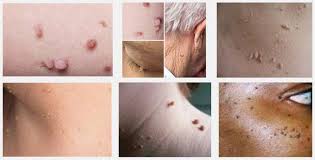
Skin tags are very common small, soft, skin growths that usually occur in a fold of skin. They are harmless but some people find them unsightly and annoying. These growths are most commonly found on the neck, underarms, groin, eyelids, or under breasts – any area where skin rubs against itself or clothing.

They are thought to be caused by friction, and are more common in obese and middle age or older adults. However even babies can develop them… Up to 60% of people will develop skin tags at some point in their lives.

Skin tags can be the same color as skin or slightly darker. They are usually 2 to 5 millimeters in diameter (roughly the size of an apple seed) but are occasionally as large as 1 cm (0.5 inch) or even 5 cm (2 inches). They are generally attached to underlying skin by a small band of tissue called a stalk or “peduncle” that is narrower than the body of the tag.

Skin tags do not actually require any treatment, unless irritation is occurring. Removal will not cause more to grow. They do not become cancerous if left untreated.

Treatment

Treatment is by removal. Keep in mind most skin tags do not need to be treated. Most doctors only recommend removal if they become irritated from rubbing or catching in clothing, jewelry or seat belts but most removals are for cosmetic reasons.

Skin tags can be removed by freezing, burning, or cutting them off. Currently, no creams are approved as treatment, and using products designed for other uses may cause irritation of the area and possibly secondary complications, such as infection.

Your doctor will usually numb the area (by injection or by applying an anesthetic cream), especially if the skin tag is large, then cut the stalk with sterilized scissors.

Alternatively, the stalk will be tied with thread or dental floss to block blood circulation to the tag, causing it to drop off after a few days.

Your doctor may choose to burn the tag using medical electrical cautery, which passes electrical current through it with a special device.

Skin tags can also be removed by freezing with liquid nitrogen. This can be done by your doctor or kits are sold at pharmacies to do yourself this at home. Usually this skin tag will drop off 7 to 10 days after treatment.

These procedures can be performed by a family doctor or dermatologist. You may need to see an eye specialist for removal of tags near the eye. Skin tags may drop off spontaneously if they become twisted, blocking off blood supply.

Occasionally, your doctor will have the removed tissue examined to confirm the diagnosis, especially if the tag has bled, grown noticeably, or is multicolored… symptoms that could suggest presence of skin cancer. However, it is generally rare for a skin cancer to resemble a skin tag.

Risk factors

  • Obesity – more skin folds creating increased friction

  • Pregnancy or hormone imbalance – higher levels of estrogen and progesterone

  • Infection with HPV-6 (a strain of human papilloma virus)

  • Individuals with diabetes (if increased insulin levels due to insulin resistance)

    • Note that people who are overweight also may have higher insulin levels due to insulin resistance

  • Possible association with high cholesterol, high blood pressure, and elevated CRP (C-Reactive Protein, a marker of inflammation)

  • Possible genetic factor – people with close family members may be more likely to develop skin tags

Prevention

Based on the understanding that skin tags are likely caused by friction, preventing clothing from continually rubbing on the same area of skin or reducing rubbing of surfaces in skin folds (for example, by using powder) may possibly reduce the formation of these small harmless tumors. Treating underlying modifiable risk factors theoretically could also be helpful. However, I could not find evidence of any studies that had examined the effectiveness of these strategies.

Categories
Health

Fungi are not “Fun guys”!

A reader asked if I could also talk about fungal infections of the skin… Like fungal nail infections, these are also very common, quite unpleasant and sometimes misdiagnosed…

Fungal skin infections, also called “tinea corporis”, include infections such as Athlete’s Foot, Jock Itch, and Ringworm (caused by fungus, not worms!). The scalp can also become infected with fungus and this is a common cause of itchy dandruff.

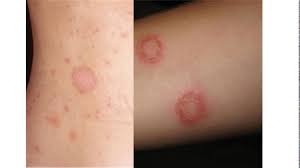
Fungal skin infections often grow as a red circular rash that is brighter red and slightly raised at the borders as the fungus grows into healthy skin. The rash is usually itchy but not painful, and can spread into new skin as round red “dots”. Sometimes the red border is not visible, leaving only itchiness and rough skin, making diagnosis more difficult.

Along with their related personal history (How long have you had the rash? How did it start? etc.), I often consider the characteristics of 3 basic types of infectious skin rashes when helping a client decide what non-prescription treatment to try. These are the criteria I use to base my treatment recommendations:

  • Bacteria – usually painful, red, and form pus and scabs as the infection advances.

  • Virus – less common (cold sores are an example), painful, usually see water-filled “bubbles” or vesicles on the surface of the skin in the early stages.

  • Fungus – itchy, not usually painful, often a circular rash, tends to spread in “dots”

All of these infections are contagious. They can be spread through direct skin contact with an infected person or animal, or via objects recently touched by an infected person or animal. Fungal infections are fairly common in dogs, cats and cows (if you have one of those!). Occasionally an infection can develop from prolonged contact with contaminated soil.

Skin fungal infections

Skin fungus often starts with a flat scaly area that is red and itchy, spreading outward forming a raised red “ring” that is roughly circular. The infection is more active as it moves into uninfected skin, creating the raised red border that is characteristic of this type of infection. The center may look clear, scaly or have scattered red bumps.

The infection affects only the outer layer of skin in most cases. Rarely it will invade lower skin layers, but usually only in people with a compromised immune system.

Risk factors

  • Living in a warm climate and wearing tight clothing or shoes that don’t breathe (trapping moisture). Fungi like to grow in warm moist environments.

  • A weakened immune system

  • Close contact with an infected person or animal, or sharing clothing, bedding, towels, etc.

  • Skin-to-skin sports (e.g. wrestling). If sports equipment becomes contaminated and is packed away while still damp (e.g. hockey gear), it can become a source of fungal skin infection.

Diagnosis

If the outer “ring” is not visible, it is easier to misdiagnose a fungal skin infection. Examining skin scrapings with a microscope can confirm the diagnosis of a skin infection, but often a “trial and error” approach is used – if the rash hasn’t improved after using an antibacterial cream or corticosteroid cream (helpful for rashes caused by irritation or eczema), then it is logical to try an antifungal cream, especially if itching is present.

Some doctors will take a “multi” approach if unsure of the infection type, prescribing a cream containing an antifungal, antibacterial and a corticosteroid to cover several causes at once.

Treatment

  • Treating an infection early gives a better chance of success with creams. If a large area is involved or the person has a weakened immune system, they may need to take an antifungal medication by mouth. However, as you will recall from last week’s blog, these have significant side effects.

  • Apply the cream to the rash area and into the uninfected skin in the surrounding area also to prevent spread. Follow any instructions on the label. Continue to use the cream for 2 weeks, or for several days after the visible rash is gone to ensure all the fungus is destroyed. If the rash has not cleared in 2 weeks, see your doctor. Be sure to tell him/her what treatment you have used.

  • Keep the area as dry as possible – fungus likes a moist environment. If the infection is on your foot, treat your shoes with an antifungal spray and let dry well between uses to prevent reinfection.

  • Change towels/wash cloths used on the infected area often to prevent reinfection.

  • If the infection is very itchy, you can alternate antifungal cream with a corticosteroid cream (such as hydrocortisone 0.5 to 1%) to reduce itchiness. Scratching can worsen or spread the infection. Depending on the rules in your state or province, you may be able to ask your pharmacists to make a cream with both ingredients (adding hydrocortisone powder to an antifungal cream) for convenience.

  • Ask your vet to check your pet for infection and treat if present.

  • Don’t share personal items if you have an infection to avoid infecting others.

  • If you have a chronically itchy scalp with dandruff, try an antifungal shampoo. If severe or long-standing, I would suggest a higher strength antifungal shampoo, such as Selsun Regular (stronger than Selsun Blue) or Nizoral shampoo. Your pharmacist can also make cetrimide 1% with hydrocortisone 0.5% in water for you. This is used by applying drops to wet hair after shampooing, rubbing into the scalp (it will foam), and leaving in. This has the advantage of longer treatment contact than a shampoo could provide, and is not visible on the hair once it dries. Again, keep in mind that some states (strangely) do not allow compounding without a prescription.

Categories
Health

FUNGAL NAIL INFECTIONS

Fungal nail infections can be embarassing, and very difficult to treat. Even the best treatments don’t always work and some have nasty side effects. This encourages sufferers to look for alternatives, but some offerings are overpriced and questionably effective!

Any treatment is more effective when the infection is less severe. Since nail infections are not painful, however, sometimes they are ignored until they become well established and disfiguring. Once an infection becomes extensive, involving the full nail bed, it is more difficult to treat, so best to treat at the first sign of an infection.

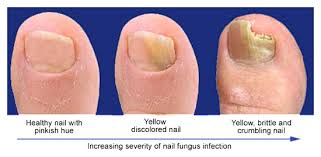
The appearance of a fungal nail infection can vary from pitting or flaky white patches in the surface of the nail, to yellow or white streaks in the nail bed, and even to complete nail destruction. Scaling and debris can collect under the nail, causing it to lift and separate from the nail bed. Infections can be caused by several different fungal, yeast or mould agents, but the most common is a fungal dermatophyte infection. Check with your doctor for a proper diagnosis. Clippings of the nail may be taken to confirm the type of infection.

Here are some of the available treatments you may consider…

  • Anti-fungal tablets and capsules (Lamisil, Sporanox) – Prescription only.

    • These are the most effective type of treatment. They need to be taken until the nail completely grows out – usually 6 weeks for fingernails and 12 weeks for toenails, which grow more slowly.

    • Side effects, however, can be serious: liver damage, severe rashes, and effects on blood cell production and pancreas, as well as less serious effects like headache, diarrhea, nausea/vomiting, sun sensitivity and taste or vision changes. Some doctors hesitate to prescribe these medications for what is sometimes considered a cosmetic problem, and many people can’t tolerate the side effects.

  • Anti-fungal creams and solutions – Prescription and non-prescription

    • These work well for fungal skin infections, like Athlete’s Foot, but can’t penetrate the nail. This means they may help for a surface nail infection at an early stage or to prevent an infection between the toes from spreading to the nail, but they can’t treat an infection that is growing under the nail.

    • Creams can be helpful to reduce the chance of reinfection.

  • Nail paints and polishes – Prescription and non-prescription

    • There are two basic types: antifungal and acid containing (acidity inhibits fungus growth). A few products contain both types of ingredients.

    • Some also contain penetration-enhancing ingredients, such as menthol, DMSO, propylene glycol or others to increase penetration into the nail.

    • Strangely, pricing seems to have no relationship to the cost of the ingredients, with prices from under $10 up to $90 for prescription lacquers.

    • Success with this types of product requires perseverance and consistency. Use precisely as directed every day until the infected nail has completely grown out. It will take months of treatment for success.

  • Laser therapy – Does not require a prescription

    • Lasers are thought to kill fungi by producing heat. One to 3 treatments are recommended. Success has been reported in small numbers of patients, but no large studies have yet been completed.

    • Each laser treatment can cost upwards of $1000 and, given this cost plus lack of solid proof of effectiveness, this treatment is not highly recommended. However, I did see a small unit on Amazon for under $300 (still expensive!) that might be worth investigating if you wanted to try this therapy.

  • Surgery and non-surgical nail removal

    • Surgically removing the nail, to allow anti-fungal creams to reach the infected nail bed, is a more extreme treatment. However, it is sometimes considered in more severe infections that have not responded to less invasive treatment.

    • An infected nail can also be removed non-surgically by applying 30-40% Urea cream (commercially available or prepared by a pharmacist). This preparation softens the nail over multiple applications, gradually destroying the integrity of the nail and allowing anti-fungal agents to penetrate. Sometimes the nail falls completely out, and antifungal cream should be applied while the new nail grows in.

  • Home remedies – Non-prescription

    • Tea tree oil

      • Antifungal and antibacterial actions.

    • Menthol/eucalyptus (Vicks Vaporub or can be compounded)

      • These have antifungal activity, plus menthol enhances penetration.

    • Vinegar (acetic acid) 25% (1 part vinegar mixed with 3 parts water)

      • An idea to incorporate all 3 of these approaches: Vicks Vaporub (or generic) with perhaps 10% tea tree oil plus a vinegar soak before application.

      • Your neighbourhood pharmacist could likely prepare something along these lines for you…he may even be able to add 1% clotrimazole antifungal powder too!

  • Prevention – Prevent reinfection or avoid getting it in the first place!

    • Keep feet dry. Fungus grows more easily in a moist environment.

    • Wear socks – look for ones with a moisture-wicking fiber. Change when damp.

    • Wear open shoes whenever possible.

    • Wear shower sandals at public pools or showers. Let dry between uses.

    • Don’t share shoes, socks, nail clippers or files. Clean clippers and files regularly with alcohol.

    • Avoid nail injury, for example, clipping nails too short.

    • Ensure any nail salon you use sterilizes all instruments.

    • If you have diabetes, you could be more susceptible due to poorer circulation. Learn proper daily foot care for people with diabetes.