Categories
Health

C. Difficile…so difficult!

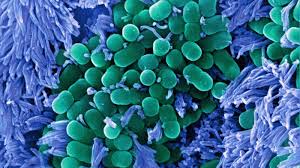
Clostridium difficile is a bacterium that is resistant to many antibiotics – hence the name “difficile” since it’s difficult to treat! It is the most common cause of infectious diarrhea in hospitals and nursing homes in Canada and other industrialized countries.

Most cases occur in patients taking certain antibiotics that kill a wide range of bacteria (referred to as broad-spectrum antibiotics) in high doses or for a long period of time. The normal bacterial flora in the digestive system that keep c. difficile in check is destroyed by the antibiotic, allowing the resistant c. difficile to take over. These infectious bacteria produce toxins that damage the bowel, and cause diarrhea and inflammation in the lining of the bowel.

Some people can have c. difficile in their bowel and not show symptoms, likely because other bacteria are keeping its growth in check. There are different strains of c. difficile and some cause more serious illness.

Stomach acid helps to kill unfriendly bacteria like c. difficile if we happen to swallow some. Acid-suppressing drugs, especially proton pump inhibitors (like Losec®, Tecta®, and Nexium®) that strongly block acid production, can increase the risk of a symptomatic infection of c. difficile.

How is it passed from person to person?

C. difficile bacteria and their spores are found in feces. People can get infected if they touch surfaces contaminated with feces and then touch their mouth… (How gross!) This helps you understand how important it is to wash your hands regularly!

If you are healthy, generally there is actually little risk of developing an infection. But in the elderly and those with other illnesses whose immune system may be less healthy, there is a greater chance of infection.

It’s important to keep the normal gut bacteria healthy. When there are fewer normal healthy bacteria in the gut, c. difficile have a better chance to grow and cause infection. Include fermented foods that contain live bacteria in your diet, and take probiotics after a course of antibiotics. This will help to replace the good bacteria that are often destroyed along with the bad ones that caused the infection and maintain a healthy gut flora.

What are the symptoms?

C. difficile infection causes watery diarrhea, fever, decreased appetite, nausea, and abdominal pain or tenderness. The diarrhea usually does not respond to regular diarrhea medications and will last more than the 2 or 3 days of diarrhea from other causes. A stool sample is often tested to confirm that the cause of the diarrhea is c. difficile.

How can you prevent c. difficile?

Wash your hands often with soap and water. Healthcare workers should always wash their hands after touching every patient to prevent passing bacteria and other infectious organisms from one patient to another (or to themselves!). At home, always wash your hands after caring for an ill person, using or helping with toileting and before preparing or eating food.

Alcohol-based hand washes help but are not as effective as soap and water as they do not kill c. difficile spores. Wearing disposable gloves when caring for someone with c. difficile is recommended and hands should be washed with soap and water when the gloves are removed.

How is c. difficile infection treated?

The antibiotic that caused the infection should be stopped right away, and a new antibiotic that kills c. difficile will often be started. Very mild cases may clear on their own.

C. difficile is resistant to many antibiotics, hence the name “difficile – difficult to treat! Metronidizole (Flagyl®) is an antibiotic that may be effective for mild to moderate infections. Vancomycin (Vancocin®) is used for more severe infections and it is considerably more expensive than metronidazole. A new antibiotic, fidaxomicin (Dificid®) showed better results against c. difficile in studies, but it is very expensive.

Taking probiotics (good bacteria in capsule form) in large doses has been reported to help when all else has failed, or as an add-on to antibiotic treatment. It also helps to prevent reinfection, which occurs in 20% of cases.

In extreme cases, the diseased part of the bowel may be surgically removed. Fecal microbiota transplantation (also known as stool transplant) is another new therapy that may be tried in recurrent infection. Donors are screened for infections, parasites, viruses and other bacteria. Stool from the donor is then placed into the infected person’s bowel using a colonoscope or nasogastric tube.

References

https://www.canada.ca/en/public-health/services/infectious-diseases/fact-sheet-clostridium-difficile-difficile.html

http://www.mayoclinic.org/diseases-conditions/c-difficile/diagnosis-treatment/treatment/txc-20202426

Join my mailing list (see box in side bar or at the bottom) to receive a weekly email link to more health information… and to help me grow my blog! I really appreciate your support…

Categories
Health

Artificial sweeteners may cause weight gain!

You could be gaining weight because you are using sugar substitutes… A new study suggests use of artificial sweeteners is linked to weight gain (not loss!) and increased risk of developing diabetes…

Considering the widespread use of sugar substitutes, it is surprising that there are comparatively few long-term studies that have been done. Most are “observational” studies rather than the higher level intentional type of study (randomized groups, placebo-controlled studies referred to as “randomized controlled trials” or RCT’s), so cannot prove a cause-and-effect relationship.

However, in the long term RCT’s averaging 6 months that the researchers found, regular users of artificial sweeteners had an increased risk of type 2 (adult onset) diabetes, higher blood pressure, and modest increases in weight and waist circumference.

The Canadian researchers could find no solid evidence for long-term benefit from artificial sweeteners, and there was some evidence of harm from long-term consumption.

But why would artificial sweeteners be linked to weight gain, not loss? Researches couldn’t explain, but had some thoughts:

  • Artificial sweeteners may disrupt healthy gut bacteria.

  • They may confuse metabolism. For example, the sweet taste may cause the body to be expecting sugar, stimulating a release of unneeded insulin. Increased blood insulin is the first stage in the development of type 2 diabetes. It also would cause a decrease in blood sugar that would stimulate appetite.

  • The appetite-stimulating mechanism may overcompensate for missing calories from sugar when eating other foods.

  • Artificially sweetened foods may simply be a common part of an overall unhealthy diet.

An Australian study suggests that artificial sweeteners may increase appetite for calories by up to 30%. When sweetness versus energy is out of balance for a period of time, researchers say, the brain re-calibrates and increases total calories consumed. They called this the “starvation response”.

They also learned that the brain produces 2 waves of “pleasure” producing dopamine – one with the taste of sweetness and a second wave when the blood sugar rises. If there is no blood sugar rise (because an artificial sweetener was used) the brain sends hunger signals.

A US study, published in the American Journal of Public Health in 2014, found that overweight and obese people ate more when they drank artificially sweetened drinks.

The Australian study also noted increased hyperactivity, insomnia and glucose intolerance as well as an increase in appetite and calories consumed in animals they studied.

Altogether, these studies suggest that we would be much better off to avoid sugar substitutes completely and use a small amount of sugar instead. Better yet, switching to water (flavoured with a herbal tea if you like) might be a good way to promote a healthier waistline!

References:

Categories
Public Health

If you take them, you could be at risk…

Anyone regularly taking narcotic pain medications (“opioids”) is at risk of an overdose if taking more than 90mg of morphine or its equivalent per day, even if it’s being taken for significant pain.

Morphine 90mg per day is equal to:

  • Hydromorphone (Dilaudid) 11.25mg per day

  • Oxycodone (Oxycontin, Percocet, Endocet) 45mg per day

  • Codeine 200mg per day

  • Fentanyl (Duragesic Patch) 2.4mg per day (100mcg/hour as a patch)

Opioids depress the central nervous system and, if depressed enough, the person will stop breathing. New opioid prescribing guidelines for non-cancer pain recommend that anyone taking more than 90mg or morphine per day, or equivalent, should have their dosage gradually reduced to the safer 90mg limit. Even lower doses can be risky in some individuals, especially if they are taking other medications that depress breathing. Any drug that causes drowsiness (including alcohol) depresses the central nervous system and breathing. The person may simply look like they’ve fallen asleep…

If you see someone you know or suspect may have taken an excessive amount of narcotic pain medication (legal or illegal) here is what you should look for:

  • Breathing – slow or absent. May hear choking, gurgling or snoring.

  • Skin – cold or clammy

  • Pupils – tiny

  • Lips – cyanotic (blue)

  • Lack of consciousness – not responding to sound or touch, can’t be woken up

S.A.V.E.M.E. is an acronym to help you remember what to do.

Stimulate

Airway

Ventilate

Evaluate

Muscular injection

Evaluate again

Here are details of what you should do:

  • Stimulate: Try to wake them:

    • Talk loudly: Call their name. Identify yourself. Say “can you hear me?”

    • Shake them by the shoulder.

    • Tell them you are going to apply pressure. Rub knuckles vigorously on their chest bone.

    • Can’t wake them? CALL 911

    • Stay with the person.

  • Airway: Check their airway:

    • Look for chest movement

    • Tilt head back and listen for breath

    • If not breathing, ventilate

      • Use a breathing mask, if available

      • Pinch nostrils, head is already tilted back as you listened for breathing

      • Breathe into mouth

      • Watch that the chest rises and falls

  • Evaluate:

    • If not responding, give Naloxone (Narcan) if available

      • Available as nose spray or as injection (most common)

  • Muscular injection: How to give an injection of Naloxone:

  1. Prepare the syringe:

    1. Open syringe packaging part way to expose plunger, set aside

    2. Hold ampoule by the pointed top and swirl in a circular motion to collect liquid at the bottom

    3. Snap off the top (direction: away from you)

    4. Remove syringe from package, remove needle cap and draw up all liquid into syringe

    5. Push out excess air (a little air in syringe is OK)

  2. Inject the medication

    1. Insert the needle into a large muscle (meaty part of the thigh, butt, upper arm) like a dart at 90˚ angle (straight in, all the way to the hub), through clothing if necessary.

    2. Press plunger all the way in

    3. Most syringes included in Naloxone kits are safety syringes: pulling back on the plunger will pull the needle into the barrel of the syringe, preventing injury and any need to recap the needle. Other types of safety needles have a built-in system to cover the tip of the needle. If no safety mechanism is available, dispose of the needle and syringe in a glass or hard plastic container to prevent a needle-stick injury.

  • Evaluate again:

    • If effective, the person should wake up within 3 – 5 minutes or less

    • Keep watching the person – the effect can wear off after 20 minutes and you may need to administer Naloxone again, especially if a long-acting opioid was taken.

    • If no response in 3 – 5 minutes, give Naloxone again.

    • Repeat until they wake up, the emergency response team arrives, or you run out of Naloxone.

    • Giving Naloxone when it wasn’t needed won’t hurt the person.

When the person wakes, explain what happened. They may be confused or angry. They may have mild symptoms of opioid withdrawal. Do not allow them to take more narcotics – when the Naloxone wears off, they will have an increased chance of overdose again. Withdrawal effects usually wear off in several minutes.

Wait for the emergency response team. Tell them what you have done. Dispose of needle and glass ampoule in a sharps container (the ER team will have one) or in a bottle with a lid.

A video with detailed instructions is available here.

Adding to the opioid problem, some illegal versions of narcotics sold on the streets are copies made by amateurs that have been found to contain unlabelled dangerous potent drugs like fentanyl. Fentanyl is approximately 100 times more potent than morphine – when potent powders are not mixed to high standards, some tablets can easily contain stronger medication than others. Just a barely-visible speck, not mixed in properly, could provide a fatal amount.

Naloxone kits are increasingly being made available for free through pharmacies in Canada. If you are a caregiver for someone taking more than 90mg of morphine per day (or its equivalent), talk to your doctor about keeping a Naloxone kit on hand. If you work at a youth center or other facility that services youth or adults at risk, keep one or more kits on hand and review their use. It isn’t difficult to administer, and you could save a life…

Categories
Environment

It’s a shitty problem…

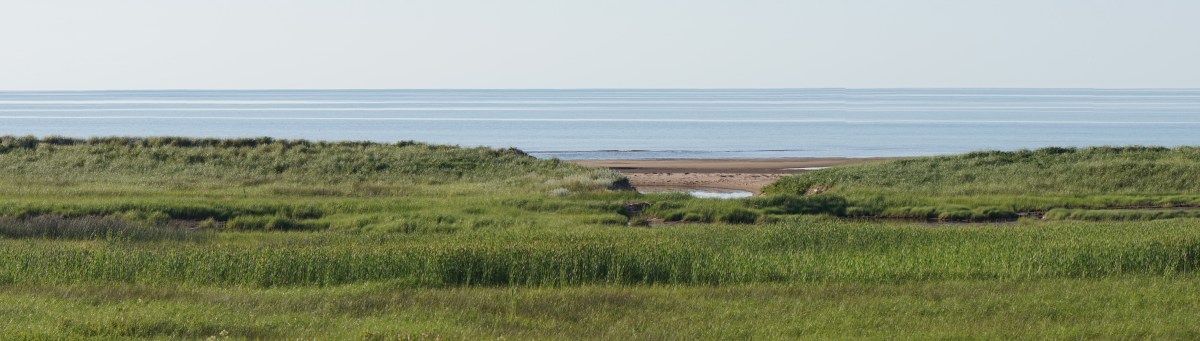
There seems to be a problem in the water…fecal bacteria above acceptable limits are showing up in water tests in some areas of the New Brunswick coastline.

I had a great discussion with my neighbour, Natasha Bell, this week about issues that increase the risk of pollution on our beaches. Initially concerned about the impact of a large proposed campground nearby, she quickly realized that the greater issue is damage to the delicate ecology of the shoreline along the entire coast of our province – and the potential for it to worsen with further development of the coastline. This lead her to become involved in a growing movement to protect our New Brunswick coastline. She established a local group, along with another concerned neighbour, Pierre Gagnon, to create awareness in members of our village council about our concerns.

They subsequently joined forces with 3 other similar groups, creating a large group that has been named SWWAT (Save our Waters, Wetlands and Tourism) to have a stronger voice with our provincial government. I attended a meeting last evening with Natasha and Pierre to discuss future actions concerned citizens can take to identify and correct existing problems and to prevent development of future problems along the NB coastline. It was attended by people from Shediac to Murray Beach, ready to exchange ideas and take action.

The issues are similar along the entire Atlantic coastline and, in fact, in many watershed areas of both fresh and salt waterways. Wetlands have been seen as “wasteland” and simply filled in to create developments for human use. Even my home was built into the wetland before existing regulations were in place. We have returned a swath of land along our property to natural vegetation along an area of water drainage from higher ground, both to try to restore some of the filtration function that was lost and because we love the appearance of the natural vegetation.

But as I thought about what we had discussed after talking to my neighbours and attending a SWWAT meeting, I wondered what I could do to help. I realized that in many ways this is an issue of education and awareness:

  • We need to educate people who use the coastline for recreation or industry that every small action is cumulative – everyone needs to be aware that actions that cause a small amount of damage can add together to cause significant problems for humans, birds, sea life and the overall ecosystem of the coastline.
  • We need to create awareness in municipal and provincial government employees and elected politicians who make decisions that affect our shores:
  • about the facts around issues that are causing damage now;
  • about the importance of finding and correcting the sources of existing problems that are potential health hazards;
  • and about the importance of considering both the current and future impact of decisions and legislation that are passed.
  • It isn’t simply about testing water quality so Public Health can predict when beaches should be closed, it’s about finding and correcting the causes of bacteria in coastal waters and taking action through legislation and policy that will correct existing problems and prevent future deterioration of the ecological systems along our shores.
  • We also need to educate our youth – the next generation – to ensure this wonderful resource is available in the future. Just on our small stretch of beach, we have had late night fires that consumed snow fencing used to prevent erosion of dunes and burned Christmas trees placed against damaged dune areas to trap sand. We’ve also had to pick up broken glass and garbage from impromptu midnight beach parties! But youth can also be a passionate force for positive change, educating their parents at the same time. We realized that the way to reach young people is through engaging their schools and increasing our reach through social media and our website. Youth communicate through electronic media!
  • We need to continue to research solid facts surrounding this issue and communicate these to government and the public to create knowledge and an awareness of the severity of the problem.
  • We want to continue to engage the attention of news media to enable wider awareness of our concerns.

Because I am a blogger and have already created a website and marketing materials when I had my business, I volunteered to work on similar approaches to spread the word about these environmental issues. It’s not only the health of people like me who use the beaches for recreation that is at stake, but also the tourism, fisheries and ultimately the economic health of coastal areas.

The SWWAT group has two requests of government:

  1. Moratorium – We are asking the Provincial Government to impose a temporary moratorium on significant development within 500 meters of wetlands draining into Northumberland Strait until the sources of fecal contamination have been identified and mitigated.
  2. Legislation – We are asking the Government to legislate a long-term wetlands protection plan supported by strict enforcement of protective regulations.

These actions will protect the health and safety of families and visitors to the beaches, as well as the future of the tourism and fisheries industries in the area.

Will you join our cause? Whether you are a resident of the area, enjoy vacationing there, or just want to help a worthy cause, please sign our petition. Help us to direct government attention to saving our shores for all to enjoy in the future!

#Environment #Wetlands

Categories
Environment

It's a shitty problem…

There seems to be a problem in the water…fecal bacteria above acceptable limits are showing up in water tests in some areas of the New Brunswick coastline.

I had a great discussion with my neighbour, Natasha Bell, this week about issues that increase the risk of pollution on our beaches. Initially concerned about the impact of a large proposed campground nearby, she quickly realized that the greater issue is damage to the delicate ecology of the shoreline along the entire coast of our province – and the potential for it to worsen with further development of the coastline. This lead her to become involved in a growing movement to protect our New Brunswick coastline. She established a local group, along with another concerned neighbour, Pierre Gagnon, to create awareness in members of our village council about our concerns.

They subsequently joined forces with 3 other similar groups, creating a large group that has been named SWWAT (Save our Waters, Wetlands and Tourism) to have a stronger voice with our provincial government. I attended a meeting last evening with Natasha and Pierre to discuss future actions concerned citizens can take to identify and correct existing problems and to prevent development of future problems along the NB coastline. It was attended by people from Shediac to Murray Beach, ready to exchange ideas and take action.

The issues are similar along the entire Atlantic coastline and, in fact, in many watershed areas of both fresh and salt waterways. Wetlands have been seen as “wasteland” and simply filled in to create developments for human use. Even my home was built into the wetland before existing regulations were in place. We have returned a swath of land along our property to natural vegetation along an area of water drainage from higher ground, both to try to restore some of the filtration function that was lost and because we love the appearance of the natural vegetation.

But as I thought about what we had discussed after talking to my neighbours and attending a SWWAT meeting, I wondered what I could do to help. I realized that in many ways this is an issue of education and awareness:

  • We need to educate people who use the coastline for recreation or industry that every small action is cumulative – everyone needs to be aware that actions that cause a small amount of damage can add together to cause significant problems for humans, birds, sea life and the overall ecosystem of the coastline.

  • We need to create awareness in municipal and provincial government employees and elected politicians who make decisions that affect our shores:

    • about the facts around issues that are causing damage now;

    • about the importance of finding and correcting the sources of existing problems that are potential health hazards;

    • and about the importance of considering both the current and future impact of decisions and legislation that are passed.

      • It isn’t simply about testing water quality so Public Health can predict when beaches should be closed, it’s about finding and correcting the causes of bacteria in coastal waters and taking action through legislation and policy that will correct existing problems and prevent future deterioration of the ecological systems along our shores.

  • We also need to educate our youth – the next generation – to ensure this wonderful resource is available in the future. Just on our small stretch of beach, we have had late night fires that consumed snow fencing used to prevent erosion of dunes and burned Christmas trees placed against damaged dune areas to trap sand. We’ve also had to pick up broken glass and garbage from impromptu midnight beach parties! But youth can also be a passionate force for positive change, educating their parents at the same time. We realized that the way to reach young people is through engaging their schools and increasing our reach through social media and our website. Youth communicate through electronic media!

  • We need to continue to research solid facts surrounding this issue and communicate these to government and the public to create knowledge and an awareness of the severity of the problem.

  • We want to continue to engage the attention of news media to enable wider awareness of our concerns.

Because I am a blogger and have already created a website and marketing materials when I had my business, I volunteered to work on similar approaches to spread the word about these environmental issues. It’s not only the health of people like me who use the beaches for recreation that is at stake, but also the tourism, fisheries and ultimately the economic health of coastal areas.

The SWWAT group has two requests of government:

  1. Moratorium – We are asking the Provincial Government to impose a temporary moratorium on significant development within 500 meters of wetlands draining into Northumberland Strait until the sources of fecal contamination have been identified and mitigated.

  2. Legislation – We are asking the Government to legislate a long-term wetlands protection plan supported by strict enforcement of protective regulations.

These actions will protect the health and safety of families and visitors to the beaches, as well as the future of the tourism and fisheries industries in the area.

Will you join our cause? Whether you are a resident of the area, enjoy vacationing there, or just want to help a worthy cause, please sign our petition. Help us to direct government attention to saving our shores for all to enjoy in the future!