Categories
Health

Herbals and Prescriptions…

How safe are they?

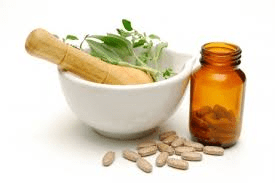
Many people think that herbal medications, being natural, are completely safe to take. But this isn’t always true. Herbal medications are really medicines, but just still in their natural plant form.

A new study, published in January 2018 in the British Journal of Clinical Pharmacology, analyzed severe reactions between herbs and drugs that were written up in journals as clinical studies or case reports. They looked at which drugs and diseases were most commonly involved, and how severe the reactions were.

They found interactions of varying types. Herbs could either increase the rate at which regular medications were removed from the body resulting in too little medication, or they could slow down the clearance, leaving too much of the medication left in the person’s system. This could result in patients responding poorly to their prescription medication, or developing toxic reactions to their regular treatments. Either scenario could result in hospitalization for the patient, especially with certain medications.

Most common problems…

The most common serious interactions occurred in people who had heart disease, cancer and kidney transplants. The most common prescription medications affected were: the blood thinner warfarin, “alkylating” chemotherapy drugs, and the anti-rejection drug cyclosporin. For each of these drugs, there is a very narrow “treatment window” – getting just a little too much or too little of the drug they need could cause serious problems with their condition.

Many herbal medicines “thin” the blood (i.e. make it less likely for a clot to form) so can add to the effect of warfarin as well as other anticoagulant or “blood thinner” drugs. Too much thinning of the blood can mean a little bump could cause extensive bleeding under the skin, seen as bruising. Worse, the bleeding can sometimes happen inside the body, usually in the digestive system, where it can’t easily be seen, leading to significant blood loss. One sign that shows a person is losing blood in the digestive system is a black, “tarry” stool – by the time blood reaches the end of the digestive system, it has turned from red to a sticky black, and looks much like tar.

Warfarin works by blocking the production of substances made from vitamin K that the body uses to make a blood clot. Many plants contain vitamin K, including herbal medicines. Increasing the amount of vitamin K in the diet, whether as a green leafy food or a herbal medicine, can help the body make more vitamin K clotting agents – more for the warfarin to block – requiring a higher dose of warfarin to prevent clots. In other words, more vitamin K can suddenly mean the blood will be able to clot more easily, increasing the risk of a blood clot, the underlying cause of heart attacks and most strokes.

Both chemotherapy drugs and cyclosporin need to be given in exact amounts to work properly. Too little and they don’t work as well…too much and they become toxic. So even a small change in how quickly they are cleared from the body can result in too much or too little in the system. Any person taking these medications should check a reputable source of information before taking a herbal medicine – ideally their doctor or pharmacist.

Ask your pharmacist…

Pharmacists receive education in both herbal and standard medications as part of their training. They have access to information on diseases, drugs, herbals, and interactions between these. If you take any prescription medications and are considering starting a herbal medicine, check with your pharmacist first. However, you should realize that a thorough information search requires time. If possible, leave the question with your pharmacist and drop back later to allow time for a proper search.

As well, herbals can interact with a medical condition you have. For example, blood sugar levels can be affected by some herbal medicines and this can be significant if you have diabetes. So, be sure to ask about possible interactions with both medications you take and any medical conditions you have.

Keep a list…

It is recommended to keep a list of all your medications for emergency use. But, as you can see, it is equally important to include all supplements you take on your list. Many pharmacies now provide a printed list that is automatically updated each time you fill a prescription. If you take a herbal medicine or nutritional supplement regularly, ask your pharmacist to add these to your profile so their information – and your list – will be complete. And, having complete information in their computer system, means the computer will bring possible interactions to the pharmacist’s attention every time they fill a prescription. Lastly, share your list with all health professionals who give you treatment… it just might prevent an avoidable interaction!

Reference:

British Journal of Clinical Pharmacology

Categories
Health

Is your body dying for vitamin D?

Vitamin D is widely recommended to be taken along with calcium to prevent or treat osteoporosis. But we are learning that vitamin D has other important actions in the body, that involve cancer, pain and your immune system…

Vitamin D was discovered in the 1930’s when researchers were looking for the cause of Ricketts (also called “childhood osteomalacia”). They realized that this substance is needed to absorb calcium, as well as magnesium and phosphorus from the intestine. When children do not get enough vitamin D, they don’t absorb enough calcium, magnesium and phosphorus to make healthy bone. The result is softened, fragile bones that break more easily or can even bend.

Osteomalacia, which adults can develop too, commonly starts with low back pain that spreads to arms, ribs and, eventually, legs. The pain is symmetrical and accompanied by sensitivity of the bones themselves, muscle weakness and fatigue. People with osteomalacia tend to walk with a “waddling” gait, and have problems with stairs and getting up from a squatting position.

The sunshine vitamin

You may already know that vitamin D is called the “sunshine vitamin” because you make it from cholesterol when the sun shines on your skin. Actually, the substances created in the skin, vitamins D2 and D3, have to go through several changes in the liver and kidneys to be turned into the active form of vitamin D, calcitriol, that our bodies are able to use. An intermediate stage, called 25-hydroxy vitamin D (or 25-OH D) is what is measured in the blood to determine what your vitamin D level is.

Importantly, if you have chronic kidney disease you may not be able to activate the vitamins D2 and D3 produced by your skin and that are available as common supplements. This would require you to take the activated form of vitamin D, calcitriol, that is available only by prescription (and, unfortunately, is quite expensive compared to D3…).

A vitamin or a hormone?

Vitamin D is really misnamed. It’s not a true vitamin… in many ways, it’s more like a hormone! Vitamins are “vital amines”, chemicals that humans cannot make and therefore need to consume in our food. Hormones, on the contrary, are substances produced in the body that travel through the blood to act at a different body location. Of course, we can get some vitamin D from a few foods:

  • fatty fish, such as tuna, mackerel or salmon

  • egg yolks

  • beef liver

  • cheese

  • food to which it has been added (some dairy products, juices and cereals…check labels!)

  • supplements found in a drug store or grocery

but most is made in our bodies when we exposure our skin to sunshine.

Vitamin D deficiency is reported to have increased in the past decade. Could it be partly due to the current emphasis on the dangers of sun exposure and increased regular use of sun screens? That certainly could be a contributing factor. However, also at risk are house-bound elderly and chronically ill people who spend little time outdoors, as well as women who wear traditional veils and clothing that blocks sunshine from falling on bare skin.

But the underlying problem for those of us who live in the north, is that the sun is not strong enough between October and April to stimulate the conversion of cholesterol to vitamin D in the skin. Although vitamin D is fat soluble and can be stored in the body for use later, we are advised to take vitamin D supplements during the winter (unless you take regular winter vacations in the south, of course!).

Not supplements are created equal…

When shopping for a supplement, be sure to check the label of the vitamin D you buy: Studies have shown than vitamin D3 raises blood levels of the vitamin twice as much as the D2 form. Fortunately, most supplements available now are vitamin D3, but you want to be sure not to waste your money on the less effective version.

The official recommended daily intake of vitamin D is 400iu, but newer studies suggest that this needs to be revised. Most doctors and nutritionists (and pharmacists too!) now advise at least 1000iu daily, with more being recommended if a blood test has determined that you have a deficiency.

Vitamin D and cancer, immune system, pain, diabetes

The other thing you should know about vitamin D, is that it does more than just help you absorb minerals and prevent bone problems… It is also needed for a healthy immune system. Immune system cells have receptors where vitamin D attaches, indication it acts on these cells. Vitamin D deficiency is associated with an increased risk of autoimmune diseases (like MS in those who are genetically susceptible), and increased risk of some cancers (like colorectal, breast and bladder).

In mice studies of vitamin D and breast cancer, vitamin D blocked growth and spread of cancer cells. Although they state that more research is needed, some researchers believe taking supplements to avoid vitamin D deficiency might be a safe, cost-effective way of preventing cancer and improving outcomes in those who have been diagnosed with it.

Studies in newborns even suggest that the mother’s vitamin D status can have lasting effects on the child after birth. Babies born to mothers who received daily amounts of vitamin D supplements to significantly raise their blood level (in this case, 4400iu daily) had healthier immune systems at birth and lower rates of asthma, allergies and respiratory infections as toddlers and young children.

Perception of chronic pain may also be influenced by vitamin D. One study found that chronic pain patients taking narcotics for their pain needed only half as much if they had adequate vitamin D levels.

As well, Type 2 diabetes (T2D) may be affected by low vitamin D levels, studies suggest. People diagnosed with T2D tended to have lower vitamin D levels. Supplementing vitamin D was also found to help control blood sugar levels and reduce symptoms of diabetes in some studies, but more research is needed to confirm this.

So, this amazing hormone-vitamin has many actions in various body systems. Research is ongong, so stay tuned for new benefits in health news in the future. And think seriously about what your intake and production of vitamin D could be, and whether you should consider taking an inexpensive supplement.

How much vitamin D do you need?

How much vitamin D you need is controversial and how much you make in response to sun exposure is highly variable. It is estimated that, under ideal conditions, you can produce 10,000 to 20,000iu of vitamin D3 in just 30 minutes in the sun. Five to 30 minutes of sun exposure, 2 to 3 times a week ideally could enable you to produce all the vitamin D you need.

However, many factors can affect vitamin D production in skin:

  • Skin pigmentation absorbs the UVB rays needed to create vitamin D. Darker-skinned people would need longer exposure than fair-skinned.

  • Fat cells absorb vitamin D (because it’s a fat-soluble vitamin). A person who is significantly higher than their recommended weight could have as much as 50% less vitamin D in their blood after the same sun exposure as a person of normal weight.

  • Older people are less able to convert cholesterol into vitamin D3. A 70-year-old person generally makes about 75% less than a 20-year-old.

  • Those who live in the north (north of Washington DC) where the sun is not as strong in winter, do not get enough sun for part of the year. That’s all of us in Canada! It is estimated that a UV index greater than 3 is needed to provide enough UVB rays to make vitamin D. Cloud or smog can reduce UV rays reaching the earth by 50%.

  • Using SPF 8 or greater sunscreen blocks our skin’s ability to produce vitamin D. Delaying application for an appropriate length of time for your skin type and the time of year would be a sensible strategy to get adequate vitamin D while protecting skin.

Even the ideal blood level of vitamin D is controversial. Some authorities state that 12.5mg/ml of 25-OH D is enough to prevent bone problems. But others say this is not enough for a healthy immune system and other effects, stating that more than 20 or even 30ng/ml is ideal. A few, citing questionable accuracy of blood tests and safety of higher levels, advise maintaining as much as 40 to 60ng/ml of vitamin D to be sure of optimal effects.

After researching this article, I’ve decided to take 2000iu daily during the winter. In summer, being retired, I am able to spend lots of time outdoors in the sun, so I plan to stop for the summer when I am unlikely to need an extra supplement.

What about you? Do you need a little extra vitamin D to make sure your health is optimum? Post a comment in Facebook or send me a note by email. I’d love to hear whether this information made a difference for you…

References and further reading :

WebMD; Chronic Pain: Does vitamin D help?

Journal of Endocrinology; The interfaces between vitamin D, Sleep and pain

The Journal of Allergy and Clinical Immunology; Vitamin D supplementation during pregnancy: Effect on the neonatal immune system in a randomized controlled trial

Medical News Today; Vitamin D May Increase Survival for Breast Cancer Patients

Journal of Investigative Medicine; Vitamin D and the Immune System