Categories
Health

Stomach meds and your immune system…

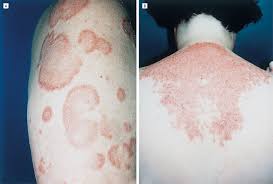
A new report in our Canadian pharmacy journal, Pharmacy Practice Plus, describes a Health Canada review of the association between stomach medications known as Proton Pump Inhibitors or PPIs (Losec, Prevacid, Nexium and others) and a type of autoimmune disease, SCLE (Subacute Cutaneous Lupus Erythematosis). Health Canada determined that there was enough evidence of an association between the drugs and this disease that product safety information should be updated to warn consumers.

SCLE is a rare disease, but since PPI drugs are available without prescription and are taken regularly by so many people, Health Canada wants to raise awareness of this potential safety issue. Of 18 international reports of patients with SCLE taking one of several different PPI stomach medications, 16 recovered when the drug was stopped, and at least one developed the disease again when the drug was restarted.

Autoimmune disorders have increased worldwide in Westernized societies over the past 30 years. Currently it is estimated that approximately 2 million Canadians and up to 23.5 million Americans suffer from autoimmune diseases, such as Lupus, Type 1 diabetes, inflammatory bowel diseases, MS, Rheumatoid Arthritis, Hashimoto’s Thyroiditis and others… all are caused by an immune system not working properly. Although long-term studies are scarce, in US immune disorders were documented to have risen from 3% in the 1960s to 9% in 2009.

Given that bacteria in the gut are now known to influence the immune system, and that PPI acid-blocking medications can cause a change in gut bacteria, it should not be a surprise that there is an association between their use and an autoimmune disease. Perhaps researchers should be looking at whether there might be an association between PPIs and other diseases caused by immune system dysfunction.

If you have an autoimmune disease and are taking regular stomach medications, talk to your doctor about this possible association and whether you should consider stopping this medication.

Here is a link to a blog I wrote earlier about the problems that can be caused by long term use of PPI stomach medications: Do-you-take-daily-stomach-medicine

And the Health Canada report is here: Health Canada if you are interested in reading the summary.
Categories
Health

Kidney stones… “childbirth” for men

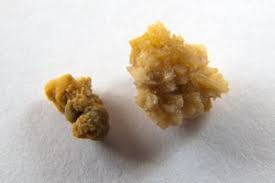
They say passing a kidney stone can be as painful as giving birth. After watching my husband suffer with unrelenting pain from a stone for a week, followed by intermittent pain for another 10 days as his swollen kidney healed, I think I’d agree. It might even be worse than labour — renal colic, the pain from a swollen kidney when a stone blocks urine flow, is constant and can last for days. And the “reward” you get after all that? A tiny piece of rough, spiky stone!

How common are kidney stones?

Kidney stones are becoming more common, according to a recent study published in the journal “Mayo Clinic Proceedings”. Part of the increase is because new imaging techniques, like ultrasound and CT scans, allow us to see small stones that cause few symptoms and would otherwise have been missed. But, compared to 30 years ago, twice as many are reported in men and four times more in women, with significant increases in younger women, suggesting something else is happening as well. About 10% of people will experience one at some time in their lives.

Where do they come from?

The stones are made of material that has precipitated out in the kidney, ureters (the tubes that urine flows in from the kidney to the bladder), or the bladder, creating a rough, irregular shaped crystal. Normally, this material – calcium, phosphate, oxalates, and less commonly, struvite or uric acid – stays dissolved in the urine. Struvite stones are often associated with infections of the urinary system, while uric acid stones are linked to gout and high protein diets, but these types occur less often.

How can you avoid them?

Most stones, about 75%, are made of calcium oxalate. We’re all aware of dairy products as a rich source of calcium, and oxalate is also in many foods, including beets, rhubarb, chocolate, tea and nuts. Reducing your intake of calcium and oxalate is one strategy to reduce your risk of the most common type of kidney stone.

But the other strategy is to reduce the risk of these minerals precipitating out in the kidney by drinking lots of water to keep them dissolved. The Mayo Clinic advises drinking 2 to 3 liters (quarts) of water and reducing salt intake to stay well hydrated and create plenty of urine to “flush” the urine system regularly throughout the day.

Treatments?

If you are unfortunate enough to develop a kidney stone, you will be advised to drink lots of water to help push the stone through more quickly. Strong pain medications, usually narcotics, are given to ease the pain and sometimes anti-nausea medications are needed as well. Be prepared to sleep a lot as both these types of medicines cause drowsiness.

If the stone is large, 5mm (0.2 inch) or greater, you doctor may use ultrasound to break it up, allowing it to pass more easily. They may also give you an extra medication, called Flomax (Tamsulosin) to help relax the tubes of the urinary system to allow the stone to pass more easily. If it’s very large, they may need to make a small incision in your back to surgically remove it.

My husband’s 4mm stone took a week to pass and he lost about 20 pounds in the process, being unable to eat due to the associated nausea. You may have been wondering why I was less regular in posting my blog lately! Although I haven’t read warnings about it, he found that even more than a week later, alcohol or coffee seemed to irritate his still-swollen kidney, resulting in significant pain the following day. We thought there must be another stone until he noticed the association and quit both, just in case…

Beyond diet and hydration, genetics may also play a role in whether you are likely to develop a kidney stone. If a close relative has been affected, you may have a greater chance of having one too. The best advice seems to be to consume more water as part of your regular daily routine.

However, be aware that many foods also contain water, and all of it counts. Some foods that are 90 to 95% water include: cucumbers, iceberg lettuce, celery, radishes, tomatoes, green peppers, cauliflower, watermelon, spinach, star fruit, strawberries, broccoli, grapefruit, baby carrots and cantaloupe.

I think we’ll start eating more salads… how about you?

Reference:

CNN News http://www.cnn.com/2018/02/13/health/kidney-stones-study/index.html

Mayo Clinic Proceedings http://www.mayoclinicproceedings.org/article/S0025-6196(17)30844-3/fulltext