
Categories
Health

Eating dessert first…

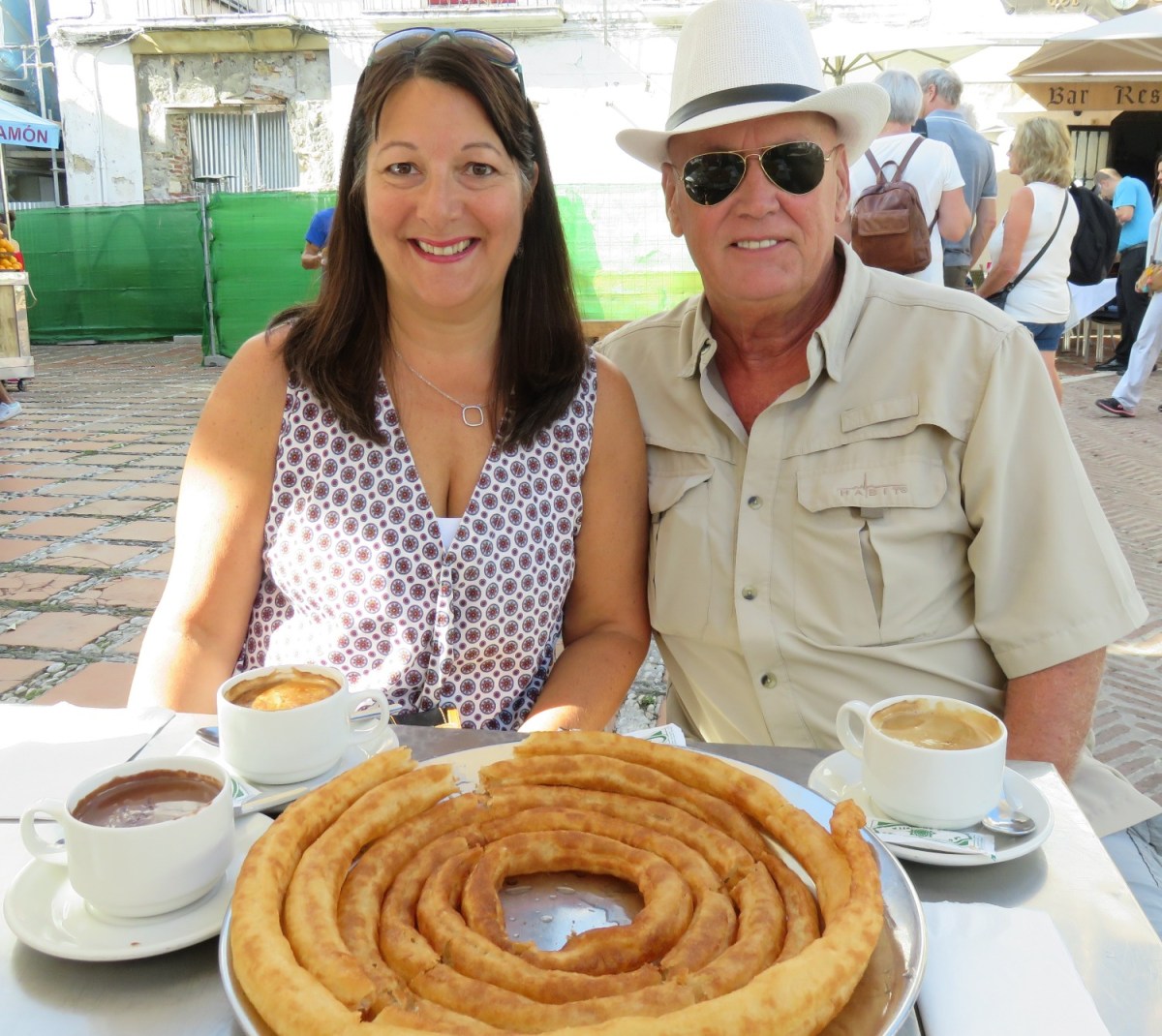
Churros and Chocolate for breakfast in Marbella, Spain.

Does life seem too short? When you look back, will you be happy with what you’ve accomplished? Are there things you’ve always wanted to do but just can’t find the time to get started? Do you sometimes feel like you should eat dessert first in case your mealtime is cut short?

Where does the time go?

It seems that, despite our current hurried lifestyles with its many distractions and demands on our time, this isn’t a new problem. Almost 2000 years ago, Roman philosopher, Lucius Annaeus Seneca, wrote an essay entitled “On the Shortness of Life” that I just stumbled across. Even back then, people complained that life was too short. Though the average lifespan is years longer now, most of us still feel the same.

In his essay, Seneca wrote “our lifetime offers ample scope to the person who maps it out well… It’s not that we have a short time to live, but that we waste much of it. Men are thrifty in guarding their private property, but as soon as it comes to wasting time, they are most extravagant with the one commodity for which it’s respectable to be greedy. No one values time: all use it more than lavishly, as if it cost nothing.” Once time is gone you can’t get it back…

So, how do you “map it out well”?

You may have heard of the 80/20 rule: 80% of benefit often comes from 20% of your effort. Keeping this in mind, if we became purposeful and productive with just 20% of our time we might still be able to reap 80% of the benefit we achieve in a normal unstructured day. It’s difficult to change your whole life, but what about just 20% of it? Or even 10%?

Here’s one way to do it…

First: Take some time to decide what you really want from life. What are your most important goals that you’ve not yet achieved? What have you always wanted to do that you haven’t yet tried? This is where you want to focus; this is what you want create time to start doing now. Keep in mind that your goals will likely change over time, and you will want to reassess and refocus some time down the road…

Second: Ask yourself: Are you working on these goals that are important to you or just keeping “busy” with life? Remember the 80/20 rule and carve some time away for yourself from activities that really don’t matter in the overall picture, to focus on what is really important to you.

Third: Don’t multitask. Turn off distractions so you can increase your efficiency, to accomplish more in this limited amount of special time you’ve created for yourself. Multitasking lowers the quality of your attention, makes you tire faster, increases your stress and unhappiness, and lessens the effectiveness of your activity or learning.

Start now…

I’ve always been a procrastinator… in fact, my parents once gave me a little round medallion with the letters “TUIT” engraved on it – “I’ll do it when I get around to it” (a round TUIT)… a little family joke. My dad also used to call me “the late Jeannie Collins” because I was late so often, having been oblivious to time and put off preparing to go somewhere!

When we first spent an entire winter in Florida, I had several retirement activities that I wanted to do… things I’d been wanting to try, like improving my drawing, trying some painting and learning a new language. As the winter passed and March rolled around, I realized that I’d put off starting these activities, day after day, thinking that I had lots of time to get around to it. I’d “wasted” 4 months of what I thought would be a long “empty” winter! It was so easy to just fill in the time with other interesting activities.

Knowing I only had 2 more months left there, helped me to focus on what was important to me at the time, the things I really wanted to do. I started setting some time aside every day for what was important to me. At least I was able to make good use of my last 2 months to achieve a few things I’d always wanted to do.

The ancient Roman philosopher, Seneca, also said “The greatest waste of life lies in postponement: it robs us of each day in turn and snatches away the present by promising the future.” At some point, like me, you need to decide to get started and do the things you really want to do. The alternative is really just giving up on your dreams.

I read somewhere that the most common regrets expressed at the end of life are not about what the person did, but about what they wanted to do but never found (or made) the time for. So, what can you do to make sure this isn’t one of your regrets? Just like choosing to be happy, discussed in last week’s blog, choose now to accomplish (or at least work on) your life’s greatest desires. Consciously making choices now can help you to experience satisfaction and happiness as you go through life and when you look back on your past.

“Eating dessert first”, of course, isn’t really talking about food… Many of us think of dessert as the tastiest, most desirable part of a meal. The “life” version of dessert refers to the best, most desired, and most rewarding parts of your life. The expression encourages us to put the best parts of life first. The decisions you make about what you’ll do today can change your future.

===================================

One of the reasons I write this blog each week is to investigate new ideas and learn more about being healthy myself, both mentally and physically, while I find ideas to share and answer questions from readers. Please let me know what you’d like to read about or share interesting articles you’ve read elsewhere that might provide ideas to share here. You can email me directly at Jeannie.beaudin@gmail.com or just hit the “Comments” button below or on the right!

References:

Why you don’t need to read those productivity guides

Seneca, on the greatest obstacle to living a more fulfilling life

On the Shortness of Life, Seneca. Full text (translated)
Categories
Health

Start a Happiness Project

Think of happiness as something you can decide on, something you can practice and get better at… Does that sound strange? Scientists say, the more you choose to focus on being happy and having positive thoughts, the happier you can become.

Your brain is “plastic”. It constantly changes, making new connections as you learn something new or create a new memory, and it strengthens the connections that are used most often. Think of a new skill or hobby you’re learning – the more you practice, the easier it becomes to do it.

It’s the same, experts say, with your thoughts. The more attention you give to the happy, pleasant things in your life, the better you will remember them looking back at the end of the day, week, or year. Your whole life will just feel happier, because that’s what sticks with you.

Survival of the busiest…

Darwin’s theory, “survival of the fittest”, explains how species gradually evolve over time. Psychologists use the term “Neural Darwinism”, or survival of the busiest connections, to refer to our brain’s ability to change over time according to what we focus on and learn. Just like muscle, the brain builds up the parts that are used most. They have actually measured thickening in certain parts of the brain that are used more. For example, taxi drivers who memorize streets in large cities have thickened layers in the hippocampus area of their brains, the area where visual-spatial memory is stored.

And brain pathways that aren’t used become weakened and wither over time. Limiting the time spent dwelling on sad events from the past, for example, means that over time our ability to pop these thoughts into our mind will lessen. Of course, we all have negative, unpleasant things that happen to us, but dealing with them as best you can then setting them aside in your thoughts can mean they will have less impact on your life and you will be a happier person.

You can also try to find something positive in an unpleasant situation – did you learn something from what happened? Can you find a way to do it better next time? Did it bring you closer to those you love? Take any positivity you can and move on. You can’t change the past. But you can limit how much effect it has on your future.

For some people, writing a journal of positive thoughts at the end of the day can prompt them to focus on the positive in their lives. For others, simply taking a few seconds to appreciate what is pleasant as it happens is all they need to do to reinforce these memories and feelings.

So, train your brain to be happy. What you focus on and practice regularly will eventually become a habit. Make it a project to consciously decide every day to dwell on the best things in your life, and very likely you will soon find you are a happier person.

Further reading:

The Happiness Habit

Hardwiring Happiness, by Rick Hanson, PhD

Categories
Health Public Health

Could antibiotics increase risk of disease?

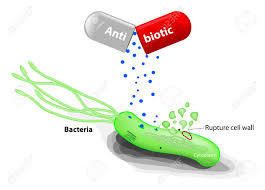
New research suggests that antibiotic use during pregnancy and in early childhood may affect a child’s chances of developing asthma, obesity, Crohn’s and other inflammatory bowel diseases later in life, and increase risk of severe infection in the first 6 years of life.

A baby’s first contact with bacteria is during birth. The organisms in the mother’s birth canal will be the first to become established in the baby’s digestive system and on the skin. If a baby is born by Caesarean section, she will acquire organisms from the mother’s skin and from whatever she contacts in the hospital.

In my June 15th blog, The world inside…, I talked about how the types of bacteria, viruses, fungi and other organisms we have in our digestive systems (collectively known as the “microbiome”) can change the way the immune system works, especially in early life when the immune system is “learning” how to function. Studies I found this week suggest that this effect can extend to later in life and perhaps even to the next generation.

Obesity

In agriculture, animals are given antibiotics to promote their growth and weight gain, increasing production. The effect is believed to occur by changing their gut microbiome. It has been proposed by scientists that a similar effect could be expected in humans. Depending on the antibiotic, growth could be promoted or stunted, the same as what is seen in animals.

An article published in the National Review of Endocrinology suggests an altered microbiome in early life could have long-lasting effects on weight, possibly contributing to 10-15% increases in rates of obesity. This article also describes how researchers have demonstrated in animals that antibiotic exposure early in life has a longer-lasting effect than when given later. This supports the premise that antibiotics have a greater disrupting effect if given while the microbiome is becoming established in the early years. In humans this happens in the first 3 years of life.

Infections

One study published in the International Journal of Epidemiology showed that antibiotics taken by an expectant mother before or during pregnancy, especially in larger amounts and close to the birth, were associated with an increased chance that the child would later be hospitalized for an infection. This is believed to be caused by an antibiotic-induced change in the microbiome, passed from the mother on to the baby, that changes the way the immune system develops in the newborn.

Inflammatory diseases

Another study reported that 7 or more courses of antibiotics in childhood increased risk of developing Crohn’s disease 7-fold. Celiac disease was also associated with early antibiotic use and these effects were greatest when the medications were given during the first year of life.

Asthma

Increased antibiotic use has also been found in many studies to be associated with asthma, but it is yet to be proven that antibiotics or resulting changes in gut microbiome are the cause. Some researchers have suggested that infections severe enough to require an antibiotic or some other factors could be contributing to the increased risk of developing asthma. So, lots of controversy…

The hygiene hypothesis

The “hygiene hypothesis” originally suggested too little exposure to infections as a child could disrupt development of our immune systems and cause increases in allergic and inflammatory diseases. Researchers now also suggest that overuse of antimicrobial soaps and strict avoidance of exposure to non-infectious bacteria in early life in an effort to avoid contact with disease-causing bacteria may contribute to both a poorer quality microbiome and a malfunctioning immune system. It seems that it’s a matter of balance: too little exposure to microorganisms may create immune problems, and too much exposure may increase risk of infectious disease. The big question is, what is the best level? That hasn’t been determined yet but, for now, experts recommend spending lots of time outdoors in nature where we will be exposed to plenty of healthy natural organisms, especially children with developing immune systems.

We need more research…

More research is needed to determine whether antibiotic is increasing risk of allergic and autoimmune diseases. Fortunately, in the past 10 years there has been increased interested in investigating links with antibiotic use, changes in microbiome and how this could affect us. This research is especially important as there have been substantial increases in asthma, allergies, and autoimmune diseases, such as Multiple Sclerosis, Lupus and inflammatory bowel diseases like Crone’s and Celiac disease in the past generation as antibiotics have become more widely used. We need to learn whether it’s just a coincidence or a cause…

There is no question that we benefit from proper use of antibiotics. They can save lives. But too often they are used when unnecessary or for viral infections like colds and flu when they have no effect. Increasingly, healthcare professionals are recommending probiotics to help our microbiome recover after a needed course of antibiotic treatment, as they become aware of the negative consequences of damage to our gut organisms.

So, if you’re sick with an infection, don’t just go to your doctor and demand an antibiotic. Ask if you truly need this medication, take the lowest level antibiotic that will work if you do need one (ideally one that has been identified by a culture to work on the infection you have), and ask what you can do afterward to repair any damage to your gut microbiome. This could include probiotics and a change in your diet to help stimulate growth of your good organisms.