Categories
Health

8 Steps to a Long and Healthy Future

Lola Holmes, age 100 — World’s Oldest Active Curler.

Scientists say human lifespan in the future could be as long as 120 years. So, if we retire at age 60, we could be living half of our lifetime in retirement. Does this change how you think about your future?

Diet, exercise, taking care of your health and avoiding accidents are, of course, important to survival. But they also increase your odds of experiencing productive, disability-free and enjoyable elderly years. Studies of populations with high numbers of people who live to age 100 also suggest that having a purpose in life outside of yourself, doing good for others, and making your mark are also important factors in longevity. Being socially connected with family and close friends is considered essential for optimal health as well.

So gear your life plan to longevity to make the best of the time that may be available to you. Just imagine all you could accomplish in those extra 60 years if you maintain a healthy body and mind!

How you begin your day has a strong influence on how your day goes, and each day influences what you accomplish in life. Let me share what I learned in reading a thought-provoking article entitled “How to Feel Amazing Before 8 a.m.” — and I expect these ideas would work as well for retired folks (like me!) who start their day at 8:30…

  1. Set yourself up the night before for a successful day.

    1. No screens for 1 hour before bed (except perhaps a low-light e-reader)

    2. Stop thinking about work (if not retired!) or about your problems

    3. Be ”present” with loved ones or enjoy a hobby or relaxing activity (reading, art, etc)

    4. Create a good sleep environment (cool, quiet room, comfortable bed)

  2. Sleep at least 7 hours, or your ideal amount of sleep

    1. Getting enough sleep is associated with improved memory, longer life, more creativity, lower stress, increased attention, less dependence on caffeine, greater ease in maintaining a healthy weight, and decreased risk of depression and accidents.

    2. Set your bedtime to allow sufficient sleep before your chosen wake up time.

  3. Set an alarm and get up at your planned time.

    1. This can give you your first achievement of the day and is thought to boost daily confidence.

    2. Choosing an earlier wake time is an ideal way to “create time” for projects or activities you’ve been wanting to do.

  4. Change your environment soon after arising.

    1. A fresh environment boosts energy.

      1. Step outside for 5 to 10 minutes, look out the window to check the weather, water your plants or just move to another part of your home to welcome the new day

      2. This increases energy because the brains loves novelty and newness.

  5. Take 5 to 10 minutes for some type of meditation or writing

    1. Imagine the future you want to create for yourself

    2. Assume the feeling of being there to improve your mood for the day

    3. This can be done in the “fresh environment” you chose in step 4.

Albert Einstein said: “Imagination is more important than knowledge. For knowledge is limited to all we now know and understand, while imagination embraces the entire world, and all there ever will be to know and understand.”

  1. Listen to Quality information as you exercise.

    1. You need to be physically fit to enjoy your elderly years.

    2. Stimulating your brain as you exercise your body sets you up for a productive day.

    3. Headphones with a screen or just audio are both effective.

    4. Try TED Talks, audiobooks, or online courses (many free ones are available).

  2. Eat a healthy breakfast and include foods that help brain function (at breakfast and through the day)

    1. Suggested “brain foods”: nuts, seeds, avocados, beets, blueberries, bone broth, coconut oil, egg yolks, turmeric

    2. Include fermented foods and foods that contain probiotics and fiber.

      1. A healthy gut = a healthy immune system and healthy brain function. The gut and brain communicate with each other through nerves and chemicals called neurotransmitters.

  3. Then begin work on your creative project while you are in an energized “peak state”, early in the day.

    1. Do tasks or projects that are most important to you first to make sure they get done.

    2. With the energy and sense of achievement you’ve created, you may find that you get more done later in the day too…

Accomplishing something significant early in the day, sets you up for a great day. And taking those few minutes to think about what is most important helps to ensure you focus on what you really want to accomplish. Just imagine what you can do with that “extra” time each day…

I wrote this article because I‘d really like to do this… Are you with me?

References:

Medium.com

I’ve Decided to Live 120 Years by Ilchi Lee

CTV News — World’s Oldest Curler
Categories
Health

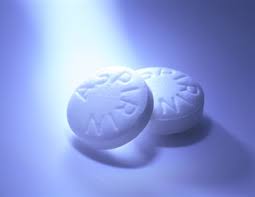
Does an aspirin a day keep the doctor away?

It’s been well proven that a low dose of aspirin every day, as little as 50 mg, helps prevent heart attacks in those who already have heart disease. But should healthy older adults take daily Aspirin? Is the benefit for those without established heart disease greater than the risk from side effects that they might experience?

Aspirin is an old drug…

Aspirin, also known as acetylsalicylic acid or ASA, has been around for a long time. It was originally extracted as salicylic acid from white willow bark or leaves by making the plant into a tea that would be taken to relieve pain and fever, and has been used this way since the middle ages. In the 5th century BC, the Greek physician, Hippocrates, described using willow for signs of inflammation: redness, heat, swelling and pain, and there are descriptions of its use in ancient Arab and Roman herbal texts. In the 1800’s chemists learned to react the salicylic acid derivative, sodium salicylate (often found these days in aspirin creams), with acetyl chloride creating acetylsalicylic acid (ASA) that was easier on the stomach and just as effective for pain and inflammation. The first Aspirin tablet, as we know it, was marketed in 1899.

But is has new uses

It wasn’t until the 1970’s that chemists really began to understand how Aspirin works. It reduces pain and inflammation by blocking the action of enzymes, called Cox-1 and Cox-2, that are needed to make hormones called prostaglandins. Prostaglandins create inflammation, redness, swelling and pain in response to an injury. But Prostaglandins are also needed to create the thick layer of mucous that protects the stomach, and this is why taking aspirin can lead to stomach problems. Many people take aspirin in a form that has been coated to prevent it from dissolving in the stomach, causing it to dissolve in the intestines instead. However, these coatings have not been proven to actually make a difference in the risk of bleeding caused by aspirin. This is because the problem is that Aspirin blocks the production of protective mucous coating in the stomach, not because the drug itself irritates the stomach. The coating may reduce symptoms such as heartburn, however, where the stomach contents are regurgitated back up the esophagus, causing burning and irritation.

The other important action of aspirin that was discovered recent years, is its ability to reduce the “stickiness” of platelets in the blood. Platelets are the first stage of creating a blood clot so making them less sticky means clots will not form as readily. People sometimes refer to this action as “thinning” the blood. Heart attacks and most strokes are caused by a clot forming inside the artery, blocking blood flow to part of the heart muscle or brain. Without oxygen supply from blood, the tissue in the blocked area quickly dies and stops working, resulting in a heart attack or ischemic stroke.

Only very low doses of Aspirin are needed to interfere with platelet stickiness, much lower doses than are needed for pain and inflammation. Platelets that are exposed to Aspirin are changed permanently so, to recover from the blood thinning effect, new platelets need to be made and it takes several days to make enough to regain activity. This is why Aspirin needs to be stopped for about 4 days before a surgery or other procedure where we need blood clotting action to prevent excessive bleeding. Theoretically, an Aspirin could be taken every 3 or 4 days and still work as well to prevent heart attacks, but that’s a recipe for forgetting! This is why doctors recommend taking a very low dose, usually 80 mg, every day. But if you miss a day once in a while, it’s good to know that it’s still working.

Who should take Aspirin?

So, back to my original question: is it a good idea for healthy older adults to take an Aspirin a day help to prevent heart attacks? Many have assumed that it would be, just as it is for those who have already had a heart attack. However, we also have to consider the potential for stomach problems, particularly the risk of severe, life-threatening bleeding.

A new Australian/US joint study that answers this question was just published in the New England Journal of Medicine. The study looked at 20,000 healthy older adults who had no chronic diseases or increased risk of heart attack, with an average age of 74. The results? A daily Aspirin did not increase “disability free survival” in those who took it, compared to those who took a placebo (non-drug sugar pill), but the Aspirin group had a higher risk of severe bleeding in the digestive system and brain. Severe bleeding, or hemorrhage, in the brain gives the second, less common type of stroke, called hemorrhagic stroke.

So, if you are taking a daily low-dose Aspirin but have never had a heart attack, talk to your doctor about whether you should continue. You could be getting more risk than benefit. And be aware that a black, tarry-looking stool suggests that you may be losing blood somewhere in the digestive system, although a few medications can cause a black-coloured stool, such as iron pills and Pepto Bismol. If you take Aspirin, check your stool before you flush. If it looks like it was mixed with black tar, see your doctor right away.

References:

Daily low-dose aspirin found to have no effect on healthy life span in older people

History of Aspirin

Categories
Health Menopause

Mid-life Memory Problems – Part 3

Brain “overload”

One factor that is problematic for our generation, is the level of information and distraction we are exposed to every day. Advertisements compete for our attention constantly – advertisers are expert at stealing our focus from what it is we want to accomplish.

We know that to remember something, we need to pay attention, take the information in, process it and store it properly. Studies have shown that multitasking, doing two or more things at once, takes longer than doing each separately. The brain can only focus on one thing at a time and switching between tasks wastes time as we refocus on the new activity.

At least some of the large companies that have been so successful at grabbing our attention, like Facebook, Instagram and Amazon, are realizing the damage they are doing and have started to talk about changing their strategies. Both have recently rolled out programs to meter your time on their platforms to enable us to regain some control.

So, if you want to remember something, turn off the social media and its advertising, give it your full attention and only take on one task at a time.

Medications

Sleeping pills and tranquilizers are known to decrease memory and can even cause periods of amnesia in some people. While this may be due to the drowsiness they cause, slowing brain function, it could also be because of the receptors for messaging chemicals (or neurotransmitters) that they block in the brain.

Receptor blocking is thought to be the problem with anticholinergic drugs that can cause marked memory decrease in some people. These drugs block the neurotransmitter, acetylcholine, from doing its work in the hippocampus memory center, either as their mode of action or as a side effect. Anti-nausea drugs, antihistamines and some anti-depressants have this anticholinergic effect; the more drowsiness the drug causes, generally the greater the anticholinergic effect it has.

Beta-blockers, a class of drugs used for blood pressure and after a heart attack, can also reduce memory, as can some stomach drugs, in particular, Zantac and Pepcid.

Corticosteroids such as prednisone, which mimic our cortisol, can decrease memory by the same mechanism that high natural cortisol levels can when we have a lot of stress, as described in last week’s blog.

And chemotherapy can cause a general brain fogginess, due to its toxicity, that is nicknamed “chemo brain” by some patients.

Diseases and medical conditions

Lastly, some medical conditions can reduce brain function. Weight loss, where sugar intake is reduced, results in a decreased supply of the brain’s favourite food.

Lyme Disease, caused by a bacterium that is carried by infected ticks, can eventually affect brain function and memory if the initial infection is not detected and treated.

Insulin resistance is a condition where the body becomes insensitive to insulin, requiring higher amounts to be released into the blood to move blood sugar into muscle and storage sites. It is present in people with Type 2 diabetes (adult onset) and pre-diabetes. Researchers have found a strong association between people with insulin resistance, those with declining memory, and risk of developing Alzheimer’s disease.

Minimal Traumatic Brain Injury

Next, we know that concussions cause brain damage, but minimally traumatic brain injuries can cause problems too, especially if repeated. These are bumps or sudden direction changes that don’t cause loss of conscience but are still traumatic enough to create microscopic tears and bleeding in the brain. Sometimes the results of this damage only show as headaches or dizziness but can return in mid-life, as memory loss.

How can you know if it’s more than just “age”?

Doctors will often use a simple test, called the Mini Mental State Exam (MMSE) to evaluate brain function. It consists of 30 questions that assess language, orientation, calculation, attention, recall and visuospatial function (the ability to analyze space and visual forms). However, the test is really geared to detect people with overt dementia. It isn’t sensitive enough to detect early stages of a dementia like Alzheimer’s. A person with high mental functioning can drop to normal – a serious change for them – but still test out as having nothing wrong, especially when the various test results are totalled and averaged.

Specialized centers, however, can conduct in-depth memory and brain function tests that can detect changes in individual areas of the brain by testing the memory and cognitive functions specific to each area of the brain. These tests are expensive and time-consuming, however, and are not commonly done.

Generally, though, you don’t need to worry if you’ve just misplaced your keys or lose your train of thought occasionally. Being unable to find your way home when doing errands, for example, is likely to suggest a more serious problem. However, if you notice a dramatic change in your memory or ability to accomplish daily tasks, it’s reason to have a discussion with your doctor.

I hope this series of articles has given you some ideas for changes you could make to improve your memory or perhaps has helped you detect an underlying cause of your forgetfulness!

References:

Finding it hard to focus? New York Times

Insulin Resistance May Boost Risk of Memory Loss