Categories
Health

Vitamin K2 – the Link Between Heart Disease and Osteoporosis

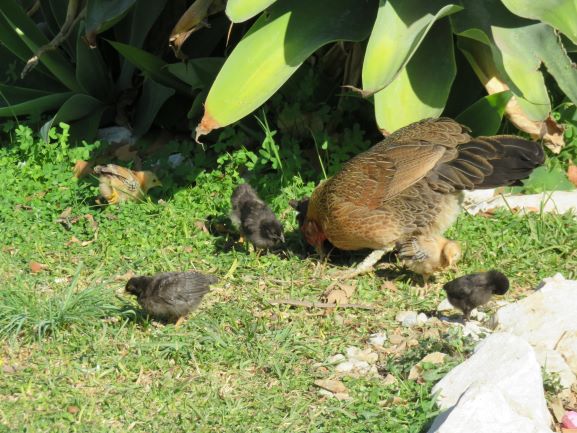
A hen and her chicks in the garden at our apartment building in Spain

Well, some of our family have gone home to Canada, and I’m finding a bit more time to read these days. I’m into a book about the tie between heart disease and osteoporosis. Who would have thought there is a connection? I certainly didn’t. But the book’s explanation of why we are seeing too much of these chronic diseases makes sense…

The connection is calcium – too little of it leads to thinning of bones and risk of osteoporosis – and too much can result in calcification (or “hardening”) of the arteries and blockages that can cause heart disease when they occur in arteries that supply the heart muscle. While this seems to present a paradox… too much calcium in one case and too little in the other… the link is a nutrient that controls where calcium goes in the body.

That nutrient is vitamin K2, a vitamin that was not widely studied until the last 20 years. It’s sister vitamin, K1, was researched more thoroughly as it was thought to be the only active form of vitamin K in the body. K1 is needed for blood clotting and is the vitamin whose action is blocked by the blood thinner, warfarin.

Vitamin K2, on the other hand, controls where calcium goes once it’s absorbed from the digestive system. It does this by activating two substances: osteocalcin and matrix gla protein (MGP). Once activated by vitamin K2, osteocalcin attracts calcium to bones and teeth making them stronger. Activated MGP, on the other hand, sweeps excess calcium away from soft tissues, including arteries and veins, preventing and removing dangerous plaque from inside arteries. A lack of vitamin K2 means that osteocalcin and MGP cannot be activated and therefore cannot perform these important functions.

Vitamin D is important too. You likely already know that this vitamin is needed to absorb calcium from your digestive system. This makes it an important factor in preventing osteoporosis. You may have taken calcium supplements with vitamin D added right into the tablet and probably have learned that it’s called the “sunshine vitamin” because we make it when the sun shines on our skin.

But vitamin D is also needed to make the MGP protein that removes calcium from soft tissues, preventing and reversing hardening of the arteries. So, vitamins D and K2 work together to prevent both osteoporosis and heart disease – vitamin D helps to get calcium into your system, and both vitamins K and D are needed to make sure the calcium goes to the right place.

Recommendations for calcium and vitamin D supplements have recently changed. Although recommended for many years for prevention and treatment of bone loss, recent studies suggest there may be more harm than benefit, especially in healthy adults and that there’s more to having healthy bones than just swallowing lots of calcium.

This information about vitamin K addresses several “paradoxes” in our explanation of causes of heart disease: Why do 50% of people who have a heart attack have normal cholesterol? Why do the French, with their rich, fatty diet, have less heart disease than us in North America? This is often called the “French Paradox”, and could be explained by different farming practices. How could there be so much osteoporosis (a disease of too little calcium) and heart disease (a disease of too much calcium) in a single population eating a similar diet?

Both heart disease and osteoporosis increased when farming practices changed in North America. Grass contains the precursor to vitamin K2 that animals convert for us. When animal feed was changed to grains to simplify production, the animals no longer ate chlorophyll, the green substance in plants with the pre-ingredient needed to produce K2. Without realizing the difference, we dramatically changed the content of our diet. Not only are you what you eat, you are what your food eats!

Vitamin K1 is found in green leafy vegetables, the broccoli/cauliflower family of vegetables, and small amounts in meat, fish and eggs. Animals and some bacteria can convert K1 into K2 but humans cannot. We need to consume it regularly in our diet as we don’t store this nutrient.

Choosing grass-fed meat and pastured eggs (from hens that feed in a pasture) can correct a vitamin K deficiency. Since betacarotene (a yellow nutrient) and chlorophyll (the green stuff in plants that animals make into vitamin K2) usually occur together, butter and egg yolks that contain vitamin K tend to be darker yellow. I’ve noticed that egg yolks here in Spain are a deep golden colour, so I suspect that hens here must be allowed to feed in pastures. Perhaps that’s one reason that the Spanish are one of the healthiest populations with a longer life span than us in North America!

Cheese is produced by bacterial action on milk, and some of these bacteria produce vitamin K2 at the same time. So some cheeses also contain vitamin K2. Some of us also have bacteria in our digestive systems that can convert small amounts of K1 to K2, but these bacteria can’t produce enough K2 to satisfy our needs.

If you can’t find grass-fed food or fermented products with the vitamin, you can take a vitamin K2 supplement. But supplements may not all be created equal. K2 is also called menaquinone or MK and, just to make it complicated, there are several different types of MK, depending on whether they are produced by animals or bacteria. MK-4 comes from animal sources. It works well but is cleared from the blood stream very quickly, so could require dosing several times a day to maintain activity. Menaquinone-7 (MK-7) comes from plant sources, and some feel it’s a better choice as it stays in the blood stream with once a day dosing. Of course, nutrients can continue to have their health effects after leaving the blood and moving into the tissues, so there are two schools of thought on which is better. The bottom line is that any vitamin K2 supplement is likely better than having none at all but, as always, it’s best to get your nutrients from food if possible.

So, I plan to buy my eggs from local farmers whenever I can in the future and will be asking whether they let them out of the coup once in a while. And I’ll be looking for an MK supplement for the days when I don’t have nice yellow-yolked eggs or grass-fed meat! What about you?

If you want to know more, here are some of the references I used:

Vitamin K2 and the Calcium Paradox by Kate Rheaume-Bleue, BSc, ND

Vitamin K2 – A little known nutrient can make a big difference in heart and bone health

Globe and Mail: Are Calcium Supplements Helping or Harming Your Health
Categories
Uncategorized

Podcast – "Becoming Elli"

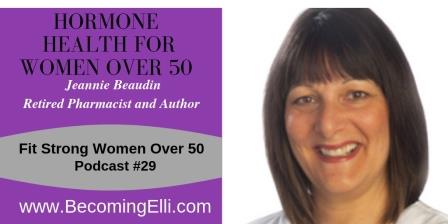
I wanted to tell you about an interview I had for the podcast, “Becoming Elli: Fit and Strong, Women over 50”. Hosts Chris and Jill asked me lots of questions about fitness and health from a pharmacist’s point of view along with a few questions about my book, Can I Speak to the Hormone Lady?, just released.

The podcast interview, along with a somewhat abstract article I stumbled across about what defines your sense of self-worth (Your job? Your earning power? Are you, as a person, more than what you do for a living?), lead me to ask myself why I blog and why I wrote a book – what is my ultimate goal?

Why do I write?

It certainly isn’t to make money (since it’s highly unlikely I will!). I think it’s partly because I enjoy writing and learning how to improve my writing skills. It’s exciting and healthy to learn new skills after retirement. But mostly I write to share what I’ve learned: I’d like to think that a few things I write might help someone, just as the work I did as a pharmacist helped those I came in contact with.

Part of me (well, really, most of me) would just like to write, and put it out there for those who are interested. But I read that most writing just disappears into the ocean of millions of books and articles that are posted. So that means, if I want to achieve my goal of helping people, I need to do something to help those who could benefit from the information find what I’ve written.

So, while I will soon be back in Canada writing my regular information blog, answering readers’ questions and sharing health information that I learn, I hope no one will be put off by my feeble attempts to get the word out about my new book…

Podcast – BecomingElli.com

As for the podcast… well, I discovered that I tend to talk a lot when I’m nervously talking on a subject I’m passionate about… I think I talked a bit too much (eek!). But the hosts had lots of great questions and some really made me think hard to come up with a good answer. Hope you enjoy the podcast! Here’s the link:

https://becomingelli.com/hormone-health-for-women-over-50-with-jeannie-beaudin/

Heading home soon

Only 10 more days for us, here in southern Spain… then a long trip back home and likely some jet-lag! I hope to be back soon to my usual routine of answering health related questions you may have and sharing interesting information I come across. It just might be time to start working on my next book…

If you have a question about any health or wellness topic, please send me a message through the “Questions / Comments?” button! I want my blog to be about things you want to know…

Categories
Uncategorized

Podcast – “Becoming Elli”

I wanted to tell you about an interview I had for the podcast, “Becoming Elli: Fit and Strong, Women over 50”. Hosts Chris and Jill asked me lots of questions about fitness and health from a pharmacist’s point of view along with a few questions about my book, Can I Speak to the Hormone Lady?, just released.

The podcast interview, along with a somewhat abstract article I stumbled across about what defines your sense of self-worth (Your job? Your earning power? Are you, as a person, more than what you do for a living?), lead me to ask myself why I blog and why I wrote a book – what is my ultimate goal?

Why do I write?

It certainly isn’t to make money (since it’s highly unlikely I will!). I think it’s partly because I enjoy writing and learning how to improve my writing skills. It’s exciting and healthy to learn new skills after retirement. But mostly I write to share what I’ve learned: I’d like to think that a few things I write might help someone, just as the work I did as a pharmacist helped those I came in contact with.

Part of me (well, really, most of me) would just like to write, and put it out there for those who are interested. But I read that most writing just disappears into the ocean of millions of books and articles that are posted. So that means, if I want to achieve my goal of helping people, I need to do something to help those who could benefit from the information find what I’ve written.

So, while I will soon be back in Canada writing my regular information blog, answering readers’ questions and sharing health information that I learn, I hope no one will be put off by my feeble attempts to get the word out about my new book…

Podcast – BecomingElli.com

As for the podcast… well, I discovered that I tend to talk a lot when I’m nervously talking on a subject I’m passionate about… I think I talked a bit too much (eek!). But the hosts had lots of great questions and some really made me think hard to come up with a good answer. Hope you enjoy the podcast! Here’s the link:

https://becomingelli.com/hormone-health-for-women-over-50-with-jeannie-beaudin/

Heading home soon

Only 10 more days for us, here in southern Spain… then a long trip back home and likely some jet-lag! I hope to be back soon to my usual routine of answering health related questions you may have and sharing interesting information I come across. It just might be time to start working on my next book…

If you have a question about any health or wellness topic, please send me a message through the “Questions / Comments?” button! I want my blog to be about things you want to know…

Categories
Book review

I'm so excited!

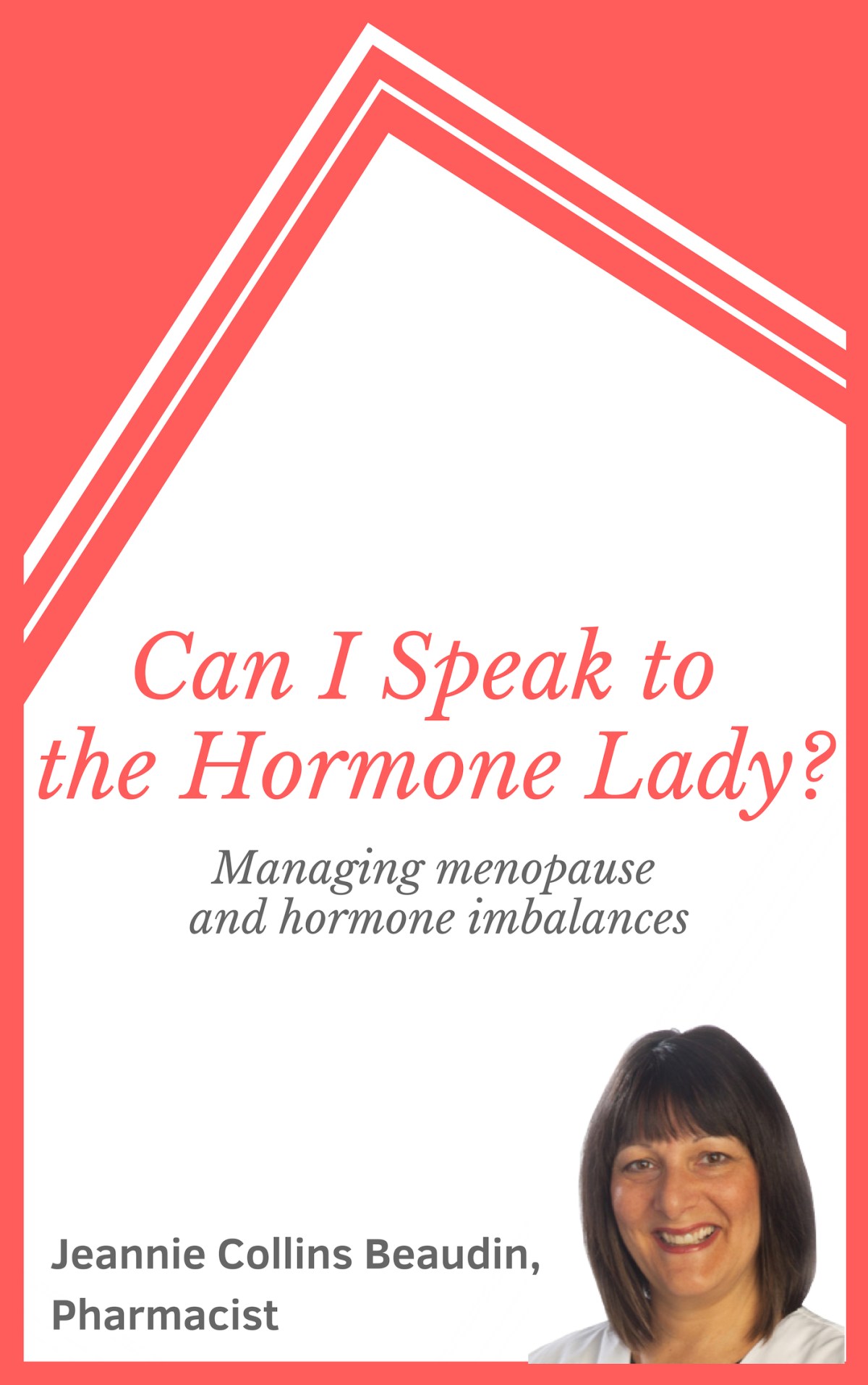
Hi! I’m back from my blogging break, and it’s time to let you know what I’ve been up to (besides enjoying the Spanish sun)… The book I’ve been working on for 3 years, “Can I Speak to the Hormone Lady? Managing Menopause and Hormone Imbalances” has just been published in e-book and print!

It was quite a challenge to learn about editing, formatting, cover design and all that’s required to publish a book. And I haven’t had a chance to see it in print yet, since I’m still in Spain until the end of March, but the online version looks good on my Kindle. You can take a peek at parts of the e-book displayed in the “Look Inside” function on Amazon.com or Amazon.ca

I’m so excited (and a bit nervous…) to finally have my book “out there”… Please celebrate with me! Here’s a Universal Link to the services where it is available:

https://books2read.com/u/4AJQGo

Categories
Book review

I’m so excited!

Hi! I’m back from my blogging break, and it’s time to let you know what I’ve been up to (besides enjoying the Spanish sun)… The book I’ve been working on for 3 years, “Can I Speak to the Hormone Lady? Managing Menopause and Hormone Imbalances” has just been published in e-book and print!

It was quite a challenge to learn about editing, formatting, cover design and all that’s required to publish a book. And I haven’t had a chance to see it in print yet, since I’m still in Spain until the end of March, but the online version looks good on my Kindle. You can take a peek at parts of the e-book displayed in the “Look Inside” function on Amazon.com or Amazon.ca

I’m so excited (and a bit nervous…) to finally have my book “out there”… Please celebrate with me! Here’s a Universal Link to the services where it is available:

https://books2read.com/u/4AJQGo

#Hormone #Hormoneimbalance #Menopause