Categories
Uncategorized

Rock-a-bye Mommy… Could rocking help adults sleep too?

Generations have rocked their babies to sleep. And we’ve all heard of parents who helped calm a fussy baby by driving them around the neighbourhood. But could motion help adults sleep better too?

Well, it turns out there are a few studies on this question. Researchers studied a group of young adults and found that slow, gentle rocking lengthens sleep and increases the time spent in the deepest stages of sleep. In studies, rocking also shortened the time required to fall asleep and fewer arousals (waking for 3 seconds or longer) occurred.

Rocking also improved memory recall compared to sleeping in a stationary bed, although both groups improved after sleeping. EEGs showed that firings of neurons that are associated with memory consolidation increased with rocking during sleep.

Searching for the mechanism of improved sleep, researchers also did an interesting test on mice. Like humans, they slept better when their cages were rocked. But they also tested mice who were born without the structure in the inner ear that detects motion to see if they responded the same way. It turns out that they didn’t – mice who couldn’t detect motion in the rocking cages slept the same as those in stationary cages. The “otolith” structure in the inner ear that these mice were missing is connected through several other structures in the brain to the thalamus and hippocampus of the brain that control sleep. Researchers suggested this could be how rocking motion influences sleeping and memory.

Of course, since the human studies were done on healthy young adults, they would need to do similar studies on older adults and those with sleeping problems to find out if rocking would help them too. If it worked, it could offer a convenient non-drug way to help solve sleep problems. Studies in Alzheimer’s patients found that sleep helps to clear the amyloid-forming proteins that clog the brain. This made researchers also wonder whether rocking might help to prevent or improve this dreaded brain disease. More research to come!

I expect it will be a while before we see cradles for adults in stores. But meanwhile, you could consider taking naps in a hammock (and maybe bribe someone to keep it rocking while you sleep…). Sleeping on a boat could theoretically give the same effect so, perhaps, a cruise vacation might be relaxing in more ways than you realize. And, who knows, perhaps some time in a rocking chair in the evening might help set you up to fall asleep more quickly, just as it does for our babies!

There is something very soothing about a rocking chair… At my hubby’s family homestead in Miscou Island, there has always been a “competition” to get the rocking chair. Over the years, several of these chairs have been purchased or donated to this family home that’s shared between several siblings for summer vacations. I think there’s at least a half dozen now – so not so much competition – and we all seem to sleep exceptionally well when we’re there! Perhaps rocking has something to do with it… Why not give it a try!

Reference:

Rocking improves sleep and memory in adults

Why Rocking to Sleep is a Matchless Sedative, Scientific American

Categories
Health

The argument for doing “nothing”…

Do you remember being a kid, and having nothing to do for hours? Whole summer afternoons that seemed to last forever, just lazing around, being bored, thinking and daydreaming?

And, now that we’re adults, we make our lists, try to be as productive as possible, and want to squeeze as much “doing” in as we can.

But when is our time to think? If you’re a Big Bang Theory fan you may remember the episode with Amy, reading then just staring blankly off into the distance… When asked if she was OK, she answered: “Yes. I was reading. And now I’m thinking about what I read.” Sometimes we need time to just think, to figure out what to do with all that information coming at us.

Our brains work on several levels to process information. You may have noticed that something you were trying to remember will just pop into your head later when doing something completely unrelated. Especially when engaged in an activity that doesn’t require deep concentration, your subconscious will continue to work on solving a problem even though you weren’t actively trying.

And, even if it doesn’t find the solution for you, you’ll see the problem with fresh eyes and more energy when you return to it. Writers often use this technique to improve their ability to see writing problems – we walk away, take a break from our work, and magically can see lots we can improve when we return. I’m sure this process can work for many tasks and makes a strong case for taking regular breaks from any lengthy project.

The other problems we can have from constant “busyness” with little time to think are fatigue, stress and burn-out. But taking a break from work and spending it reading our devices isn’t really a break for our mind. A really helpful break is more like what Amy was doing: staring off into space. Closing eyes and listening to music or meditating give a similar effect. The Dutch call this “niksen” – doing nothing.

Taking short but regular “niksen” breaks during the day, even if it’s just a few minutes to relax and take a few deep breaths, can help you to be more productive when you return to work at the same time as it’s preventing overload, stress and burnout. Any sort of breathing exercise can help by distracting, giving you something else to concentrate on – I often used this technique to distract patients before giving them their flu shot. It worked well, giving the person something else to focus on besides the needle I had in my hand. Studies say distraction actually lessens the pain experienced during an injection.

Now, I’ve never been able to sit still and meditate without getting antsy, but I have found repetitive activities like knitting or jigsaw puzzles seem to fit the bill, occupying the mind and giving it a break from being busy. The key is creating a break for your mind, letting it wander and giving it time to process.

So, make time to be bored (or at least to do something mindless) on a regular basis – your brain will likely thank you for it!

And, if it’s time to give your brain a break and just do nothing, here’s a link to “The Nothing Song”

Read more here:

The Case for Doing Nothing – The New York Times

Categories
Health

We are all biased…

It drives me nuts that diet researchers keep changing their minds about what foods are good and which are bad for us. Butter and eggs are two that have switched sides several times lately. And red wine? Well, I only believe the reports that say a moderate amount is good for your heart (Do you suppose I could be a little biased? 😊).

We all have biases. That’s how our human brains work. It’s easier to avoid being biased if you are aware of how your opinions can get off track.

So here are some different types of potential biases we can have…

  • Hindsight bias – focusing and rationalizing the past without paying enough attention to current facts. An event that happened to us or someone close to us in the past can influence us more than it should, even if it’s a rare occurrence.

  • Optimism bias – choosing an excessively rosy outlook. We are often influenced by what we hope, sometimes irrationally, will happen in the future

  • Selection bias – “cherry picking” the facts that agree with your theory. Talking only to people with the same beliefs as you can increase your bias while listening with an open mind to those with opposing ideas can lessen it.

  • Funding bias – keeping your sponsor happy so they’ll donate again. If Grandma gives you money for a gift, you might tend to buy something she’d approve of…

  • Self-selection bias – when more people choose to comment or participate because they agree with what is being discussed or measured. This can make it appear that a cause or idea has more support than it actually does.

  • Recall bias – our human tendency to remember the fun parts of an event, especially after some time has passed. Opinion surveys are best done one day after an event: immediately after we want to be kind to the organizer, and a week later we have already forgotten most of the bad parts and remember more of the good.

Scientists, too, need to know about their own human failings and adjust their research to reduce bias as much as possible. However, it’s easy for it to creep in when they aren’t vigilant… To try to prevent bias, studies include a “control” group to compare and measure how much change the factor being tested is creating. Those gathering the information from both groups as well as those being tested aren’t told who is in which group. This is called a “controlled double blind” study. Of course, they can’t do this with diet studies, and perhaps this is one reason why studies often reach opposite conclusions, depending on who is running the study, how accurately people remember and report their diet information, and who paid for the study.

When a researcher or politician has a personal interest in a certain outcome, it can influence how he interprets the information, whether he realizes it or not. The job of a lobbyist is to change the opinion of those who make decisions in favor of whoever is paying them. There are so many factors that can affect decisions that are made and what we see in the news.

It’s the same for us as we make decisions about what type of diet is healthy, who to vote for or whether we should vaccinate our children. We are influenced by personal experiences, who we talk to, what media we choose for our news, and many other factors. If it’s health-related, your doctor is likely the best person to give you balanced advice.

Social media

But, increasingly, social media influences our opinions. Social media follow what we like and post, to gauge what we are interested in, and then send us information that supports what we already believe. I was surprised to learn that, not only is this done with advertising, but with regular posts as well. And, of course, anyone can post whatever they wish – whether it’s facts, opinion or fiction…

So, how can you reduce your own biases and make better decisions? One way is to look for information on both sides of any question. Read what those who disagree with you are saying. Are their arguments valid and based on fact? Search out information from experts and, as much as possible, read facts rather than opinions. Realize that media reports are often sensationalized, because that’s what sells.

Be open-minded

Another way to reduce your bias is to keep an open mind. Winston Churchill was known for beginning a statement with phrases like “I could be wrong, but I think…” or “In my opinion…”, encouraging the person he was conversing with to offer their opinion and leaving room for him to change his if the facts offered warranted it.

Since I’ve retired from active pharmacy practice, I find I have more time to seek out alternative opinions. This has made me question some of my long-held beliefs as a pharmacist. But I try to keep an open mind and keep reading. Things can change quickly in medical circles with the discovery of a new information, but sometimes entrenched ideas can take a long time to change.

A Harvard Business Review article had 3 suggestions to reduce bias:

  1. Question assumptions – don’t just immediately accept what you are reading as truth.

  2. Follow through the writer’s logic – does it make sense and agree with other information you have read? Is the argument supported by scientific evidence or is it presented from a limited personal experience?

  3. Diversify thought – look for other opinions to keep your point of view balanced.

When it comes to diet research, try not to get caught up in the latest fad. Aim for a balanced diet of whole foods, lots of veggies and everything else in moderation – and be skeptical of extreme claims in headlines, especially on the internet! I try to be as unbiased as I can, while sharing health news I find interesting, and I will always include my references so you can see my sources and evaluate them yourself — because, like all humans, I have my biases too… especially when it comes to wine!

References:

Harvard Business Review

Statistical Bias Types Explained

Categories
Health

Lactose Intolerance? – What can you do…

Many humans lose the ability to digest milk after childhood. And essentially all non-human mammals lose this ability after weaning. This suggests the ability of humans to digest lactose in dairy products is actually a quirk of nature or adaptation.

Lactose intolerance varies by ethnic origin. Asian and first nations people are almost 100% intolerant, African origin 60 to 80%, South American 50 to 80% and those of European origin about 20%. Worldwide, approximately 75% of people are lactose intolerant.

What is lactose intolerance?

Lactose is a complex sugar (two smaller sugars attached together) and it needs to be broken down into two simple sugars so it can be absorbed. This is done by an enzyme called lactase.

Because lactose is a sugar, if it’s not absorbed, it becomes food for bacteria in the large intestine. When these bacteria consume sugars, they produce gas. This “air” in the intestine causes the cramps, bloating, flatulence and abdominal pain that are associated with lactose intolerance. The extra lactose sugar also draws water into the bowel causing diarrhea if enough is consumed.

A quick genetic lesson

DNA is composed of genes. Each gene is a code or template for a protein that has a particular action in the body. For example, there are genetic codes to make light detecting proteins in the eyes, and oxygen carrying proteins in the blood. Every cell has a complete copy of your DNA. Individual genes in the DNA are turned on or off as necessary so only the proteins that are needed are produced in each part of the body. This is done by “epigenetic modification” – chemicals inside the cells bind to the gene, blocking it from making its protein. Epigenetic modification of the lactase gene, to turn it off once past childhood, does not happen in lactose tolerate people.

Lactose tolerance is relatively new, in terms of evolution. It is believed to have started around the same time as dairy animals were first domesticated. The change that occurs to prevent lactose intolerance isn’t to the lactase gene itself but to a nearby area of DNA that protects against the normal “turning off” of the gene.

However, if the small intestine is damaged by disease or if large doses of antibiotics are given, a person who was lactose-tolerant can become intolerant later in life.

Microbiome and lactose intolerance

When scientists noticed that antibiotics could create lactose intolerance, they began to investigate whether the bacteria (microbiome) in the intestine had an effect on the lactase gene or on lactose intolerance in general.

Their studies showed that symptoms of lactose intolerance can be relieved in some people by increasing lactose-digesting bacteria in their small intestine. These microbes eat the lactose but produce lactic acid instead of gas. Lactic acid does not produce the unpleasant symptoms of lactose intolerance, and this is one way that some people can tolerate dairy foods without actually producing lactase enzyme. The microbiome tends to be similar in populations, since bacteria are passed from person to person, so it might be part of the explanation of how certain areas have less lactose intolerance than others.

One way to promote the growth of lactic acid producing bacteria in the digestive system, is to “feed” it a complex sugar (or “prebiotic”) it can digest but humans cannot. Studies to find an effective prebiotic that could be produced commercially are in progress.

However, there are many fermented foods available – like yoghurt, kefir, sauerkraut and other pickled vegetables – that can introduce new microbes into the digestive system. While there are no guarantees they will contain bacteria that like to consume lactose, they are a healthy addition to any diet that may improve digestion. Researchers suggest 5 servings weekly that include at least 3 different types of fermented foods.

Do we really need dairy products?

There is an ongoing debate: if we evolved to be unable to digest dairy products as adults, do we really need these foods to be healthy? The nay-sayers point out that many populations (and animals) never drink milk as adults, and we know that many just cannot tolerate it. The pro-milk group tell us about the many nutrients it contains in foods that are easy to consume.

Recent research has found that consuming milk or calcium supplements as an adult does not reduce the chance of a bone fracture. And much of bones’ strength is developed early in life. But milk products do contain many other nutrients and are, overall, healthy foods to consume. Geneticists note that, because the ability to tolerate lactose has increased dramatically in populations who consume dairy products, it must confer an advantage for survival… over centuries, those who ate it (on average) lived longer and had more descendants than those who could not.

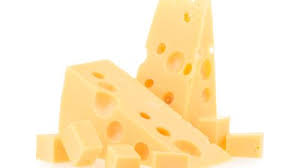
So, if you are unable to digest the lactose in dairy products, try improving the health of your gut microbiome with prebiotics and probiotics. If you’re lucky you may be able to increase the microbes that can improve your tolerance to these foods. Remember that the lactose in fermented dairy products, like kefir, yoghurt or cheese, has been mostly digested in the fermentation process, so is easier to tolerate for those who do not produce their own lactase enzyme. And you can always take lactase enzyme as a supplement – it’s available commercially (LactaidÒ) in forms that can be mixed with food to pre-digest it or it can be taken along with lactose-containing food.

After all… what is life without ice cream or cheese?

References:

Do Humans Need Dairy?

National Institutes of Health: Prebiotics for lactose intolerance

Study: Improving lactose digestion and symptoms of lactose intolerance with a novel galacto-oligosaccharide

Categories
Health

Lack of sleep could be killing you…

Lack of sleep is holding us back and shortening our lives! Sleep is a biological necessity – experts say we need 7 to 9 hours a night to maintain our health, feel good and perform our best. Although some of us have trouble getting enough sleep, many choose to stay awake longer, trying to fit in more activities – and accomplish more – each day. But this may not be a good decision…

Studies suggest that those who sleep less than 6 hours a night run a risk of 13% greater chance of dying. Decreased productivity is estimated to cost the economy $411 billion in US, $50 billion in UK and $21.4 billion in Canada. And researchers say the number of people who don’t get enough sleep is rising.

Lack of sleep doesn’t only leave you feeling more tired and less energetic. Memories are processed and stored while we sleep. We need enough time in the deeper stages of sleep to process the day’s events in order to remember them long-term.

So, cutting sleep short to create more waking hours with the goal of achieving more can backfire, reducing achievement both at school and work. As Arianna Huffington, co-creator of Huffington Post says, you need to “sleep your way to the top!” (see link to her TED talk below). Of course, she’s talking about getting enough sleep so you can achieve more at work. She came to this realization when she injured herself, hitting her head on her desk when she passed out from lack of sleep.

The other way to make more time in your day, of course, is to look at your daily activities and decide what’s most important to you. Evening TV? Facebook articles? Emails? Or that project you’ve been wanting to finish? Simplify your life (and email!), and limit time wasting activities to create more free hours to accomplish your passions instead of cutting short your refreshing, health-protecting sleep.

And if you can’t sleep but want to? Here’s a blog I wrote about what you can try for insomnia: Can’t Sleep?

But, if hormone related symptoms are keeping you awake at night, my new book Can I Speak to the Hormone Lady? Managing Menopause and Hormone Imbalances has information you can use. It’s available here.

References:

TED Talk: How to Succeed? Get More Sleep – Arianna Huffington

National Institutes of Health: A prospective study in sleep duration