Categories
Uncategorized

It's Bug Season!

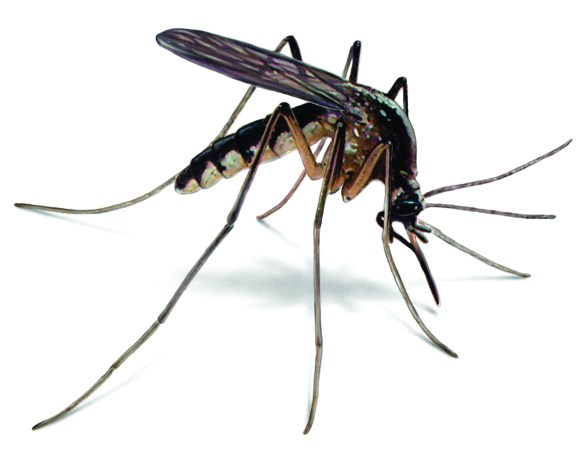
‘Tis the season for biting insects. This spring was wetter than usual, and that usually means more puddles for insects to breed in and more insects to spoil your enjoyment of the great outdoors!

Important reasons to avoid bug bites

Most insect bites are just a nuisance, but some insects can transmit diseases. Mosquitos in some parts of the world can carry Zika virus, Dengue fever or malaria. Check travel sites for information on the area you plan to visit, especially if an expectant mother: Government of Canada; USA Centers for Disease Control (see Zika Virus Travel Information section).

Lyme disease is carried by common ticks that are generally found in long grassy areas, especially those frequented by deer who carry ticks. Tick bites can be avoided by wearing long sleeved shirts and pants, tucking in shirt-tales and pulling socks up over pants. Light-coloured clothing helps you to see any ticks that have latched onto you. It is also recommended to shower 1 to 2 hours after a nature outing and to check skin carefully for ticks, especially in folds of skin and even your bellybutton where they may be hiding! Brush your pet before he comes indoors too and check carefully to be sure he hasn’t picked up a tick either. Read my previous blog, Tick Talk, for more information about avoiding and treating tick bites. Note that Lyme disease is now being detected in Canada as well as many parts of US.

How to avoid insect bites

Here’s what Dermatologists suggest to avoid insect bites:

  • Use an insect repellant containing 20-30% DEET. Apply it to clothing and all exposed skin. Reapply as directed on label.

  • If also using sunscreen, apply it first and let it dry before applying insect repellant. Do not use combination sunscreen/insect repellant: sunscreen should be applied liberally and often and this could result in application of too much insect repellant.

  • As mentioned above, wear long sleeves and pants, and tuck shirt-tails into pants and pant bottoms into socks, especially if walking in long grass where insects like to hang out. Insects tend to be attracted to darker colours, so wearing light coloured clothing may help.

  • Have bed nets available to protect you while you sleep. A net can also keep that one elusive mosquito you can’t catch away from you, so it won’t keep you up all night! If the net isn’t long enough to reach the floor, tuck it under the mattress to make sure there are no gaps.

Treating bites

If all the above fails (and it’s quite likely it will on some occasion), here’s what you can do:

  • If it’s a painful bite (like a bee or wasp), take Acetaminophen (Tylenol) or Ibuprofen (Advil, Motrin) as directed on the label.

  • Apply an ice pack for 10 minutes. This can help for painful or itchy bites.

  • Apply Calamine lotion or Hydrocortisone Cream, available at pharmacies.

  • If you have a lot of bites, try a quick-acting antihistamine, like Reactine or Benadryl. Be sure to follow the directions on the label. Note that Benadryl causes drowsiness.

  • If you develop a rash, fever or body aches, see your doctor. Tell him/her about the insect bite you received. If bitten by a tick, remove it carefully with tweezers and store it in a ziplock bag or in a fold of clear tape for a couple of weeks. If you feel unwell within a week or two, your doctor may want to test the tick for Lyme disease bacteria.

My other bit of advice is that insects generally don’t like wind, so pick a windy area to relax in or create your own wind with a strong fan. Planting some citronella, marigolds or rosemary plants around your deck can help too, as insects don’t like their smell (even though we do!). Or you can just throw a few sprigs of rosemary on the BBQ coals or bonfire.

And, if you’re a do-it-yourselfer, here are a couple of recipes you can try:

Yard Spray

1/3 large bottle of blue mouthwash

1 cup Epsom salts (available at pharmacies as “bath salts”)

1 x 12-oz beer (non-alcoholic should work fine too)

Spray in yard, but not on plants or grass (the salt could harm them).

It can last up to 80 days.

Skin Spray (non-sticky, non-oily)

Put a handful of fresh basil leaves in a glass measuring cup.

Add ½ c water and ½ cup vodka or rubbing alcohol.

Heat to boiling in microwave (about 1 minute).

Let sit, covered, for 2 to 4 hours.

Remove basil, squeezing to remove liquid.

Pour into small spray bottle (often available in cosmetic departments or craft stores).

Spray on skin as necessary.

So, there you go… by special request, from a friend and reader who was asking for help with itchy bug bites! Please note: I haven’t tried these recipes yet, but they were highly rated by their sources and sound so interesting! I’m one of those lucky folks who live in a naturally windy place so have little problem with mosquitos… But please let me know if you try these and how well they work for you!

References:

American Academy of Dermatology Association

Accidentally Green

Jeannie’s blog: Tick Talk

Categories
Uncategorized

It’s Bug Season!

‘Tis the season for biting insects. This spring was wetter than usual, and that usually means more puddles for insects to breed in and more insects to spoil your enjoyment of the great outdoors!

Important reasons to avoid bug bites

Most insect bites are just a nuisance, but some insects can transmit diseases. Mosquitos in some parts of the world can carry Zika virus, Dengue fever or malaria. Check travel sites for information on the area you plan to visit, especially if an expectant mother: Government of Canada; USA Centers for Disease Control (see Zika Virus Travel Information section).

Lyme disease is carried by common ticks that are generally found in long grassy areas, especially those frequented by deer who carry ticks. Tick bites can be avoided by wearing long sleeved shirts and pants, tucking in shirt-tales and pulling socks up over pants. Light-coloured clothing helps you to see any ticks that have latched onto you. It is also recommended to shower 1 to 2 hours after a nature outing and to check skin carefully for ticks, especially in folds of skin and even your bellybutton where they may be hiding! Brush your pet before he comes indoors too and check carefully to be sure he hasn’t picked up a tick either. Read my previous blog, Tick Talk, for more information about avoiding and treating tick bites. Note that Lyme disease is now being detected in Canada as well as many parts of US.

How to avoid insect bites

Here’s what Dermatologists suggest to avoid insect bites:

  • Use an insect repellant containing 20-30% DEET. Apply it to clothing and all exposed skin. Reapply as directed on label.
  • If also using sunscreen, apply it first and let it dry before applying insect repellant. Do not use combination sunscreen/insect repellant: sunscreen should be applied liberally and often and this could result in application of too much insect repellant.
  • As mentioned above, wear long sleeves and pants, and tuck shirt-tails into pants and pant bottoms into socks, especially if walking in long grass where insects like to hang out. Insects tend to be attracted to darker colours, so wearing light coloured clothing may help.
  • Have bed nets available to protect you while you sleep. A net can also keep that one elusive mosquito you can’t catch away from you, so it won’t keep you up all night! If the net isn’t long enough to reach the floor, tuck it under the mattress to make sure there are no gaps.

Treating bites

If all the above fails (and it’s quite likely it will on some occasion), here’s what you can do:

  • If it’s a painful bite (like a bee or wasp), take Acetaminophen (Tylenol) or Ibuprofen (Advil, Motrin) as directed on the label.
  • Apply an ice pack for 10 minutes. This can help for painful or itchy bites.
  • Apply Calamine lotion or Hydrocortisone Cream, available at pharmacies.
  • If you have a lot of bites, try a quick-acting antihistamine, like Reactine or Benadryl. Be sure to follow the directions on the label. Note that Benadryl causes drowsiness.
  • If you develop a rash, fever or body aches, see your doctor. Tell him/her about the insect bite you received. If bitten by a tick, remove it carefully with tweezers and store it in a ziplock bag or in a fold of clear tape for a couple of weeks. If you feel unwell within a week or two, your doctor may want to test the tick for Lyme disease bacteria.

My other bit of advice is that insects generally don’t like wind, so pick a windy area to relax in or create your own wind with a strong fan. Planting some citronella, marigolds or rosemary plants around your deck can help too, as insects don’t like their smell (even though we do!). Or you can just throw a few sprigs of rosemary on the BBQ coals or bonfire.

And, if you’re a do-it-yourselfer, here are a couple of recipes you can try:

Yard Spray

1/3 large bottle of blue mouthwash

1 cup Epsom salts (available at pharmacies as “bath salts”)

1 x 12-oz beer (non-alcoholic should work fine too)

Spray in yard, but not on plants or grass (the salt could harm them).

It can last up to 80 days.

Skin Spray (non-sticky, non-oily)

Put a handful of fresh basil leaves in a glass measuring cup.

Add ½ c water and ½ cup vodka or rubbing alcohol.

Heat to boiling in microwave (about 1 minute).

Let sit, covered, for 2 to 4 hours.

Remove basil, squeezing to remove liquid.

Pour into small spray bottle (often available in cosmetic departments or craft stores).

Spray on skin as necessary.

So, there you go… by special request, from a friend and reader who was asking for help with itchy bug bites! Please note: I haven’t tried these recipes yet, but they were highly rated by their sources and sound so interesting! I’m one of those lucky folks who live in a naturally windy place so have little problem with mosquitos… But please let me know if you try these and how well they work for you!

References:

American Academy of Dermatology Association

Accidentally Green

Jeannie’s blog: Tick Talk

Categories
Health

The Heart of the Matter

Do you know the signs of a heart attack? It’s not always the same for everyone, and can be different in men and women…

The classic signs and symptoms include:

  • chest discomfort (pressure, squeezing, burning, heaviness, fullness or pain),

  • sweating,

  • upper body discomfort (pain in the neck, shoulder, back and/or one or both arms),

  • shortness of breath,

  • nausea and

  • light-headedness.

You may only have some of these symptoms.

In women, the signs of a heart attack may be less clear than in men. In some cases, a heart attack in women can mimic severe heartburn. A key difference is that the pain is not relieved by taking an antacid when it is caused by a heart attack. Since men are more likely to have heart disease than women and their symptoms are more classic (such as crushing chest pain), heart attacks are more easily missed in women.

Angina

Pain due to lack of oxygen reaching the heart muscle is called angina. When it occurs predictably, for example when you do a certain level of exercise, it is called stable angina. Stable angina pain does not always indicate that heart damage is occurring. However, if the pain suddenly becomes more severe or frequent, or occurs with less or even no exercise, it is called unstable angina. Unstable angina is a sign that change is occurring in the blood supply to the heart muscle and is a warning sign of a possible heart attack in the near future. Any change in angina is a reason to see a doctor as soon as possible.

Heart attack

A heart attack, also called a Myocardial Infarction or MI, occurs when the arteries around the outside of the heart that bring blood to the heart muscle become blocked enough to cause damage. An area of the heart muscle without blood supply becomes painful, and the muscle cells start to become damaged and die. The pain is sometimes “referred” or felt in a different part of the body, often the neck, jaw and one or both arms (but most commonly the left arm). You can feel tired, lightheaded and short of breath because the heart is becoming damaged and is not pumping blood as efficiently.

If the damage interferes with the electrical conduction system of the heart, this can be seen on an electrocardiogram (ECG). However, a heart attack that doesn’t show on an ECG can also occur. This would be considered a less severe attack because it is not interfering with the heartbeat, but it’s still serious and painful. When the heart muscle is damaged, enzymes are released into the blood. A blood test for these “cardiac enzymes” is used to confirm that a heart attack has happened. Sometimes, especially in women, a heart attack that was mistaken for heartburn is only diagnosed later with this blood test.

Act quickly

It’s very important to get treatment as soon as possible, before serious damage occurs. In some cases, a person will feel mild angina pain that comes and goes, becoming noticeable when exercising or even worrying, and easing up when resting. Waking up with any of the heart attack symptoms above is a reason to seek help immediately – call 911! But even if the pain or pressure is mild and comes and goes, contact your doctor or go to the hospital as soon as possible to get treatment that can prevent possible damage to your heart from a blockage in blood supply.

Treatments

Nitroglycerin is a medicine that comes in small tablets or spray that is put under the tongue and in patches that are put on the skin. It opens blood vessels to help more blood get to the heart muscle and can relieve pain if the artery is not completely blocked. It’s often used to relieve pain and prevent damage while waiting for a procedure that will open the arteries to the heart.

A blocked artery to the heart is treated by cardiac catheterization. This is a procedure where a thin tube is inserted into an artery in either the wrist or the groin and is pushed along the artery until it reaches the coronary arteries that supply the heart. The surgeon squirts a special dye into the coronary artery and can view on monitoring equipment where the blockage is located. Depending where the blockage is, they can treat the problem in several ways. They can remove the blockage with suction, use a tiny balloon to stretch the artery open, or insert a tiny wire tube called a stent to hold the artery open. The whole procedure is done with anesthetic only needed on the wrist or groin where the tube is inserted. The patient is awake, and it takes about 30 minutes, or a little longer if a stent is put in place.

If the blockage is extensive, the surgeon may opt for a Coronary Artery Bypass Graft (CABG, also just called a “bypass”). In this procedure, a piece of artery or vein from another part of the body is inserted to carry blood around the blocked area. This is a more intensive procedure that takes several hours and a much longer recovery time.

Medications

Usually after a heart attack, several medications are given to help the heart heal and decrease the chance of another attack. Blood pressure medication lowers the blood pressure, making less work for the heart while it heals. Anti-clotting medication (also called blood thinners) help prevent blood clots from forming (the most common cause of a sudden blockage in blood supply to the heart). Cholesterol lowering medication (which also has anti-inflammatory, anti-clotting and antioxidant activities) is usually also added to reduce the deposits of fats and calcium (called plaque) inside the arteries, which also cause narrowing and reduced blood flow. Adding several new medications at once can be confusing, so be sure to ask your pharmacist any questions that your doctor hasn’t already answered. Your pharmacist can also help you organize your medication so it’s easier to take (and harder to forget!) as you get used to a new routine.

Other advice

Anyone at risk of heart disease, and especially those diagnosed with it, should work to follow a heart-healthy lifestyle:

  • Don’t smoke

  • Exercise regularly (aim for 30 mins a day, 5 days a week)

  • Follow a healthy diet with 7 servings of fruit or vegetables a day

  • Maintain a healthy weight

  • Reduce stress

Getting treatment soon is key

The key to successful treatment, the “heart of the matter”, is to call for help right away. The sooner treatment is started, the less heart damage will occur. If you seek treatment soon enough, you could avoid damage altogether! Remember, if pain is severe, call 911 – ambulance attendants can start treatment as soon as they arrive, saving precious minutes. They will also take you directly to the emergency department if necessary, avoiding time lost in the waiting room as you wait to be assessed.

This information is in my thoughts this week, as we needed to call 911 for my husband last Sunday morning. The ambulance attendants started treatment immediately and took him directly to the hospital. He just arrived back home today with a shiny new stent to replace a 15-year old one that had blocked up. He’ll need to take it easy for a few days but is already feeling better with the blood supply to his heart flowing well again. It was a worrisome week but it’s great to have a happy ending!

References:

Heart/Emergency Signs – Heart and Stroke Foundation

Categories
Uncategorized

Does massage really help reduce pain?

Massaging a sore area is an instinct, a reflex for humans. If we bump an arm or leg, without thinking most of us instantly rub the area.

How does it help?

Scientists say this rubbing helps because we have a type of “gate” for pain… only so many signals can pass into the brain at a time. They call this the “gate control theory”. It’s the principle behind massage and heat/cold therapy. Introducing another sensation, like temperature or pressure, can mean that fewer pain signals reach the brain. Pressure, heat and cold signals travel faster than pain ones so these sensations can dominate, at least for a while, to lessen the number of pain signals that reach the brain.

Another theory of how massage might work for pain, involves the Vagus nerve that communicates between the brain, the spine and organs. It partly controls the calming “parasympathetic” part of the nervous system that counters the “fight or flight” system. They speculate that turning on the calming part of the nervous system through massage, also helps to relieve pain and stress.

And here’s the science…

A 2017 study found that 10 massage sessions spread over 12 weeks resulted in clinically significant reductions in pain scores in people with chronic low back pain. This suggests that the pain blocking effect of a full massage session can last for several days.

Another study, done in 2010, found that a single 45-minute massage significantly reduced a hormone that raises blood pressure and boosted the immune system. Other research funded by the US National Institutes of Health showed massage not only reduced back and leg pain, but also decreased symptoms of depression and anxiety.

Another author suggested that, in addition to the effects of pressure on the skin, just the contact with another human being can be comforting to people, especially those who live alone. Other alternative therapies, like therapeutic touch (where the therapist doesn’t actually touch the patient but passes the hands close over the body) and Reiki (where the hands are laid on parts of the body but do not massage) also show benefits. One could speculate that these work by the closeness and attention triggering the “placebo effect”.

The placebo effect, often triggered by taking a sugar pill with no active ingredients, is not well understood but it’s so significant that scientific studies are not considered valid unless the drug being tested is compared with a placebo, with neither the doctor or patient knowing who received the active pill. Our bodies can make pain-relieving substances similar to narcotics and people can be taught to lower heart rate and blood pressure by their thoughts (called “bio-feedback”) so it’s believed that the placebo effect must trigger the body to produce some action similar to what drugs do.

In medicine, using the placebo effect as a treatment or, essentially, triggering the body to heal itself is sometimes thought of as unethical… that the therapist is tricking the patient or cheating them. But it makes so much sense to use the body’s own defenses as much as possible, when it’s safe to do so. I’m looking forward to the day when milder ailments can be treated by simply turning on our own immune system the same way a placebo does!

But check with your doctor…

So, while you should always check with your doctor when you have a new injury or an unexplained pain, talk to him or her about whether you might benefit from an alternative therapy like massage when it’s appropriate. Its actions, that include pressure, touch and that wonderful placebo effect that turns on your own healing abilities, could add together to reduce your need for medication. Some doctors even give prescriptions for massage therapy!

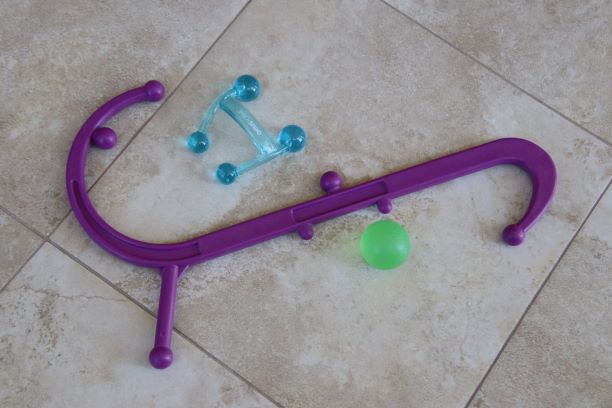
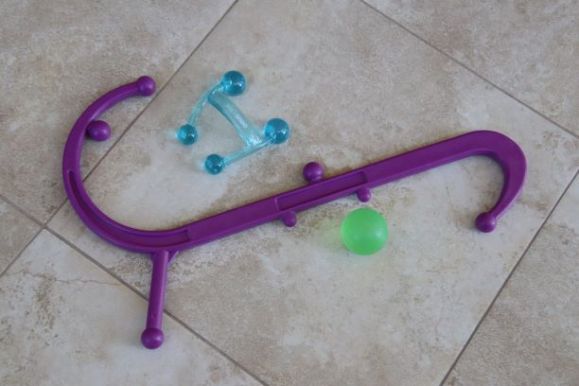
And keep in mind that there are self-massage techniques that could help too, either as an addition or a substitute for massage therapy. The photo above shows some of the tools you can use for massage… especially useful for those hard-to-reach areas. Physiotherapists and massage therapists often teach self-massage techniques to their patients so they can maintain benefit between appointments.

I have successfully used a text entitled The Trigger Point Therapy Workbook by Clair Davies with clients and myself to treat muscle spasm pain from neck spasms to sore feet (surprisingly caused by a muscle spasm in the calf!) with self-massage techniques described in the book. Check out Abe Books for a used copy, if you’re interested.

References:

The Science-Backed Benefits of Massage

The Trigger Point Therapy Workbook (Clair Davies)

Categories
Health

Blood Pressure Basics

There’s almost always a discussion about your blood pressure when you visit your doctor for a check-up, but how much do you really know about it? Here are a few facts to help you understand why it’s important, how to monitor your pressure and some things you can do to keep your pressure healthy…

What is blood pressure?

Blood pressure (also called “hypertension”) is a measure of the pressure inside your arteries. This pressure increases and decreases with each heartbeat. Your heart pumps out blood with each beat, with enough pressure to send it through the arteries to all parts of the body. This pressure drops between each heartbeat, while the heart relaxes and refills with blood. Your doctor or nurse measures the highest and lowest pressure for each beat, called the “systolic” and “diastolic” measurements.

Blood pressure changes constantly. Exercise, caffeine, smoking, anxiety, stress, and even a full bladder can raise your blood pressure. Relaxing can lower it.

What can high blood pressure do?

Uncontrolled high blood pressure is the number one risk factor for stroke and an important risk factor for heart disease. It can also cause damage to various organs.

Damage to arteries

Under constant high pressure, the inner lining of blood vessels can become damaged and inflamed, allowing fats in the blood stream to collect in the lining. These fatty areas also collect deposits of calcium and are called “plaque”. They can stiffen and eventually block an artery, or they can burst open and cause a blood clot to form, instantly blocking the artery. Some researchers have suggested plaque formation may be the body’s way of protecting and healing damaged areas, somewhat like a scab does on the outside of the body, but this is yet to be proven.

Over time, with constant pressure, a section of artery wall can also become weakened and bulge outward. This is called an aneurysm and, if it bursts, it can cause life-threatening bleeding inside the body. Aneurysms can form in any artery, but they’re most dangerous when they develop in the brain or on the aorta, the body’s largest artery that runs from the left side of the heart down into the abdomen.

Damage to the heart

When blood pressure is high, your heart must work harder to pump blood against this increased pressure. Over time, the left side of the heart that pumps blood through the body can become larger and stiffen because of the extra work it needs to do. This limits the heart’s ability to supply the body with enough blood and to keep up with the blood returning to the heart from the lungs. This is called heart failure (also known as cardiac insufficiency) and it also increases your risk of a heart attack.

Damage to the brain

A stroke occurs when part of the brain is deprived of blood, causing brain cells to die. Uncontrolled high blood pressure can damage blood vessels in the brain, causing them to narrow, burst or leak. It can also cause blood clots to form in the arteries leading to the brain, blocking blood flow and potentially causing a stroke.

Reduced blood flow to the brain can also cause dementia, a result of gradual damage to areas of the brain that control thinking, speaking, decision-making, memory, vision and movement.

Damage to eyes and kidneys

Both the eyes and kidneys contain tiny blood vessels that can become damaged, leading to vision problems and kidney failure.

What is a good blood pressure?

  • Ideal – 120/80

  • Normal – less than 140/90

  • Exceptions:

    • Diabetes – best if less than 130/80

    • Over 80 years – less than 150/90 can be acceptable, especially if frail

      • Note that frail elderly are more susceptible to medication side effects like dizziness and risk of falling, and this need to be taken into account when setting targets

Low blood pressure (less than 120/80) is considered fine unless it is low enough to make you dizzy or lightheaded. A doctor once told me having low blood pressure was “like having extra insurance”.

What can you do to control blood pressure?

Some factors, such as age, ethnicity, and gender, cannot be controlled. After age 65, women are more likely than men to develop high blood pressure. Pregnancy, birth control, and menopause can also increase the chance of developing high blood pressure.

But there is plenty you can do:

  • Eat a healthy diet. Learn about the DASH diet (Dietary Approaches to Stop Hypertension), an eating plan designed to help lower high blood pressure. This diet includes healthy foods and limits salt intake.

  • Be active for at least 150 minutes per week, at least 10 minutes at a time.

  • Maintain a healthy body weight. If overweight, losing even 5% to 10% of your weight can help lower blood pressure and reduce risk of heart attack or stroke.

  • Don’t smoke!

  • Limit alcohol to 2 drinks a day/10 per week for women, and 3 per day/15 per week for men.

  • Find healthy ways to manage your stress.

How to measure blood pressure at home

  1. Read and follow specific instructions for your monitor, then follow these general instructions:

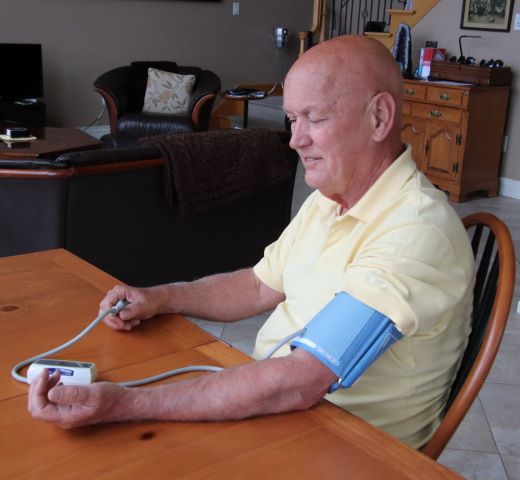
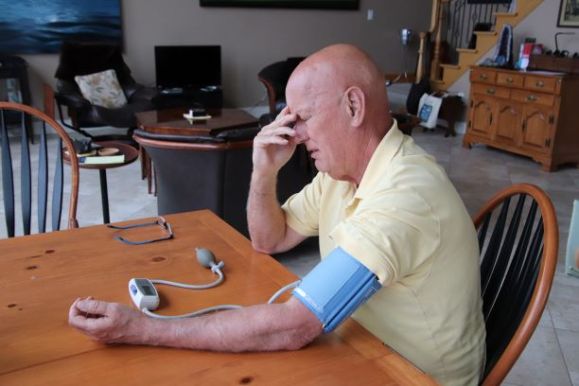
  2. Relax in a quiet area for 5 to 10 minutes. Avoid exercise, caffeine and smoking for 30 minutes before measurement. Empty bladder, if necessary

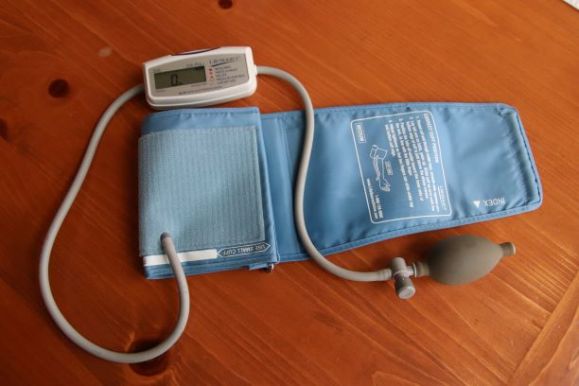
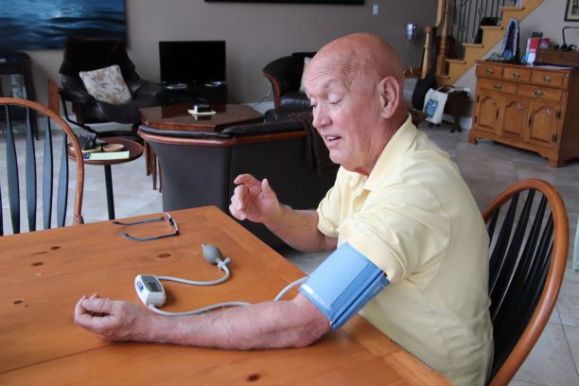
  3. Slide cuff on arm with lower edge about 1 inch above elbow fold. Fasten snugly but not too tight (should be able to slide 2 fingers underneath). Cuffs come in 3 sizes – be sure to choose the appropriate one for your arm size.

  4. Sit up straight, back against chair, legs uncrossed, arm resting on table, palm up. Relax and don’t talk during the measurement.

  5. If using an automatic monitor, press button now. If not, continue with steps below:

  6. Inflate cuff about 30 points higher than expected measurement, or until the machine says to stop. (some monitors – those without a stethoscope – do the rest automatically).

  7. Loosen airflow valve so that pressure falls by 2 to 3 points with each heartbeat.

  8. With a manual (stethoscope) monitor, listen for the first pulse (heartbeat) sound.

    1. Note the reading on the gauge/screen

    2. This is the upper (systolic) reading

  9. Continue to slowly deflate the cuff

    1. Listen until the heartbeat sound disappears

    2. This is the lower (diastolic) reading

  10. Let cuff completely deflate.

  11. Repeat twice, resting for several minutes between readings. Use the lowest reading.

  12. Record the date, time and lowest measurement. Bring records to your doctor’s visits. Once a year, bring your machine to check its accuracy by comparing with your doctor’s reading. Your doctor, nurse or pharmacist can also check your technique.

High blood pressure can quietly damage your body over a period of years – they call it the “Silent killer”. So, have your doctor check your blood pressure regularly, or check it yourself. Take action if your pressure is consistently increased and prevent blood pressure complications.

References:

High Blood Pressure (Heart and Stroke Association)

Checking Your Blood Pressure at Home (WebMD)

High blood pressure dangers (Mayo Clinic)

Blood pressure targets in the elderly (Journal of Hypertension)