Categories
Menopause

Hot flashes, heart attacks and memory loss: is there a connection?

This week I read about a study that linked a history of hot flashes to increased risk for heart disease and decline in brain function. But, to me, this seemed like a strange announcement.

It certainly doesn’t make sense that feeling hot and sweaty could directly increase a person’s risk of heart problems or chances of losing the ability to think and remember. We get hot and sweaty when we exercise, but all experts assure us that exercise lowers the risk for many types of chronic disease, including heart disease.

Presumably, if they’re seeing an association between hot flashes and heart/brain diseases, there must be a common factor that increases the risk of both – in other words, some underlying factor that causes hot flashes must also put you at risk for heart and brain disease.

It surprises me, though, that the researchers paused at such an early phase of their research and made a big, exciting announcement since it doesn’t tell us what the underlying cause is or what we should change to lower the risk. It’s as though they didn’t finish their project… Hopefully, this research isn’t suggesting that simply treating hot flashes could lower risk of heart and brain diseases!

I believe we should find and treat the cause of health problems whenever possible, rather than just trying to erase the symptoms. My interpretation of this new information is that there must be some factor that increases both hot flashes, and the risk of heart and brain diseases. So, what could this be?

Well, I studied every bit of information I could find about hormones for over 10 years so let me share some thoughts of what I think might (or might not) explain this association:

  1. Diet – We know that eating a plant-based diet can help reduce hot flashes. Many plant foods contain weak estrogen-like hormones and these can be a mild substitute for our own hormones when they are low, and can block some of the action of our hormones when they are too high. This helps to “even out” our hormone levels. Hot flashes occur when our estrogen levels are dropping so smoothing out the effects of estrogen can help reduce hot flashes and other menopause and peri-menopause symptoms. Eating more vegetables, fruit, and other plant-based foods is also recommended to reduce the risk of heart disease (and many other health problems).

  2. Exercise – Being inactive is a well-established risk factor for heart disease (in fact, as I write this, my hubby is at his cardio rehab program, being put through the paces on several different exercise machines!) but what about hot flashes? A small study (with only 21 women) suggests that regular, more intense workouts that make you sweat can reduce the intensity and frequency of hot flashes. But hot flashes can also be triggered by stress and exercise can help prevent this trigger by lowering stress hormones. Some exercises, like yoga and tai chi, also help reduce your response to stress by inducing a state of relaxation where lower amounts of stress hormones are produced. So, certain types of exercise can help avoid both hot flashes and heart disease.

  3. Smoking – Smoking is an established risk factor for heart disease. But does it also increase hot flashes? Yes. And can quitting smoking help? Also, yes. Women who smoke have more frequent and severe hot flashes. Quitting reduces these but former smokers will still have more than women who never smoked.

  4. Alcohol? – I don’t think so. Consuming a small amount of alcohol has been shown to slightly reduce risk of heart disease, probably by inducing relaxation and relieving stress (Interheart Study). However, alcohol generally increases the chance of having hot flashes, so this would not be a common factor. Alcohol slows the breakdown of estrogens, allowing them to build up in the bloodstream. When the alcohol is cleared from the system a few hours after that nice glass of red wine, estrogen will then be metabolized more quickly, bringing on a hot flash (often interrupting sleep after a drink in the evening).

  5. Body weight? – Having too many extra inches, especially around the waist (an “apple” shape), is associated with increased risk of heart disease compared to a “pear” shape where more weight is carried on the hips. The ratio of waist to hip measurements is considered more important than the actual body weight – if the waist measurement divided by the hip measurement is greater than 0.85 for women or 1 for men (or thereabouts, depending on which reference you read), you are at greater risk of heart disease regardless of what the actual measurements are. However, fatty tissue produces a small amount of estrogen by conversion from other hormones so, having a little extra weight at menopause time may mean you have fewer hot flashes since you have a consistent (if small) supply of estrogen from an alternative source. Perhaps this is why Mother Nature tends to make it so easy to gain a few pounds at mid-life! However, adding an extra 10 pounds or so is thought to increase your resilience to illness as you age, so perhaps it’s not a bad thing…

So, I guess I’ll be watching to see how these researchers continue their studies and, hopefully, they will eventually provide some practical recommendations. I wonder whether the connection might turn out to be diet, exercise or being a non-smoker (or all 3!), as I suspect… At any rate, this research gives another reason to work at having a healthy lifestyle!

References:

Hot flashes connected to heart attacks and cognitive decline – CNN

Exercise May Ease Hot Flashes – NY Times

Waist to Hip Ratio – Wikipedia

Does quitting smoking decrease the risk of mid-life hot flashes?
Perimenopause: The Ovary’s Frustrating Grand Finale (a discussion of hormone levels during the menopause change)

Categories
Health

Shift Happens… Take time now to think about your future health

Shifting to healthier habits is often hard to do. In fact, many of us don’t even think about our health… until something bad happens to us or someone we know. Your family doctor used to be the person who urged you to make healthy changes – telling you it’s time to quit smoking, exercise more or shed a few extra pounds – but, with the health care system today, often they only have time to look after the immediate problem that prompted your visit. You need to take charge of your future health yourself…

So how do you make change happen before a shift in your health happens?

Change in habits occurs in stages. When you’re aware of these stages, sometimes you can move things along and make the change happen faster. Here is how we progress when we try to change, regardless of what new habit we are trying to form (or what bad habit we are trying to break!):

  • Pre-contemplation – We are blissfully living our lives, not aware that we are doing something that could harm our health in the future or at least not consciously thinking about what we should be doing to be healthier. Life is busy, and sometimes we need something to grab our attention and make us realize we should be changing some habits that are less than ideal for our health. We feel fine. We just aren’t interested. Besides, habits are hard to change. It’s easy to say, “I don’t need to do anything right now…I’ll think about it later”.

    • One of my goals in writing this blog, is to encourage people to think about making changes that will improve their health…and help them live longer and happier lives! Don’t wait for something bad to happen to realize you need to change to improve your health in the future.

  • Contemplation – Then we face a crisis in our health or a serious illness in someone close to us. This starts us thinking about being healthier. Or maybe we read something or hear a speaker that catches our attention. My husband finally quit smoking years ago after hearing David Suzuki explain that you can’t keep dumping poison (for example, cigarette smoke) into your body for years, then expect to be able to do the things you want to do when you’re older – your body can only handle so much abuse. What he said struck a chord with my hubby and he made up his mind that it was really time to quit.

    • Think about what you should change that will make a difference in how you feel and what you are able to do in the future? What is one habit you could you improve to increase your chance of staying healthy and active well into old age? What could you change to be able to do more things you enjoy right now?

  • Preparation – Habits are hard to change. Preparing yourself can help make it easier, and there are strategies to increase the likelihood that you’ll stick to your new way of living.

    • Find someone who will join you in your new habit. Sign up for a class that will help get you started. Research exactly what you need to do to make the change easier.

      • For example, if quitting smoking, there are medications like nicotine replacement that can reduce cravings. To increase exercise, choose a convenient time of day then set a recurring alarm on your phone or computer to remind you it’s time for your walk. Want to eat healthier? Sign up for a food delivery service like Hello Fresh or Good Food to make it easier to start cooking better meals. Want a better outlook on life? Sign up for a yoga or meditation class or download an app on your tablet and use it every day. You get the idea…

  • Action – Pick a date that is not too far in the future. Give yourself a deadline to start. Giving yourself little rewards helps too – challenge yourself to stick to your habit and plan something special on the weekend to celebrate your success. Even something simple like an “X” on each day of a calendar can be encouraging as the X’s add up. Find a way to make yourself committed to change.

    • Set a date to start your new healthy habit and mark it on your calendar. Tell someone who will join you or support you with your plan and be accountable to them. Track your progress and decide what you will do to celebrate your success! Keep in mind that small rewards given often work better than large ones off in the future.

  • Maintenance – It’s easy to slip back into old habits or get busy and forget about your plan for a healthier life. But, if you do, remember that if you did it once you can go back and do it again! It takes a while for a new change to become a habit and relapses are normal. So, don’t beat yourself up about it and don’t give up!

    • Expect slip-ups…they almost always happen. But keep working to make your new healthy habit part of your life. If you practice your healthy change even for 1 day, you can make it a regular activity!

Realize that it takes time to make a habit of a new healthy activity – longer for some than for others. But keep your goal of enjoying life as you get older in mind. Every little change can help. Take time now to decide how you can improve your enjoyment of life in the future by keeping your body and mind healthy and active!

Categories
Uncategorized

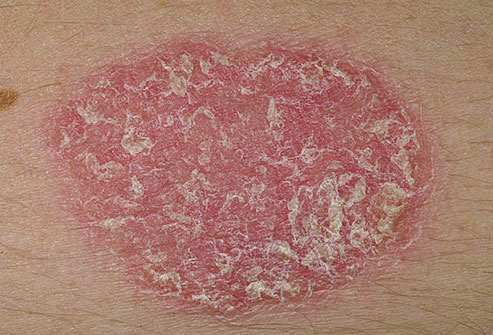
Psoriasis – Can hemp seed help?

I love to answer questions from readers… A reader asked me whether using hemp seed or its oil could help improve psoriasis?

The quick answer is – yes! Hemp seed contains oil that is rich in omega-3 fatty acids and these can reduce inflammation associated with psoriasis. Fish oils are also rich in these fats and would be equally useful (but not as tasty and definitely worse smelling…). Hemp seeds have a nutty flavour and can be sprinkled on cereal or salads. Hemp seed oil can be consumed, as is, or rubbed directly on the area of psoriasis. If a large area is affected, taking by mouth would certainly be easier. Hemp seeds are available in the natural food section of most large grocery stores and in some pharmacies.

But I thought I’d expand this article to include information about the disease and other things you can do for yourself if you are affected. So, here it goes…

What is psoriasis?

Psoriasis is a skin condition that is thought to be related to a problem with the immune system – an autoimmune condition. The immune system’s T cells mistakenly attack healthy skin cells. This causes them to over produce, building up in thick, scaly patches on the skin’s surface. It isn’t clear what causes T cells to malfunction, but both genetics and environment appear to play a role.

What can you do to prevent it?

Anyone can develop psoriasis, but your risk is higher if you have a parent who is affected, and higher still if both have it.

Psoriasis is typically started (or worsened) by triggers that you can avoid. These can include:

  • Infections of the skin or strep throat

  • Injury to the skin, like a cut, scrape, insect bite or severe sunburn

  • Stress

  • Smoking

  • Heavy alcohol use

  • Vitamin D deficiency

  • Certain medications, such as lithium, beta blockers (medications used for blood pressure), antimalarial drugs and iodides (iodine compounds, sometimes used in surgery prep)

So, obviously, avoiding these triggers or correcting them as soon as possible can result in improvement for many who suffer from psoriasis. Treat skin injuries with soothing creams that prevent infection, such as Polysporin Cream, to speed healing. Try a stress-reducing activity, like yoga or meditation, to reduce the effects of stress you can’t avoid. Don’t smoke and use alcohol in moderation. Get a controlled amount of sun exposure so you will produce your own vitamin D but avoid sunburn as the resulting skin damage can worsen psoriasis. Take a vitamin D supplement in the winter, if you live in a northern climate. Check with your pharmacist to find out whether any of your medications could be triggering your psoriasis.

Other non-prescription treatments

Besides the omega-3 supplements and topical oils mentioned above, there are several non-prescription treatments you could consider in mild cases of psoriasis. For severe psoriasis that causes you discomfort and pain, makes routine activities difficult, causes you concern about your skin’s appearance or is associated with painful, swollen joints, it is recommended to talk to your doctor. Be aware that there are more potent treatments that your doctor can prescribe.

Steroid creams and ointments are a mainstay of psoriasis treatment. Steroids block inflammation very effectively, reducing redness and plaque formation. Ointments are usually more effective than creams, as they provide occlusion and moisturize better than creams. True occlusion would be covering the area with a non-breathable material, like plastic wrap. This traps the medication in and makes it more potent. Ointment bases (like Vaseline) have a similar effect to covering the area, although not quite as efficient as plastic, and generally ointments are more potent than creams with the same strength of steroid. Ointment bases also trap moisture in more effectively than creams so are usually more moisturizing but greasy… less “cosmetically appealing”. Hydrocortisone cream up to 1% is available in many countries without a prescription now.

Salicylic acid, in creams and shampoos, helps to loosen and remove psoriasis skin scales. However, it can irritate the skin. Often, it’s combined with a steroid that will reduce the irritation and inflammation caused by both the salicylic and the psoriasis itself. Pharmacists will sometimes add this ingredient to an existing cream on a doctor’s order, but you can request them to do this for you too, as the ingredient doesn’t require a prescription.

Coal tar has been available in shampoo form for decades and is a common treatment for scalp psoriasis. Coal tar slows the division of skin cells, reducing the formation of plaques. As a pharmacist, I often added coal tar solution and salicylic acid to existing shampoos for clients, although they needed to be shaken well before use to remix the ingredients and had a strong smell. The combination is commercially available now, however. You would find is in the medicated shampoo section of the pharmacy.

Light therapy doesn’t actually require a prescription, although some forms are more potent and would only be administered by a therapist. A standard UV lamp could be used at home, but it’s recommended to discuss this with your doctor first to ensure you are using it safely.

Moisturizers alone won’t heal psoriasis, but they can reduce the symptoms of itching, scaling and dryness that accompany it. Apply immediately after a bath or shower, when the skin is more hydrated. Moisturizers with aloe vera and/or barberry (Oregon grape) may work better, as these ingredients can help reduce skin inflammation, redness, scaling and itching. Avoid scented products as these may be more likely to irritate the skin.

Prescriptions for psoriasis

Steroids that are much more potent than non-prescription hydrocortisone. There is a range of steroids of different strengths and in varying bases that can be tried. They generally have fewer side effects than other treatments so usually are the first prescription choice. The most common side effect is thinning of the skin, especially of concern in areas where the skin is already thinner (for example, the face), allowing the blood vessels to show through the skin. Loss of pigment from the skin at the application area can also be a side effect. As the drugs are absorbed through the skin, suppression of the immune system can occur when high-strength steroids are used on larger areas for a longer time, and especially if occluded (covered with a non-breathable dressing). Children are more susceptible to side effects because of their thinner skin and smaller body weight.

Retinoids, drugs that are similar to vitamin A, can improve psoriasis but have severe side effects, such as inflamed lips and hair loss. Pregnancy must be avoided in women taking these drugs and for 3 years afterward, as they can cause severe birth defects.

Methotrexate is a prescription drug that decreases the production of skin cells and reduces inflammation. It is used in high doses to treat some forms of cancer but, for psoriasis, it’s used in very low doses. Side effects of upset stomach, appetite loss and fatigue are related to the dose used and are generally not bothersome at the low doses used for psoriasis. Long-term use can cause more serious side effects, such as liver damage and decreased production of platelets and red and white blood cells.

Drugs that alter the immune system

  • Cyclosporin is a drug used mostly to prevent rejection of transplanted organs, but it can be used short-term to suppress the immune system, the underlying problem in psoriasis.

  • Biologics are a group of newer drugs that work by altering the immune system. They include expensive medications we see advertised on TV, such as Enbrel, Humira, Remicade, Otezla, Cosentyx and others. Because they have strong effects on the immune system that may result in life-threatening infections, they are used with caution and generally only after traditional treatments have failed.

Keep in mind that a healthy immune system is aided by a good diet, healthy lifestyle, a well-functioning digestive system and exercise (especially outdoors, where you are exposed to healthy bacteria in the environment). Eliminating chronic, low-grade infections can also help the immune system by decreasing its workload.

Which treatments are used for psoriasis depends on how severe it is, and how much it bothers you. Because of the side effects, generally the safest treatments are tried first. But keep in mind that trigger control and simple strategies like moisturizers to control dryness and itching will usually not interfere with prescription treatments you may need to try. However, always discuss any non-prescription or alternative medications you are using with your doctor.

References:

Psoriasis Symptoms and Causes Mayo Clinic

National Psoriasis Foundation

Can Hemp Oil Help My Psoriasis?

Side -effects of topical steroids

Categories
Uncategorized

What’s this blog really about?

Three years of blogs…

I’ve been writing my health blog for over 3 years now (this is my 140th article!) and it’s evolved over time as many projects do. Originally, I planned to write about hormones, a rather narrow topic but, when several men subscribed, I expanded to general health topics that would interest everyone. Often I wrote about information I was asked when working in a pharmacy or about questions that readers suggested by email, using the “Questions/Comments?” button on my webpage. Over time, I started writing more about health-related topics that I found interesting as I read emails from pharmacy websites, or that I thought would interest people who joined my mail list or who followed me on Facebook, Linkedin or Pinterest.

Sometimes the topic was something I knew plenty about from my pharmacist experience, but I also based blogs on new research or unusual ideas… subjects I learned about and then shared if I think others would be interested as well. The questions I’ve received from readers were often on subjects I knew nothing about too, so I read about them and shared what I learned.

But this week I realized something…

I had read an article about “how to improve your blog” that suggested a writer really should know why she blogs and exactly what she is blogging about – what the purpose is. And with the contents of that article rumbling around my brain, I then read the introduction to a book about curiosity. It struck me that my blog is really about curiosity – my curiosity about ways to stay healthy, controversies in the health world, and what’s being discovered in health research. It’s also about your curiosity around health matters you want to understand better.

So, while I initially started blogging to improve my writing and to connect with others who might be interested in learning how to stay healthier, I began to follow my curiosity – learning about new treatments and ideas to maintain health, reading about controversies that questioned beliefs I had held for years, learning more about how the mind and body work and how we can help both to function ideally until old age.

I guess I’ve always had a curious mind but, now that I’m retired, I can really indulge my curiosity. Curiosity is what pushes us to learn more and try new things: Could I learn to do that? How does that work? Why does that happen?

As children, we are curious about everything in the world around us, asking questions that sometimes frustrate grownups caring for them. But sometimes as adults (especially if we’re busy or don’t know the answer), we discourage children’s curiosity or don’t bother to pursue answers to questions, theirs or ours. Many adults have lost their curious nature.

Curiosity is an excellent cure for boredom…

I used my curiosity to make my work more interesting, researching subjects that interested me, whether for myself or for a client, and trying new activities to see if they worked in a pharmacy setting. Curiosity is what led me to learn about hormones and, eventually, as I shared what I’d learned with women who were looking for this information, it resulted in the development of a specialty hormone consulting service in my pharmacy – one of the first of its kind in Canada. I guess that’s what I’m doing now with my health blog… exercising my curiosity, trying out new ideas and sharing them with you!

So, what are you curious about?

If it’s health related, I’d love to help satisfy your curiosity and expand your horizons! Click on the “Questions/Comments?” button to email me your burning questions related to your health! (Please note that the identity of those who pose questions is always kept confidential…)