Categories
Health

Many Common Medications Could Change Your Gut Bacteria

Researchers have learned that 18 commonly used classes of drugs can extensively affect the organisms that live in your gut. The most drastic changes were caused by stomach medications, antibiotics, metformin (a diabetes medication), and laxatives. Why is this important? Because research suggests that changes in gut organisms are associated with obesity, diabetes, liver diseases, cancer, degenerative nerve diseases like MS and ALS (Lou Gehrig’s Disease) and others.

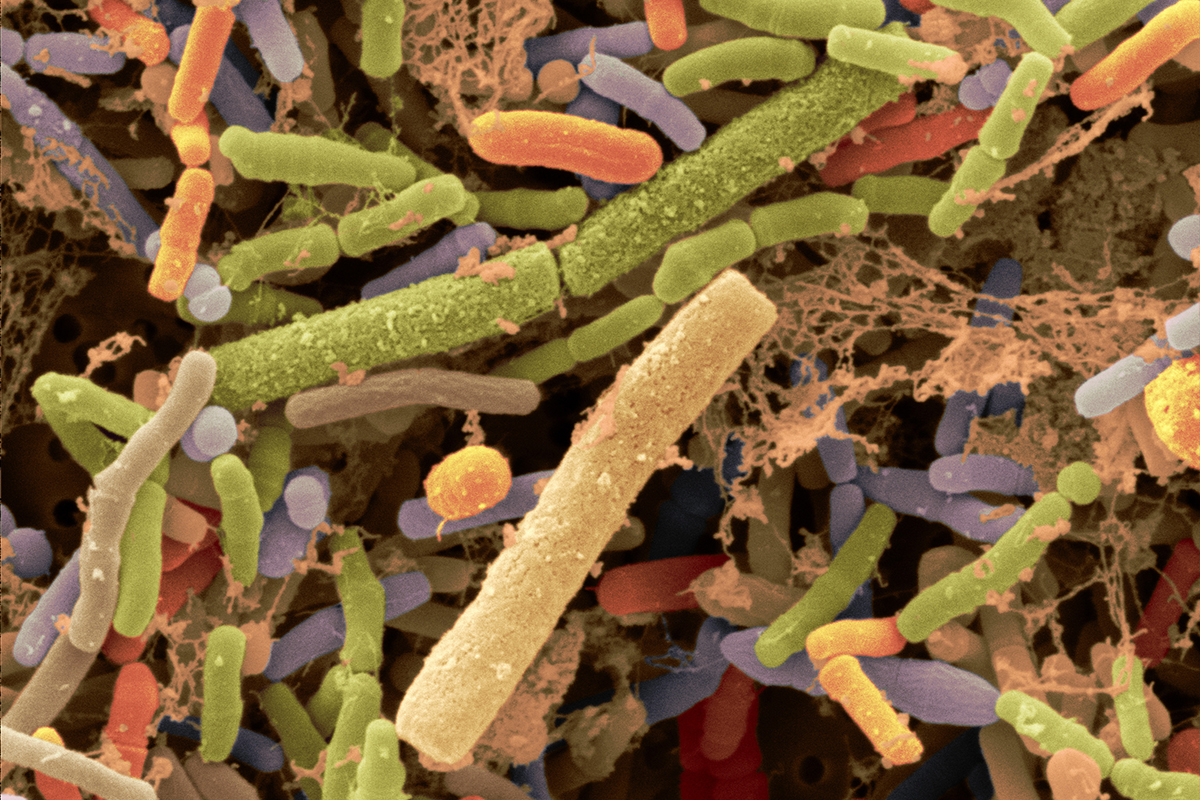
Your intestines contain tens of trillions of microorganisms, with at least 1000 different types of known bacteria. These organisms are vital for our health, breaking down food and toxins, making vitamins and training our immune systems. Their total weight is calculated to be as much as 2 kg (4.4 pounds) – heavier than the average brain! It’s also known as the human “microbiome”. It’s been increasingly studied over the past 15 years – what types or organisms are found in healthy people vs. those with various diseases, how we can improve the content and balance of organisms in our digestive systems and, now, how this microbiome is affected by common drugs.

New research, reported at the international United European Gastroenterology Week 2019 conference, describes work done at the University Medical Center Groningen and Maastricht University Medical Center in the Netherlands. Out of 41 drug classes they tested, 18 were associated with changes in gut microbiota composition or function. Several of these were found to be significant:

  • Antibiotics

  • PPI’s (“proton pump inhibitor” stomach medications)

  • Laxatives

  • Metformin

  • Oral steroids (i.e. taken by mouth)

  • SSRI antidepressants (in people with Irritable Bowel Syndrome)

Antibiotics kill bacteria both good and bad. Stomach medications, particularly PPI’s (proton pump inhibitors, like Losec/Prilosec, Nexxium, Tecta, Prevacid and others), drastically change the acidity of the stomach making a significant difference in the environment these organisms like to grow in. So, we shouldn’t be surprised that these 2 classes of drugs change which bacteria thrive in our digestive systems.

Laxatives speed the passage of the contents through the digestive system, pushing microbes out of their normal habitat as they move the entire contents of the intestines along more quickly than normal.

Another research team, at the European Molecular Biology Laboratory in Germany, suggests that altering gut organisms may also be part of how some drugs work. They noted that one of the ways the diabetes drug, metformin, works is to encourage the growth of certain bacteria. People who take metformin have also been found to have higher numbers of the potentially harmful bacteria, E. Coli.

The researchers also identified an increase in antibiotic resistance related to 8 different categories of medications, not just from use of antibiotics themselves. We always knew that oral steroids (those taken by mouth, like prednisone) cause people to gain weight, and now researchers in the Netherlands report that this may be caused by an increase in “methogenic” bacteria, which has been associated with obesity.

SSRI antidepressants (Prozac, Paxel, Celexa and several others), particularly when used in people with Irritable Bowel Syndrome (IBS), were associated with significant changes in the potentially harmful bacteria, Eubacterium ramulus. These drugs generally take a few weeks to exert their therapeutic effect; they also note that similar bacterial species are affected by different antiphychotics. This led to the suggestion that part of how both these types of drugs work could be by encouraging or blocking certain gut bacteria. Researchers hope that one day it may be possible to diagnose some brain conditions by analysing gut bacteria and to treat them with “psychobiotics” – specific mood-altering bacteria!

The German researchers also noticed that some drugs affect gut bacteria in a manner similar to antibiotics and these tend to have antibiotic-like side effects, such as digestive upset. They suggest that these non-antibiotics could be increasing bacterial resistance to antibiotics, since they affect gut bacteria similarly.

So, although this research is fascinating (or, at least, I think it is!), much more work needs to be done in this area. However, it shows that we cannot ignore the effects of various drugs on gut bacteria. Researchers estimate that one-quarter of drugs or more have an impact on the gut microbiome.

References:

Is your gut microbiome the key to health and happiness? – The Guardian

Many Common Meds Could Alter Your Microbiome – WebMD

Half of all commonly used drugs profoundly affecting the gut microbiome warn experts – EurekAlert

Many commonly used drugs may impact microbiome – Univadis Medical News

Categories
Health

Autumn: Time for harvest, giving thanks and flu shots!

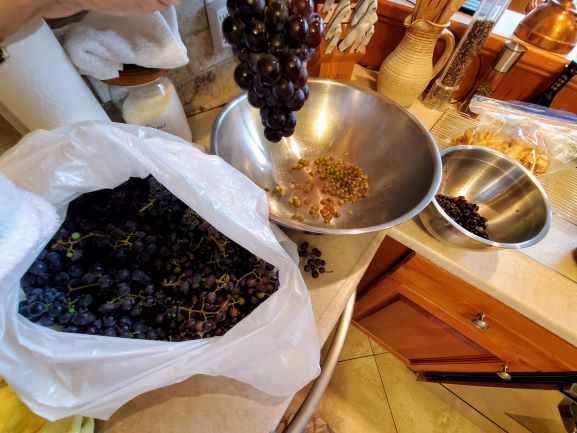
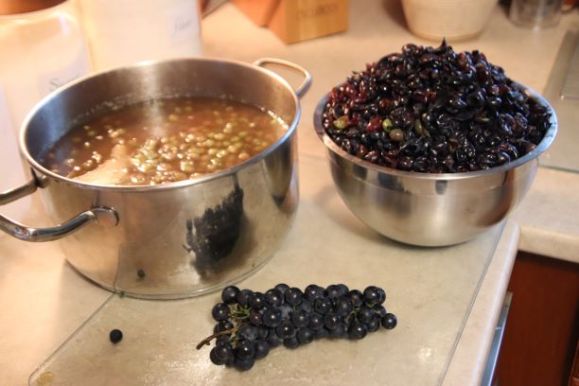
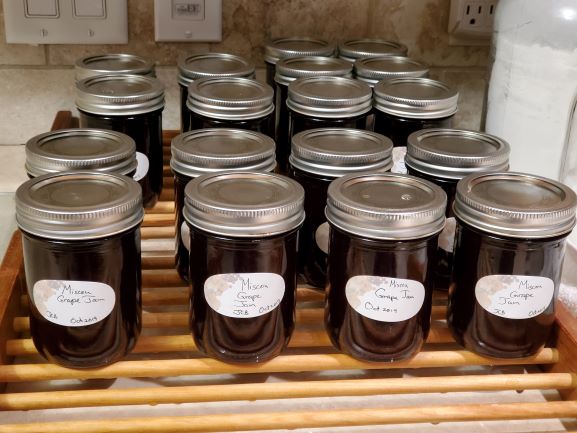
I’m late getting to my blog this week… a busy week making 18 bottles of salsa and 18 jars of grape jam. I even tried out a recipe for “scoops” corn chips (the best way to eat salsa…) and I’ll be making them again! I guess that’s part of fall and carrying the benefit of the harvest of fresh vegetables and fruits into winter. It’s even more wonderful if you get to participate in the harvest, as we did in Miscou Island in northern New Brunswick, helping family pick the grapes growing in their backyard and cut the vines down to the old growth. It was an amazing way to spend a sunny autumn afternoon.

The best parts of making your own food, including preserves, is that you know what they contain and even where the ingredients came from. You also get a relatively unique product to enjoy and share, something different than you might find in the grocery store. I’m thinking my preserves might make great Christmas gifts, something consumable for those of us in my generation looking at downsizing or those of a younger generation living in an apartment with limited space. I’ve always felt that a hand made gift is truly a gift from the heart… something special, whether it was made by the giver or someone I don’t even know.

But, aside from thoughts of harvest, Thanksgiving and preparing for winter, fall also makes me think of getting my flu shot. I suppose that’s part of preparing for winter, the season when we see so many cases of influenza. I gave flu immunizations for many years at pharmacies and clinics, even visiting seniors’ homes to bring the service to them.

I never liked hurting people, though, so I read everything I could to learn how to make the injection less painful. And my patients have often told me that they hardly felt the needle at all – one elderly gentleman, who was chatting with one of the nurses working with me, insisted that I hadn’t given him his injection when I told him he was ready to go to the waiting area. Distraction is one of the best “pain relievers”!

Here are some tips I learned to decrease pain from injections. Ask the person giving you your flu shot if they use these techniques:

  • Let the alcohol dry before giving the needle

    • Wet alcohol stings

  • Apply slight pressure to the top or sides of the arm with the free hand

    • The brain registers pressure instead of the pain from the needle

  • Insert and remove the needle quickly

    • Like a paper cut you don’t notice until it bleeds, a quick needle is felt less. I routinely completed the injection part of a flu shot in about 2 seconds!

  • Use distraction

    • As with the elderly gentleman I described earlier, you will experience less pain if you focus on something else. Even taking a deep breath just before the needle helps you to focus on your breathing instead of the injection.

    • I used to use my iPad to distract children – it was so effective, especially when iPads were new… I set them up with a drawing program to try out while I prepared their flu shot. Etch-a-sketch was my favorite. Some parents had played with the original toy, and this would start a conversation. After the injection (when I wasn’t quite so popular with the child) I would offer to send their drawing to Mommy or Daddy’s computer. Most children would instantly forget the needle when they realized they could keep their drawing!

  • Rewards for children are discouraged

    • One parent mistakenly offered to buy a toy for their child if it hurt. So, of course the child screamed bloody murder after his shot and cried for 5 long minutes to make sure he got the toy!

    • However, planning an enjoyable activity afterward can help. “After we’re finished at the pharmacy (or doctor’s office) we’ll go to the park (or any place they enjoy)”. What the heck…I think grownups deserve a little fun, too, after doing a good deed for their community and family!

There has been some controversy over vaccines in recent years and it’s important to keep a healthy perspective. While there are always some who will react to any medication, the overall benefit of vaccines to the general population outweighs the potential harm from the illnesses they prevent. All practitioners who give vaccines are trained to ensure they are given safely and to refer those at risk of a reaction to the safest location to receive them, even if it’s a hospital for those at high risk. Getting a vaccine helps to protect those who can’t get immunized (or don’t respond to vaccines because of a medical condition or medication) by preventing the spread of the illness.

Here are two earlier blogs I wrote about flu shots and other vaccines, in case you missed them:

Flu season? Who Cares…

The Vaccine Debate

So, if you are able to take the flu shot, I hope you will do it. It only takes a half hour or so, including the waiting period afterward to make sure everything is fine!

Categories
Health

The dirtiest places in your home…

There are microbes everywhere in our homes and most are OK or even good for us… but some organisms can make us sick. Where are we most likely to find the dangerous ones?

Bathroom

Yes, we all know there are disgusting germs in our toilets, and most of us clean and sanitize these regularly. But did you know that water (and bacteria!) are aerosolized when you flush and, according to microbiologist, Charles Gerba (aka Dr. Germ) at University of Arizona, they can easily spread 6 feet from the toilet each time you push that flush handle? Of course, if it’s your own bacteria, it won’t harm you (disgusting as it sounds). But you may be sharing your bathroom (and bacteria) with your visitors and family… Also, damp towels are a great place for all that bacteria to grow, waiting to be deposited on your clean hands and face when you dry them off. Here are some things you can do to reduce your exposure to fecal bacteria:

  1. Always put the lid down before you flush.

  2. Store your toothbrush in a cupboard or drawer or more than 6 feet from the flush.

  3. Change towels regularly, at least twice a week.

  4. Consider a liquid soap dispenser that can be cleaned, instead of bar soap that provides a nice bacteria growth medium.

Kitchen

Despite what was discussed above, the kitchen usually has even more dangerous bacteria than the bathroom. We prepare raw foods there and they often carry bad bacteria like salmonella and E. Coli that are killed in the cooking process, making the food safe to eat. But if you handle raw meat then touch other surfaces (like the fridge door handle or sink taps) without washing your hands first, you are depositing these potentially dangerous bacteria around your kitchen. And simply running water to clean the sink after rinsing raw meat doesn’t effectively remove bacteria. Here are some recommendations:

  1. Use a kitchen cleaner with bleach to clean the kitchen sink, counters and cutting boards that have been in contact with raw meat or their juices. Dr. Germ suggests 1 tablespoonful of bleach in a gallon of water (or about 1 tsp in 1 liter) will work as well. Or a solution of 1 part vinegar plus 3 parts water has been recommended to sterilize home medical equipment (like aerosol face masks), so should work for kitchen sanitizing as well.

  2. Wash your hands well immediately after handling raw meat.

  3. Use a separate cutting board for raw meat and foods that will be eaten raw (like salad ingredients)

  4. Clean fridge handles often (e.g. every time you clean your counters) and don’t forget to clean fridge storage drawers too, especially when you notice leakage of raw meat juices.

  5. When cleaning, spray surfaces thoroughly and let sit for a few minutes before wiping to let the spray do its work. Dr. Gerba also suggests sanitizing wipes, as they leave a germ-killing residue behind to slowly dry.

  6. Get rid of kitchen sponges or replace at least weekly, as wet sponges provide an excellent place for all kinds of bacteria to grow.

  7. Don’t forget to change kitchen hand towels often too.

  8. Can openers, pizza cutters and blender blade assemblies can also trap food particles and bacteria. Be sure to thoroughly clean and sanitize these as well.

Your best bet in the kitchen, is to change dish cloths and hand towels daily. I keep a bucket of dilute bleach and water solution in the laundry room sink and toss kitchen wash cloths in there to soak until laundry day.

Here’s a recipe for a sanitizing kitchen spray you may find useful:

1 ¼ c water

¼ c white vinegar

¼ c vodka or rubbing alcohol

15 drops each of peppermint and lemon essential oils (for scent)

Ideally, spray and let sit for 10 minutes to disinfect surface before wiping. Do not use on marble or granite surfaces, as it may etch the surface.

References:

The germiest place in your home and the best way to combat those microbes – CNN

Natural Disinfecting

Categories
Environment

Backyard Birds are Disappearing

The population of backyard birds in Canada and US has decreased by nearly 3 billion since 1970… that’s a huge loss of 1 in 4 birds.

This is an alarming number. Birds are the “canary in the mine”, more sensitive to the environment than humans and a signal of environmental problems. Birds act as pollinators, seed spreaders, predators (often eating bothersome insects) and prey for other animals in the wild. They are also beautiful to watch and their songs are part of the enjoyment of being outside.

Researchers tell us that there is no single reason for the decrease in bird populations, calling it “death by a thousand cuts”. The American Birding Conservancy cites pesticides, domestic cats, habitat loss, and collisions with glass as being the greatest causes of bird deaths.

What can we do?

Protection of habitat is often in the hands of lawmakers, but there is a lot we can do as individuals. Thousands of people making small changes can actually help. Here are some ideas to consider:

  1. Windows – Six hundred thousand to 1 billion birds die after hitting windows in Canada and US. Birds can’t tell the difference between reflections of trees and sky, and the real thing. Lights in windows at night draw birds, especially in high-rise glass buildings, and simply turning off lights at night can make a difference. But homes and smaller buildings are a problem too. Almost half of birds that die from these collisions involve windows in homes. Here are some things you can do:

    1. In a new construction, ask for bird-friendly glass.

    2. Horizontal or vertical stripes, decals or a random design on windows can make a difference. These can be added using opaque or translucent tape, mesh on the outside of windows, or even tempera paint (non-toxic, long-lasting and easily removed with a damp cloth or sponge). If you’re artistically inclined, a seasonal design could be considered and stencils could be used to make this easy and fun.

    3. Screens are usually enough to help birds avoid windows.

    4. See some other ideas for quick and affordable ways to protect birds from your windows here.

  2. Pesticides and herbicides – Avoid using these on your lawn.

    1. Try natural treatments for weeds.

      1. Household vinegar mixed with Epsom salts and a little dish soap can be used as a spray for weeds growing between walkway stones. Click here for an article about this.

      2. Mulch around plants can prevent weeds from growing in the first place.

      3. Good old hand weeding is good exercise and safe for the environment. Gardening gloves and a kneeling pad can make this more comfortable!

    2. Try a lawn of thyme plants instead of grass. A few plants of low-growing thyme planted on a lawn will usually take over grass and weeds. It doesn’t need to be mowed as often as grass and has a pretty purple bloom in late summer. Be sure to choose the low-growing variety.

  3. Cats – We love our cats, but dogs aren’t allowed to run loose in our neighbourhoods, and we shouldn’t let cats either. Keeping cats indoors or walking them on a leash, as you would a pet dog, could save many birds and help species recover. Alternatively, a bell around the cat’s neck could help alert birds to their presence in time to escape.

It’s interesting that populations of water birds are on the increase due to conservation measures that were started several years ago. It’s time to do the same for our common backyard birds, or we could be seeing quiet parks and forests in the future…

References: (click to see original articles)

Birds are dying off at an alarming rate – CNN

Quick and affordable ways to protect birds your windows

Stop birds hitting windows