Categories
Uncategorized

Adults get acne too!

Most of us think of acne pimples as a teenager’s problem and that, as adults, we’ve left all that far behind. But adults can get acne too… and it can be just as distressing as it is for teens! The strategies for controlling acne, however, are the same no matter what your age.

What causes acne?

Acne occurs when skin pores become blocked, with oil and bacteria inside. It’s all about inflammation…caused by bacteria breaking down the oil that is trapped inside the pores of the skin, creating irritating fatty acids that cause inflammation and swelling.

So, reducing the amount of oil on the skin, killing skin bacteria and keeping pores open will all help to reduce the formation of acne pimples. And reducing inflammation in the body helps too. Changes in hormones can trigger increased oil production in the skin that promotes acne, and dramatic hormone shifts occur with puberty and with menopause so that’s why we see more problems at these ages. Some people have called menopause “puberty part II”!

Blackheads are plugs of oil that have become trapped in the skin pores and have oxidized, causing them to turn dark. Removing oil by cleansing the skin helps to prevent blackheads. Whiteheads are just blackheads that haven’t oxidized yet. But there are efficient ways of removing them without damaging the skin that I’ll tell you about too!

So, the 3 main strategies to prevent and improve acne are:

  1. Cleanse to remove oil
  2. Keep pores open so bacteria and oil won’t get trapped inside, and
  3. Kill bacteria so it can’t break down skin oil into irritating fatty acids

Cleansing

I talked about skin cleansing last week and, if you have acne, you likely have more oily skin. Washing with only water probably won’t be enough to help although, if you have a mixed complexion with oily and dry areas, you might want to only use a cleanser on the oily area (often these are located in the “T” area of the face, the forehead, nose and chin).

It’s best to cleanse twice daily, morning and night, to remove excess skin oil effectively and reduce bacteria. Any treatment creams should be applied after cleansing.

Opening pores

Salicylic acid is a commonly used “keratolytic” agent, a chemical that loosens surface cells and helps them to slough off. While this type of ingredient is often marketed to help skin look fresher and younger by removing fine lines and surface wrinkles, it also helps to keep pores open, preventing acne by removing dead surface skin cells around the pore openings.

It’s available in cream form and in cleansﻌers. I’ve been using a liquid face cleanser with 2% salicylic acid for the past few years and find it works well for me, as I generally have oily skin with pores that tend to clog easily.

Other keratolytics are available too, such as the water-soluble alpha hydroxy acids, glycolic acid, lactic acid and citric acid. But salicylic acid, a Beta Hydroxy acid, offers the advantage of being oil soluble. This allows it to penetrate oil-clogged pores more easily, helping to dissolve forming blackheads and whiteheads (blackheads that haven’t oxidized and turned dark yet). Salicylic acid is often less expensive than some of the other similar agents also.

If you have a lot of blackheads on an area of the face, they can be efficiently removed without damaging the skin by using blackhead removal strips, such as Bioré. A home-remedy that is almost as good, is a mixture of 2 tsp unflavoured gelatin and 2 tsp milk. Heat in the microwave for 10 seconds, let cool slightly, then apply to the skin. Let it set, then peel off, removing blackheads at the same time, similar to how the commercial strips work. And I’ve heard you can even use Elmer’s White Glue in the same manner (no need to heat) with similar results!

Killing bacteria

Benzoyl peroxide is the best non-prescription antibacterial I know of for the skin. It’s available in 5% (non-prescription) and 10% (non-prescription in the US, prescription in Canada but, in some provinces, pharmacists can prescribe it). As well as killing the bacteria that cause acne, it also has a mild peeling action that helps keep pores open. It was a small miracle when I discovered benzoyl peroxide 10% as a teenager, as the 5% and several other remedies had made little difference for me. And I still use it today whenever I see any sign of a blemish starting.

However, if you have sensitive skin, you should try 2.5 to 5% first, as it can cause irritation. Also, use it with caution near sensitive areas like the eyes and mouth, and wash your hands well after applying to avoid inadvertent contact with eyes.

Benzoyl peroxide is also an ingredient in some cleansers, combining all of the above actions into one product for milder cases of acne. But be aware that it acts like a bleach…I accidentally created big white splotches on my mom’s green towels when I first tried one of these cleansers as a teenager! However, this problem is easily solved by using white towels and facecloths…

Of course, using benzoyl peroxide as a cream or gel is more effective for active acne, as the ingredient will stay on the skin longer and in a higher concentration. A dab of 10% cream on a newly forming blemish can stop it in its tracks within a few hours. Amazing stuff!

Anti-inflammatory diet

The amount of inflammation your body creates in response to the irritating fatty acids produced by the action of bacteria on skin oils depends on how many inflammatory chemicals your body produces. Inflammation throughout the body can be reduced by following an anti-inflammatory diet.

Simply described, an anti-inflammatory diet involves avoiding any foods you are allergic or sensitive to, plus eating foods that are known to be metabolized into anti-inflammatory substances in the body while reducing those that are made into inflammation-promoting substances. Oils in fatty fish, nuts, flax, hemp, and green leafy vegetables are broken down in the body into the omega-3 oils, EPA and DHA which are used to make anti-inflammatory substances. Fats in corn oil, safflower oil, sunflower oil, soybean oil, dairy products, and traditionally raised meats and poultry are metabolized into omega-6 oils that are subsequently made into pro-inflammatory substances in the body. Olive oil and canola oil are considered neutral.

So, the balance of omega-3 to omega-6 oils in your diet can affect the amount of inflammation your body can produce. This affects not only your skin, its blemishes and aging, but also inflammation throughout the body. An anti-inflammatory diet can help reduce asthma symptoms, inflammatory bowel disease, heart disease and many other inflammation-related conditions. But that’s a topic for another blog…

Another tip I read recently–zinc tablets 10 -50mg daily can help reduce inflammation and speed healing of blemishes and might be worth considering when trying to heal a more extensive case of acne. They are inexpensive, available without prescription and can be found with the vitamins and minerals in any pharmacy. Take with food, as zinc can irritate the stomach.

As well, a mild non-prescription cortisone cream, such as Hydrocortisone 0.5 to 1%, could be used sparingly for a short time to reduce inflammation in highly inflamed areas of acne. Be aware, however, that long-term use of steroids on sensitive facial skin can make the skin thinner over time, allowing blood vessels to show through the skin as fine red lines. Use only a small amount for a short time, and only on very inflamed areas to prevent this from occurring.

If all else fails…

If acne doesn’t respond to a consistent skin care regimen, similar to what is described above, it’s worth seeing your doctor. Be sure to tell them what you’ve already tried, and they will work with you using available higher-level treatments. This could involve prescription creams, such as retinoids that increase the turnover and shedding of skin, injections of cortisone (a potent anti-inflammatory) directly into deep acne cysts, antibiotics by mouth to more effectively kill skin bacteria or other strategies.

#adultacne #skincare

References:

The Ultimate Omega-3 Diet – Evelyn Tribole

The Clear Skin Prescription – Dr. Nicholas Perricone

Alpha Hydroxy Acids – FDA https://www.fda.gov/cosmetics/cosmetic-ingredients/alpha-hydroxy-acids

Beta Hydroxy Acids – FDA https://www.fda.gov/cosmetics/cosmetic-ingredients/beta-hydroxy-acids

Categories
Uncategorized

Playing with cosmetics

Some years ago, as a compounding pharmacist I became interested in making cosmetics. I had stumbled on a book by a dermatologist in California, Dr. Nicholas Perricone, who helped movie stars look younger. I learned what ingredients actually work to improve the look of the skin. Later I attended a conference in Houston on making cosmetics, and learned more about how to make products that were effective and “cosmetically elegant”.

So, I decided to make a basic cream that contained all of the best ingredients. Why not have it all in one cream? I shared it with my family (I have 2 sisters and 8 sisters-in-law!) who helped me improve the formula and used it myself for many years. And I sold lots of jars at my pharmacy for a very reasonable price. It was never intended to be a big money maker… just good fun.

One day my interest in cosmetics took a turn… a man came to see me at the pharmacy with a case of water packed in 500ml soda bottles and information on research being done at a local university. The company was called Inventures, and they had patented a method of putting large amounts of oxygen into water (19-times the amount in the atmosphere). They had been using the water in the fish culture industry to increase oxygen in salmon tanks, and they noticed a distinct improvement in the appearance of the fish’s skin.

Apparently salmon are genetically close to humans, so they wondered whether the oxygenated water would improve human’s skin too. Researchers at the University of New Brunswick were testing whether it would be useful to treat skin conditions like eczema. They’d heard I was doing some different work in my pharmacy, and wondered if I’d be interested in playing with some of their oxygen water…

My first suggestion was to make a gel out of the water so it could be applied to the skin instead of filling a container and soaking in it. I still remember the fellow saying,”You can do that?” “That’s what I do…” I told him… For a compounding pharmacist, making a gel out of water is simple stuff. I later heard the company’s engineers were so excited they were practically jumping up and down when they heard my idea!

Well, I had a lot of fun with that water…and I added it to some pharmaceutical compounds too. Muscle spasms are painful because of a lack of oxygen, so having oxygen in a muscle relaxant gel formula helps relieve pain. But the company was more interested in the cosmetic side, as it’s less complex to get market approval for a cosmetic than for a medicine. I sometimes wonder whether a pharmaceutical company might have been interested in producing something like the “Relax Gel” I used to make…

I worked with them on their cosmetic product on a volunteer basis for several years. At one point, they set up a manufacturing plant in our spare bedroom at my home, complete with systems to oxygenate and sterilize the water, automated mixing in a giant pressure cooker with lots of gauges and valves, and a labelling machine. We wore masks, gloves and even Hazmat suits to protect the product we were producing. My husband, who was involved in this part, joked that he was worried the neighbours might think we were making “crack” if they saw us through the window!

The company was a lot of fun to work with, but eventually they built a small commercial facility to produce oxygenated gel for the US market. Apparently it works well to soothe the skin after a chemical peel!

This story came to mind as I started reading a new book about cosmetics today. I thought of sharing some of what I’ve learned in a mini-series on cosmetics…what works, what doesn’t, and what you can do without taking extreme measures or spending a lot of money to look your best at any age. Does that sound interesting? I hope so…

Looking great while you “age gracefully”….

While I believe in accepting who you are, how you look, and aging gracefully, I also think it doesn’t hurt to put your “best foot forward”, as they say. It’s well worth it if what you’re doing is non-invasive, non-toxic, and not expensive or overly time-consuming. As one friend says, we all have our skin care routines. Some are simple, others more complex. Perhaps some of what I’ve learned can help improve your routine…

Prevention vs repair…

First, you need to know your skin. Some of us have skin that is much more sensitive than others or has special requirements. I know I have pores that clog easily and I need to cleanse thoroughly and exfoliate regularly to prevent skin problems. But others need to avoid harsh cleansers or excessive rubbing to prevent redness and increased skin sensitivity. This could mean just washing with clear water is best for you, avoiding soaps and cleansers altogether.

It’s always better to prevent than to cure, too. Many of our lines and wrinkles are caused by habitual frowns or tensing of facial muscles. Look in the mirror to see where grooves and lines are beginning to form and you will see what areas of your face you tense up when you´re worried or concentrating. Consciously relax these areas during the day to prevent deepening of these lines. I have created a little habit of rubbing my trouble spots to smooth them and make my muscles relax in those specific areas. But the new book I’m reading suggests putting a piece of tape on the problem area in the evening to bring your attention to the muscles you are tensing so you can train yourself to stop. I may give it a try!

The other preventive strategy is to keep skin hydrated and healthy. I´ll talk more about diet for healthy skin in a later post, but we all know that dry skin looks older and less healthy. Using moisturizer, or just plain olive oil for your body, makes a huge difference in the appearance of your skin. Note that olive oil takes longer to absorb into the skin than commercial moisturizers but it’s a wonderful emollient and moisturizer. And moisturized skin is more resilient too. Thin dry skin can be more susceptible to abrasion or injury. Just drinking plenty of fluids can help improve the hydration of skin as well.

Even folds in the skin caused by your sleeping position can become permanent wrinkles if creased the same way every night. Sleeping on your back can avoid this and helps gravity work for you for a while. Using a smooth satin pillow can reduce sleep skin folds if your habit is to sleep on your side.

There are four other contributors to skin aging you should be aware of:

  • Excess UV radiation can cause sun damage and speeds aging of the skin.
  • Smoking constricts blood vessels to the skin, depriving it of oxygen and nutrients, plus it dehydrates the skin and increases free-radicals that damage skin cells.
  • Excess sugar in the diet increases damaging inflammation in the skin and glycation of collagen (attachment of sugar molecules) that stiffens the skin’s collagen.
  • Excess alcohol causes flushing and dehydration of the skin, creating a ruddy, blotchy complexion.

All of these causes of increased skin aging create increased free radicals, damaged oxygen molecules that cause cell damage and aging throughout the body.

Vitamin C and other antioxidants neutralize free radicals and this is the mechanism behind vitamin C serums. Consuming vitamin C in the diet or as a supplement would be expected to give a similar effect.

Perhaps after a significant birthday — 30, 50 or maybe 65 — you suddenly noticed a change in your skin you were sure wasn’t there before… Chances are, these gradual changes had already started, but you were looking with a more critical eye because of the number of candles on that cake. But, relax… if it bothers you, there’s plenty you can do to slow the development and minimize the appearance of skin lines and wrinkles.

So, start with prevention. Consuming sweet snacks with an alcoholic drink and a cigarette at the beach could be a recipe for looking older than you are! Try ice water, SPF 60 or an umbrella, and some fruit to snack on at the beach instead, and protect your skin…

And next week I’ll talk about some simple and inexpensive ideas to make improvements to changes that may have already happened…

References:

The Perricone Prescription — Nicholas Perricone, MD

The Age Fix — Anthony Youn, MD

#compoundingcosmetics #aginggracefully #avoidskindamage

Categories
Uncategorized

We’re cooler than we used to be…

I’ll bet you didn’t know we’re all cooler than we used to be… I’m talking about our body temperature, of course. You always thought 37C (98.6F) is your normal temperature when you’re not sick, right? And that you should treat a fever that is higher than 38.5C (102F)? Well, both of these facts have been questioned by researchers recently.

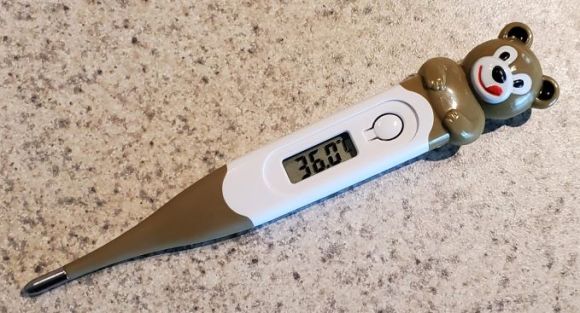
According to newer studies, “normal” body temperature can actually range from 36.1 to 37.1C ((97 to 99F), depending on the time of day and what you’re doing. Your temperature changes slightly over the day, too, and gradually decreases as you get older. Because these are “averages”, some of us are often outside that range, even when we aren’t sick. I’m usually around 36 to 36.6C… cool, eh? The average human resting body temperature, often referred to as “basal body temperature”, has gradually been declining over the past 150 years.

The standard average body temperature of 37C or 98.6F was determined by a German physician, Carl Wunderlich, in the 1850s by measuring millions of axillary (underarm) temperatures from 25,000 patients and calculating the average.

First, note that he used axillary temperatures—the temperature of the armpit is actually 0.5C (1F) lower than when taken orally (under the tongue). It’s interesting that this measurement somehow, over the years, came to be used as a normal oral temperature when what he measured was actually equal to 37.5C or 99.1 if taken orally.

Researchers in the US recently compared recorded body temperature measurements from 3 sets of records: Union Army Veterans of the Civil War from 1862 to 1930; a large nutrition study, the National Health and Nutrition Examination Survey I (NHAINS survey); and the Stanford Translational Research Integrated Database Environment study (STRIDE study). On the graph below, you can see that body temperatures, on average, declined with age and were lower in more recent times. Note: the blue lines are temperatures taken in 1860-1940, the green lines are 1971-1975 and the orange are from 2007 -2017:

They noticed that body temperature rose slightly as the day went by and increased slightly in response to increased room temperature. But the average temperatures also decreased by about 0.03C each decade, even within each set of data, showing that the decrease was not simply due to more accurate thermometers. The trends were consistent in men and women, and different ethnic groups.

They calculated that men’s temperatures have decreased 0.59C since the early 1800s and women (who weren’t included in the army veteran study) had cooled by 0.32C since the 1890s. Given that the older temperatures were taken under the arm, while the more recent ones were taken orally, the total decrease in body temperature is actually greater than that. Since the 1850s our body temperatures have dropped, on average, by about 1C or 2F, and researchers suspect they’re still dropping.

What would cause body temperatures to drop?

Body temperature is an indication of your metabolic rate. A drop in average body temperature suggests our metabolisms must be slower than they once were.

Improved standards of living and sanitation, decreased chronic infections from injuries, improved dental hygiene, fewer cases of tuberculosis and malaria and the use of antibiotics for infections have also likely combined to decrease chronic inflammation since the 1800s. Inflammation and infections increase body temperature, so fewer chronic infections means less inflammation and lower average body temperature in the population. (Note that temperature measurements above 39C were not included in the study as these would indicate a fever associated with an acute illness.) A small study of heathy volunteers from Pakistan, a country that continues to have tuberculosis and other chronic infections, found temperatures that were closer to the averages recorded by Wunderlich in the 1850s.

Better dental care means fewer cases of periodontal disease, a source of chronic inflammation. Use of anti-inflammatory drugs may also be reducing inflammation, with many people taking daily aspirin to prevent heart disease or to treat diseases like arthritis that are inflammation based.

Our heating and cooling systems in homes and workplaces may also have had an influence in body temperature. Air conditioning is now found in 85% of homes in the US. Maintaining a consistent body temperature when the room is too cold or too hot requires energy and increases the resting metabolic rate (RMR). And remember that body temperature is a crude indication of metabolic rate. So, lower body temperature may have also partly resulted from needing to expend less energy simply to adjust to a warm or cold room.

But another factor, not discussed in this study of temperatures, is the possibility that thyroid dysfunction could be influencing average temperatures. Although we now have blood tests to measure thyroid function, low body temperature was once used to diagnose low thyroid. Thyroid hormone replacement is one of the most prescribed medications these days. Autoimmune disease, where the immune system attacks your own tissues, is the most common cause of hypothyroidism, or low thyroid. Could it be possible that some environmental factor is interfering with thyroid function in humans? Scientists believe autoimmune hypothyroidism could be caused by a combination of genes and an environmental trigger. Perhaps a study in the future will identify this cause more precisely and whether it could be contributing to our “cooling”…

So, what should we do with this information?

In spite of good evidence that lower body temperatures are the norm now, many doctors and hospitals continue to use normal values recorded in the 1800s. Normal body temperatures vary in individuals from 36.1C to 37.1C (or 97 to 99F) and sometimes beyond this. It might be a good idea to determine your basal body temperature when feeling fine, so you will know how much it has elevated when you become ill.

It’s best to measure your basal body temperature first thing in the morning, before eating or drinking anything or doing any exercise to determine your lowest normal healthy temperature. This would allow you to more accurately determine when your temperature has increased by more than 1.5C, the point considered to indicate a fever, and when a person should consider treating or at least to look for the cause. Doctors who are aware of temperature variations report they generally look for extremes in body temperature, such as a significant fever that means there’s something wrong or a very low temperature (below 34.5C/94F) that indicates hypothermia.

But should we treat fevers?

Given that fever is a natural response to infection, some have suggested we should let nature take its course, and that fever may even help us fight off an infection. Should we suppress a fever or let it ride? This has been debated since the 5th century BC when Hippocrates first identified fever as part of the immune system’s response to infection. Thomas Sydenham, in 1900, described fever as “nature’s engine which she brings into the field to remove her enemy.” Today we understand fever as a sign of a disease, not a disease itself. The decision of whether to treat a fever is controversial and not well supported by studies, surprisingly.

Should we suppress it or let it ride?

In the “suppress it” camp, it is assumed that fever is noxious, and treating it will make it less harmful and unpleasant. It is also suggested that since it requires energy to maintain the increased body temperature, at some point, the energy cost must exceed the benefit. But neither of these assumptions have been measured or proven. Even febrile seizures, seizures in children associated with high fever, have not been shown in studies to be reduced by preventing fever with medications.

Those who suggest we should “let it ride” when a patient has a fever, advocate that fever is a protective mechanism that enhances immune cell function and promotes antimicrobial activity. They recommend that fever should be left to run its course under most circumstances. And there are a few studies done in the past 15 years that support this approach.

But, despite this evidence, the choice of whether to treat a fever is not well proven scientifically, although one would think it should be after having treated fevers with medications for so many years (aspirin was first formulated in the 1890s). If we take an evolutionary approach, survival of the fittest, it could be that developing a fever may be helpful in fighting off infections, even though inflammation (which causes an increase in body temperature) is associated with many damaging chronic illnesses.

Perhaps the best approach is to treat what is causing the fever whenever possible, rather than the fever itself.

So, some quirky controversies for you this week… Medicine doesn’t always have the answers. As much as we try for evidence-based medicine, some treatments continue to be based instead on standard historical practice, habits, and opinions.

References:

Decreasing human body temperature in the United States since the Industrial Revolution – eLifeSciences.org

Body temperature norms – MedlinePlus

Fever: suppress or let it ride? – Journal of Thoracic Disease

Average normal body temperature isn’t 98.6 anymore and it’s getting lower, research shows – Medical Xpress

Hypothyroidism – Mayo Clinic

#bodytemperature #feverscreening

Categories
Uncategorized

How to talk to someone with depression

Everyone has their ups and downs in life, but major depression is different than feeling sad for a short while after a negative event. Mood disorders, like depression, are very real illnesses that can have serious and sometimes fatal results. They are one of the most common mental illnesses and can affect the body as well as the mind, with physical symptoms like fatigue, stomach complaints, or muscle/joint pain as well as changes in mood.

There are several depressive mood disorders, including bipolar disorder (or manic-depressive illness), and perinatal depression, but major depression (also called clinical depression) is the most common mood disorder. The 2012 Stats Canada survey found that 4.7% of respondents met the criteria for major depression in the previous 12 months, and almost 1 in 8 (12.6%) met the criteria for a mood disorder at some point in their life. American statistics show that over 17 million adults (7.1% of the population) and 1.9 million children aged 3 to 17 experience depression in the United States each year. Women are twice as likely as men to be diagnosed with depression.

Causes

There is no single cause of mood disorders. Several risk factors interact to increase the chance of developing a mood disorder:

  • Family or personal history – Having already experienced an episode of depression or having an immediate family member who is affected don’t guarantee a person will develop depression, but they do increase the risk. Over 50% of those who have had an episode of major depression will develop a recurrence.
  • Traumatic life events – Some are more susceptible to depression when in a difficult or abusive relationship, after a divorce, after a death of a loved one, as a result of low income, poor housing or workplace stress or from other distressing major life events.
  • Chronic medical conditions – Chronic conditions such as stroke, heart disease, obesity, Parkinson’s disease, epilepsy, arthritis, cancer, AIDS, chronic obstructive pulmonary disease (COPD), and dementias like Alzheimer’s Disease can trigger depression, especially if the person suffers from more than one of these.
  • Physical changes – Changes in hormones, neurotransmitters (the chemicals that pass signals from one nerve to the next) or the immune system, a disability or poor quality of life itself are thought to be contributing causes. New research suggests that gut bacteria may also have an influence on brain function and mood.

Symptoms

Although each person is unique and will have different symptoms, there are some that are common:

  • Depressed mood
  • Feelings of guilt, worthlessness, helplessness, or hopelessness
  • Loss of interest or pleasure in activities usually enjoyed
  • Change in weight or appetite
  • Decreased energy or fatigue, even without physical exertion
  • Thoughts of death
  • Poor concentration or difficulty making decisions

Symptoms can be mild or so debilitating the person has difficulty getting out of bed. If these symptoms persist on most days for more than 2 or 3 weeks, it is advised to contact a doctor or mental health professional. It is very important to get medical help right away if a person has recurring thoughts of suicide.

What should you say to someone who has depression?

There are no magic words that will heal a major depression, although talking with a professional over time (“cognitive therapy”) is a form of treatment that can be successful. For family and friends, being comforting and supportive is the best way to help someone manage their symptoms.

Without being forceful or exerting pressure, it helps to ask a person with depression how they are feeling. This gives them space to talk and vocalize thoughts, making them less powerful. Not everyone feels like talking all the time, though, and it’s important to respect that, so ask if they want to talk.

Sometimes just being there can help too. Ask if they’d like some company. Offer to do something fun to distract them from their thoughts, like watching a movie, sharing a meal, or going for a walk or outing. Even being there quietly without speaking can give comfort.

Let the person know you care, even if you don’t understand or know what to do or say. Ask them how you can help or what is best to do or avoid doing. Know that simply saying “I love you” can be supportive.

The best time to talk is when both of you are calm and not distracted or tired. Never bring up depression during an argument or times of high stress. Avoid spending all your time together talking about mood problems and be sure to take care of your own needs, too, if you feel uncomfortable. Often talking about good times or doing activities the person once enjoyed can be helpful.

What NOT to say…

But here are some examples of things you might want to say that are not usually helpful:

  • “Have you tried eating better/exercising more/ getting outside?” Although lifestyle changes can help improve the effectiveness of depression treatment, it is better to be supportive, leaving treatment to the professionals. Some people may find these suggestions disrespectful, as though you think a minor change in lifestyle could easily cure their major depression.
  • “It’s not that bad.” Or “But you look fine!” If you appear to doubt or disbelieve what they are saying, you are invalidating their feelings and they may be unlikely to talk about them in the future. Minimizing their feelings can make the person feel ashamed and alone.
  • “I know how you feel.” Even if you have suffered a major depression yourself, you cannot know what another person is feeling. You also don’t want to shift the discussion to yourself when a person is expressing their deep feelings.
  • “You’re making me feel bad.” While listening to a person sharing their thoughts and feelings of depression can be overwhelming, don’t blame them or make them feel guilty. However, loving a person who is depressed can be difficult and it’s OK to set boundaries if necessary or get external support for yourself from friends, family or a therapist.

Like everyone else, I’ve had times when life events have made me sad and depressed but, fortunately, not a major depression. My husband has always helped by encouraging me not to focus on the event for long periods of time and to keep it in perspective and balance with the good parts of life. We can all try to be that person for others, whether they are dealing with major depression or a depressing life event, by being loving and supportive and asking what they need.

References:

What to say to someone with depression – Medical News Today

What is Depression? – Government of Canada website

#depression

Categories
Uncategorized

How to Spot Fake News

The internet can be an amazing source of information, but some health news reports we see there can be based on sketchy science, and many social media posts are often simply an opinion based on hearsay and rumors. How do you tell what is real news and important information we should act on?

McMaster University’s Optimal Aging Portal suggests 6 tips to identify health information we can trust:

  1. Look at the source – Look for claims or recommendations that are supported by studies, ideally published in a credible academic journal, or ones that are based on information from a government, university or other site that is unlikely to have a biased agenda.You may have noticed I almost always have a list of references at the bottom of my blogs. I want you to be able to check out where my information and facts came from.
  2. What’s in it for them? – Years ago, when the internet was new, I had a pharmacy student with me while searching for information on the herbal medicine, ginko. I quickly found what looked like a perfect site. My student didn’t say a word, but scrolled down and pointed to a button that said, “click here to buy”. The purpose of the website was to sell product. I looked through the site with a different eye and quickly noticed the statement “this medicine is safer than aspirin”… as a pharmacist, I know that aspirin can cause severe bleeding in the digestive system in some people. Suddenly, I realized information can be presented in a way that encourages people to buy when they have something to sell you, rather than just to inform. Even studies will skew to emphasizing the positive and explaining away the negative if they are trying to keep their sponsor happy. We can all learn from our students, and she was much more savvy than I was back in the mid-90s!
  3. How large was the study? – The larger a study is, the less likely the results happened by chance, and the more likely the results will apply to the general population. If, say, a new vaccine was tested on 10 people and none got sick on exposure to the virus, there would still be the possibility that all 10 could be individuals who were naturally resistant. But if it was tested on 1000 people, it is more likely this group would be representative of the general population.
  4. Was there a control group? – Good quality studies are “randomized” (they select participants randomly) and they compare the treatment group to a “control” group that does not receive the treatment. The control group helps to account for factors other than the medication or procedure being studied that could influence the result. Studies of pain medications, for example, sometimes find that as many as 90% of the control group can respond to a placebo (or sugar pill that looks like the medication). This shows that medications can sometimes have a positive effect based simply on the belief that they will work. Scientists believe this happens through an action of our immune system, and it is known as the “placebo effect”. Amazingly, the placebo effect can work even when the patient knows it’s a placebo. So, it’s very important to factor in this effect when evaluating a medicine or procedure.
  5. How long did the study continue? – Short-term benefits from treatments are important (e.g. how quickly does an antibiotic cure an infection?) but studying for a longer time can provide information about long-term benefits and what side-effects or harms can be caused by the treatment. Also, repeating the study in a different location and, ideally, with different researchers is important to verify the study results.
  6. Does this information/study apply to me? – We are all individuals with our own characteristics, but studies are designed to predict average results in a large population. Vaccines are a good example of this: overall, vaccines reduce the chance a disease will spread through the population. But there are certain individuals who have experienced negative reactions and should not take vaccines, and others (e.g. with a weak immune system) who do not respond to vaccines. It is important to identify these individuals and find other ways to protect them from the disease. However, the overall benefit to the rest of the population from vaccines is still valid. In fact, when most of the population is vaccinated against an infection, it cannot spread and this will protect those who cannot take the vaccine or who do not respond to it.
  7. — You may also have your own needs, preferences and circumstances to consider when you make a health decision. For example, those with breathing problems such as emphysema or asthma, may not be able to tolerate wearing a filtering mask to protect them from exposure to the coronavirus when in public. However, if those around them wear one, even a simple cloth mask, they will be protected.
  8. — It is beneficial to talk to a health professional that knows you, like your doctor, nurse practitioner or pharmacist, to help you interpret health information and make health decisions.

Lately, there has been a lot of news about possible treatments and vaccines for the coronavirus. We are all anxious for a cure or prevention so we can get back to our normal lives, so early results of studies can make the news even though the testing process is really just beginning. Science takes time…results must be tested and proven and, as with hydroxychloroquine, initial suggestions of positive results may be proven incorrect as the testing process evolves. We all need to realize that “preliminary results” are just that… a suggestion that this might work, but just an early suggestion. We need to remember we’re in this pandemic for the long haul and continue the tested prevention strategies of physical distancing, hand washing, staying home and now, wearing a mask when in public when distancing cannot be maintained. It will take time to find a cure or prevention. We want to stop the current spread and prevent the second wave that scientists predict will happen.

So, it’s always a good idea to be cautious about health information in the news and especially on social media. Always look for the original source of the information—who is making the claim—before you act on it or share it with others, no matter how logical it might sound.

References:

Don’t believe the hype: 6 tips to identify trustworthy health information—McMaster Optimal Aging Portal