Categories
Uncategorized

Should I download the COVID App? and can I Reuse my Masks?

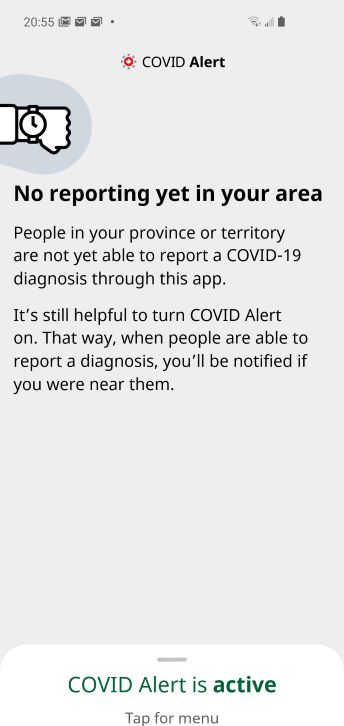
Canada has a new government-approved app, called COVID Alert, to detect possible exposure to the Coronavirus. It is designed to function as an extra layer of protection to add to physical distancing, hand-washing and wearing masks… and privacy for users is built in.

How does it work?

It works by exchanging random codes with nearby phones using Bluetooth wireless technology. Every day, the app checks the list of random codes on your phone with codes from phones belonging to people who later entered a code supplied by Public Health to tell the app they tested positive. If you’ve been near a phone with one of these codes in the previous 2 weeks, within 2 meters for at least 15 minutes, the app will alert you to get tested or call Public Health. The data is stored on each individual phone, not a central server, maintaining each person’s privacy. The user isn’t told where, when or with whom the possible exposure occurred… the app simply directs them to call public health for advice. For most of us, this means calling 811.

The downside of this design is that it’s impossible for researchers to measure how effective the app is… it’s the price being paid for a high level of privacy. However, they can measure the rate of download among Canadians, the number of positive codes given out, and users willingness to follow the advice given by Public Health after making the call.

It’s easy to understand that the app’s success will depend on how many Canadians download the app, and relies on each provincial government to opt in. So far, only Ontario is giving out codes to those who test positive, although Prime Minister Trudeau has suggested that the Atlantic Provinces (eastern Canada, where I live) are expected to join next and several other provinces have indicated that they plan to join. I can’t help wondering what the hold-up is – my husband and I downloaded the app when we first read about it a couple of weeks ago – but it must have something to do with generating the codes when someone tests positive for the virus.

And, of course, there are some people who don’t have a cell phone or who don’t carry it with them regularly. However, a research team at Oxford University suggested that if 60% of the British population downloaded their app it would be effective in stopping the epidemic. This number is believed to apply to other countries also. But the researchers also believe that lower numbers – as low as 15% or possibly less – could still make a difference by detecting cases early enough to prevent spread of the virus.

Within the first 2 weeks, the app had been downloaded almost 2 million times…that represents 5% of Canada’s population. Because of the design, however, it’s not clear in which provinces the users are located. I would encourage all Canadians to download the app so they will be in the system as soon as their province goes online with the system.

To download the app, just go to Google Play Store or Apple’s App Store and search “COVID Alert”. It’s free and secure!

Reusing disposable masks

We all know about the shortage of protective equipment, especially masks. Many (like me!) have been making their own masks and supplying family and friends and we are starting to see them for sale in various locations, both cloth and disposable ones.

However, the top level N95 masks are still a precious commodity, mostly reserved for health care workers. There has been much debate about whether these can be sterilized and reused and, finally, a research team has found a simple way to do this.

The used masks can be stacked and placed in a dry electric cooker (a toaster oven or rice cooker works fine) at 212F (100C) for 50 minutes. They tested the masks afterward and, even after 20 sterilizing cycles, the masks maintained their ability to filter, their shape and still properly fit the wearer’s face. They recommend placing a cloth or towel under the masks to avoid direct contact with the oven’s surface.

Presumably, this procedure could be used for disposable medical masks as well. You’d want to ensure any strings or ear loops are kept away from the heating element. Cloth masks, however, are still recommended to be washed in hot soapy water after each use. I swish then soak mine in a bucket of water for 10 to 15 minutes, rinse, then roll in a towel to absorb excess water so they’ll dry faster and hang them to dry overnight. I also press mine with a steam iron for additional heat sterilization and to make them look nice!

If you’re a Canadian reader, please go to your phone app store and download the COVID Alert app right away so you’ll be ready for implementation in your province. If you live elsewhere, join your country’s warning system or encourage your local politicians to initiate one, and we’ll all work to stop this pandemic in every way possible.

References:

Download COVID Alert today – Government of Canada

Misconceptions persist about the effectiveness and privacy of Canada’s COVID Alert app – CBC News

Dry heat can effectively sanitize N95 masks – Medical News Today

Categories
Uncategorized

Corona dreams

People around the world have been reporting stranger, unsettling and more vivid dreams since the start of the pandemic. And research suggests that the quantity of dreams that are remembered are up by 35%. Some have nicknamed these “corona dreams” or “quarandreams”…

Some common themes reported to dream researchers include:

  • getting sick: becoming infected with the virus, being unable to breathe or admitted to hospital;
  • metaphors for sickness: like being threatened by storms, fires, insects, or mobs of attackers
  • jeopardized safety: forgetting their mask, getting too close to others, or people coughing on them
  • isolation: being stranded on a desert island or the opposite, being with lots of friends or extended family

Understandably, living with lockdowns, physical distancing requirements and mandated mask wearing means our brains need to process a lot of information about the coronavirus. Since the dreaming phase is believed to be part of the brain’s processing of information, it isn’t all that surprising that these themes would creep into our dreams.

But, as we learned last week, we usually forget our dreams unless we wake up during them or soon afterward. A 35% increase in remembered dreams suggests that many of us are not sleeping as well in response to the stress of the pandemic. Reports of surveys suggest that essential workers, heath care workers, and those who have been sick (people most likely to have higher levels of COVID-related stress) are most likely to have disturbing dreams. This supports the likelihood that increased stress from dealing with the virus on a daily basis could be disturbing sleep.

We also often dream about the things we think about and do during the day. Researchers call this the “day residue” effect on nightly dreams. The more we are focused on the coronavirus or have to deal with its effects during the day, the more likely we will dream about it as our brains process the memories of the day.

And since stress hormones are designed to keep your brain more alert and activated, ready to respond to a danger, your sleep will tend to be lighter when you are stressed, allowing you to wake up more easily.

Controlling your dreams

When we’re stressed, we tend to have more intense and unpleasant dreams and dream experts say this increases the chance that you will become aware that you are dreaming. This is called “lucid dreaming”, when you are still asleep but aware that you are dreaming and not awake. You know the dream is not real.

With practice, lucid dreamers can even control their dreams. So, for example, in a dream where crowds are pressing in on you and you’re terrified you will catch the coronavirus, you can simply tell the crowd to back off and they will! You’re in control…

Another technique for controlling dreams is called “dream incubation”. Since you often dream about things you have been thinking about or doing during the previous day, you can plant some pleasant thoughts or experiences into your memory before you go to sleep, giving your brain some alternative pleasant material for its dreams. For example, try watching a movie or reading a book with content that you would like to dream about. If you don’t have time for a movie or an entire story, try thinking about your favourite vacation spot or a happy family event before you drift off to sleep. As dream expert, Deirdre Barrett, explains – “a pleasant experience as you’re falling asleep greatly raises the odds that your dreaming mind will honor your request.”

Lucid dreaming

According to research, around half of us have had a lucid dream at some time in our lives, perhaps as many as 75%, and about 11% have 1 or 2 lucid dreams per month. It typically occurs during the dreaming REM phase of sleep and it’s a skill that can be learned and improved.

Lucid dreamers report it is easiest to achieve dream awareness when you’re in the half-asleep/half-awake process of awakening. While some people simply wake up when they realize they’re dreaming, others can control their own actions within the dream, or parts of the dream itself, including the narrative of the dream.

Therapists sometimes use lucid dream training to address recurring nightmares that affect a person’s quality of life. This can be done by questioning the action taking place during the dream while dreaming, or by developing dream superpowers and either flying away or fighting back in the dream.

Others look at lucid dreaming as a sort of entertainment, being able to go on an adventure and experience something they cannot in real life. They describe the experience as similar to writing a story or playing a video game that they also can become immersed in. As one dreamer described it, “It’s not got much use apart from just being interesting, [but] it makes me happy usually… I tend to wake up quite content.”

How to become lucid in your dreams

Several techniques are suggested to increase the chance you will be aware you are dreaming and remember the experience afterward:

  1. “Reality testing” – This involves verifying whether you are dreaming both in real life and during a dream. Checking “Am I dreaming right now?” or trying to pass your hand through a solid surface like a wall will give obvious results during the day, but at night this could alert you that you’re dreaming. Asking yourself regularly during the day increases the chance that you will also test yourself when you’re dreaming, when your hand will easily pass through a wall.
  2. “Waking back to bed” – This requires setting an alarm to wake up 5 to 6 hours after going to sleep. Stay awake for a short while before going back to sleep. This technique is supposed to immerse you immediately into REM, the dreaming phase of sleep during which you are most likely to experience a lucid dream.
  3. “Mnemonic induction” – Just before going to sleep, repeat a phrase such as “Tonight I will notice that I am dreaming,” to program yourself to achieve a lucid dream.
  4. Dream Journals – The strongest predictor of whether you have lucid dreams is how good you are at remembering your ordinary dreams, according to dream researcher, Dr. Denholm Aspy at University of Adelaide in Australia. Some find it useful to keep a dream journal where they record their dreams in as much detail as possible.
  5. Meditation and mindfulness – These techniques train people to become more aware of themselves and their surroundings in general. The idea is that, if you’re more aware during the day, you’re more likely to notice that you’re dreaming while you’re asleep.

Any risks?

Some worry that they might get “stuck” in a dream and have difficulty waking up, but people only dream for a certain amount of time each night. Others are concerned that the extra focus and effort to dream lucidly might mean that the sleep is less restful or more disrupted. However, lucid dream researchers explain that test participants do not report more tiredness or poorer sleep quality.

However, they do recommend against those with mental health conditions, such as schizophrenia, pursuing lucid dreams. The concern is that it may cause them to have difficulty distinguishing between hallucinations and real-life events and might worsen their condition.

So, I can’t say that I’ve ever experienced a lucid dream… at least not one that I can remember! But I’m quite fascinated with the idea. Perhaps it could be a way to experience a warm weather vacation this winter… just a little, in my dreams each night!

How about you? If half to three-quarters of sleepers have experienced lucid dreams at least once, many of you must have interesting stories to share…

References:

Dreams in the time of the coronavirus: How have they changed, and why? – Medical News Today

Lucid dreaming: Controlling the stories of sleep – Medical News Today

#coronadreams #luciddreaming

Categories
Uncategorized

Sleep Stories and Myths

Edgar Allen Poe called sleep “Those little slices of death”… but our sleeps are really essential slices of life, needed to keep us healthy, both mentally and physically.

There are lots of myths that surround sleep and how to get a good night’s worth… Here are a few of them that have been shown not to be true:

1. “Your brain shuts down during sleep”—No, there is a lot going on in your brain while you’re sleeping. Of course, your brain has to continue your breathing and other essential functions. But there’s much more than that happening while you sleep, and this brain activity occurs in 4-stage cycles, one of which includes dreaming. The dream stage of sleep is also known as Rapid Eye Movement (REM) sleep as the eyes have been observed to move quickly while a person is dreaming. The amygdala, an important center for emotions in the brain, is active during sleep, suggesting we process emotions while sleeping. The thalamus, which acts as a relay station for sights, sounds and feelings, sending them to the cerebral cortex for translation, is quiet during sleep except during the dreaming phase. This suggests it is collecting information from our dreams and passing it along for processing in the cortex.

2. “After a good sleep, you remember your dreams”—Actually, even though we usually have 5 or 6 dream sessions per night, we rarely remember any of them. There are nerve cells that are active during dreaming that produce a chemical called melanin-concentrating hormone (MCH). MCH regulates sleep but also inhibits the hippocampus, an important area of the brain for storing memories. Researchers think this chemical might be why we rarely remember our dreams. But we’re also more likely to remember dreams if we wake up during or right after them. So if you remember your dreams, this may mean you had a poor night’s sleep with frequent awakening. When you wake in the morning thinking that you dreamt a lot, this might just mean you woke during the night more often than usual. One research study backs this up: they found that people who woke more often at night tended to remember their dreams more often.

3. “You shouldn’t wake up someone who is sleepwalking”—The claim that waking a sleepwalker could cause them to have a heart attack or even die isn’t true. However, waking them could cause confusion or fear. My younger sister, that I shared a room with for several years, would sleepwalk occasionally. I learned that I could just tell her to go back to bed and she usually would! Experts suggest this is the best plan, as sleepwalking can result in injury to the person. They may also strike out in fear if you try to wake them, causing injury to you. I had some fun with my husband years ago when he was talking in his sleep. “It’s more sexy!” he said. Knowing I could likely get a conversation going, I asked “What’s more sexy?”. “To do it in the summer” was the answer. This sounded like it was going somewhere interesting… so I asked “To do what in the summer?”. I cracked up when he said “Smoke Virginia cigarettes!” His brain must have been processing an ad he’d seen…

4. “Having a few drinks before bed will guarantee a good night’s sleep.”—Nope… Although alcohol can shorten the time needed to fall asleep and can make a person harder to awaken, experts tell us it reduces the quality of sleep, leaving you feeling less rested the following day. To feel refreshed after a night’s sleep, your brain needs to pass through the 4 phases of sleep for several cycles, usually 5 or 6. Alcohol tends to disrupt these repetitions, particularly reducing the REM dreaming phase of sleep in the early cycles of the night as well as the total percentage of time spent dreaming. Heavy alcohol users also report more sleep problems and 35 to 70% are diagnosed with clinical insomnia. So alcohol does get you to sleep more quickly but the sleep will likely be less refreshing.

5. “Cheese before bed can cause nightmares”—I hadn’t heard this one before, but a heavy meal just before bed makes your digestive system active when you’re trying to sleep and might be disruptive to sleep for some. However, many cultures eat late routinely and seem to be OK with it. We were surprised that restaurants in some countries we’ve visited (France and Spain) often don’t open for supper until 6 or even 7pm! But, if you suffer from heartburn, having food in your stomach increases the chance that some could regurgitate during the night, just because there’s something there. Advice for reducing heartburn at night includes avoiding food for 2 hours before bed. As described earlier, waking more often means you will remember your dreams, some of which might be scary ones! There is a suggestion that this myth might have started from certain cultures that feature cheese boards at the end of an elaborate meal eaten late in the evening. On the other hand, a glass of warm milk is often suggested to help a person sleep. The theory is that milk contains the amino acid, tryptophan, that the body can change into serotonin and subsequently into melatonin, that plays a role in sleep. However, studies have been unable to show that there is enough tryptophan to actually increase melatonin significantly. But a warm milk ritual would be relaxing and could be a helpful part of a person’s bedtime routine and definitely a good substitute for a caffeine containing beverage that might keep you awake.

A chronic lack of sleep can increase your risk of several health conditions, such as obesity, heart disease, depression and diabetes, and being tired during the day from a lack of sleep can increase the chance of injuries from drowsy driving or not be as alert when operating dangerous equipment. So what can you do to get a better night’s sleep?

Exercise—20 to 30 minutes during the day can help you sleep better. It’s often recommended not to exercise just before bed though.

A comfortable bed—a mattress that’s old or not suited to your preference (too hard or soft) can be a cause of sleep issues. The National Sleep Foundation recommends replacing a mattress after 9 or 10 years.

Have a sleep-friendly bedroom—a cool room temperature and removing devices that make noise (like your cellphone!) or emit light helps to avoid sleep disruptions. If you wake because of overheating (cue the hot flash, ladies!) having a fan to help you quickly cool off can help you get back to sleep quickly.

Have a relaxing bedtime routine—meditation or yoga, reading a book, a bath or shower or listening to music can help you unwind before bed and fall asleep more quickly. Experts suggest avoiding devices with screens if you have sleeping problems.

Limit alcohol at night—too much alcohol can disrupt sleep by increasing snoring and sleep apnea (stopping breathing for a short time while asleep). And, as mentioned earlier, it can disrupt sleep patterns and increase night awakening.

Keep a regular bedtime—a regular bedtime and wake up time helps to establish your natural sleep-wake cycle.

Avoid large meals and excessive liquid before bedtime—This advice seems to depend on the person but having a small snack is recommended if you’re hungry. Drinking too much liquid before bed can increase the chance you’ll need to get up to pee during the night, disrupting your sleep. Caffeine beverages up to 6 hours before bedtime can disrupt sleep.

Napping?—naps during the day can recharge your energy but keep them to less than an hour. Twenty to 30 minutes may be all you need to refresh.

Avoid tossing and turning—if you have trouble falling asleep, experts recommend getting up and doing something relaxing for a while. Even a short walk around the house before returning to bed may make a difference.

Taking steps to improve your sleep is referred to as “sleep hygiene”. If you have long-standing sleep problems and have tried these suggestions, talk to your doctor about what else might help. But use sleep medications with caution—sleeping pills are a well-known cause of insomnia and most are recommended to only be used continuously for up to 7 days as you can easily become dependent on them. Unfortunately, your body also tends to adapt to sleeping medications quickly, leading to the need for an increase in dose to gain the same effect while also guaranteeing you will likely have insomnia when you decide to stop the medication. This rebound insomnia can last for days to weeks, depending on how long you have been continuously taking it.

References:

Medical myths: The mystery of sleep — Medical News Today

Tips for sleeping better — Medical News Today

#sleep #sleeptips

Categories
Uncategorized

Plants that “bite”

I had a new experience this week…I tried to pull a weed from an indoor plant, and it bit back! Turned out that the weed was stinging nettle. A seed must have somehow made its way into the commercial potting soil or manure that I bought for my indoor plants.

The burning pain from stinging nettle is instant. Tiny hairs on the stem injected an irritating substance into the surface of my skin, causing a reaction so quickly that I didn’t actually pull out the weed that was growing among my plants!

Finding some relief…

Fortunately, I had grabbed for the weed with my right hand (I’m a lefty…) so I wasn’t totally incapacitated. My first instinct was to run cold water over the area and wash it with soap to try to remove the offending plant substance, and that really helped. But my next choice was a mistake that many make… I smeared the area with a numbing cream I keep on hand for first aid use, to make sure my hand wouldn’t start to burn again when it warmed up to room temperature. It happened to be an antibiotic cream with lidocaine. Bad choice, as it turned out.

The lidocaine and the antibiotics irritated the area and started up the burning sensation again with a vengeance! Ice wrapped in a paper towel applied to the area numbed it to a tolerable level and I turned to my favourite social media channel for sympathy. Fortunately, a former pharmacy student of mine who is now a doctor came to my rescue! Here were her recommendations:

  • Take a fast-acting antihistamine ASAP (the stinging hairs contain a substance that causes a release of histamine stimulating the reaction)
  • Wash off the irritating lidocaine and antibiotics, and apply a hydrocortisone cream
  • Continue using ice or a cold pack wrapped in a towel as needed.

Another pharmacist friend also suggested mixing a vitamin C ointment, if I had any on hand, and applying it to the area. Apparently, this is a trick used by hikers who often carry vitamin C tablets with them. I’m not sure how it works, perhaps through its anti-oxidant activity, but I wanted to try all avenues. Being a compounding pharmacist, I had some vitamin C powder (ascorbic acid), and I added a little to the hydrocortisone cream I found in my medicine cabinet. However, I must confess…being somewhat one-handed at this stage, I didn’t compound this to my usual pharmaceutical standards!

I slathered this mixture on and covered it so I could continue to cool the area with a cold pack wrapped in a towel. In case you weren’t aware, it’s important not to put ice or a frozen cold pack directly on the skin as it could cause frostbite… a freezing burn of the skin!

In a little more than 12 hours the pain and irritation were gone and my hand felt completely normal! So, here’s my advice gained through experience: learn to recognize stinging nettle (pictured above) to avoid some misery. But, if you do accidentally touch one of these plants, wash with soap and cold water then apply hydrocortisone and/or vitamin C (ascorbic acid). If you don’t have either of these on hand, they’re available at any pharmacy. If you want to try the combo I used, your pharmacist or pharmacy technician can quickly mix this up for you as I did! Ask them to use hydrocortisone 1% ointment as the base and add 5 to 10% ascorbic acid (vitamin C) to make a paste. The ascorbic acid is more stable in a non-water ointment base and will oxidize (turn brown) quickly in a water-based cream. Call ahead so they can start mixing it before you arrive and be sure to explain your emergency!

Other stinging plants

There are similarities and differences between stinging nettle and poison ivy/oak/sumac reactions. The poison ivy family of plants don’t have the stinging needle-like hairs on the stem, so the reaction takes longer to develop—usually 12 to 48 hours. And the poison ivy reaction can last 2 to 3 weeks, while stinging nettle is usually resolved within 24 hours. Poison ivy can also cause blisters.

But the treatment is similar. Wash the area well with soap and water. Take an antihistamine (preferably a fast-acting one like cetirizine/Reactine) and apply hydrocortisone cream to the area to reduce irritation and itchiness. With poison ivy you also need to be careful with any clothing or items (including pets!) that might have been in contact with the plant. The irritating oil can remain active for months, even longer than a year, and can cause a rash later if it contacts the skin. Handle items carefully (best to wear disposable gloves and turn them inside out when removing them) and wash well with soap and water.

It’s important to avoid scratching, too, as this could introduce infectious bacteria into the skin. If any lesions develop pus or other signs of infection, an antibiotic might be needed, and this would be a reason to see a doctor. Also see a doctor if a large area is affected as cortisone tablets might be preferred to the cream.

Learn to recognize poisonous plants

Want to avoid poison ivy? My daughter advises, “leaves of 3, let it be”. Both poison ivy and poison oak have leaves that grow in groups of three’s… while stinging nettle can be recognized by its spiky pairs of leaves. And never burn these poisonous plants—the toxin can be inhaled in the smoke causing a dangerous respiratory reaction!

One last tip: jalapeño peppers can cause a similar fiery reaction if you chop them with bare hands…always wear protective gloves when trying out that yummy salsa recipe.

Meanwhile, I’ll be stocking up on some gardening gloves to protect my hands when pulling weeds in the future!!

#stingingnettle #poisonivy

References:

Stinging Nettles — Ministry of Health, New Zealand

Poison Ivy Rash — Mayo Clinic

Relief from poisonous plants while on the trail — Outdoor Herbivore Blog