Categories
Uncategorized

Fibromyalgia

Fibromyalgia is a long-term condition that causes pain and tenderness all over the body. It’s not caused by damage or inflammation (like arthritis) but is believed to be caused by the nervous system becoming more sensitive to pressure and pain. Most patients also have fatigue that affects normal activities and is often worse after exercise. They also commonly report poor sleep, feeling unrested on wakening, poor memory and clouded thinking (also called or “fibro fog”).

Some people also have other nerve related problems along with fibromyalgia, such as restless leg syndrome, bowel or bladder problems, numbness or tingling, or sensitivity to noise, light or temperature.

Fibromyalgia used to be diagnosed by pain or tenderness in at least 11 of 18 specific points on the body. But now the requirement for diagnosis simply includes widespread pain on both sides of the body and above and below the waist for at least three months. Some have referred to the condition as “Central sensitivity syndrome”. It’s often reported to start after a stressful event, accident or infection, suggesting a possible involvement of stress hormones in its development.

Diagnosis

There is no specific test to tell you that you have fibromyalgia. It’s diagnosed by its symptoms along with the elimination of other potential causes for the pain. Fibromyalgia is often misdiagnosed and can take many years to be identified because the symptoms are similar to many other conditions.

Some of the illnesses doctors need to eliminate when they suspect fibromyalgia include low thyroid, rheumatoid arthritis, Systemic Lupus Erythematosis (SLE), polymyalgia rheumatica, other inflammatory/immune disorders, chronic fatigue syndrome, and multiple chemical sensitivity. If you have any chest pain/shortness of breath/palpitations your doctor would also screen for heart problems.

Fibromyalgia is not arthritis but somehow it falls under the umbrella of rheumatic diseases, perhaps due to the pain and fatigue sufferers experience being similar to arthritis. It is thought to involve effects on peripheral and central (in the brain) pain receptors, as well as spine inflammation and affective (mood) brain systems.

Doctors usually do blood tests to eliminate other causes of symptoms:

· TSH (thyroid test) – Low thyroid symptoms are similar to fibromyalgia, especially diffuse muscle pain and fatigue.

· Vitamin D (25-hydroxy vitamin D) – Low levels of vitamin D can result in muscle pain/tenderness. Very low levels can also cause fatigue.

· Iron – Deficiency can cause or worsen fatigue, sleep, depression symptoms, and restless leg syndrome. Transferrin and ferritin are molecules that transport iron, and blood levels of these may be tested to check for hemochromatosis (a genetic disease of excess iron in people of Mediterranean descent).

· Magnesium—Low levels can lead to muscle spasms.

· Erythrocyte sedimentation rate (ESR) – This is a test of how quickly red blood cells settle. An increased rate indicates arthritis-type inflammation. This is done to rule out inflammatory disorders that can mimic fibromyalgia symptoms and the value should be normal, indicating no inflammation.

Treatment

So far, no cure exists but management strategies can help greatly to relieve symptoms. Look for education about the disease to learn about lifestyle changes, physical activity, and medications that can help. Support groups, online and in person (once the pandemic is under control!), can be helpful. Be sure to ask your doctor for suggestions. Non-drug treatments can also give benefits and using several strategies together is ideal.

Stress management

Since there appears to be a stress component to fibromyalgia, learning how to reduce stress can be very helpful. Self management practices like relaxation training, activity pacing, visual imagery, and distraction strategies can add together to relieve fibromyalgia symptoms. Self-efficacy is the belief in one’s ability to control or succeed in specific situations, or to accomplish a task. Learning to increase self-efficacy give a sense of control and can improve the result of other treatments for any type of chronic pain.

Exercise

In spite of the fatigue and increase in pain that can be the result of too much exercise, it’s important to continue to do aerobic and resistance exercise. Low impact aerobics, walking, water aerobics, stationary bicycle, and Tai Chi are recommended exercises. Start gently and gradually increase as your tolerance improves.

Heat, massage, and other treatments like trigger point therapy for muscle spasms can be useful. Saunas, hot baths/showers, and self massage techniques help achieve self-efficacy for pain control.

Medications

It is strongly recommended to avoid narcotics, sleeping pills, and tranquillizers unless nothing else works, due to risk of addiction. These drugs can also increase fatigue and memory problems. Because people with fibromyalgia tend to be sensitive to medications and often experience adverse affects, it is recommended to start with low doses of all medications and gradually increase as necessary. Always combine medication with non-drug treatments, especially stress management, exercise, and psychological counseling if it’s needed.

Beware of medication duplication if seeing specialists for specific problems, for example, a dentist for temperomandibular joint pain (TMJ). I once did a medication review for a woman with chronic pain problems, and I discovered she was getting the same class of medicine from four different doctors!

Anticonvulsant drugs (such as pregabalin and gabapentin) and anti-depressants (like duloxetine [Cymbalta] and milnacipran/levomilnacipran [Savilla/Fetzima]), are used for their pain-relieving properties. However, they are given in much lower doses than when used for convulsions or depression. They also cause drowsiness but can help sleep if taken at bedtime or 1 to 2 hours before (giving time for the effect to kick in, plus wearing off earlier resulting in less morning drowsiness). If they bother your stomach, it’s recommended to take them with food. Non-prescription anti-inflammatories, like ibuprofen and naproxen, and acetaminophen (Tylenol) are usually of limited benefit.

Dextromethorphan (DM), found in nonprescription cough syrups or compounded by a pharmacist into capsules, has been successfully used for fibromyalgia and other chronic pain but does not have large studies to support its use. However, you could ask your doctor about it if what you’re using is not working well enough. It works by blocking NMDA pain receptors in the body.

Low dose naltrexone, also referred to as LDN, is a low dose of a prescription drug used to block opioid drugs (Naltrexone is a drug used to prevent drug abuse, similar to naloxone that rescues drug users in overdose, but slower and longer acting). It comes in tablets of 50mg but for fibromyalgia, the dose is 0.5mg daily, gradually increasing to as high as 4.5mg daily. Anecdotally patients report good results, but proper studies are currently lacking. However, since opioid receptors are believed to be involved in fibromyalgia, there is a logical mechanism behind use of this type of medication.

Medical cannabis has small studies to support effectiveness in fibromyalgia with few to no side effects. The synthetic cannabinoid, nabilone (Cesamet), was also found to improve pain and anxiety in fibromyalgia.

Beta-blockers, such pindolol or propranolol, taken in low doses at bedtime can improve pain and agitation.

Alternative therapies

· Alpha lipoic acid is a potent antioxidant that has been found to relieve pain in some with fibromyalgia. It has been studied for relief of diabetic nerve pain at doses of 600-1200mg daily, but for fibromyalgia some sources recommend starting with only 50-100mg daily, likely due to increased sensitivity to medications.

· Topical capsaicin cream, available without a prescription, can be a useful add-on. It has no side effects except possibly mild burning where it is applied (it’s made from hot peppers) but not everyone experiences this side effect.

· Magnesium and malic acid are 2 nutrients are involved in the production of energy within cells and a deficiency theoretically would cause some symptoms of fibromyalgia. However, research is still lacking to say these are supplements all fibro patients should take. A trial of 1 to 2 months should be long enough show a difference if you plan to try one or both of these.

· Progesterone replacement with natural progesterone (not a synthetic analog) has been reported to help reduce pain and improve sleep. Using it as a cream is more efficient as a large percent of swallowed progesterone is removed by the liver as soon as it’s swallowed. Users say that rubbing the cream on the painful area gives quick additional pain relief, suggesting that it works on local pain receptors as well as systemically. It is recommended to measure the cream for a consistent daily dose (usually 20 to 60mg daily but can vary from 10 to 200mg). Small studies suggest that fibromyalgia pain is increased in women with lower production of progesterone and testosterone. AS well, some women report their fibromyalgia began after menopause or other hormone changes, such as stopping hormone therapy, and this also supports the possibility of a hormonal connection. It could also explain why fewer men (who naturally have higher levels of testosterone) suffer from fibromyalgia. Progesterone cream is available in health food stores without prescription in the US but requires a prescription in Canada and must be compounded by a pharmacist. Note that many oils reduce absorption of progesterone through the skin. It must be prepared in an oil-free base to be effective.

· SAM-e (S-adenosylmethionine) has been studied for joint pain for many years. It has been found to relieve pain as effectively as anti-inflammatory drugs like ibuprofen, celecoxib (Celebrex) and naproxen (although these are reported elsewhere to have only a small effect in fibromyalgia). Newer studies suggest it may also improve symptoms of depression. But be sure to talk to your doctor before trying it.

· St. John’s wort is a herbal medicine that is well known to relieve symptoms of mild to moderate depression whether the result of living with chronic pain or other causes. However, as it works in a similar mechanism to standard antidepressants, it should not be combined with other antidepressants, like duloxetine (Cymbalta) or milnaciparin (Savilla/Fetzima) that are commonly prescribed for fibromyalgia as this would be a duplication leading to increased risk of side effects.

· Valerian is sometimes referred to as the “Valium” of the plant world and it has been proven to improve sleep in most people who use it. The good part is that it is not addicting like the benzodiazepine (Valium) family of drugs. It is available as capsules or tea…just a warning: hold your nose if using the tea as it’s described as smelling like “dirty socks”!

It is always recommended to talk to your doctor about alternative options and you certainly don’t want to try all of these options at once! Depending on their area of practice, your pharmacist may also be able to advise you about doses and possible interactions with your current medications. Most have access to good information sources on herbal and alternative medicines available to them. Keep in mind you may need to allow time for them to do the appropriate research.

Flare-ups

Identifying triggers for flare-ups can help you avoid them. Doctors recommend avoiding sudden changes in routine, for example, diet, exercise, and major life changes, if possible. Keep your activity level constant and know your limits.

Start medications at the lowest possible dose and increase gradually to reduce risk of flares.

Prepare ahead for situations that caused flares in the past. For example, arrange for help with housework or childcare if you suspect your fibromyalgia may flare up.

Behavioural therapy

Behavioural therapy, also called cognitive behavioural therapy or CBT, is a type of “talk” therapy that can help you look at your situation in a different way. Talking about anxiety, stress, depression, sleep disturbances, beliefs about pain, and coping strategies can improve the outcome of chronic pain treatments. Depression can be a contributor to pain or a result of chronic pain. If these “psychosocial” variables are not also recognized and addressed, results of medication treatment may be reduced in one third to one half of patients with fibromyalgia.

Diet

Modifying diet and practicing good sleep hygiene are crucial. A high sugar diet can worsen pain. Sensitivity to food additives is a problem for some with fibromyalgia, especially if they also have irritable bowel syndrome (IBS) which is a fairly common combination. Some people find alcohol can cause a flare up of symptoms. Caffeine beverages late in the day or a large meal eaten late can interfere with sleep.

Generally, a poor diet worsens symptoms of fibromyalgia. Doctors recommend a nutritionally balanced diet of whole foods, following a nutrition guideline, like Canada’s Food Guide. Adding individual nutrients as supplements may be useful if your diet is deficient. For example, you might experience muscle spasms due to low magnesium, or increased pain because of low of vitamin D.

But rather than take a lot of supplements “just in case”, it would be ideal to base supplement use on a blood test, if possible. You don’t want to take unnecessary medication, especially if you are already on a specific treatment for your fibromyalgia. Keep a food journal for 2 weeks before asking about recommended diet changes so they will know what you are currently eating.

Here are some specific diet recommendations I found:

· Slowly wean off caffeine (stopping abruptly may increase fatigue and pain, headaches, anxiety and worsen sleep).

· If you smoke or vape tobacco products, stop. Cigarettes and vape fluids contain many toxic chemicals that can worsen fibromyalgia symptoms.

· Eliminate food chemicals, especially MSG and aspartame. In some cases, just eliminating these 2 ingredients has resulted in improvement in symptoms. However, avoiding preservatives and other food additives can also be helpful.

· Eating large amounts of carbohydrate-rich foods (those high in sugar and white flour) may contribute to symptoms. Combining these foods with fiber or fatty food slows the absorption of the carbohydrate.

· Fruits are healthy foods that are generally high in carbohydrates, but some are higher than others. Citrus fruits, apples, berries, cantaloupe, and peaches may be preferred, and try to combine them with fiber- or fat-containing food.

· Avoid junk foods and packaged snacks as these usually contain large amounts of sugar/carbohydrates.

· Foods containing antioxidants, such as Vitamins C and E, minerals (selenium and zinc, and phytochemicals (natural chemicals found in whole plant foods) are important to include, as patients with fibromyalgia produce more damaging free radicals than do healthy people. Antioxidants neutralize these, preventing cell damage (presumably also damage to nerve cells).

· Low vitamin D is very common in people with chronic pain. Supplementing when blood levels are low has been shown to improve fibromyalgia symptoms. Note that vitamin D is produced in the skin in response to exposure to sunlight, and those in the northern hemisphere do not receive enough sunlight in the winter months to produce this vitamin. Supplements (up to 200iu per day) are highly recommended from October to April, and year round for those who spend little time outdoors or always wear sunscreen.

The photo above, by the way, is of the moon setting at 7am today, Friday February 26th… taken from inside, of course! It was -14c and very windy out there in east coast NB, Canada this morning!

References:

Fibromyalgia Differential Diagnoses—Medscape https://emedicine.medscape.com/article/329838-differential

Alternative Therapies for Fibromyalgia—WebMD https://www.webmd.com/fibromyalgia/alternative-therapies-fibromyalgia

How Alpha Lipoic Acid Helps Fibromyalgia Pain—Healing Fibro How Alpha Lipoic Acid Helps Fibromyalgia Pain – Healing Fibro

Daily Fluctuations of Progesterone and Testosterone Are Associated With Fibromyalgia Pain Severity—The Journal of Pain Daily Fluctuations of Progesterone and Testosterone Are Associated With Fibromyalgia Pain Severity – ScienceDirect

Progesterone information: Can I Speak to the Hormone Lady? Jeannie Collins Beaudin https://jeanniebeaudin.wixsite.com/author/books

#fibromyalgia #chronicpain #FibromyalgiaProgesterone
Categories
Uncategorized

COVID-osis

Well, I just realized it’s a good thing we’re back to “orange” here in southern New Brunswick… I think I was starting to catch “COVID-osis”, that mental state that comes over you when you’ve been in COVID isolation just a little too long.

You know what I mean… you start lots of projects to keep yourself busy since you have so much time on your hands with no socializing and so many places off-limits. You know you have to be careful, especially with the new, highly contagious variants invisibly finding their way into our communities so you’re mostly just staying home. And since no-one is coming to visit, why not leave everything out so you can just hop from one activity to another when you get bored? Plus, nobody will see the dust, so just leave the cleaning until next week and have some fun.

Lots of projects…

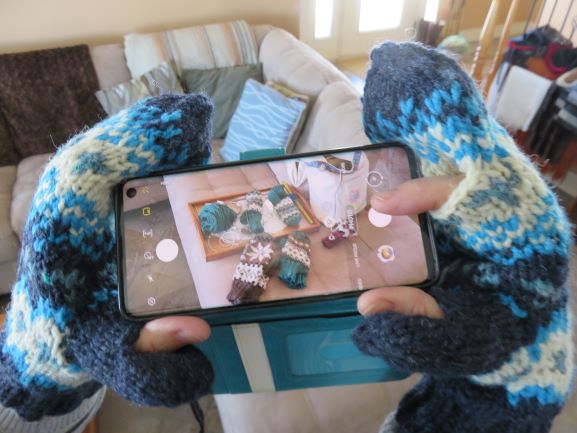
I’ve developed little work stations all over the house. I have my art desk set up in the sun room, with all my tools, supplies and works in progress. And I have my tablet set up there so I can pop in and do another section of the online painting lessons I signed up for whenever the mood strikes me. My spare bedroom is converted into a sewing and knitting room (I have a knitting machine). I’m still making a few masks—my daughter needed some spares when she finally was rehired to her old job she lost during the first wave. And the family room has my hand knitting corner where I like to knit while watching TV. Inspired by all the “Bernie” memes, I’ve been knitting patterned mittens… about a dozen pairs done! Just for fun, I’ve even added thumb openings for those who like to take photos with their phones outdoors!

But the house gradually got messier, I hung out in my PJs longer, and I needed an invitation from my hubby to inspire me to go for a walk outside. I had set up my computer on the dining room table for some reason that I don’t remember any more, and there it stayed. Too convenient. I wouldn’t call it depression, but there certainly was a level of not caring about the various messes all over the house while the “red zone” restrictions dragged on and visiting wasn’t allowed.

Back to “Orange”

Thank goodness we’re back to “orange”… nothing like a little contact with other humans to perk you up. With the current level of restrictions, we are allowed to socialize with 10 other people who don’t live in our home. So we enjoyed a wonderful dinner with 4 friends and invited 2 family members over for dinner this week. Four more positions to fill… That will be my sisters and their hubbies this Sunday! We’re going to celebrate all the 4 birthdays we missed during the restrictions, all at once!!

Of course, visitors coming for the first time in a long time made me look at my living areas through new eyes. Good grief… I couldn’t let anyone see all my mess! I spent a full day cleaning and putting things away, and another day preparing for our “grand visite”. And guess what? I love how everything looks now. I just look around and feel good about my home. Wish I’d done it sooner!

My computer is back on my desk where I can do some serious work. If I’m planning to get more writing done this winter than just my blog, I’d better get at it. In fact, I have a book written that just needs to be uploaded, and I just got a beautiful, finished cover for it. Nothing holding me back now except myself!

How about you?

So, how are you doing with COVID restrictions? Have you been doing anything special to keep busy during all your extra “spare time”? Is it helping your state of mind and energy level? It’s all too easy to just lounge around feeling sorry for yourself, missing the good times usually spent with family and friends (as I can attest!). But it can feel good to accomplish something, at least for me, and clearing away the clutter made me feel even better. It’s good to find an activity that makes you feel relaxed and contented, whether it’s meditation, art, exercise or something else.

What’s your favourite feel-good thing to do to fight off “COVID-osis”? Please share in the comments… maybe your ideas will help inspire the rest of us!

Categories
Uncategorized

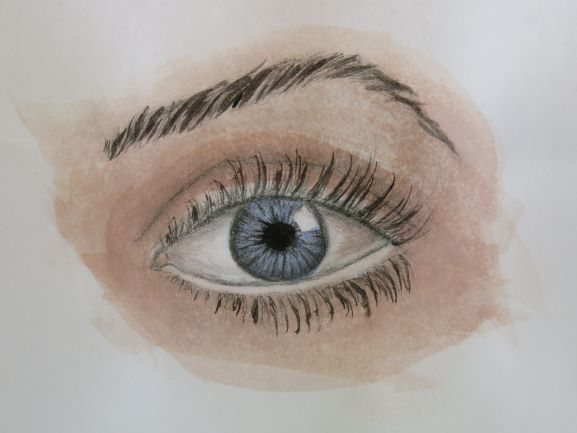
Where’s Your Focus? …Eye health

We have a running joke in my household. My husband and I make a good pair because he can see well at a distance, but not close, while I’m the opposite—I can still read without glasses, but everything distant is quite fuzzy. We could still function even if we both lost our glasses as long as we’re together! But it may not be an accident that we ended up like this.

Use it or lose it?

I always presumed this had something to do with the “use it or lose it” theory. My husband’s job as a teacher involved keeping a close eye on a lot of squirmy middle-graders, both at the front and (especially!) at the back of the class. He was constantly refocusing on different distances but didn’t spend as much time examining things up close.

In contrast, my job as a pharmacist required me to spend a lot of time working on a computer, entering and checking prescriptions, and looking at bottles of pills up close to make sure they were the right ones. As it happens, my favourite hobbies are knitting and reading, both of which require close-up focus, so I’ve spent a lot of my life focussing close rather than far.

New results from an ongoing study of young students in China support my observation, especially in children aged 6 to 8. In 2019, 5.7% of six-year-olds were near-sighted, requiring glasses to see clearly distance clearly, but in 2020, after an extended period of lockdown, that number had jumped to 20%… 1 in 5 now needed glasses for distance. The difference for 7-year-olds was 16.2% vs 26.2%, and for 8-year-olds it was 27.7% vs 37.2%.

They note that, during their lockdown, children were not allowed outside often. They also spent time looking at computers for home schooling rather than looking around a classroom as they normally would in school.

Here’s the science…

Dr. Caroline Klaver, ophthalmologist and researcher at Erasmus Medical Canter in Rotterdam, explains a likely mechanism for the development of myopia (near-sightedness). It takes energy to focus the eye on something close. When we require the eye to do this for long periods of time without breaks, the physical shape of the eye can change, becoming elongated (front to back) to make the task of focussing easier. Having a genetic predisposition for this also makes it more likely that a permanent change will occur. If you are near-sighted, your children are more likely to be too.

So, developing near-sightedness is believed to be a combination of genetics and environment… “nature plus nurture”. The researchers believed the unusual increase in myopia in 2020 was a combination of more screen time for schooling and less time being outdoors, another well-known risk factor for developing near-sightedness, as you usually focus on more distant objects when outside.

She also explains that, although we tend to blame screen time, your eyes don’t know what you’re looking at. Looking at anything closely for long periods of time (like me with my knitting and books) has the same effect.

However, the effect appears to be greatest in children when the eye is growing and developing. According to this recent study, 6 to 8-year-olds were most affected, with a gradually decreasing impact in older children even though they spent more time home-schooling on a computer than the younger children did.

Better to prevent…

Although many of us think of myopia as a relatively minor inconvenience, requiring glasses or contacts to correct vision, it also increases risk of eye problems in later life, Klaver explains. The physical lengthening of the eye front to back that happens in myopia means there is more area at the back of they eye for the retina (the light sensing structure at the back of the eye) to cover. This can lead to increased risk of glaucoma or retinal detachment and vision loss. Developing myopia at a younger age can further increase risk.

To reduce risk, it is recommended to give the eyes a break every 20 minutes when doing close work by looking off into the distance (for example, out the window) for at least 20 seconds. Playing outside for 2 hours a day is also recognized as reducing risk of becoming near-sighted.

What about presbyopia (far-sightedness)?

Almost everyone loses their ability to see up close as they age but some lose it sooner and more severely than others. Most sources say there is no way to prevent presbyopia, the inability to focus on close objects that makes us need reading glasses as we age.

However, there doesn’t appear to be much actual research into whether this loss of close vision can be prevented. A close focus close requires tiny muscles in the eye to change the shape of the eye’s lens, focussing your vision on what you’re looking at. Eye specialists tell us that the lens becomes stiffer with age and eventually can no longer change shape enough to focus closely, and that’s when we start needing reading glasses. Another theory says that loss of function of the tiny ciliary muscles or changes in the structures in front or back of the lens may also contribute to the problem. However, exactly why this happens with age is not understood.

Can everyday activities help?

I can’t help wondering if what you do every day makes a difference. I lost the ability to overpower my distance contact lenses enough to read easily some years ago, but I can still read without any lens. My adjustment for this was to switch to wearing one contact lens—one eye to see distance and the other to read. My optometrist told me not everyone can do this, but my brain only took a couple of days to adjust. I had previously tried the “bifocal” contacts but couldn’t see clearly close or far with them… my brain just couldn’t sort out the near and far mixed focus the lenses provided, although many people can. Aren’t our brains interesting!

So, I’ve been wondering if there’s a logical reason why I can still manage without reading glasses while my hubby is constantly looking for his (who knows where they all disappear to…). On average, people first report presbyopia symptoms between age 42 and 44 and develop complete lack of accommodation (the ability to change the eye’s focus) by age 50 to 55. Experts universally agree there’s nothing you can do to reverse presbyopia once you have it, however there is some anecdotal suggestion that a prevention program promoting general eye health with the addition of eye exercises, alternating focus near and far, might help prevent it. We know that exercise helps to maintain function in essentially every other part of the body… it would make sense that it could help the eye’s lens too.

Unfortunately, there isn’t good science to say this works, but it certainly wouldn’t do any harm to make a habit of changing your focus periodically when doing close work. Those with occupations requiring extensive use of near vision are reported to notice symptoms earlier more often than others the same age. So, this doesn’t fit with my theory of using my close vision more than my hubby. But perhaps I was changing my focus at work more than I realized as I checked for customers at the counter between prescriptions. My habit of knitting while watching TV over the years may have worked in my favour too, causing me to change my focus often as I checked for dropped stitches.

So, while it may be too late for many of us, we can encourage our children and grandchildren to spend time outdoors and to take breaks from close work to change focus.

References:

‘Quarantine myopia’: Study examines near-sightedness among children | CTV News

Progression of Myopia in School-Aged Children After COVID-19 Home Confinement | Global Health | JAMA Ophthalmology | JAMA Network

Presbyopia—Eyewiki

#nearsightedness #myopia

Categories
Uncategorized

Breast cancer in men… plus new theories on how cancer begins

I’ll bet you didn’t know men can get breast cancer too. The risk is lower, about 1 in 1000 (compared to 1 in 8 women), but the outcome is often worse. In the US last year, there were 2,600 reported cases of breast cancer in men and about 500 did not survive. Surgeons and oncologists report an increase in the number of men being diagnosed with this disease.

Outcomes are worse in men

There is little awareness of male breast cancer as there is no regular screening program and not much education about this cancer. In fact, many men do not realize they can get breast cancer. Men have little breast tissue to contain the cancer, making it easier to see and more likely for the tumour to reach the nipple or the skin, making it visible at an earlier stage. However, less breast tissue also means that a cancer can spread beyond the breast more quickly in men.

Symptoms of male breast cancer are similar to women’s:

-a hard lump or thickening of tissue that may not be visible on the surface but feels different from surrounding tissue

-discharge of clear fluid or blood from the nipple.

-reddening of the skin or a rash

-dimpling of the skin

-a nipple that pulls inward (becomes inverted)

-increase in size of one breast

A tumour can be hard or soft and may or may not be attached to the skin or muscle. It is usually painless, but not always. Sometimes breast cancer can spread to lymph nodes under the arm or near the collarbone and be detected there before the original tumour in the breast is found.

Less support for men

When men are diagnosed with breast cancer, their support system is not as robust as the systems that have been developed for women with the same disease. Men can be embarrassed to share that they have what can be perceived as a “woman’s” disease.

It is as important for men to know and watch for symptoms as it is for women. Awareness can help them monitor both themselves and their intimate partners. Of course, these changes are not always caused by cancer—many tumours are “benign” or non-cancerous. However, as treatments are more successful when a cancer is caught early, any changes should be checked out by a healthcare professional as soon as possible.

Why write about breast cancer?

It’s not breast cancer month or even men’s health month (“Movember”) but World Cancer Day was this week, on February 4th. However, any time is a good time to talk about prevention and early detection of cancer. Like most of you, I know too many women affected by this disease and I was surprised at first to realize that men are affected too, although many fewer, fortunately. One reference I came across years ago suggested that breast and prostate cancer may have similar causes in the environment, diet, and our life styles.

I’ve always believed it’s better to find the cause of a disease rather than just treat the symptoms and, if you read my writing regularly, you know I like to read about new ideas and question the status quo when therapies are not as effective as they should be. Unfortunately, the cause of breast cancer is not well understood, and treatments overall are not as successful as we’d like them to be, although there are success stories.

New research…

For many years, cancer has been believed to be a genetic disease—you have a damaged gene, either inherited or randomly damaged in the process of cell division, and control of cell growth is lost, leading to uncontrolled cell growth and eventually a cancerous tumour if your immune system doesn’t correct it. But this week, I watched a lecture by a researcher suggesting a different mechanism for how cancer begins. Dr. Thomas Seyfried, a professor and researcher at Boston College, lectures and writes about a potential metabolic cause for cancer that results in the downstream genetic damage and uncontrolled cell growth of cells that become cancerous. He believes the problem begins with our metabolism, not our genes.

Here is how he describes it: every cell has tiny “energy factories” called mitochondria. Cells need energy to grow and divide, and mitochondria provide this energy. When the mitochondria become damaged, a cell can have too little energy, leading to diseases associated with reduced cell growth and fatigue or simply the death of that one cell. However, if the mitochondria become damaged in a way that causes them to begin overproducing energy, this researcher suggests, the cell can begin uncontrolled growth leading to cancer.

He and his colleagues have conducted lab studies that support his theory. For example, transplanting genetic material from the nucleus of a cancer cell into a normal one does not cause it to become cancerous, even though the cancer gene has been transplanted. But transplanting cell fluid that contains the mitochondria into a normal cell does cause the receiving cell to become a cancer cell. Interesting.

Although these are early studies, they caught my attention as this presents a new way of thinking about cancer and treating it. And there appears to be growing data from researchers around the world who are testing his theory in animals and even in humans when other therapies have failed.

Dr. Seyfried explains how glucose and an amino acid called glutamine are preferred “foods” for cancer cells, resulting in fermentation to produce energy for the cell instead of oxidation (the Krebs cycle and oxidative phosphorylation, for those who studied microbiology), as occurs in normal cells. It has been noted that all cancer cells are different in this way—known as the Warburg Effect, documented by Otto Warburg in the 1950s. Using fermentation to create energy is a property of all cancer cells, something they all have in common and that is different from our normal cells.

However, Seyfried explains, normal human cells can also run on another form of fuel—ketones, produced by burning fat. He suggests that more research should be done to find out whether a ketogenic diet (aka the Keto diet) might prevent cancer cells from reproducing. Preliminary studies suggest shrinking of tumours, regardless of type, when the ratio of glucose to ketones is close to or less than 1 (meaning we have about equal amounts of glucose and ketones, or more ketones than glucose) and when the amino acid, glutamine (which also supports production of energy by fermentation), is also suppressed. Could it be possible that we could control or even block cancer by changing our diet to favour production of ketones and reduce glucose? Worth researching, I’d say.

While anyone with cancer must work with their doctor and follow recommended advice, nailing down the cause and investigating non-toxic forms of potential treatment needs to be an important goal of cancer research. There have been breakthroughs with standard therapies of chemotherapy, radiation and surgery, but the “War on Cancer” has definitely not been won yet. We need to welcome and investigate new ideas like the metabolic theory of cancer that appear to offer potential non-toxic improvements in therapy.

Interested in learning more about this? I have added links to Dr. Seyfried’s video and one of his papers in the references below…

References:

Can Breast Cancer in Men Be Found Early?—American Cancer Society

Symptoms of breast cancer—Canadian Cancer Society

We Get It Too—We Get It, Too | Male Breast Cancer

Video: Dr. Thomas Seyfried: Cancer as a mitochondrial metabolic disease—YouTube

Paper: Cancer as a Mitochondrial Metabolic Disease, Thomas N. Seyfried—US National Library of Medicine

#CancerResearch #CauseOfCancer #CancerAsAMitochondrialMetabolicDisease