Categories
Uncategorized

Thoughts on re-opening after COVID…

At last, we are seeing the light at the end of the COVID tunnel… It’s exciting to think of getting back to normal – especially seeing family we miss so much – but we still want to open our communities up safely. Experts warn that we still need to be careful to avoid a fourth wave. This week New York announced that fully vaccinated people no longer need to wear masks and that they likely have more risk of being run over in the parking lot than contracting COVID-19 in a grocery store when fully immunized. Images of unmasked people returning to sidewalk cafes generated some excitement for many of us.

In Canada, with our alternative strategy to delay the second shot, the scenario might be a little different. We likely need to flip to “normalcy” more gradually. Everyone who wants it will have partial immunity (the first shot) by the end of June or sooner — a decent 80% or more for most — and that will start making a difference while we line up for our “top up” (family lingo for a second drink…).

While many of us are looking for solid guidance with experts telling us what is safe to do and when, it’s somewhat of a game of numbers… and “guesstimates” of how protected we are in different situations.

Considerations…

It makes sense to me that each geographical area should make recommendations for opening based on the local situation. And each of us will need to estimate our risk — and that of others — in each situation. As I see it, several factors need to be considered:

  • Is there community spread of the virus in the area, especially cases that cannot be traced to the source?
  • What percentage of the population has been vaccinated? One shot or both?
  • Which activities involve less risk, and can be started sooner? Indoors or out? How many people? How well do you know them (whether they’re vaccinated, how much risk they’ve exposed themselves to, etc.)?
  • On a personal level, what is your tolerance for risk? Do you have underlying health problems, a lowered immune response (due to medication or an autoimmune disease) or contact with family that is at higher risk?
  • Although vaccines can prevent serious disease and hospitalization by 100%, none can completely prevent us from catching the virus (the best vaccines have around 95% protection). The risk of a mild/asymptomatic case of COVID and of passing the virus on to someone who has not been vaccinated or is at higher risk is thought to be very low but not shown to be zero, as yet.

Canadian experts are recommending that we delay re-opening until 75% of the population have received their first shot, and that we will still need to be cautious to reduce the chance of a fourth wave this summer. It’s a balance between trying to help the economy and saving lives, of course. But what is a life worth? As tragic as it is to see businesses close, it is worse to hear the numbers of lives still being lost.

There isn’t a play book for the ideal way to reopen our communities. We’ll only know in hindsight how cautious we need to be to avoid a resurgence of cases (and deaths). I guess we’ll have more information to base decisions on, if and when the next pandemic happens.

Decisions affect lives

In my province (New Brunswick, approximate population 800,000), communities were put in shutdown as soon as community spread was detected, and kept that way until every case could be traced and isolated. This has kept our loss of life to 43 people, as of yesterday… each one a tragic loss. In provinces that delayed closing for several weeks when they reach this point, the numbers were much worse. Ontario, for example, has had over 500,000 cases and 8,000 deaths in a population of close to 15 million. To compare the 2 provinces, that’s about 10 times the death rate per 100,000 population (5.4 in NB vs 53.3 in ON). The governments of several Canadian provinces are currently being criticized for delaying necessary shutdowns for several weeks longer than they should have. And delaying needed action to control a pandemic is turning out to harm the economy, not help it, as businesses closures are extended to gain control of the virus spread.

The future?

In the longer view, experts tell us that COVID-19 and its variants will very likely become a seasonal disease, much like the flu. There will always be those who are not vaccinated for various reasons, and it will be a long time until every country has good vaccination rates (if ever…). It’s not certain how high the vaccination rate needs to be to achieve herd immunity (the level of immunity that will prevent the disease from spreading through a community) but experts talk about 70 to 80% vaccination rates. With vaccine hesitancy (resistance to vaccination) as high as 40% in some countries, this suggests that outbreaks will continue to occur. And we know that, the more the virus spreads, the greater the chance that mutations, resistant to the vaccine, will be created.

Perhaps it will become like malaria, where you’ll want to check the disease rate in an area and whether it’s a resistant strain before you travel there. And maybe you’ll want to renew your immunity with a booster a few weeks before travel or take a drug with you to prevent or treat an infection if you are exposed, presuming portable forms are developed.

We’ll likely want to protect ourselves, at least during “COVID season”, by wearing masks on public transportation (especially planes) and perhaps also in public places, as they do in Asian countries that have experienced this level of risk from viral infections in the past. It may become “rude” not to wear a mask if you have sniffles or a cough, even if it’s “just a cold”. Given the non-existent flu season this year, we may want to use masks to protect against that virus during flu season too.

By the way, CTV News reports that Canada is on track to pass the US in percentage immunized (albeit with one shot rather than two, following the UK, India and other countries with limited supply of vaccine). Perhaps we should start up a friendly competition for “best immunization rate”… 😊

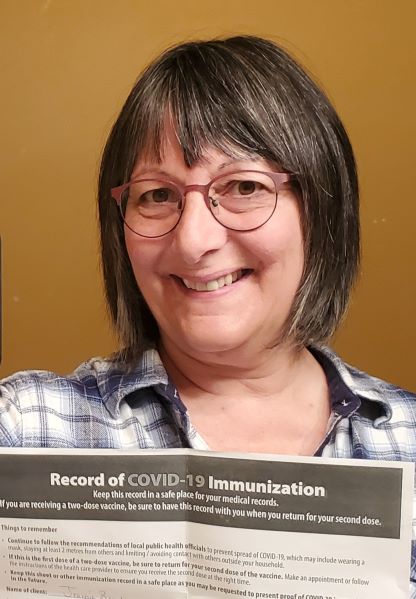
Anyway, these are my musings this week after reading the news. My hubby and I will be 4 weeks post-shot-#1 as you read this… hence my focus on how things are changing. But, after more than a year of taking precautions against exposure to this nasty virus, I’m wondering whether we will ever completely return to “normal”. Hopefully our new normal will be a better one and, having learned from this devastating pandemic, we’ll be more prepared in the future…

References:

Businesses welcome back customers as New York reopens – New York Times

Do we still need to wear a mask outdoors? CNN Health

Canada’s COVID-19 vaccination rate likely to surpass US this week – CTV News

#ReopeningAfterCOVID #ReopeningCommunities
Categories
Uncategorized

How much protection can you expect from your first COVID shot?

We know that the COVID-19 mRNA vaccines (Pfizer and Moderna) can give 90 to 95% immunity within a few weeks of having both shots. But how well do they protect after only one shot? Do we really need a second shot? And how long is it safe to delay it? Lastly, what can we expect to be able to do differently while we wait for our second injection (about 3 months for most Canadians).

Here in Canada, our government decided to delay the second COVID-19 injection, to allow more people to get their first shot while supply is limited. It seems to me that this is a smart decision, even though it’s not what is recommended by the manufacturer. But the government has based its decision on emerging science and, like so many aspects of this new pandemic, we’re learning as we go and adjusting what we do as the science emerges.

How well do our bodies respond after the 1st shot?

Creating immunity is a process. You can think of it as your immune system learning something new. Just like in school, lessons are presented to you, then you have to study for a while to actually learn the material. With vaccines, the shot is the “lesson” and then your immune system has to get to work and learn what it has to do to protect you from the virus. This can take several weeks, and during this time, your immunity will gradually rise.

I found results of testing with the Pfizer vaccine and, since the Moderna vaccine works in the same way, results could be expected to be similar. Here are some numbers for how much protection was found after one shot:

· 70% protection against getting COVID-19, 3 weeks after the 1st shot

· 90% protection against hospitalization, 4 to 5 weeks after the 1st shot

Do we really need a 2nd shot?

While some may think that the first injection must give you half immunity and the second tops it up to the 85 to 95% we’ve heard about in the studies, it’s not quite like that. As you can see from the numbers above, at 4 weeks and longer, experts say you are probably still increasing immunity from the first shot.

But remember when you were in school, how reviewing the material would help you remember it much longer? With vaccines, the second shot picks up from the first, giving your immune system some extra training so it will remember how to fight the virus longer… In other words, your immunity will last longer if you get the second shot. So, yes, you do need the 2nd shot to keep the effect lasting longer.

How long does the first shot last?

Since the vaccine is so new, scientists still don’t know how long our immune systems will be able to recognize and fight off the coronavirus, even after the 2 injections. They suspect we may need a yearly booster. Remember “cramming” to refresh the knowledge stored away earlier so you could recall it more quickly during an exam?. Similarly, getting a yearly booster just before the virus season starts, as we do for the flu, can help our immune systems recognize the coronavirus more readily when risk of infection increases, as we stay inside more during the cooler weather in the fall and winter. Scientists will continue to measure how long immunity lasts and future immunization schedules will be based on what they learn.

This is the third coronavirus we’ve had to deal with in the past few years… SARS (aka SARSCoV1 or Severe Acute Respiratory Syndrome), MERS (Middle East Respiratory Syndrome that fortunately didn’t reach North America) and now SARS-CoV2 that causes COVID-19.

Scientists warn us that, the longer this virus circulates in humans anywhere in the world, the greater the risk it will mutate into an infection that can evade current vaccines. I was happy to hear that patents may be suspended on the current vaccines, opening up production to any company with an appropriate facility. We need to get vaccines to every country in the world for their protection now and for our protection in the future. The more the virus spreads anywhere in the world, the greater the risk of variants and new strains that can cause another wave.

Happily, I’ve read that researchers are also working on a vaccine that will work against all coronaviruses. If they are successful, we could expect that it might give at least some protection against the next SARS-CoV virus that comes along as well as the current one.

What can we expect to be different after the first shot?

Prime Minister Trudeau told us this week our communities should be able to open up somewhat, once 75% of the population has received their first shot. However, our top doctors warn that we will still need to continue some level of restrictions (although likely not quite as strict) to prevent a 4th wave… something none of us wants. It’s looking like we won’t be going to big music concerts this summer but the border to NS should be able to open up, allowing us to visit our kids. We love the “Atlantic bubble” we have when all provinces have low case counts!

But it all depends on making sure every case is tracked to its source, and everyone exposed is isolated to stop the spread. No exceptions. The variants are so contagious, it only takes one person doing a few errands or attending a gathering to start an outbreak.

And once you’re fully vaccinated?

Studies are ongoing to ensure fully vaccinated people cannot transmit the virus to others, even if they don’t get sick themselves. There’s also the problem with variants: will the existing vaccines protect us from these viruses that are slightly changed? Unfortunately, new variants continue to be found as the virus spreads around the world, and each will need to be tested and verified to be susceptible to the vaccine. I read this week about a triple-mutated variant that’s been discovered in India, dubbed the Bengal Strain. More changes in the virus increase the chance that it can evade the vaccines.

Supplies of vaccine are increasing quickly here in Canada, and our injection rate may soon be limited by the number of people who are trained to administer injections. At this point, that sounds like a good problem to have! Pharmacy technicians are being trained in some provinces to increase the capacity of pharmacies to immunize—a great idea, in my opinion. And many nurses and doctors have come out of retirement already to staff many of the government-run vaccine clinics.

Until significant numbers of people everywhere are vaccinated, the coronavirus will continue to circulate and mutate. I was glad to hear talk of suspending patents on vaccines so many more manufacturing plants can be more easily set up, greatly increasing world supply.

The future…

Once this virus has been brought under control around the world, the work needs to begin to build better global systems to monitor for new viruses, share information and develop systems to control contagious diseases. If not, we could be facing another pandemic all too soon.

As for me, I’m thinking that a mask or two will become a regular part of my travel gear, especially when flying. And it might just be a good idea to keep one handy during flu season too. It’s amazing that we didn’t have enough cases of the flu this year to declare that flu season had started! I think I’ve gotten over the discomfort of wearing a mask in public and will keep using one both to protect myself when it seems necessary and to protect others when I have a cold… how about you?

References:

Why your 1st COVID-19 shot is more protective than you might think—CBC News Second Opinion

#CovidVaccinationFirstAndSecondDose

Categories
Uncategorized

Could non-alcohol beer benefit people with fatty liver disease?

Fatty liver disease, a condition of extra fat buildup in the liver, is a growing problem in North America, affecting 20 to 40% of the adult population. As the disease progresses, it can cause inflammation and damage to the liver. Eventually scar tissue can form (called fibrosis) and, when extensive, it is known as cirrhosis of the liver. Cirrhosis can lead to liver failure and liver cancer…

I always thought that fatty liver and cirrhosis were only caused by drinking too much alcohol. But there are two main forms of fatty liver disease: alcoholic and non-alcoholic. About 5% of the disease is the alcoholic type, caused by heavy drinking. The balance, those with non-alcoholic fatty liver, occurs in people who aren’t heavy drinkers. Although the underlying cause isn’t known for sure, being very overweight, having Type 2 diabetes, or metabolic syndrome (a combination of insulin resistance, high blood pressure, high cholesterol, and/or high triglycerides) are associated with risk. About 1 in 10 children are reported to be affected by non-alcoholic liver disease.

Symptoms of fatty liver disease

Those with fatty liver often have no symptoms until it progresses to cirrhosis of the liver. Symptoms can include abdominal pain or a feeling of fullness in the upper right side of the belly, nausea, loss of appetite, weight loss, yellowish skin and whites of eyes (jaundice), swollen belly and legs (edema), extreme tiredness or mental confusion and weakness.

Because early fatty liver disease often has no symptoms, it is sometimes elevated liver enzymes, found in a routine blood test, that first alert your doctor that something may be wrong (increased liver enzymes in the blood are a sign of liver injury of some kind). An ultrasound or CT scan of the liver may show suspicious changes, but a liver biopsy (a sample of the liver) is the best test to confirm the diagnosis and see how advanced the damage is.

How is fatty liver treated?

There is no specific treatment for fatty liver disease. Instead, the focus is on changing lifestyle to control factors that contribute to the condition, such as:

  • Avoiding alcohol
  • Losing weight (even 5 to 10% loss can help)
  • Controlling diabetes, cholesterol and triglycerides
  • Taking vitamin E
  • In some cases, taking certain diabetes medications (thiazolidinediones) can be helpful

What about prevention?

Preventing a disease is always better than trying to cure it, especially when there aren’t good treatments available. Strategies to prevent fatty liver disease are similar to those for any healthy lifestyle. Stay at a healthy weight, exercise regularly, limit alcohol consumption, and treat other health conditions, such as diabetes or metabolic syndrome as recommended by your doctor. Getting regular check-ups can help to detect elevated liver enzymes that are often the first sign of fatty liver disease.

Make sure you aren’t taking medications that can damage the liver or, if you need to take one that does, be sure to monitor liver function as your doctor advises. Note that taking more than the recommended dose of acetaminophen (Tylenol), included in many pain and cold medicines, can cause liver damage.

Hepatitis viruses can also cause liver damage, but vaccines are available for hepatitis A and B. If you are at risk of exposure to either of these viruses, ask your doctor (or pharmacist in some areas) about getting vaccinated.

The liver is amazingly able to heal itself. Avoiding alcohol, changing your diet, or losing extra weight can reverse early liver damage. Fatty liver disease by itself won’t kill you, but it can develop into a more serious problem if it progresses to cirrhosis of the liver that can become liver failure or liver cancer.

The Mediterranean diet, which is high in vegetables, fruit and good fats (like omega-3s) and low in added sugar, is considered an example of a good diet for those diagnosed with or worried about developing fatty liver disease. If you are overweight, it is recommended to lose weight slowly, but steadily, as rapid loss can actually make fatty liver worse.

Although older medical textbooks warn that ketogenic (“keto”) diets can cause liver damage, newer studies that actually measured the effect on fatty liver disease have shown that these diets improve the fat content of the liver, in spite of increasing fats in the blood (which led earlier researchers to wrong conclusions). Studies have shown that the fat content of the diet, even if unrestricted, does not block the beneficial improvement in fatty liver from a diet low enough in carbohydrates to induce production of ketones (“ketogenesis”).

Generally, restriction to less than 20 grams of carbohydrate daily (or up to less than 50 grams, depending on the person) is required to stimulate ketone production. Test strips are available to detect ketones in the urine. Those with diabetes need to avoid dangerously high amounts of ketone production (called ketoacidosis) that can occur when insulin is too low, causing the body to become too acidic. But a diet just low enough in carbs to cause a low level of ketone production is sufficient to improve fatty liver.

Here is a quote from a study (see reference #4 below) on the effects of the keto diet on fatty liver disease (with the “science-ish” terms translated…): “The common belief that increasing dietary fat intake invariably leads to fatty liver and prevents fat mass loss has been recently proven wrong by an elegant experiment, showing that a normocaloric HFKD (normal calorie high fat ketogenic diet) inhibits de novo lipogenesis (new formation of fat) and induces fatty acid oxidation, leading to weight loss and reduced hepatic (liver) fat content. On the contrary, a hypercaloric (high calorie) balanced diet decreases intrahepatic fatty acid oxidation (oxidation of fats in the liver) and increases de novo lipogenesis (new formation of fat) primarily from carbohydrate, and not lipid (fat) substrates, leading to non-alcoholic fatty liver disease (NAFLD) development.” These researchers are telling us it’s the carbohydrates from sugar and white flour in our diet, not the fats, that create fat deposits in the liver and fatty liver disease!

So, besides cutting out added sugar and staying away from anything made with flour (which can be tough to do), how can you get the benefits of a mild ketone-producing diet? Well, I’m a big fan of substitution! Although I’ve always been leery of sugar substitutes, the newer ones use more natural substances that taste sweet but don’t have the carbohydrates of regular sugar. Erythritol, monk fruit and stevia (from the leaf of the stevia plant) are three I know about, that seem better than older sweeteners, like saccharin and cyclamates that were suspected of increasing risk of cancer. Almond and coconut flour can be used to make almost carb-free substitutes for bread, cake and muffins, and there are tons of recipes for keto-friendly desserts and snacks on the internet now. All you have to do is search for something that looks tasty!

But the best way to lower your carbohydrate intake, is to adjust your taste to less-sweet foods. I’ve found that, as I gradually reduce the amount of sugar I add to my food, I have started to prefer my food (even desserts!) to be less sweet, just as my taste adjusted to less salty food when we cut back on salt years ago. It’s interesting what “creatures of habit” we are, even in our taste preferences…

So, could beer (regular or non-alcoholic) be good for fatty liver disease?

It’s well established that heavy drinking can cause damage to the liver, but what about moderate amounts? And is any type of alcohol better than others?

There seems to be a debate over whether low to moderate drinking can contribute to fatty liver disease, with some researchers advising that no amount of alcohol is safe, while other studies suggest that moderate drinking (2 or less drinks per day) may be better than drinking no alcohol at all.

Part of the problem with the studies may be that only one factor (the alcohol) is being tracked, while we know that diets are complex and vary greatly from person to person and culture to culture. For example, if you substitute a sugary drink, like pop or juice, for an alcoholic one, you could be increasing added sugar enough to cause more fats to be stored in the liver, leading to fatty liver disease.

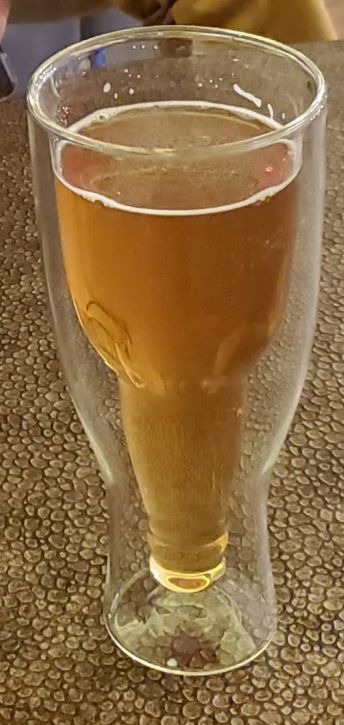
An interesting study done in mice suggests that the hops in beer may have a protective effect on the liver. When they dosed mice with pure alcohol (ethanol), beer with hops, and beer without hops (in equal amounts of alcohol), those who received the beer containing hops had significantly less fat deposited in their livers. This has led to the suggestion that dealcoholized beer with hops might be a good choice for people with fatty liver disease—both to cut back on alcohol consumption (for heavier drinkers) and to benefit from the possible liver protection hops might provide. Of course, we need to keep in mind that the study tested mice not humans. Note that hops give beer its bitter taste—a more bitter beer will contain higher amounts of hops.

Bitter beer has never been a favourite for me, but perhaps my taste can adjust to that too! Since 1/4 to 1/3 of us (statistically) have at least the beginnings of fatty liver disease, it’s something worthy of our attention. Here is a fun article on “10 Brilliant Benefits of Non-alcoholic Beer”, from having fewer calories to being a great choice when you’re the designated driver. Newer non-alcoholic beers have great taste–they’re real beer that has had the alcohol removed before bottling!

So, this was an interesting adventure down a complex rabbit hole, that started with a message from a regular reader! I love the ongoing communication I have with my subscribers, so drop me a note if you see something interesting or confusing, have a question you’d like answered or just want to make a comment on what I’ve written…

#fattyliverdisease #KetoDietandFattyLiver

References:

1. Fatty liver disease: What it is and what to do about it – Harvard Health Publishing

2. Type and Pattern of Alcohol Consumption is Associated With Liver Fibrosis in Patients With Non-alcoholic Fatty Liver Disease — The American Journal of Gastroenterology

3. Effect of a ketogenic diet on hepatic steatosis and hepatic mitochondrial metabolism in nonalcoholic fatty liver disease — Proceedings of the National Academy of Sciences of the United States of America

4. Beneficial effects of the ketogenic diet on nonalcoholic fatty liver disease: A comprehensive review of the literature – Wiley Online Library

5. Hops (Humulus lupulus) Content in Beer Modulates Effects of Beer on the Liver After Acute Ingestion in Female Mice — Journal of Alcohol and Alcoholism

6. Fatty Liver Disease – Cleveland Clinic