Categories
Uncategorized

On being a happiness guinea pig…

A week or so ago, I received an interesting letter from Statistics Canada, inviting me to participate in a pilot research study about activities and feelings, and how they are related. Like the nutrition research I wrote about last week (the NutriNet-Santé study), it comes with an app to make it easier and less time-consuming for participants.

Now, I may not have told you that I was on the Board of the New Brunswick Health Research Foundation for 6 years some time back (and involved in its organization before that). I learned a lot about research while on the Board, as we worked to increase the amount of health research being done in our province. I had also participated in a pharmacy study years ago, and I realized how difficult it can be to sign up participants into a project. How could I refuse to help out with a national research study?

I could also see that close attention has been paid to privacy and security, and they explained how your data would only be shared in a form where you couldn’t be identified, and in aggregate form where everyone’s information is totalled before the results are shared.

The app makes it easy to enter my results: it alerts me 2 to 5 times a day (my choice of frequency)—I set it for 3 times, so I’ll get 2 sets of results entered even if a miss one of the alerts—and the study will continue for 30 days. After I enter my password, it asks me (on a scale of 0 to 10) how happy, anxious, relaxed, focused, and in control I am of my emotions. I also enter where I am (mostly at home these pandemic days!), what activity I am doing (creating online content right now), and who I’m with. All this takes only a minute or two to complete on my phone.

The goal of the study is to investigate how activities affect our well-being, particularly arts and culture activities, and it’s being conducted in collaboration with the Canada Council for the Arts and Canadian Heritage. The list of possible activities includes paid work, using/listening to/watching different types of media, doing artistic activities, eating/drinking, reading, caring for others, and so on.

What it’s made me notice, however, is that I’m almost always happy. I guess I don’t think of myself as an unusually happy person, but perhaps I am. Being retired, living in a beautiful place, and spending time with my almost always happy hubby, there isn’t much to be unhappy about! Some experts will tell you that much unhappiness and stress originates with looking back at unhappy times or worrying about things that might or might not happen in the future. Enjoying the present moment can make us happier.

I noticed the only time I had somewhat negative responses, was when I was having a bad day physically. I’m still in post-surgery recovery (taking much longer than I anticipated!) and, if I over-do my physical activities, I regret it later. My one criticism of the program is that it doesn’t ask if you are feeling pain, and we know that the ups and downs of chronic pain can quickly affect a person’s mood. As this is a pilot program, I hope I’ll have an opportunity to make comments at the conclusion of my participation.

Einstein’s happiness advice

The story goes that on one occasion, instead giving of a tip to a bellhop who was delivering a parcel to him, Albert Einstein scribbled a piece of advice on a piece of paper. Here is what it said:

“A calm and modest life brings more happiness than the pursuit of success combined with constant restlessness.”

In his opinion, the chase for money, power and influence is tiring and a source of this constant restlessness… the essence of unhappiness. His happiness came from learning new information, developing theories of how the world works, sharing results with colleagues and gaining their approval and respect.

He was also an admirer of Baruch Spinoza, a 17th century philosopher, who valued having space and time to pursue his own ideas in complete freedom. (Actually, that sounds a lot like my retirement blogging venture that you are joining me in…)

But Einstein is also quoted as saying that achieving goals, and a never-ending quest for self-improvement, knowledge, and creativity are the greatest source of personal happiness. None of this is tied to power, wealth, fame, or domination of others. Reading (and, these days, watching too much media) diverts the mind excessively from its creative pursuits, he said. We need to think and use our brains creatively to avoid falling into lazy habits of thinking, and living vicariously instead of living our own lives.

But, as important as he believed knowledge is, he said imagination is more important than knowledge. Knowledge is limited. Imagination encircles the world. (If you’re interested in reading a fascinating transcript of an interview with Albert Einstein done in 1929, check out the link in the references below.)

The study I’m participating in, “Vitali-T-Stat”, is looking at whether consuming media (a form of acquiring knowledge) or being creative makes us happier. I suspect that, if the results show that creativity creates greater happiness, this may be used to convince governments that the arts are an important and worthy investment for a country.

After all, happiness is what people want, regardless of their intermediate goals, isn’t it?

So, what makes you truly happy? Worth spending some time thinking about…

PS: I’m learning to use chalk pastels! The photo above is attempt #2 at a pastel selfie… Fun and relaxing!! I think it’s making me happier… 🙂

References and further reading:

Vitali-T-Stat app (available on Google Play and Apple App Store

Greatest Tip Ever: Albert Einstein’s Theory Of Happiness—Medium

Viereck’s Interview to Einstein (1929)—LinkedIn
Categories
Uncategorized

Curiouser and curiouser…

We start out in life being curious about everything… a child’s favourite question is often “why?” But over time many of us lose our curiosity for some reason. “Why?”, asks my inner child… (I think I’m curious about curiosity!)

As adults, we can tend to feel that we already know all that is necessary. We are the “experts”, the “grown-ups” who’ve been doing the same stuff for years. Admitting that we could learn more about a topic or delving into something new makes us feel vulnerable and inadequate, and who wants to feel that? Two of the greatest factors in shutting down curiosity are thinking we know everything already and having an unchecked ego.

Of course, we never completely lose our curiosity… we just don’t exercise it as much as we age. But that’s something we can change!

What exactly is curiosity anyway?

Curiosity is defined as a strong desire to know or learn something, to acquire knowledge, information, understanding, and skills. It’s considered an emotion as well as a behaviour, an “itch” that needs to be satisfied as well as a driving force behind much of our development as humans, motivating many of our societies’ greatest advancements.

While animals also display curiosity as a natural exploratory behaviour when confronted with something unfamiliar, the emotion of desiring knowledge for its own sake is considered uniquely human.

Curiosity improves performance

Increased curiosity as a young toddler predicts better school performance. And being more curious in later years helps to keep your mind sharp as you age… better aging performance, you might say. Lifelong learning, reading, and writing has been shown to slow mental decline by one-third… those who rarely read or write were found to decline 48 percent faster compared to average. “Old age starts where curiosity ends” wrote José Saramago.

For most of us, our curiosity starts to decline as early as age four. When we know a little about a topic, it’s easy to feel like we know it all… essentially, you don’t know how much you don’t know! But the more we learn, the more we realize how much more information there is on any given topic, and the more curious we become.

If you know nothing about a subject, it’s also less interesting because it’s harder to understand and follow new concepts and information you encounter. Our brains like associations… that’s how we remember and understand.

So, the best way to become curious is to keep learning new things. Your brain starts to associate new facts and ideas with ones you learned before, helping you to remember and observe more than you would otherwise. Think of it as having more “hooks” to hang information on, more ideas you can integrate and tie together for more meaning and interest.

Where do you start?

Well, just spending time cruising the internet doesn’t help increase your curiosity or make you smarter, in spite of the wealth of information in the cyber world. It’s very easy to spend hours just scanning mundane social media. But, instead, use your internet time to look up information on things that interest you. Dig deeper into subjects that catch your attention, and you just may discover that there’s a lot to learn about the topic.

The internet makes is easy for us to seek out expert opinions. The key is checking your source… who posted it? I’ve used the internet for years to look up scientific studies, often finding the complete original published study, by using Google Scholar (the branch of Google that delves into scientific literature). I’ve found a few newsletters from trusted sources that feed me information regularly, often starting me off on a new tangent that ends up here on my blog. I like to find several sources on the same topic, though, to compare opinions on the subject and expand what I’m learning. One article is never enough!

In the world of health (one of my main interests, being a pharmacist), websites of universities, governments, and large reputable healthcare facilities (like Mayo Clinic) are often my trusted go-to’s. In addition to information-packed websites, many universities now offer free online university-level courses that anyone can sign up for, known as MOOCs (Massive Open Online Courses). So, if you really want to become an expert, the information is there for the taking. Your only commitment is your time. But 90% of those who sign up never complete the course. So, it’s not just about access to information, but more about your curiosity, interest, and drive to learn. So, perhaps you’d need to scale up your curiosity before you tackle a MOOC…

An easier way to delve into a subject, is to buy a book or two on it. Nothing like spending a few hours “listening” to someone who was so curious about a subject they learned enough to write an entire book on it! Back in the years I was doing hormone consultations with women, I bought at least a dozen books, and benefitted greatly from the experience and learning of the experts who wrote them, adding to my knowledge base with each one. Eventually I followed their example and wrote my own book, integrating what I’d learned from so many sources with what I’d learned while working with my clients.

Better relationships

Being curious is also one of the best ways to show you’re interested in other people and what’s happening in their lives. Curiosity is a deeply social quality—it shows you care (although one doesn’t want to over-do it and fall into the “nosey” category…).

Neuroscientists have noted that the same part of the brain is activated when curiosity is aroused, as with romantic love. Couples who look for novel and interesting activities were found to be significantly more satisfied with their relationships and to feel more romantically about each other. The brain finds curiosity—and its satisfaction—rewarding at a very basic level.

But one of the best things about developing and satisfying your curiosity, is that you will become a more interesting person. Curiosity is a rabbit-hole where one thing leads to another. You never know where you may end up… and some suggest you may also find that your finances, health, and relationships improve at the same time. Being curious can lead to a better, richer, higher-quality life!

The famous scientist, Richard Feynman, said “everything is interesting if you go into it deeply enough.” He also said, the best way to learn is to explain the subject to someone else in a way it can be easily understood. To give a clear explanation, you need to learn and understand the subject very well. I think that’s what I try to do whenever I write, whether it’s a journal article, book, or this blog! To find things to write about and to write well, I needed to become curious.

So, here’s to finding ways to become more curious and making time to satisfy that curiosity! It’s all about asking questions, when? why? how?, and satisfying your “itch” to find the answers.

What piques your curiosity? Let me know and maybe I’ll become curious about it too…

References and further reading:

This is the Most Fun Way to Make Your Life Awesome—Barking Up the Wrong Tree

Curiosity: Why It Matters, Why We Lose It and How to Get It Back–Forbes

Curiosity—Wikipedia

The ‘Why’ Behind Asking Why: The Science of Curiosity–Knowledge@Wharton

Old Age Starts Where Curiosity Ends–Exploring your mind

José Saramago–Wikipedia

#Curiosity #LifeLongLearning

Categories
Uncategorized

Cause of death: Fast food

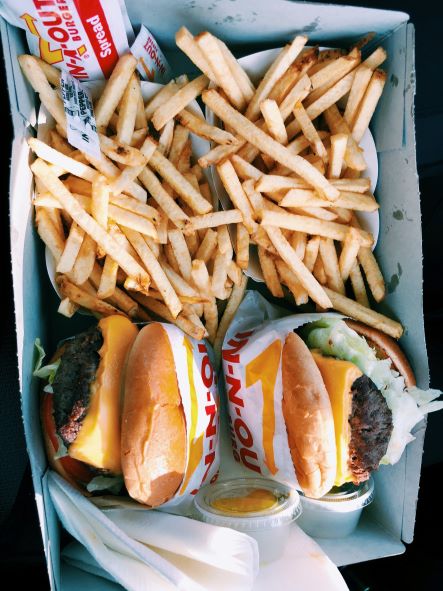
I’m sure you’ve learned that fast food isn’t the healthiest diet for us, but new results from the world’s largest nutrition study suggests the problem could be more than the high amounts of fat, sugar, salt and other additives many fast foods contain. This, and other studies, suggest the way these foods are processed may also be a factor in the unhealthy results and increased risk of chronic diseases that can manifest when we eat too many processed foods.

I’ve always been a person who likes to search for the cause of a health problem, not just treat the symptoms, and we know that people’s risk of various diseases increases when they move to North America. This suggests a problem with our lifestyle or diet, but nutrition and lifestyle research is notoriously difficult to get right. A properly done study needs to control as many factors as possible to be sure the effect they observe is really due to what the study is suggesting, and not from some other background difference. People don’t eat the same food every day and could never be expected to follow a strict diet for 10 years or so, just to prove a point for some researcher!

But the NutriNet-Santé, started in 2009, has found a way to accommodate a large part of these problems… they are using a phone app to collect nutrition data and characteristics of the 171,000 people in the study. It is easier and more accurate to note what you’ve eaten on your phone right away than to remember later when you’re being interviewed by a nutritionist. Participants can even scan the barcode of foods, when available, and supply information about food packaging, cooking practices, how the food was produced, their physical activity, tobacco, drugs, environmental factors, and exposures at home and at work.

As well, with the subjects’ permission, they are able to connect all this information with medical and insurance records, and keep a database of blood, urine and stool tests to monitor and analyze gut microorganisms. Obviously, they must have powerful computer systems to analyze all this data…

Another positive factor in this study, is that it’s completely funded by public institutions. One hazard of many earlier studies is that the researchers received financing from food producers, albeit sometimes provided as an unrestricted grant. But who wants to bite the hand that feeds them? There is always pressure to soften, ignore or even change results that look bad for the funding company…

The NutriNet-Santé study looked specifically at the relationships between nutrition, health, lifestyle factors and mortality; and it examined factors that influence diet patterns, for example, economic and cultural factors.

The results?

We can expect information to be generated from this study for years to come, but an early result is a connection noted between high intake of “ultra processed” foods and increased risk of cancer, heart disease and stroke, mortality, symptoms of depression, obesity and gastrointestinal disorders.

To get an idea of the impact, a 10% increase in ultra-processed foods in the diet was associated with more than 10% increase in risks of overall cancer and breast cancer.

What is “ultra-processed” food?

Food processing is everything you do to food the change it from its original state. There are several levels of food processing:

  • Unprocessed or minimally processed foods (like nuts, seed whole grains, legumes, fresh or frozen whole/cut up vegetables and fruit, eggs, fresh meat, fish and milk)
  • Processed ingredients (like flour, oils, butter, starches and sugars)
  • Processed foods (like canned vegetables, salted nuts, cured meats, cheeses, fresh-baked bread)
  • Ultra-processed foods (like carbonated/energy drinks, packaged snacks, ice cream, chocolate, candies, mass-produced baked goods, cereal bars, sweetened yoghurt/drinks, chicken/fish nuggets, sausages, burgers, hotdogs, and instant soups/noodles)

One way to see the difference between processed and ultra-processed foods is to look at the ingredient labels. Both types can contain processed ingredients, but ultra-processed foods also contain ingredients you are unlikely to have in your kitchen, like hydrogenated oils, additives (like food colours, flavour enhancers and non-sugar sweeteners, and stabilizing ingredients (like preservatives, anti-caking agents, emulsifiers and humectants) … basically ingredient names you wouldn’t readily recognize.

The NOVA Food Classification System helps people to understand what types of food processing diminish the quality of our food. You will find a summary of the system in the Reference links below.

Why is processing bad for our food?

Much of the problem with highly processed foods has been attributed to the addition of unhealthy ingredients, like high amounts of sugar, salt, colour and fat to “improve” flavour and appearance and preservatives to make the food last longer on store shelves. Processing also often removes important components of food our bodies need, like fibre and vitamins.

But a second factor, not considered until more recently, is what the food is exposed to during processing. Plastic is everywhere and contact with food during processing, as well as what it’s packaged in, can result in transfer of harmful chemicals into the food. Many of these are known to block or mimic hormones (termed “hormone disruptors”), increasing risk of hormone-driven cancers. Plastic and plastic-coated packaging (like coated cardboard and film-lined cans) also provide opportunities for addition of chemicals to food. And you’ll recall my blog from Oct 29th discussing PFAS “forever” chemicals in food packaging and non-stick cookware that are also a source of chemicals added to food. Here’s the link, in case you missed it… PFAS… “Forever chemicals” .

A new study done in the southern US found measurable amounts of harmful chemicals in many foods from several popular restaurant chains. These chemicals have been linked to disruption of hormone systems, fertility problems, and learning and attention problems in children. They are known to be stored in the body and even low exposures can accumulate over years to harmful levels. Some researchers have suggested they may be contributing to the obesity epidemic in North America…

So, how do you know what to buy?

Experts advise us to steer toward whole, non-packaged foods… avoid the center aisles of grocery stores where most packaged processed foods are located. Buy food that is still in its original form as much as possible. Read the food labels on packaged foods and put back the ones with long lists of ingredients that are difficult to pronounce.

But, of course, this takes time, and who wants to spend time reading all that fine print?

So, an alternative is a new labelling system, called Nutri-score or 5-Colour Nutrition Label (5-CNL), designed to make it easier to choose healthier foods with just a quick glance. It’s a nutritional logo based on a 5-colour scale (dark green to red) with letters A to E. A dark green A is best, and a red E is worst.

It was designed in France and, so far, it’s being used in Europe but not yet in North America. However, since it’s being endorsed by the World Health Organization (WHO), don’t be surprised if we start to see these labels on foods here. The idea is to make it easy to choose healthier food by simply checking a colour/letter, rather than analyzing a more complex food label. Nice to have an expert do the analysis for us too!

But, of course, food manufactures will need to be required to use this labelling. We need to ask our regulators to consider requiring this system to speed up its adoption. Studies have shown that using this labelling makes a significant improvement in the quality of foods shoppers choose.

Another thing it does is encourage manufacturers to create healthier foods. I mean, who wants to have a red “this is unhealthy” label on your product? Of course, these are still edible foods, but the labelling will encourage less consumption… and fewer sales. Money talks!

Scientific studies have demonstrated that consuming more “A’ rated products will lower risk of developing a number of chronic diseases, like cancer, cardiovascular diseases, obesity, or metabolic syndrome (a combination of high blood pressure, high cholesterol, and high blood sugar due to insulin resistance).

Have you changed the way you shop for food in recent years? If not, do you plan to start looking at ingredients in packaged foods when you’re buying groceries? Let me know in the comments…

Spread the word… contact your Health Minister!

If you know someone who could use a shortcut to better health in the future, forward this blog to them to start them thinking about how they could improve their diet and their health.

I have also drafted a short document you could use to contact the Health Minister in your jurisdiction, to make them aware of this simple program and how it could be used to save tax dollars while improving population health. Feel free to use it or change it, however you like… Here’s a link to it:

References/Credits:

What have we learned from the world’s largest nutrition study?—Medical News Today

The NutriNet-Sante Study—U.S. National Library of Medicine

Nutri-Score—Wikipedia

Some fast-food items contain plastics linked to serious health problems, new report shows—Washington Post

Ultra-processed food and why it’s bad for you – Choice.com

The NOVA Food Classification System – Educhange.com

Photo by Ashley Green on Unsplash

#healthydiet #NutriNetSante

Categories
Uncategorized

Gout—a pain in the butt!

If you’ve had gout, or know anyone who’s had it, you know it’s a pain in the butt… I mean the toe! This week’s blog is about what gout is, what causes it, and what you can do about it.

Years ago, when I was a young pharmacist just beginning my career, a poor guy hobbled into the pharmacy one evening after office hours, with a loose overshoe on one foot. He had the gout, he told me, and was in terrible pain. I remembered from pharmacology classes that colchicine was a drug of choice and didn’t require a prescription at that time (that’s changed now). Our professor had stressed that colchicine quickly decreased the pain and inflammation but didn’t correct the underlying problem. So, I sold him a few tablets to get him through the night and told him to see his doctor the next day for assessment.

The next day, a gruff voice on the doctors’ line asked if I was the pharmacist who had supplied the colchicine to his patient. Nervously, I admitted yes it was me (I’d only been a pharmacist for a few months), and he said, “You did well!” Whew!! Of course, now, many pharmacists are permitted to prescribe for certain conditions, and some governments actually pay them for this service.

But what is gout anyway?

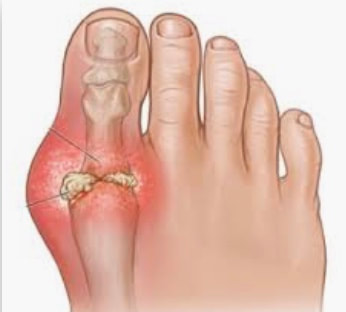
Gout is a form of inflammatory arthritis, that is caused by too much uric acid in the blood (“hyperuricemia”… hyper [too much]-uric [uric acid]-emia [in the blood]). The uric acid precipitates out of the blood, forming sharp crystals of sodium urate inside a joint, most often in the big toe because of gravity. The crystals can also form inside the ankle, knee or fingers, especially when blood uric acid is very high. In advanced long-term gout, the collection of crystals can sometimes be seen as hard bulges called “tophi” under the skin that covers the joint as the crystals expand beyond the joint.

The rough needle-like crystals scrape the inside of the joint causing pain and inflammation (redness and swelling). Anti-inflammatory drugs are generally the first treatment offered, to reduce the inflammation and control pain, and often the crystals will dissolve on their own.

Where does uric acid come from?

Uric acid is created in the body when we break down purines, a component of DNA in human and animal cells known as nucleosides, essential for life. So, animal and human cells all contain purines that are used when the cells grow and divide. Plants contain them too, but generally in lower amounts.

We get purines in our diet when we eat anything that was living, but plants are not considered a significant source. It is animal protein, especially red meat, organ meats, some types of alcohol (beer), some seafood (sardines, anchovies), and high fructose foods (soft drinks) that contain the highest amounts of purines. Foods low in purines include eggs, nuts, legumes, fruit, whole grains, vegetables (except asparagus, cauliflower, spinach, mushrooms, and green peas have relatively more), dairy products, poultry, crab, salmon and herring.

I’m sure I remember learning that alcohol makes uric acid less soluble (and therefore, more likely to form urate crystals) but I’m not seeing that in the literature now…

Quick chemistry lesson… Skip this section if you hate chemistry!! �

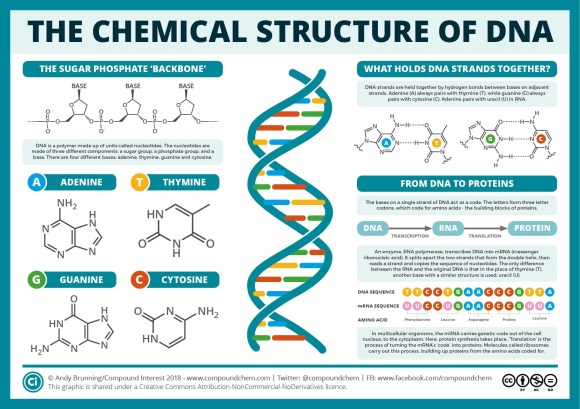
DNA is the genetic material in the nucleus of every cell that carries the programming information to make proteins that do the work in our bodies. Purines and their partners, the pyrimidines form the “bridges” between the 2 backbones of the DNA double-helix, creating the twisted ladder of DNA that’s familiar to most of us.

There are 2 purines (adenine and guanine) and 2 pyrimidines (thymine and cytosine), and they always pair up, one of each, the same way. This ensures that when a cell divides and the strands of DNA split apart, they always match up correctly, creating 2 new cells with the same DNA as the original. Each group of 3 “bridges” codes for one amino acid, and a series of amino acids creates a protein that could become an enzyme used to build a structure in the body or enable a chemical reaction that has a function.

A picture is worth a thousand words, isn’t it?

Basically, we make our own purines as well as get them in our food. Any increase in protein breakdown (which would increase purines that need to be eliminated) or reduction in elimination of purines can result in increased blood uric acid. A defect in the genes that create enzymes that manufacture or breakdown purines can also result in an increased risk of gout, so sometimes gout runs in families.

Uric acid is cleared from the body by the kidneys in the form of urea in the urine so if kidney function is poor, uric acid clearance is reduced. Many kidney stones are made of urate crystals (equally sharp!) and the process is probably similar. Not surprisingly, there’s a tie between kidney stones and gout—kidney disease can cause gout (because of reduced clearance of uric acid/urea) and gout can cause kidney disease (lots of uric acid available to form those nasty kidney stones that scrape the inside of the kidney).

And when more cells than usual are broken down, for example during cancer therapy, more purines are freed-up to be metabolized and can overwhelm the body’s ability to keep up, resulting in increased blood uric acid. I remember my Dad having gout during his leukemia treatments, years ago.

OK, enough biochemistry… here’s how it’s treated

If a person only has occasional attacks of gout, anti-inflammatories or corticosteroids (also anti-inflammatory) are used to relieve pain and swelling, until the body clears the urate crystals from the joint, usually within a few days to a few weeks, depending on how severe the attack. Later repeated attacks tend to last longer. The pain is usually most severe in the first 4 to 12 hours, with lingering soreness as the joint heals.

If the gout is continuous or reoccurs frequently, it makes sense to correct the cause rather than continue to just treat the symptoms. This is done by changing the diet and/or taking a medication to reduce the amount of uric acid in the blood.

So, in addition to choosing foods that are lower in purines to prevent gout, we also have medicines that can slow down purine metabolism, by partially blocking one of the enzymes that break down adenine and guanine, allowing the body to keep up to the production of uric acid. There are two: allopurinol (Zyloprim and generics) and febuxostat (Uloric). An anti-inflammatory may be continued for the first few weeks of this therapy, until blood uric acid is normalized, to prevent return of symptoms.

You’ll remember the drug colchicine, a strong anti-inflammatory I talked about at the beginning of this article, and other anti-inflammatories are used too, such as indomethacin, celecoxib, and the non-prescription drugs, naproxen and ibuprofen, in less severe attacks. Corticosteroids are sometimes prescribed, and colchicine is now considered 2nd line in some jurisdictions due to side effects (digestive problems, possibility of bone marrow suppression) especially if used long-term.

And another prescription drug, probenecid, is sometimes used to increase the kidneys’ ability to remove uric acid from the body.

What can you do?

  • Choose healthier drinks… limit alcoholic beverages, avoid drinks sweetened with fructose. Instead drink plenty of water.
  • Avoid foods high in purines… red meat, organ meats (like liver), high-purine seafood (anchovies, sardines, mussels, scallops, trout, and tuna). Low-fat dairy products may be a better source of protein for those prone to gout.
  • Exercise regularly and maintain a healthy weight… excess weight can increase risk of gout. Choose low-impact exercise like walking, biking and swimming, as these are easier on the joints.

But be sure to see your doctor for a correct diagnosis, and to help you decide what level of treatment you need. Gout is sometimes confused with a joint infection, or other types of arthritis (such as rheumatoid/inflammatory arthritis). When severe enough and left untreated for too long, gout can develop into gouty arthritis with resulting permanent damage to joints.

If you found this article helpful, please like or comment so others will be more likely to see it. And, if you know someone who might benefit from this information, consider forwarding this to them!

References:

The chemical structure of DNA (diagram and explanation)

Hyperuricemia—Wikipedia

Purine—Wikipedia

Foods High in Purines—WebMD

Gout—Centers for Disease Control and Prevention (CDC)

Gout—Mayo Clinic

Photo credits:

https://www.cefootandankle.com/blog/gout/

Braňo on Unsplash

#gout #UricAcid