Categories
Uncategorized

ADHD: A syndrome that needs a new name

Do you, or someone close to you, have problems completing tasks or staying focused at times, but find you’re able to spend long periods doing something that interests you? Do you constantly misplace things or go to another room, only to forget what it was you wanted to do when you got there? Are you oblivious to the passing of time sometimes? If so, you may have ADHD (attention deficit hyperactivity disorder) or its close environmentally-induced cousin, VAST (variable attention stimulus trait).

I mentioned a couple of blogs ago that I’m reading “ADHD 2.0”, written by two psychiatrists, Edward Halloway and John Ratey, who also have ADHD themselves, giving them a unique perspective. It’s fascinating and I’m learning to look at this sometimes-debilitating syndrome quite differently. I thought I’d share some of what I learned… a book review of sorts.

Their first book, “Driven to Distraction” (love the title!) introduced ADHD to the public in 1994—most people hadn’t heard of it or knew little about it—and they’ve been writing to educate us all ever since. Now, 30 years later, almost everyone knows someone who is challenged with ADHD but it’s still not well understood. Has the syndrome become more common or are we just more aware of it? How well do medications for ADHD work and do sufferers need to take them for the rest of their lives to control negative symptoms? Are there other strategies that can help?

What is ADHD?

The syndrome has gone through an evolution in its naming: originally called ADD (attention deficit disorder), it was renamed ADHD (attention deficit hyperactivity disorder) to include the hyperactivity trait shown by some who are diagnosed. Of course, not everyone with ADHD also shows increased activity, particularly girls, so they created categories of ADHD: ADHD predominantly inattentive, ADHD predominantly hyperactive-impulsive (quite rare, according to the authors I am reading) as separate diagnoses from ADHD combined type. Somehow a syndrome name that includes “hyperactive” when the person does not show hyperactivity seems a little off… but there’s more that doesn’t fit the name, as these two doctor/authors describe it.

The CDC (Centers for Disease Control) in the US defines it as the following: “ADHD is one of the most common neurodevelopmental disorders of childhood. It is usually first diagnosed in childhood and often lasts into adulthood. Children with ADHD may have trouble paying attention, controlling impulsive behaviors (may act without thinking about what the result will be), or be overly active.”

“A child with ADHD might daydream a lot, forget or lose things a lot, squirm or fidget, talk too much, make careless mistakes, take unnecessary risks, have a hard time resisting temptation, have trouble taking turns, or have difficulty getting along with others.” All negative traits but, as I learned, there are many positives associated with ADHD too.

How does it affect adults?

Although ADHD information sources often discuss effects in children and don’t mention adults, Drs. Halloway and Ratey emphasize that, in their experience, children do not grow out of the condition—it’s just as much an issue for adults. Those who appear to have done so have merely learned to compensate very well. Some people even manage to create advantage from the traits.

My hubby, for example, was never diagnosed with ADHD but one evening, as we listened to documentary on the syndrome, we looked at each other and said “yeah, you have it!” However, he’s always used tools like leaving himself notes to stay organized and on task, often putting sticky notes on the dash of the car for errands not to be missed. He also likes to start projects right away and finish them as quickly as possible. I remember all my friends being envious of what my “hyperactive husband” was able to accomplish. I would come up with an idea, just musing (We should do Such-and-such…) and the next thing I’d know, it was all done! Having a desire to constantly be active can be put to great advantage in life. Even when a person with ADHD with hyperactivity is sitting still, seemingly relaxed and daydreaming, their mind is active and at work, thinking, planning and making decisions.

Are there treatments when it’s a problem?

ADHD is considered the most treatable disorder in psychiatry… medications are more effective for ADHD than for any other mental health condition. So, if a short attention span has become a problem, especially at school or work, it’s well worth talking to your doctor. Together you can decide if medication is needed, and for how long. But there are also many behaviour and lifestyle changes that can help to manage symptoms in the long term and turn them to advantage, as my hubby did. Many ADHD traits can be beneficial in the workplace, too. Once controlled, whether with medication or non-drug strategies, ADHD can be a driver of creativity and artistic talents that can springboard a person to success. You just need to learn strategies to help you finish the job.

The authors describe ADHD as a way of being, a brain wired in a particular way, rather than a “deficiency”. Instead of a disorder, they describe it as an array of traits associated with a unique kind of mind that can become a distinct advantage when managed with understanding (or an abiding curse, if not). To children they treat, they describe their brain as being like a Ferrari with weak brakes. You just need to learn how to strengthen the brakes on all that horsepower to really go places!

Lots of advantages too…

Besides the obvious variability in attention (those with ADHD can overfocus as well as become distracted when bored) those affected also tend to be quite comfortable with uncertainty. While this can lead to impulsive behaviour, it also can result in diving excitedly into a new business venture that becomes a great success rather than hesitating due to fear of failure, or inventing something imaginative that no-one has thought of before. They need to investigate odd noises, how things work, or what’s in that petri dish to satisfy their strong sense of curiosity. They often feel an abiding need to create something. They tend to be optimistic, seeing limitless possibilities where others only see the limits.

They also cannot tolerate boredom. Think of it as lack of stimulation for an active brain. If what’s being discussed is not engaging—whether the concept is not understood or just doesn’t seem important—the ADHD mind just moves on to another subject. My ADHD hubby is always changing topics of conversation suddenly. It’s just that he’s gotten bored with the subject and his mind has moved on. He does keep conversations interesting however…

Those with ADHD also often lack an internal sense of time. It’s like the ADHD mind can enter a state of flow more easily, where one is so focused on the current activity that all else—including the passage of time—is blocked out. Musicians, artists, athletes and others commonly enter a state of flow when performing their art/sport. I described this in an earlier blog (see link below). Those with ADHD generally recognize only 2 times: now and not now, making procrastination a prominent ADHD trait.

I have to admit that some of these characteristics—creativity, tendency to procrastinate, no sense of time, easily slipping into the hyper-focused state of “flow”—suggest I may have a degree of ADHD too, although certainly the “non-hyperactive” version… That was a surprise! But I guess it could explain my enthusiasm to start a business from scratch in the competitive pharmacy world. My hubby’s willingness to do what it takes and do it now, along with my thinking “outside the box” with a compounding specialty, private consultations, radio talks, presentations to groups and other innovative projects made it a success. My pharmacy was actually featured in 5 different Canadian Pharmacy journals over the years!

So, think of ADHD as a collection of contradictory tendencies: a lack of focus combined with an ability to hyper-focus; a lack of direction combined with highly directed business building skills; a tendency to procrastinate combined with an ability to achieve a lot in a short time; impulsive decision-making combined with inventive problem-solving skills; social cluelessness combined with amazing intuition and empathy, and more. The trick is to learn to capitalize on the positive traits while using strategies (and medication if necessary) to manage the negative ones.

So, as the authors of ADHD 2.0 point out, the word “deficit” is a misnomer. It’s just the opposite—people with ADHD have too much focus and attention, just sometimes on the wrong thing. The challenge is to control and direct it so they can take advantage of all the plusses tucked away inside their brain!

Experts tell us that as many as 10% of us are born with these traits, but many are never diagnosed (especially girls who tend to display a dreamy state rather than hyperactivity and disruptive behaviour). It is considered a readily inherited (“highly heritable”) condition and often runs in families. However, certain “brain insults” like lack of oxygen at birth, head injuries, early infections, or exposure to magnetic field non-ionizing radiation (MFR) such as from power lines, leaky kitchen appliances, etc., can also cause ADHD.

Environmentally-induced attention problems

But there are also many people who act as if they have ADHD but do not qualify for a diagnosis. Their ADHD-like symptoms are believed to be caused by the massive increase in stimuli that bombard our brains in the modern world. Writing advice tells authors we need to capture people’s attention within 8 seconds or most will become bored and move onto something else. That’s much less time than writers had in the past to engage readers. Our attention spans have shortened dramatically. In our efforts to keep up with all the information coming at us, many have developed new, sometimes antisocial habits to cope, constantly checking our phones/computers to keep up with the flow of information, trying not to fall behind. I know when my inbox starts to fill up, I feel a pressing need to whiz through the unopened emails before it becomes an overwhelming monster.

There is a name for this now, as proposed by Drs. Halloway and Ratey: VAST (variable attention stimulus trait) and the symptoms are very similar to ADHD. In fact, the doctors say the term could be used to describe those diagnosed with ADHD as well, describing it better. Although we may skim through information, quickly deleting what doesn’t capture our interest, in contrast, we can spend significant time devouring what does catch our attention and piques our curiosity… variable attention, not a deficit of attention… and a different way of thinking: traits, not a disorder.

However, repeated actions often become unconscious habits. Our brains strengthen the thought pathways we use most often, turning them into “ruts” our minds want to follow to save energy. Picking up your phone to check for messages can become a habit you do without thinking, even when socializing with others, whenever there’s a lull in the conversation. Perhaps eventually we’ll all end up with ADHD-like behaviours, variable attention stimulated by the immense amounts of information we process each day. Hopefully, with professional help when necessary, we can manage to take advantage of this alternate way of thinking… and control the downsides.

It starts with being aware of the effects social media can have on us, with its constant stream of attention-grabbing tools, and being aware of when your mind-hopping has become a problem, seeking help when needed. ADHD 2.0 is a worthwhile read, if you’re looking for more information, ideas for non-drug treatment, and a positive point of view of ADHD/VAST. I highly recommend it!

References:

ADHD 2.0–Edward Halloway and John Ratey 2022 Amazon.ca Amazon.com

What is ADHD?—Centers for Disease Control (CDC)

Get into the State of Flow—blog by Jeannie Collins Beaudin

What is VAST? Do you have this unique ADHD brain trait?—VAST Diversity

ADD Needs a Better Name. We Have One—ADDitude Magazine

Photo by Milad Fakurian on Unsplash

#ADHD #VAST

Categories
Uncategorized

Keto? Intermittent Fasting? Working on my metabolism…

My hubby and I have decided to do the Keto diet for a while. For us, Spring is a season for a reset, considering improvements in diet and lifestyle, after a winter away trying delicious new foods (and the local wines!). We’re also trying to keep our “feeding window” to 8 hours a day, as recommended on the Intermittent Fasting Diet, and have reduced our alcohol intake. One side of our family is encouraging us, citing research that has found both diets are beneficial for health and longevity. The other side of our family thinks we’re nuts… too extreme. What… no potatoes??? No breakfast???

Why are we doing this?

We’ve both been gradually gaining weight over the years—nothing severe yet, but a trend that would become a problem in the future if it continues. This is in spite of plenty of exercise (we walked over 400 km (about 250 miles) this past winter while in Spain) and cutting desserts, late night snacks, soda pop and more. My metabolism is so slow my body temperature sometimes dips below 35c (95f).

So, why these 2 eating patterns? What are the pros and cons? Why have we decided to move to a more extreme diet for a while?

Intermittent Fasting (IF)

You know how they used to tell us that “breakfast is the most important meal of the day”? Well, the breakfast cereal companies certainly thought so… But we now know that your digestive system goes into clean-out mode, removing sludge from inside the intestines, about 4 hours after you’ve eaten. Avoiding food intake for a period of time, creating a fasting period each day, allows this process to continue long enough to make your digestive system work better. So, extending the overnight fast by delaying breakfast is one way to do this.

Think of it as giving your digestive system time to clean out the sludge after the digesting work is done. “Grazing”, eating or snacking all day long, means the digestive system is constantly busy with new food. I guess it would be like having no time to clean your house if you had quintuplets… 😊

This restricted-time eating is referred to as Intermittent Fasting, and can be done by drastically reducing food intake to 600 calories a day for 2 days a week, or by keeping eating to an 8-hour (or less) window each day. The latter style seems to suit our lifestyle best: eating brunch in the late morning, an afternoon snack if we’re hungry, then an early evening dinner. This eating style could alternatively include breakfast, lunch and an early dinner, all within 8 hours. Avoiding food for at least 12 hours a day can be of some benefit too which, essentially, involves simply avoiding snacks in the evening (a common recommendation these days).

So, in addition to the goal of weight loss, we are using Intermittent Fasting (IF) to improve our digestion, and it encourages us not to snack in the evenings as well. A cup or two of coffee in the morning is all we seem to need as we read the morning news, and clear liquids are fine to consume any time of the day during your fast. During a full day fast, if doing the 2 days a week Intermittent Fasting, it is recommended to keep total calories below 600 to count as a fasting day.

Ketogenic Diet (Keto)

My sister (also a retired pharmacist) knows more about the Keto diet than anyone I know, and shares what she learns enthusiastically. She’s spent lots of time reading and watching experts’ videos about the diet’s pros and cons, its health benefits, and recipes to make the diet easier and more tasty. While the Keto diet focuses on eating whole unprocessed foods, there are lots of tested recipes available for baked favourites, including desserts, sauces, snacks, and more to keep your diet interesting. Many traditional foods, like potatoes, can be substituted with other veggies, like cauliflower or cabbage, and flavoured with spices, herbs or cheese to make them interesting and delicious.

Besides weight loss, however, the Keto diet is reported to help repair mitochondria, the tiny bodies inside our cells that create energy. This is a 3rd goal for me. In the Keto diet, the mitochondria are reprogrammed to use fat for energy, rather than glucose, as the supply of glucose-containing carbohydrates is drastically reduced. In the process, ketones are produced, hence the name “Ketogenic” for the diet.

Although I can’t explain the chemistry (which bugs me a bit…), this change helps damaged mitochondria to repair themselves in the process. My sluggish metabolism suggests to me that my mitochondria are not working well. Also, a new theory for the cause of cancer is that mitochondria become damaged in a way that allows them to produce high amounts of energy, enabling these cells to grow non-stop, a classic characteristic of cancer cells.

A potential added benefit is that cancer cells have been found to prefer glucose for energy over ketones produced from fat. Cancer cells have long been known to consume large amounts of glucose (sugar), called the Warburg Effect, noted by Otto Warburg, back in the 1920s. The Keto diet decreases their preferred energy supply, slowing growth of cancer cells, as well as making them more susceptible to standard cancer treatments and protecting them from damage during treatment. The diet has been found in preliminary studies to be an effective add-on treatment for various cancers. I’m reading that Phase 1 trials are underway to gather data and details of how this diet-based treatment can best be used.

The Keto diet was originally designed for children with epilepsy that was not controlled with medication. It works well to eliminate seizures in these children and many have been on the diet for years. A recent study found reduced rates of cancer in this population, supporting further study into use of the Keto diet to prevent as well as possibly treat cancer. Dr. Thomas Seyfried explains the chemistry that supports this theory (see link below). Another study found the diet protected against damage and enhanced the effect of standard chemotherapy and radiation cancer treatments.

So far, research is showing the keto diet can be helpful in treating glioblastoma (an aggressive type of brain cancer), prostate, breast, stomach and liver cancers, but research is continuing. If you are receiving treatment for cancer, you should talk to your doctor before making any dramatic change in diet, of course.

Potential downsides

Kidney stones are known to occur at a higher rate when on the keto diet, but whether stones are created more readily when using this diet or if existing mineral buildup is simply being cleared away has not been investigated, to my knowledge. I suspect the latter, as I endured this when I first started the diet–a miserable experience–but this suspicion is not based on data. Either way, drinking plenty of fluids reduces the chance of this occurring.

Also, the diet is low in some essential salts (“electrolytes”), and supplementing or, at minimum, salting your food with a blend of salts that includes potassium-, and magnesium-, as well as sodium-containing salts, is a good idea to prevent deficiencies. Some sea salts or “half-salt” you find in grocery stores fit this description. There are also recipes available to mix your own salts, and electrolyte replacement powders used for treatment of diarrhea (which also causes electrolyte loss) are another choice. Check the labels or ask your pharmacist. “Charlie-horse” muscle spasms are an early sign that you are lacking electrolytes.

For me, I’m hoping this diet change will improve my overall metabolism. I’ll be able to detect whether this happens by checking that my body temperature returns to the normal range. When successful, people who have been on a fairly strict Keto diet for several months will report a normalization of their metabolism, allowing them to maintain weight loss with a much less strict diet. In the weight loss department, I’ve been losing an average of 1 pound (0.5 kg) a week in the past 2 months since we’ve been back home. This is considered a safe, gradual weight reduction that is more likely to be sustained in the long term.

I expect this will be a diet I will follow strictly for a few months and that I will then be able to return to a more moderate diet that includes fruit, potatoes and bread in controlled amounts. However, added sugar is known to cause many health problems, including weight gain, inflammation, changes in gut microbes, increased risk of cardiovascular disease, diabetes, fatty liver disease, and more. I plan to continue to avoid or limit foods with added sugar to occasional treats to avoid these health risks.

And, while avoiding fat (especially saturated fat) continues to be ingrained in the advice of many institutions, other health experts are pointing out that when calories from fat are limited, we replace them with sugars (carbohydrates) resulting in increased carbohydrate consumption in the diet of those who strictly avoid fats. They are suggesting that the current high rates of obesity and chronic disease could be tied to this shift in diet that occurred so many years ago. Although treatments have improved for both these diseases, improving survival, the occurrence rate is still too high. The typical North American “Western” diet is obviously not a healthy one. Meanwhile, the Mediterranean Diet, with its emphasis on fresh whole foods that contain fewer carbohydrates, is recommended by many health experts.

So, as Spring evolves into Summer, are you thinking about how you could improve your health? Here in Canada, we are looking to spending more time outside and enjoying fresh local produce. It’s an easy time to move to a healthier lifestyle! And, although many suggest following the Keto diet is difficult (and I suppose ANY change can be hard), there is lots of help (and recipes!) available on the internet to help make it easier. Two of my favourites are “All day I dream about food” and “GnomGnom”… Check them out… and the “science” below too!

Photo by Dana DeVolk on Unsplash

#ketodiet #IntermittentFasting #healthydiet

References:

The Big Fat Surprise – Check your local library, or available online at Amazon.ca or Amazon.com

The Warburg Effect: How Does It Benefit Cancer Cells—Pubmed Central, NIH, National Library of Medicine

Ketogenic diets as an adjuvant cancer therapy: History and potential mechanism—Redox Biology 2014

Cancer as a Metabolic Disease: Implications for Novel Therapies—Dr. Thomas Seyfried, Boston College

Ketogenic Diet in the treatment of cancer—Where do we stand?– Molecular Metabolism, March 2021

Cancer Treatment With the Ketogenic Diet: A Systematic Review and Meta-analysis of Animal Studies—Frontiers in Nutrition, June 2021

The Sweet Danger of Sugar—Harvard Health Publishing

Ketogenic Diet in Cancer Prevention and Therapy: Molecular Targets and Therapeutic Opportunities—Current Issues in Molecular Biology

Categories
Uncategorized

Thought for the day

I just read a wonderful article written by a pharmacist-blogger who is leaving her job to move into a new area of pharmacy (link below). Her article wasn’t about her new career, though. She was talking about something kind a client of hers had done for her, and the warm positive emotions this action created for her.

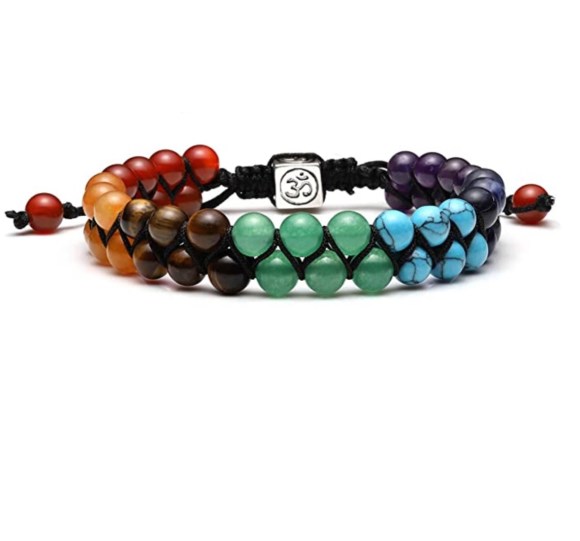
This woman thanked her for her help over her years at the pharmacy and told her she would miss her, while wishing her well in her future adventures. And she made the extra effort to order a little Chakra meditation bracelet with pretty stones for her, as a meaningful gift.

The pharmacist wrote about how she was so very touched that a client would go to the trouble to say thank you for her service, something that she felt was just a regular part of her job.

I’ve experienced this too…

I think I related strongly to the article because, as I read it, I thought of the little binder I keep in a desk drawer with thank you notes tucked inside and I knew just what she was talking about. I had received these from pharmacy clients over the years who wanted to tell me they appreciated what I had done for them with something more than just spoken words. Occasionally, usually while looking for something else in my desk, I come across the binder and flip through the notes. But today, I experienced that same warm feeling just thinking about them, knowing they were there. I wonder whether the people who sent the cards and notes realize how meaningful they are to me…

More recently, I’ve been receiving similar gratification from you, my readers. I want to tell you that these comments are really appreciated and make writing more worthwhile for me. Blogging satisfies a child-like desire I have to help others, sharing information that might help solve a health problem or, better yet, prevent one. But it’s hard to know (other than through the dreaded “unsubscribes”!) whether I’m achieving or missing this goal.

Aiming for that “connection”

So, I really do want you to know that I love the 2-way conversation that a blog can be. I often guess that, if I find a topic interesting, you will too but I’m sure I miss the mark sometimes. Often, I see information on a topic that I know little about, and that inspires me to learn about it (keeps the brain in shape, you know!) Sometimes my interest comes from a conversation I’ve had with someone, a long-time personal interest, or, once in a while, I get a great question or info request from a reader. I research the idea and then I share what I’ve learned with all of you.

For example, right now, I’m reading a book on ADHD (Attention Deficit Hyperactivity Disorder). It caught my eye because one of my children was diagnosed with this many years ago. The authors, who are both physicians and have ADHD themselves, explain that this condition is often misunderstood. Many people think of it as a disorder that only affects children, but adults have it too. They insist that it is really a set of traits, not a “disorder”. Yes, some of these traits can create difficulties for the person but others can give them definite advantages.

They say having ADHD is like driving a Ferrari that has very weak brakes… you just need to learn to control the ride and be able to stop or change lanes when you need to! And they offer the latest research-based ideas to do just that. Of course, sometimes you need these brakes for your fast moving thoughts, not for your muscles. ADHD doesn’t always involve hyperactivity, even though it’s in the name. So, stay tuned for a little summary of what I’m learning about ADHD, its symptoms, its advantages, and new treatments, in an upcoming blog…

All about communication

It helps me stay on track when readers let me know what they’re interested in. Sometimes I will research then write an entire blog to answer the question or request for information, and sometimes I’ll combine a few related questions that have shorter answers, so these responses will appear later. Occasionally, I have written a private reply.

However, I try to save all questions and suggestions until I’ve responded, even if it takes a while to find the best reader-friendly way to explain the topic (health questions can be technical). And of course, I always ensure the questioner’s privacy is maintained! You know: “names have been changed to protect the innocent”, as they say on the crime shows and, here, I try to change or just not mention anything else that could possibly identify a reader.

So, thank you to all those who have taken a moment to say they enjoyed an article or shared a potential topic for a future one! As it did for the pharmacist-blogger I follow, it really makes a difference to me and my energy and enthusiasm to continue…

But I want to leave you with the most important thought…

Kind words, compliments, and expressions of appreciation can really change someone’s life for the better. And it doesn’t need to be a formal note or gift. Acknowledge your appreciation of that grocery clerk who helped you find an item with more than a cursory thank you—say it like you really mean it—or pay a compliment to someone you don’t even know. It takes so little time and energy, but can make such a difference in their day. Too often, especially when working with the public, the only time customers will speak to an employee is to complain! I still remember the toll booth worker years ago in Orlando, who told us so very sincerely to just have a great day! You could tell he really meant it and this person I will never meet again has stuck in my memory for years…

And don’t forget your family and co-workers. I expect they could use a morale boost in their day too. Be that person who makes others feel better about themselves.

One last thing…

Please do take a moment to send me an email with that burning health question you always wanted to ask…. I’ll bet there are many others who are wondering the same thing and I’ll know I’m talking about topics that matter to you!

Now you just have a really great day…

This is the link to the blog I read, if you’re interested in reading it…

Impact? — Drug Opinions, Cynthia Leung https://drugopinions.wordpress.com/2022/04/30/impact/