Categories
Book review

I'm so excited!

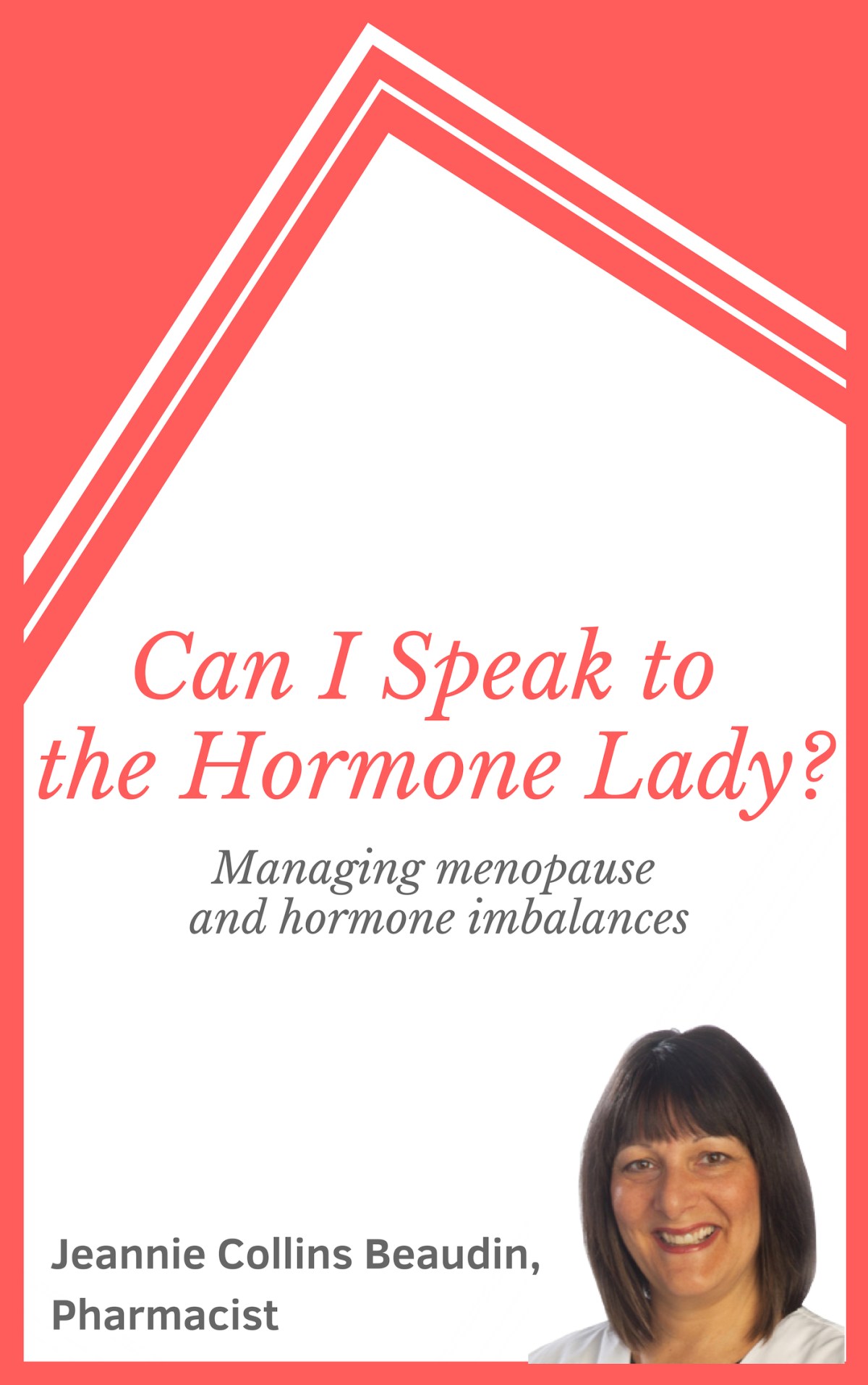
Hi! I’m back from my blogging break, and it’s time to let you know what I’ve been up to (besides enjoying the Spanish sun)… The book I’ve been working on for 3 years, “Can I Speak to the Hormone Lady? Managing Menopause and Hormone Imbalances” has just been published in e-book and print!

It was quite a challenge to learn about editing, formatting, cover design and all that’s required to publish a book. And I haven’t had a chance to see it in print yet, since I’m still in Spain until the end of March, but the online version looks good on my Kindle. You can take a peek at parts of the e-book displayed in the “Look Inside” function on Amazon.com or Amazon.ca

I’m so excited (and a bit nervous…) to finally have my book “out there”… Please celebrate with me! Here’s a Universal Link to the services where it is available:

https://books2read.com/u/4AJQGo

Categories
Book review

I’m so excited!

Hi! I’m back from my blogging break, and it’s time to let you know what I’ve been up to (besides enjoying the Spanish sun)… The book I’ve been working on for 3 years, “Can I Speak to the Hormone Lady? Managing Menopause and Hormone Imbalances” has just been published in e-book and print!

It was quite a challenge to learn about editing, formatting, cover design and all that’s required to publish a book. And I haven’t had a chance to see it in print yet, since I’m still in Spain until the end of March, but the online version looks good on my Kindle. You can take a peek at parts of the e-book displayed in the “Look Inside” function on Amazon.com or Amazon.ca

I’m so excited (and a bit nervous…) to finally have my book “out there”… Please celebrate with me! Here’s a Universal Link to the services where it is available:

https://books2read.com/u/4AJQGo

#Hormone #Hormoneimbalance #Menopause

Categories
Health

Trouble sleeping?

It’s been a month since I arrived in Costa del Sol, Spain, and I’m still amazed by this beautiful place! And watching the snowy weather reports from back home in Canada, I realize we chose a good winter to travel here.

This week, I have another great article for you… This is the best collection of information I’ve ever found about insomnia, all in one place. It discusses the different types of sleeping problems, common causes, and what you can do to get back to a good night’s sleep.

In fact, I think it’s worth reading even if you don’t have problems sleeping – you may find things you can do (or avoid!) that can improve your sleep further or avoid problems developing in the future.

Here’s the link: https://betterhumans.coach.me/how-to-recognize-and-cure-any-insomnia-symptom-661ebfd119f9 Happy reading!

PS… The photo above is Benalmadena Pueblo, a beautiful village halfway up the mountains, near where we are staying. Note the quiet street and great blackout shutters on the windows… I’m sure they get a good night’s sleep there!

Categories
Health

Going Off Antidepressants

Benalmadena Beach

I’ve had a busy week here in Spain, so not much time to research and write a blog Well, really I’ve been visiting outdoor markets, watching Flaminco dancing, and exploring nearby villages of Mijas and Arroyo de la Miel… busy having fun!

But I did spend one morning reading, and came across an excellent article about antidepressants from Harvard Medical School that I’d like to share. It discusses how the medications work, how long they should be taken, why they can cause withdrawal symptoms, and what to do when you decide (in discussion with your doctor) that it’s time to stop taking them.

Doctors will sometimes recommend continuing antidepressants for years to prevent depression in those who have had multiple severe bouts. But 6 months of treatment is often considered long enough for a first episode. Side effects, like drowsiness, insomnia, headache or sexual dysfunction, that are tolerable when seeking relief from depression may become bothersome and unacceptable once a person is feeling better.

Withdrawal effects that are known to sometimes develop when discontinuing antidepressant medications — called “antidepressant discontinuation syndrome” — can easily be confused with a return of depression itself. Working closely with a doctor while gradually decreasing the dose of the antidepressant is important. A doctor will monitor to ensure any new symptoms are caused by withdrawal and not a return of depression. A gradual taper of the medication will often be prescribed to help to minimize any withdrawal effects. Occasionally a return to a previous, slightly higher dose will be used to ease symptoms before gradually decreasing again.

As a compounding pharmacist, I have made capsules of strengths between those commercially available to allow a more gradual dose decrease in sensitive individuals. But often withdrawal can be managed by using tablets that can be cut, liquids that can be measured in small amounts, or by switching to longer acting medications that are cleared from the body more slowly.

If you, or someone you know, is considering stopping a long term antidepressant medication, I’d encourage you to read more about going off antidepressants here And be sure to work closely with your doctor and your pharmacist to ensure this change is accomplished safely and as comfortably as possible.

Reference:

Harvard Health Publishing

Categories
Uncategorized

Thoughts on Retirement…

An old high school friend just announced her retirement on Facebook. She’s sleeping in, enjoying leisurely coffee and lunch with friends… if every day is like her first, she says, it’s magic! And I agree – retirement is the magic we look forward to after years of hard work. It should be exactly what you want it to be.

Of course, we don’t all want the same experience for this phase of life… And please don’t call it our last phase (that’s depressing)! I think retirement should be thought of as just the next stage of life, but the one where you truly get to design your days, months and years. Something to celebrate!

The old image of the retired Grandma, knitting in her rocking chair, babysitting the grandkids isn’t valid for everyone – and perhaps for few these days. While I must admit that I do love knitting, I find I have much less time for it now than when my children were young!

Retired people are starting new businesses, taking university courses and travelling around the world. We’re keeping active, trying new hobbies and physical activities. We’re paying more attention to our diet and our health so we can enjoy our new lifestyle for many years to come.

The first few weeks feel like a magical vacation that doesn’t have to end. But after a successful career, many of us want more. We’re used to the great feeling that comes with achievement, making a difference, learning new skills.

So, don’t just drift along in your retirement or slip into a life directed by others unless that is what you really want. If you’re bored with your retirement life, it’s time to take charge. It’s time to think about change and what you really want for this phase of your life. Take some time to plan your future, think about what an ideal lifestyle is for you right now, make sure you can finance it, then make it happen. Your family may wonder what happened to “Grandma”, but let them wonder! Or tell them you just decided to “get a life”…

Like many people, I had a financial plan for retirement, but didn’t really plan what I wanted to do. When I retired, my husband and I went on an adventure – we rented an apartment in Spain for 3 months. After a couple of weeks of sightseeing, though, I wanted a project. I had been thinking about writing a book on my work with women, how I helped them overcome unpleasant menopause symptoms. I wanted to include all the background knowledge I used to understand what was happening and teach women what I did to correct imbalances so they could help themselves. I began writing in the mornings, sitting on a sunny balcony overlooking the Mediterranean, typing on my iPad using only chapter titles as the roughest of outlines.

In two months, I had a first draft completed but I’ve been redrafting it and learning about the publishing industry ever since. I eventually realized that, without a good plan, I’d done it all backwards: I should have learned about writing and publishing first, then started seriously writing. I should have taken some time to plan my writing career.

But I’ve also spent my first 3 years of retirement trying out all the activities I’ve wanted to do but had little time for while working and raising children. Doing more drawing, getting back to my classical guitar, seeing more of the world and learning a new language (Spanish) were all on my list, as well as writing and learning how to write better (which is a major reason I blog!).

It’s quite a long list so perhaps I haven’t had enough time to really delve into each as much as I’d like. I guess I’ve been taking “turns” with each activity. My blog will be 3 years old in June. I bought a book about portrait drawing then practiced until my drawings started to look quite a lot like the subject (fun!). I’ve only been playing my guitar on and off but I’m close to being back to the skill level I had when I was a teenager. And I’m writing this blog from Spain – our third trip here – and working up the nerve to actually start speaking the language after doing 3 years of learning on Duolingo (a free language learning app where you can learn many languages). Time will tell where my true focus will be, if any. I may just keep on enjoying each activity without really becoming an “expert” at any, and that’s OK too.

So, how is your retirement going (or retirement plans, if you’re not there yet)? Are you still driven to learn and do new things? Do you plan to start a second career… to do what you’ve always wanted to do? Or does simply spending time with family make you happiest? Only you can decide.

There are no wrong answers – that’s the best part of retirement – as long as you take advantage of this new beginning, this opportunity to change tracks, if that’s what you want. The important thing is to stop for a moment, give it some thought and make some plans while you have the chance!

Interesting link:

Free language learning app: Duolingo.com

Categories
Uncategorized

Time to Talk About the Environment…

Although I’m busy seeing all there is to see while in Spain (this photo is of Malaga, taken from the top of a nearby mountain), I want to share with you some of what is different here. One notable difference is what we see on television in the evening…

It seems that European television takes a step back and looks at the news and world situation from a different perspective than what we see in North America. I just watched an amazing interview of atmospheric scientist, Katharine Hayhoe, conducted by Christiane Amanpour.

Dr. Hayhoe is a Canadian living in Texas and she excels at communicating what is happening to our environment on a level we can relate to – where we are and where we live. She entertains while she explains how climate change multiplies the extremes of weather, storms, wild fires and more that we experience now.

But don’t take my word for it… listen to her TED talk (click here) and, as she recommends, talk about it.

The CNN Interview:

https://edition.cnn.com/videos/world/2019/01/08/katharine-hayhoe-amanpour-climate-change.cnn

Categories
Uncategorized

Need a Mood Boost? Eat This.

Sharing a great article about diet and moods from a fellow Canadian pharmacist, Irene Hogan:

http://www.irenehogan.com/need-a-mood-boost-eat-this/

Hope you find it interesting – I did! And her references are well worth reading too…

Categories
Health

8 Tips for a Healthy Holiday

Merry Christmas to all my readers!

I thought I’d share a few tips for a healthy holiday with you for my Christmas blog…

  1. Keep moving

  2. Have a plan

    • As I always like to say, “everything in moderation”. So, enjoy the special holiday goodies, but make a plan to avoid excess. Your plan could be to take half a piece, or to sample only a certain number of treats to limit your intake. Try to stay aware of how much you’re having.

  3. Stay hydrated

    • Sometimes you’re thirsty, not actually hungry.

    • Alternating drinks with a glass of water helps to moderate alcohol intake too. It’s easiest if you fill your wine or drink glass with water so you won’t be tempted to refill your drink before you’ve finished your water break.

  4. Make lists

    • The holidays can be a hectic time. Making a “to do” list is a good way to reduce the stress of worrying that you’ll forget something important.

  5. Forget perfection

    • The holidays are a time for enjoying time with family and friends. When entertaining, plan to make it casual. Do a “pot luck”, ask for help when you need it, and make cooking and decorating a group activity.

  6. Exercise early in the day

    • I have a little routine I try to do each morning. Especially during the holidays, something to do can easily crop up later in the day, thwarting your plan to exercise.

  7. Plan outdoor activities

    • Even if you have a house full of guests, an after dinner walk or other outing gives everyone a change of scenery, fresh air and some exercise. And any elderly or unwell guests will have a peaceful break while the rest of you are out!

    • We always have a “beach walk” after Christmas dinner… and our doggie visitors love it too. (All 3 of my children have dogs… we had 5 dogs here one holiday!).

  8. Only indulge for the day

    • Splurging on one day will never make or break your fitness plan – as long as you keep it to a day or two and not a whole month of indulgence! Enjoy the holiday with all its special treats (in moderation) then get back to your healthy life plan!

This will be my last blog for 2018 and I plan to take a little break for a while. My book about balancing hormones is ready to self-publish and I have a big learning curve ahead of me (that I’ve been putting off for far too long). And my hubby and I are planning a trip to Spain for 3 months…

So, have a wonderful holiday season and all the best for 2019… and I’ll write from time to time when I find a topic that’s especially interesting!

Reference:

US News-Health

Categories
Health

Exercise: An ideal "prescription" for chronic disease

“If it was a pill, exercise would be a trillion-dollar money-maker prescribed to everyone.” Dr. Scott Lear, heart disease prevention researcher at Simon Fraser University, British Columbia, Canada.

A prescription for exercise?

Exercise is so effective at preventing and treating some chronic diseases, doctors are being encouraged to write prescriptions for it… Exercise decreases the risk of many diseases, including heart disease, stroke, Type 2 diabetes, depression (as discussed in last week’s blog ), and many cancers. Here are a few statistics for lowering chronic disease risk, as quoted on the website, Moving Medicine (a beta site being developed to encourage doctors to “prescribe” exercise to their patients):

  • Type 2 diabetes -40%

  • Cardiovascular disease -35%

  • Falls -30%

  • Dementia -30%

  • Depression -30%

  • Joint and back pain -20%

Physical activity is as important for health as many medications, but without the side effects. Humans were made to move, and inactivity is believed to be as harmful to our health as cigarettes. But, the more affluent our society becomes, the less we tend to move.

Who needs this prescription?

A global study of activity found that, on average, more than one-quarter of adults worldwide are not getting enough physical activity. And high-income Western countries (like us in North America) have inactivity rates twice as high as those of poorer countries, over 50% in some areas.

And women tend to be less active than men – up to 20% less in some countries. A 2017 survey published in Health Reports found that only 2% of girls aged 12-17 met the Canadian Movement Guidelines that include adequate sleep and at least 60 minutes of moderate to vigorous activity. A Dalhousie University study noted that teenage girls are concerned about appearances when they exercise: they worry about being pretty but natural-looking, thin but not too skinny, fit but not too muscular. Their responses in the study suggest that outdoor activities can provide an important venue to feel comfortable, safe and confident doing physical activity, compared to a gym setting where, as self-conscious teenagers, they felt they needed to be more concerned about clothing and appearances.

How to get more people moving…

Community infrastructure can influence activity in the young and old. Open spaces, like parks and walking/biking paths, provide enjoyable and convenient opportunities for physical activity. A visible example is the throngs of people who use the skating oval added to the Commons in downtown Halifax. You can even borrow skates and helmets there for free!

High quality public transport and incentives to use it rather than motorized vehicles can result in an overall increased population activity being incorporated into daily routines for those who use the systems. I noticed a marked increase in my activity level when using public transit while travelling in Europe, just by walking to and from the nearest system access.

With statistical evidence that inactivity is worsening in too many areas year by year, and with a corresponding increase in chronic diseases like diabetes and heart disease, it is time to think seriously about ways to increase physical activity levels across populations.

So, if you want to reduce your chances of developing a chronic disease as you age, look for ways to incorporate more exercise into your day, and it doesn’t have to be a session at the gym. Remember that ten minutes of activity three times a day is considered equal to a single 30-minute session. Park farther away from the door when doing errands or take the stairs instead of the elevator – it all adds up. My husband and I enjoy a daily 25-minute walk to check our mailbox most days and climbing up and down the stairs in our 3-story house adds to the daily total.

How much should you exercise to benefit?

The World Health Organization guidelines for physical activity recommend a minimum of 150 minutes per week of moderate-intensity activity like brisk walking, biking or dancing… or 75 minutes a week of vigorous activity like jogging or playing an active sport. If you have a chronic disease, check with your doctor first, start slowly and increase activity gradually. You can expect a few sore muscles as you begin but stop exercising and contact your doctor right away if you experience any chest pain or other alarming symptoms. Any exercise that makes it difficult to speak is likely too intense and could be a risk to your immediate health. Specialized exercise programs are available in some areas to help those with chronic diseases, such as heart disease or back problems, to get started safely. The cardiac rehab program my husband took after his heart attack 14 years ago was a game-changer, and we’ve worked to keep up our activity level since then.

So, don’t be surprised if your doctor gives you an unusual prescription…

In addition to the Moving Medicine program in UK mentioned above, Canadian medical schools are also revising their curricula to teach future doctors about the benefits of exercise to prevent and treat chronic diseases. It’s better and less costly to prevent diseases than to treat them!

(Please note that underlined phrases above and in the references are links to the source of the information)

References:

Exercise is Medicine, and Doctors are Starting to Prescribe It, The Conversation

Prescribing Movement (UK website under development to encourage doctors to prescribe exercise)

Girls and Women Need More Time in Nature to be Healthy

Worldwide Trends in Physical Inactivity 2001-2016

Categories
Uncategorized

Antidepressants or Natural Therapies – Which works better?

The surprise answer is that in many cases they are equally effective.

Antidepressants have been used for decades and billions of dollars have been spent on these drugs, but they are surprisingly ineffective. The difference between the drug effect and a placebo (or sugar pill) is almost undetectable except in the most severe cases of depression. Placebos themselves are surprisingly effective – when a person expects to get better, sometimes that is all that’s needed to help the mind heal itself.

The US Centers for Disease Control and Prevention report that the rate of suicide has increased by 30% since 1999. At the same time, the use of antidepressants has increased by 65%. This suggests the drugs are not great at preventing suicide. In addition, some of these drugs have a “black box” warning, the highest level that can be applied to a drug. It warns doctors to monitor patients for new suicidal thoughts that may occur shortly after beginning therapy.

Statistics show that more people are on long-term financial assistance due to mental illness than before these drugs were introduced in the 1950s. One analysis suggests that the drugs may actually block a full recovery, even though symptoms appear to improve in the short term. Studies have found that more patients who used non-drug therapies had recovered and returned to work after one to two years of treatment compared to those who took medications.

At an educational session many years ago, the speaker told us that mental illnesses were a result of a chemical imbalance in the brain. Depression was caused by too little serotonin or norepinephrine. They explained that antidepressants re-balanced these chemicals (called neurotransmitters), by increasing the available amount of the ones believed to be low in depression. I often explained this to patients when I counselled them about their medication in my pharmacy.

However, newer studies have shown that the brain changes how it functions to accommodate for the effect of the drug. When the patient tries to stop the medication, it takes a while for the brain to return to normal. This manifests as a return of the mental illness, sometimes more severe than it was before. This has often been interpreted as a need to continue treatment, rather than a withdrawal effect of the medication. As a result, sometimes patients are kept on treatment for many years.

The longer the person has been taking the medication, the longer it can take for brain function to return to normal. This can make it very difficult to stop the medication. It is recommended to taper the dose gradually when attempting to discontinue treatment to reduce withdrawal effects.

As well, antidepressants have side effects that range from weight gain to erectile dysfunction. The small benefit these drugs provide needs to be weighed against the side effects they cause.

So, do studies show that alternative “natural therapies” work for depression?

The answer is yes! Good quality scientific studies are available to support some of these non-drug treatments:

  1. Exercise

    1. A 2007 study at Duke University Medical Center in North Carolina found that 30 minutes of walking or jogging three times a week was more effective than an antidepressant or placebo. (Psychosomatic Medicine, Sept 2007, 69(7), p. 587-96)

    2. A review (or “meta-analysis”) of studies that included exercise and antidepressant medications in 2016 confirmed the effectiveness of exercise. (Journal of Affective Disorders, 15 Sept 2016, vol.202, p.67-86)

  2. Bright light therapy

    1. Bright light (10,000 Lux, 30-60 minutes daily first thing in the morning) attempts to duplicate the effect of being in sunshine. A review of studies showed significant effect, with the largest study showing an effect approximately equal to antidepressants when added to medication. Of course, spending time in actual sunshine could be expected to give the same beneficial effect.

  3. Mediterranean diet

    1. While less studied, a small Australian study, the “SMILES Trial” suggests a Mediterranean Diet that includes local unprocessed foods may work better than antidepressants. After 12 weeks on the diet, 32% experienced remission compared to only 8% of those who received only social support.

  4. Cognitive behavioural therapy (CBT)

    1. Cognitive Behaviour Therapy, or CBT, is a non-drug, “talk” therapy used to treat psychological illness. It aims to help people understand their thoughts and feelings, and what makes them feel positive, anxious or depressed. It helps people to identify the problems that are troubling them and find different ways to think and behave to manage their feelings.

    2. The evidence for benefit from CBT is indisputable. It is as effective as antidepressants but, unlike medication, the effect continues after the therapy is completed. The other plus is that a person can’t overdose on a bottle of “therapy”, unlike antidepressants…

So, if you get the “blues” this winter, talk to your doctor. But, before they take out the prescription pad, be sure to ask whether non-drug therapies might be appropriate for you. While you may benefit from medication, or a combination of medication and non-drug therapy, it’s worthwhile discussing your options first.

Of course, considering the positive effect of exercise, sunshine, a healthy diet and discussing ways to deal with problems effectively with someone you trust, perhaps these are things we should all be doing every day anyway to keep our bodies and our minds healthy!

References:

Anatomy of an Epidemic, by Robert Whittaker

Why Natural Depression Therapies are Better Than Pills, Dr. Matt Strauss (Pharmacy Practice Journal)