Categories
Uncategorized

This is no Fairy Tale… it’s climate change

Our home was attacked by a giant dragon over the weekend. She circled our house for hours, shaking it and roaring to let us know how strong a monster she was. She threw buckets of water at our windows, and knocked down trees and power poles with her thrashing tail. She blew the sea 3 meters higher than normal with her hot breath. Her name was Fiona.

But, like the house the 3rd little pig built, our house was constructed strong and high. The weather wizards told us Fiona the dragon was coming so we had days to prepare to fight back. Anything that could move was put away or tied down. We had extras gas for our generator, knowing it was likely the power would go out. We made sure all windows were sealed tightly closed. Flashlights were tested and ready, phones and spare batteries were fully charged.

They call this “emergency preparedness” and we may be hearing this term more in the future. Experts are telling us these kinds of storms will become more common because of climate change and we must try to learn more about how to prevent the most serious problems with each one. Repairs need to be made stronger and better to withstand future events. They call this “climate change adaptation”.

In 2019, we had the “storm of the century”, hurricane Dorian. That was just 3 years ago and we’ve already surpassed it with Fiona. What should we expect next? What can we do to prevent becoming repeated victims of climate change? What more can we do to adapt?

A place to start

Preparing ahead, not just when an emergency is looming, but in our everyday decisions can also help. Things like considering how we plan new construction: how strong our buildings are built, how high they are above sea level, what type of windows and doors are used, etc. becomes more important with the bigger and more frequent storms that climate change promises to bring. Like the man who built our home, we all need to pay attention to how high water can get, how strong winds can become, and make choices about how and where to build.

And our existing homes can become better prepared too. Here are some of my ideas for strategies to consider:

  • Keep trees away from houses and parking areas so they can’t cause damage if they fall (falling trees broke two neighbours’ car windows)
  • Install high quality roofing, strong doors and windows when upgrading (our new roof, installed last June, has highest-quality shingles with a 50-year guarantee!)
  • Consider adding hurricane shutters that have saved many windows in the south where these storms are more common (any installers in Atlantic Canada?? You may be busier in the near future!)

Planning for the future

Our provincial Department of Fisheries and Oceans came by yesterday, measuring how high the storm surge had come. The ocean left clear foot-high piles of marsh grass along the edge of our lawn that made it easy to do their measurements. He told us the storm surge was 3 meters (about 10 feet) above normal. That compares to what I’ve been hearing about Florida storms! This information will be used to revise flood maps that will help future planning and building restrictions to keep people (and their property) safe.

I also saw an explanation on the news of why this storm was so strong. Scientists know that hurricanes require a water temperature warmer than 26.5c (79.7f) below them to add power to the storm, providing energy for it to build strength as it passes over water. Normally the ocean is cooler than this in the fall, making storms weaken as they travel north. However, right now, the water off the eastern coast of the US is 27 to 29c (80 to 84f) and, as they explained, this is why hurricane Fiona arrived in Canada with 165 kilometer per hour winds (102.5mph), a “post-tropical storm” with category-2 hurricane winds! This explains how climate change, with warming of oceans, creates stronger storms.

And the news today?

All the news is about hurricane Ian’s devastation of the Florida coast and worries of how it will affect the Carolinas. Here in Atlantic Canada, we’re still working on cleaning up the devastation from hurricane Fiona. Homes throughout our area have torn siding and missing roofing. But we’re lucky compared to Prince Edward Island, Cape Breton Nova Scotia, and Newfoundland, where many more buildings were blown down, damaged, and flooded, and entire roofs were removed. Roads blocked by fallen trees have prevented help from reaching many. We’ve seen Canadian Armed Forces trucks travelling to and from PEI with help and supplies, and we know they are travelling to NS and Nfld too.

So, I feel like I should be thankful that we withstood the storm well, and look at our “hay removal” lawn project as an opportunity to exercise! They tell us expressing gratitude can improve our mood and lessens our stress. Those of us who escaped with minimal damage can feel thankful it wasn’t worse, but what about those who didn’t make out so well? I’ve been hearing stories of kindness and people reaching out to help strangers. I guess we all could be helped by feeling thankful for neighbours, friends, volunteers, and governments who are offering their help and support. (Maybe I’ve been reading too many psychology books lately…) But we’ll get through this and, hopefully, be better prepared for what future storms may bring!

All about climate change (and adapting to it!)

It appears it’s too late to avoid all the effects of climate change, so we’ll have to adapt as best we can. Support politicians who will work to limit this climate change and help to prevent worsening weather disasters. And if you have other ideas or suggestions for preventing wind and storm damage, please share them in the comments below!

PS: The idea for the dragon analogy was stolen (with permission!) from writer David B. Clear, who is so much funnier to read than I am! You’ll find him on Medium and at his website: davidbclear.com .

#hurricaneFiona #hurricaneIan #climatechange

Categories
Uncategorized

Searching for the true cause of heart disease…

“The mind is like a parachute—it only works if it’s open”. Anthony J. D’Angelo.

I’m what you’d call a “lifelong learner”. But, you know, recently I almost feel like it might be time to stop reading health research—I’ve been finding so many articles and books that question beliefs I’ve held throughout my pharmacist career! But I always try to keep an open mind and it’s led me down some interesting rabbit-holes of research. One thing we need to remember about science is that it constantly advances. Accepted practices (like using leeches as a treatment in the days of Hippocrates and Galen) eventually are found to be not so great and are replaced with something better. I’m beginning to suspect people of the future may look back on some of our current practices and wonder why we weren’t smart enough to figure out where we went wrong…

One topic I’ve been reading about questions the effectiveness of antidepressants, that I recently wrote about HERE earlier this month.

A second topic is the idea (first proposed by Nobel Prize-winning researcher Otto Warburg in the 1920s) that cancer is a disease caused by altered metabolism, rather than randomly damaged genes. In this theory, the energy factories of the cell (mitochondria) become damaged by chemicals, oxygen radicals, etc. and over-produce energy, leading to production of oxygen radicals that damage genes and a cell that constantly divides… what we know as cancer. I wrote about research into this alternate theory of the cause of cancer HERE in February 2021.

Another series of articles currently in the medical press is questioning the “lipid hypothesis” –the entire idea that fat is bad and increases the risk of heart disease. Open your mind and read on…

My current reading

I remember the first time I saw an article offering evidence that fat and cholesterol in our diet did not cause heart disease. I was sitting on a sunny balcony in Spain, six years ago, newly retired with time to finally catch up on reading pharmacy/medical articles. As I recall, I was reading the Medical Letter, a highly reputable summary of journal articles and research. My jaw dropped when I read that the risk of heart disease does not correspond with levels of LDL-Cholesterol in the blood for many people. For decades, lowering this number has been the goal of therapy using cholesterol drugs for almost everyone.

I read about entire populations who have extremely high blood cholesterol but zero risk of cardiovascular disease (the Masai in Africa, for example), and many people with low blood cholesterol who wind up in Emerg anyway with a heart attack. I saw critiques of the original cholesterol research that included only 7 countries that lined up with the proposed theory, while there were data available for over 20.

Although Statin cholesterol-lowering drugs are likely helpful for a segment of the population with inherited cholesterol problems (familial hypercholesterolemia), for most people these drugs quite likely are doing something else to show a reduction in heart disease in studies, as LDL-Cholesterol does not correlate with heart disease risk when the results of many studies are analyzed together in a “meta-analysis”.

As I dug further into the research, I realized there are plenty of studies that question the lipid hypothesis. Note that the definition of “hypothesis” is “an assumption, an idea that is proposed for the sake of argument so that it can be tested to see if it might be true.” Using the scientific method, any evidence that the hypothesis is not correct requires a re-evaluation of the assumption. For some strange reason (could it be the billions that these drugs generate??) this has not happened with cholesterol-lowering drugs. This is in spite of the observation of many “paradoxes” that supporters of the theory cannot explain (for example, the “French paradox”, with their diet high in saturated fats but a low rate of heart disease). Studies using newer methods of analyzing blood are also suggesting that LDL is less important to heart disease risk than HDL, triglycerides and a particular type of high-density LDL particles that couldn’t be measured before.

It turns out that statins also have anti-inflammatory, anti-clotting, and antioxidant activity, all of which help to prevent heart disease. As some doctors argue, if the drugs are working, what difference does it make what the mechanism is? But using the proper scientific method would require that an alternative hypothesis be tested: that one or more of these actions explain the success of drugs that also lower cholesterol, while drugs that only lower cholesterol (like fibrates and ezetimibe) don’t appear to actually save lives. Perhaps there are drugs with fewer side effects that could accomplish the same results.

I was unable to find any studies into this hypothesis, although I did see calls for further study into the issue. However, I have read that the drug, colchicine (used for many years to reduce inflammation caused by gout) is being tested for preventing the inflammation that many researchers now believe is at the root of heart disease risk. The results should help to clarify the issue.

Down another rabbit-hole

So, all of this has led me to another related topic… What causes chronic inflammation in the body? One alternative hypothesis being studied proposes that elevated insulin in the blood causes inflammation that is at the root of many chronic diseases, including cardiovascular disease. Diabetes and heart disease are known to occur together and diabetes is believed to be a risk factor for heart disease. But what if the process of diabetes, where more insulin is needed to handle blood sugar even before blood sugar increases (a condition known as “insulin resistance”), is actually the root cause of heart disease? Or, paddling further upstream, what if the excess refined sugar in our diet which stimulates increased insulin secretion is the real culprit?

The occurrence of heart disease started increasing dramatically back in the 60s when convenience foods were introduced to the market in North America. These highly-processed foods contained trans fats, now known to increase cardiovascular disease risk, along with increased salt, sugar, preservatives, colouring agents and more.

Governments and health organization were looking for strategies to reverse the dramatic increase in heart disease and, noting that the plaque that clogs arteries in heart disease patients contains fats and cholesterol, presumed that increased amounts of these substances in the typical North American diet must collect directly in the arteries when levels are elevated in the blood. The “answer” was to cut fat from the diet as much as possible and lower the amount of fats circulating in the blood.

However, reducing the fat content of food meant it lost much of its flavour. Adding extra sugar restored taste to products so, as food processors cut fat from products, the carbohydrate content steadily rose. Even “food pyramids” promoted by government organizations as the basis for a healthy diet, put strong emphasis on carbohydrate foods without initially distinguishing between processed and unprocessed forms, while recommending the avoidance of fats as much as possible.

Eventually, scientists realized we need fat in our diet, and added recommendations to consume what they called “healthy fats”—omega-3 oils found in fish, some seeds, and nuts. They continued to recommend substituting saturated fats with unsaturated fats from plant sources, mostly seeds. Unfortunately, many of these oils contain mostly omega-6 fats that promote inflammation (as opposed to omega-3s that reduce it), skewing the balance between these two. Newer research suggests that these huge diet changes, increased sugar and a shift in the types of fat, have contributed to the continuing rise of heart disease risk as well as obesity in North America. Eventually more emphasis has been placed on eating whole, non-processed foods.

New research

But what about the “evil” saturated fats? A new study on butter demonstrated that consuming it increases our HDL-Cholesterol, known as the “good cholesterol” that reduces risk of heart disease while also increasing LDL. Now, that was a surprise!

With newer cholesterol tests, researchers were able to see that a lack of “good” HDL-Cholesterol correlates much more strongly with cardiovascular disease risk than high “bad” LDL-Cholesterol does. Triglycerides seem to be more important than LDL too. And the ratio of triglycerides to HDL says a lot about your risk. Having a ratio of 2 (or not more than twice the amount of triglycerides as HDL), correlates with a reduced risk of heart attack. You can calculate this yourself from a routine blood lipid test if your doctor gives you a copy. Currently, emphasis is placed on having a ratio of total cholesterol to HDL of 4 or less (meaning that at least ¼ of blood cholesterol is in the HDL form), stressing the importance of having plenty of HDL.

And, guess what? Refined sugar in the diet raises triglycerides. There we go… sugar as the culprit again (not fat). Cutting sugar from the diet (i.e., eating a lower-carb diet) may turn out to be the most important action we could take to reduce the risk of heart attack and stroke. Research continues…

As for fat? Healthy fats just may include reasonable amounts of butter, cream, and tasty cuts of meat with the fat left on. It seems that we ran with a hypothesis that was never proven, while questioning scientists were hushed and reportedly lost funding grants if they voiced objections too loudly. The great diet experiment with low fat and high carbohydrates hasn’t worked to reduce heart disease, obesity or cancer. It’s time to pay attention to new research that questions old assumptions made decades ago that have not changed the course of heart disease (or cancer).

Reconsider your food choices

There’s a problem with the amount of sugar in the typical North American diet, much of which is hidden in processed foods. As well as contributing to cardiovascular disease risk, excess carbohydrate, particularly in the form of highly refined white sugar and white flour, where fiber and other nutrients have been removed, may contribute to increased risk of many chronic diseases.

But, don’t just take my word for it. Look up the references below, if you’d like to read the science. Join me down the rabbit-hole…

References:

Is there more to a healthy diet than cholesterol?—Nature

Dietary fructose and its association with the metabolic syndrome in Lebanese healthy adults: a cross-sectional study—Diabetology and Metabolic Syndrome

The PURE Study Implications—European Heart Journal (2018)

The Great Cholesterol Myth, Revised and Expanded: Why Lowering Your Cholesterol Won’t Prevent Heart Disease (2022)—Jonny Bowden, PhD and Stephen Sinatra, MD

The Great Cholesterol Con—Malcolm Kendrick

The Cholesterol Myths (2000)—Uffe Ravnskov

Categories
Uncategorized

Olivia Newton-John’s Legacy

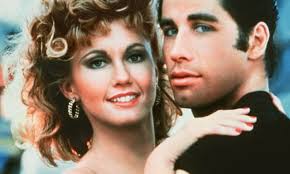
This week, many are mourning the loss of Olivia Newton-John, talented actress and singer. But you may not know that she also worked tirelessly to bring awareness to breast and other cancers, publicly sharing her own breast cancer journey since her diagnosis in 1992 at age 44.

During her 30 years as a breast cancer survivor, she also promoted research into causes, treatment and cures of these diseases, setting up and funding a cancer research center in her home country, Australia. As well, she was a proponent of natural medicines that could be added to standard cancer treatment, including medical marijuana and other herbals medicines, and encouraged adoption of these into regular treatment programs.

She was the star of another film you may not have heard about…

There’s a good chance you’ve seen her box office hit films, Grease and Xanadu. But you may not be aware of her appearance (as host) in the 1997 documentary film, Exposure: Environmental Links to Breast Cancer, where she talks about her cancer journey and research into environmental causes of cancer. I was shocked at some of the facts I learned when I first saw the documentary and, sadly, many people have still not heard this information, even though the film was made 25 years ago. The connections to cancer they discuss are still relevant, and I’d encourage you to watch it… the full 50-minute documentary is available (for free) here (also posted in the references/links below).

I also wrote a blog on this subject in Sept, 2021: Environmental Links to Cancer. You can find it here. It includes some of the information I learned from Olivia Newton-John’s documentary, if you’re interested in reading it.

So, only a short blog this week… I think I just wanted to pass along Olivia Newton-John’s message: to learn all you can about preventing cancer, and that many risk factors are under your control. We just need to learn what they are, and work to make the needed changes in our environment and lifestyle.

Let’s celebrate the life of Olivia Newton-John by continuing the work she started to reduce our risk of developing cancer! Please pass these links along to others who might benefit from cancer prevention information…

References and links:

Categories
Uncategorized

Anxiety? Depression? Is medication the answer?

Let’s talk about drugs, placebos, “talk therapy” and new research…

Too many of us are anxious, depressed and stressed these days, with COVID worries piled on top of everyday stressors. We know COVID is here for a while yet, perhaps for a long while. So, how do we cope? Is medication the best answer? New research suggests that other treatments are just as effective, except in the most severe forms of these conditions.

Let’s start with a simplified explanation of anxiety and depression:

Depression is a low mood driven by dwelling on events of the past. Anxiety is a negative mood associated with worry about future events. Mindfulness is focusing on, enjoying and appreciating what’s good about the present moment. Mindfulness, relaxation exercises (like deep breathing), meditation, and “talk therapies” (like phychotherapy, and cognitive behaviour therapy [CBT]) seek to break the cycle of repetitive unpleasant thoughts that, over time, can make us depressed or anxious. The more we focus on these thoughts, the stronger these brain thought pathways become, the more often these thoughts pop into your mind, and the more difficult it can become to enjoy the present moment.

So, this is how psychotherapy (talk therapy) works: It helps you train your brain to block negative thoughts and focus on positive ones. I’m simplifying here, of course. Psychotherapy is a complex science that requires highly trained professionals for ideal results. But it’s important to know that your “self-talk” has an influence on your mood and happiness. It’s something that many of us can learn to control.

How antidepressants work

For decades, health professionals have been taught that low levels of the neurotransmitter, serotonin, were responsible for low mood and depression. I remember learning this at an education program for practicing pharmacists many years ago, probably back in the ‘80s when Prozac first came on the market. The education session was sponsored, I’m sure, by a pharmaceutical company that manufactured a drug that influenced serotonin. Most education sessions were paid for by companies, as our professional associations were not well funded, and it was a common way for manufacturers to educate health professionals about their products in those days.

I remember how they explained that depression was caused by an imbalance in brain chemicals, and antidepressant drugs would rebalance the brain chemistry. Drugs that increase the effects of serotonin have been a mainstay in the medical treatment of depression for decades and they are also used to treat anxiety, obsessive-compulsive disorder, post-traumatic stress disorder and other mental health conditions.

A new study says otherwise…

However, a large new study in the UK found no convincing evidence that low serotonin levels are responsible for mental illness. It seems that this was only one of several theories of the cause of depression proposed in the ‘60s. When serotonin drugs were developed beginning in the 1980s, health professionals (like me!) were taught the serotonin theory as if it were fact, when it was really just one of several unproven theories. The observation that these drugs seemed to help was used as “proof” of the serotonin theory.

But it turns out that half of the studies performed by antidepressant drug manufacturers were never published because they showed a negative result. This is called “publication bias” where study results that don’t give the desired result are simply not published. Science is not a democracy, where the majority of results “win”. In other words, any negative result should be questioned: why is the drug not producing a consistently positive result? In order to make the drug results show a significant improvement over a placebo (or sugar pill) they had to “cherry pick” the studies they published.

Another problem with the studies comparing drugs with placebo, is that they were difficult to “blind”. To make a proper comparison that eliminates bias on the part of patients, doctors and researchers, no-one involved in the study should know who actually received the drug and who took a placebo until it’s completed. But because of the side effects from the drug, it was difficult to blind the gathering of the data properly… another problem with the drug trials that could make the drug look better than placebo.

Added to publication bias, this could easily explain how manufacturers were able to sell their drugs despite the small differences found between drug and placebo in mild to moderate depression. Note that the American Medical Association (AMA) recommends using psychotherapy as first line therapy except in cases of severe depression.

But the drugs seem to work for many people…

But the drugs do work 80% of the time. It’s just that placebos were shown to work almost as well as the drugs in the studies—75% benefitted from the placebo, according to analytical researchers (but not mentioned in drug description monographs). This begs the question: why wouldn’t we use placebos as a treatment for anxiety and depression? They obviously work exceptionally well for mental health conditions, triggering our bodies to heal ourselves in the majority of cases without the side effects that drugs cause.

Note that psychotherapy/counselling has also been found to be equally effective to drug therapy in mild to moderate depression and has a longer-lasting effect than drug treatment. The exception would be in severe suicidal major depression where the emotion-numbing effect of these drugs can make a difference in the person’s safety, reducing suicide risk. Medication has been shown to work better than other therapies in more severe depression.

If you’re interested in reading more about this, check out reference #5 below… an article by Irving Kirsch, a researcher who has been examining the placebo effect for many years.

Back to the UK study…

“It’s not an evidence-based statement to say that depression is caused by low serotonin; if we were more honest and transparent with patients, we should tell them that an antidepressant might have some use in numbing their symptoms, but it’s extremely unlikely that it will be the solution or cure for their problem,” says study author, Mark Horowitz.

This seems to fit with the delay in action of these medications—it generally takes 2 or more weeks for them to start working. One researcher described it this way: emotional reactions are dulled by the drug, and begin to have less impact on mood. Eventually depression or anxiety improves because of lowered negative emotional input.

Interestingly, some experts in the field of psychiatry have stated this is nothing new… that they’ve known for years that low serotonin was not the cause of depression but that it is a complex condition with several contributing factors. However, it seems that this was not communicated to front line workers or patients, and the new study is causing quite a stir in the medical media.

Complex conditions often benefit from a combination of several treatment strategies, so simply handing a patient a prescription and advising a follow-up appointment in several weeks might not be an ideal approach to treatment. Working to change thought input can help to correct the patterns that led to a mood disorder in the first place, and could help to prevent a recurrence.

Brain “plasticity”

Meanwhile, other research into brain function has shown that our brains are much more “plastic” than was previously thought… meaning that we can change our thought patterns and the actual number and strength of connections between neurons (nerve cells in the brain) that connect thoughts, memories and emotions to our consciousness. The old statement that a person can’t think their way out of depression is likely not correct, although it could be difficult in severe depression. This suggests that “talk therapies”, like psychotherapy, cognitive behaviour therapy (CBT) and counselling, may be the preferred approach to mental health instead of medication, with medication added only in more severe cases.

And the American Medical Association (AMA) recommends psychotherapy as the first line treatment for mild to moderate depression. In more severe forms of depression, especially when there is a risk of suicide, they recommend that drugs should be included in the first choice of treatments. But, all too often, doctors reach for the prescription pad when they hear a patient describe even mild symptoms of anxiety or depression.

As well, side effects need to be considered. In addition to a long list of side effects while taking antidepressant medications (including drowsiness or insomnia, nervousness, digestive complaints, anxiety, tremor, dizziness, sexual dysfunction, and more), a rebound effect often occurs when the drug is stopped. This has often been misinterpreted as a return of symptoms of depression in the past, resulting in patients staying on medication for years. Patients are now advised to taper their medication slowly, under the supervision of their doctor to reduce rebound effects when discontinuing antidepressants.

Of course, like any ailment, mental health conditions are best treated early, before they become severe. Just like a house fire, you’re better off putting the flames out before the entire house is on fire. Seeking counselling early can give a person the tools to rewire the brain before the nerve connection pathways to negative thoughts become more strongly entrenched, leading to a more severe depression/anxiety state that has a greater effect on the person’s life and is more difficult to treat.

What about natural treatments?
Another recent study looked at the use of vitamins B6 and B12 specifically for mild anxiety symptoms. It confirmed that B6 at relatively higher doses than normally consumed in food (100mg daily) could help reduce symptoms of anxiety. Vitamin B12, in comparison, made only a small difference in this study.

“Stress formulations” containing mainly B vitamins have been available for many years on pharmacy shelves. A vitamin B Complex-100 tablet, taken once daily, would also provide the amounts used in this study. For many years I have suggested women try taking this at bedtime (for middle of the night awakening) or at suppertime (for trouble falling asleep) when they have difficulty sleeping due to mild anxiety. Improved sleep has been found helpful in overcoming mood disorders.

A final caution:
It is important not to stop taking your medication abruptly. Be sure to discuss options with your doctor before making any changes to your medical treatment.

#depression #anxiety #SSRIs #Serotonin

References:

  1. No Evidence Low Serotonin Causes Depression?–Medscape
  2. Analysis: Depression is probably not caused by a chemical imbalance in the brain – new study—University College London
  3. What has serotonin to do with depression?–World Psychiatry
  4. A Popular Theory About Depression Wasn’t “Debunked” by a New Review—Neuroscience News and Research
  5. Antidepressants and the Placebo Effect—PubMed Central
  6. Prozac (official drug monograph) (Note side effects, warnings and the lack of data on effectiveness compared to placebo)
  7. Vitamin B6 may reduce anxiety symptoms, study shows—Medical News Today
Categories
Uncategorized

Art (and the Arts) as therapy

You may not know that art (drawing, painting, sculpture) and the arts (like music, drama and dance) can be therapeutic. While I didn’t think of it as a treatment, in the past I have reached for my classical guitar, even after months of not playing, when hit with one of life’s blows, but was never sure why. I’ve always found familiar music, whether listening or playing myself, has a calming almost meditative effect… especially if I sing the words in a really loud voice!

My cousin, who is a retired occupational therapist, would tell me stories of how doing art on a large canvas could help those with shoulder injuries overcome their pain (or fear of pain) and be able to exercise their recovering joint. But, although many of us (professionals or not) have realized some of the health benefits of art, there is actually a specialty in this area.

Professional Art Therapists

Art therapists are professionals who are trained in both psychology and art. There are 3 main ways that art therapy is used:

  1. Analytic art therapy—Rather than rely only on words to share ideas, the client and therapist express themselves through drawing or painting.
  2. Psychotherapy—The therapist focuses on verbally analyzing art produced by the client, initiating a discussion and analysis.
  3. Art as a process—The focus is on the process of creating art itself as therapy, as my cousin described using in her work. The final product itself is unimportant, and is not analyzed.

So, art can be used to help motor function, self-esteem, self-awareness, and emotional resilience. It can also be used to help a client delve into their past, reaching into the subconscious mind, and aid in resolving conflicts and reducing stress.

But it’s also a wonderful and rewarding pastime. Learning new skills can provide a sense of achievement and can be a social outlet when learning in a group. I’ve found that artists love to help others improve, sharing what they’ve learned and additional sources of helpful information.

Art as an outlet

Art certainly helped me get through the worst of the pandemic, with its lockdowns and isolation. I had already delved back into art when I retired (neglected since my high school days, while busy with work and children). My hubby suggested that the flowers I was drawing with watercolour pencils were rather boring—why didn’t I try something more interesting, like faces? At first, I said, I can’t do that!

But my sister-in-law, a retired art teacher, suggested a wonderful reference book: The Big Book of Realistic Drawing Secrets, by Carrie Stuart Parks. Amongst the many tips and techniques, they recommended measuring to get everything the right size and in the right place. I’m sure you’ve seen images of artists, with one eye closed (to flatten the subject), holding up a pencil with arm outstretched. They are taking measurements! I also ordered a few of the suggested tools online to make it easier and more fun. Author, Carrie Parks, calls these “toys”… not really necessary but lots of fun to use.

And, gradually it worked! I challenged myself to do one portrait a week in graphite (pencil) and, while the early ones barely looked like the subject, I steadily improved. Each portrait was like a little puzzle, trying to figure what was “off”, preventing the drawing from looking like the person.

After our “Escape” from Europe just as the skies were closing to international air traffic, I sewed masks and gave them away. It was something to do during the lockdowns that was fun for me and helpful to others. A few people even compensated me for my work and that kept me in materials to continue. Eventually the artist in me surfaced, and I started painting designs on them using markers or acrylics, making each a tiny but useful work of art. When some people complained that the masks covered their facial expressions, I even made some with big smiles and funny faces. I could see people’s eyes crinkle with their own smile when they saw me wearing one of those…

Now that masks are readily available commercially, even the high quality N95 ones, I’ve returned to more standard art and my portraits. I’ve challenged myself to learn to do Portraits in colour, which is much more difficult than the black-and-white graphite on white paper. In addition to determining the light and dark areas of the face, I also need to analyze the colour tones—is it a more yellowy or pinkish beige? A reddish-brown vs a golden brown? It will take me a while to learn to recognize the colours that make up the skin tones I’m seeing.

The self-portrait at the top of this article is a recent example of my attempts to learn to use colour pastels. I think it looks like me, but I still have lots to learn… (I won’t point out my mistakes!! Haha!)

Many benefits to doing art

While this certainly not true “art therapy”, I find my art has its mental health benefits: it gives me goals to strive for, it continually challenges my brain to learn something new (or find and fix the problem on the page!), and it’s a relaxing meditation. Art makes a special original personalized gift too! I give most of my art away, although my hubby hangs some of it in my sunroom/art room/art gallery.

Can anyone do art?

Yes! Art teachers will tell you that “natural talent” is not necessary. Most art techniques and talents are learned, not inherited. The author of the book I found so helpful (see References, below) teaches a 5-day course in forensic art (how to draw composites for police work) to police force members, FBI, Secret Service personnel, and others, This course is part of the basis for the book I found so useful when I first began drawing portraits and includes basic techniques to get started.

An easy way to begin doing art, though, is by trying out adult colouring books. Pictures suitable for colouring are available in art, stationery and some large department stores or online, along with simple colouring pencils or fine-tipped markers. You can also find pictures to colour that you can download and print for free. While they don’t qualify as therapy, they are a fun and relaxing form of meditation that can be a step toward more complex art as a lifelong hobby.

So, whether you want to seek a certified Art Therapist for serious therapy, use art to relax and/or challenge yourself, or simply enjoy the art of others, art certainly deserves a place in our society. Sadly, art is sometimes an early victim of cutbacks in education and treated as a frivolous “extra” in the education system. And some never continue art into adulthood, even though they enjoyed it as a child. Art is closely tied to the culture of a society. Producing and enjoying art lifts us up, makes us think, relaxes, and energizes us.

Did you enjoy art as a child? Can you remember the joy of opening a new box of crayons? All those delicious colours! Tell us about it in the comments.

Doing art as an adult can give you the same feeling… You should see the beautiful box of crayons (aka water colour pencils) I bought myself this week! 😊

References:

The big book of Realistic Drawing Secrets – Carrie Stuart Parks Available on Amazon or your local book store.

Art Therapy – Wikipedia

Psychological Benefits of Art Therapy – Canadian Counselling and Psychotherapy Association

About Art Therapy – Art Therapy Association

Paint Basket Art Classes (online) Getting Started Learn to Draw – How to Draw – Pencil Drawing Basics (Note: I’ve watched quite a few of Paint Basket’s instructional videos. This free series helps beginners get started. He also offers many advanced lessons for a small fee.)

Categories
Uncategorized

The Good Side of Fat

Why (and How) You Should Increase Your HDL Cholesterol

Studies show that having lots of HDL-cholesterol (high-density lipoprotein cholesterol, also referred to as “good” cholesterol) is strongly associated with lower risk of cardiovascular disease… even more than the LDL (low density lipoprotein) cholesterol we hear about more often. This could be because we have drugs that lower LDL, but none that raise HDL significantly.

What are HDL and LDL?

Cholesterol is fat-soluble and doesn’t dissolve in watery blood, so it’s wrapped up in a protein coating, called a lipoprotein. Think of it as a delivery envelope. Some lipoproteins are small and dense (HDL) and others are larger and fluffy (LDL).

LDL Cholesterol

LDL molecules are thought to carry cholesterol from the liver, where most is produced, to the parts of the body where it is needed. It’s a misconception that you need to avoid cholesterol in your diet–if you don’t eat it, your liver simply produces more of this essential molecule.

Your body uses cholesterol to strengthen and maintain cell walls and other structures in the body, to insulate nerves, to make hormones (including stress hormones, cortisol and adrenaline and the reproductive hormones estrogen, progesterone and testosterone), and to make vitamin D (actually a hormone). Your body works to maintain enough in your blood for all its essential functions.

Most health organizations currently recommend keeping LDL cholesterol levels low to reduce heart disease risk, but there is some controversy over this advice since heart attacks can still occur in those with low to normal cholesterol levels and having high levels doesn’t necessarily mean you will have a heart attack. Other factors are important for heart disease risk, too… perhaps more important than your cholesterol.

Newer guidelines place less emphasis on LDL blood cholesterol and more on things like levels of inflammation in the body, and waist to hip measurement ratio (the waist measurement should be smaller than the hips: a ratio of 0.8 in women and 1.0 in men when the waist measurement is divided by the hip measurement). Because this measurement is associated with body fat distribution (with abdominal fat deposits indicating more danger to health than those elsewhere, such as on the hips), it’s considered more accurate for heart disease risk than the Body Mass Index (BMI) that has been used for many years.

The inherited metabolic disorder, Familial Hypercholesterolemia (FH), is associated with very high levels of LDL and those who inherit this condition often have elevated levels of cholesterol even in childhood. FH is associated with a definite increase in heart disease risk. It has been assumed by many researchers that this proves that high LDL cholesterol is dangerous for all. However, FH involves additional metabolic changes, not just increased LDL, including changes in the HDL receptor in the liver, changes in Apolipoproteins a and b, and markers of insulin resistance, that also contribute to heart disease risk. Some researchers now believe that, because so many with this disorder were included in cholesterol studies (with patients being selected for their high cholesterol levels), they may have influenced the results of early research.

HDL Cholesterol

HDL molecules, on the other hand, are believed to collect up excess cholesterol from the arteries and carry it back to the liver. Studies show that higher levels of HDL are more strongly associated with lower risk of heart disease than lowering LDL. Having at least ¼ of your blood cholesterol in the form of HDL (a ratio of 4 or less) is associated with less risk.

We have medications that effectively lower LDL cholesterol. The most commonly used ones also have anti-inflammatory, anti-clotting and antioxidant effects—all beneficial in reducing heart disease, especially in those with Familial Hypercholesterolemia (FH). But these drugs have little effect on HDL, which studies suggest may actually be more important than LDL.

However, the good news is that there are non-drug strategies that are known to raise your HDL. Here are 9 lifestyle and diet choices that can make a difference:

  1. Consume olive oil—Olive oil is great straight up on salads, or for baking as it’s stable when heated. Although some experts are now questioning the advice to avoid animal fats due to their saturated fat content, vegetable oils lower HDL while animal fats raise it. Olive oil, an important part of the Mediterranean Diet, seems to be a happy medium that all experts can agree is a healthy all-round oil. High quality, extra virgin olive oil has more polyphenols, the substances in olive oil that are believed to best reduce heart disease risk.
  2. Eat a low carbohydrate (or ketogenic) diet—Studies have found that even reducing carbs to less than 50 grams daily can boost HDL blood levels. Note that a weight-loss keto diet is more like 20 to 30 grams of carbohydrates. The same studies found that low fat, high carb diets decreased HDL cholesterol, and that saturated fats from animal sources increased HDL more than vegetable oils.
  3. Exercise regularly—Many types of exercise are effective in increasing HDL levels, including strength training, high intensity, and aerobic exercises. The largest increases were with high intensity exercise, such as interval training where high and lower intensity exercises are alternated, as tolerated. As well as increasing HDL, study participants showed other health improvements, such as decreased insulin resistance and better artery function. Exercise has many health benefits!
  4. Add coconut oil or MCT Oil to your diet—Although these oils contain saturated fat and were thought to be unhealthy, according to the “low fat” diet recommendations, research has found they increase HDL and reduce the HDL to LDL ratio, a positive marker for cardiovascular health. The ratio of HDL:LDL is recommended to be 4 or less, meaning that at least ¼ of a person’s blood cholesterol should be in the form of HDL. Consuming 2 tablespoonfuls of oil per day is recommended to achieve benefits, and this is best done by incorporating the oil into food preparation.
  5. If you smoke, quit—Of course, there are many reasons to quit smoking (including fewer wrinkles as the years pass!) and one of them is to avoid the HDL suppression it causes. Just quitting smoking can double your HDL blood cholesterol levels, decreasing your heart disease risk. Quitting also improves HDL function, decreasing inflammation and providing other benefits to heart health.
  6. If overweight, lose a few pounds—Losing just 1 to 3% of body weight can result in significant increases in HDL if you’re carrying some extra pounds. And it doesn’t matter how you do it, whether by reducing calories, cutting carbohydrates, intermittent fasting, surgery, or a combination of diet and exercise. Pick whatever is easiest for you and reap the health benefits!
  7. Eat more purple/blue foods—Purple and blue foods like eggplant, red cabbage, blueberries, blackberries and black raspberries are rich in anthocyanins that are believed to help raise HDL levels and improve heart health.
  8. Eat fatty fish several times a week—Fatty fish, such as salmon, herring, sardines, mackerel and anchovies, contain omega-3 fats that provide heart health benefits like decreased inflammation, improved function of the cells that line the arteries (arterial endothelial cells), and increased HDL. Research suggests that taking a fish oil supplement can give the same benefits.
  9. Avoid artificial trans fats—Although promoted as “healthy” for many years, trans fats are now known to cause inflammation and increase the risk of heart and other diseases. They may also lower LDL cholesterol levels. Food manufacturers are now required to label food with trans fat content, so check the label of any prepared foods before buying.

So, although it may seem logical that too much fat in the blood will increase the risk of it sticking to the inside of blood vessels, causing plaque and increasing risk of heart disease, the development of heart disease is more complex than just that. The state of the blood vessel lining (inflamed or not), the balance of fat types, exercise, high blood insulin levels due to insulin resistance, and various dietary factors all have an influence.

As a pharmacist, you can imagine how surprised I was to discover that saturated fats like coconut and MCT oil are better at raising your “good” HDL cholesterol and lowering heart disease risk than the vegetable oils that have been promoted for so many years as healthful. As my sister (who reads a lot on this subject) likes to say: Fat doesn’t make you fat, it satisfies your appetite. Some fats are necessary for good health. I guess it just shows how science advances. New scientific evidence means we need to change our ideas and beliefs, but it takes time for “official guidelines” to update.

Diet research is difficult to do properly because you simply can’t lock people up to control their diet for the years it takes to complete a study. And heart disease is affected by many factors, not just diet, although it appears to be important. Several assumptions were made back in the 50s when these food recommendations and guidelines were developed, that are being questioned. There is a definite controversy right now about whether dietary fat or added sugar is the bigger problem.

One thing chefs know, though, is that restricting fats can easily result in dry, tasteless food! It’s also easier to miss out on some nutrients, especially fat-soluble vitamins like vitamins A, D, E and K, when most fats are severely limited, especially important in children (note that additional vitamins were given in studies of the low fat diet in children). You should assume that, if a processed food is labelled as low fat, it’s quite likely it has added sugars to give it some taste.

But one factor is indisputable… since the official diet recommendations to eat a diet based on whole grains, bread, cereal and rice (all high carbohydrate foods) while limiting as much fat possible, as recommended in the “food pyramid”, the average body weight of North Americans has steadily increased to the point where over 40% of adults are now considered overweight or obese, and rates of heart disease have not improved. Even more alarming, growing numbers of children are also being affected, a factor that could influence their future health. While multiple factors could be at play, it certainly seems that our current typical diet isn’t helping.

So, that’s what I’ve been reading this week–food for thought and some of the reasons I’ve been changing my diet! What about you? Have you changed your eating pattern in recent years? Let me know your thoughts and what you’ve been reading…

References and additional reading:

9 Ways to Increase Your HDL Cholesterol Levels—Medical News Today

Cholesterol, The Nutrition Source—Harvard School of Public Health

Why some cholesterol does your body good—Verywell Health

Obesity in the United States—Wikipedia

Waist to Hip Ratio—Wikipedia

The Big Fat Surprise—Nina Teicholz

Food Pyramid–Wikipedia

Who invented the food pyramid?(a fun history of the food pyramid)—Today I Found Out

Lipoprotein metabolism in Familial Hypercholesterolemia–Journal of Lipid Research

#LowFatDiet #HeartDisease #HowtoIncreaseHDL

Categories
Uncategorized

ADHD: A syndrome that needs a new name

Do you, or someone close to you, have problems completing tasks or staying focused at times, but find you’re able to spend long periods doing something that interests you? Do you constantly misplace things or go to another room, only to forget what it was you wanted to do when you got there? Are you oblivious to the passing of time sometimes? If so, you may have ADHD (attention deficit hyperactivity disorder) or its close environmentally-induced cousin, VAST (variable attention stimulus trait).

I mentioned a couple of blogs ago that I’m reading “ADHD 2.0”, written by two psychiatrists, Edward Halloway and John Ratey, who also have ADHD themselves, giving them a unique perspective. It’s fascinating and I’m learning to look at this sometimes-debilitating syndrome quite differently. I thought I’d share some of what I learned… a book review of sorts.

Their first book, “Driven to Distraction” (love the title!) introduced ADHD to the public in 1994—most people hadn’t heard of it or knew little about it—and they’ve been writing to educate us all ever since. Now, 30 years later, almost everyone knows someone who is challenged with ADHD but it’s still not well understood. Has the syndrome become more common or are we just more aware of it? How well do medications for ADHD work and do sufferers need to take them for the rest of their lives to control negative symptoms? Are there other strategies that can help?

What is ADHD?

The syndrome has gone through an evolution in its naming: originally called ADD (attention deficit disorder), it was renamed ADHD (attention deficit hyperactivity disorder) to include the hyperactivity trait shown by some who are diagnosed. Of course, not everyone with ADHD also shows increased activity, particularly girls, so they created categories of ADHD: ADHD predominantly inattentive, ADHD predominantly hyperactive-impulsive (quite rare, according to the authors I am reading) as separate diagnoses from ADHD combined type. Somehow a syndrome name that includes “hyperactive” when the person does not show hyperactivity seems a little off… but there’s more that doesn’t fit the name, as these two doctor/authors describe it.

The CDC (Centers for Disease Control) in the US defines it as the following: “ADHD is one of the most common neurodevelopmental disorders of childhood. It is usually first diagnosed in childhood and often lasts into adulthood. Children with ADHD may have trouble paying attention, controlling impulsive behaviors (may act without thinking about what the result will be), or be overly active.”

“A child with ADHD might daydream a lot, forget or lose things a lot, squirm or fidget, talk too much, make careless mistakes, take unnecessary risks, have a hard time resisting temptation, have trouble taking turns, or have difficulty getting along with others.” All negative traits but, as I learned, there are many positives associated with ADHD too.

How does it affect adults?

Although ADHD information sources often discuss effects in children and don’t mention adults, Drs. Halloway and Ratey emphasize that, in their experience, children do not grow out of the condition—it’s just as much an issue for adults. Those who appear to have done so have merely learned to compensate very well. Some people even manage to create advantage from the traits.

My hubby, for example, was never diagnosed with ADHD but one evening, as we listened to documentary on the syndrome, we looked at each other and said “yeah, you have it!” However, he’s always used tools like leaving himself notes to stay organized and on task, often putting sticky notes on the dash of the car for errands not to be missed. He also likes to start projects right away and finish them as quickly as possible. I remember all my friends being envious of what my “hyperactive husband” was able to accomplish. I would come up with an idea, just musing (We should do Such-and-such…) and the next thing I’d know, it was all done! Having a desire to constantly be active can be put to great advantage in life. Even when a person with ADHD with hyperactivity is sitting still, seemingly relaxed and daydreaming, their mind is active and at work, thinking, planning and making decisions.

Are there treatments when it’s a problem?

ADHD is considered the most treatable disorder in psychiatry… medications are more effective for ADHD than for any other mental health condition. So, if a short attention span has become a problem, especially at school or work, it’s well worth talking to your doctor. Together you can decide if medication is needed, and for how long. But there are also many behaviour and lifestyle changes that can help to manage symptoms in the long term and turn them to advantage, as my hubby did. Many ADHD traits can be beneficial in the workplace, too. Once controlled, whether with medication or non-drug strategies, ADHD can be a driver of creativity and artistic talents that can springboard a person to success. You just need to learn strategies to help you finish the job.

The authors describe ADHD as a way of being, a brain wired in a particular way, rather than a “deficiency”. Instead of a disorder, they describe it as an array of traits associated with a unique kind of mind that can become a distinct advantage when managed with understanding (or an abiding curse, if not). To children they treat, they describe their brain as being like a Ferrari with weak brakes. You just need to learn how to strengthen the brakes on all that horsepower to really go places!

Lots of advantages too…

Besides the obvious variability in attention (those with ADHD can overfocus as well as become distracted when bored) those affected also tend to be quite comfortable with uncertainty. While this can lead to impulsive behaviour, it also can result in diving excitedly into a new business venture that becomes a great success rather than hesitating due to fear of failure, or inventing something imaginative that no-one has thought of before. They need to investigate odd noises, how things work, or what’s in that petri dish to satisfy their strong sense of curiosity. They often feel an abiding need to create something. They tend to be optimistic, seeing limitless possibilities where others only see the limits.

They also cannot tolerate boredom. Think of it as lack of stimulation for an active brain. If what’s being discussed is not engaging—whether the concept is not understood or just doesn’t seem important—the ADHD mind just moves on to another subject. My ADHD hubby is always changing topics of conversation suddenly. It’s just that he’s gotten bored with the subject and his mind has moved on. He does keep conversations interesting however…

Those with ADHD also often lack an internal sense of time. It’s like the ADHD mind can enter a state of flow more easily, where one is so focused on the current activity that all else—including the passage of time—is blocked out. Musicians, artists, athletes and others commonly enter a state of flow when performing their art/sport. I described this in an earlier blog (see link below). Those with ADHD generally recognize only 2 times: now and not now, making procrastination a prominent ADHD trait.

I have to admit that some of these characteristics—creativity, tendency to procrastinate, no sense of time, easily slipping into the hyper-focused state of “flow”—suggest I may have a degree of ADHD too, although certainly the “non-hyperactive” version… That was a surprise! But I guess it could explain my enthusiasm to start a business from scratch in the competitive pharmacy world. My hubby’s willingness to do what it takes and do it now, along with my thinking “outside the box” with a compounding specialty, private consultations, radio talks, presentations to groups and other innovative projects made it a success. My pharmacy was actually featured in 5 different Canadian Pharmacy journals over the years!

So, think of ADHD as a collection of contradictory tendencies: a lack of focus combined with an ability to hyper-focus; a lack of direction combined with highly directed business building skills; a tendency to procrastinate combined with an ability to achieve a lot in a short time; impulsive decision-making combined with inventive problem-solving skills; social cluelessness combined with amazing intuition and empathy, and more. The trick is to learn to capitalize on the positive traits while using strategies (and medication if necessary) to manage the negative ones.

So, as the authors of ADHD 2.0 point out, the word “deficit” is a misnomer. It’s just the opposite—people with ADHD have too much focus and attention, just sometimes on the wrong thing. The challenge is to control and direct it so they can take advantage of all the plusses tucked away inside their brain!

Experts tell us that as many as 10% of us are born with these traits, but many are never diagnosed (especially girls who tend to display a dreamy state rather than hyperactivity and disruptive behaviour). It is considered a readily inherited (“highly heritable”) condition and often runs in families. However, certain “brain insults” like lack of oxygen at birth, head injuries, early infections, or exposure to magnetic field non-ionizing radiation (MFR) such as from power lines, leaky kitchen appliances, etc., can also cause ADHD.

Environmentally-induced attention problems

But there are also many people who act as if they have ADHD but do not qualify for a diagnosis. Their ADHD-like symptoms are believed to be caused by the massive increase in stimuli that bombard our brains in the modern world. Writing advice tells authors we need to capture people’s attention within 8 seconds or most will become bored and move onto something else. That’s much less time than writers had in the past to engage readers. Our attention spans have shortened dramatically. In our efforts to keep up with all the information coming at us, many have developed new, sometimes antisocial habits to cope, constantly checking our phones/computers to keep up with the flow of information, trying not to fall behind. I know when my inbox starts to fill up, I feel a pressing need to whiz through the unopened emails before it becomes an overwhelming monster.

There is a name for this now, as proposed by Drs. Halloway and Ratey: VAST (variable attention stimulus trait) and the symptoms are very similar to ADHD. In fact, the doctors say the term could be used to describe those diagnosed with ADHD as well, describing it better. Although we may skim through information, quickly deleting what doesn’t capture our interest, in contrast, we can spend significant time devouring what does catch our attention and piques our curiosity… variable attention, not a deficit of attention… and a different way of thinking: traits, not a disorder.

However, repeated actions often become unconscious habits. Our brains strengthen the thought pathways we use most often, turning them into “ruts” our minds want to follow to save energy. Picking up your phone to check for messages can become a habit you do without thinking, even when socializing with others, whenever there’s a lull in the conversation. Perhaps eventually we’ll all end up with ADHD-like behaviours, variable attention stimulated by the immense amounts of information we process each day. Hopefully, with professional help when necessary, we can manage to take advantage of this alternate way of thinking… and control the downsides.

It starts with being aware of the effects social media can have on us, with its constant stream of attention-grabbing tools, and being aware of when your mind-hopping has become a problem, seeking help when needed. ADHD 2.0 is a worthwhile read, if you’re looking for more information, ideas for non-drug treatment, and a positive point of view of ADHD/VAST. I highly recommend it!

References:

ADHD 2.0–Edward Halloway and John Ratey 2022 Amazon.ca Amazon.com

What is ADHD?—Centers for Disease Control (CDC)

Get into the State of Flow—blog by Jeannie Collins Beaudin

What is VAST? Do you have this unique ADHD brain trait?—VAST Diversity

ADD Needs a Better Name. We Have One—ADDitude Magazine

Photo by Milad Fakurian on Unsplash

#ADHD #VAST

Categories
Uncategorized

Keto? Intermittent Fasting? Working on my metabolism…

My hubby and I have decided to do the Keto diet for a while. For us, Spring is a season for a reset, considering improvements in diet and lifestyle, after a winter away trying delicious new foods (and the local wines!). We’re also trying to keep our “feeding window” to 8 hours a day, as recommended on the Intermittent Fasting Diet, and have reduced our alcohol intake. One side of our family is encouraging us, citing research that has found both diets are beneficial for health and longevity. The other side of our family thinks we’re nuts… too extreme. What… no potatoes??? No breakfast???

Why are we doing this?

We’ve both been gradually gaining weight over the years—nothing severe yet, but a trend that would become a problem in the future if it continues. This is in spite of plenty of exercise (we walked over 400 km (about 250 miles) this past winter while in Spain) and cutting desserts, late night snacks, soda pop and more. My metabolism is so slow my body temperature sometimes dips below 35c (95f).

So, why these 2 eating patterns? What are the pros and cons? Why have we decided to move to a more extreme diet for a while?

Intermittent Fasting (IF)

You know how they used to tell us that “breakfast is the most important meal of the day”? Well, the breakfast cereal companies certainly thought so… But we now know that your digestive system goes into clean-out mode, removing sludge from inside the intestines, about 4 hours after you’ve eaten. Avoiding food intake for a period of time, creating a fasting period each day, allows this process to continue long enough to make your digestive system work better. So, extending the overnight fast by delaying breakfast is one way to do this.

Think of it as giving your digestive system time to clean out the sludge after the digesting work is done. “Grazing”, eating or snacking all day long, means the digestive system is constantly busy with new food. I guess it would be like having no time to clean your house if you had quintuplets… 😊

This restricted-time eating is referred to as Intermittent Fasting, and can be done by drastically reducing food intake to 600 calories a day for 2 days a week, or by keeping eating to an 8-hour (or less) window each day. The latter style seems to suit our lifestyle best: eating brunch in the late morning, an afternoon snack if we’re hungry, then an early evening dinner. This eating style could alternatively include breakfast, lunch and an early dinner, all within 8 hours. Avoiding food for at least 12 hours a day can be of some benefit too which, essentially, involves simply avoiding snacks in the evening (a common recommendation these days).

So, in addition to the goal of weight loss, we are using Intermittent Fasting (IF) to improve our digestion, and it encourages us not to snack in the evenings as well. A cup or two of coffee in the morning is all we seem to need as we read the morning news, and clear liquids are fine to consume any time of the day during your fast. During a full day fast, if doing the 2 days a week Intermittent Fasting, it is recommended to keep total calories below 600 to count as a fasting day.

Ketogenic Diet (Keto)

My sister (also a retired pharmacist) knows more about the Keto diet than anyone I know, and shares what she learns enthusiastically. She’s spent lots of time reading and watching experts’ videos about the diet’s pros and cons, its health benefits, and recipes to make the diet easier and more tasty. While the Keto diet focuses on eating whole unprocessed foods, there are lots of tested recipes available for baked favourites, including desserts, sauces, snacks, and more to keep your diet interesting. Many traditional foods, like potatoes, can be substituted with other veggies, like cauliflower or cabbage, and flavoured with spices, herbs or cheese to make them interesting and delicious.

Besides weight loss, however, the Keto diet is reported to help repair mitochondria, the tiny bodies inside our cells that create energy. This is a 3rd goal for me. In the Keto diet, the mitochondria are reprogrammed to use fat for energy, rather than glucose, as the supply of glucose-containing carbohydrates is drastically reduced. In the process, ketones are produced, hence the name “Ketogenic” for the diet.

Although I can’t explain the chemistry (which bugs me a bit…), this change helps damaged mitochondria to repair themselves in the process. My sluggish metabolism suggests to me that my mitochondria are not working well. Also, a new theory for the cause of cancer is that mitochondria become damaged in a way that allows them to produce high amounts of energy, enabling these cells to grow non-stop, a classic characteristic of cancer cells.

A potential added benefit is that cancer cells have been found to prefer glucose for energy over ketones produced from fat. Cancer cells have long been known to consume large amounts of glucose (sugar), called the Warburg Effect, noted by Otto Warburg, back in the 1920s. The Keto diet decreases their preferred energy supply, slowing growth of cancer cells, as well as making them more susceptible to standard cancer treatments and protecting them from damage during treatment. The diet has been found in preliminary studies to be an effective add-on treatment for various cancers. I’m reading that Phase 1 trials are underway to gather data and details of how this diet-based treatment can best be used.

The Keto diet was originally designed for children with epilepsy that was not controlled with medication. It works well to eliminate seizures in these children and many have been on the diet for years. A recent study found reduced rates of cancer in this population, supporting further study into use of the Keto diet to prevent as well as possibly treat cancer. Dr. Thomas Seyfried explains the chemistry that supports this theory (see link below). Another study found the diet protected against damage and enhanced the effect of standard chemotherapy and radiation cancer treatments.

So far, research is showing the keto diet can be helpful in treating glioblastoma (an aggressive type of brain cancer), prostate, breast, stomach and liver cancers, but research is continuing. If you are receiving treatment for cancer, you should talk to your doctor before making any dramatic change in diet, of course.

Potential downsides

Kidney stones are known to occur at a higher rate when on the keto diet, but whether stones are created more readily when using this diet or if existing mineral buildup is simply being cleared away has not been investigated, to my knowledge. I suspect the latter, as I endured this when I first started the diet–a miserable experience–but this suspicion is not based on data. Either way, drinking plenty of fluids reduces the chance of this occurring.

Also, the diet is low in some essential salts (“electrolytes”), and supplementing or, at minimum, salting your food with a blend of salts that includes potassium-, and magnesium-, as well as sodium-containing salts, is a good idea to prevent deficiencies. Some sea salts or “half-salt” you find in grocery stores fit this description. There are also recipes available to mix your own salts, and electrolyte replacement powders used for treatment of diarrhea (which also causes electrolyte loss) are another choice. Check the labels or ask your pharmacist. “Charlie-horse” muscle spasms are an early sign that you are lacking electrolytes.

For me, I’m hoping this diet change will improve my overall metabolism. I’ll be able to detect whether this happens by checking that my body temperature returns to the normal range. When successful, people who have been on a fairly strict Keto diet for several months will report a normalization of their metabolism, allowing them to maintain weight loss with a much less strict diet. In the weight loss department, I’ve been losing an average of 1 pound (0.5 kg) a week in the past 2 months since we’ve been back home. This is considered a safe, gradual weight reduction that is more likely to be sustained in the long term.

I expect this will be a diet I will follow strictly for a few months and that I will then be able to return to a more moderate diet that includes fruit, potatoes and bread in controlled amounts. However, added sugar is known to cause many health problems, including weight gain, inflammation, changes in gut microbes, increased risk of cardiovascular disease, diabetes, fatty liver disease, and more. I plan to continue to avoid or limit foods with added sugar to occasional treats to avoid these health risks.

And, while avoiding fat (especially saturated fat) continues to be ingrained in the advice of many institutions, other health experts are pointing out that when calories from fat are limited, we replace them with sugars (carbohydrates) resulting in increased carbohydrate consumption in the diet of those who strictly avoid fats. They are suggesting that the current high rates of obesity and chronic disease could be tied to this shift in diet that occurred so many years ago. Although treatments have improved for both these diseases, improving survival, the occurrence rate is still too high. The typical North American “Western” diet is obviously not a healthy one. Meanwhile, the Mediterranean Diet, with its emphasis on fresh whole foods that contain fewer carbohydrates, is recommended by many health experts.

So, as Spring evolves into Summer, are you thinking about how you could improve your health? Here in Canada, we are looking to spending more time outside and enjoying fresh local produce. It’s an easy time to move to a healthier lifestyle! And, although many suggest following the Keto diet is difficult (and I suppose ANY change can be hard), there is lots of help (and recipes!) available on the internet to help make it easier. Two of my favourites are “All day I dream about food” and “GnomGnom”… Check them out… and the “science” below too!

Photo by Dana DeVolk on Unsplash

#ketodiet #IntermittentFasting #healthydiet

References:

The Big Fat Surprise – Check your local library, or available online at Amazon.ca or Amazon.com

The Warburg Effect: How Does It Benefit Cancer Cells—Pubmed Central, NIH, National Library of Medicine

Ketogenic diets as an adjuvant cancer therapy: History and potential mechanism—Redox Biology 2014

Cancer as a Metabolic Disease: Implications for Novel Therapies—Dr. Thomas Seyfried, Boston College

Ketogenic Diet in the treatment of cancer—Where do we stand?– Molecular Metabolism, March 2021

Cancer Treatment With the Ketogenic Diet: A Systematic Review and Meta-analysis of Animal Studies—Frontiers in Nutrition, June 2021

The Sweet Danger of Sugar—Harvard Health Publishing

Ketogenic Diet in Cancer Prevention and Therapy: Molecular Targets and Therapeutic Opportunities—Current Issues in Molecular Biology

Categories
Uncategorized

Thought for the day

I just read a wonderful article written by a pharmacist-blogger who is leaving her job to move into a new area of pharmacy (link below). Her article wasn’t about her new career, though. She was talking about something kind a client of hers had done for her, and the warm positive emotions this action created for her.

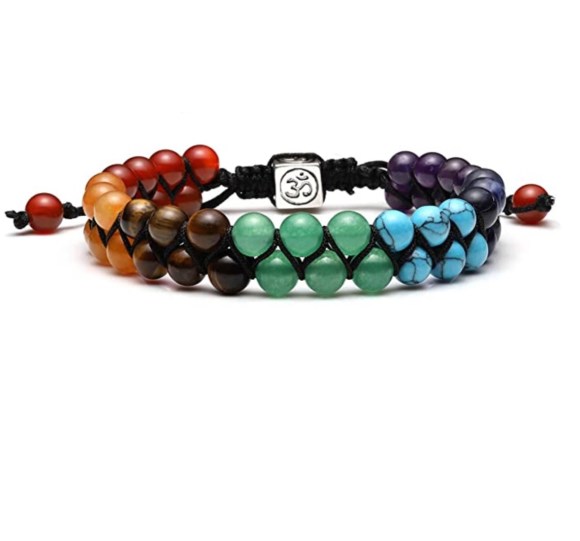
This woman thanked her for her help over her years at the pharmacy and told her she would miss her, while wishing her well in her future adventures. And she made the extra effort to order a little Chakra meditation bracelet with pretty stones for her, as a meaningful gift.

The pharmacist wrote about how she was so very touched that a client would go to the trouble to say thank you for her service, something that she felt was just a regular part of her job.

I’ve experienced this too…

I think I related strongly to the article because, as I read it, I thought of the little binder I keep in a desk drawer with thank you notes tucked inside and I knew just what she was talking about. I had received these from pharmacy clients over the years who wanted to tell me they appreciated what I had done for them with something more than just spoken words. Occasionally, usually while looking for something else in my desk, I come across the binder and flip through the notes. But today, I experienced that same warm feeling just thinking about them, knowing they were there. I wonder whether the people who sent the cards and notes realize how meaningful they are to me…

More recently, I’ve been receiving similar gratification from you, my readers. I want to tell you that these comments are really appreciated and make writing more worthwhile for me. Blogging satisfies a child-like desire I have to help others, sharing information that might help solve a health problem or, better yet, prevent one. But it’s hard to know (other than through the dreaded “unsubscribes”!) whether I’m achieving or missing this goal.

Aiming for that “connection”

So, I really do want you to know that I love the 2-way conversation that a blog can be. I often guess that, if I find a topic interesting, you will too but I’m sure I miss the mark sometimes. Often, I see information on a topic that I know little about, and that inspires me to learn about it (keeps the brain in shape, you know!) Sometimes my interest comes from a conversation I’ve had with someone, a long-time personal interest, or, once in a while, I get a great question or info request from a reader. I research the idea and then I share what I’ve learned with all of you.

For example, right now, I’m reading a book on ADHD (Attention Deficit Hyperactivity Disorder). It caught my eye because one of my children was diagnosed with this many years ago. The authors, who are both physicians and have ADHD themselves, explain that this condition is often misunderstood. Many people think of it as a disorder that only affects children, but adults have it too. They insist that it is really a set of traits, not a “disorder”. Yes, some of these traits can create difficulties for the person but others can give them definite advantages.

They say having ADHD is like driving a Ferrari that has very weak brakes… you just need to learn to control the ride and be able to stop or change lanes when you need to! And they offer the latest research-based ideas to do just that. Of course, sometimes you need these brakes for your fast moving thoughts, not for your muscles. ADHD doesn’t always involve hyperactivity, even though it’s in the name. So, stay tuned for a little summary of what I’m learning about ADHD, its symptoms, its advantages, and new treatments, in an upcoming blog…

All about communication

It helps me stay on track when readers let me know what they’re interested in. Sometimes I will research then write an entire blog to answer the question or request for information, and sometimes I’ll combine a few related questions that have shorter answers, so these responses will appear later. Occasionally, I have written a private reply.

However, I try to save all questions and suggestions until I’ve responded, even if it takes a while to find the best reader-friendly way to explain the topic (health questions can be technical). And of course, I always ensure the questioner’s privacy is maintained! You know: “names have been changed to protect the innocent”, as they say on the crime shows and, here, I try to change or just not mention anything else that could possibly identify a reader.

So, thank you to all those who have taken a moment to say they enjoyed an article or shared a potential topic for a future one! As it did for the pharmacist-blogger I follow, it really makes a difference to me and my energy and enthusiasm to continue…

But I want to leave you with the most important thought…

Kind words, compliments, and expressions of appreciation can really change someone’s life for the better. And it doesn’t need to be a formal note or gift. Acknowledge your appreciation of that grocery clerk who helped you find an item with more than a cursory thank you—say it like you really mean it—or pay a compliment to someone you don’t even know. It takes so little time and energy, but can make such a difference in their day. Too often, especially when working with the public, the only time customers will speak to an employee is to complain! I still remember the toll booth worker years ago in Orlando, who told us so very sincerely to just have a great day! You could tell he really meant it and this person I will never meet again has stuck in my memory for years…

And don’t forget your family and co-workers. I expect they could use a morale boost in their day too. Be that person who makes others feel better about themselves.

One last thing…

Please do take a moment to send me an email with that burning health question you always wanted to ask…. I’ll bet there are many others who are wondering the same thing and I’ll know I’m talking about topics that matter to you!

Now you just have a really great day…

This is the link to the blog I read, if you’re interested in reading it…

Impact? — Drug Opinions, Cynthia Leung https://drugopinions.wordpress.com/2022/04/30/impact/

Categories
Uncategorized

Why are we hearing so much about monkeypox?

What is monkeypox?

Monkeypox is a viral infection, native to Africa, that has recently been attracting some attention in the news. Like COVID, it’s a zoonotic virus—it usually occurs through contact between animals and humans. It is found in rodents and primates, and was first identified in 1958 in lab monkeys, hence the name.

About 9,000 cases are reported in Africa each year, but experts say many more cases are probably missed due to poor reporting systems. Previously, cases that occurred outside Africa were associated with travel there. This outbreak is attracting attention as there appears to be human to human spread, a new behaviour for this virus.

Why is it in the news?

Monkeypox causes skin rashes, fever, chills, swollen lymph nodes, headaches, body aches, and exhaustion in people who are infected, symptoms like smallpox but milder. It is newsworthy because recently this virus has begun spreading between humans and to several other countries outside Africa, including Canada and the US. It’s been noted to pass from one person to another during close skin contact (for example during sex, although it’s not considered a sexually transmitted disease). It can also spread through air droplets, body fluids, and virus-contaminated objects.

Young children and people who have weakened immune systems tend to have more severe symptoms from monkeypox. Three to 6% (or 3 to 6 out of 100 people who catch it) will die. This compares to a 30% death rate from smallpox (or 30 out of 100). The World Health Organization (WHO) is watching this development closely, of course, as they do with all new contagious diseases. After the past 2 years of pandemic, we all know how viruses can mutate when they jump to a different species.

Since the virus responds to the smallpox vaccine, these vaccinations are recommended for contacts of those who are sick, especially if they are at higher risk of complications. Those who are infected are being recommended to isolate until more is known about the virus and how it spreads. The incubation period is 5 to 21 days, and recovery takes 2 to 4 weeks.

Interesting stuff about smallpox…

What is also interesting to me, is that this newly spreading “pox” has fostered some discussion of the history of its viral cousin, smallpox. That virus was around for thousands of years before it was declared eradicated in 1980.

The first vaccine ever developed was for smallpox and it’s a medical success story. Although it took 20 years for success, eventually international governments committed to the vaccine program, providing proper funding and donations to less wealthy countries, plus reporting of cases. It’s estimated that more than 300 million people worldwide died with smallpox. Those who survived often had disfiguring scars on large areas of the body, including the face, and were sometimes left with blindness.

Smallpox killed 30 to 50% of Europeans who contracted it, but was even more devastating to some other populations. I knew that colonists accidentally introduced the smallpox virus (and others) to native peoples in the Americas, where it decimated the indigenous population. However, I didn’t realize that British soldiers intentionally spread it to native villages as a form of biological warfare in 1863-64, distributing infected blankets and other items, which resulted in the annihilation of entire villages.

Seeing the system “at work”…

The last case of smallpox was reported in 1977 and children are no longer given the smallpox vaccination. This has added to the concern around monkeypox, as young people would have less potential immunity, should this virus develop more infectious abilities, and those of us vaccinated as children may have waning immunity after so many years. It certainly is interesting to see the world monitoring system at work detecting and tracking contagions that could possibly become our next pandemic!

This is an example of infectious disease monitoring doing what it is supposed to do—identifying potential infectious diseases, warning us to be careful, and alerting medical workers so they will recognize the infection quickly. It’s what was missed with COVID-19 where large numbers were sick and dying before the world was aware it had started, and by then it was too late to contain it. Although the monkeypox virus seems to be much less infectious than SARS-CoV-2, at least we all know what we need to do to better protect ourselves, thanks to public education programs in the past 2 years.

So, don’t throw away those masks yet… they’re still a useful part of protecting ourselves, and each other, that we may need again in the future! But take comfort in knowing the system is working when you hear these reports in the news…

References:

What to Know About Monkeypox and the Latest Cases—Medical News Today

EXPLAINER: What is monkeypox and where is it spreading?–Canadian Healthcare Network