Categories
Health

Considering injections for arthritis? Read this!

Injections of steroids into a joint to reduce pain and inflammation from arthritis is a relatively common practice. But this week, I read two studies that questioned this treatment…

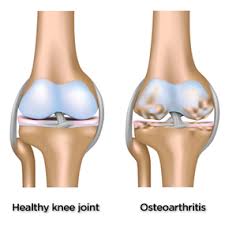
The first study compared knee injections of the steroid, triamcinolone, with saline and the injections were given every 12 weeks for 2 years. Although both groups experienced some pain relief, the difference wasn’t significant. And, the group that received triamcinolone had significantly greater cartilage volume loss than those who were injected with saline. Cartilage forms the natural cushioning layer inside our joints.

This study was published in the Journal of the American Medical Association on May 16, 2017.

The second study was reported in Univadis, a health news service I read every week, and the study was posted on Pubmed, a service of the National Health Institutes in USA. This study compared injections of sodium bicarbonate (baking soda) plus calcium gluconate, with injections of the steroid, methylprednisolone, given into the knee joint monthly for 3 months.

Although both groups showed benefit, the sodium bicarbonate/calcium group showed significantly greater improvement than the group who received the steroid injection. These results build on earlier research showing that bicarbonate/calcium injections were helpful for inflammatory joint disease, published in 2015 in BMC Musculoskeletal Disorders.

Taken together, these studies suggest that steroid injections should no longer be used to treat osteoarthritis, at least in the knee joint. Sodium bicarbonate and calcium gluconate are readily available in injectable form, are relatively inexpensive, and the second study suggests they may offer a beneficial substitute.

Sodium bicarbonate neutralizes acid, producing a more alkaline environment, and calcium acts as a buffer, also reducing acidity. So, in my mind, this begs the question: can osteoarthritis patients benefit from adjusting their diets to provide a more alkaline system? And would this help to reduce joint inflammation? Lots of health sites promote this as fact, but hard science is lacking, perhaps due to lack of funding to run proper studies.

However, the alkaline diet is a healthy one, consisting of whole fruits and vegetables, green juices and salads, beans and nuts. It is a plant-based diet that avoids added sugars, processed foods, excess meat and animal protein, and alcohol, caffeine and artificial sweeteners. Might be worth a try along with your doctor-recommended treatment – it seems highly unlikely a diet such is this could do any harm.

In fact, a diet similar to this is recommended for avoiding other chronic diseases like heart disease and diabetes so, whether or not you have arthritis, I’d recommend shifting your diet to contain more plant-based foods and less added sugar, processed food and animal protein. This brings me back to Michael Pollan’s recommendations I wrote about in an earlier blog:

  • Eat real food

  • Mostly plants, and

  • Not too much!

Simple rules to live by, and easy to follow!

Categories
Book review

Memorizing numbers can be easy

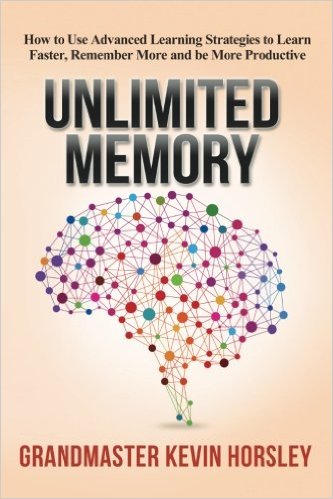
This week I want to tell you about a nifty system to remember numbers that I read about in Kevin Horsley’s book, Unlimited Memory. Here is how it works:

Each number is represented by a sound. The letters A, E, I, O, U, W, H and Y are filler letters that “don’t count” and are used to make words from the sounds that represent the sequence of digits you want to remember.

Learn the sounds that stand for each number, then create words using filler letters to form sentences or phrases you can easily remember and convert back into numbers.

Here is the list of sounds associated with each number:

0 = s, z, or soft c (think of a hissing wheel)

1 = T or d (think of the upright line in these letters)

2 = N (picture the 2 as a sideways N)

3 = M (picture the 3 as sideways M)

4 = R (a bit of a stretch, but superimpose a 4 on top of the R…)

5 = L (picture your hand with fingers together and thumb extended, forming an L …like the loser thing but with all 5 fingers)

6 = J, SH, soft CH, soft G (6 could be imagined as looking like a writing J, and the other sounds are similar)

7 = K, hard C

8 = F, V (associate the digit 8 with a hand-written curvy f)

9 = b, p (can you see the 9’s there?)

This visual version might help you remember more easily…

So, here is an example. An old phone number I once had is 506 – 458 – 0201. Using the code above, and a little imagination, I came up with “lazy Jerry – life snoozed” (no one says it has to make sense -just make it something you can remember!). With practice, you’ll be able to quickly code and decode lists of numbers you need to remember.

In summary, there are several things you can do to improve your memory.

  • Learn and use memory systems to attach new information to old memories/knowledge

  • Use senses, exaggeration, and action when using memory systems to make new knowledge more memorable

  • Eliminate blocks to improving memory: multitasking, stress, being unwilling to try

  • Review information regularly to form solid long-term memories

  • Practice techniques regularly to improve

Reference: Unlimited Memory by Kevin Horsley – an entertaining read!

If you’re interested in reading this book, it is available at Amazon.com or Amazon.ca

Categories
Book review

More ways to remember…

There are many ways to improve your memory. The Association technique… connecting new information to things you already know, like parts of your body or items in your home, as discussed last week, is only one method. I hope you had fun practicing this technique!

PEGLISTS

Creating “peglists” is another way it to store information you want to remember later. In this memory technique you use words that rhyme with a known list, such as numbers or the alphabet. For example, 1 – bun or fun, 2 – shoe or blue, 3 – tree or bee, etc. using rhyming words that will remind you of what you want to remember. You can also create a story that connects the items in a list you want to remember with the rhyming words. For example, 1 is fun, the fun you are going to have at the party tomorrow (and you want to bring a gift). With letters you have even more flexibility – you can use a rhyming word or a word that starts with the letter, alphabetical order or letters that form a word that is easy to remember.

You can also use the shapes of letters or numbers to represent items that you can then associate with creative actions that will trigger your memory. Here’s an example: 1 is like a candle; imagine it’s on a birthday cake; picture yourself lighting it, to remind you to get a cake mix. Number 2 is shaped like a swan; swans like swimming in water, so this can remind you to buy bottled water. The digit 3 looks like handcuffs and could remind you to get a key made, or sideways, number 3 looks like two bowls and could remind you to get soup mix or salad. You get the idea… Use different images to remind you of what you need to remember and add action if you can to make the memory more solid.

Although these techniques may seem like more work at the beginning, with practice they will become second nature – an easy way to make a list of items stick in your mind!

NAMES

Remembering names has never been my strong suit. Repeating names often, even if only in your mind, or writing them down can help. Try creating a file of names and “clues” to who this person is on your phone or computer to help your memory. A friend who is particularly good at remembering names, told me she often does this…it works!

Another memory technique for faces and names, is to link a feature with an image that reminds you of their name. For example, a woman named Angela who has beautiful blonde or white hair, might remind you of an angel (or angel hair pasta…). When I was in university, and wore blue jeans constantly, my friends called me Jeans – perhaps they originally did this to help remember my name, Jeannie!

You can use any association that pops into your mind – the sillier, the better – but, if it’s not complimentary to the person, don’t let on how you remembered their name so easily!

I think that’s enough to practice for another week. As Mark Spitz, winner of seven gold medals in the 1972 Olympics said, “We all love to win but how many people love to train?”. Most don’t. But training will always help you improve. Working at learning memory systems and making them habits will enable you to have a better memory.

One more memory technique to come next week…be sure to sign up on my email list so you’ll get a direct link to part 3!

Reference: Unlimited Memory by Kevin Horsley

Categories
Book review

Unlimited Memory…

You have two choices: accept the memory you were born with and believe that it cannot be changed, or decide that remembering is like a habit and can be improved with practice and training… What you believe is your choice!

Unlimited Memory”, by Kevin Horsley, documents his journey from having difficulties in school to achieving success in memory contests… by learning and practicing established memory techniques. He explains in detail the tested memory techniques he uses regularly to be able to quickly memorize lists, facts, people’s names… or anything else he wants to learn. This is a review of his book… I hope you can use these techniques to improve your memory too!

Horsley describes the “4 C’s” of improving memory:

  • Concentrate

  • Create imagery

  • Connect new information to something you already know, and

  • Continuously use memory improvement techniques so they become a habit

CONCENTRATE

You are much less likely to remember something (like where you put your keys, for example) if you do it absent-mindedly. Focussing on what you are doing will help you remember later.

Worry and conflict can occupy your mind and distract you, reducing your ability to concentrate on the present moment. Deal with your conflicts and do something positive to lessen your worries, and you may find your memory will improve.

CREATE IMAGERY

Your mind likes and remembers images and action more than words and numbers. Creating “stories” using facts you want to remember helps your brain form more solid memories that are more easily retrieved later. The more outrageous and the more action in the story, the more easily you will recall it later!

CONNECT

Associating new information with already-formed memories and lists you can easily recall, helps your brain create a storage place for the new information. Remembering the associated old memory, will help you to recall the new information you have mentally attached to it. Many memory techniques use associations like this, often linking with something as simple as numbers, the alphabet or rooms in your house.

CONTINUOUSLY PRACTICE

Like anything you want to improve, using memory techniques will become easier and more automatic if you practice them every day. Start by doing an intentional exercise each day, using one of the techniques I will describe below. Challenge yourself, for example, to memorize a list of groceries you need to pick up or errands you need to do. Bring a backup list if you think you need it, but look for real life memory exercises you can do each day.

So, here is your first memory technique:

  • Associate items you want to remember with things in a room. Let’s use items on your grocery list and make up a story about things in your kitchen:

    • Here is your list: milk, fruit, coffee, bread, flour, dish detergent, garbage bags

    • Now, create a silly story…maybe about monkeys having fun in your kitchen (did you see the movie, Jumanji?)

      • Wild monkeys invade your kitchen, open the fridge and spill milk on the floor, and throw fruit around the room from the bowl you keep next to the fridge. One is up on the counter eating a sandwich and he’s white from flour that’s been spilled on him. The coffee maker is next on the counter, and it’s been knocked over into the sink. You’ll need dish detergent and garbage bags to clean up the mess!

      • Did I cover everything on the list? When you enter the kitchen, you pass the fridge, a bowl you use for fruit, a stretch of counter, the coffee maker, then the sink, and the garbage is kept under the sink: milk, fruit, bread, flour, coffee, dish detergent, garbage bags.

  • The sillier the story and the more action it has, the easier it will be to remember – use your imagination. Associating details of the story with items in a room will help you to remember each detail. If you run out of items in one room, just move on to the next one!

Of course, no one needs to know your silly story. Just let them be impressed by how good your memory has become!

Today I wanted to remember several things to pick up at home while checking up on the work being done on our house – we were hit by lightening last Friday, so I’m having quite a week… I used my body, top to bottom, to map out my simple list: ears, eyes, body, feet, and hands to remember that I wanted to get my headset, contact lens solution, bathing suit (there’s a pool at the hotel we’re staying in!), more socks and a pair of light gloves in case I decide to do some walking in our new temporary neighbourhood! I also made a point to remember that I needed 5 things in total. It wasn’t a long list, but I’m just learning to use these techniques…trying to “continuously practice”! This is the same technique as above, but using parts of the body instead of items in a room.

Next week, I’ll share more techniques you can use to help your memory along. Meanwhile, have fun with this approach – be sure to practice every day! Click “JOIN MY MAILING LIST” if would like the link for part 2 of Unlimited Memory sent directly to your email inbox!

My American friends can order the ebook through Amazon.com HERE

and the paperback can be ordered in Canada HERE.

Note: any purchases made using the supplied links will result in me receiving a small payment, while you will pay the same price! Trying to offset some of the costs of creating this blog, Thanks!!

Categories
Health

Other reasons to “have to go”…

Frequent sudden urges to urinate that are difficult to control could be caused by Overactive Bladder Syndrome (OAB), a common condition that occurs increasingly as we age. OAB is not a disease – it’s the name used to refer to a group of non-infectious conditions with different causes that cause a sudden urge to urinate.

Another common bladder problem, called Stress Urinary Incontinence (SUI), involves leakage of urine when sneezing, laughing or doing physical activities. It is a different condition than OAB and is treated differently, but a person can have both stress incontinence and overactive bladder. I’ll discuss both of these conditions in this article… so scroll down if “laughing so hard you peed your pants” is your main complaint!

OVERACTIVE BLADDER SYNDROME (OAB)

OAB is not just a normal part of getting older, part of “being a woman” or, for men, just part of having a prostate problem. If you need to urinate urgently 8 or more times during the day, or 2 or more times during the night, talk to your doctor to determine what may be the cause. Be aware that urinary tract infections and bladder cancer can cause symptoms similar to OAB, and these should be treated as soon as possible. There are effective treatments for OAB, both medicines and non-medical treatments, that can improve your quality of life.

Symptoms of OAB can have several different causes:

  • Excess caffeine or alcohol
  • Incomplete bladder emptying, leaving less room for storage of new urine
  • Nerve disorders, such as stroke or multiple sclerosis, that affect nerve signals to the bladder
  • Diabetes, which also can cause damage to nerves
  • Mobility disorders, that make it more difficult to get to the bathroom quickly enough
  • Medications that cause a rapid increase in urine production or require high fluid intake
  • Abnormalities in the bladder, such as tumors or bladder stones
  • The specific cause may be unknown

Diagnosis:

  • A bladder diary kept for a few days before your doctor’s appointment, with the number of times you need to urinate, any urine leakage, amount and timing of fluid intake and timing of any medications you take can be helpful
  • A scan may be done or a small tube called a catheter may be inserted to determine if any residual urine remains in the bladder after urinating.
  • A urine culture may be done to ensure your symptoms are not being caused by a treatable infection.
  • A scope may be performed to eliminate other causes.

TREATMENTS

Lifestyle changes (Behaviour therapy):

  • Limit intake of food and drinks that you find irritate the bladder
  • E.g. coffee, tea, artificial sweeteners, caffeine, alcohol, carbonated drinks, citrus fruit, tomatoes, chocolate, spicy foods
  • Keeping a bladder diary for a few days may help you determine contributing causes (foods, activities, etc)
  • Double voiding
  • After urinating, wait a few seconds, relax and try again. This may be helpful if you have trouble emptying your bladder completely.
  • Delayed voiding
  • This involves waiting a few minutes before urinating, and gradually increasing the time to train the bladder to delay emptying. Check with your healthcare provider before trying this strategy, as it may not be helpful with some types of OAB.
  • Scheduled voiding
  • This involves urinating on a schedule instead of waiting until you feel the urge.
  • Exercises to relax your bladder muscle
  • These are sometimes called “quick flicks” – quickly squeezing and releasing the pelvic floor muscles (the muscles you use to hold urine in) can send a message to your nervous system and back to your bladder to stop squeezing and relax. Keeping still, relaxing and concentrating on the “quick flicks” can help the relaxation of the bladder.
  • If you have urine leakage, specialized absorbent products are available that also control odor, allowing you to participate in activities that could cause problems for you.
  • If you are overweight, losing weight may reduce symptoms
  • Excessive fluid restriction may cause urine to become concentrated and irritating to the lining of the bladder, increasing the urge to urinate.
  • Strengthening the pelvic floor muscles by doing Kegel exercises may be helpful. Click here for a description of how to do this exercise.

Medical and surgical treatments:

There are several prescription drugs available to relax the bladder muscle, and prevent it from contracting when the bladder isn’t full. These may be considered when lifestyle changes do not control the problem adequately. Common side effects include dry mouth and eyes, constipation, drowsiness and blurred vision. They are available as tablets and capsules taken by mouth, or as a gel or patch to deliver medication through the skin.

If medications don’t help, injections to partially paralyze the bladder muscle or stimulation of the sacral nerve that controls the bladder may be tried. These treatments would be performed by a specialist.

STRESS URINARY INCONTINENCE (SUI)

Stress incontinence is loss of urine due to physical movement or activities – such as coughing, sneezing, running, or heavy lifting – that put pressure or stress on your bladder. It occurs when muscles and tissues that support the bladder and the muscles that regulate the release of urine (urinary sphincter) weaken.

Risk factors include:

  • Childbirth in women, particularly forceps delivery, and hysterectomy
  • Prostate surgery in men
  • Age – muscles generally weaken as you age, but SUI is not considered a normal part of aging. It can occur at any age.
  • Body weight – being significantly overweight can increase pressure on the abdominal organs, including the bladder
  • Illness or smoking can increase coughing, worsening stress incontinence

Treatment strategies:

  • Pelvic floor muscle (Kegel) exercises (click here for a description)
  • Fluid consumption – adjusting the amount and timing of fluid intake may help, but avoid dehydration. Avoiding alcohol and caffeine is of questionable benefit.
  • Healthy changes – quitting smoking, losing extra weight, or treating a chronic cough may improve symptoms
  • Bladder training or scheduled urinating may be helpful, especially before activity.

Medications:

There are no approved medications specifically for stress incontinence, but estrogen replacement (often given as a vaginal cream, suppository or ring when being used for urinary or vaginal problems) can help some post-menopausal women by improving the health of these estrogen-responsive tissues. The medication, desmopressin, given as a nasal spray, blocks the production of urine and is sometimes used to reduce the need to urinate at night.

Surgical treatments:

  • Sling procedure – a strip of tissue or tape is surgically placed under the urethra for support
  • Bladder neck suspension – designed to lift the bladder and support it. Can be performed laparoscopically, with instruments inserted through small incisions in the abdomen.

You can read more about these medications and procedures here.

References:

#Overactivebladder #Stressincontinence #Incontinence #Urineleak

Categories
Health

Other reasons to “have to go"…

Frequent sudden urges to urinate that are difficult to control could be caused by Overactive Bladder Syndrome (OAB), a common condition that occurs increasingly as we age. OAB is not a disease – it’s the name used to refer to a group of non-infectious conditions with different causes that cause a sudden urge to urinate.

Another common bladder problem, called Stress Urinary Incontinence (SUI), involves leakage of urine when sneezing, laughing or doing physical activities. It is a different condition than OAB and is treated differently, but a person can have both stress incontinence and overactive bladder. I’ll discuss both of these conditions in this article… so scroll down if “laughing so hard you peed your pants” is your main complaint!

OVERACTIVE BLADDER SYNDROME (OAB)

OAB is not just a normal part of getting older, part of “being a woman” or, for men, just part of having a prostate problem. If you need to urinate urgently 8 or more times during the day, or 2 or more times during the night, talk to your doctor to determine what may be the cause. Be aware that urinary tract infections and bladder cancer can cause symptoms similar to OAB, and these should be treated as soon as possible. There are effective treatments for OAB, both medicines and non-medical treatments, that can improve your quality of life.

Symptoms of OAB can have several different causes:

  • Excess caffeine or alcohol

  • Incomplete bladder emptying, leaving less room for storage of new urine

  • Nerve disorders, such as stroke or multiple sclerosis, that affect nerve signals to the bladder

  • Diabetes, which also can cause damage to nerves

  • Mobility disorders, that make it more difficult to get to the bathroom quickly enough

  • Medications that cause a rapid increase in urine production or require high fluid intake

  • Abnormalities in the bladder, such as tumors or bladder stones

  • The specific cause may be unknown

Diagnosis:

  • A bladder diary kept for a few days before your doctor’s appointment, with the number of times you need to urinate, any urine leakage, amount and timing of fluid intake and timing of any medications you take can be helpful

  • A scan may be done or a small tube called a catheter may be inserted to determine if any residual urine remains in the bladder after urinating.

  • A urine culture may be done to ensure your symptoms are not being caused by a treatable infection.

  • A scope may be performed to eliminate other causes.

TREATMENTS

Lifestyle changes (Behaviour therapy):

  • Limit intake of food and drinks that you find irritate the bladder

    • E.g. coffee, tea, artificial sweeteners, caffeine, alcohol, carbonated drinks, citrus fruit, tomatoes, chocolate, spicy foods

  • Keeping a bladder diary for a few days may help you determine contributing causes (foods, activities, etc)

  • Double voiding

    • After urinating, wait a few seconds, relax and try again. This may be helpful if you have trouble emptying your bladder completely.

  • Delayed voiding

    • This involves waiting a few minutes before urinating, and gradually increasing the time to train the bladder to delay emptying. Check with your healthcare provider before trying this strategy, as it may not be helpful with some types of OAB.

  • Scheduled voiding

    • This involves urinating on a schedule instead of waiting until you feel the urge.

  • Exercises to relax your bladder muscle

    • These are sometimes called “quick flicks” – quickly squeezing and releasing the pelvic floor muscles (the muscles you use to hold urine in) can send a message to your nervous system and back to your bladder to stop squeezing and relax. Keeping still, relaxing and concentrating on the “quick flicks” can help the relaxation of the bladder.

  • If you have urine leakage, specialized absorbent products are available that also control odor, allowing you to participate in activities that could cause problems for you.

  • If you are overweight, losing weight may reduce symptoms

  • Excessive fluid restriction may cause urine to become concentrated and irritating to the lining of the bladder, increasing the urge to urinate.

  • Strengthening the pelvic floor muscles by doing Kegel exercises may be helpful. Click here for a description of how to do this exercise.

Medical and surgical treatments:

There are several prescription drugs available to relax the bladder muscle, and prevent it from contracting when the bladder isn’t full. These may be considered when lifestyle changes do not control the problem adequately. Common side effects include dry mouth and eyes, constipation, drowsiness and blurred vision. They are available as tablets and capsules taken by mouth, or as a gel or patch to deliver medication through the skin.

If medications don’t help, injections to partially paralyze the bladder muscle or stimulation of the sacral nerve that controls the bladder may be tried. These treatments would be performed by a specialist.

STRESS URINARY INCONTINENCE (SUI)

Stress incontinence is loss of urine due to physical movement or activities – such as coughing, sneezing, running, or heavy lifting – that put pressure or stress on your bladder. It occurs when muscles and tissues that support the bladder and the muscles that regulate the release of urine (urinary sphincter) weaken.

Risk factors include:

  • Childbirth in women, particularly forceps delivery, and hysterectomy

  • Prostate surgery in men

  • Age – muscles generally weaken as you age, but SUI is not considered a normal part of aging. It can occur at any age.

  • Body weight – being significantly overweight can increase pressure on the abdominal organs, including the bladder

  • Illness or smoking can increase coughing, worsening stress incontinence

Treatment strategies:

  • Pelvic floor muscle (Kegel) exercises (click here for a description)

  • Fluid consumption – adjusting the amount and timing of fluid intake may help, but avoid dehydration. Avoiding alcohol and caffeine is of questionable benefit.

  • Healthy changes – quitting smoking, losing extra weight, or treating a chronic cough may improve symptoms

  • Bladder training or scheduled urinating may be helpful, especially before activity.

Medications:

There are no approved medications specifically for stress incontinence, but estrogen replacement (often given as a vaginal cream, suppository or ring when being used for urinary or vaginal problems) can help some post-menopausal women by improving the health of these estrogen-responsive tissues. The medication, desmopressin, given as a nasal spray, blocks the production of urine and is sometimes used to reduce the need to urinate at night.

Surgical treatments:

  • Sling procedure – a strip of tissue or tape is surgically placed under the urethra for support

  • Bladder neck suspension – designed to lift the bladder and support it. Can be performed laparoscopically, with instruments inserted through small incisions in the abdomen.

You can read more about these medications and procedures here.

References:

Categories
Health

Have to pee a lot?

You may have a condition called Interstitial Cystitis (IC), also known as Painful Bladder Syndrome (PBS), Bladder Pain Syndrome (BPS) or chronic pelvic pain…

Interstitial Cystitis, often referred to as IC, is a chronic condition that is associated with recurring pelvic pain, pressure or discomfort in the bladder and pelvic area. Most people with IC also have urinary frequency (needing to go often) and urgency (feeling a strong need to go).

IC affects 4 to 12 million people in USA. It is 4 times more common in women and more frequently diagnosed in those over age 30, but can also affect men and children. Having fair skin and red hair, or being diagnosed with another chronic pain disorder (like irritable bowel syndrome or fibromyalgia) have been associated with a greater risk of developing IC.

Although symptoms often feel like a bladder infection, no infection is present. The cause in unknown, but is thought to be associated with the nervous or immune systems – possibly an autoimmune reaction, heredity, previous infection or allergy.

IC is associated with a defect in the lining of the bladder that allows irritating substances in urine to leak into the bladder wall, but it is not known whether this is a cause or an effect of IC.

No cure is available, but there are several treatments that can give relief. Some treatments work better than others in different individuals, and some believe this is due to the existence of different subtypes of IC. 90% have non-ulcerative IC, with pinpoint hemorrhages in the endometrium, or lining of the bladder, known as “glomerulations” (also present in any inflammation of the bladder), and 5 to 10% have ulcerative IC with red, bleeding areas on the bladder wall known as “Hunner’s Ulcers”.

TREATMENTS

  • Physical therapy may help relieve pain or muscle abnormalities of the pelvic floor muscles that support the bladder.

  • Non-steroidal anti-inflammatory drugs (NSAIDS), such as ibuprofen (Advil, Motrin) or naproxen sodium (Aleve) can relieve pain.

  • Tricyclic antidepressants, such as amitriptyline (Elavil) or imipramine (Tofranil), can help relax the bladder and block pain.

  • Antihistamines, such as loratadine (Claritin) or cetirizine (Reactine), may reduce urgency and frequency, and other symptoms.

  • Pentosan polysulfate sodium (Elmiron) is a prescription drug approved specifically for treating IC. Exactly how it works is unknown, but it may restore the inner surface of the bladder, protecting the bladder wall from irritating substances in urine. It can take 2 to 4 months for pain relief and up to 6 months to reduce urinary frequency.

  • TENS (transcutaneous electrical nerve stimulation) is a small portable device that delivers mild electrical pulses. It can relieve pain, strengthen muscles that support and control the bladder, and may increase blood flow to the bladder. In some cases, it can reduce urinary frequency.

  • Sacral nerve stimulation is achieved by placing a thin wire near the sacral nerves between the spinal cord and the bladder to deliver mild electrical impulses. The sacral nerves control the bladder and stimulating them will sometimes reduce urgency associated with IC. If successful, a permanent device can be implanted.

  • Bladder distension – Stretching the bladder by inserting a catheter (a thin flexible tube) into the bladder through the urethra (the opening through which urination occurs) and filling the bladder with water can give some people temporary improvement in symptoms. This procedure is called a bladder instillation, and can be repeated, as necessary.

    • Other solutions can also be instilled, such as DMSO (dimethyl sulfoxide or brand name Rimso-50), or a sterile solution containing lidocaine (an anesthetic), sodium bicarbonate (baking soda) and pentosan or heparin.

ALTERNATIVE MEDICINE

Two alternative therapies have shown promise in treating IC:

  • Guided imagery – uses visualization and direct suggestions using imagery to help imagine healing, encouraging the mind to help direct the immune system.

  • Acupuncture – several thin needles are placed in the skin at specific points to relieve pain. Chinese medicine describes acupuncture as rebalancing the flow of life energy, while western medical practitioners believe it boosts release and activity of endorphins, the body’s natural painkillers.

If you are experiencing symptoms that suggest you may have IC, see your doctor for an assessment. Keep a bladder diary for a few days before your appointment to record:

  • your symptoms

  • how often you urinate

  • what kinds of fluid you drink

  • any medications or supplements you take

Interstitial cystitis is a debilitating condition that can negatively affect a person’s quality of life. Although no cure has yet been found, there are several different treatments that can reduce your symptoms and make this condition more manageable.

References: www.mayoclinic.org ; www.ichelp.org

Categories
Health

Chocolate lovers alert!

For years, we’ve been reading articles that suggest chocolate has a healthy side. It seems that the evidence is growing from studies around the world…

In Japan

A Japanese study followed diets of over 84,000 healthy men and women ages 44-76 for approximately 13 years. It found that regular chocolate consumption reduced risk of stroke overall by about 10% (when adjusted for other factors that influence stroke risk).

But, the risk for stroke was reduced more in women than in men, with 16% lower risk of stroke compared to a non-significant 6% reduction in men. Researchers could not explain the reason for this difference, and recommended further research to explain their findings.

In Sweden

Another study, done in Sweden, followed 37,000 men for about 10 years. These researchers found that regular high chocolate consumption (approximately 62 grams per week) was associated with a 17% lower risk of stroke, compared to no chocolate consumption.

A “meta-analysis” combining data from 5 similar studies, also conducted in Sweden, found a 19% reduced risk of stroke between those with the highest and lowest chocolate intakes. This group also identified a 13% reduction in myocardial infarction (heart attack) in those who consumed 3 to 4 servings or more per week of chocolate.

In USA

The Physicians’ Health Study followed 20,000 men, average age 66 years, for about 9 years. Their data suggested that moderate chocolate consumption might be associated with a lower risk of heart failure, with the reduction for eating chocolate 1-3 times a week being slightly better than 5 or more times per week. Improvement with chocolate held for those with lower body weight (BMI less than 25) but not for those who were heavier.

When chocolate intake is compared to diabetes risk, I would not have expected any benefit, since chocolate is sweet and sold as candy. However, I was surprised to read that the Physicians’ Health Study found the opposite: among those with a healthy weight and without a history of heart disease, intake of chocolate twice weekly or more (amount not indicated) reduced the risk of developing diabetes by 17%. They indicated that this correlation only applied in younger men of normal weight, after adjusting the numbers for lifestyle and total energy consumption. Sounds like the extra calories in the chocolate outweigh the benefits, once a person has diabetes or is overweight…

As an aside, I was astounded that many of these studies included only men… and therefore truly only apply to half the population. However, given that the first study I discussed found better results for women who consumed chocolate, it seems likely that the results of the other studies would apply to women as well.

The reductions in risk were not huge numbers but, the way I look at it, if you have a healthy lifestyle and diet, a little chocolate from time to time is a nice treat that won’t harm your health and might actually reduce your risk of heart disease, stroke and even diabetes!

So, go ahead and enjoy a modest amount of chocolate 2 or 3 times a week as part of a healthy diet, and don’t feel guilty… (but better to avoid it if you have diabetes or are working to reach a healthier weight).

References: Atherosclerosis, 2017 Mar 4;260:8-12

Neurology 2012 Sep 18;79(12):1223-9

Am J Clin Nutr 2015 Feb;101(2):312-7

Eur J Heart Fail 2014 Dec;16(12):1372-6

Categories
Health

Could diabetes cause Alzheimer's?

Diabetes increases your risk of heart disease, stroke, and damage to blood vessels and nerves, but did you know that studies suggest it may also increase your risk of eventually developing Alzheimer’s disease and other forms of dementia?

And the damage to your brain may even start before you have diabetes…

Type 2 diabetes begins with spikes in levels of sugar in the blood, which trigger your body to produce higher amounts of insulin to process this sugar. At first the higher amounts of insulin can reduce blood sugar to normal (this stage is referred to as pre-diabetes) but eventually, as your body becomes increasingly resistant to the effect of insulin, blood sugar can no longer be controlled at normal levels, and you are diagnosed with diabetes.

Research is suggesting that these increased levels of insulin begin the process of damaging the inside of blood vessels and, in the brain, also stimulate formation of toxic proteins that damage brain cells. Researchers have discovered that the same protein that is formed in Alzheimer’s patients’ brains, is found in the brains of people with type 2 diabetes (T2D). T2D patients often experience a sharp decline in cognitive function and almost 70% of them eventually develop signs of Alzheimer’s or another dementia, according to http://www.alzheimers.net.

Melissa Schilling, professor at NYU, suggests that all patients with dementia or who are at risk of developing dementia should be tested for hyperinsulinemia (high insulin in the blood). She suggests that high insulin could be responsible for almost half of all cases of dementia. However, she recommends that further research needs to be done to verify her arguments and implications for treating Alzheimer’s. Her article: Unraveling Alzheimer’s: Making Sense of the Relationship between Diabetes and Alzheimer’s Disease was published in the Journal of Alzheimer’s disease in Jan 2016. Click here for the full text.

Research points to the protein, amylin, that is co-secreted with insulin and, along with the beta-amyloid protein, it is thought to be important in the formation of amyloid plaques found in the brains of Alzheimer’s patients.

Another possibly important factor, may be levels of insulin-degrading enzyme (IDE), the enzyme that breaks down insulin, reducing levels once it’s finished its job. The presence of insulin stimulates increased activity of IDE, the enzyme that breaks down insulin. Lower insulin leads to less activity of this enzyme. IDE also breaks down amyloid proteins, but it favours breakdown of insulin.

It may be an imbalance between IDE, insulin and amyloid-beta production that ultimately is shown to be a major cause of dementia. Here are 4 suggested scenarios:

  • Severe lack of insulin (as in type 1, insulin dependant diabetes), could lead to less IDE activity, and subsequent decrease in breakdown of amyloid proteins that create plaques in the brains of dementia patients.

  • Lack of production of IDE itself would lead to increased levels of both insulin and beta-amyloid

  • Excessively high levels of insulin (and amylin, secreted along with it) in early stages of type 2 diabetes could lead to competition for insulin-degrading enzyme between insulin and amyloid. Since the enzyme favours insulin, this would result in less breakdown of amyloid and increased amounts available for formation of plaque in the brain

  • An individual could produce higher than normal amounts of amyloid proteins that outpace the ability of IDE to break it down.

You can see how both a lack of insulin and too much insulin could be a cause of dementias. Too little insulin-degrading enzyme or increased production of amyloid proteins could cause problems in people with normal production of insulin. These confusing scenarios could explain why researchers have not yet determined the causal relationship between diabetes and Alzheimer’s, despite reporting on the connection as far back as 2003!

This type of research is especially important, as the drugs currently available to treat Alzheimer’s offer only small improvements in symptoms and do not stop the progression of the disease, in spite of their high cost.

So, ask your doctor to screen for early signs of diabetes and aggressively treat it when discovered to keep your insulin levels in the normal range. Eat a healthy diet and exercise regularly, as these are also known to lower the risk of developing diabetes. It seems likely that these strategies will lower your chances of developing dementia years down the road.

References: MayoClinic.org; Alzheimers.net

Categories
Health

Could diabetes cause Alzheimer’s?

Diabetes increases your risk of heart disease, stroke, and damage to blood vessels and nerves, but did you know that studies suggest it may also increase your risk of eventually developing Alzheimer’s disease and other forms of dementia?

And the damage to your brain may even start before you have diabetes…

Type 2 diabetes begins with spikes in levels of sugar in the blood, which trigger your body to produce higher amounts of insulin to process this sugar. At first the higher amounts of insulin can reduce blood sugar to normal (this stage is referred to as pre-diabetes) but eventually, as your body becomes increasingly resistant to the effect of insulin, blood sugar can no longer be controlled at normal levels, and you are diagnosed with diabetes.

Research is suggesting that these increased levels of insulin begin the process of damaging the inside of blood vessels and, in the brain, also stimulate formation of toxic proteins that damage brain cells. Researchers have discovered that the same protein that is formed in Alzheimer’s patients’ brains, is found in the brains of people with type 2 diabetes (T2D). T2D patients often experience a sharp decline in cognitive function and almost 70% of them eventually develop signs of Alzheimer’s or another dementia, according to http://www.alzheimers.net.

Melissa Schilling, professor at NYU, suggests that all patients with dementia or who are at risk of developing dementia should be tested for hyperinsulinemia (high insulin in the blood). She suggests that high insulin could be responsible for almost half of all cases of dementia. However, she recommends that further research needs to be done to verify her arguments and implications for treating Alzheimer’s. Her article: Unraveling Alzheimer’s: Making Sense of the Relationship between Diabetes and Alzheimer’s Disease was published in the Journal of Alzheimer’s disease in Jan 2016. Click here for the full text.

Research points to the protein, amylin, that is co-secreted with insulin and, along with the beta-amyloid protein, it is thought to be important in the formation of amyloid plaques found in the brains of Alzheimer’s patients.

Another possibly important factor, may be levels of insulin-degrading enzyme (IDE), the enzyme that breaks down insulin, reducing levels once it’s finished its job. The presence of insulin stimulates increased activity of IDE, the enzyme that breaks down insulin. Lower insulin leads to less activity of this enzyme. IDE also breaks down amyloid proteins, but it favours breakdown of insulin.

It may be an imbalance between IDE, insulin and amyloid-beta production that ultimately is shown to be a major cause of dementia. Here are 4 suggested scenarios:

  • Severe lack of insulin (as in type 1, insulin dependant diabetes), could lead to less IDE activity, and subsequent decrease in breakdown of amyloid proteins that create plaques in the brains of dementia patients.
  • Lack of production of IDE itself would lead to increased levels of both insulin and beta-amyloid
  • Excessively high levels of insulin (and amylin, secreted along with it) in early stages of type 2 diabetes could lead to competition for insulin-degrading enzyme between insulin and amyloid. Since the enzyme favours insulin, this would result in less breakdown of amyloid and increased amounts available for formation of plaque in the brain
  • An individual could produce higher than normal amounts of amyloid proteins that outpace the ability of IDE to break it down.

You can see how both a lack of insulin and too much insulin could be a cause of dementias. Too little insulin-degrading enzyme or increased production of amyloid proteins could cause problems in people with normal production of insulin. These confusing scenarios could explain why researchers have not yet determined the causal relationship between diabetes and Alzheimer’s, despite reporting on the connection as far back as 2003!

This type of research is especially important, as the drugs currently available to treat Alzheimer’s offer only small improvements in symptoms and do not stop the progression of the disease, in spite of their high cost.

So, ask your doctor to screen for early signs of diabetes and aggressively treat it when discovered to keep your insulin levels in the normal range. Eat a healthy diet and exercise regularly, as these are also known to lower the risk of developing diabetes. It seems likely that these strategies will lower your chances of developing dementia years down the road.

References: MayoClinic.org; Alzheimers.net

#Alzheimers #Diabetes