Categories
Uncategorized

Is it Alzheimer’s, Parkinson’s or NPH?

NPH, Normal Pressure Hydrocephalus, is a brain disease that is often misdiagnosed because it mimics other brain conditions. This can result in patients waiting years to receive a treatment that could give them significant improvement… or never receiving it at all.

It is estimated that 15,000 Canadians and 700,000 Americans have NPH but less than 20% are diagnosed correctly. Instead, they are diagnosed with Alzheimer’s or Parkinson’s Disease, or just old age.

“Hydrocephalus” means increased water or fluid in the brain. This condition can also occur in children, but they usually have increased pressure in the brain while adults with the condition have pressure that fluctuates from normal to elevated. It is treated by surgically inserting a shunt to drain fluid from the brain and spinal cord (called cerebrospinal fluid) into another part of the body.

Adults produce 500 ml (2 cups) of cerebrospinal fluid each day. This fluid supports and cushions the brain, removes waste and distributes important substances. When its circulation is blocked, fluid accumulates, causing the cavities within the brain (called ventricles) to enlarge, pressing on parts of the brain and causing malfunction. The type of malfunction would depend on which area was receiving pressure.

Symptoms

The adult version of the disease, Normal Pressure Hydrocephalus, was named before newer forms of brain monitoring showed that pressure could be high as well as normal, but the name stuck even though it isn’t quite accurate. NPH most commonly occurs in adults over age 60. Symptoms include:

  • Difficulty standing and walking, a shuffling gait

  • Impaired bladder control

  • Memory problems and lack of concentration

It is not necessary to have all 3 symptoms to be diagnosed with NPH. In many cases, physical symptoms appear first, followed by mental symptoms like forgetfulness.

Cause

Most cases of NPH are “idiopathic”, which means the cause is unknown. This is also referred to as “primary NPH”. There is also “secondary NPH” that is caused by another condition, such as head injury, brain surgery, subarachnoid hemorrhage (bleeding in the brain), tumors, cysts (closed, sac-like abnormal structures that contain fluid, air or a semisolid substance), meningitis or other brain infections.

Symptoms progress with time. The longer and more severe the symptoms, the less likely treatment will be successful, but some patients with symptoms for years can improve with treatment. One study found that 87% of those treated had experienced improvement.

How is it diagnosed?

Often the affected person or a family member brings the symptoms to the attention of the family doctor, leading to a diagnosis. Sometimes enlarged ventricles (fluid-filled spaces) in the brain are found when the brain is scanned for another reason. It is recommended to see a neurologist or neurosurgeon if NPH is suspected for an evaluation and interpretation of test results.

3 types of testing can be used:

  1. An interview, physical exam (to rule out other causes) and a neurologic exam to assess brain function

    1. Observation of walking and turning

    2. Questions about bladder function

    3. Pencil and paper tests to examine attention, reaction time, memory, reasoning, language and emotional state).

  2. Brain imaging to look for enlarged ventricles in the brain

    1. CT scan

    2. MRI (can detect impaired fluid flow as well as enlarged ventricles)

  3. Tests to predict whether surgery will help

    1. Lumbar puncture/spinal tap (A thin needle is inserted into the fluid around the base of the spine in the lower back. Pressure can be tested and up to 50 ml of fluid is drained off to see if lowering fluid pressure will improve symptoms)

Because of the high rate of misdiagnosis, the Hydrocephalus Association is conducting a campaign to inform doctors and the public about NPH. Check out their website — it’s a good place to start, if you are interested in more information.

References:
CTV News

The Hydrocephalus Association

Categories
Health

Old Drugs, New Research

I’ve blogged previously about antidepressant medications which, while helpful for some with severe depression, are not as effective as we would like. One physician/author compared them to non-drug therapies that were equally effective but take longer to kick in. His well-referenced article was published in the Canadian journal, Pharmacy Practice. Here’s a link to that blog, in case you missed it.

But I’ve been reading about new research into some old medications that were being studied for use in those with mental illness in the 50s and 60s but set aside due to concerns about recreational misuse of the drugs. I’m talking about LSD (lysergic acid diethylamide) and psilocybin (also known as magic mushrooms). I was so surprised to learn these Psychedelic drugs had been studied in the past and were being studied again for treating mental health issues that I had to read more about them. In pharmacy school, these drugs were only discussed as drugs of abuse. I had no idea they might be useful medications. As in many other professions, the history of psychedelic medication studies for therapeutic uses had been erased, never to be mentioned.

“How to Change Your Mind” is a newly published book by investigative reporter, Michael Pollan, that shares information gathered from many interviews with researchers, therapists and people who have used the psychedelic drugs: LSD, psilocybin, mescaline, peyote and others. The word, “Psychedelic”, by the way is Latin for “mind manifesting”. Some of these drugs have a long history of ceremonial or religious use in many different cultures.

LSD is a synthetic drug, originally created in 1938 by researcher, Albert Hofmann, who was working for the Sandoz pharmaceutical company, but he only began testing its effects in 1943. The drug’s structure and actions were so unusual he didn’t know what to do with it. So, the company provided it for free to anyone who was able and willing to perform research with it from the date it was released under the brand name, Delysid, in 1947 until they stopped production in 1965. The withdrawal occurred in response to the drug being declared illegal by the US government due to its widespread recreational use – the “hippie” culture.

Although a small amount of research continued underground, it began again slowly after 2010, mainly as small quiet projects and efforts to recover information from past studies. In 2016 and 2017, larger studies in US and UK were officially sanctioned. Old research results were unearthed from archives and added to the knowledge bases that were being developed. Because of the baggage attached to LSD from its history of past abuse, the new studies mostly used psilocybin, the active ingredient in magic mushrooms.

Treatment with psychedelic drugs has been found to have positive effects on depression, anxiety, PTSD (post-traumatic stress disorder), palliative care (fear of dying), alcoholism and compulsive behaviours. However, it is not the effect of the drug itself, but the experience the person has while on the “trip” the drug produces that changes their behaviour. The same results can be achieved by any of the psychedelic drugs (in sufficient dose), by deep meditation (by an experienced meditator) or by the experience of profound awe (for example, as described by an early astronaut, when he first saw the earth from space). Experiments were also performed on healthy people – artists, musicians, writers – to see if it would enhance their creativity or improve their outlook on life.

Treatments results are described as being highly influenced by what is suggested before the drug is given, the mindset of the person and the setting in which is it given. A trained guide prepares the patient beforehand, stays with them during the time the drug is active in their system, and meets with them afterward to help interpret what they experienced. As such, the treatment is really a combination of medication and counselling, not just a drug treatment alone. This is different from standard drug treatments. Some refer to the therapy as drug-assisted psychotherapy.

So, the challenge in testing these drugs is that it’s not simply the drug effect, but the experience the person has while under its influence that makes the treatment effective. This makes it much more difficult to perform the standard studies used in Western medicine, where a drug is compared with a placebo (sugar pill) to determine how well it works.

The dosing is also much different: when the drug is successfully given once, the effect may last 6 months, a year or longer. Occasionally, only needed a single treatment is needed. People will often describe the “trip” experienced while the drug in active in their system as the most profound experience of their lives. One woman, when asked what she experienced, said she learned that “love was everything”. When the guide then asked what else she learned, she said “no you don’t understand; love is EVERYthing”. That sounds so much like the hippie movement of the 60s – “love is all you need” – when LSD was popular with the counterculture. It seems this is a common sentiment after a successful “trip” on a psychedelic drug.

Two common themes described by volunteers for the treatment were reconnecting with their feelings, core beliefs, values and with others and nature; and a new access to difficult emotions that depression blunts or shuts down completely.

Depression currently affects almost 1 in 10 in North America and is a leading cause of disability worldwide. There are over 42,000 suicides in US every year, more than deaths from either breast cancer or car accidents. Half of these have never received mental health treatment. Experts are describing the mental health treatment system as “broken”. (see reference, below)

Studies are currently being conducted at Johns Hopkins, New York University, Heffter Research Institute and others in US as well as centers in other countries. Research includes addiction treatment, benefits to patients with cancer, treatment-resistant depression. There is also some research in healthy volunteers to learn how the drug works in the brain and how it affects attention, perception and cognition. While it may be years until this therapy is proven safe and effective and becomes an accepted treatment for medical use, it is exciting to watch the development of what may be a significant break-through in treatment for mental illnesses.

References:

How to Change Your Mind, Michael Pollan

Multidisciplinary Association for Psychedelic Studies

ClinicalTrials.gov

Categories
Health

It's OK to Complain…especially when you're sick!

How are you?

Sometimes the polite answer to “How are you?” isn’t the one you should give – if it’s your doctor or a concerned family member who is asking. My mom, never one to complain, would always answer “Fine, thank you” whether she was feeling well or not. In later years, after the onset of rheumatoid arthritis when she really wasn’t feeling well at all, her answer changed to “Not too bad, thanks”. For her, I believe this probably led to a delay in treatment.

Many people will say they’re fine when they really aren’t – not wanting to be seen as a complainer – but there’s a way to say you’re not at your best without being whiny and to ask for help when you need it. Yesterday, at the milk cooler in the grocery store, an elderly woman asked if I might pass her a quart of milk – it was on the top shelf and I could see, from the way she was using the grocery cart for support, that she had some physical disabilities. Shoulder arthritis may have been one, balance might have been another. I was happy to help her out.

Staying composed

Our society values composure, especially in women. Being poised, regardless of the situation, is considered a virtue, a talent. At the opposite end of the spectrum, simply pouring out emotions with the goal of “purging” may not be the answer either. I think something between, expressing emotions or discussing problems with a trusted person, is a better plan especially when the goal is to work out a solution or at least a next step to take. Depending on the nature of the health problem, this person could be a sympathetic friend, family member or a healthcare professional.

Stress and muscles

Holding in emotions can actually affect your health. Hilary Jacobs Hendel, author of It’s Not Always Depression, describes how we change our breathing and contract certain muscles when we suppress emotions. Tension headaches are a result of spasms of muscles in the scalp, and many problems with back pain originate with muscle spasms along the spine or in the hip muscles. Dr. John Sarno, a rehab specialist physician in New York (now retired), has written extensively about the association between stress and back pain. He has noted that many of his patients would improve once they realized the likely origin of their back pain, especially when no structural cause could be found. He has suggested that the brain shunts blood away from an area of the body, creating pain and spasms, to distract us from the stress or emotion we want to suppress. Certainly an interesting explanation!

I’ve noticed that I carry my tension in my shoulders – usually I don’t even notice I’m tightening my shoulder muscles until they become achy and painful. The body systems that our subconscious brain chooses to block when we’re stressed vary from person to person, resulting in back or shoulder pain for some, headaches, or digestive problems for others. But even when the pain originates with an emotion, the pain is real and can be extreme.

And more…

Suppressing emotions can also cause other problems. Hendel says “Learning to be extremely composed meant we had to suppress natural, primal emotions, and blocking core emotions over time contributes to symptoms of anxiety, depression, and even addiction.” We can probably add cardiovascular disease, inflammatory diseases and maybe cancer and others to that list. Often, women choose composure and suppression of emotions rather than risk being labelled hysterical (note that “hyster” refers to anything concerning the uterus…). Generations ago, women’s emotions were thought to be associated with their hormonal cycle, hence the term “hysterical” – blame it all on the uterus! She notes that women in particular are at risk of feeling pressured not to express their pain, and observed in her 2001 study that women are more likely to have pain dismissed even by healthcare professionals as “emotional” or “psychogenic” (created by the mind) and, therefore, “not real.”

None of us are fine all the time. The harm to our health occurs when we keep up a stoic front, a “stiff upper lip”, and don’t seek the help we need for physical or emotional difficulties soon enough. The idea that you can and should distinguish between things you can control and those you cannot is a powerful way to cope when you really aren’t fine. Working on things you can change and getting help, when necessary, with those you cannot is a solid strategy to gain control of your life and help prevent stress-related illnesses.

References:

When Staying Composed Harms Your Health – Medium.com

It’s Not Always Depression – Hilary Jacobe Hendel

Healing Back Pain – Dr. John Sarno

Categories
Health

It’s OK to Complain…especially when you’re sick!

How are you?

Sometimes the polite answer to “How are you?” isn’t the one you should give – if it’s your doctor or a concerned family member who is asking. My mom, never one to complain, would always answer “Fine, thank you” whether she was feeling well or not. In later years, after the onset of rheumatoid arthritis when she really wasn’t feeling well at all, her answer changed to “Not too bad, thanks”. For her, I believe this probably led to a delay in treatment.

Many people will say they’re fine when they really aren’t – not wanting to be seen as a complainer – but there’s a way to say you’re not at your best without being whiny and to ask for help when you need it. Yesterday, at the milk cooler in the grocery store, an elderly woman asked if I might pass her a quart of milk – it was on the top shelf and I could see, from the way she was using the grocery cart for support, that she had some physical disabilities. Shoulder arthritis may have been one, balance might have been another. I was happy to help her out.

Staying composed

Our society values composure, especially in women. Being poised, regardless of the situation, is considered a virtue, a talent. At the opposite end of the spectrum, simply pouring out emotions with the goal of “purging” may not be the answer either. I think something between, expressing emotions or discussing problems with a trusted person, is a better plan especially when the goal is to work out a solution or at least a next step to take. Depending on the nature of the health problem, this person could be a sympathetic friend, family member or a healthcare professional.

Stress and muscles

Holding in emotions can actually affect your health. Hilary Jacobs Hendel, author of It’s Not Always Depression, describes how we change our breathing and contract certain muscles when we suppress emotions. Tension headaches are a result of spasms of muscles in the scalp, and many problems with back pain originate with muscle spasms along the spine or in the hip muscles. Dr. John Sarno, a rehab specialist physician in New York (now retired), has written extensively about the association between stress and back pain. He has noted that many of his patients would improve once they realized the likely origin of their back pain, especially when no structural cause could be found. He has suggested that the brain shunts blood away from an area of the body, creating pain and spasms, to distract us from the stress or emotion we want to suppress. Certainly an interesting explanation!

I’ve noticed that I carry my tension in my shoulders – usually I don’t even notice I’m tightening my shoulder muscles until they become achy and painful. The body systems that our subconscious brain chooses to block when we’re stressed vary from person to person, resulting in back or shoulder pain for some, headaches, or digestive problems for others. But even when the pain originates with an emotion, the pain is real and can be extreme.

And more…

Suppressing emotions can also cause other problems. Hendel says “Learning to be extremely composed meant we had to suppress natural, primal emotions, and blocking core emotions over time contributes to symptoms of anxiety, depression, and even addiction.” We can probably add cardiovascular disease, inflammatory diseases and maybe cancer and others to that list. Often, women choose composure and suppression of emotions rather than risk being labelled hysterical (note that “hyster” refers to anything concerning the uterus…). Generations ago, women’s emotions were thought to be associated with their hormonal cycle, hence the term “hysterical” – blame it all on the uterus! She notes that women in particular are at risk of feeling pressured not to express their pain, and observed in her 2001 study that women are more likely to have pain dismissed even by healthcare professionals as “emotional” or “psychogenic” (created by the mind) and, therefore, “not real.”

None of us are fine all the time. The harm to our health occurs when we keep up a stoic front, a “stiff upper lip”, and don’t seek the help we need for physical or emotional difficulties soon enough. The idea that you can and should distinguish between things you can control and those you cannot is a powerful way to cope when you really aren’t fine. Working on things you can change and getting help, when necessary, with those you cannot is a solid strategy to gain control of your life and help prevent stress-related illnesses.

References:

When Staying Composed Harms Your Health – Medium.com

It’s Not Always Depression – Hilary Jacobe Hendel

Healing Back Pain – Dr. John Sarno

#Wellness #Womensissues

Categories
Uncategorized

It's Bug Season!

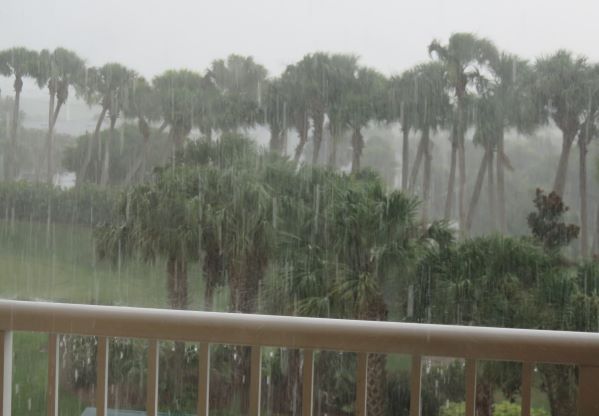
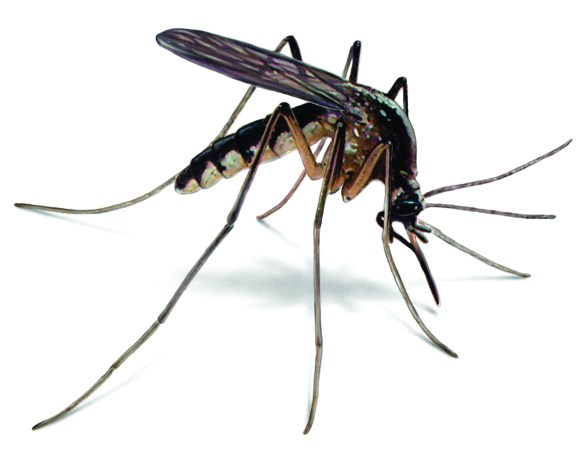
‘Tis the season for biting insects. This spring was wetter than usual, and that usually means more puddles for insects to breed in and more insects to spoil your enjoyment of the great outdoors!

Important reasons to avoid bug bites

Most insect bites are just a nuisance, but some insects can transmit diseases. Mosquitos in some parts of the world can carry Zika virus, Dengue fever or malaria. Check travel sites for information on the area you plan to visit, especially if an expectant mother: Government of Canada; USA Centers for Disease Control (see Zika Virus Travel Information section).

Lyme disease is carried by common ticks that are generally found in long grassy areas, especially those frequented by deer who carry ticks. Tick bites can be avoided by wearing long sleeved shirts and pants, tucking in shirt-tales and pulling socks up over pants. Light-coloured clothing helps you to see any ticks that have latched onto you. It is also recommended to shower 1 to 2 hours after a nature outing and to check skin carefully for ticks, especially in folds of skin and even your bellybutton where they may be hiding! Brush your pet before he comes indoors too and check carefully to be sure he hasn’t picked up a tick either. Read my previous blog, Tick Talk, for more information about avoiding and treating tick bites. Note that Lyme disease is now being detected in Canada as well as many parts of US.

How to avoid insect bites

Here’s what Dermatologists suggest to avoid insect bites:

  • Use an insect repellant containing 20-30% DEET. Apply it to clothing and all exposed skin. Reapply as directed on label.

  • If also using sunscreen, apply it first and let it dry before applying insect repellant. Do not use combination sunscreen/insect repellant: sunscreen should be applied liberally and often and this could result in application of too much insect repellant.

  • As mentioned above, wear long sleeves and pants, and tuck shirt-tails into pants and pant bottoms into socks, especially if walking in long grass where insects like to hang out. Insects tend to be attracted to darker colours, so wearing light coloured clothing may help.

  • Have bed nets available to protect you while you sleep. A net can also keep that one elusive mosquito you can’t catch away from you, so it won’t keep you up all night! If the net isn’t long enough to reach the floor, tuck it under the mattress to make sure there are no gaps.

Treating bites

If all the above fails (and it’s quite likely it will on some occasion), here’s what you can do:

  • If it’s a painful bite (like a bee or wasp), take Acetaminophen (Tylenol) or Ibuprofen (Advil, Motrin) as directed on the label.

  • Apply an ice pack for 10 minutes. This can help for painful or itchy bites.

  • Apply Calamine lotion or Hydrocortisone Cream, available at pharmacies.

  • If you have a lot of bites, try a quick-acting antihistamine, like Reactine or Benadryl. Be sure to follow the directions on the label. Note that Benadryl causes drowsiness.

  • If you develop a rash, fever or body aches, see your doctor. Tell him/her about the insect bite you received. If bitten by a tick, remove it carefully with tweezers and store it in a ziplock bag or in a fold of clear tape for a couple of weeks. If you feel unwell within a week or two, your doctor may want to test the tick for Lyme disease bacteria.

My other bit of advice is that insects generally don’t like wind, so pick a windy area to relax in or create your own wind with a strong fan. Planting some citronella, marigolds or rosemary plants around your deck can help too, as insects don’t like their smell (even though we do!). Or you can just throw a few sprigs of rosemary on the BBQ coals or bonfire.

And, if you’re a do-it-yourselfer, here are a couple of recipes you can try:

Yard Spray

1/3 large bottle of blue mouthwash

1 cup Epsom salts (available at pharmacies as “bath salts”)

1 x 12-oz beer (non-alcoholic should work fine too)

Spray in yard, but not on plants or grass (the salt could harm them).

It can last up to 80 days.

Skin Spray (non-sticky, non-oily)

Put a handful of fresh basil leaves in a glass measuring cup.

Add ½ c water and ½ cup vodka or rubbing alcohol.

Heat to boiling in microwave (about 1 minute).

Let sit, covered, for 2 to 4 hours.

Remove basil, squeezing to remove liquid.

Pour into small spray bottle (often available in cosmetic departments or craft stores).

Spray on skin as necessary.

So, there you go… by special request, from a friend and reader who was asking for help with itchy bug bites! Please note: I haven’t tried these recipes yet, but they were highly rated by their sources and sound so interesting! I’m one of those lucky folks who live in a naturally windy place so have little problem with mosquitos… But please let me know if you try these and how well they work for you!

References:

American Academy of Dermatology Association

Accidentally Green

Jeannie’s blog: Tick Talk

Categories
Uncategorized

It’s Bug Season!

‘Tis the season for biting insects. This spring was wetter than usual, and that usually means more puddles for insects to breed in and more insects to spoil your enjoyment of the great outdoors!

Important reasons to avoid bug bites

Most insect bites are just a nuisance, but some insects can transmit diseases. Mosquitos in some parts of the world can carry Zika virus, Dengue fever or malaria. Check travel sites for information on the area you plan to visit, especially if an expectant mother: Government of Canada; USA Centers for Disease Control (see Zika Virus Travel Information section).

Lyme disease is carried by common ticks that are generally found in long grassy areas, especially those frequented by deer who carry ticks. Tick bites can be avoided by wearing long sleeved shirts and pants, tucking in shirt-tales and pulling socks up over pants. Light-coloured clothing helps you to see any ticks that have latched onto you. It is also recommended to shower 1 to 2 hours after a nature outing and to check skin carefully for ticks, especially in folds of skin and even your bellybutton where they may be hiding! Brush your pet before he comes indoors too and check carefully to be sure he hasn’t picked up a tick either. Read my previous blog, Tick Talk, for more information about avoiding and treating tick bites. Note that Lyme disease is now being detected in Canada as well as many parts of US.

How to avoid insect bites

Here’s what Dermatologists suggest to avoid insect bites:

  • Use an insect repellant containing 20-30% DEET. Apply it to clothing and all exposed skin. Reapply as directed on label.
  • If also using sunscreen, apply it first and let it dry before applying insect repellant. Do not use combination sunscreen/insect repellant: sunscreen should be applied liberally and often and this could result in application of too much insect repellant.
  • As mentioned above, wear long sleeves and pants, and tuck shirt-tails into pants and pant bottoms into socks, especially if walking in long grass where insects like to hang out. Insects tend to be attracted to darker colours, so wearing light coloured clothing may help.
  • Have bed nets available to protect you while you sleep. A net can also keep that one elusive mosquito you can’t catch away from you, so it won’t keep you up all night! If the net isn’t long enough to reach the floor, tuck it under the mattress to make sure there are no gaps.

Treating bites

If all the above fails (and it’s quite likely it will on some occasion), here’s what you can do:

  • If it’s a painful bite (like a bee or wasp), take Acetaminophen (Tylenol) or Ibuprofen (Advil, Motrin) as directed on the label.
  • Apply an ice pack for 10 minutes. This can help for painful or itchy bites.
  • Apply Calamine lotion or Hydrocortisone Cream, available at pharmacies.
  • If you have a lot of bites, try a quick-acting antihistamine, like Reactine or Benadryl. Be sure to follow the directions on the label. Note that Benadryl causes drowsiness.
  • If you develop a rash, fever or body aches, see your doctor. Tell him/her about the insect bite you received. If bitten by a tick, remove it carefully with tweezers and store it in a ziplock bag or in a fold of clear tape for a couple of weeks. If you feel unwell within a week or two, your doctor may want to test the tick for Lyme disease bacteria.

My other bit of advice is that insects generally don’t like wind, so pick a windy area to relax in or create your own wind with a strong fan. Planting some citronella, marigolds or rosemary plants around your deck can help too, as insects don’t like their smell (even though we do!). Or you can just throw a few sprigs of rosemary on the BBQ coals or bonfire.

And, if you’re a do-it-yourselfer, here are a couple of recipes you can try:

Yard Spray

1/3 large bottle of blue mouthwash

1 cup Epsom salts (available at pharmacies as “bath salts”)

1 x 12-oz beer (non-alcoholic should work fine too)

Spray in yard, but not on plants or grass (the salt could harm them).

It can last up to 80 days.

Skin Spray (non-sticky, non-oily)

Put a handful of fresh basil leaves in a glass measuring cup.

Add ½ c water and ½ cup vodka or rubbing alcohol.

Heat to boiling in microwave (about 1 minute).

Let sit, covered, for 2 to 4 hours.

Remove basil, squeezing to remove liquid.

Pour into small spray bottle (often available in cosmetic departments or craft stores).

Spray on skin as necessary.

So, there you go… by special request, from a friend and reader who was asking for help with itchy bug bites! Please note: I haven’t tried these recipes yet, but they were highly rated by their sources and sound so interesting! I’m one of those lucky folks who live in a naturally windy place so have little problem with mosquitos… But please let me know if you try these and how well they work for you!

References:

American Academy of Dermatology Association

Accidentally Green

Jeannie’s blog: Tick Talk

Categories
Health

The Heart of the Matter

Do you know the signs of a heart attack? It’s not always the same for everyone, and can be different in men and women…

The classic signs and symptoms include:

  • chest discomfort (pressure, squeezing, burning, heaviness, fullness or pain),

  • sweating,

  • upper body discomfort (pain in the neck, shoulder, back and/or one or both arms),

  • shortness of breath,

  • nausea and

  • light-headedness.

You may only have some of these symptoms.

In women, the signs of a heart attack may be less clear than in men. In some cases, a heart attack in women can mimic severe heartburn. A key difference is that the pain is not relieved by taking an antacid when it is caused by a heart attack. Since men are more likely to have heart disease than women and their symptoms are more classic (such as crushing chest pain), heart attacks are more easily missed in women.

Angina

Pain due to lack of oxygen reaching the heart muscle is called angina. When it occurs predictably, for example when you do a certain level of exercise, it is called stable angina. Stable angina pain does not always indicate that heart damage is occurring. However, if the pain suddenly becomes more severe or frequent, or occurs with less or even no exercise, it is called unstable angina. Unstable angina is a sign that change is occurring in the blood supply to the heart muscle and is a warning sign of a possible heart attack in the near future. Any change in angina is a reason to see a doctor as soon as possible.

Heart attack

A heart attack, also called a Myocardial Infarction or MI, occurs when the arteries around the outside of the heart that bring blood to the heart muscle become blocked enough to cause damage. An area of the heart muscle without blood supply becomes painful, and the muscle cells start to become damaged and die. The pain is sometimes “referred” or felt in a different part of the body, often the neck, jaw and one or both arms (but most commonly the left arm). You can feel tired, lightheaded and short of breath because the heart is becoming damaged and is not pumping blood as efficiently.

If the damage interferes with the electrical conduction system of the heart, this can be seen on an electrocardiogram (ECG). However, a heart attack that doesn’t show on an ECG can also occur. This would be considered a less severe attack because it is not interfering with the heartbeat, but it’s still serious and painful. When the heart muscle is damaged, enzymes are released into the blood. A blood test for these “cardiac enzymes” is used to confirm that a heart attack has happened. Sometimes, especially in women, a heart attack that was mistaken for heartburn is only diagnosed later with this blood test.

Act quickly

It’s very important to get treatment as soon as possible, before serious damage occurs. In some cases, a person will feel mild angina pain that comes and goes, becoming noticeable when exercising or even worrying, and easing up when resting. Waking up with any of the heart attack symptoms above is a reason to seek help immediately – call 911! But even if the pain or pressure is mild and comes and goes, contact your doctor or go to the hospital as soon as possible to get treatment that can prevent possible damage to your heart from a blockage in blood supply.

Treatments

Nitroglycerin is a medicine that comes in small tablets or spray that is put under the tongue and in patches that are put on the skin. It opens blood vessels to help more blood get to the heart muscle and can relieve pain if the artery is not completely blocked. It’s often used to relieve pain and prevent damage while waiting for a procedure that will open the arteries to the heart.

A blocked artery to the heart is treated by cardiac catheterization. This is a procedure where a thin tube is inserted into an artery in either the wrist or the groin and is pushed along the artery until it reaches the coronary arteries that supply the heart. The surgeon squirts a special dye into the coronary artery and can view on monitoring equipment where the blockage is located. Depending where the blockage is, they can treat the problem in several ways. They can remove the blockage with suction, use a tiny balloon to stretch the artery open, or insert a tiny wire tube called a stent to hold the artery open. The whole procedure is done with anesthetic only needed on the wrist or groin where the tube is inserted. The patient is awake, and it takes about 30 minutes, or a little longer if a stent is put in place.

If the blockage is extensive, the surgeon may opt for a Coronary Artery Bypass Graft (CABG, also just called a “bypass”). In this procedure, a piece of artery or vein from another part of the body is inserted to carry blood around the blocked area. This is a more intensive procedure that takes several hours and a much longer recovery time.

Medications

Usually after a heart attack, several medications are given to help the heart heal and decrease the chance of another attack. Blood pressure medication lowers the blood pressure, making less work for the heart while it heals. Anti-clotting medication (also called blood thinners) help prevent blood clots from forming (the most common cause of a sudden blockage in blood supply to the heart). Cholesterol lowering medication (which also has anti-inflammatory, anti-clotting and antioxidant activities) is usually also added to reduce the deposits of fats and calcium (called plaque) inside the arteries, which also cause narrowing and reduced blood flow. Adding several new medications at once can be confusing, so be sure to ask your pharmacist any questions that your doctor hasn’t already answered. Your pharmacist can also help you organize your medication so it’s easier to take (and harder to forget!) as you get used to a new routine.

Other advice

Anyone at risk of heart disease, and especially those diagnosed with it, should work to follow a heart-healthy lifestyle:

  • Don’t smoke

  • Exercise regularly (aim for 30 mins a day, 5 days a week)

  • Follow a healthy diet with 7 servings of fruit or vegetables a day

  • Maintain a healthy weight

  • Reduce stress

Getting treatment soon is key

The key to successful treatment, the “heart of the matter”, is to call for help right away. The sooner treatment is started, the less heart damage will occur. If you seek treatment soon enough, you could avoid damage altogether! Remember, if pain is severe, call 911 – ambulance attendants can start treatment as soon as they arrive, saving precious minutes. They will also take you directly to the emergency department if necessary, avoiding time lost in the waiting room as you wait to be assessed.

This information is in my thoughts this week, as we needed to call 911 for my husband last Sunday morning. The ambulance attendants started treatment immediately and took him directly to the hospital. He just arrived back home today with a shiny new stent to replace a 15-year old one that had blocked up. He’ll need to take it easy for a few days but is already feeling better with the blood supply to his heart flowing well again. It was a worrisome week but it’s great to have a happy ending!

References:

Heart/Emergency Signs – Heart and Stroke Foundation

Categories
Uncategorized

Does massage really help reduce pain?

Massaging a sore area is an instinct, a reflex for humans. If we bump an arm or leg, without thinking most of us instantly rub the area.

How does it help?

Scientists say this rubbing helps because we have a type of “gate” for pain… only so many signals can pass into the brain at a time. They call this the “gate control theory”. It’s the principle behind massage and heat/cold therapy. Introducing another sensation, like temperature or pressure, can mean that fewer pain signals reach the brain. Pressure, heat and cold signals travel faster than pain ones so these sensations can dominate, at least for a while, to lessen the number of pain signals that reach the brain.

Another theory of how massage might work for pain, involves the Vagus nerve that communicates between the brain, the spine and organs. It partly controls the calming “parasympathetic” part of the nervous system that counters the “fight or flight” system. They speculate that turning on the calming part of the nervous system through massage, also helps to relieve pain and stress.

And here’s the science…

A 2017 study found that 10 massage sessions spread over 12 weeks resulted in clinically significant reductions in pain scores in people with chronic low back pain. This suggests that the pain blocking effect of a full massage session can last for several days.

Another study, done in 2010, found that a single 45-minute massage significantly reduced a hormone that raises blood pressure and boosted the immune system. Other research funded by the US National Institutes of Health showed massage not only reduced back and leg pain, but also decreased symptoms of depression and anxiety.

Another author suggested that, in addition to the effects of pressure on the skin, just the contact with another human being can be comforting to people, especially those who live alone. Other alternative therapies, like therapeutic touch (where the therapist doesn’t actually touch the patient but passes the hands close over the body) and Reiki (where the hands are laid on parts of the body but do not massage) also show benefits. One could speculate that these work by the closeness and attention triggering the “placebo effect”.

The placebo effect, often triggered by taking a sugar pill with no active ingredients, is not well understood but it’s so significant that scientific studies are not considered valid unless the drug being tested is compared with a placebo, with neither the doctor or patient knowing who received the active pill. Our bodies can make pain-relieving substances similar to narcotics and people can be taught to lower heart rate and blood pressure by their thoughts (called “bio-feedback”) so it’s believed that the placebo effect must trigger the body to produce some action similar to what drugs do.

In medicine, using the placebo effect as a treatment or, essentially, triggering the body to heal itself is sometimes thought of as unethical… that the therapist is tricking the patient or cheating them. But it makes so much sense to use the body’s own defenses as much as possible, when it’s safe to do so. I’m looking forward to the day when milder ailments can be treated by simply turning on our own immune system the same way a placebo does!

But check with your doctor…

So, while you should always check with your doctor when you have a new injury or an unexplained pain, talk to him or her about whether you might benefit from an alternative therapy like massage when it’s appropriate. Its actions, that include pressure, touch and that wonderful placebo effect that turns on your own healing abilities, could add together to reduce your need for medication. Some doctors even give prescriptions for massage therapy!

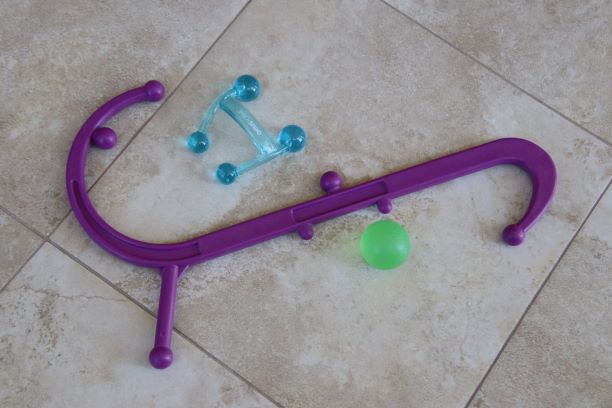
And keep in mind that there are self-massage techniques that could help too, either as an addition or a substitute for massage therapy. The photo above shows some of the tools you can use for massage… especially useful for those hard-to-reach areas. Physiotherapists and massage therapists often teach self-massage techniques to their patients so they can maintain benefit between appointments.

I have successfully used a text entitled The Trigger Point Therapy Workbook by Clair Davies with clients and myself to treat muscle spasm pain from neck spasms to sore feet (surprisingly caused by a muscle spasm in the calf!) with self-massage techniques described in the book. Check out Abe Books for a used copy, if you’re interested.

References:

The Science-Backed Benefits of Massage

The Trigger Point Therapy Workbook (Clair Davies)

Categories
Health

Blood Pressure Basics

There’s almost always a discussion about your blood pressure when you visit your doctor for a check-up, but how much do you really know about it? Here are a few facts to help you understand why it’s important, how to monitor your pressure and some things you can do to keep your pressure healthy…

What is blood pressure?

Blood pressure (also called “hypertension”) is a measure of the pressure inside your arteries. This pressure increases and decreases with each heartbeat. Your heart pumps out blood with each beat, with enough pressure to send it through the arteries to all parts of the body. This pressure drops between each heartbeat, while the heart relaxes and refills with blood. Your doctor or nurse measures the highest and lowest pressure for each beat, called the “systolic” and “diastolic” measurements.

Blood pressure changes constantly. Exercise, caffeine, smoking, anxiety, stress, and even a full bladder can raise your blood pressure. Relaxing can lower it.

What can high blood pressure do?

Uncontrolled high blood pressure is the number one risk factor for stroke and an important risk factor for heart disease. It can also cause damage to various organs.

Damage to arteries

Under constant high pressure, the inner lining of blood vessels can become damaged and inflamed, allowing fats in the blood stream to collect in the lining. These fatty areas also collect deposits of calcium and are called “plaque”. They can stiffen and eventually block an artery, or they can burst open and cause a blood clot to form, instantly blocking the artery. Some researchers have suggested plaque formation may be the body’s way of protecting and healing damaged areas, somewhat like a scab does on the outside of the body, but this is yet to be proven.

Over time, with constant pressure, a section of artery wall can also become weakened and bulge outward. This is called an aneurysm and, if it bursts, it can cause life-threatening bleeding inside the body. Aneurysms can form in any artery, but they’re most dangerous when they develop in the brain or on the aorta, the body’s largest artery that runs from the left side of the heart down into the abdomen.

Damage to the heart

When blood pressure is high, your heart must work harder to pump blood against this increased pressure. Over time, the left side of the heart that pumps blood through the body can become larger and stiffen because of the extra work it needs to do. This limits the heart’s ability to supply the body with enough blood and to keep up with the blood returning to the heart from the lungs. This is called heart failure (also known as cardiac insufficiency) and it also increases your risk of a heart attack.

Damage to the brain

A stroke occurs when part of the brain is deprived of blood, causing brain cells to die. Uncontrolled high blood pressure can damage blood vessels in the brain, causing them to narrow, burst or leak. It can also cause blood clots to form in the arteries leading to the brain, blocking blood flow and potentially causing a stroke.

Reduced blood flow to the brain can also cause dementia, a result of gradual damage to areas of the brain that control thinking, speaking, decision-making, memory, vision and movement.

Damage to eyes and kidneys

Both the eyes and kidneys contain tiny blood vessels that can become damaged, leading to vision problems and kidney failure.

What is a good blood pressure?

  • Ideal – 120/80

  • Normal – less than 140/90

  • Exceptions:

    • Diabetes – best if less than 130/80

    • Over 80 years – less than 150/90 can be acceptable, especially if frail

      • Note that frail elderly are more susceptible to medication side effects like dizziness and risk of falling, and this need to be taken into account when setting targets

Low blood pressure (less than 120/80) is considered fine unless it is low enough to make you dizzy or lightheaded. A doctor once told me having low blood pressure was “like having extra insurance”.

What can you do to control blood pressure?

Some factors, such as age, ethnicity, and gender, cannot be controlled. After age 65, women are more likely than men to develop high blood pressure. Pregnancy, birth control, and menopause can also increase the chance of developing high blood pressure.

But there is plenty you can do:

  • Eat a healthy diet. Learn about the DASH diet (Dietary Approaches to Stop Hypertension), an eating plan designed to help lower high blood pressure. This diet includes healthy foods and limits salt intake.

  • Be active for at least 150 minutes per week, at least 10 minutes at a time.

  • Maintain a healthy body weight. If overweight, losing even 5% to 10% of your weight can help lower blood pressure and reduce risk of heart attack or stroke.

  • Don’t smoke!

  • Limit alcohol to 2 drinks a day/10 per week for women, and 3 per day/15 per week for men.

  • Find healthy ways to manage your stress.

How to measure blood pressure at home

  1. Read and follow specific instructions for your monitor, then follow these general instructions:

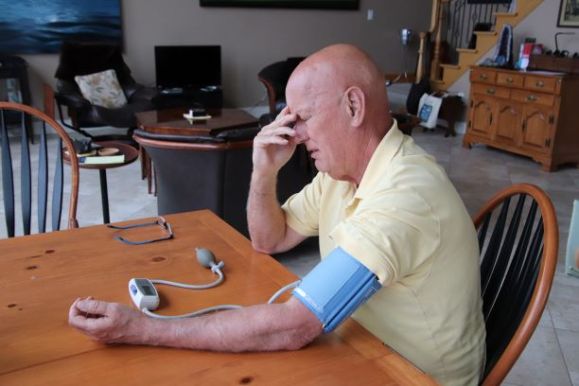
  2. Relax in a quiet area for 5 to 10 minutes. Avoid exercise, caffeine and smoking for 30 minutes before measurement. Empty bladder, if necessary

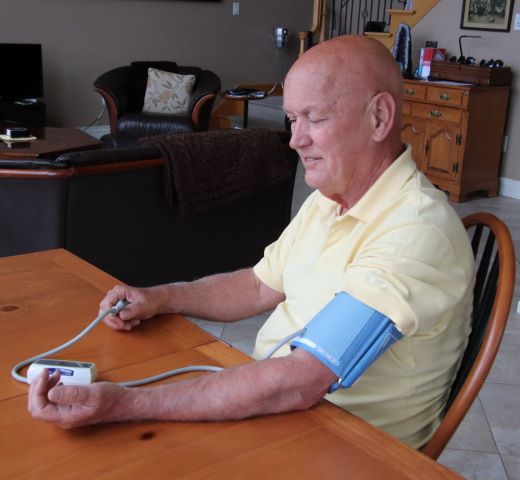
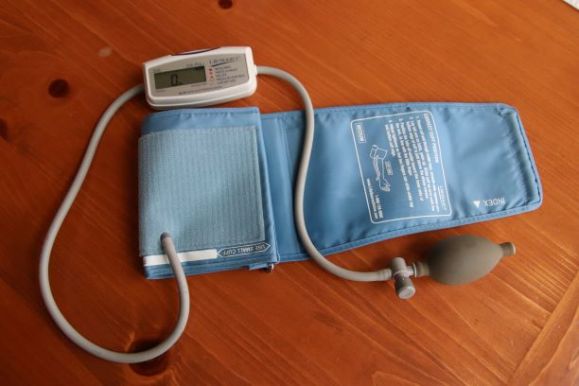
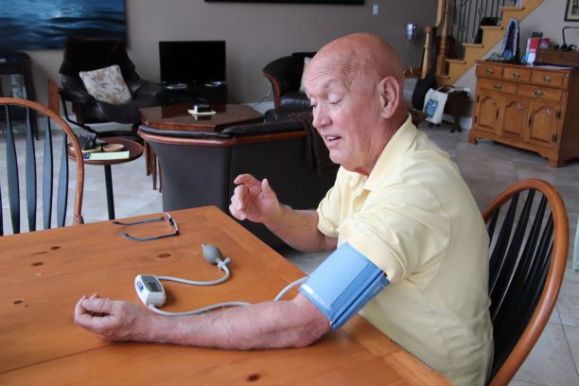
  3. Slide cuff on arm with lower edge about 1 inch above elbow fold. Fasten snugly but not too tight (should be able to slide 2 fingers underneath). Cuffs come in 3 sizes – be sure to choose the appropriate one for your arm size.

  4. Sit up straight, back against chair, legs uncrossed, arm resting on table, palm up. Relax and don’t talk during the measurement.

  5. If using an automatic monitor, press button now. If not, continue with steps below:

  6. Inflate cuff about 30 points higher than expected measurement, or until the machine says to stop. (some monitors – those without a stethoscope – do the rest automatically).

  7. Loosen airflow valve so that pressure falls by 2 to 3 points with each heartbeat.

  8. With a manual (stethoscope) monitor, listen for the first pulse (heartbeat) sound.

    1. Note the reading on the gauge/screen

    2. This is the upper (systolic) reading

  9. Continue to slowly deflate the cuff

    1. Listen until the heartbeat sound disappears

    2. This is the lower (diastolic) reading

  10. Let cuff completely deflate.

  11. Repeat twice, resting for several minutes between readings. Use the lowest reading.

  12. Record the date, time and lowest measurement. Bring records to your doctor’s visits. Once a year, bring your machine to check its accuracy by comparing with your doctor’s reading. Your doctor, nurse or pharmacist can also check your technique.

High blood pressure can quietly damage your body over a period of years – they call it the “Silent killer”. So, have your doctor check your blood pressure regularly, or check it yourself. Take action if your pressure is consistently increased and prevent blood pressure complications.

References:

High Blood Pressure (Heart and Stroke Association)

Checking Your Blood Pressure at Home (WebMD)

High blood pressure dangers (Mayo Clinic)

Blood pressure targets in the elderly (Journal of Hypertension)

Categories
Uncategorized

Rock-a-bye Mommy… Could rocking help adults sleep too?

Generations have rocked their babies to sleep. And we’ve all heard of parents who helped calm a fussy baby by driving them around the neighbourhood. But could motion help adults sleep better too?

Well, it turns out there are a few studies on this question. Researchers studied a group of young adults and found that slow, gentle rocking lengthens sleep and increases the time spent in the deepest stages of sleep. In studies, rocking also shortened the time required to fall asleep and fewer arousals (waking for 3 seconds or longer) occurred.

Rocking also improved memory recall compared to sleeping in a stationary bed, although both groups improved after sleeping. EEGs showed that firings of neurons that are associated with memory consolidation increased with rocking during sleep.

Searching for the mechanism of improved sleep, researchers also did an interesting test on mice. Like humans, they slept better when their cages were rocked. But they also tested mice who were born without the structure in the inner ear that detects motion to see if they responded the same way. It turns out that they didn’t – mice who couldn’t detect motion in the rocking cages slept the same as those in stationary cages. The “otolith” structure in the inner ear that these mice were missing is connected through several other structures in the brain to the thalamus and hippocampus of the brain that control sleep. Researchers suggested this could be how rocking motion influences sleeping and memory.

Of course, since the human studies were done on healthy young adults, they would need to do similar studies on older adults and those with sleeping problems to find out if rocking would help them too. If it worked, it could offer a convenient non-drug way to help solve sleep problems. Studies in Alzheimer’s patients found that sleep helps to clear the amyloid-forming proteins that clog the brain. This made researchers also wonder whether rocking might help to prevent or improve this dreaded brain disease. More research to come!

I expect it will be a while before we see cradles for adults in stores. But meanwhile, you could consider taking naps in a hammock (and maybe bribe someone to keep it rocking while you sleep…). Sleeping on a boat could theoretically give the same effect so, perhaps, a cruise vacation might be relaxing in more ways than you realize. And, who knows, perhaps some time in a rocking chair in the evening might help set you up to fall asleep more quickly, just as it does for our babies!

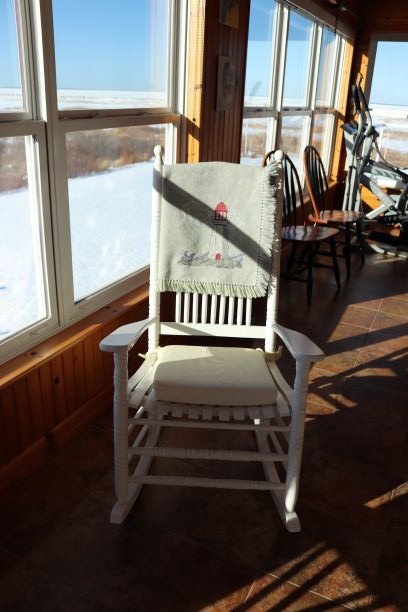
There is something very soothing about a rocking chair… At my hubby’s family homestead in Miscou Island, there has always been a “competition” to get the rocking chair. Over the years, several of these chairs have been purchased or donated to this family home that’s shared between several siblings for summer vacations. I think there’s at least a half dozen now – so not so much competition – and we all seem to sleep exceptionally well when we’re there! Perhaps rocking has something to do with it… Why not give it a try!

Reference:

Rocking improves sleep and memory in adults

Why Rocking to Sleep is a Matchless Sedative, Scientific American