Categories
Health

The argument for doing “nothing”…

Do you remember being a kid, and having nothing to do for hours? Whole summer afternoons that seemed to last forever, just lazing around, being bored, thinking and daydreaming?

And, now that we’re adults, we make our lists, try to be as productive as possible, and want to squeeze as much “doing” in as we can.

But when is our time to think? If you’re a Big Bang Theory fan you may remember the episode with Amy, reading then just staring blankly off into the distance… When asked if she was OK, she answered: “Yes. I was reading. And now I’m thinking about what I read.” Sometimes we need time to just think, to figure out what to do with all that information coming at us.

Our brains work on several levels to process information. You may have noticed that something you were trying to remember will just pop into your head later when doing something completely unrelated. Especially when engaged in an activity that doesn’t require deep concentration, your subconscious will continue to work on solving a problem even though you weren’t actively trying.

And, even if it doesn’t find the solution for you, you’ll see the problem with fresh eyes and more energy when you return to it. Writers often use this technique to improve their ability to see writing problems – we walk away, take a break from our work, and magically can see lots we can improve when we return. I’m sure this process can work for many tasks and makes a strong case for taking regular breaks from any lengthy project.

The other problems we can have from constant “busyness” with little time to think are fatigue, stress and burn-out. But taking a break from work and spending it reading our devices isn’t really a break for our mind. A really helpful break is more like what Amy was doing: staring off into space. Closing eyes and listening to music or meditating give a similar effect. The Dutch call this “niksen” – doing nothing.

Taking short but regular “niksen” breaks during the day, even if it’s just a few minutes to relax and take a few deep breaths, can help you to be more productive when you return to work at the same time as it’s preventing overload, stress and burnout. Any sort of breathing exercise can help by distracting, giving you something else to concentrate on – I often used this technique to distract patients before giving them their flu shot. It worked well, giving the person something else to focus on besides the needle I had in my hand. Studies say distraction actually lessens the pain experienced during an injection.

Now, I’ve never been able to sit still and meditate without getting antsy, but I have found repetitive activities like knitting or jigsaw puzzles seem to fit the bill, occupying the mind and giving it a break from being busy. The key is creating a break for your mind, letting it wander and giving it time to process.

So, make time to be bored (or at least to do something mindless) on a regular basis – your brain will likely thank you for it!

And, if it’s time to give your brain a break and just do nothing, here’s a link to “The Nothing Song”

Read more here:

The Case for Doing Nothing – The New York Times

Categories
Health

We are all biased…

It drives me nuts that diet researchers keep changing their minds about what foods are good and which are bad for us. Butter and eggs are two that have switched sides several times lately. And red wine? Well, I only believe the reports that say a moderate amount is good for your heart (Do you suppose I could be a little biased? 😊).

We all have biases. That’s how our human brains work. It’s easier to avoid being biased if you are aware of how your opinions can get off track.

So here are some different types of potential biases we can have…

  • Hindsight bias – focusing and rationalizing the past without paying enough attention to current facts. An event that happened to us or someone close to us in the past can influence us more than it should, even if it’s a rare occurrence.

  • Optimism bias – choosing an excessively rosy outlook. We are often influenced by what we hope, sometimes irrationally, will happen in the future

  • Selection bias – “cherry picking” the facts that agree with your theory. Talking only to people with the same beliefs as you can increase your bias while listening with an open mind to those with opposing ideas can lessen it.

  • Funding bias – keeping your sponsor happy so they’ll donate again. If Grandma gives you money for a gift, you might tend to buy something she’d approve of…

  • Self-selection bias – when more people choose to comment or participate because they agree with what is being discussed or measured. This can make it appear that a cause or idea has more support than it actually does.

  • Recall bias – our human tendency to remember the fun parts of an event, especially after some time has passed. Opinion surveys are best done one day after an event: immediately after we want to be kind to the organizer, and a week later we have already forgotten most of the bad parts and remember more of the good.

Scientists, too, need to know about their own human failings and adjust their research to reduce bias as much as possible. However, it’s easy for it to creep in when they aren’t vigilant… To try to prevent bias, studies include a “control” group to compare and measure how much change the factor being tested is creating. Those gathering the information from both groups as well as those being tested aren’t told who is in which group. This is called a “controlled double blind” study. Of course, they can’t do this with diet studies, and perhaps this is one reason why studies often reach opposite conclusions, depending on who is running the study, how accurately people remember and report their diet information, and who paid for the study.

When a researcher or politician has a personal interest in a certain outcome, it can influence how he interprets the information, whether he realizes it or not. The job of a lobbyist is to change the opinion of those who make decisions in favor of whoever is paying them. There are so many factors that can affect decisions that are made and what we see in the news.

It’s the same for us as we make decisions about what type of diet is healthy, who to vote for or whether we should vaccinate our children. We are influenced by personal experiences, who we talk to, what media we choose for our news, and many other factors. If it’s health-related, your doctor is likely the best person to give you balanced advice.

Social media

But, increasingly, social media influences our opinions. Social media follow what we like and post, to gauge what we are interested in, and then send us information that supports what we already believe. I was surprised to learn that, not only is this done with advertising, but with regular posts as well. And, of course, anyone can post whatever they wish – whether it’s facts, opinion or fiction…

So, how can you reduce your own biases and make better decisions? One way is to look for information on both sides of any question. Read what those who disagree with you are saying. Are their arguments valid and based on fact? Search out information from experts and, as much as possible, read facts rather than opinions. Realize that media reports are often sensationalized, because that’s what sells.

Be open-minded

Another way to reduce your bias is to keep an open mind. Winston Churchill was known for beginning a statement with phrases like “I could be wrong, but I think…” or “In my opinion…”, encouraging the person he was conversing with to offer their opinion and leaving room for him to change his if the facts offered warranted it.

Since I’ve retired from active pharmacy practice, I find I have more time to seek out alternative opinions. This has made me question some of my long-held beliefs as a pharmacist. But I try to keep an open mind and keep reading. Things can change quickly in medical circles with the discovery of a new information, but sometimes entrenched ideas can take a long time to change.

A Harvard Business Review article had 3 suggestions to reduce bias:

  1. Question assumptions – don’t just immediately accept what you are reading as truth.

  2. Follow through the writer’s logic – does it make sense and agree with other information you have read? Is the argument supported by scientific evidence or is it presented from a limited personal experience?

  3. Diversify thought – look for other opinions to keep your point of view balanced.

When it comes to diet research, try not to get caught up in the latest fad. Aim for a balanced diet of whole foods, lots of veggies and everything else in moderation – and be skeptical of extreme claims in headlines, especially on the internet! I try to be as unbiased as I can, while sharing health news I find interesting, and I will always include my references so you can see my sources and evaluate them yourself — because, like all humans, I have my biases too… especially when it comes to wine!

References:

Harvard Business Review

Statistical Bias Types Explained

Categories
Health

Lactose Intolerance? – What can you do…

Many humans lose the ability to digest milk after childhood. And essentially all non-human mammals lose this ability after weaning. This suggests the ability of humans to digest lactose in dairy products is actually a quirk of nature or adaptation.

Lactose intolerance varies by ethnic origin. Asian and first nations people are almost 100% intolerant, African origin 60 to 80%, South American 50 to 80% and those of European origin about 20%. Worldwide, approximately 75% of people are lactose intolerant.

What is lactose intolerance?

Lactose is a complex sugar (two smaller sugars attached together) and it needs to be broken down into two simple sugars so it can be absorbed. This is done by an enzyme called lactase.

Because lactose is a sugar, if it’s not absorbed, it becomes food for bacteria in the large intestine. When these bacteria consume sugars, they produce gas. This “air” in the intestine causes the cramps, bloating, flatulence and abdominal pain that are associated with lactose intolerance. The extra lactose sugar also draws water into the bowel causing diarrhea if enough is consumed.

A quick genetic lesson

DNA is composed of genes. Each gene is a code or template for a protein that has a particular action in the body. For example, there are genetic codes to make light detecting proteins in the eyes, and oxygen carrying proteins in the blood. Every cell has a complete copy of your DNA. Individual genes in the DNA are turned on or off as necessary so only the proteins that are needed are produced in each part of the body. This is done by “epigenetic modification” – chemicals inside the cells bind to the gene, blocking it from making its protein. Epigenetic modification of the lactase gene, to turn it off once past childhood, does not happen in lactose tolerate people.

Lactose tolerance is relatively new, in terms of evolution. It is believed to have started around the same time as dairy animals were first domesticated. The change that occurs to prevent lactose intolerance isn’t to the lactase gene itself but to a nearby area of DNA that protects against the normal “turning off” of the gene.

However, if the small intestine is damaged by disease or if large doses of antibiotics are given, a person who was lactose-tolerant can become intolerant later in life.

Microbiome and lactose intolerance

When scientists noticed that antibiotics could create lactose intolerance, they began to investigate whether the bacteria (microbiome) in the intestine had an effect on the lactase gene or on lactose intolerance in general.

Their studies showed that symptoms of lactose intolerance can be relieved in some people by increasing lactose-digesting bacteria in their small intestine. These microbes eat the lactose but produce lactic acid instead of gas. Lactic acid does not produce the unpleasant symptoms of lactose intolerance, and this is one way that some people can tolerate dairy foods without actually producing lactase enzyme. The microbiome tends to be similar in populations, since bacteria are passed from person to person, so it might be part of the explanation of how certain areas have less lactose intolerance than others.

One way to promote the growth of lactic acid producing bacteria in the digestive system, is to “feed” it a complex sugar (or “prebiotic”) it can digest but humans cannot. Studies to find an effective prebiotic that could be produced commercially are in progress.

However, there are many fermented foods available – like yoghurt, kefir, sauerkraut and other pickled vegetables – that can introduce new microbes into the digestive system. While there are no guarantees they will contain bacteria that like to consume lactose, they are a healthy addition to any diet that may improve digestion. Researchers suggest 5 servings weekly that include at least 3 different types of fermented foods.

Do we really need dairy products?

There is an ongoing debate: if we evolved to be unable to digest dairy products as adults, do we really need these foods to be healthy? The nay-sayers point out that many populations (and animals) never drink milk as adults, and we know that many just cannot tolerate it. The pro-milk group tell us about the many nutrients it contains in foods that are easy to consume.

Recent research has found that consuming milk or calcium supplements as an adult does not reduce the chance of a bone fracture. And much of bones’ strength is developed early in life. But milk products do contain many other nutrients and are, overall, healthy foods to consume. Geneticists note that, because the ability to tolerate lactose has increased dramatically in populations who consume dairy products, it must confer an advantage for survival… over centuries, those who ate it (on average) lived longer and had more descendants than those who could not.

So, if you are unable to digest the lactose in dairy products, try improving the health of your gut microbiome with prebiotics and probiotics. If you’re lucky you may be able to increase the microbes that can improve your tolerance to these foods. Remember that the lactose in fermented dairy products, like kefir, yoghurt or cheese, has been mostly digested in the fermentation process, so is easier to tolerate for those who do not produce their own lactase enzyme. And you can always take lactase enzyme as a supplement – it’s available commercially (LactaidÒ) in forms that can be mixed with food to pre-digest it or it can be taken along with lactose-containing food.

After all… what is life without ice cream or cheese?

References:

Do Humans Need Dairy?

National Institutes of Health: Prebiotics for lactose intolerance

Study: Improving lactose digestion and symptoms of lactose intolerance with a novel galacto-oligosaccharide

Categories
Health

Lack of sleep could be killing you…

Lack of sleep is holding us back and shortening our lives! Sleep is a biological necessity – experts say we need 7 to 9 hours a night to maintain our health, feel good and perform our best. Although some of us have trouble getting enough sleep, many choose to stay awake longer, trying to fit in more activities – and accomplish more – each day. But this may not be a good decision…

Studies suggest that those who sleep less than 6 hours a night run a risk of 13% greater chance of dying. Decreased productivity is estimated to cost the economy $411 billion in US, $50 billion in UK and $21.4 billion in Canada. And researchers say the number of people who don’t get enough sleep is rising.

Lack of sleep doesn’t only leave you feeling more tired and less energetic. Memories are processed and stored while we sleep. We need enough time in the deeper stages of sleep to process the day’s events in order to remember them long-term.

So, cutting sleep short to create more waking hours with the goal of achieving more can backfire, reducing achievement both at school and work. As Arianna Huffington, co-creator of Huffington Post says, you need to “sleep your way to the top!” (see link to her TED talk below). Of course, she’s talking about getting enough sleep so you can achieve more at work. She came to this realization when she injured herself, hitting her head on her desk when she passed out from lack of sleep.

The other way to make more time in your day, of course, is to look at your daily activities and decide what’s most important to you. Evening TV? Facebook articles? Emails? Or that project you’ve been wanting to finish? Simplify your life (and email!), and limit time wasting activities to create more free hours to accomplish your passions instead of cutting short your refreshing, health-protecting sleep.

And if you can’t sleep but want to? Here’s a blog I wrote about what you can try for insomnia: Can’t Sleep?

But, if hormone related symptoms are keeping you awake at night, my new book Can I Speak to the Hormone Lady? Managing Menopause and Hormone Imbalances has information you can use. It’s available here.

References:

TED Talk: How to Succeed? Get More Sleep – Arianna Huffington

National Institutes of Health: A prospective study in sleep duration

Categories
Health

Finding Wellness

What does Wellness mean to you? The World Health Organization defines it as: “a state of complete physical, mental, and social well-being, and not merely the absence of disease or infirmity.” It involves consciously making improvements to lifestyle, outlook, environment, belief systems and values to achieve your full potential and to help those around you do the same at home, in the workplace and in the community.

However, if you search the internet, you will find two types of “wellness” advice:

  • Information on wellness (sometimes referred to as lower case “wellness”) …solid advice on ways to promote health and prevent illness, backed by scientific evidence. It includes good nutrition, exercise, sleep, stress reduction and more, and essentially means the opposite of illness.

  • Promotional material on Wellness Products (Wellness with a capital “W”) …products often making pseudo-scientific health claims with sketchy proof and often marketed with a high price tag! The Wellness business is a billion-dollar industry…

How can you tell the difference when you’re reading a web page? I use two simple ways:

1. Who posted the information?

Is the web page associated with a large health organization, government or university? The goal of these organizations is generally to share information and promote public health. They have no financial incentive to hide negative information or exaggerate the positive effects of a wellness strategy.

Does the author have any credentials or experience as a health professional? While credentials are not entirely necessary (a good writer will get all the facts and present them in an unbiased way), it means they will likely have better background knowledge.

Where did the information originate? Look for references. Is it backed by scientific studies? A well referenced web page will have links to background studies that support what they are saying. Studies usually have a little summary at the beginning, called an “abstract” that is a brief description of the study. I also look at where it was published – many large medical organizations publish journals with information for their members that usually well researched.

2. Who paid for it?

The second thing I look for on a web page is, who paid to publicize the information, and whose advertising is displayed with the article. I learned a good lesson over 20 years ago when the internet was just starting up. The doctors next door asked if I could supply them with information about the herbal medicine, St. John’s Wort. I quickly found what looked like a perfect article on the internet. My pharmacy student, who was more tech-savvy than me, didn’t say a word…she just scrolled down and pointed to the advertisement for St. John’s Wort. An “aha” moment for me!

With a more critical look, I noticed the site described the herb as “safer than aspirin” and, while many would interpret this as saying it is very safe, as a pharmacist I know that aspirin can cause internal bleeding in some people. The site wasn’t being open and honest in an effort to increase sales, and chances were good they were hiding other important, but negative, information. I subscribed to an independent herbal website after that so I could easily access unbiased information about natural medicines.

So, whether your reason for looking for wellness information or alternative medicines is wanting to stay healthy and active as you age, or to address a need that is unmet by the medical system, don’t be taken in by marketing strategies for Wellness products. Know that a vitamin is a vitamin – they are all the same chemical structure – so there is no reason to pay $90 for a month’s supply when you can always buy good quality vitamins from a reputable manufacturer at your local pharmacy. When looking for health information on the internet, choose an academic or health-center site rather than one sponsored by a product manufacturer. Know when you’re being marketed to and be a savvy shopper.

But also make sure any alternative treatment is an addition to good medical care and not a replacement for it. Consider natural treatments as complementary to your medical treatment rather than a true “alternative”. Nothing can replace good medical care.

So, talk to your doctor about any non-prescription medications you are taking, even if they are being recommended by another health professional. While they may not have learned about it in medical school, they can help you evaluate the information you are reading and ensure there is no interference with any health condition you may have. Your pharmacist may be your most accessible health professional and they can help ensure you avoid conflicts with medications you are already taking. They also have access to scientific references on alternative and complementary products. Ask if they can find some solid information to share with you.

Talking with your doctor and pharmacist about non-prescription choices is a great way to start a conversation around your health goals and how best to achieve them. The internet can be a wonderful source of information but it’s best when used in consultation with your doctors, pharmacists, and other health professionals.

References:

The Self-Care Paradox

Definitions of Wellness

Categories
Uncategorized

Measles – Should we worry about it?

This week I read another article about the dramatic increase in measles in many countries, this time in CNN’s online health newsletter. They reported that the number of measles cases in 2019 is already the second highest in the last 25 years (with just 3 months reported so far): 555 cases reported in US, and 33 in Canada. Over 110,000 cases have been reported globally in the first quarter of this year, almost 3 times the number reported in the same period last year. The World Health Organization estimates that fewer than 1 in 10 cases are reported, however, so actual numbers would be much greater.

Why is it increasing?

Experts believe one reason is due to lack of vaccination. While some families lack access to routine vaccines, some parents choose not to vaccinate their children. Negative information about vaccines has been circulating on social media for years, with exaggerated warnings of the dangers of routine vaccinations, and no discussion about the benefits of vaccines and the many lives that they save every year.

How safe are vaccines?

As a pharmacist, I was trained to give vaccines and had to complete many hours of training, learning extensive information about vaccines, how they work, their effectiveness, negative reactions that could be expected (and how often they happen) and how to ensure they are used safely. I learned that vaccines are considered the most effective health strategy in history, having saved more lives than any other health intervention, including antibiotics. While some true reactions to vaccines do occur rarely, and certain individuals need to avoid vaccines or take them in a controlled setting such as a hospital or doctor’s office, the overall benefit of routine vaccines is much greater than the risk for the vast majority of people. Those who give vaccines are trained to watch for any sign of a reaction and treat it quickly. The most serious reaction to vaccines is anaphylaxis, a total body allergic reaction that can be fatal, and it occurs in 1.3 per million people who are vaccinated.

Much of the anti-vaccine movement is based on an incorrect article published in the ‘90s that reported autism was associated with the MMR (measles, mumps, rubella) vaccine. This article that started the controversy in 1998 was since withdrawn by its publisher but is still quoted widely despite overwhelming proof it was incorrect. You can read about it here.

Unfortunately, this article is still being shared widely on social media, and the result is that children are getting sick in record numbers. Some have even died from a disease that’s entirely preventable with a vaccine. These diseases have been so well controlled for so many years, that younger generations don’t realize how serious these illnesses can be.

Is measles serious?

Here is what the Center for Disease Control (US) lists as problems that occur when large numbers of children have measles:

  • 1 in 10 develop ear infections that can result in permanent hearing loss

  • Diarrhea occurs in close to 1 in 10 children

  • 1 in 20 children develop pneumonia (most common cause of death)

  • About 1 in 1000 develop encephalitis (brain swelling) that can cause convulsions, deafness or intellectual disability

  • For every 1000 children who get measles, one or two will die from it

  • Subacute sclerosing panencephalitis (SSPE) is a fatal brain disease that rarely develops 7 to 10 years after an apparent full recovery from measles. It is estimated to occur in 4 to 11 per 100,000 cases of measles.

Think of others…

Some people truly cannot tolerate certain vaccines and others, who are ill, may not respond adequately to them. If enough of a population is protected, however, there aren’t enough susceptible people left to spread the disease and create an epidemic. They call this “herd immunity”… the whole “herd” or population is protected when enough people get vaccinated. Because MMR vaccine has been avoided by too many people in certain areas of the world, we are again seeing outbreaks of mumps and measles. When you get vaccinated, you are protecting not only yourself but others you are in contact with who could catch the virus from you.

If you have doubts or questions about any vaccines, please talk to your doctor or pharmacist.

Update from World Health Organization (posted April 25, 2019)

Measles cases have increased 300 per cent in just a year

  • Univadis Medical News

  • Sent 25 April 2019

Preliminary data published by the World Health Organization (WHO) show measles cases are continuing to rise, with reported cases increasing by 300 per cent in the first three months of 2019 compared with the same period in 2018. According to the data, 170 countries have reported 112,163 measles cases to the WHO so far this year. In April 2018, there were 28,124 measles cases from 163 countries.

The WHO said a number of countries are in the midst of “sizeable measles outbreaks”, with all regions of the world experiencing a sustained rise in cases. It said in recent months, there had been spikes in case numbers in countries with high overall vaccination coverage, including the United States of America, Israel, Thailand and Tunisia, “as the disease has spread fast among clusters of unvaccinated people”. Earlier this month, authorities in New York declared an emergency amid a measles outbreak in parts of Brooklyn.

The WHO said responding to measles would require a range of approaches to ensure all children get their vaccines on time, as well as “effective public-facing communication and engagement on the critical importance of vaccination, and the dangers of the diseases they prevent”.

References:

CDC (US)

Health Canada

CNN

Wakefield paper withdrawn

Univadis report from WHO

Categories
Health

Autoimmune disease – more common now than cancer and heart disease

Autoimmune diseases occur when the body’s immune system attacks its own cells and tissues. This class of diseases includes many familiar ones like multiple sclerosis (MS), inflammatory bowel disease, Lupus, rheumatoid arthritis, Hashimoto’s thyroiditis, and over 100 more. It’s become the most common type of disease, more common than heart disease and cancer, and rates are increasing each year.

And because autoimmune disease takes time to show up and often has diverse symptoms, it can be difficult to diagnose. Patients with vague complaints are sometimes told they are depressed or just imagining their symptoms when their doctor cannot identify an obvious cause. It takes a person an average of 5 years and 5 doctors before an autoimmune disease is finally identified, according to the American Autoimmune Related Diseases Association (AARDA).

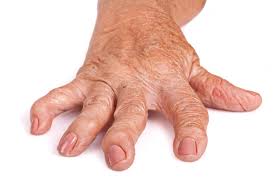
This happened to my mom when she was admitted to hospital last year because of shortness of breath and low blood oxygen. She was diagnosed first with heart failure, then pneumonia but the treatments for these conditions didn’t help. When they finally diagnosed that the rheumatoid arthritis she’d had for 2 years had attacked her lungs, too much damage had occurred, and she died in hospital. Apparently, the lungs are the most common non-joint area affected by rheumatoid arthritis, so one might think it could have been detected earlier – before her lungs became irreversibly damaged. But this is the nature of autoimmune disease: it often mimics other more common illnesses and is missed.

Autoimmune disease occurrence sharply increased in the 1980’s and 90’s. An Israeli study that looked at 30 studies from the last 30 years found the following yearly global increases in autoimmune diseases:

Rheumatic (arthritis-related) disease – 7.1%

Endocrinological (hormone-related) disease – 6.3%

Gastrointestinal (digestive system) disease – 6.2%

Neurological (nervous system) disease – 3.7%

And that’s been average increases yearly, worldwide, for the past 30 years.

But what has caused these dramatic increases in autoimmune diseases? Researchers don’t know for sure, but there are several theories.

Environment

Our environment has changed drastically over the past 100 years. And, although we have better medicine, cleaner water and plenty of food, these may have some connection with the onset of autoimmunity.

For example, the overuse of antibiotics has changed the make up of the normal bacteria that live in our digestive systems. Scientists are now realizing that some of these bacteria control our immune system activity.

Advanced farming practices have meant that our food is raised differently. As one researcher put it: not only are we what we eat, we are what our food eats! Different food for animals and plants means different nutrients (and perhaps missing nutrients) in our food. As well, processing food changes what it contains. Even the simple process of creating white flour removes many nutrients from the food that is made with it. And chemicals, not normally found in food, have been added for various reasons including increasing shelf life. Some speculate that some of these changes may be involved in the onset of autoimmunity, interfering with our systems’ ability to distinguish self from non-self. We need more study particularly to determine what effects commercially used chemicals may be having on autoimmunity.

Genetics

If one family member is diagnosed with an autoimmune disease, others in the family are at higher risk of developing that disease or another related one. Since these diseases can tend to run in families, it is suspected that there may be genes that can be inherited, making a person more susceptible.

Also 75% of autoimmune diseases occur in women. Some researchers have suggested that a tiny part of the X chromosome, called microRNA, is involved in immune system function. Since women have two X chromosomes, while men have one X and one Y chromosome, this might explain why women live longer but have a greater chance of immune dysfunction.

However, autoimmune diseases are increasing much faster than genes can pass them on. Scientists feel that it must be a combination of genetics plus exposure to something in the environment that could cause such dramatic increases in these diseases.

Hygiene hypothesis

Because the occurrence of infectious diseases was decreasing at the same time as autoimmune disease has been increasing, researchers theorize that the absence of infection is affecting our immune systems. Scientists are saying that our systems need regular and early exposure to common harmless bacteria to learn how to react to threats.

We are exposed to bacteria first during natural birth and breastfeeding, but also by spending time outdoors in green spaces, and eating a varied diet (especially fermented foods). We even seem to pick up good bacteria from those we are close to. The greater the diversity of organisms in our digestive system, the healthier we tend to be.

Stress

A 2018 study published in the Journal of the American Medical Society found that people with diagnosed stress-related conditions were significantly more likely to develop an autoimmune disease than those without. People with PTSD (post-traumatic stress disorder) who received treatment had lower chances of developing an autoimmune disease.

The idea of grouping these autoimmune diseases together, as they do with cancers, is relatively new. They’ve been thought of and researched as independent illnesses. However, they may have common factors and similar processes triggering the immune system to malfunction in different ways, attacking different parts of the body, and creating a different disease. Researchers are asking for a central database where occurrences of autoimmune diseases would be reported, so they can gain a better understanding of how many are affected, where cases are occurring and how quickly diseases are increasing. More information can lead to better understanding and research on this poorly recognized and understood group of diseases.

So, if you have vague symptoms and you are sure something is wrong with your health, persevere… try the treatments your doctor is recommending but, if they don’t help, keep asking. It might just be that 5th doctor who figures it out!

References:

Why Are Autoimmune Diseases on the Rise?

The World Incidence and Prevalence of Autoimmune Diseases is Increasing (International Journal of Celiac Disease)

Association of Stress-Related Disorders With Subsequent Autoimmune Disease

Categories
Health

Needles are good for you…

Knitting needles, that is…

It’s been a busy week: a long haul back from Spain, dealing with lost and damaged luggage, unpacking, laundry… and jet-lag, of course.

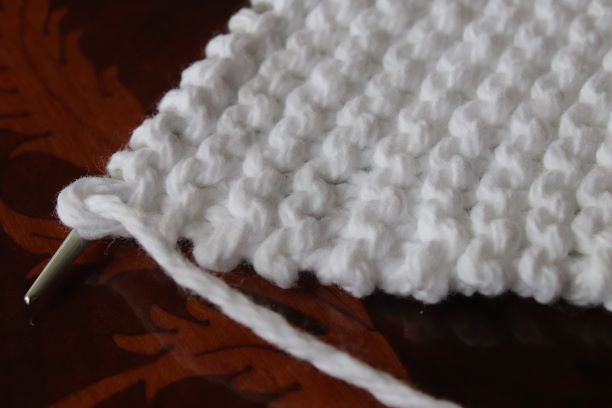
But when I saw this article, I wanted to share it with you. You may know that I am an avid knitter – my grandmother taught me when I was 6 and I took it up in earnest at age 8 or 9 when I received a “how to” book on knitting. I’ve been knitting ever since! But did you know that knitting is good for your mental and physical health?

Research shows that knitting can reduce depression and anxiety, lower blood pressure, distract from chronic pain, decrease loneliness and isolation, and just generally make you feel good!

I’ve always found knitting to be soothing and relaxing – sort of a form of meditation. It’s something about the repetitious movements of forming the stitches, I think. And, if you choose a more complex pattern, you need to block out other thoughts and focus on the pattern or you may find yourself unravelling some of your work! It’s really a form of meditation at the same time as you are creating something…

Studies say that knitting can actually induce the “relaxation response” — I wrote about this back relaxation technique back in March of 2017. Click here to see it. So, from this point of view, it compares with other relaxing activities like meditation and yoga… except you are creating something beautiful and useful at the same time. And, if you give the item away, you add in some of that great feeling you get by helping others.

I guess this may be why, as researchers have discovered recently, knitting can help reduce anxiety, depression, chronic pain and more. And in addition, when you’re done, you have the reward of a useful knitted item like a hat, scarf, mittens, socks or sweater! What could be better than a relaxing activity that provides a sense of accomplishment?

So, ff you’ve never knitted, give it a try. Pick up an inexpensive ball or two of colourful yarn and a pair of knitting needles (the label on the ball will tell you what size to buy!) and Google “how to knit”. Or just ask a friend who know how. I’m sure they’d be excited to help you learn!

Mental Health America article:

http://www.mentalhealthamerica.net/blog/mental-health-benefits-knitting

Inspiring anecdote from writer Chloe Grundmeier:

https://dailyevergreen.com/52666/life/try-knitting-for-your-mental-health/?fbclid=IwAR2vqUm6HA20x2wXtp-UDiBnzhZZyZLQHN_ABsqvGh–paXQk5z2o7L-N0Y

Here’s the science:

https://www.medicalbag.com/home/lifestyle/knit-one-purl-one-the-health-benefits-of-knitting/

Categories
Health

Vitamin K2 – the Link Between Heart Disease and Osteoporosis

A hen and her chicks in the garden at our apartment building in Spain

Well, some of our family have gone home to Canada, and I’m finding a bit more time to read these days. I’m into a book about the tie between heart disease and osteoporosis. Who would have thought there is a connection? I certainly didn’t. But the book’s explanation of why we are seeing too much of these chronic diseases makes sense…

The connection is calcium – too little of it leads to thinning of bones and risk of osteoporosis – and too much can result in calcification (or “hardening”) of the arteries and blockages that can cause heart disease when they occur in arteries that supply the heart muscle. While this seems to present a paradox… too much calcium in one case and too little in the other… the link is a nutrient that controls where calcium goes in the body.

That nutrient is vitamin K2, a vitamin that was not widely studied until the last 20 years. It’s sister vitamin, K1, was researched more thoroughly as it was thought to be the only active form of vitamin K in the body. K1 is needed for blood clotting and is the vitamin whose action is blocked by the blood thinner, warfarin.

Vitamin K2, on the other hand, controls where calcium goes once it’s absorbed from the digestive system. It does this by activating two substances: osteocalcin and matrix gla protein (MGP). Once activated by vitamin K2, osteocalcin attracts calcium to bones and teeth making them stronger. Activated MGP, on the other hand, sweeps excess calcium away from soft tissues, including arteries and veins, preventing and removing dangerous plaque from inside arteries. A lack of vitamin K2 means that osteocalcin and MGP cannot be activated and therefore cannot perform these important functions.

Vitamin D is important too. You likely already know that this vitamin is needed to absorb calcium from your digestive system. This makes it an important factor in preventing osteoporosis. You may have taken calcium supplements with vitamin D added right into the tablet and probably have learned that it’s called the “sunshine vitamin” because we make it when the sun shines on our skin.

But vitamin D is also needed to make the MGP protein that removes calcium from soft tissues, preventing and reversing hardening of the arteries. So, vitamins D and K2 work together to prevent both osteoporosis and heart disease – vitamin D helps to get calcium into your system, and both vitamins K and D are needed to make sure the calcium goes to the right place.

Recommendations for calcium and vitamin D supplements have recently changed. Although recommended for many years for prevention and treatment of bone loss, recent studies suggest there may be more harm than benefit, especially in healthy adults and that there’s more to having healthy bones than just swallowing lots of calcium.

This information about vitamin K addresses several “paradoxes” in our explanation of causes of heart disease: Why do 50% of people who have a heart attack have normal cholesterol? Why do the French, with their rich, fatty diet, have less heart disease than us in North America? This is often called the “French Paradox”, and could be explained by different farming practices. How could there be so much osteoporosis (a disease of too little calcium) and heart disease (a disease of too much calcium) in a single population eating a similar diet?

Both heart disease and osteoporosis increased when farming practices changed in North America. Grass contains the precursor to vitamin K2 that animals convert for us. When animal feed was changed to grains to simplify production, the animals no longer ate chlorophyll, the green substance in plants with the pre-ingredient needed to produce K2. Without realizing the difference, we dramatically changed the content of our diet. Not only are you what you eat, you are what your food eats!

Vitamin K1 is found in green leafy vegetables, the broccoli/cauliflower family of vegetables, and small amounts in meat, fish and eggs. Animals and some bacteria can convert K1 into K2 but humans cannot. We need to consume it regularly in our diet as we don’t store this nutrient.

Choosing grass-fed meat and pastured eggs (from hens that feed in a pasture) can correct a vitamin K deficiency. Since betacarotene (a yellow nutrient) and chlorophyll (the green stuff in plants that animals make into vitamin K2) usually occur together, butter and egg yolks that contain vitamin K tend to be darker yellow. I’ve noticed that egg yolks here in Spain are a deep golden colour, so I suspect that hens here must be allowed to feed in pastures. Perhaps that’s one reason that the Spanish are one of the healthiest populations with a longer life span than us in North America!

Cheese is produced by bacterial action on milk, and some of these bacteria produce vitamin K2 at the same time. So some cheeses also contain vitamin K2. Some of us also have bacteria in our digestive systems that can convert small amounts of K1 to K2, but these bacteria can’t produce enough K2 to satisfy our needs.

If you can’t find grass-fed food or fermented products with the vitamin, you can take a vitamin K2 supplement. But supplements may not all be created equal. K2 is also called menaquinone or MK and, just to make it complicated, there are several different types of MK, depending on whether they are produced by animals or bacteria. MK-4 comes from animal sources. It works well but is cleared from the blood stream very quickly, so could require dosing several times a day to maintain activity. Menaquinone-7 (MK-7) comes from plant sources, and some feel it’s a better choice as it stays in the blood stream with once a day dosing. Of course, nutrients can continue to have their health effects after leaving the blood and moving into the tissues, so there are two schools of thought on which is better. The bottom line is that any vitamin K2 supplement is likely better than having none at all but, as always, it’s best to get your nutrients from food if possible.

So, I plan to buy my eggs from local farmers whenever I can in the future and will be asking whether they let them out of the coup once in a while. And I’ll be looking for an MK supplement for the days when I don’t have nice yellow-yolked eggs or grass-fed meat! What about you?

If you want to know more, here are some of the references I used:

Vitamin K2 and the Calcium Paradox by Kate Rheaume-Bleue, BSc, ND

Vitamin K2 – A little known nutrient can make a big difference in heart and bone health

Globe and Mail: Are Calcium Supplements Helping or Harming Your Health

Categories
Uncategorized

Podcast – "Becoming Elli"

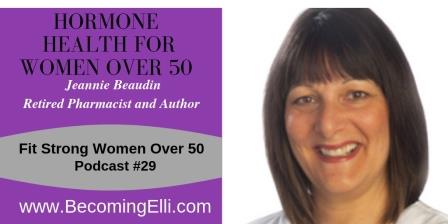
I wanted to tell you about an interview I had for the podcast, “Becoming Elli: Fit and Strong, Women over 50”. Hosts Chris and Jill asked me lots of questions about fitness and health from a pharmacist’s point of view along with a few questions about my book, Can I Speak to the Hormone Lady?, just released.

The podcast interview, along with a somewhat abstract article I stumbled across about what defines your sense of self-worth (Your job? Your earning power? Are you, as a person, more than what you do for a living?), lead me to ask myself why I blog and why I wrote a book – what is my ultimate goal?

Why do I write?

It certainly isn’t to make money (since it’s highly unlikely I will!). I think it’s partly because I enjoy writing and learning how to improve my writing skills. It’s exciting and healthy to learn new skills after retirement. But mostly I write to share what I’ve learned: I’d like to think that a few things I write might help someone, just as the work I did as a pharmacist helped those I came in contact with.

Part of me (well, really, most of me) would just like to write, and put it out there for those who are interested. But I read that most writing just disappears into the ocean of millions of books and articles that are posted. So that means, if I want to achieve my goal of helping people, I need to do something to help those who could benefit from the information find what I’ve written.

So, while I will soon be back in Canada writing my regular information blog, answering readers’ questions and sharing health information that I learn, I hope no one will be put off by my feeble attempts to get the word out about my new book…

Podcast – BecomingElli.com

As for the podcast… well, I discovered that I tend to talk a lot when I’m nervously talking on a subject I’m passionate about… I think I talked a bit too much (eek!). But the hosts had lots of great questions and some really made me think hard to come up with a good answer. Hope you enjoy the podcast! Here’s the link:

https://becomingelli.com/hormone-health-for-women-over-50-with-jeannie-beaudin/

Heading home soon

Only 10 more days for us, here in southern Spain… then a long trip back home and likely some jet-lag! I hope to be back soon to my usual routine of answering health related questions you may have and sharing interesting information I come across. It just might be time to start working on my next book…

If you have a question about any health or wellness topic, please send me a message through the “Questions / Comments?” button! I want my blog to be about things you want to know…