Categories
Uncategorized

Antidepressants or Natural Therapies – Which works better?

The surprise answer is that in many cases they are equally effective.

Antidepressants have been used for decades and billions of dollars have been spent on these drugs, but they are surprisingly ineffective. The difference between the drug effect and a placebo (or sugar pill) is almost undetectable except in the most severe cases of depression. Placebos themselves are surprisingly effective – when a person expects to get better, sometimes that is all that’s needed to help the mind heal itself.

The US Centers for Disease Control and Prevention report that the rate of suicide has increased by 30% since 1999. At the same time, the use of antidepressants has increased by 65%. This suggests the drugs are not great at preventing suicide. In addition, some of these drugs have a “black box” warning, the highest level that can be applied to a drug. It warns doctors to monitor patients for new suicidal thoughts that may occur shortly after beginning therapy.

Statistics show that more people are on long-term financial assistance due to mental illness than before these drugs were introduced in the 1950s. One analysis suggests that the drugs may actually block a full recovery, even though symptoms appear to improve in the short term. Studies have found that more patients who used non-drug therapies had recovered and returned to work after one to two years of treatment compared to those who took medications.

At an educational session many years ago, the speaker told us that mental illnesses were a result of a chemical imbalance in the brain. Depression was caused by too little serotonin or norepinephrine. They explained that antidepressants re-balanced these chemicals (called neurotransmitters), by increasing the available amount of the ones believed to be low in depression. I often explained this to patients when I counselled them about their medication in my pharmacy.

However, newer studies have shown that the brain changes how it functions to accommodate for the effect of the drug. When the patient tries to stop the medication, it takes a while for the brain to return to normal. This manifests as a return of the mental illness, sometimes more severe than it was before. This has often been interpreted as a need to continue treatment, rather than a withdrawal effect of the medication. As a result, sometimes patients are kept on treatment for many years.

The longer the person has been taking the medication, the longer it can take for brain function to return to normal. This can make it very difficult to stop the medication. It is recommended to taper the dose gradually when attempting to discontinue treatment to reduce withdrawal effects.

As well, antidepressants have side effects that range from weight gain to erectile dysfunction. The small benefit these drugs provide needs to be weighed against the side effects they cause.

So, do studies show that alternative “natural therapies” work for depression?

The answer is yes! Good quality scientific studies are available to support some of these non-drug treatments:

  1. Exercise

    1. A 2007 study at Duke University Medical Center in North Carolina found that 30 minutes of walking or jogging three times a week was more effective than an antidepressant or placebo. (Psychosomatic Medicine, Sept 2007, 69(7), p. 587-96)

    2. A review (or “meta-analysis”) of studies that included exercise and antidepressant medications in 2016 confirmed the effectiveness of exercise. (Journal of Affective Disorders, 15 Sept 2016, vol.202, p.67-86)

  2. Bright light therapy

    1. Bright light (10,000 Lux, 30-60 minutes daily first thing in the morning) attempts to duplicate the effect of being in sunshine. A review of studies showed significant effect, with the largest study showing an effect approximately equal to antidepressants when added to medication. Of course, spending time in actual sunshine could be expected to give the same beneficial effect.

  3. Mediterranean diet

    1. While less studied, a small Australian study, the “SMILES Trial” suggests a Mediterranean Diet that includes local unprocessed foods may work better than antidepressants. After 12 weeks on the diet, 32% experienced remission compared to only 8% of those who received only social support.

  4. Cognitive behavioural therapy (CBT)

    1. Cognitive Behaviour Therapy, or CBT, is a non-drug, “talk” therapy used to treat psychological illness. It aims to help people understand their thoughts and feelings, and what makes them feel positive, anxious or depressed. It helps people to identify the problems that are troubling them and find different ways to think and behave to manage their feelings.

    2. The evidence for benefit from CBT is indisputable. It is as effective as antidepressants but, unlike medication, the effect continues after the therapy is completed. The other plus is that a person can’t overdose on a bottle of “therapy”, unlike antidepressants…

So, if you get the “blues” this winter, talk to your doctor. But, before they take out the prescription pad, be sure to ask whether non-drug therapies might be appropriate for you. While you may benefit from medication, or a combination of medication and non-drug therapy, it’s worthwhile discussing your options first.

Of course, considering the positive effect of exercise, sunshine, a healthy diet and discussing ways to deal with problems effectively with someone you trust, perhaps these are things we should all be doing every day anyway to keep our bodies and our minds healthy!

References:

Anatomy of an Epidemic, by Robert Whittaker

Why Natural Depression Therapies are Better Than Pills, Dr. Matt Strauss (Pharmacy Practice Journal)

Categories
Mental Health

How to be more open-minded…

Most people think of themselves as being open-minded… In a survey of thousands of American workers, 95% thought they were more open-minded than average! Of course, that’s statistically impossible… So, what does it really mean to be open-minded?

Being open-minded means that, even if you are smart and strong-willed enough to influence opinions of others, you remain flexible enough to:

  • change your mind when presented with new information,

  • admit when you are wrong and

  • adapt to changing conditions.

Being open-minded is also known as having “cognitive flexibility”, and it’s a crucial skill in today’s fast-changing environments. “Cognitive humility” (being humble about your knowledge) and “openness to new experiences” are also characteristics that psychologists tell us contribute to open-mindedness.

So, why do some people quickly accept new beliefs when presented with conflicting information while others cling stubbornly to their old beliefs, denying new facts are true? Researchers suggest 6 characteristics are important:

  1. Respecting viewpoints of others

    1. Each of us has had different experiences and, therefore, may have developed different points of view.

  2. Avoiding overconfidence in your knowledge

    1. It is not possible to know everything. We all need to be aware of how much we don’t know.

  3. Separating your ego from your intellect

    1. Having incomplete knowledge on a subject does not mean you are less of a person. Similarly, there is more to the person you are speaking to than simply their intellect. Don’t belittle someone who doesn’t know all the facts or has an opinion different than yours.

  4. Being willing to change your viewpoint

    1. It is important to be able to admit you didn’t know something and be ready to learn.

  5. Being curious enough to listen to other opinions and points of view

    1. It can be worthwhile to understand WHY someone believes what they do as well as WHAT they believe. Learn where they’re coming from…

  6. Being open to trying new experiences, such as travel and new foods, that may provide a new point of view

    1. New experiences introduce you to new information and broaden your point of view.

Wondering how much “cognitive flexibility” you have? Try this open-mindedness test . I tried it and, while my result said I’m more open-minded than average, I scored below average on separating my ego from my intellect. The questions made me aware that I sometimes feel small or inadequate when I don’t know everything about a subject… I guess that’s something to work on! Perhaps I’ll try telling people when I feel this way, to help myself work through this emotion.

But we can all try to follow Benjamin Franklin’s example of intellectual humility: he would often start a discussion by saying “I could be wrong but…”. These words can make others feel less defensive and allow you to change your opinion more easily if you learn something new in the discussion.

References:

A New Way to Become More Open-Minded

Open-Mindedness test

Categories
Public Health

What Do the Metric System, Smoking, Carbon Tax and Plastics Have in Common?

The metric system, smoking, carbon tax and reducing plastic pollution all require us to accept change to make things better in the future… for our children and our grandchildren. What can we do to help people change when it’s really important?

The Metric System

Canada changed from miles, ounces and Fahrenheit degrees to the metric system of kilometers, grams and Celsius degrees back in the 1970’s. I was in university then and found it a bit easier since my high school science labs had been in metric, but they made it easier by giving measurements, like weather temperatures and speed signs, in both systems for years until everyone got used to the new system.

We also bought thermometers and rulers with both scales on them. I told customers not to convert fever temperatures but, instead, to just remember that 37C was normal and 40C was really high (equal to 104F). For pharmacists, actually, it was a relief…as we had to learn the Canadian system of weights and measures (like the British), the American system (with it’s slightly different ounce and gallon), the metric system AND the obscure Apothecary system with it’s grains, scruples, drams and ounces (yes…pharmacists do have scruples!). It was a relief to use the simple conversions of the metric system!

So, our government legislated the change but continued the old system until everyone became used to the new way of measuring.

Smoking

To discourage smoking, based on research showing second hand smoking is harmful, cities banned smoking in public and eventually in restaurants and other public areas. This made smoking an activity that had to be done in a special area and not acceptable everywhere as it had been. Along with government-sponsored education, this “denormalization” of smoking has led to steadily decreasing rates of smoking in North America.

A combination of restricting where smoking was acceptable and educating people why it was dangerous worked to gradually change behaviour. However, I read this week that smoking rates have increased again recently, possibly due to the availability and popularity of e-cigarettes. There’s still more work for governments to do to eliminate this harmful habit, but there are still fewer smokers than there once were!

Carbon Tax

The Carbon Tax is a fee imposed on the burning of polluting carbon-based fuels, like coal, oil and gas. While the tax is much debated, experts say it will change behaviour: The tax will encourage people to choose products and services that are less polluting to avoid the tax. Nothing like money to make people consider changing! Our Canadian government tells us the Canadian version of this tax will be revenue-neutral for government and much of the population – the tax collected will be rebated to consumers – but studies say it will still work as an incentive to change.

Plastics

There’s a huge problem with plastic that most of us don’t see… tons of plastic waste are ending up in our oceans and lakes and it takes years and years to degrade. As it breaks down it becomes “microplastics” that enter our food supply. Substances in plastics affect our hormone function and our health.

So, what can be learned from other system changes we’ve made that can be applied to plastics? We need awareness, education and system changes to make us want to correct what we’re doing. Scientists estimate that by 2050 there will be more plastic by weight in oceans than sea life…

Here are 9 suggestions for things you can do:

  1. Use reusable items instead of disposable:

    1. This includes bags, cutlery, straws, coffee cups, plastic wrap and anything else you can think of.

  2. Stop buying bottled water

    1. Filter water instead and use reusable bottles. You can even get bottles with a filter built in!

  3. Boycott products with plastic microbeads, such as soaps, body wash, toothpaste.

    1. These tiny beads often slip through water treatment systems and look like food to fish.

    2. Microbeads are already banned in some countries.

  4. Cook more at home to avoid packaging.

    1. If you do order out, ask for no cutlery to be added to your order.

  5. Buy second-hand.

    1. Second-hand items are not packaged, you’ll prevent these items from ending up in landfill and you’ll save money!

  6. Recycle!

    1. Already many communities require us to separate plastics and other items in our garbage, so they can be recycled. And in some communities, if you don’t, they may just leave your garbage at the curb (my neighbours call them the garbage police!). So, changes are happening at the community level. However, not all communities participate in separating and recycling garbage. If yours doesn’t, suggest it!

    2. And recycle in your home too! Reusing plastic bags and containers means fewer will end up in the garbage.

  7. Support bag charges and bans.

    1. These can be one of the fastest ways to make people change their habits quickly.

  8. Buy in bulk (yogurt, snacks, etc.).

    1. Buy large sizes and repackage these into reusable containers or, better yet, make your own snacks! Might be tastier and better for you too…

  9. Put pressure on manufacturers and retailers to change.

    1. Email, Tweet or just buy elsewhere when you notice bad plastic practices!

Please watch the short video on the plastic problem on the Plastic Pollution Coalition website. In addition to further explaining the problems we are facing with excess use of single-use plastic, there are links to information on how to reduce the problem and live “plastic free”.

Categories
Public Health

It’s time to decriminalize drugs

Written by Dr. Barbara Watts on November 13, 2018 for CanadianHealthcareNetwork.ca

(Reprinted with permission)

Dr. Barb Watts

Currently in Canada, if you are caught in possession of any number of psychoactive drugs you are criminally charged. This is supposed to protect people by acting as a deterrent.

Unfortunately, we know from extensive experience and research, that this just does not work. Adolescence is a time of increased risky behaviour and decreased judgment. In Canada, 5.5% of youth use prescription opioids recreationally, 40% of youth aged 12-17 and 83% of youth aged 18-24 drink alcohol, 25% use cannabis, 3-5% use cocaine, 3.5% use ecstasy and up to 6% use stimulants not prescribed to them. (Statistics Canada, 2015 CTADS)

Adults and adolescents already in the grip of moderate to severe substance use disorders have lost the ability to choose. By definition, they will harm themselves and their families, in order to obtain the needed substance. Substance use hijacks the motivational centres of the brain, supplanting all other goals, even as the pleasure of using diminishes.

The futility of trying to stop drug use by punishing users is increasingly being recognized by the criminal justice system and law enforcement.

Many U.S. and Canadian large urban areas have instituted a system to divert drug users into treatment programs. Drug treatment courts attempt to replace punishment for drug possession and drug related crimes, with treatment. Certainly this has been more effective than punishment with fines and jail sentences, but the treatment provided is exclusively abstinence based and the accused must plead guilty to the charge in order to access drug treatment court. The consequences of a criminal charge and/or conviction are lifelong, adversely affecting someone’s chances of employment, professional education, travel, volunteer work and even citizenship.. And it is clear that medication assisted treatment is the most effective treatment for opioid use disorder.

Decriminalizing the possession of drugs for personal use is not the same as legalizing all drugs. Legalizing a drug means it is legal to sell the drug and the government can regulate and control the industry.

Decriminalization, on the other hand, simply means it is not a criminal offence to possess the drug for personal use. It is still illegal to sell the drug.

Instead of judging and punishing our patients with substance use disorder (SUD), we need to take them into our health care system and help them to recover.

Since prohibition does not deter many people from using illegal drugs, we need to switch to a public health approach to SUD. We need to provide evidence-based treatment, including social supports and medication assists. We need to make it possible for our loved ones with SUD to recover from the horrors of uncontrolled SUD and enter back into a productive and fulfilling life.

Portugal has shown how successful this strategy for dealing with substance misuse can be. In 2001 they decriminalized possession of drugs for personal use, while simultaneously instituting treatment and social support initiatives to deal with their burgeoning heroin problem. Today Portugal has seen dramatic drops in problematic drug use, HIV and hepatitis infection rates, overdose deaths, drug-related crime and incarceration rates.

The organizations calling for the decriminalization of drugs include the World Health Organization (WHO), the Global Commission on Drug Policy, the Lancet Commissions, the American College of Physicians, the Canadian Public Health Association (CPHA), the Canadian Society of Addiction Medicine (CSAM), the Toronto Board of Health and the Canadian Drug Policy Coalition (CDPC) among others.

It is time the Canadian Medical Association and all the provincial medical associations called for decriminalization.

Barb Watts is a family doctor with 35 years experience. She retired from solo family practice a number of years ago. Since then she works part time in the ER in Orangeville and takes the winters off to travel somewhere warm and spends the summers at her cottage in Northern Ontario. She is a board member for Families for Addiction Recovery.

Opinions expressed in this article are those of the writers, and do not necessarily reflect those of CanadianHealthcareNetwork.ca or its parent company.

Originally published by Canadian Healthcare Network

Categories
Health

Why Are Strokes Worse in Women?

Each year in Canada, about 32,000 men and 30,000 women have a stroke. But one-third more women die from stroke: 59% compared to 41% of men. Women’s disability from stroke is more severe too — almost twice as many end up in nursing homes, compared to men.

Why is this? Stroke treatment, awareness and research has increased over the past 20 years but fewer women are involved in the studies, so the reasons are not well understood. However some researchers have thoughts on what some of the reasons might be…

Risk factors for Stroke

First, researchers found that seventy percent of women don’t know any of the risk factors for stroke. They could be at increased risk but they don’t know it, and don’t do anything to prevent it. Time for more public education directed at women. So, read on, ladies (and gents too…)

Some risk factors can’t be controlled: increased age, family history, being of South Asian, African or Indigenous descent, or just being female! Other risk factors can be changed, like high blood pressure (an important one!), diabetes, unhealthy diet, physical inactivity, unhealthy weight, smoking, stress and excess alcohol.

High cholesterol is often included in risk factors for stroke: it’s accepted as being a risk factor for heart disease, and established heart disease puts you at higher risk of a stroke. But low cholesterol was identified as a risk factor for bleeding stroke in Japan decades ago, so there’s some controversy about this one. Read my earlier blog, The Cholesterol Controversy, for more information on that ongoing discussion.

Atrial fibrillation, an irregular beat in the upper part of the heart, is another important risk factor for stroke. In this condition, blood tends to pool in the upper chambers of the heart instead of being sent through to the lower chambers, promoting formation of blood clots that can later be sent to the brain, causing a stroke.

Women are also at increased risk of stroke during pregnancy (3 times increased risk), during the menopausal change and in their elderly years. So, although stroke is more common in older women, it can occur in adult women of all ages. Both birth control pills and hormone replacement therapy can increase risk of stroke, just as our own hormones do during pregnancy, by making blood clots form more easily. Blood clots are at the root of the majority of both strokes and heart attacks. Some people refer to a stroke as a “brain attack” because the process is often similar.

What exactly is a stroke?

There are two main types of stroke plus a few other less common types:

  1. Ischemic stroke, where a blood clot or other type of material blocks an artery in the brain. This accounts for 90% of strokes.

  2. Hemorrhagic (bleeding) stroke, where a blood vessel in the brain bursts, allowing blood to leak rather than travelling to supply an area of the brain.

  3. Transient Ischemic Attack (TIA), is caused by a small clot that temporarily blocks an artery in the brain, giving temporary symptoms. Sometimes it precedes a major stroke.

  4. A tumor, infection or brain swelling from an injury can also cause a stroke in rare occasions.

Signs that a stroke is happening

A Heart and Stroke Foundation survey found that only 60% of women knew exactly what a stroke is, and only 8% knew all 3 signs that a stroke was occurring. Use the acronym FAST to remember them:

  • Face – Is it drooping?

  • Arms – Can they raise both?

  • Speech – It is slurred or jumbled?

  • Time – Time to call 9-1-1 right away!

Act FAST because the quicker you act, the more of the person’s brain you save!

Poorer outcomes in women

The emergency treatment for a stroke is to unblock the artery (for a blood clot stroke) or to stop the bleeding (for a bleeding stroke). Because brain damage is caused by lack of blood to an area of the brain, the more quickly the artery is unblocked (or the bleeding is stopped), the less damage and disability that will occur.

But women’s stroke symptoms are not always as clear as those in men, so strokes are sometimes not identified as quickly. Cases diagnosed as a TIA (a temporary stroke) in some women have later been discovered to be a full stroke. Studies have found, on average, women receive treatment more slowly than men.

Researchers looked at the “door to needle” time – the amount of time from when women arrived at hospital until she received an injection of a clot-busting drug to open the blocked artery in an ischemic stroke. On average, this time was 12% longer in women. Women are also less likely to be sent for the specialized surgery to remove a blood clot. And more women live alone, so often no-one is there to help them call for emergency transport to hospital when a stroke occurs.

Recovery from stroke is possible

The good news is that the brain can continue to recover and improve for several years after a stroke, if you do have one. Rehab and physiotherapy services can help improve function and mobility greatly. And the harder you work, the better your results.

However, women have been found to be 2 to 3 times more likely to have a poor outcome from rehab after a stroke than men. Experts suspect that women may have more difficulty getting to therapy sessions, or return to family and work responsibilities before they are fully recovered, but we need more research to find out why women don’t recover as well as men. Then we can work to change these factors and help women to better stroke recovery.

Conclusion…

So, know your risk factors for stroke, and work to reduce your risk. Know the FAST warning signs for a stroke and act quickly to get treatment to reduce damage to the brain: call 9-1-1-! When the ambulance arrives, tell them you think you might be having a stroke, even if the signs are not completely clear. Symptoms are not always as clear in women as in men.

If you do have a stroke, know that rehab and physio exercises will help you improve, and you can keep improving for several years. But you have to do the work, take the time, and stay determined to heal and recover as much as possible. The brain can reorganize itself and make new connections, but you need to stay in training mode to make it happen!

Read the link below (“Lives Disrupted”, for stories of women of all ages who have recovered well from stroke and returned to normal life…

References/Resources:

Lives Disrupted: The Impact of Stroke on Women

FAST signs of stroke

Types of stroke

Categories
Book review Health

Are You a Napper?

“In a perfect world, all humans would nap”…Sara Mednick, PhD; nap researcher and author.

My grandfather always had his “snooze” after lunch; my husband loves his naps, and will snatch 15 to 30 minutes whenever he feels the least bit tired. But I rarely have trouble sleeping at night, so I’ve always felt I didn’t need a daytime nap. And I didn’t want to “waste” the time…

Then I stumbled across Sara Mednick’s book, “Take a Nap! Change Your Life” She, too, didn’t believe in naps but was amazed at how much better she felt afterward when, exhausted, she succumbed one afternoon. Being a sleep researcher, she decided to investigate what science tells us about daytime napping. Finding essentially no nap research, she decided to investigate herself. This developed into a career of nap research! Here’s some of what I learned from her book.

Essentially all other animals take daytime naps – they call this “multi-phasic” sleep. In Europe, the daytime “siesta” is part of the culture, although they are gradually succumbing to the North American idea of pushing through the day, regardless how tired. I’ve been surprised more than once at finding a shop closed at mid-day, especially in smaller towns and villages. But now I understand it better… and I should have been napping myself at midday, not shopping!

The early afternoon “slump” in energy has often been blamed on what we ate for lunch or simply overeating. But it’s really part of our Circadian (daily) rhythm, a pre-programmed mini-dip in energy, and a signal that it’s time to nap. A 20 to 30 minute sleep, about 6 hours after morning waking is beneficial for alertness, mental ability and overall health. Our brains are programmed for it.

And, in case you feel silly about napping, you should know that some of the greatest minds benefited from regular naps: Leonardo da Vinci, Isaac Newton, Napoleon Bonaparte, Albert Einstein, John F. Kennedy and several other presidents, and Winston Churchill. Think of it as a new wellness technology… although it’s really nothing new. We’re just finally doing proper research to learn about it.

Sadly, the trend in recent years has been toward longer work hours. I remember talk of a four-day work week years ago, but it never happened. With rising housing costs in large cities, many have moved to the fringes for affordable housing, and the longer commute to work compounded with longer work hours can often result in less time for sleep.

Although many of us depend on caffeine to get through the day and we have medications for sleep disorders like narcolepsy, no drug has yet been invented that is a substitute for sleep, scientists say. Sleep deprivation has many detrimental health effects, including increased heart disease and stroke, increased car accidents, decreased immune function, decreased sexual function, premature aging, obesity, diabetes, irritability, depression, and all the symptoms of stress. Researchers say we may be confusion the symptoms of fatigue with the signs of stress. Both increase blood levels of the stress hormone, cortisol, that causes all of these effects.

The simplest solution is to incorporate naps into the our day! Science tells us there are at least 13 good reasons to nap (and 13 is my favourite number) :

  1. Increased alertness – A brief daytime nap can increase alertness by as much as 100%.

  2. Speed up motor performance – Improved coordination after a nap can mean fewer accidents.

  3. Improve your accuracy – Your boss will be happy you’re making fewer mistakes, and better decisions

  4. Look younger – Naps increase growth hormone production, which can result in improved skin texture and tissue regeneration. Naps are truly “beauty sleep”

  5. Improve your sex life – Daytime napping can increase sex drive and function. Nap now, love more later…

  6. Lose weight – Sleepy people crave high fat, high sugar foods more than people who are rested. Naps can also help you produce more growth hormone that reduces body fat.

  7. Reduce risk of heart attack, stroke and diabetes – Fatigue results in increased cortisol production, and this leads to increased blood pressure, heart attacks, stroke and other cardiovascular disorders and increased blood sugar.

  8. Improve your stamina – Naps give you extra energy for running a marathon or staying alert at meetings. A nap can make the second half of your day just like a brand-new day!

  9. Elevate mood – Lack of sleep makes you cranky.

  10. Boost creativity – Naps help your brain create connections needed for a fresh burst of creativity.

  11. Reduce stress – Naps can lower cortisol and make you a less-stressed, calmer person.

  12. Improved nighttime sleep – Contrary to some sleep advice, research shows a midday nap can actually improve your nighttime sleep. Going “beyond” with fatigue can rev you up so you’re too “wired” to fall asleep when you have the chance.

  13. It feels good! – Millions of nappers (and essentially all animals) can’t be wrong…

So, create opportunities for a nap during your day, ideally about 6 hours after you wake up in the morning. You’ll feel better, be healthier, increase your productivity and make better decisions. Even your boss should be interested – introduce him/her to the science of napping!

Further reading:

Take a Nap! Change Your Life: The Scientific Plan to Make you Smarter, Healthier, More Productive (Amazon.com or Amazon.ca )

Note: I have no affiliation with the author or seller of this book…just sharing a book I enjoyed reading and learned from!

Categories
Health

9 Ways reading makes you smarter

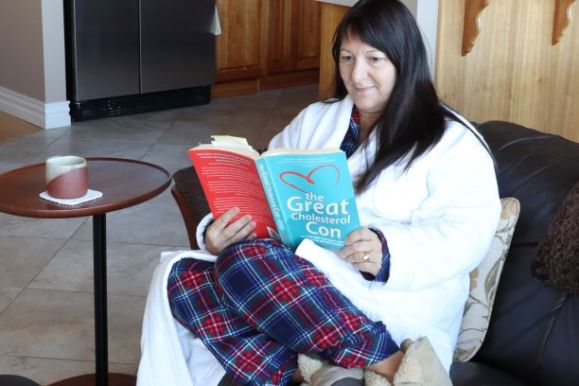
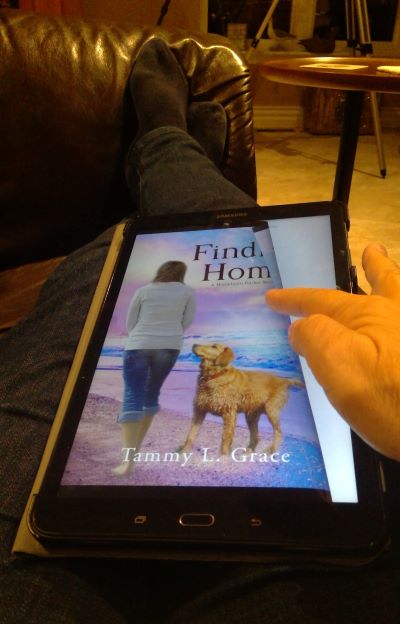
I have always loved reading… I was one of those kids who read with a flashlight under the covers when I was supposed to be going to sleep. One of my favourite features of the Kindle Reader I have now is that I can read it in bed without a flashlight…

As a practicing pharmacist, virtually all of my reading was non-fiction, learning information that would help me be a better pharmacist. But I always loved novels, especially historical ones and those about another culture or a country I’d never visited. Now I try to balance my reading between fiction and non-fiction.

So you can imagine how pleased I was to find an article based on science about the many ways reading fiction is good for your brain… couldn’t wait to share it with you!

Science-based ways reading improves brain function:

  1. Improves ability to detect and understand social cues This skill is known as “Theory of Mind” and helps us to interpret the actions and body language of others. If you’re a fan of “Big Bang Theory”, think of Sheldon, a character who reads only scientific literature and has great difficulty understanding the emotions of others and subtleties in language, such as sarcasm. Well-written literary fiction will “show” not “tell”… emotions are shown through actions of the character rather than describing the emotion itself (for example: if a character “storms from the room” the author doesn’t need to say he is angry).

  2. Increases empathy Fiction allows the reader to get in touch with the characters’ thoughts and feelings, imagining other realities and how they might feel in that situation themselves. Readers of fiction scored better than non-fiction-only readers on a test to guess a person’s feelings when shown only a photo of their eyes.

  3. Sharpens memory and engages imagination Simple 3-word phrases, like “red leather purse” were enough to activate the hippocampus, a center in the brain for memory, in functional MRI tests. When reading fiction, the reader needs to consider both what is being said and what is not said. Often spaces need to be filled in using the imagination. I have often described a good book as a “movie in your mind”, with pictures created by your imagination using cues and descriptions in the book. Unlike movies and television, where all the details are provided, books require the reader to create the pictures and “hear” the voices. And most books last much longer than the average TV show, requiring you to remember details from the beginning that may turn out to be important later on…

  4. Improves decision making and emotional processing Modern scanning techniques have shown that reading stimulates key areas of the brain. Any time you exercise part of your brain, it responds by creating new connections between brain cells to increase function. These are the areas of the brain that light up when reading:

    1. Prefrontal cortex – area for decision making and recall

    2. Lateral temporal cortex – area that deals with emotional association and visual memory

    3. Hippocampus – long term memory processing

    4. Parietal lobe – understanding emotions and interpreting sensory information

    5. Posterior cingulate cortex – memory recall

  5. Can create effective self-reflection Poetry, especially “high poetry”, such as works by Shakespeare, Wordsworth or Dickinson, activates “autobiographical” memory, your episodes of personal memories of experiences, objects, people and specific events experienced at a particular time and place. Poetry encourages reflection on these episodes to apply personal meaning and understanding to the poetry.

  6. Creates serious “mind building” Reading-connected activity in areas of the brain associated with comprehension continues for as long as 5 days. This “shadow activity” is similar to what occurs with muscle building. Reading is like lifting weights for your brain!

  7. Improves vocabulary and verbal skills Language constantly evolves. Different authors write in different ways, using different language, exposing you to more words used in a wide variety of ways. Reading a variety of authors teaches new ways of explaining ideas or creating images with words. There is a direct correlation between good verbal skills and reading. Even reading non-fiction can expand your vocabulary while you acquire new information.

  8. Slows mental aging Reading is a constant mental exercise for all ages. Word imagery, metaphors, philosophy, abstract ideas and creativity challenge and activate the brain. Lifelong readers demonstrate better processing and understanding of sentence structures, comprehension and memory as they age.

  9. Encourages learning from the content you read Non-fiction teaches ideas and facts but well-written fiction can also teach about other cultures, geographical areas, ideas, history and more through story and setting. The key is that the author does the required research to provide accurate details, even though the story line may be fictional.

So, never feel that a good novel is a waste of time. Enjoy imaginative stories along with inspiring non-fiction, knowing that it all keeps your brain active and continuing to develop throughout your life.

Categories
Health

Marijuana — Now Legal for Medicinal and Recreational Use in Canada

Marijuana became legal for adult recreational use in Canada on Oct 17th, as I’m sure you’ve heard on the news. The Canadian Government’s goal is to control use, eliminate the illegal trade, prevent use in minors and, of course, collect taxes.

But I’d like to talk about the other side of marijuana — medicinal use. In Canada, marijuana use for medicinal purposes has been legal for 17 years but it’s only supplied through government sources, essentially mail order. Pharmacies are still not permitted to distribute or help clients with this medication and many doctors do not prescribe it, and this has lead to a fracturing of the usual medication system designed to prevent drug interactions and problems.

Another downside, besides the inconvenience of mail order, has been the stigma of using what was, until now, an illegal substance. I know of patients who would have benefitted from it, according to current studies, but were afraid to try a medication that had been described to them as a “drug of abuse”, worried they might become “addicted” while their doctor prescribed opioids or other prescription drugs instead.

Medical uses of marijuana

While marijuana is currently not a first-choice treatment for any condition, scientific evidence has shown it works for chronic pain, nausea and vomiting caused by chemotherapy, spasms caused by MS, and treatment-resistant epilepsy. There is also discussion around the possibility it may help decrease the opioid problem, now at crisis level in many countries, by substituting marijuana for this more dangerous class of medications. I know of patients who have successfully made the change from opioids to marijuana and now experience good or better pain relief with fewer side effects.

There are many active components in marijuana, known as cannabinoids — at least 113, according to official Health Canada information, and as many as 400 different ones, according to other references. The two most active cannabinoids are THC (tetrahydrocannabinol) and CBD (cannabidiol). Most medicinal marijuana contains more CBD, the chemical that is active for pain and reducing muscle spasms) and less THC (which creates the “high”). Products can now be produced that contain virtually no THC for medicinal use. These products are considered safer than opioids and have fewer side effects than anti-inflammatory analgesics (known as NSAIDS).

Currently healthcare professionals are divided regarding whether access to medical marijuana should be integrated into the current medicine supply system. Many are not well educated on its actions and side effects, as they have had little or no contact with medical marijuana. Your doctor and pharmacists may not be able to advise you whether you would benefit from this medication unless they have taken the initiative to educate themselves. Currently there is little incentive for pharmacist to become involved, as they are not permitted to help even clients with legal permission to use marijuana. Last year, a young pharmacist lost her licence temporarily for helping one of these clients solve a problem with his medical marijuana — a tragedy, in my opinion.

Is it OK to self-medicate?

With marijuana now available for recreational use, it has also become available for patients who may decide to self-medicate. This is certainly not an ideal situation When something is affecting your health, it’s always best to get a proper diagnosis and discuss treatment options with your doctor or nurse practitioner. Like any medication, medical marijuana use needs to be monitored, to ensure it will be used in the safest manner possible, at the correct dose, in the ideal formulation, and that interactions with other medications or diseases will be avoided.

For example, smoking marijuana has all the same risks of lung problems that smoking tobacco does, and would aggravate lung diseases like asthma. While occasional recreational smoking may run lesser risk, smoking marijuana every day for medicinal use is understood to be as dangerous as a tobacco habit. Inhaling marijuana gives quick onset of effects (within seconds to minutes) but the effects do not last as long (usually 2 to 4 hours), requiring frequent dosing. Other forms, such as oral (swallowed) or sublingual (placed under the tongue) can last up to 12 hours, making them more suitable for medication use for patients with chronic diseases.

Can marijuana be habit-forming?

Humans produce their own cannabinoids, just like we produce our own opioids, and these drugs work by attaching to receptors in our brains for the substances we normally produce. When this happens, our brains change to compensate for the extra stimulation from the introduced drug. When these drugs are stopped, it can take some time for the brain to revert back to its usual function and this results in withdrawal effects that are generally opposite to the effect of the drug.

Opioids, for example, cause drowsiness and reduce the perception of pain. When opioids are stopped abruptly after longer-term high-dose use, people often have difficulty sleeping, may develop anxiety and could become hypersensitive to pain. While the brain changes with marijuana seem to be less persistent than those that occur with opioids, resulting in less withdrawal symptoms that with opioids, these can occur after long-term high-dose use. Marijuana withdrawal can result in nausea, anxiety and sleeplessness. Tapering the dose is recommended to avoid withdrawal effects when stopping long-term use, the same as with any medication that affects brain receptors, such as antidepressants, anti-anxiety medications, antipsychotic drugs and opioid analgesics. Further research still needs to be done to identify risks and benefits of long term use for chronic diseases.

In summary, there is still much to learn about marijuana, both for medical and recreational use. Legalization of the substance will encourage more research, reduce stigma for those using it for medicinal purposes, and encourage learning on the part of healthcare professionals. Our best hope, on the medicinal side, is that marijuana may help to reduce deaths and addictions to opioids from both medical and illicit sources while becoming an effective and safer treatment for a range of medical conditions.

References and further reading:

Now that cannabis is legal, let’s use it to tackle the opioid crisis, The Conversation

Cannabis in Canada, Health Canada

Information for Healthcare Professionals on Cannabis and Cannabinoids, Health Canada

Categories
Health

Ever considered keeping a journal?

Ever considered writing a journal? I’m thinking about it… want to think along with me?

There are many reasons to journal. My mom kept one for years, initially about household purchases and expenses – she liked looking back to find out just when we had bought that old couch or how much electricity had gone up in the past year. Eventually, she had records that dated back several decades. In more recent years, she kept track of the weather, appointments, who had visited and anything she wanted to remember. We all said her memory was better than ours, and that probably had a lot to do with her journaling.

A journal can take many forms and can contain anything you want. You may journal for different reasons and your purpose can change over time. The only intentional journaing I’ve done so far has been a travel journal, with the goal of making notes of where we went, how we got there and what we saw and did, in case we went back or wanted to share information with others about that location. Although, now that I think about it, I also kept a journal of sorts while working at the hospital pharmacy, keeping notes in a pocket-sized ring binder on new drug information. Several of the pharmacists there did…we called them “portable brains”!

So, there are lots of types of journals, and plenty of reasons to write daily. But what things should you decide before starting a journal?

  • Why do you want to journal?

    • A journal can be used to capture events and memories, as I did with my travel journal, but it can have several other uses too. Some people use a journal as a processing tool, to help solve problems, for example, by writing out the pros and cons of decisions they need to make or by listing their choices if what to do next on a page. Some use a journal to work out their feelings — when you write down the little things that irritate you, you realize they really are just little things.

    • Others just want to start a daily habit, perhaps as they begin a new stage in life. With the birth of each of my children, I purchased a “baby book” to record all of those wonderful “firsts”. After my third, I continued to record memorable events related to my children, eventually filling up a small journal. My children have enjoyed looking through it years after it was written and, in a sense, it was written as much for them as for myself.

    • Writing daily in a journal can also be used to improve your writing skills. Any practice helps and, knowing the writing is not going to be read or edited by others can give you freedom to let ideas to flow onto the paper or screen.

    • Recording your thoughts can also help improve self-awareness. Journaling can create a time to just think and record those thoughts, if that is your goal.

  • What format do you want to use?

    • Digital

      • While you could simply write in a word processor, such as Word, you might want to consider a dedicated app, such as Day One, Live Journal and many others. Some also allow digital photos to be included, a nice addition to a travel diary, and can sync between devices. These programs offer the advantage of security, as you can password-protect your writing. Some can also be encrypted for further protection, which could be important if you are writing deeply personal honest thoughts that must never be seen by others.

    • Pen and paper

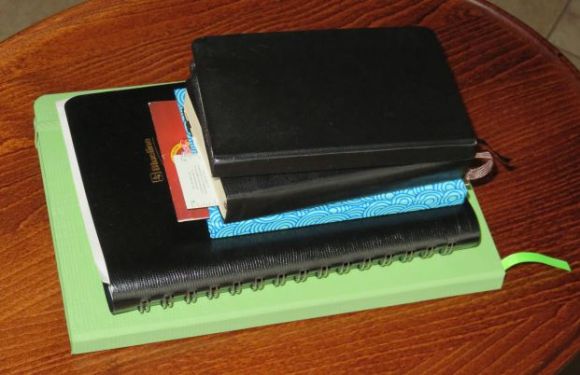
      • Writing in a traditional paper journal slows you down since it’s more difficult to change words written in ink. This requires you to think more before writing, and that may be one of your goals. Many also feel it offers a richer experience, similar to how some people prefer traditional paper books to electronic ones.

      • Paper journals can be kept in a locked drawer for a certain level of security. However, consider whether you care if it is found after you’re gone…

  • What to write?

    • Julia Cameron, author of The Artist’s Way, suggests writing a stream of consciousness — whatever comes into your mind — first thing each morning to stimulate creativity. She refers to these as “morning pages”. This activity can be helpful for writers, to practice allowing ideas to flow onto the page uncensored.

    • Michael Hyatt, former publisher, now author and blogger, suggests creating a template to guide your journaling, rather than facing a blank page. To do this, list questions you want to answer each day and leave space for answers

      • For example:

        • What happened in the past day? (records events)

        • What were my successes? (gives a sense of momentum, positive focus)

        • What am I thankful for (promotes gratitude)?

        • How do I feel right now?

        • What have I learned in the past day?

        • What can I do next to move ahead with a project I’m working on (or want to do)?

      • A template can work well to record daily events and to help you focus on what is positive in your life. Also, as you begin, it can be helpful just to get you started each day.

  • When is the best time for you to write? How long do you want to spend writing each day?

    • Regardless of when you decide to write, choose a time of day that is convenient and consistent. A habit is easier to create if you make it part of an established daily routine, for example, with your morning coffee. Leave your journal on your kitchen table or, if you prefer to write at night, on your pillow as a reminder. How long you spend each day depends on your goals — a stream of consciousness journal might be a timed activity, say 15 minutes each morning, while recording thoughts and events while traveling in an amazing country might vary by the day, depending on your activities.

  • How long you want to continue to do this?

    • Commit to a trial period. Realize it may take a while to become a daily habit. Don’t give up after too short an effort and don’t worry if you miss once in a while at first. It may seem a bit difficult as you begin (what to write?), but many people find journaling enjoyable. Don’t be surprised if your journal changes over time — just write what is enjoyable or helpful for whatever stage of life you are in right now!

Categories
Health Public Health

Flu season? Who cares…

You’re healthy. A little flu won’t hurt you. And you hate needles. Why bother with the flu shot? Well, it’s not just about you…

You see, when you get the flu, even just a mild case, you can pass it along to others, and they may not be as healthy as you are. That sweet little old lady in front of you in the grocery line or the young woman in the doctor’s office, that you didn’t know was taking chemo, could be exposed to the virus you just caught because you didn’t get your shot. And they could become very ill because their immune system isn’t as strong as yours. If you don’t get the flu, you can’t pass it on.

Protect the herd…

And, while we’re talking about virus infections, I should tell you about something called “herd immunity”. This term means that if most of the the population (or “herd”) in an area is vaccinated to protect them from a virus, then those who are more vulnerable and those who can’t (or won’t) get a vaccine will be better protected.

But a majority of the “herd” needs to get their flu shot for the effect to make a difference. If too few are protected, then enough people are vulnerable to let an epidemic spread. We’ve seen this lately with some of the childhood vaccines… Diseases like mumps and measles had become quite rare, but in recent years news articles have described local areas and sports teams where groups of people have become sick with these viruses. Untrue rumours on the internet have convinced many parents that there is a connection between the measles/mumps vaccine (MMR) and autism. In spite of having been proven incorrect, articles continue to circulate around the internet about this false connection.

Reactions are rare but…

Most people tolerate vaccines well – the slightly sore arm or mild fatigue that sometimes occurs is nothing compared to a full-force flu. And, in the elderly, the very young, and those with chronic disease or a weakened immune system, it can be life-threatening. People die from the flu every year.

A very few serious reactions to vaccines are reported, due to allergies or sensitivities, and this is why you need to stay for 15 minutes after your shot. If you should have one of those rare reactions, you will receive treatment for it right away. Doctors will recommend that people who have had a serious reaction do not take that vaccine again or that they receive it in a hospital setting. This is another case where herd immunity, ensuring that friends, co-workers and family are vaccinated, can be important.

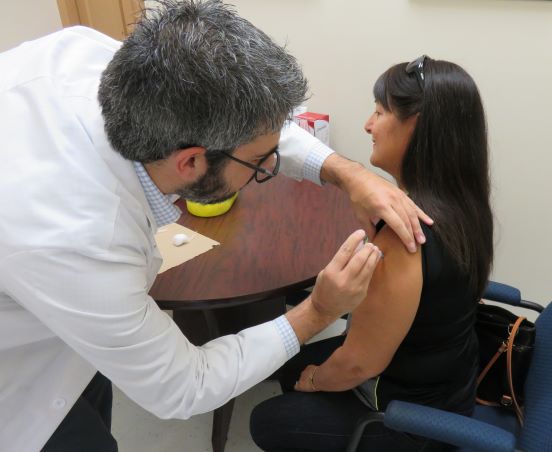
So do your part to protect yourself and others — find a pharmacy or clinic that gives flu shots. Most pharmacies do now, and they’re free there for most people just as they are at your doctor’s office. Roll up your sleeve and take a deep breath… it’s done in seconds and hardly hurts at all.

And, to feel the injection less, here’s what to do:

  • Relax. It hurts a lot more if the muscle is tight.

  • Ask the person injecting to wait until the alcohol evaporates. It only takes a few extra seconds.

  • Don’t move. You want the needle to go straight in and straight out quickly.

  • Distract yourself. Even taking a deep breath can be enough distraction to take attention away from the injection.

  • Apply pressure right away. Your brain will register pressure instead of pain.

    • Often an injector will press lightly on your arm while giving the injection, for the same reason.

    • They will also make sure the injection is well into your muscle – it hurts less there and works better too.

    • The injector will use a cotton ball to apply pressure. You can take over so they can finish up their paperwork.

  • If the area is sore later, apply a cold compress (a refrigerated ice pack or ice cubes wrapped in a cloth). You can also take a dose of Ibuprofen or Acetaminophen (Tylenol) to reduce soreness at the site of the injection, a common side effect.

So, lots you can do to make your flu shot practically painless!