Categories
Health Public Health

Could antibiotics increase risk of disease?

New research suggests that antibiotic use during pregnancy and in early childhood may affect a child’s chances of developing asthma, obesity, Crohn’s and other inflammatory bowel diseases later in life, and increase risk of severe infection in the first 6 years of life.

A baby’s first contact with bacteria is during birth. The organisms in the mother’s birth canal will be the first to become established in the baby’s digestive system and on the skin. If a baby is born by Caesarean section, she will acquire organisms from the mother’s skin and from whatever she contacts in the hospital.

In my June 15th blog, The world inside…, I talked about how the types of bacteria, viruses, fungi and other organisms we have in our digestive systems (collectively known as the “microbiome”) can change the way the immune system works, especially in early life when the immune system is “learning” how to function. Studies I found this week suggest that this effect can extend to later in life and perhaps even to the next generation.

Obesity

In agriculture, animals are given antibiotics to promote their growth and weight gain, increasing production. The effect is believed to occur by changing their gut microbiome. It has been proposed by scientists that a similar effect could be expected in humans. Depending on the antibiotic, growth could be promoted or stunted, the same as what is seen in animals.

An article published in the National Review of Endocrinology suggests an altered microbiome in early life could have long-lasting effects on weight, possibly contributing to 10-15% increases in rates of obesity. This article also describes how researchers have demonstrated in animals that antibiotic exposure early in life has a longer-lasting effect than when given later. This supports the premise that antibiotics have a greater disrupting effect if given while the microbiome is becoming established in the early years. In humans this happens in the first 3 years of life.

Infections

One study published in the International Journal of Epidemiology showed that antibiotics taken by an expectant mother before or during pregnancy, especially in larger amounts and close to the birth, were associated with an increased chance that the child would later be hospitalized for an infection. This is believed to be caused by an antibiotic-induced change in the microbiome, passed from the mother on to the baby, that changes the way the immune system develops in the newborn.

Inflammatory diseases

Another study reported that 7 or more courses of antibiotics in childhood increased risk of developing Crohn’s disease 7-fold. Celiac disease was also associated with early antibiotic use and these effects were greatest when the medications were given during the first year of life.

Asthma

Increased antibiotic use has also been found in many studies to be associated with asthma, but it is yet to be proven that antibiotics or resulting changes in gut microbiome are the cause. Some researchers have suggested that infections severe enough to require an antibiotic or some other factors could be contributing to the increased risk of developing asthma. So, lots of controversy…

The hygiene hypothesis

The “hygiene hypothesis” originally suggested too little exposure to infections as a child could disrupt development of our immune systems and cause increases in allergic and inflammatory diseases. Researchers now also suggest that overuse of antimicrobial soaps and strict avoidance of exposure to non-infectious bacteria in early life in an effort to avoid contact with disease-causing bacteria may contribute to both a poorer quality microbiome and a malfunctioning immune system. It seems that it’s a matter of balance: too little exposure to microorganisms may create immune problems, and too much exposure may increase risk of infectious disease. The big question is, what is the best level? That hasn’t been determined yet but, for now, experts recommend spending lots of time outdoors in nature where we will be exposed to plenty of healthy natural organisms, especially children with developing immune systems.

We need more research…

More research is needed to determine whether antibiotic is increasing risk of allergic and autoimmune diseases. Fortunately, in the past 10 years there has been increased interested in investigating links with antibiotic use, changes in microbiome and how this could affect us. This research is especially important as there have been substantial increases in asthma, allergies, and autoimmune diseases, such as Multiple Sclerosis, Lupus and inflammatory bowel diseases like Crone’s and Celiac disease in the past generation as antibiotics have become more widely used. We need to learn whether it’s just a coincidence or a cause…

There is no question that we benefit from proper use of antibiotics. They can save lives. But too often they are used when unnecessary or for viral infections like colds and flu when they have no effect. Increasingly, healthcare professionals are recommending probiotics to help our microbiome recover after a needed course of antibiotic treatment, as they become aware of the negative consequences of damage to our gut organisms.

So, if you’re sick with an infection, don’t just go to your doctor and demand an antibiotic. Ask if you truly need this medication, take the lowest level antibiotic that will work if you do need one (ideally one that has been identified by a culture to work on the infection you have), and ask what you can do afterward to repair any damage to your gut microbiome. This could include probiotics and a change in your diet to help stimulate growth of your good organisms.


Categories
Health

4 Things you should do to avoid becoming a frail little old lady (or man)…

Becoming frail when you get old isn’t inevitable… Researchers have found 4 things you can change to increase your chances of being able to move easily and do all the things you want well into old age.

4 things you should do to to prevent becoming frail:

  1. Watch your weight. Keep your weight in the normal to overweight class. Those who are very overweight, classed as “obese” have a 7.9% chance of having difficulty getting around when they’re old compared to 2.9% of those who are a healthy weight.

    1. Not sure what’s normal? Here’s a link to a chart that can help you figure it out, or a calculator that will give you a Body Mass Index (BMI) number.

    2. Aim to have a BMI between 18.5 and 29.9, although some recent studies suggest people with a BMI between 25 and 29.9 live the longest. Being underweight is considered as risky to your health (statistically) as being obese.

  2. Be active, ideally every day, but at least for 30 minutes 3 times a week. This recommendation just makes sense – muscles that aren’t used wither and become weak over time. As some will say, “use it or lose it”!

    1. Note that it doesn’t have to be strenuous exercise, just walking will do. And it doesn’t have to be 30 minutes straight of exercise. Ten minutes 3 times during the day works just as well.

    2. If you carry a phone around with you, an easy way to measure your activity is to install a free pedometer on it. I tried out a few and the one I like best is called Pedometer Step Counter. It tracks steps, distance, calories burned and time, and allows you to set goals if you want. You can look back by day, week or month to see how you’ve been doing. It’s really fun to see how far you’ve walked when on vacation… I walked over 150 km a month when we were in Spain last fall!

    3. By the way… the photo above is of a 90-year old who teaches yoga! Here’s her story as told on ABC News in 2013…

  3. Don’t smoke. This one probably has something to do with losing lung function… 5.4% of smokers became frail in old age, compared to 3.5% of non-smokers. But smoking also causes inflammation (see #4) so could be causing frailty and contributing to the aging process in several ways. There are so many reasons to quit… Smoking makes your skin age more quickly too, by the way, so quitting will help keep you looking your best!

  4. Reduce chronic inflammation. Two proteins are found in your blood that tell doctors how much inflammation might be hiding in your body.

    1. The first is called interleukin-6, and it is an indication of inflammation levels in the body. Higher interleukin-6 means you have more inflammation, and that’s an important factor in aging and disease. More about that later…

    2. The other is C-Reactive Protein (CRP), another marker of inflammation. Some doctors have started checking CRP levels to determine their patients’ risk of heart disease.

      1. Production of both interleukin-6 and CRP proteins can be decreased by cutting down on sugar intake and reducing stress.

Chronic inflammation

A Harvard Health article refers to inflammation as a “unifying theory of disease”. Often thought of as a result of disease, inflammation has been shown in newer studies and observations to be part of the cause of many diseases. Mounting evidence suggests that coronary artery disease (that leads to heart attacks), diabetes, cancer and Alzheimer’s Disease all include inflammation as part of their causes.

We recognize acute inflammation by the heat, pain, redness and swelling it causes. This is part of the body’s response to injuries, like cuts, scrapes, and sprains, to foreign substances, and disease-causing organisms like bacteria and viruses. Acute inflammation is part of our immune system’s protective action. The problem occurs when the helpful inflammation is not turned off afterward. This leads to chronic inflammation that can cause aging and disease.

We all have a certain amount of chronic inflammation and for many it stays under the radar, only to be noticed by a blood test. Anti-inflammatory drugs like aspirin and ibuprofen reduce inflammation and this is likely part of the reason that low-dose aspirin helps to prevent heart attacks along with its ability to prevent blood clots.

But many chronic diseases have been observed to occur less often in people who are taking anti-inflammatory drugs for other reasons, such as for pain or arthritis. Over a hundred years ago, it was observed that sugar levels in the urine of people with diabetes were reduced when they took high doses of sodium salicylate, a form of aspirin. It was even documented that sugar in the urine could be eliminated in some people with milder cases of diabetes. Of course, that doesn’t say that their blood sugar, the more important reading, was completely reversed, but it was a very interesting observation.

Cancers of the liver, cervix and stomach which make up about 15% of cancers, are closely tied to levels of chronic infectious diseases, generators of chronic inflammation. Cigarette smoke, a known cause of lung cancer, and asbestos, associated with a type of cancer of the lining of the chest, both contain ingredients that cause inflammation.

Inflammatory reactions produce reactive forms of oxygen that can damage cell DNA, and this damage can lead to the initiation of a cancer. Fruits and vegetables contain many anti-oxidants that can neutralize these free oxygen radicals, and this is likely one way that these foods help to prevent heart disease and cancer. They probably help to prevent diabetes and Alzheimer’s, too, through the same mechanism… reducing inflammation in the body.

Here’s what you can do…

The good news is that there is lots you can do to reduce inflammation in your body and keep your cells from aging more quickly. Eat a healthy diet with lots of fruits and vegetables, and avoid high amounts of added sugar, refined carbohydrates (like white flour), and processed foods, especially those containing trans fats. Reduce stress as much as you can and exercise regularly, as it reduces the negative effects of stress on your health as well as keeping you fit.

Make sure you seek treatment for any infection, complete the treatment and go back if it’s not completely cleared. And talk to your doctor about whether you would benefit from a low dose of the anti-inflammatory, aspirin.

Other research

In an earlier blog “On family dinners and living longer” I described research on Blue Zones, areas where significant numbers live beyond the age of 100 years… click here if you missed it.

References:

Old before your time? Daily Mail, UK

Inflammation and Insulin Resistance, Journal of Clinical Investigation

BMI Calculator

Categories
Health

The world inside…

We humans, each of us, have trillions of microbes that live inside and on the surface of our bodies – most experts say about 4 pounds worth. These include over 10,000 different types of microbes (including bacteria, viruses, and fungi), collectively known as our “microbiome”. And having a larger variety of microbes in our system may actually be a protector against future illness, as new research suggests they give us resilience against disease.

For many years we only heard about bad bacteria, viruses and fungi that cause disease. But the truth is, most organisms are beneficial, and, in fact, we can’t live without them. We need to think of these good microscopic inhabitants of our bodies, as a part of us that we need to keep healthy. We have a “symbiotic” relationship: we evolved together and rely on each other for survival.

The pharmacy school at the University of Toronto recently hosted an online Town Hall Medicine summit on the microbiome, where 21 researchers spoke about results of research they have been conducting in this area. I listened to most of the lectures and want to share some of what I learned. The series is still available (for a fee) if you are interested in learning more.

What do microbes do for us?

These microorganisms perform many bodily functions for us: from helping to digest our food and absorb nutrients, to protecting us from disease, to controlling how our immune system functions, and more. Although they’ve been researching our microbiome for over 10 years, scientists are still learning new ways they interact with our human cells with significant increases in understanding in the last 5 years. They now believe there is a connection between the make-up and health of the microbiome and obesity, autism, allergies, intestinal health, responses to drugs, rheumatoid arthritis, Type 1 diabetes and many other conditions.

Inflammatory diseases, like Multiple Sclerosis (MS), asthma and Crohn’s disease, have been on the rise over the past 50 years. Researchers have proposed the “hygiene theory” which suggests that decreased exposure to microbes, through overuse of antibacterial agents and just being too clean, has lead to decreased diversity of our bodies’ beneficial microbes. Some evidence suggests that exposure to good bacteria in the early years of life is crucial to avoid inflammatory diseases, such as asthma and inflammatory bowel disease, later in life. Think of it as giving your immune system “exercise” to help it strengthen and learn to function properly.

The gut and the brain “talk” to each other…

Recently they have even identified communication between gut bacteria and the brain, through hormones, nerves, and chemicals known as neurotransmitters. They believe that this communication affects our mental health. What we eat influences the composition and activity of the microbiome and this has lead to research on how our diet could influence mental health. For example, newer studies suggest eating a western diet of highly processed food may increase risk of depression and anxiety. But choosing a Mediterranean diet, with higher amounts of vegetables and good fats like olive oil, may reduce risk of these mood disorders. This field of study is called nutritional psychiatry.

We also have a major nerve, called the vagus, that directly connects the brain and the gut. Years ago, surgeons would sometimes cut this nerve in patients who had ulcers caused by stress. The ulcers healed, but many patients developed psychiatric problems afterward. It turns out that this nerve is a two-way street, carrying messages from the gut to the brain as well as in the other direction, and it’s another important way our gut and our brain communicate.

I’ve read about an abdominal breathing technique that is suggested help with relaxation: the belly is pushed out during inhalation and pulled in while exhaling. I’d always thought this was just a distraction technique, a type of meditation to take a person’s mind off their troubles. But I’ve learned that this abdominal movement can stimulate the vagal nerve when done correctly, actually creating a relaxation response in the brain. However, experts stress that it requires practice to be able create a full parasympathetic relaxation response that is useful during an episode of stress. Seems like a worthwhile skill to develop!

Exposure early in life is important

Studies of asthma and allergies are very telling. Children who receive an antibiotic in the first year of life have higher rates of asthma. Studies also suggest growing up on a farm, with a dog, or being born by natural birth versus by sterile caesarean section can result in lower risk for asthma and allergies. All of these affect the types of bacteria a child is exposed to early in life and therefore will incorporate into their digestive and other systems. It seems that exposure to organisms in the first 3 years of life – while the immune system is developing – is more important with longer-lasting effects than later in life when our systems are well-established. Trying to repair and maintain a microbiome that is damaged as an adult is more difficult than establishing a healthy one in the first place and requires ongoing effort. Researchers describe extinction of entire species of microbes in the inside world, the gut, of some populations. And they can be very difficult to reintroduce, just as it’s almost impossible to reintroduce animal species that have become extinct in the outer world. Keep in mind that a typical probiotic capsule contains less than 10 species of organisms, compared to around 10,000 species in a healthy adult. Although probiotics can help some, we need to do more.

How can we help out our gut microbes?

Factors that affect the composition of our microbiome include the types of food we eat and where we spend our time. With modern urban living, many can spend as much as 90% of their time indoors. Simply spending time in nature can change the types of organisms we take into our bodies. Bringing fresh fruits, vegetables and plants into the home can help recreate “the farm effect” with benefits to our microbiome.

Eating fermented foods can also help, as the fermentation process creates many beneficial bacteria. One expert recommends five servings per week of at least three different types of fermented foods. These foods also provide fibre, which feeds good bacteria. Although raw foods contain more live bacteria than those that have been cooked, even organisms killed in the cooking process benefit the immune system.

Just like a garden…

One expert, Anne Bikle, who is also an avid gardener, describes our large bowel as a “garden” and a “medicine chest”, producing substances that protect us from abnormal, potentially cancerous, cells as well as infections. She tells us that 40% of the compounds in our blood are made by our microbiome, and that we are as much microbial as we are human. She suggests we need to treat our digestive system as we would a garden: feed it plenty of fiber and nutrient rich plants, just as you would add nutrients and compost to soil to have a healthy garden that produces tasty vegetables or beautiful flowers. Her advice in a nutshell? “Mulch your garden soil, inside and out”. Keep your inside world and your outside world healthy…

Reference:

Town Hall Medicine, University of Toronto, Leslie Dan Faculty of Pharmacy

Are we more microbe than human?

Categories
Health

Could pizza prevent cancer?

Italian scientists at the National Cancer Institute in Naples claim they have designed a cancer-preventing pizza. Their Pizza Pascalina is being called “the pizza that extends life” and an “anti-tumour” pizza.

North American pizza is generally thought of as an unhealthy treat… so what’s the difference with this new style of pizza?

First, there is no cheese or meat on it. The ingredients, chosen for their ability to decrease risk of heart disease, stroke and some types of cancer, are common in the Mediterranean diet.

It has fresh tomatoes which contain vitamins and minerals, and some research suggests tomatoes may slow the growth of some cancers.

It also has olives and olive oil – basic ingredients of the healthy Mediterranean diet that contain healthy fats our bodies need. Broccoli is another vegetable in the recipe that provides vitamins and minerals and has been shown to reduce risk of various cancers, according to some research.

Here’s my version of this recipe:

  • Whole wheat crust

    • 4 cups whole wheat flour (bread flour is best)

    • 2 tsp (1 envelope) instant rise yeast

    • 1 tsp salt

      • Mix together then add:

    • 1 1/2 cups warm water

    • 2 tbsp olive oil

    • 1 tbsp honey (optional – helps “feed” the yeast)

      • Mix, then knead until smooth and elastic, 5 – 10 mins

        • To knead, fold dough in half towards you, push away with heels of hands, turn dough 1/4 turn, and repeat. Add flour underneath and on top as needed to prevent sticking.

      • Let rest for 10 mins, then spread in pizza pans (makes 2 pizzas)

      • Meanwhile, prepare desired amount of toppings:

  • Cherry tomatoes (halved)

  • Rapini (a type of broccoli) – finely chopped (I used regular broccoli)

  • Ripe olives (Kalamata) – pitted and sliced

  • Extra virgin olive oil

  • Garlic

  • Onions

  • Chilli or other spices/herbs as desired (I used tarragon, oregano and basil)

    • Fry onions and garlic in olive oil until softened

    • Add tomatoes – fry until excess liquid is mostly evaporated

    • Add finely chopped broccoli

    • Spread 1 to 2 tbsp olive oil on uncooked pizza crusts

    • Add toppings from pan

    • Sprinkle on sliced olives, herbs and/or spices

    • Bake at 500F 10-15 mins, or until browned on bottom and edges

I didn’t miss the salami or pepperoni at all, but I did add some cooked seafood (small scallops, shrimp) to mine to make it tasty! And I cheated just a little and added a small amount of Asiago – a strong cheese that you don’t need much of to add flavour. A small amount of Parmesan or Feta would work too, and these provide some calcium that our bodies require. It’s all about the amount you add… everything in moderation!

I love making pizza and have been making it for many years, but I think this was the best one I’ve ever made… tasty as well as healthy! Researchers say this one is healthy enough to have it twice a week.

Let me know how yours turns out if you decide to try it!

Reference article:

The Cancer-Preventing Pizza

Categories
Health

Doing what successful people do…

Many of the most successful people, like Bill Gates and Elon Musk, have an interesting habit. They spend time every day learning something new.

Are you trying to keep your brain sharp? Or do you want to get ahead in your career? Lifelong learning – setting time aside to learn something new every day – can help, especially if you choose to learn specific skills that contrast with what you already know or do for a living.

Learning opposing skills and integrating them with what you already know has a fancy name –”Integrative Complexity”. Think of it as becoming a more complex person by integrating new knowledge. Many of us avoid learning skills in areas that are outside our comfort zone. But these are the skills that can challenge you to expand your mind and capabilities, both in your personal life and at work, more than just learning more about something you already know. Continually learning new ideas and skills throughout your life keeps your brain sharp too! Your brain actually forms new connections between its neurons (nerve cells) as you learn.

Some examples…

As a pharmacist I had to study a large amount of scientific information. For over twenty years, I have done formal reviews of pharmacy education programs. This was much more professional education than was required, but I enjoyed and appreciated the opportunity for exposure to the newest ideas and information. After I sold my business, I had a chance to improve my second language, French, by working in an area where French was spoken. I’d always wanted to speak the language better! Although it was very different from learning about my scientific profession, I enjoyed my new skill so much I decided to work on a third language, Spanish. I found a free app called Duolingo, that sends me reminders every day. Now I just need to find someone in my area of Canada to help me practice speaking Spanish!

At the same time, I decided to write down “everything I’d learned about hormones” into a book. I wanted to record the information I’d learned about how hormones work, what happens when they get out of balance, and what can be done to rebalance them again in a format where others might find useful. I quickly realized that writing a book is a lot different than writing articles, as I’d been doing for pharmacy journals for over ten years. So, I decided to study writing techniques and skills…all about words, grammar, and how to get ideas across effectively in written form. This blog is one way I’ve been practicing my new skills. I’ve learned a great deal about the craft of writing in the past two years, and will continue to learn for years to come, I expect!

What if you don’t have the time?

Integrative Complexity, learning and integrating skills of diverse types and reading/learning daily, is a common trait of highly successful people like Barak Obama. We might think these busy people would have difficulty finding the time to read an hour a day. However, they regard learning as an activity important enough to justify the necessary time.

How can you create time for learning? One way is by reducing time spent on TV and social media. Another is to “multi-task” by listening to learn as you do another activity like driving or household chores. Most books are available in audio form now, and audio lectures, courses and educational podcasts abound on the internet, many at no or low cost.

Where to start?

A simple internet search can find information sources that interest you. Udemy is a website I came across with courses on many topics, and I found some excellent writing courses there. Digital Photography School’s website is where I indulge my passion for photography, reading tips and short articles each week. This educational blog format is particularly useful for those who just want a new ideas on their chosen topic on a regular basis. I also signed up for a wonderful free online photography course, A Year With My Camera, in January that’s taught me many new skills. They send a weekly email with information, techniques and exercises to practice what was discussed.

Choose a learning goal…

But, learning is most effective when we have a goal that we work toward, rather than just learning random facts and ideas. Putting what you’ve learned to use right away (as I’ve been doing with my writing skills in this blog) helps you to remember and integrate information, too. Experimenting with activities that use your new knowledge can also help you to learn quickly what else you need to learn to improve your new skills further.

So, take a minute to think about what you’d like to learn, or what you’ve always avoided doing because you feel uncomfortable about trying it. Research sources of information (YouTube.com is great for this) and wade in! Your brain and your career will more interesting and no doubt you’ll gain a sense of satisfaction and pride from your new skills…

Happy learning… and let me know if I can help (especially if one of your goals is to learn to be healthier!).

Sources and further reading:

Integrative complexity

5-Hour Rule (spending at least 5 hours a week learning)

Categories
Uncategorized

Technology… Creating memories

It’s amazing what can be done with technology now, isn’t it? My friend and I both lost a parent in the past week, and we both had an opportunity to improve the experience and create positive memories to cherish in the years to come using a little technology. Let me tell you our stories…

My mom had decided it was time to move from her apartment to a higher level of care before she went into hospital. So, we had started clearing out her apartment when her health really started to fail, and old photo albums had already been pulled from their hiding places. When she moved from ICU to palliative care, the grandchildren came to visit and say their good-byes. They helped to clear out her apartment, too, and found the stack of albums.

They were fascinated by old photos of my mom and dad in their younger days – in a park, on their wedding day, on a motorcycle! – and with another album of a wonderful garden party my mother had thrown years ago. They scanned several of the photos using their cell phones and were able to put the photos up on the large TV in my mother’s room wirelessly from their phones, with the aid of a small piece of equipment (essentially a wire with a USB on one end and an HDMI plug on the other). Not wanting to overtire her, they showed the older photos one afternoon and the garden party the next. She smiled often, making a few comments as her energy allowed, and we could tell she really enjoyed sharing the memories and seeing the friends and family who had attended the party again.

And, not only did this make her last days more pleasant, it created positive memories for us and helped us to create some happiness in a sad place. I wanted to pass along this experience, in hopes that someone else might be able to recreate something similar should they find themselves in a comparable situation.

My friend, holding vigil with her dad, helped to create a feeling of inclusion for her siblings who were not able to be there. Using video conferencing, she was able to share her father’s last moments with them, gaining their support and avoiding any potential future regrets of “not being there”. It’s thoughtful and caring that most hospitals make Wifi available for patients and their families now…

Losing a parent is one of the most difficult passages in our lives. It is wonderful when we can use technology to make challenging times easier and more positive, bringing families closer together.

Categories
Health

Memory problem? Take note…

My mom has always had the best memory of anyone in the family…and she’s over 90 now (though she wouldn’t want me to tell anyone that!). She keeps a journal… about everyday things: the weather, appointments, who visited, prices of things, interesting articles in the news.

And now there’s research that says we remember better when we write something down using pen and paper than when we type on a computer.

Researchers have found that physical writing uses more parts of the brain than typing does, and involving multiple senses helps us remember better. Years ago, I read that we remember more when we both hear and see information, compared to just reading it. And doing something (anything!) with the information, whether actually using it or simply playing a game with the information, helps us remember even more – all because we’re using more of our senses.

All this suggests that children should learn to write, not just use a keyboard. The slower speed of writing and the increased difficulty of altering what you’ve already put down makes you organize your thoughts more concisely. As an adult, if you’re reading an important book or information article, take notes…the process of writing down what’s important to you will help you remember the details and organize the information in your mind.

There’s something about pens and paper I’ve always loved… a special pen, multiple colours of ink, a beautiful hardcover notebook to write in. Perhaps that’s part of why I like to write. I often write out an outline for a blog article with a nice sharp pencil as I’m reading and researching. The lined book I’ve been using for the past year and a half is almost full. But, I think I’ll start a journal too – one on paper. I tried an online version a few years ago, which offered the bonus of allowing me to add photos, but it seems what I wrote just disappeared into a list of dates. Maybe I’ll look for a really nice pen to write it with… and have a section for blog ideas!

How about you? Want to improve your memory? Try making notes of what you want to remember, or things you’d like to accomplish. Review your notes later to help your recall of the facts and check off items on your “to do” list – you may find that you feel better about your memory and your achievements!

Reference:

Michael Hyatt’s newsletter

==============================================

I hope you’re enjoying my blog articles about interesting information I’ve read and learned. If you do, please join my email list and share it with anyone you think might be interested in health information and staying well! I so appreciate it…

==============================================

Categories
Health

Save your smile

Do you often choose fruit tea as a healthier option between meals or in the evening? Do you enjoy swirling the drink around your mouth to really enjoy the flavour before swallowing? If so, you could be damaging your teeth…

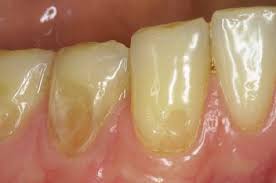
Acidic foods and drinks in the diet are associated with erosion of tooth enamel, but some people get more tooth damage than others. A study published in the British Dental Journal in March 2018 looked at what habits you should avoid to save your teeth…

First, it helps to understand that acid in foods softens tooth enamel, while alkaline saliva and “buffering” foods (containing calcium, phosphorous or fluoride) neutralize the acids and protect tooth surfaces. We all know that sugar is bad for our teeth, but did you know that it causes tooth damage by being broken down into acids by bacteria in the mouth? It is the acid, not the sugar, that causes tooth damage, although experts state that sugar is a greater cause of tooth decay than erosion of enamel.

Saliva is alkaline and therefore neutralizes acids, so consuming acidic foods or drinks at meal times, when more saliva is produced, results in less tooth damage. Holding an acidic drink in the mouth increases contact time with teeth and swishing or swirling a drink creates mechanical forces that further increase enamel loss.

Researchers say that when you brush may also make a difference in how much erosion of tooth enamel occurs. Brushing after acid has softened enamel may result in more erosion. In fact, some researchers have suggested that brushing before eating sweets to remove as much bacteria as possible could mean less acid will be produced, and therefore less tooth damage.

The Erosive Tooth Wear Foundation states that tooth erosion has increased in the past 25 years. Up to 30% of adults have signs of tooth wear. Dietary habits, medical conditions, chemical and mechanical factors combine to increase risk.

What are some of the risk factors?

  • Increased abrasion – While regular brushing does not increase enamel loss, using a very stiff brush, or a highly abrasive tooth polish regularly may cause problems. Holding items, like pins or nails, in the teeth or grinding the teeth regularly can also wear away the enamel in those areas.

  • Age – All adults will have increasing signs of wear as they age, due to chewing or speech patterns.

  • Dietary habits – How much and how often you eat acidic foods and drinks, especially between meals has an effect. Remember that swishing, sipping slowly and holding acidic drinks in the mouth dramatically increases the chance of damage due to increased contact time. Adding a buffering, calcium -containing food or consuming at meal time when more acid-neutralizing saliva is produced will lessen the chance of problems. So, add milk to your fruit tea, mix yogurt with your fruit or eat cheese with your wine!

  • Medication – Thick, syrupy medications tend to adhere to the teeth, greatly increasing contact time between the sugar they contain and tooth surfaces. This can be a problem if they are taken frequently between meals. Brushing before taking the medication to remove plaque and bacteria may reduce the amount of acid produced by the sugar. Rinsing the mouth or eating immediately afterward would reduce contact time of the syrup with the teeth.

  • Medical conditions such as gastroesophageal reflux disease (“GERD”) or bulimia nervosa (habitual induced vomiting to lose weight) – Stomach fluid contains hydrochloric acid, a very erosive acid, and digestive enzymes…both are very damaging to the teeth, removing minerals that harden the enamel and the collagen that supports the minerals.

  • Fluoride – Fluoride, as a mouthwash or in toothpaste, hardens tooth enamel and makes it more resistant to erosion.

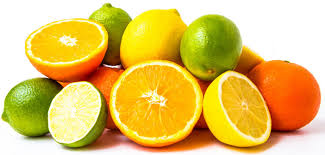
So, help to save your smile by reducing the effect of acid on the surfaces of your teeth. Avoid tooth erosion caused by acid contact between meals: add some milk to your fruit tea, avoid soft drinks (essentially all are high in acids), drink acidic liquids through a straw to reduce tooth contact and remember that bacteria turn sugar into acids. Balance your acid intake… for example, if you plan to have wine in the evening, choose a non-acidic snack in the afternoon. Alcohol, fruit teas, sodas, sports drinks and flavoured water are all acidic drinks. Water, regular tea, coffee and milk are not. Adding lemon to water or tea makes it acidic too. Most fruits and fruit juices are acidic, with bananas and peaches being less so, and don’t forget about tomatoes, pickles and vinegars which are also acidic. Hot foods and drinks are reported to cause more erosion than cool ones.

Ask your dentist or dental hygienist to show you areas where mechanical erosion has begun so you can change your chewing pattern or other habits that are wearing away enamel. Notice whether you sip drinks slowly or swirl them before swallowing, increasing contact time with teeth.

References:

Nature.com – British Dental Journal study

Erosive Tooth Wear Foundation

Categories
Health

Heel pain – is it curable?

While heel pain can be caused by a problem in the heel, often the pain has nothing to do with the foot… if special shoes, heel cups and anti-inflammatory medications aren’t helping, read on!

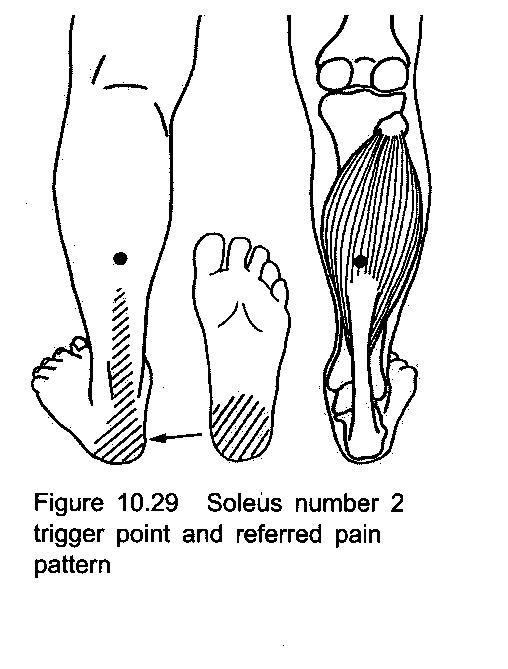
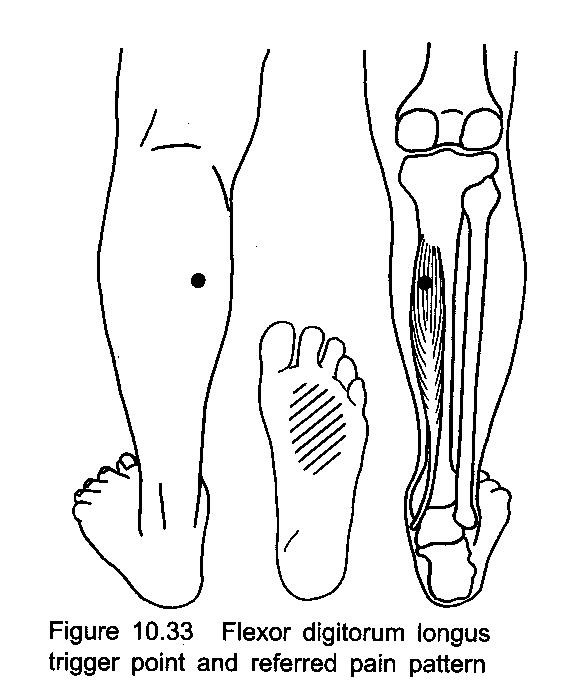
In the diagram below, stripes show where pain is felt and the dot is where the problem originates.

How I learned about it…

Years ago, I was diagnosed with plantar fasciitis (inflammation of the fascia covering the bottom of the foot). I bought new expensive shoes, bought heel cushions, took Advil and rubbed anti-inflammatory cream on the bottom of my feet. It seemed to help but the problem never went away.

Then my brother-in-law, also a pharmacist, told me sometimes heel pain can be caused by a muscle spasm in the calf. Really? Hard to believe, but I was ready to try anything… walking was so painful. Instead of rubbing anti-inflammatory cream on the soles of my feet, I rubbed it on my calf muscles. I massaged my calves and stretched the back of my legs. And, wow, it worked! Whenever I felt any pain in my heels, I stretched my calf muscles and it disappeared right away.

Later I read how a muscle spasm or damage can “refer” pain to a different area of the body, making you think your problem is somewhere else. All your careful treatment of the painful area gives little relief because the source of the pain is elsewhere. A heart attack is a classic example of this – damage to the muscle of the heart (caused by lack of oxygen when a clot blocks its blood supply) is often felt in the jaw or left arm instead of in the chest where the problem really is.

The pain from a particular muscle tends to form a consistent pattern. Doctors Travell and Simons mapped out these pain patterns in the 1950’s and their work formed the basis of massage therapy. Unfortunately, most health professionals do not learn about muscle pain and its quirks. This means muscle pain is frequently misdiagnosed.

Fast forward to this year…

Now I have an odd pain near the toe joints of one foot. Some days it’s so bad I can hardly walk but it gets better once I walk (limp!) around a bit, and if I wear soft padded shoes. My doctor diagnosed it as arthritis, but that doesn’t seem to fit (or maybe I’m just too stubborn to accept a diagnosis that has no cure and no treatment other than pain medication). She suggested I consider custom orthotics and physiotherapy…

My physiotherapist figured out that my beautiful (and expensive) sandals were the problem – and I walked over 150km in them while in Spain. One sandal tilts slightly to one side causing me to do strange things with my foot (picture hanging on with your toes while your foot is slipping to one side…). I immediately threw them in the garbage and faithfully did the exercises she gave me. My foot was better but it didn’t clear up completely.

It took me a while, but eventually I realized there could be a similarity to the heel pain I had years ago. I dug out my trusty manual that is based on Travell and Simons and flipped to the section on feet… and there it was! A muscle spasm in the “flexor digitorum longus”, a muscle in the back of the calf. When I press on the area it is very tender, but I feel no pain in my calf at all when I walk. The pain all “referred” to my foot… The dot in the diagram is called a “trigger point” – an area where a muscle spasm is focused, and it’s the best place to treat a spasm. Often a muscle will relax if the trigger point is pressed and massaged.

This calf spasm was very likely a second way my body was trying to compensate for a tilted shoe. My physiotherapist once told me that there is rarely only one trigger point… the body eventually creates several spasms as it tries to adjust to a weak or injured area.

So, now I’m stretching my calf and rubbing my anti-inflammatory/muscle spasm cream on my “flexor digitorum longus” muscle that is causing so much pain. It will take a while to work out the “trigger point” knot deep in the muscle, but my foot is starting to feel much better already.

Custom orthotics?

As for custom orthotics (insoles), a new study published in the British Journal of Sports Medicine this week says expensive custom ones are no better than “off-the-shelf” insoles for plantar fasciitis foot pain. After my experience, I can’t help wondering if any insoles really help–especially when the problem originates in the calf muscles–but they feel nice when you have them in your shoes…

If you have stubborn foot pain that won’t go away, no matter what you try, see a physiotherapist or massage therapist that follows the work of Travell and Simons. Muscle pain is tricky and often disguises itself as “joint pain” or “arthritis”. Knowing where your pain originates and treating the source can make all the difference in finding a cure. Too often we treat the symptoms and not the cause in our medical system.

By the way, my favourite book on all this is The Trigger Point Therapy Workbook by Clair Davies. It explains trigger points, where their pain is referred, and how to treat them. It’s designed as a self-treatment guide you can use yourself. I added links to sources of the book in the references, if you’re interested.

References:

The Trigger Point Therapy Workbook – Amazon Canada ; Amazon US ; or AbeBooks

CTV News – article on custom orthotics study

==================

If you enjoy my blog and find the information useful (or at least interesting!) please join my mail list! And if you know anyone who might also be interested, please share it with them. You’ll be helping my writing career at the same time… Thanks!

Categories
Environment Health

Plastic? Think twice…

Plastic doesn’t decay…it breaks into smaller and smaller bits until you can no longer see it. We call these microplastics. And these tiny particles are making their way into our drinking water—and our bodies. They can take hundreds of years to decompose, if they do… Plastics have only been around for 50 years, so that’s just an estimate. The bigger problem is that they are not inert…plastics contain substances that can compete and interfere with our hormones.

You don’t have to ingest the actual plastic for it to affect your health either. Substances, sometimes called “plasticers” that keep the plastic soft and flexible can be transferred into your food when you cook, store or serve food in plastic. These fat-soluble chemicals can mix with oily or fatty foods and your body can store them in fatty areas. Hot food, fat or oils, and damage to the surface of the plastic makes it easier for chemicals to transfer into food. Softer plastics are thought to transfer their chemicals more readily.

Plastic in our food

Sometimes you can even taste the plastic…coffee in a Styrofoam cup, a dairy that always sold their chocolate milk in glass bottles because they noticed plastic ones affected the taste. I even noticed water, served in a scratched plastic pitcher at a conference, tasted strongly—unpleasantly—of plastic. I didn’t drink it.

We’ve all put tomato sauce into a plastic container and noticed the orange colour became imbedded into the walls of the container. Plastic takes up oily substances, just as its chemicals pass into fatty foods. Questions have been raised about other substances plastics in the environment could be absorbing and transporting. The United Nations Food and Agriculture Organization is concerned that some plastic particles may be small enough to pass into our bloodstream and collect in our organs where chemicals they contain can gradually leach into our system.

Plastic can affect our hormones

Some of these chemicals are “hormone disruptors”…chemicals that interfere with how your hormones act in your body. And some, like bisphenol A (BPA) have been linked to hormone-related cancers and possible effects on unborn babies because of their hormone-like activity. More study is needed on the health effects of plastics.

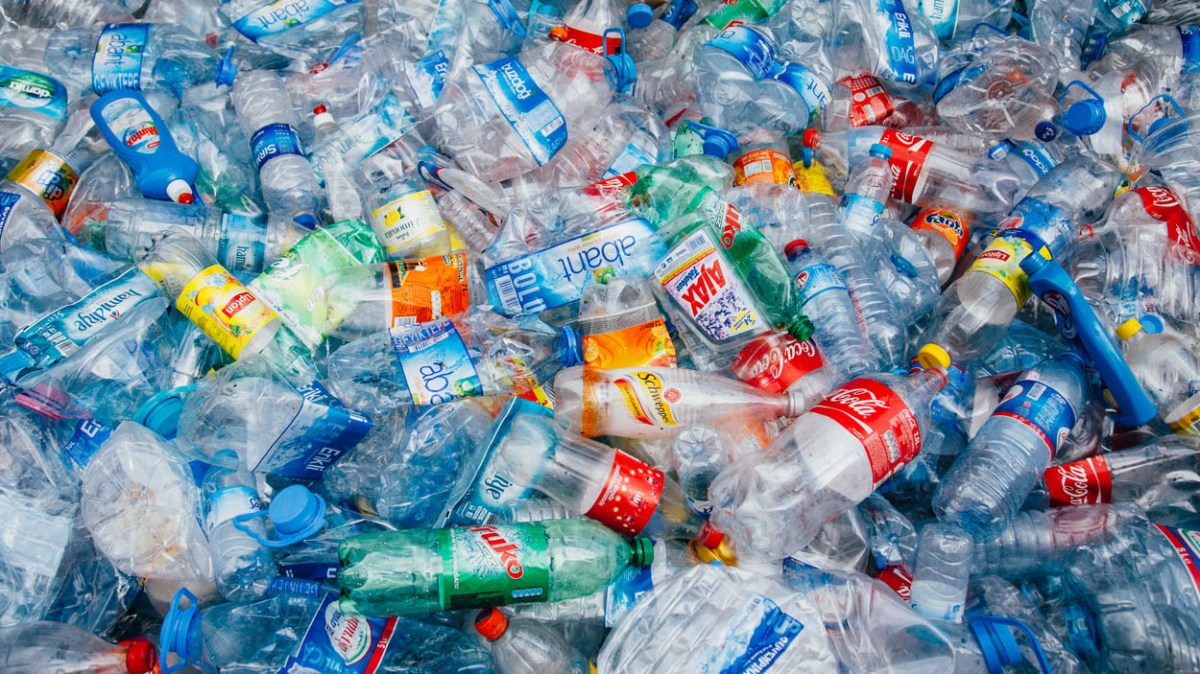
Results of a new study conducted by Orb Media, a partner of CBC News, found microplastics in 93% of 11 brands of bottled water they tested from 9 different countries. They were only able to identify particles 100 microns (0.1mm) or larger. It seems likely that there were more smaller particles they were unable to detect.

They defined microplastics as pieces of plastic 5mm or smaller. They are created when plastic waste disintegrates and were also manufactured for use in exfoliant skin care products. The European Food Safety Authority has suggested that most swallowed microplastics are excreted by the body, but researchers have found microplastic beads from skin care products in stomachs of fish in the Grand Lakes. This has lead to banning of these beads in commercial products.

Plastic “islands”

Plastic waste continues to build in coastal waters. Researchers estimate that by 2050 there will be more plastics in the oceans than fish. Ocean currents cause them to collect in some areas, creating plastic “islands”. They block the sun’s rays from entering the water and trap sea life.

It’s easy to think we can’t be ingesting enough plastic to harm us. But we humans are at the top of the “food chain”—everything our food sources take up we consume and concentrate. We need to pay attention to what we put into the environment…and to what we are essentially “feeding” our food!

You can help…

This weekend, go buy yourself a water bottle made of glass, metal or ceramic and stop buying bottled water. If your tap water at home has an unpleasant taste, get a water filter. It’s a simple thing you can do to save the environment, save money, and save your health at the same time.

References:

Exposure to Chemicals in Plastic – Breast Cancer.org http://www.breastcancer.org/risk/factors/plastic

CBC: Microplastics article http://www.cbc.ca/news/technology/bottled-water-microplastics-1.4575045