
Categories
Environment

It's a shitty problem…

There seems to be a problem in the water…fecal bacteria above acceptable limits are showing up in water tests in some areas of the New Brunswick coastline.

I had a great discussion with my neighbour, Natasha Bell, this week about issues that increase the risk of pollution on our beaches. Initially concerned about the impact of a large proposed campground nearby, she quickly realized that the greater issue is damage to the delicate ecology of the shoreline along the entire coast of our province – and the potential for it to worsen with further development of the coastline. This lead her to become involved in a growing movement to protect our New Brunswick coastline. She established a local group, along with another concerned neighbour, Pierre Gagnon, to create awareness in members of our village council about our concerns.

They subsequently joined forces with 3 other similar groups, creating a large group that has been named SWWAT (Save our Waters, Wetlands and Tourism) to have a stronger voice with our provincial government. I attended a meeting last evening with Natasha and Pierre to discuss future actions concerned citizens can take to identify and correct existing problems and to prevent development of future problems along the NB coastline. It was attended by people from Shediac to Murray Beach, ready to exchange ideas and take action.

The issues are similar along the entire Atlantic coastline and, in fact, in many watershed areas of both fresh and salt waterways. Wetlands have been seen as “wasteland” and simply filled in to create developments for human use. Even my home was built into the wetland before existing regulations were in place. We have returned a swath of land along our property to natural vegetation along an area of water drainage from higher ground, both to try to restore some of the filtration function that was lost and because we love the appearance of the natural vegetation.

But as I thought about what we had discussed after talking to my neighbours and attending a SWWAT meeting, I wondered what I could do to help. I realized that in many ways this is an issue of education and awareness:

  • We need to educate people who use the coastline for recreation or industry that every small action is cumulative – everyone needs to be aware that actions that cause a small amount of damage can add together to cause significant problems for humans, birds, sea life and the overall ecosystem of the coastline.

  • We need to create awareness in municipal and provincial government employees and elected politicians who make decisions that affect our shores:

    • about the facts around issues that are causing damage now;

    • about the importance of finding and correcting the sources of existing problems that are potential health hazards;

    • and about the importance of considering both the current and future impact of decisions and legislation that are passed.

      • It isn’t simply about testing water quality so Public Health can predict when beaches should be closed, it’s about finding and correcting the causes of bacteria in coastal waters and taking action through legislation and policy that will correct existing problems and prevent future deterioration of the ecological systems along our shores.

  • We also need to educate our youth – the next generation – to ensure this wonderful resource is available in the future. Just on our small stretch of beach, we have had late night fires that consumed snow fencing used to prevent erosion of dunes and burned Christmas trees placed against damaged dune areas to trap sand. We’ve also had to pick up broken glass and garbage from impromptu midnight beach parties! But youth can also be a passionate force for positive change, educating their parents at the same time. We realized that the way to reach young people is through engaging their schools and increasing our reach through social media and our website. Youth communicate through electronic media!

  • We need to continue to research solid facts surrounding this issue and communicate these to government and the public to create knowledge and an awareness of the severity of the problem.

  • We want to continue to engage the attention of news media to enable wider awareness of our concerns.

Because I am a blogger and have already created a website and marketing materials when I had my business, I volunteered to work on similar approaches to spread the word about these environmental issues. It’s not only the health of people like me who use the beaches for recreation that is at stake, but also the tourism, fisheries and ultimately the economic health of coastal areas.

The SWWAT group has two requests of government:

  1. Moratorium – We are asking the Provincial Government to impose a temporary moratorium on significant development within 500 meters of wetlands draining into Northumberland Strait until the sources of fecal contamination have been identified and mitigated.

  2. Legislation – We are asking the Government to legislate a long-term wetlands protection plan supported by strict enforcement of protective regulations.

These actions will protect the health and safety of families and visitors to the beaches, as well as the future of the tourism and fisheries industries in the area.

Will you join our cause? Whether you are a resident of the area, enjoy vacationing there, or just want to help a worthy cause, please sign our petition. Help us to direct government attention to saving our shores for all to enjoy in the future!


Categories
Uncategorized

Why I blog…

I hope you are enjoying your summer! I’m just back from a vacation in Miscou Island that included mackerel fishing and spending time with extended family, some of whom I hadn’t seen for over ten years. I’ve also had some special events with neighbours that included a fabulous lunch with 9 great women who live on my street. Not surprisingly, I’ve had no time to research a health blog for this week. This is how to take a vacation from retirement, I guess! I hope your summer is including similar activities…

So, instead of a health blog, this week, I thought I’d tell you a little about me – why I blog and how I got started writing.

I’ve been writing for a long time – probably over 20 years – usually volunteering to write an article for a local newspaper or a pharmacy journal. I have always liked sharing what I know, with the hopes that my knowledge may help someone. I quickly discovered that I enjoy writing and that I continually learn as I research new information for my articles.

But when I owned my pharmacy, it was also a great way to promote my business at the same time. As a pharmacist, I certainly preferred having clients, new and old, come to my store because they were looking for help with a health problem, rather than just to pick up something that was on sale (especially non-pharmacy items!).

When I first started my pharmacy in the mid-90s, a good friend and mentor, who already owned her own business, suggested I host a short seminar at my pharmacy. I had already spoken to a support group of parents with children who had asthma, so my first talk was already prepared.

The asthma talk was a great success, and afterward I was able to help one attendee, who was being treated for asthma, to learn that he actually had an incorrect diagnosis. He had asked me about the difference between asthma and a condition called Sarcoidosis, which he had been diagnosed with 10 years earlier. The symptoms are similar but the treatment is different. It was very rewarding to know I played a part in the dramatic recovery he experienced once he started taking the correct medication. Now, 20 years later, most pharmacists are compensated by Medicare to do this type of work, and it’s called a Medication Assessment.

I decided to host an event once a month, researching and writing presentations on many different topics. I learned a lot in the process, as I organized what I already knew and learned more with each presentation. It was also another effective way to promote my pharmacy as a place to learn about medications and the diseases they treat. I began receiving invitations to speak to various groups and, as they say, the rest is history… as my husband and I built a successful pharmacy business together.

I found I really enjoyed writing so, when I retired from active pharmacy practice, I decided to continue. In addition to writing articles for a national pharmacy journal, Pharmacy Practice Plus, I have been working on a book based on the specialized hormone work I did for clients for over 10 years. I hope that my book will help to inform women about how their reproductive systems work, how hormones function in the body, and what options are available to treat hormone imbalances. Through my work with women, I learned that greater understanding can help women communicate their hormonal issues more effectively with their physicians.

One recommendation for writers is to develop a “platform” – a way to reach potential readers. Hosting a blog and developing a list of subscribers is one suggested component of a good platform, as well as developing a following on social media, such as Facebook, Pinterest and LinkedIn. This was my inspiration to start my blog, as well as to set up a Facebook page and social media accounts. This gives me several ways to share the link to my weekly blog and reach out to people who are interested in learning about health issues.

“Likes” and “shares” on social media are positive parts of a writer’s platform, but a list of subscribers is the most helpful when talking to publishers. So, if you enjoy my blog, can you please subscribe to it, as this will help me to find a publisher for my book! I promise I will never share your email address – I use my list only to send a link to my weekly blog and, eventually, to tell you when my book is available.

As well as clicking the pop-up window (sorry about that irritating function, but blogging experts say they do work!) I also have a “Join my mailing list” box on the right side of my blog page. On a phone or tablet, scroll to the bottom to find the box.

And if you know someone who might also appreciate the information I share, please pass along my link: http://jeanniebeaudin.wixsite.com/author or just tell them to Google “Jeannie Beaudin blog” to find me! I really appreciate it, and you just might help me to get my book published sometime in the (hopefully) near future!

Thank you for your support!

Categories
Environment

How clean is the water you swim in?

Would you boil your lobster in ocean water these days? Might want to think twice about that…

Water quality at beaches in our area is being questioned, with beach closures more than once already this summer due to excessive fecal bacterial counts. Some types of pollution can be less obvious than the photo above. How clean is the water your kids are swimming in? Is it even being tested so you know?

The factors that contribute to increased bacteria in our coastal waters, rivers and lakes are not all known. However, it seems likely that the more crowded and popular an area is, the greater the likelihood of a problem developing. Population density, surface water run-off, and aging septic systems are all suspected contributors to high fecal bacteria counts. These bacteria put swimmers at risk of illness and infections…

Adding to the problem, is that government water testing requires 48 hours – water samples are being taken on the weekend and results are only announced on Monday, after many have spent the weekend swimming in potentially polluted water. Government officials insist that results cannot be provided in a more timely manner.

A quick internet search found a do-it-yourself test, Aquavial, developed and manufactured at University of Waterloo in Ontario that detects several bacteria (including E.coli, Pseudomonas, Salmonella, and Staphylococci), biofilm and fungi, even when levels are very low. It can be used for testing drinking water as well as any fresh water you plan to swim in, and gives results in 15-30 minutes. Check it out at https://aquabsafe.com if you want to check the river or lake you swim in – a single kit costs $20 and they sell a 6-pack for $100…enough to do weekly testing for the rest of the summer!

Unfortunately, it is the presence of enterococci that confirm fecal matter in salt water as E. coli grown only in fresh water so, to my knowledge, this test could not be used in ocean waters to detect fecal contamination. Currently the only fast test is for E. coli DNA, requiring only 4 hours, but this test is very costly and not widely available.

Much of the economy in coastal areas – especially tourism and fisheries – is tied to the environment. Our shores and coastal waters need to be kept clean to ensure these industries remain healthy. Those who use coastal areas for recreation or commerce need to be educated in how to preserve important wetlands and prevent damage to sensitive coastal areas. It is much easier (and less expensive!) to prevent damage than it is to try to repair the damage later.

Coastal areas, with their dunes and wetlands, are an ecosystem that serves many functions:

  • Filtration

    • Run-off water flows slowly through a marsh, allowing sediments to settle.

    • Wetland plants consume excess nutrients (including heavy metals) preventing accumulation in lakes, rivers and oceans.

    • Wetlands filter out and absorb bacteria from surface run-off water. Marshes can filter out up to 90% of bacteria.

  • Storage of water

    • Slowed water flow allows ground water to be replenished

  • Biological productivity

    • Because they absorb nutrients, wetlands are highly biologically productive. Freshwater wetlands compare to tropical rainforest in plant productivity.

  • Wildlife habitat

    • 95% of commercially and recreationally harvested fish are wetland dependant. Many bird, animal and insect species also rely on wetlands.

  • Erosion protection

    • Dunes and wetlands protect the coastline against storms, erosion and rising sea levels.

What can we do to help protect our dunes and wetlands?

  • Stay out of the dunes

    • Use only designated walkways when crossing dunes and wetlands.

    • Beach grass and dune vegetation protect against loss of dune sand and dunes provide habitat for animals and birds, and protect wetlands during storms. Simply stepping on beach grass can kill the plant.

  • Leash your dog

    • Leashing keeps dogs out of dunes where they can damage plants and disturb wildlife, and away from other people who may not love dogs as you do.

  • “Carry in, carry out”

    • Be sure to take everything you brought with you when you leave (including doggie do-do!)

    • Litter can take years to decompose (even when it’s out of sight in the ocean) and it can be a health hazard to birds, wild life and sea creatures.

  • No open fires

    • Using driftwood for fires removes a valuable natural resource that can trap sand and stabilize dunes.

Pollution of coastal waters is tied to destruction of wetlands along the coast. We all need to do what we can to preserve these natural filtering structures so everyone can enjoy our beaches and oceans for generations to come.

In eastern Canada, several environmental groups have sprung up demanding a governmental moratorium on further commercial development within 500 meters of wetlands until the sources of current problems are identified and corrected. Meanwhile, simple testing with confirmation of the more complex government testing later may be an effective way to protect your family from unnecessary exposure to bacteria and fungi while enjoying your favourite summer water activities in an area that is at risk.

Educate yourself and others who use coastal areas about how to prevent damage to natural structures that protect the health of our coastal areas and the people and wildlife who use them!

Categories
Health

Waking up with a stiff one in the morning???

Of course, I’m talking about a stiff neck, back or, heaven forbid, a Charley-horse! What causes those awful muscle spasms and can you prevent them?

Skeletal muscles are the muscles attached to our bones that are generally under our conscious control. We use these muscles to move parts of our bodies and to make facial expressions, such as smiling.

A muscle spasm, or muscle cramp, is an involuntary contraction of a skeletal muscle. Spasms of the skeletal muscles are often caused by overuse and muscle fatigue, by electrolyte imbalances or can be associated with a previous injury. Usually they occur abruptly and don’t last long. If they are extremely painful and don’t resolve on their own, you should seek a medical assessment to look for possible underlying causes.

Causes

Although the precise cause of a muscle spasm is not always known, electrolyte imbalances are believed to contribute. Spasms occur more frequently when exercising or doing physical work in hot weather, when dehydration and electrolyte loss occurs due to sweating. Muscles require enough water, glucose, sodium, potassium, calcium and magnesium to allow the muscle proteins to develop an organized contraction. A lack of any of these elements can cause the muscle to become irritable and develop spasm. The muscle soreness and increased risk of spasm that occur after new or increased exercise is thought to be due to a lack of electrolytes. With continued exercise, blood flow capability increases, bringing increased electrolytes, nutrients and oxygen to the muscle, and soreness no longer occurs.

Other causes of muscle spasms include:

  • decreased blood supply to the muscle, due to narrowing or disease of the arteries,

  • arthritis or other injury of a joint (where muscles spasm to try to support the damaged joint),

  • obesity, where increased weight can cause stress and strain of the core muscles of the trunk, leading to spasms of the neck and upper or lower back

  • diseases like diabetes, anemia, kidney disease and thyroid or other hormone issues (can potentially disrupt electrolyte balance)

  • diseases of the nervous system, such as amyotrophic lateral sclerosis (ALS), multiple sclerosis (MS), or spinal cord injury

Treatment

If a skeletal muscle goes into spasm, the initial treatment is to gently stretch the muscle lengthwise to break the spasm and resolve the acute situation. A physiotherapist or massage therapist can teach you exercises to stretch less obvious muscles, relieving spasm and pain. Heat and anti-inflammatory medications, such as ibuprofen (Motrin, Advil) or diclofenac (Voltaren Gel) can also be helpful for short-term pain relief. Your doctor may prescribe stronger pain medication and/or a muscle relaxant in more severe situations when the spasm does not readily subside. In Canada, the muscle relaxant, methocarbamol (Robaxicet and generic versions) can be bought without a prescription.

Quinine, an anti-malaria drug, is a very effective medication for nocturnal leg spasms and was used for many years for prevention of the nighttime “Charley-horse”. However, quinine was found to have serious side effects (vision problems and abnormal bleeding) and is only used now in severe cases where other medications do not help.

Trigger Points

A “trigger point” is a small area of contraction in a muscle, that shortens and weakens it, creating pain where the muscle attaches. The trigger point is often not located where the muscle pain is perceived. In medical terms, this is described as “referred pain”, much like the way a heart attack (damage in the heart muscle) is often felt in the left shoulder or arm. A trigger point is defined as a “highly irritable localized spot of exquisite tenderness in a nodule in a palpable taut band of muscle tissue” — so it’s an area that is painful when pressed and can be felt as a lump under the skin in the muscle. Drs. Travell and Simons wrote extensively about trigger points starting in the 1940s, mapping out common muscle trigger points and the areas where pain from each is commonly felt. Their work is the basis for today’s therapeutic massage and for some physiotherapy.

Massage, either by a professional or self-massage, can be helpful for muscle spasm. Massage can increase circulation to the muscle, bringing nutrients and removing breakdown products. Pressure on the trigger point of a muscle can also help to relax a spasm and trigger points are sometimes used as the site for acupuncture or accupressure. If you are interested in learning self-massage for relief of pain from chronic muscle spasms, I could suggest The Trigger Point Therapy Workbook, by Clair Davies, an excellent self-treatment guide that I have used with my clients (and myself!) for many years.

Conclusion…

So, if you are exercising or doing physical work, especially in a hot environment, be sure to drink extra water to replace fluids you are losing. If you are prone to muscle spasms, consider also replacing minerals, for example, by consuming a supplement or electrolyte containing foods or drink during activities on warm days. Ensure your diet contains adequate minerals: calcium, magnesium, sodium and potassium. If the spasm lasts more than a few days and is not due to an obvious overuse of the muscle or dehydration, see your doctor or physical/massage therapist and, together, look for an underlying cause.

Categories
Menopause

Vaginal Dryness…Ouch!

Vaginal dryness, part of a condition known as Vulvovaginal atrophy (VVA), is a common and progressive problem that can affect the health and quality of life of many post-menopausal women.

Vaginal tissues require estrogen – as estrogen levels decline after menopause, women can experience dryness, itching, irritation, soreness, and pain during sex and afterward. They may also have associated urinary problems, needing to go frequently or urgently. Almost 50% of women will experience these symptoms, but often don’t discuss them their physician because they may feel the symptoms are not important enough or are too embarrassed to bring up the subject.

As the vaginal lining thins, fewer cells are shed from the surface, leading to lower production of lactic acid and higher pH (or less acidic environment). This decrease in acidity can make women more vulnerable to bacterial infection.

As well, decreased estrogen results in less vaginal blood flow and a decrease in vaginal lubrication. Muscles also respond to estrogen including those that support the bladder and uterus, so low estrogen can result in decreased support in the pelvic floor. Several effects of low estrogen can lead to a variety of vaginal problem for women.

What can women do if this happens? Well, depending on the severity of symptoms, there are several options…

If the main symptom is mild vaginal dryness, a basic sterile lubricant can be helpful – KY Jelly is one brand name, and many generics are available. This can be very effective if the main problem is discomfort during sex, and can simply be applied by either partner as needed.

The next “step” up, is an adhesive lubricant, such as Replens. This moisturizer is designed to adhere to the lining of the vagina, staying there for 2 to 3 days, providing ongoing moisture and lubrication. It’s designed to be inserted with the provided applicator 2 to 3 times a week.

If neither of these options are sufficient, or if there are associated urinary problems, then it makes sense to discuss the possibility of replacing estrogen with your doctor to help these tissues become healthier. But there are different choices when it comes to estrogen replacement too…

Some estrogens have stronger action in the body than others, and estrogen replacements come in different forms and milligram strengths. If the only problems are in the vaginal area, it makes sense to just replace estrogen in that area. Using a suppository or inserting a cream into the vagina would be preferred to taking an estrogen tablet by mouth or using an estrogen patch, where estrogen would be supplied to the entire body.

Of course, estrogen stimulates the growth of many cells in the body, not just the ones in the vagina. This group of hormones attaches to receptors and stimulates growth of cells in the breast, uterus, bone, skin, hair, muscles, brain and blood vessels – almost every part of the body.

There are 3 main estrogens in the body: estriol, estradiol and estrone, and the actions of these are not all the same throughout the body.

Estradiol is considered the main and most active form of estrogen, and it’s produced by the ovaries as the egg develops and after it is released at ovulation. It’s the estrogen used in most supplements.

Estrone is thought to be a less favourable form of estrogen, as it is more readily stored and can be converted into more active estrogen later. Estrone and estradiol can be converted back and forth, and estradiol that is swallowed is mostly converted to estrone before it reaches the circulation. After menopause, estrone becomes the dominant estrogen and is created by conversion of male hormones produced in the ovaries and adrenal glands by enzymes in fat and muscle.

Estriol is a weaker estrogen that does not stimulate breast cells or lining of the uterus and only weakly improves hot flashes. It is the end product of the breakdown of other stronger estrogens and, when administered, is not changed. It is very effective in improving vaginal tissues, making it a useful estrogen for women with only vulvovaginal atrophy who wish to avoid any stimulation of breast tissue or uterus. It is not absorbed when swallowed and, perhaps for this reason, it has never been commercially manufactured. However, compounding pharmacists regularly prepare it in cream form for vaginal use. Estriol 0.5 mg inserted twice a week is often enough, although most women will use more initially to speed healing (up to 1mg daily, at bedtime for about 2 weeks, then reducing amount and frequency).

If you don’t have a compounding pharmacist in your area, vaginal estradiol would be my next choice. Be aware that it comes in various strengths, though, and only a small amount of estrogen is needed when it is being applied inside the vagina. Using larger amounts increases the likelihood of estrogen activity in other parts of the body.

To compare available products containing estradiol:

Premarin vaginal cream contains 0.625mg of estrogens per gram (about half is estradiol and the other half is equine estrogens that are also active), making it one of the stronger versions of vaginal estrogen on the market now.

In comparison, Vagifem is a suppository that contains only 10mcg (0.01mg) of estradiol per suppository – a huge difference! It is recommended to be used nightly until improvement (generally 2 weeks) then reduced to twice a week. It is interesting that Vagifem initially was sold as a 25mcg suppository, but the dose was reduced to 10mcg after further research. When using hormones in any form, it is recommended to use the lowest dose that will give satisfactory improvement.

Of course, estrogen is available in tablets and patches, but these are only recommended when additional intolerable symptoms occur in other areas of the body – hot flashes that interrupt sleep multiple times a night, for example. This type of hormone supplementation would help vaginal and bladder problems along with the other estrogen related symptoms, but the estrogen should always be balanced with progesterone to prevent over-stimulation of estrogen sensitive tissues and increased risk of cancer.

Lastly, due to a history of problems with hormones that are different than what our bodies produce, I always recommend using “bioidentical” hormones – those that are identical to what our bodies produce. And, although progesterone is thought to be unnecessary in those who do not have a uterus (since it was originally introduced to therapy to avoid an increased risk of uterine cancer), it makes sense to me after years of studying hormones to maintain the balance between estrogen and progesterone that nature provides whenever hormone replacement is being administered to the entire body, again using the same progesterone molecule that our bodies make.

Whatever therapy you and your doctor choose, however, remember that you always want to use the lowest level of treatment that will give sufficient improvement of your symptoms and to use it for the shortest time necessary.

If you have any questions, you can email me privately using the “Questions/Comments” button on the right side of the screen…

Categories
Health

Dance away your cares!

Saturday, July 1st, is Canada’s 150th birthday, and there will be music and celebration across the country… and, no doubt, lots of dancing, singing and just plain happiness! Celebrations are good for the spirit and dancing is one of the most fun types of exercise.

Dancing can actually be used as a therapy for many conditions, including anxiety, depression, feelings of isolation and chronic pain. It’s also used in patients with brain injury, AIDS, arthritis, autism, cancer and other conditions. It can be performed by those who are physically disabled, mentally handicapped and even elderly folks in nursing homes. Last week, I watched a video of a group of ladies dancing with their walkers to “Rock around the clock” – they were having a wonderful time! Click here to enjoy it too!

Dance therapy works for anxiety, depression and pain through the mind/body connection. In addition to the exercise component and exposure to music – both therapeutic in themselves – dance allows expression of feelings and thoughts through movement. And it’s fun!

A trained dance therapist can see dance movements as a source of information… an expression of the client’s subconscious thoughts and emotions, relationships to others, and symbolic movements that are personal to each individual. Feedback to the client from the therapist is used to promote increased self-awareness. Changing movements is claimed to initiate a change in the subconscious, and vice versa. So, trying out a new dance or changing up your moves can be even more uplifting. Dance is thought to express something that cannot be expressed in any other way.

Regardless of the interpretations a trained dance therapist can extract, there is no doubt dancing is therapeutic, even without anyone analyzing your movements! Moving to music you love is great exercise and lots of fun, and guaranteed to lift your spirits. It’s an exercise you can do while socializing with a group: formally at a class, informally at a club, or at a family wedding… or all by yourself with music blaring while cleaning the kitchen! Dancing with your kids or grandchildren is especially fun. A favourite activity in our house was dancing to the music of Dire Straits on a Saturday morning…some of their tunes still make me want to get up and dance!

So, turn up the music and dance like nobody’s watching… as often as you can… no matter who is around! It will improve your fitness level and lift your spirits, and might even help reduce anxiety, depression and pain.

Happy Canada Day!

Categories
Health

Tick talk…

It’s tick time… and ticks, including those that carry Lyme disease, are in long grass and on bushes, waiting to grab onto you, your clothing or your pet as you pass by.

The numbers of cases of Lyme disease are increasing – the US Center for Disease Control (CDC) estimates over 300,000 cases occur each year, although only around 30,000 are reported. Lyme infected ticks are present in largest numbers in north eastern US but, with global warming and increases in deer population, deer and the ticks they carry, are migrating north and are now found in parts of Canada as well. They are even found as far south as Florida, but are less likely to contact humans in warmer climates, as they hide during the day to seek shelter from the heat.

Lyme disease is caused by bacteria in the Borrelia family – tests look specifically for the Borrelia bergdorferi – but some researchers suspect that all bacteria in the Borrelia class can cause similar disease. The bacteria are carried mainly by black-legged ticks, also called deer ticks or bear ticks, and these ticks in turn are carried by deer, mice, gray squirrels, opossums and chipmunks. Lyme disease is not something new – DNA from the bacteria that causes it was identified in the 5,300 year old bones of Ötzi the Iceman, a mummy found in the Eastern Alps in 1993.

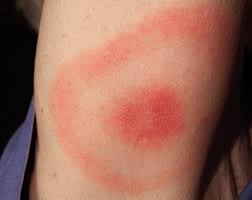
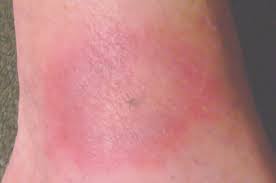
Early symptoms of Lyme disease include fever, chills, headache, fatigue, muscle and joint pain, and swollen lymph nodes. 70 to 80% of people who are infected get a rash that gradually increases in diameter over several days, and about 30% of these have a distinctive “bulls eye” appearance. The rash can get as large as 30cm (12 inches) across, most often is uniformly red or bluish red, and is rarely itchy of painful. However, 20 to 30% of infected people have no rash as all so its presence is not necessary for a positive diagnosis.

Diagnosis of Lyme disease is usually made by symptoms plus a history of tick exposure. However, immature ticks are tiny and flesh coloured, and can be difficult to see on the skin. Blood tests look for antibodies to the bacteria, not for the bacteria itself, as Borrelia dislike oxygenated environments and leave the blood quickly for other less oxygenated tissues, such as joint fluid or bone. As antibodies take several weeks to develop, blood tests will often not show positive results in the first few weeks of an infection. All of this suggests that many cases are not readily diagnosed.

If diagnosed and treated early, however, a full recovery is likely. It is treated with antibiotics, usually amoxicillin, tetracycline, doxycycline or cefuroxime, generally for 10 to 21 days but sometimes longer.

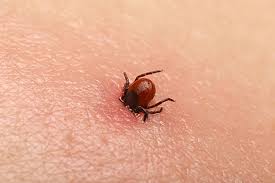
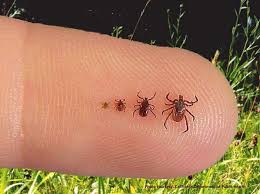
Ticks are tiny – the size of a poppy seed – so you need to look carefully to see them. As they feed, they become engorged with blood, becoming larger and easier to see. But you want to remove ticks as soon as possible. The tick must attach to skin for 24 hours to transmit the disease, so early removal can reduce the chance of infection. Check skin carefully after walking in tall grass or gardening – ideally, remove all clothing first so you can check all areas of your body. Be aware that clothes and pets can carry ticks too, that can bite you later, so handle clothing carefully (best with rubber gloves if you suspect ticks are present). Place clothes in the dryer at high heat for at least 15 minutes – dry first to kill any ticks, then wash later! Ticks have been reported to survive washing of clothing.

There are two good techniques for tick removal, depending on what tool you are using:

  • Fine-tipped tweezers – grasp the tick close to the skin. You want to grip the head, not the body (squeezing the body can cause the tick to regurgitate infected fluids into the bite, increasing the risk of infection). Pull straight upwards (or in the direction opposite to the angle of entry of the mouth parts, if you can see this), and pull slowly and steadily. Don’t twist or jerk the tick out quickly as this can increase the chance of the head or mouth parts breaking off and staying in the skin. Any parts left in the skin will also cause irritation and can increase the risk of other infections and can be removed as you would remove a splinter, with tweezers or a needle. Don’t use flat-tipped tweezers to remove ticks, as these will squeeze the body, increasing the chance of fluid regurgitation.

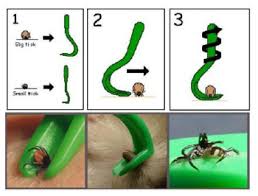
  • Tick removal tool (O’Tom Tick Twister is one recommended brand I found) – slide the tool between the body of the tick and the skin, and rotate the tool 2 to 3 times until the tick detaches. Rotate in only one direction to decrease the risk of breaking off mouth parts. Follow included instructions carefully.

Ticks are also more likely to regurgitate fluids into the wound, increasing the risk of infection, if they are irritated. Tick removal techniques that involve burning, freezing or using harsh chemicals to make the tick let go are not recommended. A viral internet video showing a technique using liquid dish detergent and a cotton ball seems to be effective at removal, but the irritating soap may increase the chance of fluid regurgitation. This technique is not recommended in the sources I consulted, due to a lack of testing to ensure the risk of regurgitation is not increased.

Ticks can be crushed in a tissue then flushed, or encased in a piece of adhesive tape. Placing into a ziplock baggie is another option. Some sources suggest keeping the tick for confirmation testing, in case symptoms of Lyme disease develop in the future.

So, pop a pair of pointed tweezers or a tick removal tool into a baggie and add it to your hiking or gardening equipment this summer! If you have room, add a roll of adhesive tape to safely remove any unattached live ticks you see on your skin, clothing or pet. And check your skin carefully after enjoying an outing in long grass or bushes where ticks may be waiting for you, so you can remove them before any infection has a chance to take hold…

Have you had a tick bite? How did you handle it? Leave a comment below!

References: WebMD.com; PetMD.com; http://www.bada-uk.org/correct-tick-removal

Categories
Health

How to fall well…

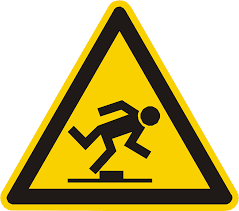
Falling when you’re a child is part of life but falling as an adult puts you at risk of an injury, whether you’re in you’re 20’s or your 80’s. There are strategies to prevent falling but, if you do fall, you can also fall “well”…

Here’s my story: while excitedly trying to book concert tickets on my phone and climbing the stairs, I took a step backwards to say something to my husband, missed the stair, and landed with full weight on a turned ankle. The bad sprain that resulted required several weeks recovery (including an air cast) plus weeks of physiotherapy… all from a moment of inattention.

Of course, much of what I want to discuss is common sense. However, many falls are due to not paying attention or neglecting to correct an obvious hazard. Taking a few moments now may mean you will avoid an injury that could take weeks to recover from.

If you do fall, of course you’ll only have a fraction of a second to react… but falling properly can decrease your chance of a serious injury. Here are some suggestions that may help you to react correctly:

  1. Protect your head – It’s the most important part of your body!

    1. If falling forward, turn your head to the side to protect your nose and mouth. Bring your arms up in front. Think of landing in a push-up, with arms flexed to absorb the impact.

    2. If falling backward, round your back and tuck your chin to your chest.

  2. When falling sideways, turn as you fall if possible. Try to land on the “meaty” area of your butt to cushion your fall rather than land directly on your hip.

  3. Keep arms and legs bent and stay loose to absorb impact.

    1. Try breathing out as you fall to keep relaxed.

    2. Try to break your fall using both the hand and forearm to avoid excess force on the wrist.

    3. Roll with the impact if you can to reduce the force on one area of the body.

Here is a site with more suggestions on falling “well”: http://www.wikihow.com/Fall-Safely

Of course, it’s always best to avoid a fall that could cause a painful injury. Most falls are preventable — being aware of the possibility and taking preventative action could prevent a lot of pain:

  • Exercising regularly to maintain flexibility and balance may help you to prevent a fall.

    • Physical activity builds strength, coordination and balance. Slow, gentle exercise like yoga or Tai Chi is very effective. For those who are less able to exercise, even exercise done while sitting in a chair can improve muscle strength, improving the ability to maintain balance when standing. There are lots of exercise programs on the internet – sparkpeople.com is a free one that includes a series done in your chair for elderly or those with a disability.

    • Stretching regularly can improve flexibility, giving increased range of movement and reducing chances of pulling a muscle if you do slip or fall. Stretches can easily be done in bed when you awaken or before going to sleep. Stretching can also be beneficial for muscle spasm related problems, like low back pain or heel pain. Consult a physiotherapist or massage therapist for personalized exercises if you have specific problems.

  • Around the home

    • Footwear – Floppy slippers, sock feet, high heels, or slick soles are best avoided. Choose footwear with non-slip soles whenever possible.

    • Stairs – Always use handrails, and pay attention to your footing when climbing or descending stairs. Ensure stairs have a slip resistant covering.

    • High traffic area – Keep clear of tables, lamps, etc.

    • Remove hazards – Ensure rugs are non-slip, carpet edges are secure, and electrical wires are securely wrapped up and tucked away. Clean spills of liquids, grease, powders or food right away.

    • Lighting – Have adequate lighting to ensure you can see potential hazards at night, especially on stairs. Have a lamp within reach of your bed in case you need to get up at night. Ensure a clear path to switches that are not near the door of the room. Keep a flashlight in an accessible area (that you will remember!) in case of a power outage.

  • Use proper safety equipment, indoors and out

    • If you need to use out-of-reach storage area, have a sturdy folding ladder available – never stand on furniture to reach high areas.

    • Ensure your bath tub has a properly installed non-slip surface. Elderly or disabled should consider installing safety hand rails, but and using a bath chair with handheld shower for increased safety.

  • If you’ve had a fall that is not easily explained, make an appointment with your doctor or pharmacist to discuss possible causes:

    • Check medications – some medications can increase the risk of falling. Check type, dosage and number of drugs being taken.

    • Check health conditions – some falls are caused by an undiagnosed health problem that can be corrected.

    • Review any history of falls to identify potential problems.

    • If you have a chronic disability, an occupational therapist may be able to provide you with solutions that will improve your lifestyle and reduce risk of injury.

Lastly, just paying attention to what you are doing can often prevent injuries. Certainly, my fall on the stairs was completely due to not paying attention to what I was doing. It’s easy to run on “autopilot” as we perform routine activities, but so important to always remain aware of our surroundings …All just common sense, of course, but worth some conscious thought!

Do you have other ways to prevent falls, or to prevent injury if you do fall? Leave a comment below!

Reference: Mayo Clinic website.

Categories
Health

Dirty places

I believe it’s always better to prevent disease than treat it… An article forwarded by a reader prompted this blog about what you can do every day in your home to reduce exposure to disease-causing bacteria, viruses and fungi.

Here is a list of the dirtiest places in your home, and how to clean them up:

Kitchen

Sink – Food particles rinsed off dishes along with moisture create a breeding ground for bacteria like E. coli and salmonella. Your sink should be disinfected at least as well as your toilet bowl and a lot more often!

  • Rinse your sink at least once a day with bleach and water. A spray bottle with 1 part bleach and 9 parts water makes this easy. [Most spray bottles are 1 liter, so pour in 100ml bleach (measurements are usually indicated on the bottle) and fill up with tap water]. Spray generously, leave at least 5 minutes, then rinse.

Dish cloth – food particles also become lodged in your dish cloth and the cloth stays wet for hours (sometimes all day!), creating another ideal growth environment for bacteria that you then spread onto counters and dishes as you wash them.

  • Change to a clean cloth every day and consider spraying with your bleach solution when you clean your sink. I also keep a bucket of bleach and water in the laundry room and toss the dirty cloths in to soak until laundry day.

Dining room

Salt and pepper – Researchers at University of Virginia (2008) tested home surfaces touched by people in early stages of colds and found viruses on 41% of surfaces tested, including all sets of salt and pepper shakers.

  • When wiping the table after a meal (with your clean cloth!) be sure to include the salt and pepper.

  • Wash hands before eating, especially if you’re coming down with something, to prevent spread of germs to yourself and others.

Living room

Remote control – Just think about that one: it’s dropped on the floor, falls between sofa cushions, coughed on, sneezed at… and then you pick it up and use it, sometimes while having that finger-food snack in front of the TV. The study mentioned above showed the remote control was among the germiest household items they found.

  • Wipe regularly with a disinfecting wipe, or a bleach or alcohol solution to prevent spread of germs, especially when someone in the household is sick.

Office

Computer keyboard – Like the remote, keyboards are sneezed on and touched with hands that may be contaminated with bacteria and viruses, especially if shared. Some also eat at the computer, providing more food for bacteria in the form of crumbs. British researchers who swabbed keyboards found E. coli and staphylococcus bacteria. Four out of 33 keyboards tested were declared health hazards and one had 5 times more bacteria than found on the average toilet seat!

  • Wash hands before and after using your computer.

  • Avoid eating at the computer but, if you must, shake out crumbs regularly and/or vacuum with the brush attachment.

  • Wipe the keyboard with alcohol or bleach wipes but avoid anything too wet, which could short out your keyboard.

  • Don’t forget to wipe the mouse too!

Bathroom

Toothbrush – Just think: you use this brush to clean your mouth of excess bacteria and plaque that accumulates in your mouth overnight… I’ll say no more!

  • Replace your toothbrush regularly, especially after an illness.

  • Rinse your brush well and store it where it will dry well after each use.

  • Consider rinsing or spraying with peroxide after use. A small squirt bottle or sprayer works well for this – check the cosmetic department for a suitable empty container.

Toilet – Research found that flushing the toilet can send water droplets into the air as far as 6 feet, and bacteria from droplets can linger in the air for as much as 2 hours, and can be inhaled or land on nearby surfaces (including your toothbrush!).

  • Close the cover of the toilet before flushing.

  • Store toothbrushes where they can air out but away from the toilet.

Tub – Water from bathtubs, especially whirlpool tubs, has be found to contain bacteria and/or fungi. Whirlpools, because their pipes and motor tend to trap water, are especially prone.

  • Clean and disinfect tubs after every use with bleach (home made sprayer, described for kitchen use above, works well!) or bathroom cleaner.

  • Run whirlpool tubs for 30 minutes once a month with hot water containing ½ cup of powdered dishwasher detergent to clean the pipes.

Bedroom

Bed – House dust mites (tiny creatures too small to see with the naked eye) love the dead skin cells that slough off our skin at night and the moisture from our sweat. Millions can be found in older mattresses and pillows, and in our sheets and blankets too. Their feces (that looks like tiny pearls under a microscope) are especially irritating and allergenic when inhaled, and are the source of many chronic allergic reactions.

  • Change old mattresses and pillows, or cover with an allergen-proof cover. If highly allergic, a cover will reduce allergic symptoms even with a newer mattress.

  • If highly allergic, consider vacuuming the mattress when changing the bed.

  • Wash sheets and covers regularly in hot water to kill and remove dust mites.

  • Air out non-washable items like duvets regularly, ideally outdoors in sunshine.

  • Pillows can be washed too – use hot water, as with sheets.

  • Keep humidity low to discourage mite growth. Mites peak in April and October, when temperatures and humidity are ideal for their growth. Asthma and allergies also peak at these times of year!

  • Turn down your bed instead of making it, once or twice a week, or delay making it in the morning to let it dry thoroughly. I’ve always made my bed first thing in the morning – I plan to change this habit!

Of course, you don’t need your home to be sterile! But paying some attention to these potential problem areas may help to prevent the next cold or flu from spreading to everyone in the house… or prevent a minor illness from common bacteria or fungi!

Categories
Health

Do you take daily stomach medicine?

If you have been taking potent acid-suppressing drugs [Losec (Prilosec in USA), Nexxium, Prevacid, Tecta, Dexilant or others] regularly for more than 8 weeks, you should talk to your doctor about whether you should continue taking them. Although indicated long-term for some conditions, recent studies have found that 40 to 55% of people are taking them for no diagnosed reason.

One factor that keeps people on these drugs, known as PPI’s (Proton Pump Inhibitors), is that many experience “rebound hyperacidity”, or increased production of stomach acid, when the medication is stopped. New guidelines have been created to help your doctor advise you how to quit these medications if they are no longer needed.

Although this class of drug has been available for over 25 years and is generally regarded as safe, with some being sold now without prescription, some problems have been associated with long-term daily use:

  • Decreased absorption of some vitamins and minerals (calcium, magnesium, vitamin B12 and possibly iron, and vitamin C) that need stomach acid for absorption.

  • Decreased bone density (due to decreased absorption of calcium) with associated increase in fractures of the wrist, hip and spine.

  • Increased muscle spasms (due to decreased magnesium)

  • Interactions with some drugs (clopidogrel [Plavix, taken to prevent blood clots], high dose methotrexate [used to treat cancer].

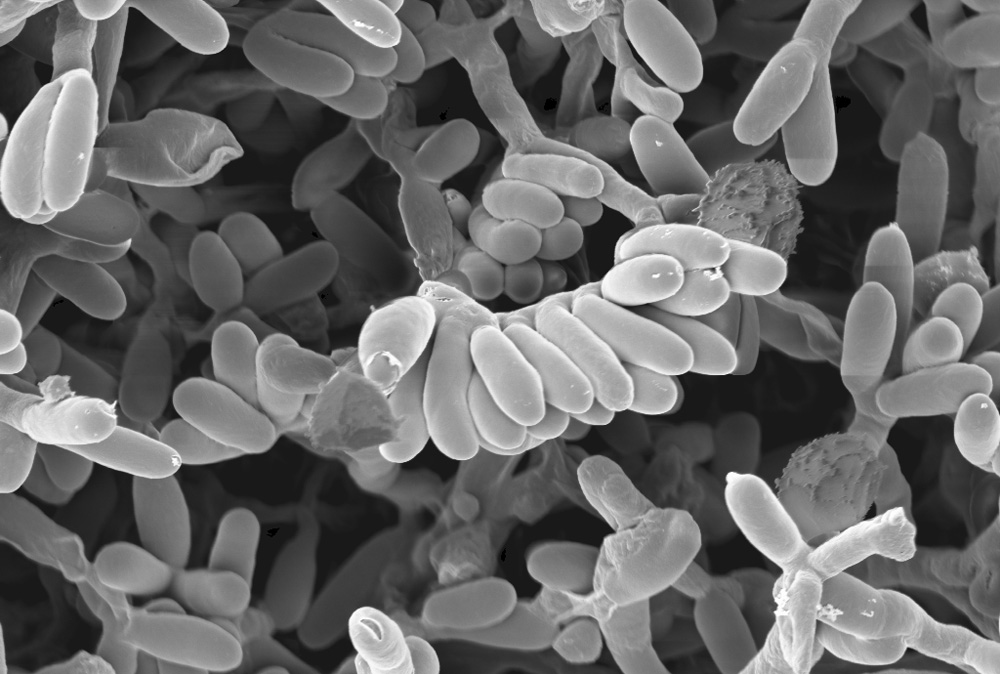
  • Increased growth of certain unfavourable bacteria in the digestive system (C. difficile, Traveller’s Diarrhea, Small Intestine Bacterial Overgrowth).

  • Increase risk of developing pneumonia (likely associated with increased bacteria in the digestive system).

“Observational” studies suggest an association of use of PPI drugs with increased cancers of the esophagus and stomach, dementia, chronic kidney disease and heart attacks. Observational studies do not prove the drugs cause these conditions, but they have created some concerns. Although recommended for preventing acid reflux in patients with Barrett’s Esophagus (scar tissue in the esophagus caused by long-term acid reflux, believed to be a precursor for cancer of the esophagus), one study observed increased rates of cancer in patients who took PPI’s daily. Hopefully, future studies will be done to determine whether these drugs are truly a cause of the observed increased risk.

A newly reported study done at University of Southern California has suggested a mechanism for multiple organ damage from acid suppressing drugs. PPI drugs block the pumping mechanism that pumps acids into the stomach but they found these drugs also block similar acid pumps in the tiny enzymatic “garbage disposal” lysosome sacks within other cells in the body, reducing the acid they need to function. This, they propose, allows waste to build up inside cells in the kidney, brain and lining of blood vessels, causing cells to age more quickly and dysfunction. This could explain how drugs designed to dramatically reduce acid in the stomach, could affect other organs. However, more research is needed – so far, this is just a theory.

Meanwhile, many people are taking these drugs for no documented reason and others may do just as well on a lower level acid suppressing drug such as an H2RA or Histamine-2 Receptor Antagonist [the ranitidine (Zantac)/ famotidine (Pepcid) family of drugs] that don’t have these side effects. Non-drug approaches can also be used to reduce acid reflux. These include diet and lifestyle changes, such as:

  • Eat smaller meals and don’t eat late at night

  • Reduce weight (even 5-10% can make a difference)

  • Avoid tight clothing

  • Avoid “trigger” foods and drinks (keep a diary of which foods were eaten before episodes)

  • Ask your pharmacist or doctor to check your medications for any that might be aggravating reflux

The guidelines recommend lowering the daily dose, stopping, switching to “as needed” use, or changing to an H2RA to reduce acid, once a course of 4 to 8 weeks has been completed to heal an ulcer or esophagus damage from heartburn. Note that “rebound hypersecretion” of acid has been reported for up to 2 weeks when long-term PPI drugs are discontinued, that is difficult to distinguish from the original problem. Reducing the dose gradually and introducing non-drug strategies (diet/lifestyle changes) may help reduce symptoms on discontinuation of PPI’s. Click here for Mayo Clinic’s lifestyle recommendations for reflux (GERD or GastroEsophageal Reflux Disease).

The detailed deprescribing guideline recommendations are available here.