
Categories
Health

THE CHOLESTEROL CONTROVERSY…

Did you know there is a controversy over whether low-density cholesterol (LDL-cholesterol) actually causes heart disease or is simply a secondary effect of the true cause? I didn’t until I stumbled across an article by researchers at several Japanese universities last winter…

This research article, written by independent university researchers in Japan, examined cholesterol levels and longevity, and reported that increased blood cholesterol was correlated to a longer life span – the opposite to what we would expect if high cholesterol causes cardiovascular disease (heart attacks and strokes). This study, entitled “Towards a Paradigm Shift in Cholesterol Treatment”, is available at www.karger.com/Article/PDF/381654 if you are interested in reading it yourself.

Having studied hormones for many years, I know that our hormones are made from cholesterol. Cholesterol is also used to make bile (a fluid produced by the liver and used to digest and absorb fat), and vitamin D, and it is a component of the walls of our cells. We get cholesterol from our food, and our liver also produces it; when we eat more cholesterol our liver produces less, and when we eat less the liver makes more, attempting to keep the blood level more or less constant. Our bodies do this with many essential nutrients, like calcium, magnesium, iron, sugar, etc. storing away, pulling from storage sites or producing as necessary to maintain the blood levels our bodies need to function. This is known as “homeostasis”. Cholesterol is one of these essential molecules in our body.

As a pharmacist, I have seen many reports of studies over the years that, I believed, proved the cholesterol/heart disease theory without question. Through my professional education, I learned that high cholesterol, especially LDL-cholesterol, in the blood was a major cause of plaques that blocked arteries carrying essential blood to the heart, and that lowering cholesterol would reduce the risk of a heart attack. I counseled patients to reduce their intake of animal fat and increase their consumption of “good” polyunsaturated fats such as the omega-3 oils.

Now that I’m retired and have more time to read, and with my interest piqued by the article I stumbled across in February, I started looking more closely at the research… I was shocked at what I found!

I found articles from researchers in several areas of the world that questioned cholesterol as a cause of heart disease. In particular, a text by Uffe Ravnskov, entitled “The Cholesterol Myths”, seemed to cover the controversy well, describing flaws in a number of studies that were interpreted to support the diet/cholesterol/heart disease theory. Dr. Ravnskov is a family physician, now retired, who noted that this new idea didn’t seem to agree with information he had previously read. He examined the original full version of studies used to support this idea, and found what he believed were flaws. He continued reading related research and found a number of other studies that appeared to conflict with the idea that dietary fat and cholesterol cause heart disease. He began writing articles and eventually wrote a book on his findings. The original 1998 version of the book is available free online at www.ravnskov.nu/cm/ and an updated version can be found at Amazon.com or at your local bookstore. It certainly is an interesting read.

Ravsnkov begins with discussing the original study done by Dr. Ancel Keyes in 1953 that started us into the world of low fat diets and cholesterol medications. This study used data from six countries that clearly demonstrated higher fat in the diet resulted in higher rates of heart disease. But, data were available from 22 countries at the time, and when all countries were included, the association was much less clear. Some countries with similar dietary fat to that in US actually had only 1/3 to 1/4 the rate of heart related deaths but these were not included in his assessment. It seems that he cherry-picked his countries to make a graph that best supported his idea.

Ravnskov also describes several studies of populations with high cholesterol and high fat diets that have very low heart disease rates, and populations within the same country, where the affluent are reported to have much higher rates of heart disease than the poor, but where blood cholesterol and genetics would be similar.

According to the “Scientific Method”, the basis of all scientific study, any consistent conflicting study results indicate that the original hypothesis or theory must be re-evaluated. While the “statin” cholesterol medications have been shown to reduce heart disease deaths, they have many actions in the body other than simply lowering LDL cholesterol. It appears that there is enough conflicting evidence that the benefit versus risk of these drugs should be reassessed.

Lack of physical activity, mental stress, smoking and obesity are all considered risk factors for heart disease and stroke. These factors also increase the level of cholesterol in the blood. If the blood cholesterol level is merely secondary to the actual causes of heart disease, then artificially lowering it without changing the underlying sedentary lifestyle, stress, smoking and overweight would have little effect on reducing heart disease risk. If this is the case, we need to reevaluate our focus on LDL-cholesterol, and place more importance on changing lifestyle factors that are associated with increased risk.

I am certainly not advising anyone to stop taking his or her medication, but the question is: Should we be focusing more on the factors that raise cholesterol and less on trying to lower our cholesterol numbers artificially? Statins are known to exert several beneficial mechanisms along with their cholesterol lowering effect, such as reducing inflammation and “thinning” the blood. As one reference suggests: “It may be wiser to search for the lowest effective dose instead of the dose with maximal effect on LDL-cholesterol.”

If you are taking medications for cholesterol, discuss this information with your doctor, encourage him or her to examine the evidence and discuss it with local specialists, and thoroughly review possible adverse effects of your medication to ensure you receive more benefit than risk from what you are taking. And, given the importance of increasing activity, reducing stress and quitting smoking in reducing cardiovascular risk, focus on continuing to improve your lifestyle in these areas.

By constantly questioning the status quo when new evidence comes to light, we can continually improve the quality of our healthcare.


Categories
Article reprint Health

Keeping Acne Under Control

Here’s a little “Acne 101” for the students in your life heading back to school, and for those like me who have acne-prone skin… what causes those blemishes and how to prevent and treat them!

Sebum (a waxy oily substance produced by glands in our skin), mixed with dead skin cells, blocks the openings to the pores, creating whiteheads or, if oxidized, blackheads. When oil and bacteria (specifically propionibacterium acnes [P. acnes]) become trapped in pores, the bacteria breaks the oil down into fatty acids that create irritation and inflammation along with the P.acnes infection. It is known that androgen (male hormone) stimulation causes changes in the pilosebaceous units (the oil-producing glands in hair follicles) that result in increased production of the problematic sebum.

The actual cause of acne is actually not well understood, but we do know that it is often associated with a hormone imbalance that involves increased androgen production, leading to excessive sebum production.

During adolescence, both males and females have increased levels of androgens and, in perimenopause and conditions such as polycystic ovarian syndrome, this type of hormone imbalance can occur also. Acne vulgaris, or common acne, affects areas that have the largest density of sebaceous follicles, and hence occurs most commonly on the face, upper chest and back.

Some sources have suggested that in certain skin types, the stratum corneum (the outside layer of skin), grows into the pore opening, creating a condition where pores are more easily blocked than in normal skin; other sources suggest that certain individuals may naturally produce a thicker sebum that blocks the pores more readily. Although these theories have not been well demonstrated, they could explain why some people have a greater tendency to develop acne than others.

Treatments are aimed at reducing oil, decreasing bacteria counts on the skin and keeping pores open. Many of our more effective acne treatments, such as correcting underlying hormonal imbalance, reducing sebum production with vitamin A derivatives, or reducing bacteria counts through antibiotic treatments, require prescription. However, there are many non-prescription options for mild to moderate acne problems. I am one of those unfortunates who have acne-prone skin so, although I generally try to base my articles on research-based information, forgive me if I take the liberty of adding a comment or two based on personal experience.

The 3-Step Approach
One trend we have seen in the acne marketplace is treatment “packages” that include a cleanser, toner and treatment cream or gel. A positive aspect of this idea is that it encourages acne sufferers to take a multiple strategy approach to treatment. Some of the more widely advertised products of this type (such as ProActiv and Acne Complex) are not available for sale in pharmacies and must be ordered by mail or Internet. However, it makes sense to simply select multiple products from the acne section with an understanding of the rationale for each, and create a customized “kit” for yourself.

Step 1: First, you want a mild cleanser, preferably soap-free, to remove excessive skin oils and some of the bacteria. The natural acidic nature of the skin is unfavourable to the growth of P. acnes and, as soaps are generally alkaline in nature, they can tend to reduce some of our natural resistance to these bacteria. Extra additives to the cleanser, such as keratolytics that mildly peel the skin, or benzoyl peroxide (discussed below), are thought to have little additional effect because of the short contact time with the skin.

While most sources recommend avoiding cleansers containing “scrubbing” particles that may increase inflammation, I have found personally that these can work well on non-inflamed acne-prone skin to prevent pores from becoming blocked by promoting exfoliation (or removal of the outer layer of dead keratin cells). Be aware, though, that many of these particles are made of plastics that can contaminate the environment – if you use one of these, choose one with natural, biodegradable particles.

Another option is to use an exfoliating sponge. Buff-Puff is one brand name, but they are available from many generic manufacturers. As exfoliation is also a common strategy for reducing the appearance of fine wrinkles, this may be an option that will interest older women with mild non-inflammatory acne. The use of an exfoliating sponge with a non-soap cleanser has been a personal favourite for 30 years; however, remember the caution against use in inflammatory acne.

Step 2: The second step, using a toner, often functions simply to remove more of the oil. Many toners have a high alcohol content, in the range of 30%, which may also kill some bacteria. Toners designed for use in acne often have 0.5 to 2% salicylic acid added, however, and this keratolytic agent, when left on the skin, can be useful to help keep pores open, preventing the trapping of oil and bacteria that is problematic in acne. Toners are designed to be applied using a cotton pad and are not rinsed from the skin afterward. Note that salicylic acid, an oil-soluble beta hydroxy acid, is often preferred in acne preparations for its ability to penetrate the oily sebum that is plugging the pores. It is sometimes referred to as a “comedolytic” action.

Some sources of information I have read in the past have suggested that alcohol alone may make an effective acne treatment, but many will complain that 70% alcohol causes burning and irritation while the lower content of alcohol in toners is generally tolerated quite easily. However, if you are a teen on a limited budget this might be a “step” to skip to reduce cost.

Conversely, an adult woman might appreciate this additional treatment from which she may benefit. As an example, one available multi-kit contains a toner with a low percentage of the alpha hydroxy acid (AHA) glycolic acid as an exfoliant to keep the pores open, while another has arnica added for its anti-inflammatory activity. A toner designed to reduce inflammation might be a welcome addition to the skincare regimen of a client with adult acne.

Step 3: The third step included in the multi-kits is a treatment gel or cream. There are numerous treatment products that we can recommend. My personal favourites, based both on theory and experience, are the benzoyl peroxide products. The maximum concentration that can be sold without prescription in Canada is 5% but in US the 10% is also out on the shelf. Most can easily tolerate 5%, but those with very sensitive skin may want to try a lower strength initially.

Be aware that benzoyl peroxide can increase sensitivity to the sun, so using it at bedtime and washing off in the morning makes sense, especially in the summer. As well, higher strengths, up to 10%, are available in Canada with a prescription. For me, a prescription for Panoxyl 10% alcohol gel was a turning point in acne control.

Benzoyl peroxide 10% would be a logical product to ask your pharmacists about, however, as they now have the ability to prescribe for acne in most jurisdictions. They would likely first ask questions about the severity of your problem, what you have already tried, and would verify that you had previously tolerated a 5% version of benzoyl peroxide.

As well as the tried and true OTC favourites, some alternative anti-acne ingredients have appeared in the literature and in various acne products. Here’s a little about how these ingredients are understood to work:

Arnica and calendula are herbal/homeopathic ingredients that have anti-inflammatory action. Calendula is also reported to have antibacterial activity.

Benzoyl peroxide is a favourite because of its dual action: it kills P. acnes bacteria plus has a keratolytic action. Don’t forget to ask about the 10% prescription if the 5% on the shelf doesn’t make a difference. Note: Be sure to use white towels and washcloths, as benzoyl peroxide will bleach coloured ones—I once ruined some of my Mom’s pretty green ones [sorry, Mom!].

Niacinamide (or nicotinamide) appears, when used as a 4 to 8% gel or cream, to have an anti-inflammatory effect and was shown to have comparable efficacy to topical clindamydin (a prescription antibiotic cream/lotion). It has also been credited with increasing synthesis of collagen and keratin, reducing skin hyperpigmentation (as can occur with acne scars), increasing skin moisture and reducing fine wrinkles. This is likely an ingredient that women with adult acne would be interested in. LaRoche-Posay’s Effaclar Duo Cream contains 8% niacinamide, or a pharmacist could compound this for you.

Resourcinol is included in acne products for its antiseptic action, presumably against P. acnes, and is often combined with the keratolytic, salicylic acid.

Sulfur, commonly found in acne products, is effective as a micro-exfoliant and a mild antiseptic and is probably the oldest known acne remedy, having been cited in ancient Greek, Roman and Chinese texts for this use. It is also helpful in promoting collagen synthesis, and is an active ingredient in lotions, creams, gels, washes and shampoos. It has also been used for seborrheic dermatitis, rosacea, eczema, psoriasis, and, in much higher concentrations, for scabies and lice.

Tea tree oil (5%) has been cited as being comparable in effect to benzoyl peroxide but without excessive drying, so might be a good option for adult acne. It kills P. acnes and has been shown to have anti-inflammatory action. It would also present a good option for those allergic or sensitive to benzoyl peroxide, or for those who are keen on a more natural option.

Zinc supplements, taken by mouth, have been shown to be helpful in inflammatory acne, although less so than oral tetracyclines (prescription antibiotic). Zinc tablets would also present an option for those who wish to avoid long-term antibiotics.

Camouflage techniques
Acne can be a distressing condition, particularly when it occurs at adolescence, a difficult time for many. It is natural for many teenagers, especially girls, to want to “cover up” their acne, and some advice from a pharmacist or trained cosmetician may help them to successfully do this without making their acne worse.

First, be sure to realize that bacteria, including the P. acnes that are involved in the acne process, can grow in your makeup products. Wash your hands before using, avoid dipping into the product with your fingers, and replace the products regularly. Use oil-free cosmetics to avoid adding additional oil to skin that is most likely already producing too much. Sheer or translucent makeup is recommended for commodonal acne, and fuller, opaque types for lesions or scars. You can also mix translucent powder with your makeup or dust it on afterward for better coverage. Multiple thin layers can be applied for additional coverage with drying time between.

Skin camouflage, such as Hyperflage, Dermablend, and CoverMark Face Magic, may be “just what the pharmacist ordered” for a teenager with acne heading to a special event. Proper application is important for best results and, generally, these products include instructions for use that should be read carefully to achieve a natural look. General recommendations are to cleanse the skin first, apply the camouflage makeup sparingly, blend the edges carefully, let dry, then apply foundation with a dry wedge sponge, if desired.

Previously published in Drugstore Canada

Categories
Article reprint Health

Stress – The Elephant in the Room

Remember those predictions about working a four-day workweek in the new millenium? Well, it hasn’t worked out that way, has it! Computers and BlackBerrys, while making us more efficient, have also made us more accessible to work on evenings and weekends. Cutbacks often result in one person doing work that was previously assigned to several people. In my world, a lack of pharmacists often means long hours and less vacation time.

The result is increased stress—a contributing factor in many disease states that is rarely addressed in the course of a routine medical visit. Stress is listed as one of the modifiable causes of heart disease, and several of the effects of the stress hormone, cortisol, match up alarmingly with the symptoms of metabolic syndrome: increased blood pressure, weight gain around the waist, increased cholesterol and insulin resistance. Could it be that excess production of cortisol due to stress is that elusive cause of metabolic syndrome?

Researchers have observed that the appearance of cancer in many patients is preceded by a stressful event about two years earlier. Anyone who suffers from cold sores will tell you that they are most likely to show up when they are under stress. Emergency wards and student health centres note an increased demand for services during stressful times. Excessive production of cortisol is known to have a negative effect on the immune system, and the metabolic pathways by which this occurs have actually been identified. And stress hormones, being structurally similar to our reproductive hormones, can worsen the symptoms of menopause.

It’s enough to make you wonder why we don’t routinely test for and treat elevated cortisol blood levels…Perhaps it’s because physicians themselves have not been spared from the increased pace of life, and few are able to take time during an appointment to discuss the issues surrounding stress in a patient’s life.

Non-drug options for stress

Anti-depressants and tranquilizers are standard medications offered to highly stressed patients, but, as well as having high side effect profiles, they do not directly address the production of cortisol. However, in the herbal world, there are a number of medicines known as cortisol modifiers and adaptogens that lower cortisol production and lessen the impact of stress. As well, simple changes in lifestyle, attitudes and nutrition can result in a healthier response to the everyday stresses of life.

Those who really need help should be see a stress specialist. However, for those who are less severely stressed, I can pass along some self-help suggestions and recommend nonprescription supplements.

A good place to start is with a lifestyle assessment. Make a list of factors that are “good for me” versus “bad for me,” then devise a plan to relieve the worst factors, using a strategy to “change, adapt to, or leave” the most stressful situations. As stress hormones set up the body for “fight or flight,” exercise can be recommended to help reverse some of the effects of these hormones. Dietary recommendations to lower cortisol include eating balanced meals regularly throughout the day, ingesting a small amount of salt (sodium is required for adrenal function), avoiding simple sugars, increasing protein and essential fatty acids, and avoiding coffee, including decaffeinated (both contain theobromine, which tends to raise cortisol).

Substituting green tea for coffee, and vegetable juice for fruit juice is often advised. Vitamin C up to 3000 mg per day (either in divided doses or as a slow-release tablet) is recommended, as are B vitamins, particularly B5 or pantothenic acid, to support healthy adrenal function. Magnesium is a co-factor for many reactions that involve energy metabolism and nervous system function. Therefore the need for magnesium may be increased during periods of stress.

Magnesium is also necessary for muscle relaxation, and a deficiency increases the risk of muscle spasms that will often develop as a response to stress.

Herbal medications available for treating stress are divided into two major categories: the cortisol-modulating supplements (such as theanine, epimedium, and phytosterols) and the adaptogens or general anti-stress supplements (such as ginseng, schisandra, and astragalus). I will review some of the properties of some of these supplements to help distinguish which might be best for a particular client.

Cortisol modulating herbs

Theanine
Theanine is an amino acid. It acts as a non-sedating relaxant, helping to increase the brain’s production of alpha waves, one of the four basic brainwave patterns. Alpha wave production is associated with relaxed alertness, increased focus and concentration, promotion of creativity and improved overall mental performance. Theanine occurs naturally in tea leaves, and is converted by the plant gradually over time into catechins, the substance in tea known for its antioxidant benefits. Green tea, which is less aged than black tea, therefore contains more theanine than the other more aged varieties. As well, users should be aware that the decaffeination process removes theanine from tea along with the caffeine. Theanine has been shown in clinical studies to be effective in dosages from 50 to 200 mg per day. Three to four cups of green tea contain 100 to 200 mg of theanine. It is also available in supplement form.

Epimedium
Epimedium, also known as horny goat weed, has been shown to restore low levels of both testosterone and thyroid to normal levels, in addition to reducing cortisol levels when elevated. Hence, it has a reputation for improving libido in stressed individuals. Water-extracted epimedium, the traditional method of preparing this herb, is considered a safer form than the alcohol extract as rodent studies suggest that high doses of icariin, an alcohol-soluble constituent, may be associated with kidney and liver toxicity. A suggested dose for cortisol control is 250 to 1000 mg per day.

Phytosterols
Phytosterols include hundreds of plant-derived sterol compounds that are structurally similar to cholesterol but do not clog our arteries. By controlling production of inflammatory cytokines, phytosterols help modulate immune function, inflammation and pain levels. They have been shown to prevent immune system suppression and cortisol elevation usually seen in athletes after endurance events. Preliminary evidence from animal studies suggests that dietary phytosterols retard the growth and spread of breast cancer cells. Beta-sitosterol, one of the major phytosterols, has been shown in humans to normalize activity of T-helper lymphocytes and natural killer cells following stressful events that normally suppress immune system function. A typical dosage is 100 to 300 mg per day of mixed phytosterols, including 60 to 120 mg per day of beta-sitosterol. A handful of roasted peanuts or 2 tablespoons of peanut butter contain 10 to 30 mg of beta-sitosterol. Rice bran, corn, wheat germ and flaxseed are examples of rich food sources of phytosterols. See www.dietaryfiberfood.com for more information on the phytosterol content of foods.

Phosphatidylserine
Phosphatidylserine has been shown to modulate many aspects of cortisol overproduction, especially after intense exercise. There is scientific evidence that it can help improve mental function and depression, even in Alzheimer’s disease. Because cortisol causes catabolism of muscle tissue, athletes will frequently use this supplement to promote recovery from exercise and help slow muscle loss. Practitioners sometimes suggest phosphatidylserine supplements be taken late in the day to reduce nocturnal awakening due to surges in cortisol production during the night. Doses of 100 to 500 mg per day for one month are recommended for mental support, followed by a maintenance dose of 50 to 100 mg per day.

Tyrosine
Tyrosine is an amino acid that was studied by the U.S. military for its potential to help soldiers cope with the stress of battle. Their studies showed that 2000 mg of tyrosine helped memory and cognitive ability during stress. Studies, with volunteers exposed to stressful situations such as shift work, sleep deprivation and fatigue, found that 100 to 200 mg per day helped to prevent declines in mental performance and increased their ability to concentrate. Other amino acid groups, referred to as the branched chain amino acids (BCAAs) have been shown to counteract the rise in cortisol and drop in testosterone and immune function that is often seen in endurance athletes. Although tyrosine and BCAAs are available in supplement form, they can easily be obtained from protein foods. Hence, the recommendation above to increase protein content of the diet.

Adaptogenic herbs

Ginseng
Ginseng is the best known of the adaptogens. Many animal and human studies have shown that ginseng can increase energy and endurance, improve mental function and improve resistance to various stressors including infection, extreme exercise and sleep deprivation. Human studies have shown improved immune function and reduced incidence of colds and flu with Panax ginseng 100 mg per day. Siberian ginseng (Eleuthrococcus), while not a true ginseng, contains compounds that give similar effects. While generally considered safe, ginseng has been reported to increase blood pressure in some individuals, and caution should be used in those prone to hypoglycemia, due to its reported effect of reducing blood sugar levels.

Schisandra
Schisandra is a traditional Chinese medicine used to promote energy, protect the liver, alleviate exhaustion and correct immune system disturbances caused by stress. It is generally considered safe when used in recommended doses of 100-500 mg per day, although mild indigestion and skin rash has been reported. Because it may induce uterine muscle contractions, it should not be used by pregnant women.

Astragalus
Astragalus is an adaptogen herb commonly recommended for stimulation of the immune system and for energy-promoting properties. It has been used for centuries both in Traditional Chinese and Native American medicines, and animal experiments suggest that it enhances function of T-cells, lymphocytes and neutrophils. It is often combined with other adaptogenic herbs to keep the immune system functioning during periods of high stress. As a single ingredient it would be used in doses of 250 to 500 mg per day, or in combination as 100 to 200 mg per day.

Treating the cause

Many of these herbal medicines are available in combination “stress formula” products, and this is often the easiest way to supplement with them. People with high levels of stress on an ongoing basis would be well advised firstly to maintain a healthy diet and supplement with vitamin C, vitamin B complex and magnesium. If they are having difficulty coping with chronic stress or if stress is causing detrimental physical effects, they should next consider taking cortisol-modulating supplements as well. Adaptogenic herbs, available as combination products from several herbal manufacturers (for example: AdrenPlus from Enzymatic Therapy, Corti Lite from Vita Plus), would generally be used periodically during episodes of increased stress to counteract the detrimental effects of elevated cortisol.

Animal studies have shown that stress-induced rises in cortisol levels lead to increased visceral (in the abdominal cavity) fat deposits that are associated with disease states such as diabetes and heart disease. It would appear that we are focusing on treating all the diseases caused by excessive stress, while ignoring the “elephant” in the room. Perhaps the tools described above, along with improvements in diet and lifestyle, can help us to become healthier and improve our chances of avoiding chronic disease.

Originally published in Drugstore Canada

Categories
Health

Acid Reflux Anyone?

Heartburn, sour taste, chest pain, hoarseness, sore throat, sensation of a lump in your throat, difficulty swallowing… sound familiar? You may have GERD (GastroEsophageal Reflux Disease), also called Acid Reflux…

WHAT IS GERD?

It’s common to have some stomach contents back up into the esophagus (the tube between the mouth and stomach) especially when we burp, and this is known as common heartburn. However, excessive backwash of stomach acid, sometimes also containing enzymes, causing symptoms twice weekly or more is what we refer to as GERD. It occurs regularly in an estimated 10 to 30% of us and, over time, can create damage in the esophagus, such as inflammation, bleeding, ulcers, narrowing or scar tissue, known as Barrett’s Esophagus, a pre-cancerous condition. It can even be the cause of chronic cough or asthma (when the acid is inhaled into the lungs), chronic sinusitis, dental erosions and laryngitis.

Risk factors include:

  • Conditions that increase the upward pressure on the “gastroesophageal sphincter” (the valve between the stomach and esophagus, also referred to as the “lower esophageal sphincter”) such as:

    • Being overweight (especially around the waist)

    • Being pregnant

    • Wearing tight clothes

    • Eating large meals

  • Anything that relaxes the sphincter, such as:

    • Smoking

    • Hiatal hernia – a tear in the diaphragm, the muscle surrounding the top of the stomach that supports the sphincter

  • Reduced “motility” – a decrease in the normal digestive movements that push food forward in the digestive system. Food sits in the stomach longer, increasing risk of reflux, and any stomach contents that do backwash into the esophagus will not be pushed back into the stomach as quickly.

  • A dry mouth – less saliva to help wash refluxed acid back into the stomach, plus saliva actually neutralizes some of the acidity.

Certain foods, such as coffee and tea, tomatoes and other acidic foods, alcohol, carbonated beverages, and chocolate, can aggravate reflux – note what you ate before episodes and avoid these foods as one strategy to help prevent the problem.

Keep in mind that the level of pain and the amount of damage are not necessarily correlated. Often we have reflux with no symptoms at all. Be aware that black, tarry stool is an indication of bleeding somewhere in the digestive system, and see your doctor as soon as possible if this occurs. Also, heartburn or chest pain that is not relieved by an adequate dose of antacid could be a sign of a heart attack – again don’t waste time getting medical help if this is the case.

Here is a link to a simple questionnaire to determine whether you may have GERD:

http://www.aafp.org/afp/2010/0515/p1278.html

Although questions 3 and 4 of the questionnaire seem counter-intuitive to me, with increased frequency of pain and nausea in the upper central abdomen awarding fewer points, this questionnaire has been found to be 65-70% accurate in predicting GERD, similar to a diagnosis by a gastroenterologist. Presumably, mild pain or nausea, such as is felt when hungry, must indicate an ability to sense the presence of acid and enzymes in the stomach and, therefore, also in the esophagus if present.

MEDICATIONS FOR REFLUX

Antacids can give rapid symptom relief, but do not help to heal any damage in the esophagus. Histamine H2-receptor antagonists, such as ranitidine (Zantac) and famotidine (Pepcid), like antacids, also give temporary relief, with slower onset but longer action than antacids. Long-term use is not recommended with these, as the body develops tolerance to their effect within 1 to 2 weeks, and they are not as effective as prescription medications for healing damage in the esophagus.

Proton pump inhibitors (PPIs), such as omeprazole (Losec or Prilosec), pantoprazole (Tecta or Pantoloc), esomeprazole (Nexium), lansoprazole (Prevacid), rabeprazole (Pariet or AcipHex) and others, block the production of acid in the stomach, greatly reducing the acidity of any stomach contents that regurgitate into the esophagus. They are the drug of choice for healing damage from acid reflux. However, not everyone responds well to these medications. Studies suggest that those who are average or over weight, have nighttime pain, get relief from antacids or H2-receptor antagonists or do not have nausea as a symptom are more likely to respond to a 2-week therapy of PPIs.

Concerns with these drugs include failure to respond, increased chance of infection with H. Pylori (the bacteria associated with increased risk of ulcers), increased risk of C. difficile infection, increased risk of pneumonia and decreased absorption of vitamin B12 and calcium from food (with corresponding increased risk of bone fractures if taken long term). Rebound acidity with a return of symptoms can also occur when discontinued after as little as 8 weeks of use and can last for 9 to 12 weeks, creating a dependency on these drugs. It is suggested that tapering off the medication slowly may help reduce rebound.

And, acid itself is one of the factors that encourage the sphincter to close more tightly. So, chronically lowering stomach acid essentially opens the door to more reflux. This may be why one tablet of a PPI is often not enough – stomach acid needs to be completely blocked to eliminate symptoms.

POSSIBLE ALTERNATIVES

So, what other options are available? Surgery to create a replacement valve at the top of the stomach (similar to what is done to replace heart valves) is one option. Another new idea being tried, according to Mayo Clinic, is the surgical addition of a magnetic ring around the lower esophageal sphincter, strong enough to support it but weak enough to let food pass through.

Surgery is suggested for those with osteoporosis, serious respiratory or esophageal complications of GERD, or poor compliance to medication – those with more severe disease or for whom PPIs may be less effective or possibly harmful.

Small studies suggest low carbohydrate diets along with avoidance of trigger foods may help. One study found acupuncture (used to increase motility, the normal digestive movements that push food forward) along with a single daily dose of PPI was superior to doubling the daily PPI dose, in those who did not respond to the once daily dose of PPI.

Animal and “in vitro” (outside of the body) studies suggest that natural compounds such as curcumin and quercetin that lower inflammation may be helpful in reducing esophagitis, but no studies have yet been done in humans.

A human study comparing 175 patients on omeprazole (Losec) with 176 patients on a combination of melatonin and a specific nutrient supplement showed better response to the melatonin/nutrients than to omeprazole 20mg daily, with 100% response after 40 days vs 66% of those taking omeprazole. The non-responders to omeprazole were switched afterward to the nutrient combination, and 100% of those responded as well.

The nutrients used were: melatonin 6mg, tryptophan 200mg, vitamin B12 50mcg, methionine 100mg, betaine 100mg, folic acid 10mg and vitamin B6 25mg. All of these are known to either increase the pressure of the lower esophageal sphincter or to increase motility (food-pushing movements) of the digestive system and could offer an alternative to PPI therapy. Two of these ingredients, tryptophan and folic acid (at that strength) require prescription in Canada. Another smaller but interesting study (60 patients) found that melatonin 3mg increased the lower esophageal sphincter pressure and relieved symptoms, alone and along with the PPI, omeprazole 20mg. These studies suggest treatments that might be especially helpful for those trying to discontinue PPI therapy.

Lastly, “raft-forming agents”, natural substances that create foam that can float to the top of the stomach, are effective in reducing symptoms of GERD and may be helpful in those weaning off long-term PPI therapy. Gaviscon is a brand name of this type of medication, and generic versions are also available. It is recommended to chew 2 to 4 tablets and follow with ¼ glass of water to enhance effectiveness.

IN SUMMARY…

Things you can do to help reduce reflux include:

  • Avoid trigger foods

  • If you smoke, quit

  • Don’t overeat

  • Avoid tight clothing

  • Lose weight

  • If you have nighttime symptoms, elevate the head of the bed 6 to 9 inches and avoid eating for 3 hours before bedtime

See your doctor if you have reflux symptoms that are severe or frequent. If you have another condition that can be caused by acid, ask if reflux may be the cause. Remember that black tarry stools or chest pain not relieved by antacid are warning signs that you should see a doctor about right away. If you have been on PPI therapy for a long time, talk to your doctor about tapering off and using alternatives, if necessary, to avoid the consequences of long-term use.

Hopefully this has given you a good sense of the issues and concerns around what may just seem like an annoying symptom, enabling you to have a better discussion with your doctor.

Send me your comments or ideas for a future blog through the comment button at the bottom of this page!

References:

Melatonin study: Regression of gastroesophageal reflux disease symptoms using dietary supplementation with melatonin, vitamins and aminoacids: comparison with omeprazole.

Mayo Clinic: Mechanisms of GERD

Which is the best choice for gastroesophageal disorders: Melatonin or proton pump inhibitors?

Categories
Book review Health

Dealing with Hashimoto’s Disease (Autoimmune Thyroiditis)

Hashimoto’s Disease is the cause of 90-95% of cases of hypothyroidism, or low thyroid. Also known as Hashimoto’s Thyroiditis, it is an autoimmune disease where specific antibodies produced in the body attack the thyroid gland, damaging it and blocking it from producing the thyroid hormones all cells in our bodies need to produce energy.

People who have Hashimoto’s generally have symptoms of low thyroid – fatigue, weight gain, feeling cold, joint and muscle pain, constipation, dry skin and hair, slow heart rate, and more – and they often have other autoimmune diseases as well, such as Type 1 diabetes, rheumatoid arthritis, inflammatory bowel disease or Celiac disease too. In addition to the typical hypothyroid symptoms, patients with Hashimoto’s may have acid reflux, nutrient deficiencies, anemia, intestinal permeability, gut dysbiosis (“bad” gut bacteria), impaired digestion, and inflammation. These symptoms suggest something more is going on…

With Hashimoto’s, as the thyroid gland is destroyed and stored thyroid hormone is released, some people will also experience transient symptoms of high thyroid – sweating, rapid heart beat, nervousness, weight loss, heat intolerance creating confusion and misdiagnoses. Hashimoto’s is the main cause of low thyroid, accounting for 90-95% of cases of hypothyroidism. The thyroid hormone replacement medication, Synthroid (synthetic levothyroxine or T4), is generally the only treatment offered and this medication is one of the most prescribed drugs in North America.

Hashimoto’s disease is diagnosed by doing blood tests. These tests will show an elevated TSH (thyroid stimulating hormone, produced in the pituitary gland in the brain, that pushes the thyroid to produce more thyroid hormone), and the thyroid hormones, T4 and T3, will be normal initially as the thyroid responds to the increased TSH. As the autoimmune damage to the thyroid progresses, levels of these thyroid hormones will start to decrease. The key diagnostic test, though, is for TPOab (anti-Thyroid Peroxidase antibodies), the antibodies that attack Thyroid Peroxidase enzyme, causing damage to the thyroid gland and disrupting production of thyroid hormones.

So far, the only standard treatment offered is replacement of the missing thyroid hormones after the disease has progressed. There is debate whether starting replacement before thyroid hormones actually start to decrease may be beneficial. While replacing thyroid hormone can help make you feel better, it does not address the underlying problem with the immune system or the cause of the disease. Wouldn’t it make more sense to determine what is causing production of antibodies, treat the cause and prevent the damage, rather than simply replace thyroid hormone for the rest of your life?

The causes are elusive, but some of the additional symptoms of Hashimoto’s, over and above those of simple low thyroid, give us some clues. With Hashimoto’s, nutrient deficiencies, food sensitivities, adrenal dysfunction (impaired ability to handle stress), impaired ability to clear away toxins and intestinal permeability are also commonly seen.

Gastroenterologist and autoimmune researcher, Dr. Alessio Fasano, suggests there are three root causes of autoimmunity, and that all three need to be present for autoimmunity to develop:

  1. Genetic predisposition (genes that increase susceptibility)

  2. Exposure to an antigen (a substance that acts as a trigger)

  3. Intestinal permeability (or leaky gut)

You can’t change the genes you inherited, but you can remove triggers or decrease intestinal permeability by improving your gut health. The problem is, the triggers and causes of intestinal permeability are not the same for everyone, making it a challenge to find the root cause.

Triggers that start the autoimmune process could be infection, severe stress, or something that causes an allergic reaction. Reviewing your past to match events with worsening symptoms is one way to identify your trigger; testing for allergens, intestinal parasites or infection is another. Making lifestyle or diet changes, such as eliminating common allergy-causing foods like gluten or dairy, switching to a Paleo diet, or doing a parasite cleanse (consult a healthcare practitioner!) and noting whether your symptoms improve can also be helpful – just keep in mind that it can take 3 to 6 months for these changes to show results. A decrease in TPOab or reduction in the required dose of thyroid supplement would also suggest you are on the right track.

Addressing digestive issues can work to decrease intestinal permeability: ensuring healthy gut bacterial flora, avoiding foods you are allergic or sensitive to, and adding the supplement, L-glutamine (2.5g twice daily increasing gradually to as high as 10g twice daily) and sometimes adding digestive enzymes are often recommended to promote healing of the gut lining.

In my research for this article, I came across a website/blog that appears very complete and well-researched: http://www.thyroidpharmacist.com . It is written by Dr. Izabella Wentz, a pharmacist with Hashimoto’s disease, who treated it successfully with lifestyle and diet changes, and now writes about her experiences, both personal and with patients she has subsequently treated. She emphasizes that it is often difficult to find and remove triggers for the disease, and to correct digestive problems, as the causes can vary from person to person. She warns readers that it can take years, but encourages them to keep experimenting until they find the solutions that improve their health.

She has written a book about her experiences and strategies to find solutions: Hashimoto’s Thyroiditis: The Root Cause. Her blog also discusses many aspects of the development of Hashimoto’s and approaches to correct the underlying immune dysfunction with good explanations of the reasons for her recommendations.

For example, there is a strong association between development of Hashimoto’s and Celiac diseases, and the two will often occur together, although sometimes without overt symptoms. Absorption of the mineral, selenium, is impaired in Celiac disease and selenium is important in thyroid function. Selenium is also needed for the conversion of low-activity T4 thyroid into T3 thyroid, a form that is 4 times more active. It also protects thyroid cells from oxidative damage caused by hydrogen peroxide that is produced during the normal production of thyroid hormones. So, two of her recommendations to try initially are a gluten free diet to prevent the Celiac process and supplementation with selenium to protect the thyroid gland cells and improve thyroid activity.

Much more research remains to be done in this area and finding the interventions that work for you can take several years, but these changes are safe to try and have the potential to reverse the autoimmune process. I would encourage you to seek a proper diagnosis if you have the symptoms described above, to educate yourself further about options, to consult with a knowledgeable healthcare professional and to work for as long as it takes to improve your health.

Categories
Book review Health

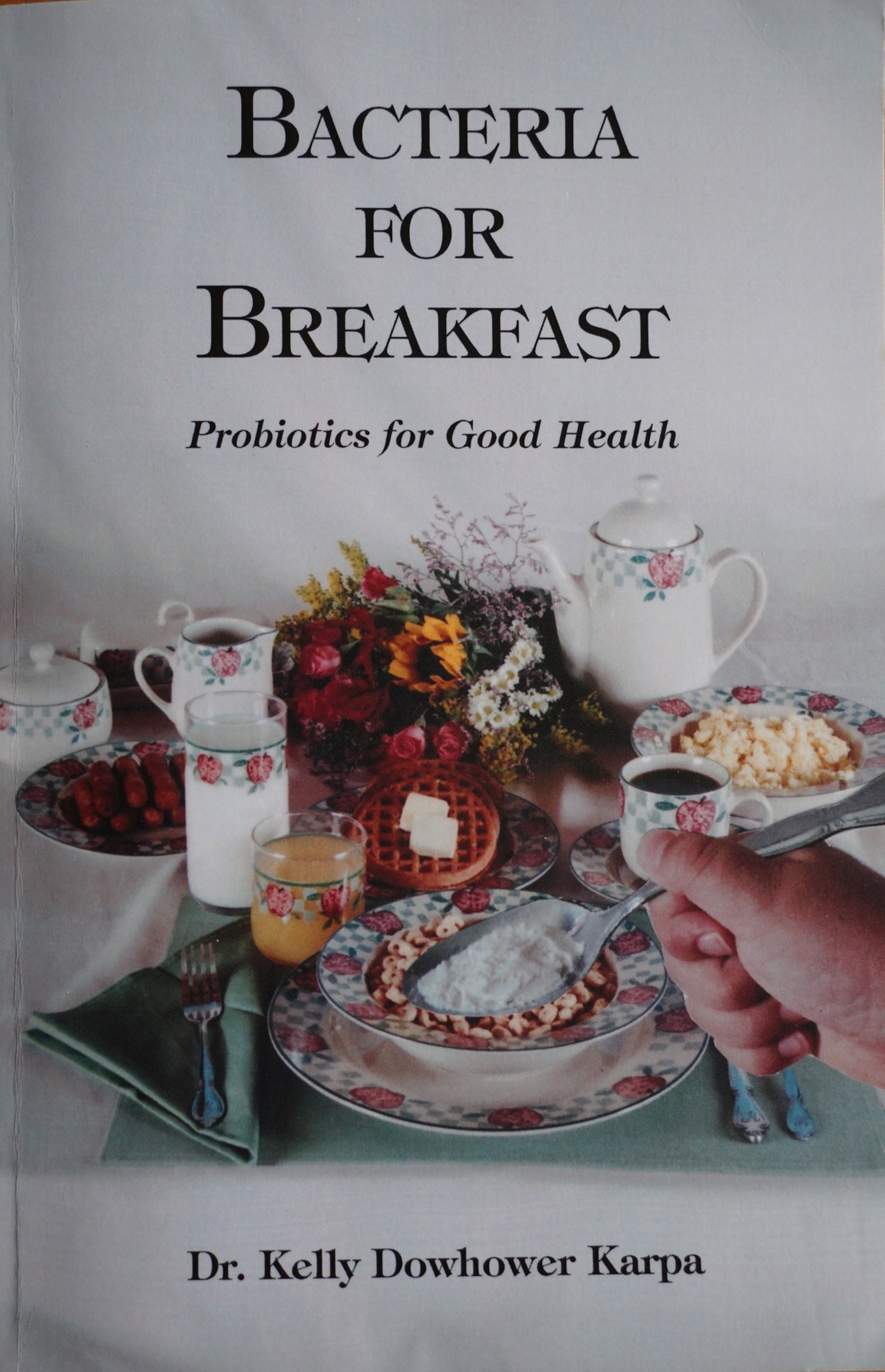
Bacteria for Breakfast, Probiotics for Good Health – A book review

Did you know that at least 90% of our bodies’ cells are not human? They are bacteria that live mostly in our digestive system (about 3 pounds worth!), as well as on our skin, in the lungs, and within the urinary and genital tracts.

These are “good” bacteria that help prevent disease by reducing growth of “bad” bacteria that can cause harm. These good bacteria also produce some nutrients that we need, help digest our food, provide energy in the form of short chain fatty acids, and stimulate our immune systems. And, just being there in sufficient numbers, they crowd out other bacteria that could cause us harm. The make-up of this bacterial flora varies from person to person, and may account for our variable risks for certain diseases.

Pharmacist, Dr. Kelly Dowhower Karpa, wrote Bacteria for Breakfast, Probiotics for Good Health after using probiotics (supplements of good bacteria) to cure her 2-year-old son’s infection of C. Difficile bacteria that was resistant to all antibiotics that his doctors tried. She did extensive research into how these good bacteria keep us healthy before beginning to write and, although some parts of her book are quite technical with explanations designed to answer questions doctors may have, the book is written for the general public. The goal of her book is to educate patients themselves, and to enable them to discuss their gut health with physicians. I will present a brief overview of some of the topics she discusses.

The book focuses on bacteria that live in our digestive systems, from the mouth where they prevent bad breath and dental cavities that can be caused by unfavourable bacteria, to the intestines where imbalances can promote inflammatory diseases. It explains how the stomach is designed to produce acid that kills bacteria that may be in our food but when acid is chronically suppressed with commonly used medications, such as Zantac, Losec (Prilosec), Nexium, etc., or is naturally reduced these bacteria are more likely to survive and the risk of gut infections is increased.

Food allergies can occur when overgrowth of bacteria damages the lining of the bowel, allowing undigested food particles to pass through into the blood stream, triggering allergic reactions to these large proteins that are not normally found in blood (termed “leaky gut syndrome”). This “leakiness” is also associated with inflammation, severe infection, organ failure and even death. Wide-spread activation of the immune system can lead to inflammation, severe allergies, asthma, eczema and even anaphylaxis (a life-threatening allergic response).

The incidence of these immune-related conditions has exploded in the past 50 years, suggesting non-genetic factors are involved. Two major changes are increased hygiene resulting in less exposure to various bacteria, and change in diet with more sterile pre-packaged food and less fresh, fermented and dried foods that would contain various bacteria. Our first exposure to bacteria usually occurs during birth, when passing through the birth canal, so babies born by Cesarian Section do not receive this initial dose of good bacteria and sometimes never develop an ideal gut flora. As well, if the mother has a less than ideal balance of bacteria, then this is what is passed on to the baby.

The effect of our bacterial flora can easily be seen in changes in the daily elimination function of the bowel. After treatment with a course of antibiotics, which kill healthy bacteria along with the infectious bacteria being treated, bowel function often changes with development of either diarrhea or constipation that can be corrected with supplements of good bacteria (probiotics). You may have noticed a difference in your digestion after eating fermented foods that still contain live bacteria. Chronic constipation that is resistant to various laxatives or returns as soon as the laxative is discontinued, will also sometimes respond to a course of probiotics. Keep in mind that probiotic supplements generally contain much more bacteria than you would get in foods like yoghurt, and might be preferred when trying to correct a serious imbalance in gut bacteria.

Dr. Karpa also explains an additional hypothesis for how bacteria may increase our risk for disease in detail with supporting evidence from studies. Although complex, I will try to explain this briefly…

The gastrointestinal tract is considered to be the largest immune system organ, and it communicates with the immune system throughout the body by producing immune particles called cytokines. Good bacteria activate the immune system, by stimulating production of cytokines that create a low-level inflammation. Some of these cytokines also enable production of the thick layer of mucous that protects the cells that line our digestive system. Still other cytokines are produced that limit the amount of inflammation that is created.

If we do not have the correct balance of cytokine-producing bacteria, we could be missing the protective mucous layer (allowing damage to occur in the intestinal wall with resulting leakage of undigested food proteins), we could be lacking enough stimulation of the immune system (leading to poor protection against common infections) or we could become less able to block excessive inflammation (leading to autoimmune diseases like allergies, asthma, inflammatory bowel disease, rheumatoid arthritis, etc.). The book cites many examples of improvement in chronic health conditions with adequate supplementation of probiotics (or good bacteria) and explains in detail how changes in gut flora are connected with various health conditions.

Disturbed gut flora has been described as potentially playing a critical role in the development of various autoimmune diseases (where the body’s immune system attacks an organ system) such as:

  • Inflammatory bowel disease

  • Type 1 diabetes

  • Rheumatoid arthritis

  • Hashimoto’s Disease (thyroiditis)

The book also briefly describes the benefit that some patients experience by also adding pancreatic enzymes or plant enzymes to help digest food, leading to a reduction in food allergies presumably by increasing the breakdown of proteins they contain. This might be another avenue to discuss with your physician if you have chronic severe food allergies.

As a pharmacist, I believe it is preferable to prevent disease or to treat the root cause, if possible, rather than to simply control the symptoms. I think this is why I found this subject fascinating and wanted to share a little of this information with you.

Other recent research I have stumbled across, suggests that gut bacteria may also be associated with changes in the frontal lobe of the brain that could be associated with autism or schizophrenia. Another report suggests a possible association between gut bacteria and the ability to create the protective myelin sheath (the covering that insulates nerve cells) that is destroyed in degenerative nerve diseases like Multiple Sclerosis. Probiotics have even been noted to increase the beneficial effect of vaccines. So you can easily see that many problems may originate with imbalances in the digestive system’s bacteria, and research continues to look for these associations and how they occur.

If you are interested in reading further, here is information on the book I have reviewed:

Bacteria for Breakfast; Probiotics for Good Health, Dr. Kelly Dowhower Karpa, Trafford Publishing, ISBN 1-4120-0925-0.

Categories
Health

FINGERNAILS… What they can tell you about your health

Grooves, streaks, colour and splits in our fingernails… they all give us clues about the state of our health. Changes in your nails may even be a signal to see your doctor right away! Here is what I learned from Mayo Clinic, WebMD, Boots, and skincare.about.com about how our health affects fingernail growth and appearance…. and ways to correct minor problems.

Pale nails can simply be linked to aging, but they can also be a sign of a serious problem, such as anemia, heart failure, liver disease or malnutrition.

White nails, also known as “Terry’s nails”, are nails that are mostly white but with darker rims. They can be caused by liver disease, such as hepatitis, heart failure or diabetes.

Yellowed nails can be caused by smoking or using dark coloured nail polish without a protective base coat underneath. However, yellow discolouring can also be caused by a fungal infection. If this is the cause, you may also see separation of the nail from the nail bed, nail thickening and crumbling of the nail as the infection progresses. Yellowed nails can also occasionally be associated with thyroid disease, lung disease (such as chronic bronchitis), swelling of the hands (lymphedema), or psoriasis.

Bluish nails can indicate the body is lacking oxygen. Hospitals will often request that nail polish be removed before surgery so natural nail colour can be checked as an indication of oxygen levels during the procedure. Lung problems like emphysema and some heart problems can also be associated with bluish nails.

Rippled or pitted nails may be an early sign of psoriasis, or other connective tissue diseases. These can also be a sign of alopecia areata, an autoimmune disease that causes hair loss. With pitted nails, the skin under the nail may also appear reddish brown.

Cracked nails or nails that split in layers have been connected with thyroid disease. However if yellowish colour is also present, cracking may be due to a fungal infection.

Puffiness around the nail is known as inflammation of the nail fold. This can because by lupus or another connective tissue disorder but can also be caused by infection. Try a non-prescription antibiotic but, if not improved within 2 or 3 days, see your doctor.

Dark streaks that run the length of the nail could be caused by melanoma under the nail – see your doctor as soon as possible!

Nail biting (onchophagia) or picking can be just an old habit but could also be a sign of persistent anxiety or obsessive-compulsive disorder.

Nail separation, known as oncholysis, can be caused by injury or infection, or by a reaction to a product such as a nail hardener or adhesive. Thyroid disease or psoriasis can also cause detached nails.

Beau’s lines are indentations that run across the nails. Interruption of nail growth by injury or severe illness, such as high fever or pneumonia, can be a cause. Uncontrolled diabetes, zinc deficiency or chemotherapy treatment can also cause Beau’s lines.

Spoon nails, or koilonychia, are soft nails that scoop outwards. These are often a sign of either too little iron (iron deficiency anemia) or too much iron (hemochromatosis). Spoon nails can also be associated with heart disease and hypothyroidism.

Nail clubbing, is the enlargement of the tips of the fingers with nails that curve over the fingertips, a condition that develops over the course of years. It’s the result of low oxygen in the blood and could be a sign of lung disease. Nail clubbing is also associated with inflammatory bowel disease, cardiovascular disease, liver disease and AIDS.

Lengthwise ridges in nails are very common and appear more frequently as people age. They are generally caused by a lack of moisture so applying oil or lotion around the nails often can help prevent this problem. You can also smooth ridges away with a nail file (four sided nail buffers are recommended) – just be cautious not to file too hard or too long, as this may cause irritation or inflammation of the nail bed and excessive thinning of the nail.

So, that problem with your nails may be a cosmetic issue or it could be a signal of a serious health problem. It’s probably a good idea to discuss it with your doctor at your next visit, just to be sure!

Presuming a serious underlying disease is not causing your nail problem, here are four key nutrients you can add to your diet to improve the health of your nails…

  1. Protein – Nails are made of keratin, a protein. If meat, eggs and other protein-rich foods are part of your regular diet… no worries! But if you are a strict vegan, make sure you have adequate vegetable protein sources, such as quinoa, beans, and tofu, included every day.

  2. Zinc – A lack of dietary zinc can result in weak, slow growing nails with white spots. Sources of zinc include oysters, pumpkin seeds, sesame seeds, lamb, beef and oats.

  3. Iron – As discussed above, a lack of iron can result in thin, curved nails with ridges. In addition to red meat, leafy greens (e.g. spinach and kale), and shellfish are good sources of iron.

  4. Biotin – One of the B-vitamins, biotin, promotes healthy cell growth and metabolism of protein-building amino acids, and these promote healthy nails and hair. Biotin is found in swiss chard, eggs, wheat germ, whole grains, and salmon.

And, if it seems too difficult to add foods with these nutrients to your diet, there are supplements available that contain what you need. Ask your pharmacist or a pharmacy cosmetic specialist!

Categories
Health

Is Your Memory a Little Foggy?

I’ll bet you’ve gone to a room to get something, only to have no idea what it was when you arrived there… It’s enough to make you wonder if you’re losing your memory! But I’ll also bet you were thinking about something else more important at the time that had nothing to do with the item you were looking for…

Even though you’re not aware of it, your brain is constantly deciding what information is more important and prioritizing the formation of new memory circuits for this information, at the expense of remembering what it was that you wanted in that room.

How Does Memory Work?

Your brain actually changes when you learn something new or have a new experience, forming new connections between brain cells or neurons. This is called “neuroplasticity”.

Memories are formed in 3 stages:

  • Stabilization is the initial encoding of a memory that takes only 6 milliseconds (0.006 seconds!). This encoding happens when you decide to get something from another room.

  • Enhancement is the process of consolidation of the memory that occurs over minutes, several hours or days (depending on how complex the memory is). When you’re busy thinking about something else, the memory for what you wanted to get doesn’t get enhanced properly for easy retrieval. However, when you stop and think for a minute or two, you can usually find the initial encoding of the memory for the thing you wanted…

  • Integration is the process of connecting recent memories into existing memory networks and takes hours to years. Integrating new memories with old ones helps us recall the information more quickly. This might be the stage where you connect the memories of how often you are forgetting what you were looking for, and start to wonder if you’re losing your memory!

  • Reconsolidation is the retrieval of a consolidated memory into short term or working memory. At this stage, new information and experiences can “interfere”, altering the memory. This is called “retroactive interference” and is important in eyewitness testimonies in court proceedings. If, for example, you were the victim of a robbery, it might be a good idea to write down your memories right away to prevent this from happening.

Factors that affect your memory

Neuroscience, the study of the brain and nervous system, has identified 10 factors that help rehabilitation of people with brain damage. These factors were also found to affect memory in healthy people.

  1. Brain circuits that are not being used begin to degrade over time, so when it comes to memory, “use it or lose it”!

  2. “Cognitive training”, using memory techniques such as repeating out loud, using imagery, etc. helps improve memory.

  3. Learning a new skill or information produces significant changes in patterns of connections between neurons in the brain, not seen with repetition of known behavior. Our brains continue to grow and develop if we practice life long learning.

  4. Repetition may be required to induce long lasting memories, and makes it easier to retrieve and process information needed for a task. Repetition also makes memory retrieval faster and more automatic.

  5. Intensity and emotional involvement increase the degree of long-term memory formation. Memories from early childhood are often associated with a time of emotion.

  6. New learning brain cell connections are more likely to degrade more quickly. Stable consolidation of memories requires time. Summarizing what you’ve just learned helps to enhance memory formation and is a common technique used in adult learning programs.

  7. The more important you judge the information to be, the more likely you are to remember, encode and recall it. Often this judgment is an unconscious one.

  8. Aging causes a reduction in the ability to form new connections in the brain. New connections can still be formed but may be less profound or slower to form than in the younger brain. Older folks just need to work a little harder at it!

  9. “Transference” can occur, where the formation of one set of connections can increase the ability to form new, similar connections. Behaviours similar to those we already know are easier to learn.

  10. “Interference” can also occur. Having strong circuits for one brain activity can potentially interfere with formation of new memories that use the same circuitry, disrupting learning and task performance. These last 2 factors may explain why we find some things easier to learn than others.

How can you improve your memory?

Chronic and acute stress has negative effects on memory. When we’re stressed, we produce increased amounts of cortisol, the stress hormone that is known to affect memory negatively. So, decreasing stress often helps to improve memory.

Attention is crucial to processing information and forming memories so focusing on information helps you to remember it better.

Sleep and even daytime naps enhance the processing of memories into a more consolidated form. Sleep disruption, with less time in deeper stages of sleep, affects this processing of memories and memory function the following day. Interestingly, Alzheimer’s Disease (AD) patients have more sleep disruption than healthy elderly adults, and increased time in the deeper stages of sleep improves memory in these patients. The AD drug, donepezil, was found to increase time spent in deep sleep in a study in healthy adults.

Another study found caffeine helps memory more in sleep-deprived people than in those who had a good night’s sleep. Interestingly, sleep deprived people in this study were also more likely to believe their memories were correct, when they were actually wrong.

Nicotine was also found to improve learning and memory tasks in a study setting in Alzheimer’s, schizophrenia and ADHD patients. This is certainly not a reason to start smoking, but might explain the high smoking rates found in patients with schizophrenia.

And what about diet? Sugar may have a positive impact on memory, but not in young adults. Animal studies suggest that saturated fats, hydrogenated (trans) fats and high cholesterol diets may impair memory. Human studies suggest that saturated fats, high cholesterol and high calorie diets deficient in vitamins and antioxidants tend to promote Alzheimer’s Disease, whereas diets with good fats (omega-3’s and mono- and polyunsaturated fats) may decrease risk.

Studies found that exercise speeds mental processes and enhances memory storage and retrieval. Exercise also lowers levels of the stress hormone, cortisol, so may enhance memory by this mechanism also.

Inhaling oxygen before a word list recall test improved memory, although only short term. Blood oxygen saturation and heart rate are correlated – increased heart rate is associated with improved memory in the short term, so an increased heart rate from exercise could be helping boost memory. However, oxygen seems to only help with forming memories, not with recall, so exercise should theoretically help more before you study than before your test.

Music training, for example piano lessons, was noted to improve memory in adults and children. Learning a new language is also reported to improve brain function and memory.

I had many women clients with low levels of progesterone report that their memory for words and names improved when they started using progesterone cream. In contrast, allopregnanolone, the hormone produced when progesterone is broken down, seems to make memory worse. Large amounts of allopregnanolone are produced when progesterone is taken by mouth causing drowsiness not seen with the cream form. This has created conflicting results to studies of progesterone and memory, but my clinical experience suggests that progesterone itself improves memory recall, specifically for words and names.

So, focus on what you want to remember and use memory-enhancing tricks like repeating or associating facts with imagery. Consciously decide which information is important for you to remember. Get your rest and deal with the stress in your life as a strategy to improve your memory. And, if you do happen to have a rough night, that coffee the next day probably will help your memory!

And, did you notice that I bolded some key words to draw attention to them and help you to remember? 🙂 Have a memorable day!

Categories
Health

Restless Legs Syndrome (RLS)

Can’t sit still? Leg discomfort keeping you awake? Read on to find out if Restless Leg Syndrome (RLS) might be your problem…

What is Restless Legs Syndrome?

People with RLS have a strong compelling urge to move the legs, described as uncomfortable or painful, that:

  • Occurs when inactive

  • Increases in the evening and at night

  • Is relieved by movement of the affected arm or leg

  • Often causes difficulty falling or staying asleep

  • May cause involuntary jerking of limbs when asleep or awake

You may have difficulty describing the sensation, using words such as creepy-crawley, tingling, pulling, tightening or uncomfortable. Children can also have the syndrome and are sometimes misdiagnosed as being hyperactive or having “growing pains”.

As many as 15% of the population may have RLS, but because it is so difficult to describe and people affected with it often don’t realize there are effective treatments, symptoms may never be mentioned to their doctor. It is also sometimes misdiagnosed as another condition.

How is it diagnosed?

RLS can mimic other conditions such as: diabetic neuropathy, nighttime leg cramps, arthritis pains, back pain, depression or insomnia of other causes. There is no specific test for RLS and it is diagnosed by its symptoms, once other conditions have been ruled out. It will sometimes run in families (“Familial or Primary RLS”) and is often diagnosed sooner in these cases, as the family is familiar with the symptoms.

What are the causes?

RLS-like symptoms can also be caused by other conditions:

  • Low iron, magnesium, folic acid or vitamin B12

  • Problems with the spinal cord (spinal stenosis or a damaged disk) or nerves

  • By-products of kidney disease

This is called “Secondary RLS” and treating the underlying cause will result in improvements of the RLS symptoms in these cases.

There is also a third type of RLS, called “Idiopathic RLS”, where the cause cannot be identified. “Idiopathic” simply means “unknown cause”.

Research suggests a cause of RLS may be decreased function in a specific part of the brain called the “substantia nigra”, the same part that malfunctions in Parkinson’s Disease. However, in Parkinson’s the cells are gradually destroyed whereas in RLS function is simply reduced, either because of a lack of the iron they need to function or because the iron cannot be transported into that part of the brain properly.

What medications are helpful or harmful?

Because RLS is caused by the same part of the brain involved in Parkinson’s Disease, some Parkinson’s medications can be helpful, increasing the dopamine that the affected part of the brain is supposed to produce.

Eliminating any drugs that block production or action of dopamine can also be helpful. This means your symptoms may improve if you avoid drugs such as certain stomach medications (ranitidine, cimetidine, famotidine, omeprazole, lansoprazole and others in these groups), antihistamines, phenytoin, lithium, calcium channel blockers (used for heart disease and blood pressure), and others that decrease the effect of dopamine. Ask your pharmacist to review your file for any of these medications.

Because of the tie to decreased dopamine action, drugs that increase dopamine or act like dopamine can be helpful for RLS. These include levodopa/carbidopa (Sinemet), ropinirole (Requip), pramipexole and others. Be sure to tell your pharmacist why you are taking these medications, if they are prescribed for you, so they will explain their use correctly. For example, taking short-acting levodopa/carbidopa in the morning would be helpful for Parkinson’s but wouldn’t help nighttime RLS symptoms.

Narcotics can help some people with daytime symptoms. Some seizure medications, such as carbamazepine and gabapentin, may be tried when dopamine therapy fails.

Sleeping medications are sometimes used to help sleep, but they do not have any effect on the actual symptoms of RLS. Also, as these medications and the narcotics mentioned above can be habit-forming, it is better to improve sleep problems and other symptoms by treating the cause if possible.

Clonidine can be particularly helpful when symptoms are associated with substances that are increased in patients with kidney failure.

Caffeine, alcohol, and smoking can make symptoms worse and, if so, should be avoided.

In summary…

RLS is often untreated or under-treated because patients have difficulty describing the sensations that they are experiencing and are often unaware the syndrome exists. There is no cure, other than correcting underlying causes in secondary RLS, and the symptoms tend to worsen with time. As well, the effect of medications may diminish over time requiring the patient to change therapy periodically.

It is easy to become confused about your new medication, as the various medications for RLS are also used for other conditions such as Parkinson’s disease, blood pressure, seizures, etc. Be sure to tell your pharmacist why you were prescribed this medication so you can have an effective discussion.

Remember that there are additional things you can do, like exercise, hot or cold therapy, or distracting activities than can help to reduce the severity of symptoms, improving your sleep and your ability to sit still when travelling or doing other sedentary activities.

Categories
Health

Preventing Bladder Infections… Update!

I received a useful comment from a reader and have decided to pass her suggestion along. She tells me she has had good success in preventing bladder infections by taking d-mannose powder daily. This product was actually somewhat familiar to me from my study of natural medicines several years ago. I decided to do a little research to update my knowledge.

D-mannose is a simple sugar found naturally in apples, oranges, peaches and some berries, including blueberries and cranberries. It may actually be the d-mannose content of cranberries that gives it its ability to prevent bladder infections. Like cranberry, d-mannose works by preventing bacteria from sticking to the bladder walls and starting an infection.

I found a study that compared d-mannose 2 g daily mixed in 200 ml water, with nitrofurantoin 50 mg and no treatment. The effect of d-mannose in reducing recurrence of bladder infection was similar or slightly better than the effect of nitrofurantoin, and both were significantly better than taking no treatment at all. It should be noted that d-mannose only works to prevent infection from e-coli, the bacteria normally present in our anal area that causes an estimated 90% of bladder infections. So, although an infection caused by other types of bacteria could still occur, d-mannose can still make a significant difference in the infection rate.

Other studies, done in mice, suggest that d-mannose is safe to take long-term if taken in appropriate amounts, but excess may cause kidney damage. Side effects may include bloating or loose stools and, if this occurs, reducing the dose would likely reduce these effects.

Caution is recommended in women who are pregnant or breast-feeding — although it is thought by some experts to be safe, being a simple sugar, it has not been studied in these populations. It is also recommended to use caution if you have diabetes, as it may make it harder to control your blood sugar, since it is a sugar. However, as most d-mannose is absorbed more slowly than regular sugan and excreted intact through the urinary system relatively quickly, people with well-controlled diabetes generally do not have any problem, according to other sources. Checking your blood sugar more often when starting this therapy would be advised to alert you to any potential problems.

As an interesting sideline, studies also suggest d-mannose may act as a prebiotic, encouraging growth of “good” bacteria in the digestive system.

The recommended dose of d-mannose for prevention of urinary tract infections, as used in the study, is 2 g (or approximately one teaspoon) once daily in adults, and one half to 1 teaspoon for children, dissolved in a glass of water. Dr. Jonathan Wright, one of the first physicians to begin using d-mannose, claims 85 to 90% effectiveness from this treatment in his patients. D-mannose is available in health food stores and some pharmacies. He also discusses a high success rate in treating active infections with the same dose given every 2 to 3 hours, but cautions that another treatment should be considered if no improvement within 1 to 2 days. I noted that he used an equivalency of 1gram = 1 teaspoonful… Regardless of the actual equivalency, 1 teaspoonful appears to be the dose commonly recommended for adults. Your pharmacist could weigh a sample of the powder for you, if you want to calibrate your 5ml teaspoon from your set at home!

If you decide to stay with cranberry, it is probably best to choose a cranberry concentrate capsule with a high amount of cranberry content (and presumably more d-mannose) rather than the sweetened juice to avoid the increased intake of glucose (sugar) it contains. A price calculation I did several years ago also found high-dose capsules were less expensive than an equivalent amount of juice!