Categories
Uncategorized

Still thinking about COVID? You should be…

I know we’re all tired of the pandemic, but this morning, I read that Canada’s top doctors are warning of yet another wave of COVID predicted for this fall, if not sooner. Programs to promote vaccines and boosters are being dropped by provincial politicians. Reporting of numbers of cases is scarce, so most of us don’t even notice the surge, although in the past few weeks I’ve been hearing about more cases amongst friends and family than ever before… We don’t want to pay attention to any of this, but we should!

Last week I saw reports with bright red maps of the US, demonstrating so colourfully how the virus is on the increase there too. I’m hearing top American doctors begging people to get their vaccinations and boosters, just as they are here in Canada!

As for me, right now, I’m due for my 4th booster but could only get an appointment next week. They’re only being given in pharmacies now in our province, usually on special “clinic days”, and pharmacists seem to be having trouble keeping up with the demand, even though the number of people getting vaccinated are down. Our regular pharmacy is short-staffed and not giving any shots, and another pharmacy where we’ve often gone for flu shots is booked weeks ahead. I made quite a few calls and finally found an opening sooner…

They know immunity drops within 4 to 5 months, but we are only allowed to get boosted after at least 5 months here. If I’m like the average of those whose immunity has been tested, I probably have only 5% immunity left. I know I could easily be joining the ranks of the infected in my province. This week, New Brunswick has the highest positivity rate for PCR tests in the country (over 30%). The positivity rate gives an estimate how much virus spread is occurring, given that many cases detected with home tests are not reported any more.

But there’s long COVID to think about too…

One of my greatest worries, at least now that the current variant of COVID seems to be causing less severe symptoms, is getting long COVID. Doctors say this can occur even after a mild case of the virus. And, the extreme shutdowns in China and North Korea (where the new variants Omicron BA-4 and BA-5 are spreading) make me suspect these strains might be causing more severe symptoms… and more severe COVID is associated with higher rates of long COVID.

And, now that we’re over 2 years since the pandemic started, doctors are reporting patients who have had continuing unexplained symptoms for months and even years, some severe enough to interfere with their ability to function and continue working. Shrinkage in brain mass after COVID has been measured, as have decreases in IQ. I don’t know about you, but I don’t relish the thought of losing my ability to think…

At least researchers are finally finding time to study long COVID, also called post-COVID syndrome (PAS), looking for answers to what exactly it is (a definition of the syndrome), how often it occurs, what causes it, and what can be done to treat this condition.

What is long COVID, anyway??

Part of the problem of learning about this syndrome has been the fact that we don’t have a set clinical definition of what should be called “long COVID”. The CDC in the US defines it as new, returning, or ongoing health problems related to a COVID infection in people who are at least four weeks past the initial acute infection. The WHO (World Health Organization), however, defines long COVID as symptoms similar to the above, but at least 3 months after the initial diagnosis and lasting for over 2 months. There are over 200 reported symptoms that include things like fatigue, shortness of breath, memory difficulties, brain fog, digestive symptoms, and many others involving multiple organ symptoms.

How often it develops depends both on how severe the initial infection was, and what definition of long COVID is used. Amongst those who were hospitalized for the initial infection, long COVID can occur in up to 50% of those who recover (30% if the looser definition of long COVID is used). In those who had mild or even no symptoms initially, it can occur in 5 to 30%, depending on which definition is used. Either way, though, considering the millions who have caught the SARS-CoV-2 virus, it’s affecting a lot of people. As one Mayo Clinic expert has stated, it is not considered a rare condition.

Lots of theories…

However, as yet, researchers don’t have a solid answer as to what’s causing long COVID. One theory is that persistent virus or leftover bits of killed off virus in body tissues could be triggering chronic inflammation.

Another hypothesis is a disruption of the immune system, where it becomes revved up by the infection but, instead of shutting down afterward, it stays active, attacking healthy tissues in the body (an autoimmune process).

A third theory proposes dysregulation of the gut microbiome (note that the gut microbiome plays an important role in regulating the immune system), or reactivation of latent (sleeping) viruses like EBV (Epstein Barr virus). Although these are 3 top theories right now, many other hypotheses have been suggested and need to be investigated.

Tiny microclots have also been detected in many long COVID patients and are suspected of contributing to this syndrome, but they are not found in routine tests. So, another difficulty in diagnosing long COVID is that blood tests often come back as normal, even when something is clearly wrong. This can result in doctors deciding the symptoms are psychological—”all in your head”—and this is very frustrating for patients.

What’s the good news?

One encouraging sign is that some patients have reported their long COVID symptoms improved after receiving an immunization against the virus. This seems to support the theory that the SARS-Co-V2 virus could be hiding in the body, with the targeted immune response to the vaccine helping the immune system to win the game of hide-and-seek.

Because there are many possible mechanisms for long COVID that researchers need to explore, finding definite answers will likely take time. Of course, it’s always better to treat the cause rather than just the symptoms… but what do you do when the cause isn’t known? You treat the symptoms.

Some clinics have noted good improvement over time with rehabilitation services, including occupational and physical therapy. It’s not a quick solution, however, and part of the improvement is likely through learning how to cope with the limitations imposed by the condition.

Interestingly, I read that those affected by chronic fatigue, another health problem that is not well understood, are hoping that research into long COVID may find answers for them too. Like COVID, this syndrome is often triggered by a viral infection, and sufferers are plagued by fatigue and brain fog.

My bottom line…

All this just makes it more important to me to do my best to avoid even a mild case of COVID. With summer coming here in Canada, we’ll be spending lots of time—especially social time—outdoors where air circulation is best. And, in spite of mask mandates being mostly removed, I’ll still be wearing the best one I can find whenever I am in a crowded public building. It quite amazes me that we were able to fly to Spain and back without contracting COVID. I credit strict mask-wearing, good airplane ventilation, and protective airline policies for our continuing good health!

So, what about you… do you plan to hang onto your masks for a while longer? Or maybe dig them out again during flu season? Let me know in the comments!

And, if you’re not vaccinated with up to date boosters, there are so many reasons to get that free shot as soon as possible, before the predicted next wave this fall. Pandemics don’t stop just because we want them to, or because politicians say we’re back to normal (or the “new normal”).

Virus pandemics don’t disappear easily. Remember the 1918 flu (Spanish flu) pandemic? It was caused by the same H1N1 virus that came back to bite us again just a few years ago, and that’s still included in current flu shots.

The bottom line is, you’ll have much less to worry about if your immunization is up to date. So, book your appointment now to avoid the effects of waning immunity, surges in virus counts, potential for worse symptoms with future variants, and to avoid long COVID!

References:

Akiko Iwasaki, PhD, on the latest long COVID-19 research—American Medical Association

Could microclots help explain the mystery of long COVID?—The Guardian

Mayo Clinic Minute: Learning more about long-haul COVID-19—Mayo Clinic

We need answers to these four long COVID questions—Charlie McCone, The Guardian

N.B. has highest COVID-19 test-positivity rate in the country: Public Health Agency of Canada–CTV Atlantic News

COVID-19 in the U.S.: How do Canada’s provinces rank against American states?–CTV News

Another wave of COVID-19 is coming. Why isn’t Canada preparing to beat it?–Editorial, Globe and Mail

#COVID #longCOVID

Categories
Uncategorized

A New Way to Help Prevent Diabetes

“Mandala Sun”, by Jeannie Collins Beaudin

I love it when I see research that shows us how we can prevent a disease—especially an all-too-common one like diabetes. I just read this week that vitamin D is now thought to help decrease the chance that a person with pre-diabetes will progress to full diabetes. We’re always better off when we prevent illness, rather than have to treat it after it develops, so I thought I’d tell you about it!

So, this study is good news! People with diabetes are at higher risk of many conditions, like cardiovascular disease (heart disease and stroke), kidney disease, vision loss, foot problems (diabetes is the greatest cause of amputations in adults), and more. It’s not a disease you want to develop. Being diagnosed with pre-diabetes is a time to pay attention and make some real changes in your lifestyle.

Diabetes is a lifestyle disease

Diabetes is closely related to our lifestyle… your food choices, how much you exercise, heavy alcohol use, and carrying extra pounds increase your risk, along with factors you can’t control, like your family history, having had temporary diabetes during pregnancy, and just getting older. Smoking, excessive uncontrolled stress, poor sleep, and uncontrolled blood pressure can worsen potential complications if you do progress to full diabetes.

The study I read found that taking a daily vitamin D supplement of 1000 units or more reduced the chance of developing full Type 2 diabetes (the type that most commonly begins in adulthood, although increasingly it’s being seen in teenagers, sadly). Although Vitamin D didn’t appear to make a difference for those with average risk of diabetes, or those who were obese, it could be a good strategy to ask your doctor about if you’ve been told you are “insulin resistant” (meaning you need more insulin to handle the sugars in your diet), or that you have “pre-diabetes”.

The researchers couldn’t say for sure why vitamin D supplements didn’t make a difference in those who were very overweight but I have a theory that comes from my many years of studying hormones (vitamin D is considered a hormone, by the way). Like all hormones, vitamin D is fat-soluble so the body will store it in fatty tissues. Our vitamin D supplements are actually made from fish liver oils, because fish store their vitamin D in fats in the liver too. So, those with more fatty tissue will store away more of the vitamin D they ingest, leaving less to have an effect on the body. Remember, this is just my theory, yet to be demonstrated in research, but it holds true for other hormones. I don’t know about you, but I always like to understand the reason something happens…

Of course, vitamin D supplementation is just an additional strategy you can consider for a healthier future. A diagnosis of pre-diabetes is a signal to improve your diet (seeing a dietician can help) and to get more exercise (even a 30 minute walk every day can make a difference). Change is difficult, but remember that one small change each week can make a difference to your future. The good news is that pre-diabetes can be reversed in many people with just lifestyle changes… and now we know vitamin D can help too.

The Sunshine Vitamin

You may remember from my earlier blog, Is Your Body Dying for Vitamin D?, that vitamin D is called the sunshine vitamin. Our bodies make vitamin D when our skin is exposed to sunshine, as much as 10,000 to 20,000 units in 30 minutes of sun. A session of 5 to 30 minutes 2 or 3 times a week, depending on weather conditions and skin type, is considered enough to supply a person with sufficient vitamin D during the summer. So, with summer coming up, at least here in the northern hemisphere, we just need to get outside for a short while before putting on sunscreen, which could block exposure to the vitamin producing rays of the sun.

During the winter months, depending on how close you live to the equator, it may be a good idea to supplement. Here in Canada, they recommend taking a vitamin D supplement from October until April, as the sun’s rays are not strong enough to help us produce enough of our own (plus we usually have lots of layers of clothing on when outside to keep warm, blocking the sun from reaching the skin!!).

Having enough vitamin D also helps the immune system to function, making it a factor in preventing and recovering from infections (including COVID-19), as well as reducing inflammation, aiding absorption of calcium from our diet (and thereby helping to reduce risk of osteoporosis), and reducing how much we feel chronic pain.

So, for all these reasons, get outside and enjoy those sunny days, and mark your calendar with a reminder to start an inexpensive vitamin D supplement this fall, available at any pharmacy!

References and More Reading:

Preventing type 2 diabetes with the “sunshine” vitamin?—McMaster Optimal Aging Portal

Vitamin D supplementation of 1000 IU or more per day may reduce the risk of type 2 diabetes in patients with prediabetes—McMaster Evidence Summary

Could Sunshine Be Good for You?—Jeannie Beaudin’s Blog

Sunshine, Viatmin D, and COVID-19…What’s the Connection?—Jeannie Beaudin’s Blog

Categories
Uncategorized

A Taste of Living With Dementia

Hola! I’m back after a wonderful 3 months in Costa del Sol, Spain this winter. I’m over the jetlag and busy setting up an apartment for our daughter, who is moving back home for a while as she searches for an affordable house to buy—a hard task these days, at least in Canada! I’ve been reading that multi-generational living arrangements are becoming more popular these days, and I can understand why. We’re enjoying having her here, sharing cooking, conversation, and ideas for what we’ll do next!

But I want to tell you about an interesting aspect of our winter in Spain…

This year, we travelled there with my sister and her husband who has problems with his memory. There are various ways memory loss can occur, and his doctors determined his is a vascular dementia, where decreased blood circulation to parts of the brain cause damage to memory centers. His Mom had received the same diagnosis years ago.

As a pharmacist, I learned about memory loss and how the symptoms often progress as time passes. But too many of us know about dementia firsthand, having experienced various types of dementias in family and friends, with Alzheimer’s Disease being the most common type. Before the trip, we had spent lots of evenings with my sister and her husband, sharing dinners and socializing. We noticed he could remember new information only briefly, while he could easily talk about the sports he played when he was a young man.

However, spending significant time with him every day for 3 months was still an eye-opener to the life my sister has been sharing with him for the past few years. Several times, my hubby voiced concerns about whether he could live with a dementia patient every day… all day long. I suppose we all do our best, for as long as we can manage it, and we marveled at my sister’s coping abilities and positive outlook.

There are many difficulties that can arise for someone with damaged short-term memory, especially when travelling—like worsening of symptoms from travel fatigue, confusion from changes in daily routine, disorientation from a change in surroundings, unfamiliar foods, decision-making over what to order in restaurants and, for travel companions, fear of them just getting lost in another country.

Here’s just an example…

I learned that, despite the need to explain things multiple times, showing respect for the person with dementia is very important. We all need and deserve respect, a basic human right. So, even after the 20th time he asked whether the mountain we could see from our balcony was Lutes Mountain, a landmark near his home, we needed to explain calmly that Lutes Mountain was in Canada, while we were in sunny Spain! Patience and politeness are necessary virtues when caring for a person with dementia. They don’t understand why you would be angry or impatient, with no memory of conversations that might have taken place just minutes before. Caring for a person with dementia is an exercise in controlling one’s emotions.

But his questions inspired us to find out the actual name of the mountain (part of the range of Andalusian Mountains). There was no point in expressing frustration that he’d already asked the same question, because we knew he remembered neither the question nor its answer. The funny thing was that none of us could remember the name of that mountain either, though we looked it up several times! The exercise created a little empathy in all of us.

The mountain is called Calamorro, by the way (I just had to look it up yet again!!). On a clear day, you can see from Gibraltar to Granada from its summit. In previous years, we’d taken the “teleferica” (cable car) we could see from our apartment balcony up the mountain, then climbed steps carved into the rock to the viewing platform at the summit. We did that excursion 3 years ago when we were all there together. The photo above was taken from the viewing platform at the top, looking toward Fuengirola in the distance.

Support for caregivers

Spending every day with someone with dementia is no small feat, although it does have its rewards. The emotional toll of controlling your feelings, not just anger and frustration, but also the sadness of gradually losing someone you love, are coupled with extra responsibilities, as the affected person gradually loses the ability to do their share of tasks in the household and requires more assistance. But keeping any disabled person in their home is a goal worth pursuing and is an achievement one can be proud of. My sisters and I had done this for our mom, who passionately did not want to go into a nursing home, keeping her in her apartment until she passed away at age 91. It’s something we can feel good about.

The Alzheimer’s Society suggests it’s a matter of balance between the quality of life for the caregiver and that of the affected person. The caregiver needs to respect and satisfy their own needs while considering the preferences and emotions of the person they are caring for and understanding what those are for them, especially as communication becomes more difficult. It’s always desirable to keep the person in their home with familiar surroundings as long as possible, but that is contingent on the caregiver’s continuing ability to give adequate care and cope with their situation.

Support can make a significant difference to the wellbeing of those living with someone with dementia and their ability to continue in this role. This support can come from friends and family members, from professional support workers, or through information from organizations dedicated to educating caregivers both about dementias and how to deal with them on a daily basis.

I think it also helps for caregivers to educate friends and family, not only about what to expect, but about what their needs are and how to best satisfy them. Those of us on the sidelines are often willing to help but don’t really know what is best to do. Communication is key, as always, and asking what support is needed and offering to help is important.

Points to remember

People with dementia are individuals and need to be treated with respect, dignity and compassion, while maintaining their privacy and safety. It’s important to consult the person about their likes, dislikes, and opinions, but they may need assistance in completing the action that has been decided upon.

I noticed on our trip that, although a decision about what to order was made ahead of time when eating in a restaurant, in the confusion and stress of ordering it was easier for him to just order what everyone else was having, resulting in a meal that wasn’t what he wanted. Knowing when to help to ensure needs and desires are met, while continuing the person’s independence, can be a balancing act for caregivers.

Experts recommend focusing on abilities even though they will change over time, rather than losses, as much as possible. Sometimes this means finding new activities and hobbies, keeping in mind that new skills would be difficult to learn. My sister tells me that her hubby is enjoying gardening this spring, something that he used to do out of necessity but wasn’t previously a major interest. I’ll want to share some of my tomato seedlings with him!

Meanwhile, I’ll need to remind myself to check in with my sister more often to see what I can do to make her life easier, less stressful, and more fun…

Additional reading:

Quality of Life–Alzheimer’s Society

Categories
Uncategorized

How to travel safely during COVID… all about planning!

We know now that COVID is here for the long haul. Moving toward our “new normal” is a gradual process that we need to do carefully. Normal life includes vacations and many of us crave travel, but how can we do this safely? Just like at home, we can stay safer if we know what to do and stick to pandemic safety rules.

My hubby and I (both retired) love to spend winter in Spain and, after much consideration, we decided to go this winter. We made it here safely … even did a rapid test 3 days after arrival just to be sure we didn’t catch the virus during the trip (probably the riskiest part of travelling). So, what’s it like to travel during a pandemic that’s winding down? What are we doing differently to stay safe?

I think the most important factor is to remember that there are still lots of opportunities to catch the virus, especially with the newest variation, Omicron, being so contagious. We do things differently at home to prevent infection, and it’s no different when travelling. We still need to do everything we can to reduce our risk. And our vacation expectations need to be a little different…

Be vaccinated (it’s required!)

First, I wouldn’t consider travelling if I wasn’t fully vaccinated, with a booster. The last thing you’d want is to end up in hospital, especially in a foreign country. But being fully vaccinated drastically reduces the chance you’ll need medical services and, knowing this, many countries (including Spain) require proof of vaccination before you come. I think the most complicated part of getting here was filling out the online form to get the required “QR” code for entry into Spain. We printed ours and loaded them onto our phones, as they can be requested at any time, and there are fines for not being able to produce your QR code!

We also checked into hospitalization insurance, just in case. It turns out we’re triple protected: Spain (and many European countries) have automatic insurance coverage for tourists, we have our private insurance, and our provincial Medicare also reimburses medical services at their usual rate.

Know the conditions at your destination

As well as checking international COVID maps and information, we also monitored a local Facebook group for expats living in the area we are staying in. It was great to be able to ask questions about conditions and rules and see photos of the streets and venues. As well, we communicated with people from Canada who had visited Costa del Sol recently to get their impression of daily life here during the pandemic. From this we could see that it was not much different than at home. In fact, the rules are stricter, and compliance appears to be higher here.

Case levels are similar to those in Canada and hospital bed availability is better than the situation at home when we left, where lockdowns were being introduced because of the high demands on hospitals due to COVID infections. Still, we knew it would not be like our usual stays here. We need to behave differently, just like we do at home, to protect ourselves.

Wear a mask that fits properly

Masking is an important part of safe travel, but they’re like condoms… they only work if you put them on and ensure they don’t leak! 😊 Buy the best quality mask you can—we have N95s for higher risk situations, like planes and shopping—and medical masks for strolls on the Paseo Maritimo and walks in the neighbourhood. I tie the ear loops of my medical masks close to the mask and tuck in the sides to improve the fit, as suggested by the CDC, as they’re too loose to seal properly on my smaller face. I also staple the sides to keep them tucked in and brought a small stapler with me for this purpose.

Masks really do make a difference in the transmission of infection (as medical personnel have known for generations!) and both the quality and the fit of the mask are important. The mask isn’t working as a filter if you’re breathing through gaps in the sides.

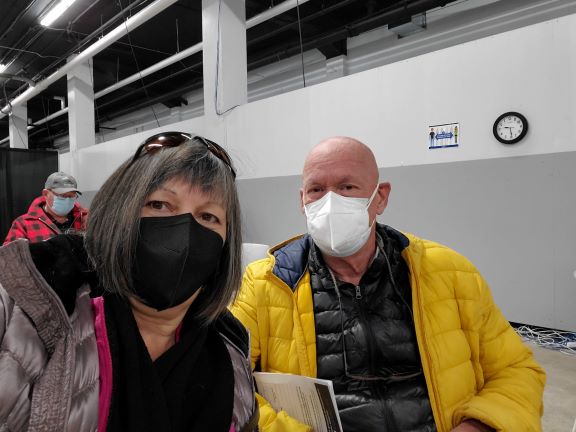
To improve fit and comfort with ear loop masks, consider using a device to pull the loops toward the back of your head. This does 2 things: it pulls the mask more snugly to the face (reducing leaks), and it relieves pressure on your ears (which, as any nurse will tell you, can get sore after a few hours). This device can be a commercially made strip of plastic with hooks, or a headband or strip of fabric with buttons sewed on. I’ve even seen some cute, crocheted ones made by creative people. My hubby just took a loop from a used mask, tied the ends to the ear loops of the mask he was wearing, and pulled it behind his head (note photo above). Worked great!

Plan your food and drinks

But, of course, you can’t eat with a mask on, so planning for safer eating is a helpful strategy when travelling. We packed a lunch to eat in an isolated part of the airport rather than eating in one of the restaurants to reduce our risk. I even brought a few straws so I could drink on the plane by tucking it under my mask instead of completely removing it. I can’t say how helpful this strategy is, but I wanted to try everything I could.

On the transatlantic flight, they recommended eating quickly, in less than 15 minutes if possible, and I expect this advice came from studies that found exposures of less than 15 minutes resulted in lower rates of infection. They also suspended service of coffee and alcoholic drinks that are slower to consume and would have greatly increased the time passengers had their masks off. As well, planes were loaded from back to front to decrease contact between people. First Class now gives you the privilege of boarding last without having to pass by other passengers!

But on shorter flights I’d suggest eating and hydrating before you board and keeping a mask on the entire time.

Modify your activities

Lastly, we are being careful about where we go and what we do. Just like at home in Canada, we mostly eat at home. We haven’t used public transit or eaten inside a restaurant yet and may avoid these the entire time we’re here. When eating out, we choose a restaurant with outdoor seating (not possible back home in Canada this time of year!) and well-spaced tables. And, of course, there’s always “take away”, as they call it here, if you don’t feel like cooking, and lots of prepared foods are available to make cooking easier at home, not to mention the wonderful fresh fruits and veggies. There are many small apartments available here, reasonably priced even for shorter vacations, making it easier to cook at your home-away-from-home.

We decided that the purpose of our trip was to be outdoors, enjoying the sunshine and warm temperatures, and walking more than we would at home. Like many European destinations, we can walk to do all our errands—this is one of the things we love about coming here! We go home in better physical (and mental!) condition than when we arrived because of all the walking we do in the (almost always sunny) Costa del Sol. This will not be a sight-seeing trip… We’ll save that for another time!

Especially with short vacations, sticking to outdoor activities, enjoying the weather, and getting some exercise where you can stay distanced from others can still be a great break while making sure you’ll be able to make your scheduled return home. Of course, you can’t travel if you’ve caught the virus and even a mild infection can mean rescheduling flights, especially on a short trip. So, you’d want to use extra caution, for example, avoiding indoor public buildings, at least for the last 2 weeks before your return… which is likely the entire time on a shorter vacation.

Whether you vacation near your home or travel to another continent, your choices make a difference in your risk of getting a COVID infection that could ruin your holiday. Of course, I’m not advocating for everyone to hop on a plane next week but, if you do decide to travel, plan ahead and adjust your expectations for holiday activities. With vaccination, preparation and choosing your activities carefully, it’s possible now to have a safe, enjoyable vacation that’s good for your mental and physical health!

#SafeTravelWithCOVID #COVIDvacation

Categories
Uncategorized

Considering a COVID vacation?

Well, we’re doing it… we’re flying to Spain next week. Or, perhaps I should say, we have tickets paid for and accommodations booked there. We won’t know until the last minute whether our flight is cancelled/postponed (our airline is cancelling a lot of flights!) Such is life during COVID. Are we brave or stupid? Maybe a little of both…

But I suppose we’re no different than the Olympic athletes who are planning to head to Beijing in February. We’ve weighed the pros and cons, and taken every precaution we can think of. On the down side, we are seeing in the news that many flights are being cancelled due to passengers changing their minds plus lack of staff (that aren’t sick or burned out) to fly the planes… not to mention the weather. Makes me wonder whether our 3-month winter in Spain may be cancelled at the last minute. But one consolation is that the wave should have passed by the time we’re due to head back. We certainly wouldn’t have considered going for a short stint of a week or two.

Why would we consider travelling during a pandemic?

The answer is, our trip was planned last spring when COVID was looking quite settled and it was paid for in November, just after I knew I was recovering from a 6-month-long painful condition but before the Omicron variant was identified. Although we are allowed one change for free, we don’t want to postpone our departure as some have done, since we want to have the option to come back early if we need to, for whatever reason. Of course, after we booked our tickets, the airlines added unlimited changes at no cost to entice travellers… too late for us.

So, our suitcases are packed, we’ve gotten our Euros, and everything is arranged. Our family thinks we’re crazy, heading off to spend 3 months on another continent during the 5th wave of the COVID pandemic. But things aren’t sounding any better here, with dire predictions for the next 4 to 6 weeks that the worst is yet to come.

Spain, in comparison, is believed to have hit its peak of the Omicron wave, and the area we’re staying in, Andalusia, has the lowest case counts in the country. Still, we’ll need to be careful.

Taking all precautions

So, we’ve taken every precaution we can think of to stay safe. We have N95 masks (recommended by the CDC and other authorities as the safest to use), we’ve checked the conditions at our destination repeatedly (including reports from people who have visited there recently), and we got our 3rd boosters before Christmas.

We’ve even been taking vitamin D (reported to be anti-inflammatory and essential for a well-functioning immune system) even though it hasn’t been proven to prevent COVID or reduce symptoms. Of course, we always take 2000iu every winter anyway, living in Canada where there’s not enough sunshine to make our own vitamin D in the snowy season, so that was a no-brainer.

New COVID treatments to use at home…

As you may know, I’m constantly reading medical news, being a retired pharmacist. I’ve been watching reports of a common antidepressant, called Fluvoxamine, being useful to reduce inflammation from SARS-CoV-2, the virus that causes COVID. And just last week, the highly rated British medical journal, the Lancet, published results of a study that found the drug reduced the risk of hospitalization of patients at risk of severe outcomes by about 30%, and up to 60% if taken for a full 10 days.

I’m healthy (or at least I’m getting back to my normal healthy self, now that I’ve recovered from the minor surgery that I waited months for because of COVID). Getting to a place that’s warm and sunny (and not icy!) will help me recover my usual strength and stamina. But we’re both over that magical age of 65 and my hubby is a heart patient, generally considered to be at higher risk I think he might be a candidate for Fluvoxamine preventive treatment, should he contract the virus. And they say we all will, vaccinated or not… vaccination just means you’re much less likely to end up in hospital or die from it.

So, here’s the deal (as one famous person likes to put it…) A 10-day course of Fluvoxamine 100mg twice daily is an inexpensive treatment that can make a difference in the outcome of a COVID infection for those considered at high risk of the severe version, if started within the first 7 days of symptoms. It won’t work as well as the far more expensive anti-viral treatments that are available or coming soon, especially if you’re already very ill, but it’s just one more thing that we can do now to help reduce hospitalizations. As a side benefit, since it’s also an antidepressant, I suppose it could help with what I call “COVIDosis”… that blah feeling that this pandemic has left so many of us with. Included in the side effects list, however, you’ll see drowsiness (or, strangely, sometimes insomnia), stomach upset (reduced by taking with food), or sexual problems (but who wants sex when they’re sick anyway?)

Another alternative to prevent lung inflammation is to use an inhaler for asthma, called Pulmicort, twice a day for 14 days. This treatment has fewer side effects while still targeting the lung inflammation that can make it hard to breath. The main side effect is an increased chance of getting a fungal mouth/throat infection called thrush. This can be countered by rinsing the mouth with water then spitting, or by brushing your teeth after using it.

This week, the government announced that our province is on the list of those at or very near hospital capacity and that we all should avoid being in contact with others as much as possible. Reluctantly they announced a 2-week lockdown here in New Brunswick. We all need to do everything we can to slow the spread of the virus to a pace that our heath care system can handle. Shortages in hospital staff have even resulted in less staff at our local clinic, so it makes sense to be making good use of these medications when it’s indicated to reduce the chance of needing acute medical care.

But sadly, it seems to be taking time for the word to get out about these treatments. This is very common in the medical system. Although research and distribution of new knowledge about SARS-CoV-2 infection is advancing more quickly than normal due to the severity of the disease, it always takes time for results of a published study to become policy.

Ontario is the first Canadian province to have added Fluvoxamine to its official list of options for treating COVID. I’m wondering how long it will take NB officials to do the same. Fortunately, Pulmicort is already recommended for COVID treatment (according to our local doctors’ office), and our local Nurse Practitioner was willing to prescribe it for my hubby and I to take with us, just in case.

Hospitalization is very expensive. The drugs they use in hospital to treat severe COVID are also very expensive. Ten days of Fluvoxamine 100mg twice daily or a Pulmicort inhaler is dirt cheap by comparison.

So, if you are diagnosed with COVID and have underlying health problems, like diabetes, heart disease or a poorly functioning immune system (for example, due to cancer treatment or medication you are taking) ask your doctor about taking Fluvoxamine or using a Pulmicort inhaler when you are first diagnosed. They both need to be started early (within a week of diagnosis) for best effectiveness.

Heck, if you’re over 65 like me, you’re already in a higher risk category. That’s why I asked for a course of treatment to take with me to Spain!

Weigh the pros and cons

So, I’m not trying to encourage others to travel right now but, if you’re going to (or have to) travel, I wanted you to know about some of the extra precautions you can take in addition to masks, distancing, hygiene, and reducing contact with others, whether you’re at home or elsewhere.

For us, I know we’ll have a healthier lifestyle in Spain, being able to walk outside in the sunshine and we’ll have lots of fresh fruits and veggies available. If we do go to a restaurant, we will be eating outdoors. How could you go wrong eating the Mediterranean Diet in the Mediterranean? Of course, we’ll have to resist stopping into those wonderful panaderías with their fresh-baked goodies… at least some of the time!)

View from my home today…

Snow and a raging wind have kept us mostly inside here for the past several days. I could have sworn there were planes circling over our house all night last night–such a strong, loud wind. A storm surge has also meant I’d be better off with skates if I wanted to walk to the beach in front of my home… We’re feeling lucky that we haven’t lost our power! It’s enough to start anyone thinking about “getting out of Dodge” to a place where it’s easier to spend more time outdoors, right?

Anyway, wherever you are, stay safe! Like everyone else, we’re trying to learn to live as safely as possible with this disease that they’re saying will be with us for a while longer…

References:

COVID-osis – Midlife Health Blog, Jeannie Collins Beaudin

Common asthma drug cuts COVID-19 hospitalization risk, recovery time – Oxford study — Reuters

Effect of early treatment with fluvoxamine on risk of emergency care and hospitalisation among patients with COVID-19: the TOGETHER randomised, platform clinical trial – The Lancet

#COVIDtreatment #FluvoxamineForCOVID #PulmicortForCOVID

Categories
Uncategorized

Holiday planning… COVID and goodies

I don’t know about all of you, but I’ve started planning for the holidays. This year, not only do we have the usual (and wonderful!) excesses of the season to worry about, but we also have the new Omicron variant to take into consideration. Planning ahead can make a difference…

So here are some suggestions to help you have a healthy and happy holiday season that you won’t regret come January 1st:

· Pay attention to portion size. Holiday buffets always look so delicious I want to taste everything and end up with the way too much food on my plate. Then I feel guilty and eat it all! One way to limit how much you take, is to choose a smaller plate… less room for food. Another idea is to make a deal with yourself: take less than you think you will eat, and then to go back for seconds later if you’re still hungry. You may just discover that you have no room left for seconds when the time comes.

· Watch alcohol intake. Healthy drinking guidelines recommend only one drink a day for women and no more than two for men. While I have always wondered about this gender discrepancy, the recommendation may have more to do with hormone systems than simply with body weight. While they don’t recommend “saving” your weekly quota and drinking it all in one night, it does make sense to have a few alcohol-free days before and/or after that Christmas party. Try to alternate alcoholic drinks with alcohol-free ones during the gathering, like bubbly water or (my favorite) a virgin Caesar that really tastes the same as the alcohol version. Bring your alternative with you and drink it from a fancy glass, just to feel special!

· Make time for exercise. As the weather gets colder, especially up here in the north, it’s easy to turn to sedentary activities. Last winter I made puzzles, this year I’m trying to improve my portrait drawing skills… both sitting activities. One idea to create of good habit of daily exercise is to tie it to another activity. For example, my hubby likes to walk to get the mail every day. I try to do Spanish lessons every day (because we’re hoping to get to Spain again this winter) so I’m going to try to do my daily lessons on my ellipse machine… kill two birds with one stone, as they say.

· Get a good night’s sleep. “Sleep hygiene” is a term for a group of things you can do to improve your sleep, like avoiding caffeine late in the day, having a cool comfortable sleeping environment, avoiding screens for an hour or two before bedtime, and more. I wrote a blog about this that you will find here. And don’t forget about the benefits of brief naps that I’ve also blogged about in the past, found here. (The links will pop up in a different window so you can read them later…)

· And this year, there’s Omicron… Currently, we’re still waiting for more news about this variant. But it makes sense to be extra careful in the meantime since it appears to spread very easily and is suspected to be more resistant to our vaccines. Rapid answer (i.e. rapid antigen) tests that give results in just a few minutes, if you can access them, are an extra measure that’s a smart to use this season, along with the usual COVID precautions we all know so well. Try to test before a get-together with family or friends, especially anyone who is not fully vaccinated (including booster), or who has unavoidable exposure to many others. Of course, if you have symptoms or a potential exposure to the virus, you should still arrange for a full PCR test, as this is more accurate.

More holiday plans…

So, I’m thinking of taking a break from blogging for a little while, although you’ll likely hear from me from time to time when I feel some inspiration (which I feel I’m somewhat lacking these days, it seems).

As I mentioned, we’re hoping to get to Spain again this winter—a trip planned and paid for before the outbreak of the Omicron variant, of course. But we’re seeing that COVID counts in Spain are relatively low, and have heard from those who’ve visited there this fall that Spaniards are closely following protocols. They’ve told us they felt safe there and perhaps safer than in Canada, where we all need to spend most of our time indoors these chilly days!

I enjoy writing this blog and especially hearing from readers (that really makes it feel more worthwhile!). I plan to do more art (learning to do portraits in pastels) and perhaps some different writing projects (maybe Flash Fiction [stories of 300-1000 words] or finally writing that book about the environment I’ve had outlined for months!). But this blog is so much like talking to customers in the pharmacy (the part of being a pharmacist I most enjoyed!) I’ll likely be drawn back to it from time to time. Who knows?

This is blog #246, so there’s lots to look back on from the past 5 ½ years (if you happen to miss me… haha!), including the collection of blogs “The Pharmacist is IN” I’ve published in e-book form on Kobo, Nook, and other non-Amazon sites (Amazon no longer allows books containing material published elsewhere, including in a personal blog). Just search “Jeannie Collins Beaudin” on any major e-book website and you’ll find my work … My first book “Can I Speak to the Hormone Lady?” (about how to figure out what’s going on when hormones get out of whack) is published on Amazon also, being completely original work. I’ve chosen to distribute widely, internationally and through many services, since my purpose, as with my blog, is to share research-based information. And, of course, a book makes a great Christmas gift… 😊

Meanwhile, on to writing about the Environment… I’m planning to talk about the big picture, what we can do in our own homes, and our “internal environment”, the microscopic world of organisms that live inside us and influence more than we realize, as suggested in many recent research results. All these systems can be improved or damaged by our actions and choices. Maybe talking about it will get me going…

So, wishing you all happy and healthy holidays, however you choose to celebrate… stay safe, stay well!

References/links:

4 Strategies for a happy and healthy holiday season–McMaster University Optimal Aging Portal

The Pharmacist is IN; Answers to Health Questions You Didn’t Know You Had–Universal Book Link

Can I Speak to the Hormone Lady? Managing Menopause and Hormone Imbalances–Universal Book Link

Categories
Uncategorized

So awesome!

How many times have you said (or heard someone say) something was awesome? But was it really?

What is awe anyway?

Centuries ago, awe was a word to describe fear toward divine beings. Merriam-Webster defines it now as an overwhelming emotion that is a combination of wonder, respect, and sometimes dread that is inspired by authority, by the sacred or sublime, or by fear (or some combination of these). It’s the feeling you get in the presence of something vast that challenges your understanding. Think of it as revered respect mixed with fear or wonder…. An all-consuming emotion.

So, saying a tasty meal was awesome is an exaggeration most of the time (although I guess you could be in awe of some cuisine…). So much for our popular expressions!

But real awe is something worth striving for. True awe makes us feel small and unimportant, but in a good way. It’s those times when you’re experiencing something larger than yourself, or your ordinary level of experience, and it forces you to change your understanding of the world. Unless fear or a dangerous situation is involved in creating awe, it is most often an amazing (truly awesome!) experience with positive effects on us.

People describe the emotion with words like wonder, amazement, surprise, or transcendence. It can be inspired by other people, nature, music, art, architecture, religious experiences, the supernatural, or even your own accomplishments. We can feel awe from looking at the night sky, marveling at the birth of a child, or from everyday events, like a flower blooming or witnessing a stranger do something kind for a homeless person.

Increased experiences of awe are also linked to more life satisfaction, increased humility, better mood, less feelings of materialism, and more sceptical of weak arguments (and misinformation!). It can make us better people socially, too—more generous and cooperative than those who experience other emotions (shown in a study setting).

Awe can change our perception of time, making it seem more expansive, and encourages us to appreciate the present. It tends to make us feel small and inconsequential but, at the same time, very aware of ourselves and our place in the universe, with increased connection to others and a part of something greater than ourselves.

And awe is good for our health…

A 2015 Canadian study found that experiencing awe was a predictor of lower levels of proinflammatory cytokines (the chemicals that damage the lungs in severe COVID). The researchers suggested their results could provide an explanation for how positive emotions can improve our health… and how negative ones can damage it when chronically elevated!.

Scientists have even measured what happens in the brain when we are in awe. Our “default mode network” (the connected parts of the brain that fire up when we’re day dreaming, in “auto mode”, or thinking about ourselves) becomes less active. This slow-down also happens during meditation, states of flow, and on psychedelic “trips”. Note that the default mode network is also more active when we’re lonely, depressed, or dwelling on unpleasant experiences from the past.

During these pandemic times, when we’re not travelling, going to art galleries, and just staying home more doing our same routines, our default mode networks may be working overtime… creating inflammatory cytokines that could be damaging our health.

So, how can we get more awe into our lives?

The first thing to do is to start noticing awesome things that are already there that we are ignoring. You know how they say to “take time to smell the roses”? Awe comes in different intensities, and they all count toward building a more awesome life.

Turning off distractions that keep you from noticing the awe around you also helps you to see it’s there. Turn your attention outward and be open to inspirations. Just like starting a gratitude journal can help you feel more grateful (and happier), paying attention to awesome things around you, even little ones, can make your whole life more awesome.

According to Dacher Keltner, psychologist and researcher, writer and founder of the Greater Good Science Center at University of California, Berkeley, here are 8 ways to find more awe in your life:

1. Look for and appreciate moral beauty, courage, and talent in your fellow human beings. Nature and the spiritual are important sources of awe, but so are people, from those who achieve greatness through their acts or talent, to the simple but special acts that people do in your community.

2. Move in unison with others. Moving together with people, whether dancing, playing music, cheering the same team, or even walking with a friend, helps strengthen social ties and can elicit awe.

3. Get out in nature. Try a 15-minute “awe walk” in a natural setting, looking for patterns in your surroundings, shifting your awareness to what’s around you. Nature is amazing both on a vast scale and a miniature one.

4. Listen to or create music. Ever experienced “chills” from a beautiful or moving piece of music? This is a form of awe that we can tap into easily, with digital music and a set of headphones, almost any time. Making music, especially with others, combines awe-inspiring music with synchronized movement with others… doubly awesome!

5. Appreciate art or cinema with stunning visual elements. While we can enjoy art and films at home through our computers, experiencing it in larger form at a gallery (or at least on a big screen TV) is more awe inspiring. Immerse yourself in the detail and appreciate the talent that created it.

6. Seek out a spiritual or religious experience. Ritual and prayer can be profound sources of awe, as can nature, science, yoga, or meditation. It’s the type of experiences that you personally find spiritually meaningful that are most likely to result in awe. Even recalling or writing about the experience later can renew the feeling of awe, along with its health benefits.

7. Consider big ideas. The process of wrapping your head around a concept that’s new to you is called cognitive accommodation, and it’s a key part of awe… changing your understanding of the world or some part of it. Whether it’s finally understanding an intricate piece of poetry, or (like Descartes and Newton) being so awed by rainbows that you were inspired to learn the physics of light, wonder can lead to discovery which can evoke awe.

8. Witnessing life and death. I can clearly remember seeing each of my 3 children when they were first born… truly awe-inspiring moments for me. I was in such awe of what we had created, I spend hours just looking at my first-born. He was so awe-inspiring… and still is! If you’re a parent too, stop for a moment and remember those first hours with your child. Perhaps you’ll feel the awe again too. And grandkids are even more awesome! But for me, sadness at losing loved ones overwhelmed any awe I might have experienced. However, the awe can come from remembering how they enjoyed life, things they achieved, the love they shared…

I’m sure you can think of other everyday sources of awesomeness in your life, and if you look around with awe in mind, you’ll find more. Share your awe in a comment… maybe you’ll inspire others (and me too)!

And just a final note about psychedelic drugs. Once considered too dangerous and banned from use, this class of drugs is being researched again in controlled settings for use in mental health. Researchers describe the effect of a guided psychedelic experience as creating an effect similar to awe, with feelings of being connected and “one” with the universe, a smallness of self, and dissolution of ego. In Canada, these drugs are being researched and approved for end-of-life issues, treatment resistant depression, anxiety, addiction, PTSD and more. Interestingly, a single treatment can have long term results. The US, however, has not yet approved this type of treatment, although I have read some drugs in the class have been approved for research. You can read more about this in the references below and in my blog “Old Drugs, New Research” https://jeanniebeaudin.wixsite.com/author/post/2019/07/20/old-drugs-new-research published on July 20th, 2019.

References:

How to experience more wow—Psyche

Default Mode Network—Psychology Today

What Is Awe—Greater Good

Old Drugs, New Research—JCB blog about psychedelic drug research

Psychedelic Therapy in Clinical Settings—Mindcure

Dacher Keltner—Wikipedia

#CreatingAwe

Categories
Uncategorized

On being a happiness guinea pig…

A week or so ago, I received an interesting letter from Statistics Canada, inviting me to participate in a pilot research study about activities and feelings, and how they are related. Like the nutrition research I wrote about last week (the NutriNet-Santé study), it comes with an app to make it easier and less time-consuming for participants.

Now, I may not have told you that I was on the Board of the New Brunswick Health Research Foundation for 6 years some time back (and involved in its organization before that). I learned a lot about research while on the Board, as we worked to increase the amount of health research being done in our province. I had also participated in a pharmacy study years ago, and I realized how difficult it can be to sign up participants into a project. How could I refuse to help out with a national research study?

I could also see that close attention has been paid to privacy and security, and they explained how your data would only be shared in a form where you couldn’t be identified, and in aggregate form where everyone’s information is totalled before the results are shared.

The app makes it easy to enter my results: it alerts me 2 to 5 times a day (my choice of frequency)—I set it for 3 times, so I’ll get 2 sets of results entered even if a miss one of the alerts—and the study will continue for 30 days. After I enter my password, it asks me (on a scale of 0 to 10) how happy, anxious, relaxed, focused, and in control I am of my emotions. I also enter where I am (mostly at home these pandemic days!), what activity I am doing (creating online content right now), and who I’m with. All this takes only a minute or two to complete on my phone.

The goal of the study is to investigate how activities affect our well-being, particularly arts and culture activities, and it’s being conducted in collaboration with the Canada Council for the Arts and Canadian Heritage. The list of possible activities includes paid work, using/listening to/watching different types of media, doing artistic activities, eating/drinking, reading, caring for others, and so on.

What it’s made me notice, however, is that I’m almost always happy. I guess I don’t think of myself as an unusually happy person, but perhaps I am. Being retired, living in a beautiful place, and spending time with my almost always happy hubby, there isn’t much to be unhappy about! Some experts will tell you that much unhappiness and stress originates with looking back at unhappy times or worrying about things that might or might not happen in the future. Enjoying the present moment can make us happier.

I noticed the only time I had somewhat negative responses, was when I was having a bad day physically. I’m still in post-surgery recovery (taking much longer than I anticipated!) and, if I over-do my physical activities, I regret it later. My one criticism of the program is that it doesn’t ask if you are feeling pain, and we know that the ups and downs of chronic pain can quickly affect a person’s mood. As this is a pilot program, I hope I’ll have an opportunity to make comments at the conclusion of my participation.

Einstein’s happiness advice

The story goes that on one occasion, instead giving of a tip to a bellhop who was delivering a parcel to him, Albert Einstein scribbled a piece of advice on a piece of paper. Here is what it said:

“A calm and modest life brings more happiness than the pursuit of success combined with constant restlessness.”

In his opinion, the chase for money, power and influence is tiring and a source of this constant restlessness… the essence of unhappiness. His happiness came from learning new information, developing theories of how the world works, sharing results with colleagues and gaining their approval and respect.

He was also an admirer of Baruch Spinoza, a 17th century philosopher, who valued having space and time to pursue his own ideas in complete freedom. (Actually, that sounds a lot like my retirement blogging venture that you are joining me in…)

But Einstein is also quoted as saying that achieving goals, and a never-ending quest for self-improvement, knowledge, and creativity are the greatest source of personal happiness. None of this is tied to power, wealth, fame, or domination of others. Reading (and, these days, watching too much media) diverts the mind excessively from its creative pursuits, he said. We need to think and use our brains creatively to avoid falling into lazy habits of thinking, and living vicariously instead of living our own lives.

But, as important as he believed knowledge is, he said imagination is more important than knowledge. Knowledge is limited. Imagination encircles the world. (If you’re interested in reading a fascinating transcript of an interview with Albert Einstein done in 1929, check out the link in the references below.)

The study I’m participating in, “Vitali-T-Stat”, is looking at whether consuming media (a form of acquiring knowledge) or being creative makes us happier. I suspect that, if the results show that creativity creates greater happiness, this may be used to convince governments that the arts are an important and worthy investment for a country.

After all, happiness is what people want, regardless of their intermediate goals, isn’t it?

So, what makes you truly happy? Worth spending some time thinking about…

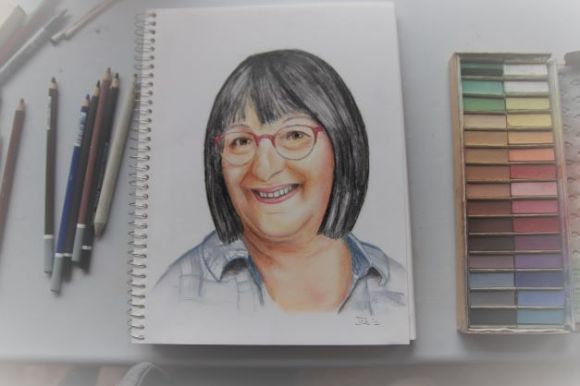
PS: I’m learning to use chalk pastels! The photo above is attempt #2 at a pastel selfie… Fun and relaxing!! I think it’s making me happier… 🙂

References and further reading:

Vitali-T-Stat app (available on Google Play and Apple App Store

Greatest Tip Ever: Albert Einstein’s Theory Of Happiness—Medium

Viereck’s Interview to Einstein (1929)—LinkedIn

Categories
Uncategorized

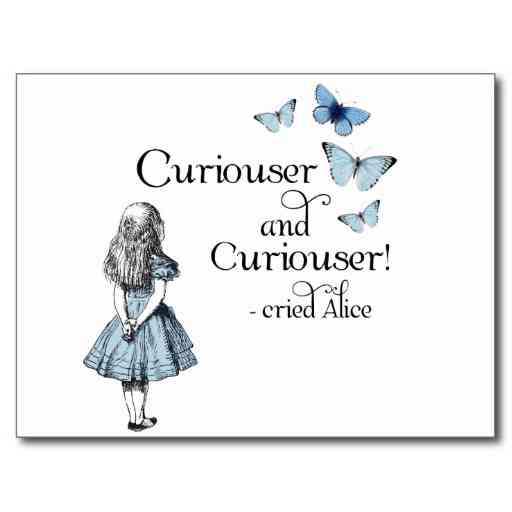
Curiouser and curiouser…

We start out in life being curious about everything… a child’s favourite question is often “why?” But over time many of us lose our curiosity for some reason. “Why?”, asks my inner child… (I think I’m curious about curiosity!)

As adults, we can tend to feel that we already know all that is necessary. We are the “experts”, the “grown-ups” who’ve been doing the same stuff for years. Admitting that we could learn more about a topic or delving into something new makes us feel vulnerable and inadequate, and who wants to feel that? Two of the greatest factors in shutting down curiosity are thinking we know everything already and having an unchecked ego.

Of course, we never completely lose our curiosity… we just don’t exercise it as much as we age. But that’s something we can change!

What exactly is curiosity anyway?

Curiosity is defined as a strong desire to know or learn something, to acquire knowledge, information, understanding, and skills. It’s considered an emotion as well as a behaviour, an “itch” that needs to be satisfied as well as a driving force behind much of our development as humans, motivating many of our societies’ greatest advancements.

While animals also display curiosity as a natural exploratory behaviour when confronted with something unfamiliar, the emotion of desiring knowledge for its own sake is considered uniquely human.

Curiosity improves performance

Increased curiosity as a young toddler predicts better school performance. And being more curious in later years helps to keep your mind sharp as you age… better aging performance, you might say. Lifelong learning, reading, and writing has been shown to slow mental decline by one-third… those who rarely read or write were found to decline 48 percent faster compared to average. “Old age starts where curiosity ends” wrote José Saramago.

For most of us, our curiosity starts to decline as early as age four. When we know a little about a topic, it’s easy to feel like we know it all… essentially, you don’t know how much you don’t know! But the more we learn, the more we realize how much more information there is on any given topic, and the more curious we become.

If you know nothing about a subject, it’s also less interesting because it’s harder to understand and follow new concepts and information you encounter. Our brains like associations… that’s how we remember and understand.

So, the best way to become curious is to keep learning new things. Your brain starts to associate new facts and ideas with ones you learned before, helping you to remember and observe more than you would otherwise. Think of it as having more “hooks” to hang information on, more ideas you can integrate and tie together for more meaning and interest.

Where do you start?

Well, just spending time cruising the internet doesn’t help increase your curiosity or make you smarter, in spite of the wealth of information in the cyber world. It’s very easy to spend hours just scanning mundane social media. But, instead, use your internet time to look up information on things that interest you. Dig deeper into subjects that catch your attention, and you just may discover that there’s a lot to learn about the topic.

The internet makes is easy for us to seek out expert opinions. The key is checking your source… who posted it? I’ve used the internet for years to look up scientific studies, often finding the complete original published study, by using Google Scholar (the branch of Google that delves into scientific literature). I’ve found a few newsletters from trusted sources that feed me information regularly, often starting me off on a new tangent that ends up here on my blog. I like to find several sources on the same topic, though, to compare opinions on the subject and expand what I’m learning. One article is never enough!

In the world of health (one of my main interests, being a pharmacist), websites of universities, governments, and large reputable healthcare facilities (like Mayo Clinic) are often my trusted go-to’s. In addition to information-packed websites, many universities now offer free online university-level courses that anyone can sign up for, known as MOOCs (Massive Open Online Courses). So, if you really want to become an expert, the information is there for the taking. Your only commitment is your time. But 90% of those who sign up never complete the course. So, it’s not just about access to information, but more about your curiosity, interest, and drive to learn. So, perhaps you’d need to scale up your curiosity before you tackle a MOOC…

An easier way to delve into a subject, is to buy a book or two on it. Nothing like spending a few hours “listening” to someone who was so curious about a subject they learned enough to write an entire book on it! Back in the years I was doing hormone consultations with women, I bought at least a dozen books, and benefitted greatly from the experience and learning of the experts who wrote them, adding to my knowledge base with each one. Eventually I followed their example and wrote my own book, integrating what I’d learned from so many sources with what I’d learned while working with my clients.

Better relationships

Being curious is also one of the best ways to show you’re interested in other people and what’s happening in their lives. Curiosity is a deeply social quality—it shows you care (although one doesn’t want to over-do it and fall into the “nosey” category…).

Neuroscientists have noted that the same part of the brain is activated when curiosity is aroused, as with romantic love. Couples who look for novel and interesting activities were found to be significantly more satisfied with their relationships and to feel more romantically about each other. The brain finds curiosity—and its satisfaction—rewarding at a very basic level.

But one of the best things about developing and satisfying your curiosity, is that you will become a more interesting person. Curiosity is a rabbit-hole where one thing leads to another. You never know where you may end up… and some suggest you may also find that your finances, health, and relationships improve at the same time. Being curious can lead to a better, richer, higher-quality life!

The famous scientist, Richard Feynman, said “everything is interesting if you go into it deeply enough.” He also said, the best way to learn is to explain the subject to someone else in a way it can be easily understood. To give a clear explanation, you need to learn and understand the subject very well. I think that’s what I try to do whenever I write, whether it’s a journal article, book, or this blog! To find things to write about and to write well, I needed to become curious.

So, here’s to finding ways to become more curious and making time to satisfy that curiosity! It’s all about asking questions, when? why? how?, and satisfying your “itch” to find the answers.

What piques your curiosity? Let me know and maybe I’ll become curious about it too…

References and further reading:

This is the Most Fun Way to Make Your Life Awesome—Barking Up the Wrong Tree

Curiosity: Why It Matters, Why We Lose It and How to Get It Back–Forbes

Curiosity—Wikipedia

The ‘Why’ Behind Asking Why: The Science of Curiosity–Knowledge@Wharton

Old Age Starts Where Curiosity Ends–Exploring your mind

José Saramago–Wikipedia

#Curiosity #LifeLongLearning

Categories
Uncategorized

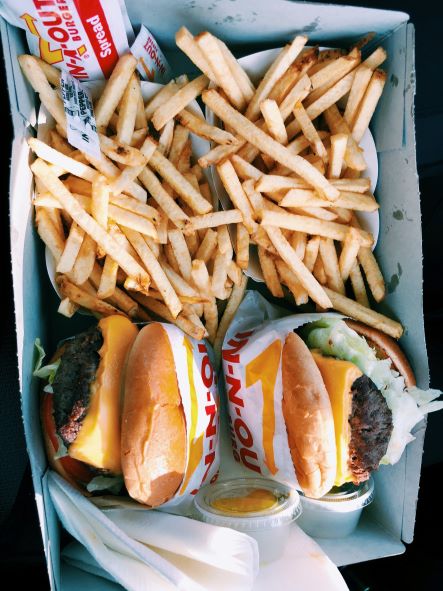
Cause of death: Fast food

I’m sure you’ve learned that fast food isn’t the healthiest diet for us, but new results from the world’s largest nutrition study suggests the problem could be more than the high amounts of fat, sugar, salt and other additives many fast foods contain. This, and other studies, suggest the way these foods are processed may also be a factor in the unhealthy results and increased risk of chronic diseases that can manifest when we eat too many processed foods.

I’ve always been a person who likes to search for the cause of a health problem, not just treat the symptoms, and we know that people’s risk of various diseases increases when they move to North America. This suggests a problem with our lifestyle or diet, but nutrition and lifestyle research is notoriously difficult to get right. A properly done study needs to control as many factors as possible to be sure the effect they observe is really due to what the study is suggesting, and not from some other background difference. People don’t eat the same food every day and could never be expected to follow a strict diet for 10 years or so, just to prove a point for some researcher!

But the NutriNet-Santé, started in 2009, has found a way to accommodate a large part of these problems… they are using a phone app to collect nutrition data and characteristics of the 171,000 people in the study. It is easier and more accurate to note what you’ve eaten on your phone right away than to remember later when you’re being interviewed by a nutritionist. Participants can even scan the barcode of foods, when available, and supply information about food packaging, cooking practices, how the food was produced, their physical activity, tobacco, drugs, environmental factors, and exposures at home and at work.

As well, with the subjects’ permission, they are able to connect all this information with medical and insurance records, and keep a database of blood, urine and stool tests to monitor and analyze gut microorganisms. Obviously, they must have powerful computer systems to analyze all this data…

Another positive factor in this study, is that it’s completely funded by public institutions. One hazard of many earlier studies is that the researchers received financing from food producers, albeit sometimes provided as an unrestricted grant. But who wants to bite the hand that feeds them? There is always pressure to soften, ignore or even change results that look bad for the funding company…

The NutriNet-Santé study looked specifically at the relationships between nutrition, health, lifestyle factors and mortality; and it examined factors that influence diet patterns, for example, economic and cultural factors.

The results?

We can expect information to be generated from this study for years to come, but an early result is a connection noted between high intake of “ultra processed” foods and increased risk of cancer, heart disease and stroke, mortality, symptoms of depression, obesity and gastrointestinal disorders.

To get an idea of the impact, a 10% increase in ultra-processed foods in the diet was associated with more than 10% increase in risks of overall cancer and breast cancer.

What is “ultra-processed” food?

Food processing is everything you do to food the change it from its original state. There are several levels of food processing:

  • Unprocessed or minimally processed foods (like nuts, seed whole grains, legumes, fresh or frozen whole/cut up vegetables and fruit, eggs, fresh meat, fish and milk)
  • Processed ingredients (like flour, oils, butter, starches and sugars)
  • Processed foods (like canned vegetables, salted nuts, cured meats, cheeses, fresh-baked bread)
  • Ultra-processed foods (like carbonated/energy drinks, packaged snacks, ice cream, chocolate, candies, mass-produced baked goods, cereal bars, sweetened yoghurt/drinks, chicken/fish nuggets, sausages, burgers, hotdogs, and instant soups/noodles)

One way to see the difference between processed and ultra-processed foods is to look at the ingredient labels. Both types can contain processed ingredients, but ultra-processed foods also contain ingredients you are unlikely to have in your kitchen, like hydrogenated oils, additives (like food colours, flavour enhancers and non-sugar sweeteners, and stabilizing ingredients (like preservatives, anti-caking agents, emulsifiers and humectants) … basically ingredient names you wouldn’t readily recognize.

The NOVA Food Classification System helps people to understand what types of food processing diminish the quality of our food. You will find a summary of the system in the Reference links below.

Why is processing bad for our food?

Much of the problem with highly processed foods has been attributed to the addition of unhealthy ingredients, like high amounts of sugar, salt, colour and fat to “improve” flavour and appearance and preservatives to make the food last longer on store shelves. Processing also often removes important components of food our bodies need, like fibre and vitamins.

But a second factor, not considered until more recently, is what the food is exposed to during processing. Plastic is everywhere and contact with food during processing, as well as what it’s packaged in, can result in transfer of harmful chemicals into the food. Many of these are known to block or mimic hormones (termed “hormone disruptors”), increasing risk of hormone-driven cancers. Plastic and plastic-coated packaging (like coated cardboard and film-lined cans) also provide opportunities for addition of chemicals to food. And you’ll recall my blog from Oct 29th discussing PFAS “forever” chemicals in food packaging and non-stick cookware that are also a source of chemicals added to food. Here’s the link, in case you missed it… PFAS… “Forever chemicals” .

A new study done in the southern US found measurable amounts of harmful chemicals in many foods from several popular restaurant chains. These chemicals have been linked to disruption of hormone systems, fertility problems, and learning and attention problems in children. They are known to be stored in the body and even low exposures can accumulate over years to harmful levels. Some researchers have suggested they may be contributing to the obesity epidemic in North America…

So, how do you know what to buy?

Experts advise us to steer toward whole, non-packaged foods… avoid the center aisles of grocery stores where most packaged processed foods are located. Buy food that is still in its original form as much as possible. Read the food labels on packaged foods and put back the ones with long lists of ingredients that are difficult to pronounce.

But, of course, this takes time, and who wants to spend time reading all that fine print?

So, an alternative is a new labelling system, called Nutri-score or 5-Colour Nutrition Label (5-CNL), designed to make it easier to choose healthier foods with just a quick glance. It’s a nutritional logo based on a 5-colour scale (dark green to red) with letters A to E. A dark green A is best, and a red E is worst.

It was designed in France and, so far, it’s being used in Europe but not yet in North America. However, since it’s being endorsed by the World Health Organization (WHO), don’t be surprised if we start to see these labels on foods here. The idea is to make it easy to choose healthier food by simply checking a colour/letter, rather than analyzing a more complex food label. Nice to have an expert do the analysis for us too!

But, of course, food manufactures will need to be required to use this labelling. We need to ask our regulators to consider requiring this system to speed up its adoption. Studies have shown that using this labelling makes a significant improvement in the quality of foods shoppers choose.

Another thing it does is encourage manufacturers to create healthier foods. I mean, who wants to have a red “this is unhealthy” label on your product? Of course, these are still edible foods, but the labelling will encourage less consumption… and fewer sales. Money talks!

Scientific studies have demonstrated that consuming more “A’ rated products will lower risk of developing a number of chronic diseases, like cancer, cardiovascular diseases, obesity, or metabolic syndrome (a combination of high blood pressure, high cholesterol, and high blood sugar due to insulin resistance).

Have you changed the way you shop for food in recent years? If not, do you plan to start looking at ingredients in packaged foods when you’re buying groceries? Let me know in the comments…

Spread the word… contact your Health Minister!

If you know someone who could use a shortcut to better health in the future, forward this blog to them to start them thinking about how they could improve their diet and their health.

I have also drafted a short document you could use to contact the Health Minister in your jurisdiction, to make them aware of this simple program and how it could be used to save tax dollars while improving population health. Feel free to use it or change it, however you like… Here’s a link to it:

References/Credits:

What have we learned from the world’s largest nutrition study?—Medical News Today

The NutriNet-Sante Study—U.S. National Library of Medicine

Nutri-Score—Wikipedia

Some fast-food items contain plastics linked to serious health problems, new report shows—Washington Post

Ultra-processed food and why it’s bad for you – Choice.com

The NOVA Food Classification System – Educhange.com

Photo by Ashley Green on Unsplash

#healthydiet #NutriNetSante