Categories
Book review

I'm so excited!

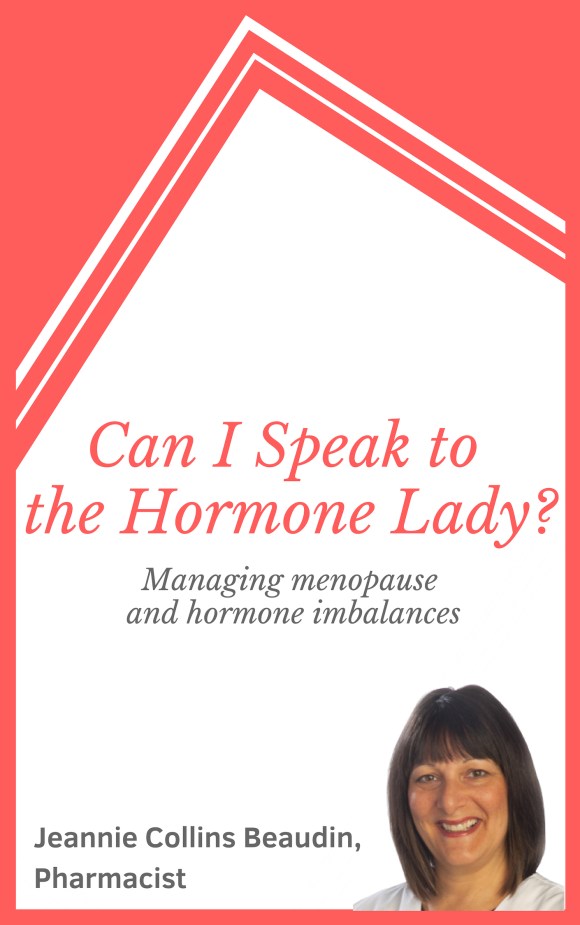
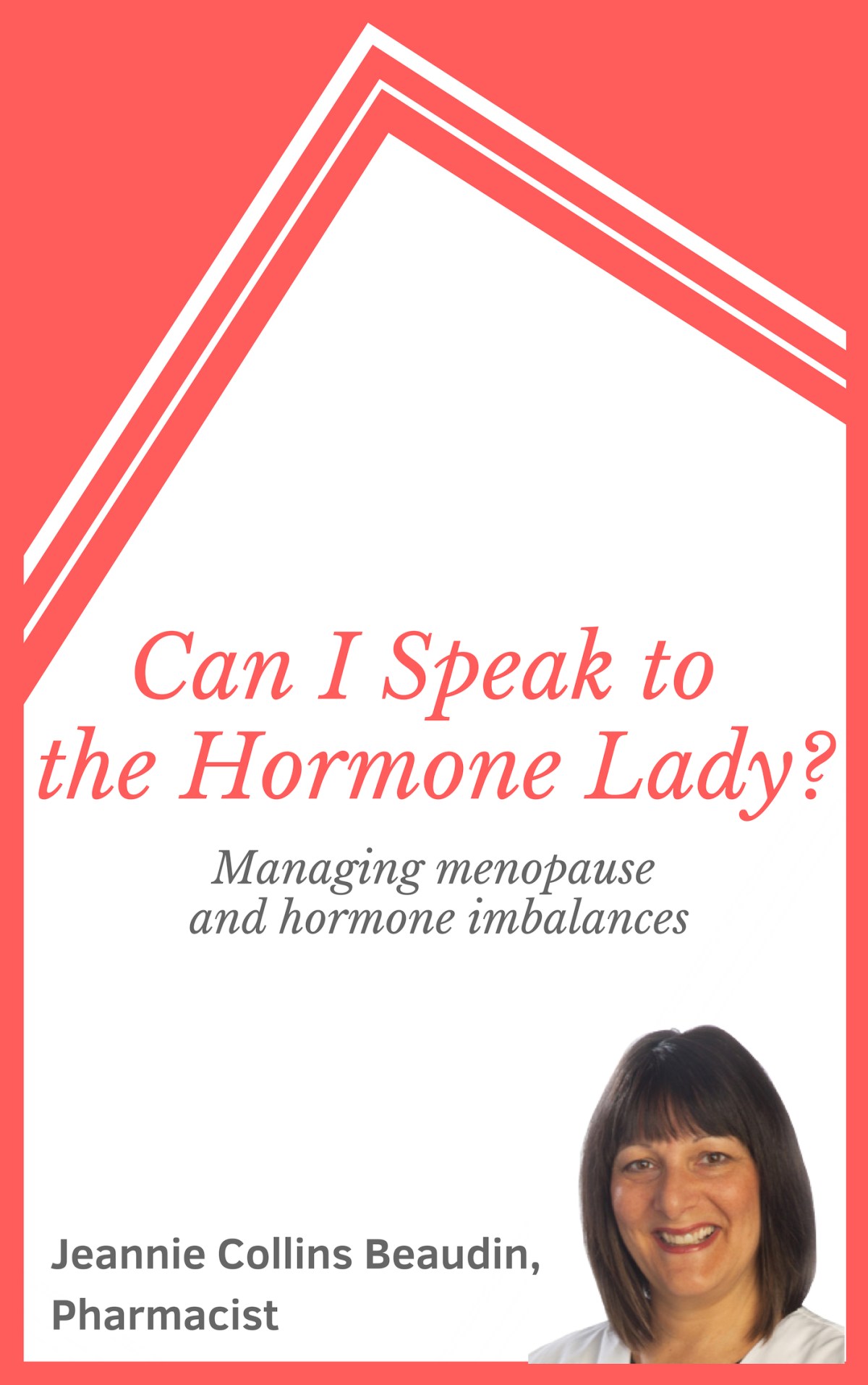
Hi! I’m back from my blogging break, and it’s time to let you know what I’ve been up to (besides enjoying the Spanish sun)… The book I’ve been working on for 3 years, “Can I Speak to the Hormone Lady? Managing Menopause and Hormone Imbalances” has just been published in e-book and print!

It was quite a challenge to learn about editing, formatting, cover design and all that’s required to publish a book. And I haven’t had a chance to see it in print yet, since I’m still in Spain until the end of March, but the online version looks good on my Kindle. You can take a peek at parts of the e-book displayed in the “Look Inside” function on Amazon.com or Amazon.ca

I’m so excited (and a bit nervous…) to finally have my book “out there”… Please celebrate with me! Here’s a Universal Link to the services where it is available:

https://books2read.com/u/4AJQGo

Categories
Book review

I’m so excited!

Hi! I’m back from my blogging break, and it’s time to let you know what I’ve been up to (besides enjoying the Spanish sun)… The book I’ve been working on for 3 years, “Can I Speak to the Hormone Lady? Managing Menopause and Hormone Imbalances” has just been published in e-book and print!

It was quite a challenge to learn about editing, formatting, cover design and all that’s required to publish a book. And I haven’t had a chance to see it in print yet, since I’m still in Spain until the end of March, but the online version looks good on my Kindle. You can take a peek at parts of the e-book displayed in the “Look Inside” function on Amazon.com or Amazon.ca

I’m so excited (and a bit nervous…) to finally have my book “out there”… Please celebrate with me! Here’s a Universal Link to the services where it is available:

https://books2read.com/u/4AJQGo

#Hormone #Hormoneimbalance #Menopause

Categories
Book review Health

Are You a Napper?

“In a perfect world, all humans would nap”…Sara Mednick, PhD; nap researcher and author.

My grandfather always had his “snooze” after lunch; my husband loves his naps, and will snatch 15 to 30 minutes whenever he feels the least bit tired. But I rarely have trouble sleeping at night, so I’ve always felt I didn’t need a daytime nap. And I didn’t want to “waste” the time…

Then I stumbled across Sara Mednick’s book, “Take a Nap! Change Your Life” She, too, didn’t believe in naps but was amazed at how much better she felt afterward when, exhausted, she succumbed one afternoon. Being a sleep researcher, she decided to investigate what science tells us about daytime napping. Finding essentially no nap research, she decided to investigate herself. This developed into a career of nap research! Here’s some of what I learned from her book.

Essentially all other animals take daytime naps – they call this “multi-phasic” sleep. In Europe, the daytime “siesta” is part of the culture, although they are gradually succumbing to the North American idea of pushing through the day, regardless how tired. I’ve been surprised more than once at finding a shop closed at mid-day, especially in smaller towns and villages. But now I understand it better… and I should have been napping myself at midday, not shopping!

The early afternoon “slump” in energy has often been blamed on what we ate for lunch or simply overeating. But it’s really part of our Circadian (daily) rhythm, a pre-programmed mini-dip in energy, and a signal that it’s time to nap. A 20 to 30 minute sleep, about 6 hours after morning waking is beneficial for alertness, mental ability and overall health. Our brains are programmed for it.

And, in case you feel silly about napping, you should know that some of the greatest minds benefited from regular naps: Leonardo da Vinci, Isaac Newton, Napoleon Bonaparte, Albert Einstein, John F. Kennedy and several other presidents, and Winston Churchill. Think of it as a new wellness technology… although it’s really nothing new. We’re just finally doing proper research to learn about it.

Sadly, the trend in recent years has been toward longer work hours. I remember talk of a four-day work week years ago, but it never happened. With rising housing costs in large cities, many have moved to the fringes for affordable housing, and the longer commute to work compounded with longer work hours can often result in less time for sleep.

Although many of us depend on caffeine to get through the day and we have medications for sleep disorders like narcolepsy, no drug has yet been invented that is a substitute for sleep, scientists say. Sleep deprivation has many detrimental health effects, including increased heart disease and stroke, increased car accidents, decreased immune function, decreased sexual function, premature aging, obesity, diabetes, irritability, depression, and all the symptoms of stress. Researchers say we may be confusion the symptoms of fatigue with the signs of stress. Both increase blood levels of the stress hormone, cortisol, that causes all of these effects.

The simplest solution is to incorporate naps into the our day! Science tells us there are at least 13 good reasons to nap (and 13 is my favourite number) :

  1. Increased alertness – A brief daytime nap can increase alertness by as much as 100%.

  2. Speed up motor performance – Improved coordination after a nap can mean fewer accidents.

  3. Improve your accuracy – Your boss will be happy you’re making fewer mistakes, and better decisions

  4. Look younger – Naps increase growth hormone production, which can result in improved skin texture and tissue regeneration. Naps are truly “beauty sleep”

  5. Improve your sex life – Daytime napping can increase sex drive and function. Nap now, love more later…

  6. Lose weight – Sleepy people crave high fat, high sugar foods more than people who are rested. Naps can also help you produce more growth hormone that reduces body fat.

  7. Reduce risk of heart attack, stroke and diabetes – Fatigue results in increased cortisol production, and this leads to increased blood pressure, heart attacks, stroke and other cardiovascular disorders and increased blood sugar.

  8. Improve your stamina – Naps give you extra energy for running a marathon or staying alert at meetings. A nap can make the second half of your day just like a brand-new day!

  9. Elevate mood – Lack of sleep makes you cranky.

  10. Boost creativity – Naps help your brain create connections needed for a fresh burst of creativity.

  11. Reduce stress – Naps can lower cortisol and make you a less-stressed, calmer person.

  12. Improved nighttime sleep – Contrary to some sleep advice, research shows a midday nap can actually improve your nighttime sleep. Going “beyond” with fatigue can rev you up so you’re too “wired” to fall asleep when you have the chance.

  13. It feels good! – Millions of nappers (and essentially all animals) can’t be wrong…

So, create opportunities for a nap during your day, ideally about 6 hours after you wake up in the morning. You’ll feel better, be healthier, increase your productivity and make better decisions. Even your boss should be interested – introduce him/her to the science of napping!

Further reading:

Take a Nap! Change Your Life: The Scientific Plan to Make you Smarter, Healthier, More Productive (Amazon.com or Amazon.ca )

Note: I have no affiliation with the author or seller of this book…just sharing a book I enjoyed reading and learned from!

Categories
Book review Health

The “Back Whisperers” — Back Pain Part 3

Like everything else, it’s better to prevent back pain than to have to treat it. But what do you do if you already have chronic non-specific back pain? The simple answer, according to several experts, is to strengthen weak back muscles and change bad habits, but this can be easier said than done…

What about surgery and steroid injections?

An estimated 38% success rate is reported for back surgeries, with some patients actually worsening after the surgery instead of improving. Steroid injections, which can give temporary reductions in pain and inflammation, can also cause side effects of bone loss and weakened muscles in the injected area. Misplaced injections have caused serious injury, including paralysis (referred to as a spinal “stroke”). Because several existing treatments have not been highly successful, new programs have been developed, some by back surgeons who were disillusioned by their inability to help their patients through surgery. Investigative reporter and author of Crooked, Cathryn Jakobson Ramin, refers to these non-surgery back experts as “Back Whisperers”.

The “Back Whisperers” – Exercise specialists

One such doctor is Brian Nelson, a former back surgeon who decided to develop a different method to heal chronic back problems, and he founded the Physicians Back and Neck Clinic. Recognizing the need to strengthen the weakened muscles of the back and that many people do exercises incorrectly (using gluteus “butt” muscles or leg muscles instead of the muscles of the back that need strengthening), he invented an exercise machine called MedX that made his patients do their exercises correctly as part of a broader rehabilitation program. The machine is now used in many high-end back rehab programs world-wide.

Canadian University of Waterloo kinesiology professor, Stuart McGill, made a career of studying the mechanics of why back muscles, bones and ligaments fail so commonly. While he recommends customizing exercise according to what is “mechanically” malfunctioning in each individual, he did design “Stuart McGill’s Big 3 Exercises” to develop core stability, supporting the back. You can view these strengthening exercises on You Tube. Ask your doctor or therapist if they are right for you. He also recommends walking, even for short periods of time, several times a day as an excellent exercise. He recommends doing this in a somewhat “military” style, swinging the arms to loosen tightened back muscles.

Movement techniques to correct posture, such as Feldenkrais, the Alexander Technique, Tai Chi (tie-chee), and Qigong (chee-gung) are designed to help you undo unconscious habits, helping you to develop “conscious control” and bring your system and posture back into balance. Some of these techniques can help you to realize which bracing, “protective” postures that you may be unconsciously holding that create pain and spasms, and can teach you how to relax and let go. And some forms incorporate an element of active meditation that can help reduce stress. Here’s a small example on YouTube of simple Qigong exercises… but ideally you would want to join a class to be instructed properly.

Yoga, while helpful for relaxation, can often tend to overwork lumbar and cervical regions of the spine with forward bends that load extra pressure on the spine that can be painful in those who are already deconditioned and weakened. Low back trauma is reported to be the most common type of yoga injury. However, two styles of yoga, Viniyoga and Iyengar, are considered more suitable for people with joint and muscle problems. A skilled instructor can help to identify and correct problems that are causing chronic pain.

Using the mind/body connection

One of the worst things for the back is to tighten and guard against painful movements. A diagnosis of “degenerative disc disease” can frighten a person into avoiding any kind of exercise, in case they further damage their “fragile” spine. However, most people benefit from exercise and learning not to fear possible pain once they have a proper diagnosis and treatment program. Some of the most effective programs include “cognitive behavioural therapy”, where patients are taught to take a positive view of their condition: that their situation is not hopeless and that they can learn to manage their pain.

Ron Seigel describes the central issue of chronic non-specific back pain as being the fear of back pain in his book, Back Sense. “Pain causes distress, which causes muscles to tighten, which causes more pain” in a downward spiral. Dr. John Sarno observed that emotions caused the unconscious mind to create painful spasms in many of the back pain patients he treated over the years, as described in his book Healing Back Pain. He claimed that many patients could make a dramatic recovery once they realized the source of their chronic pain.

Red flags

But before you would consider an exercise program for a chronically painful back, you should have your doctor assess for “red flags” — symptoms that suggest the possibility of a serious problem. These include long-standing pain that is unaltered by a change in position (possibly suggesting a tumor and a need for imaging such as an MRI), or a history of fever and chills (suggesting the need for a bone scan to rule our low-grade infection).

However, scans to diagnose back problems are generally not recommended, especially early in the course of an episode and barring any “red flags”, as changes in spine structure do not correlate well with the cause of the pain, leading to unnecessary surgery in many cases. Degeneration of discs between vertebrae is common as we age, and is often seen in images of spines of people who have no back pain. Ruptured discs are reported to heal when pressure on them is avoided for a period of time, eliminating the need for surgery to correct the problem.

In summary…

If you have chronic back pain, ask your clinician about non-surgery options and specialized back rehabilitations programs. If you are taking opioids for long-term back pain, ask your doctor how you can transition off these, perhaps to an anti-inflammatory medication if it’s safe for you to take.

The main reasons to avoid NSAID anti-inflammatory medications is existing stomach problems or kidney disease. However, because the dose needed is much lower, when anti-inflammatory creams are used , they can often be substituted for the pill version.

Be aware that these creams need to be applied to specific areas, known as the “trigger point” for your particular muscle spasm, and it may not be the most obvious painful area. Ask a therapist who is familiar with the work of Drs Travell and Simons to show you exactly where to massage the cream. A self-help book I’ve used for many years that explains these well is The Trigger Point Therapy Workbook by Clair Davies.

Acute back pain

If you have an acute (less than 1 month) or a sub-acute (less than 3 months duration) back problem, realize that most will recover from this. The worst thing you can do is stiffen and guard against painful movements, or take opioids that could cause side effects and long-term problems, and could even eventually worsen your pain. Remember from Part 1 of this blog series that anti-inflammatory medications (by mouth or as a cream) and sometimes short-term muscle relaxants can give relief. Total bed rest is no longer recommended and, instead, gentle rhythmic exercise as tolerated, such as walking, has been found to help improve the problem more quickly. Applying heat or ice can also provide some relief. A visit with a physiotherapist or skilled massage therapist can set you on the right track for a full recovery. If the pain is severe, you may benefit from an assessment by your physician. Once you’ve recovered, work with a therapist for a visit or two to strengthen muscles that support the back to prevent future episodes.

In response to my first article in this series, a reader who is an occupational therapist described to me how they recommend their patients strive for a balance in work (purposeful activity), rest and play, and in mind, body and spirit. It seems that the cure for back pain is not the same for everyone, but it’s all about strengthening without overworking, avoiding painful activities unless being supervised by a professional, addressing stress and associated muscle tension, and learning to move without fear. Several experts have stated that 90-95% of back pain sufferers can recover without surgery.

Additional reading:

Crooked by Cathryn Jakobson Ramin

Healing Back Pain by John Sarno
Categories
Book review Health

No-one likes the Mr. Throat picture…

This week, I want to share an article about smoking…not about quitting, but about why people smoke and how much they love it… And how it takes over the smoker’s life… And how hard it is to quit.

I was never a smoker. I tried a few cigarettes in my younger days when out to a bar with smoking friends, but I never formed that love/dependency relationship with “smokes”, as the writer of the article fondly refers to them. As a pharmacist, I learned about medications to help people quit, how difficult the process is and things I could do or say to help people overcome the habit (or let’s call it what it is: an addiction). But I often would wonder why so many people, roughly 20% in Canada, still choose an activity that might kill them.

The article, written by a long-term smoker and posted in a blog called “LongReads”, fascinated me as a non-smoker and health professional, and I found it helped me understand why people smoke in spite of all the evidence that it is slowly damaging their health. I’d recommend the article, not only for smokers, but for those who would like to help people quit. Understanding “why” can sometimes be the key…

Spoiler alert: the photos on the cigarette package, especially the photo of a man with throat cancer, are the most negative part of the writer’s smoking experience. The title of the article is: “Mr. Throat and Me”.

You’ll find the article here: LongReads “Mr. Throat and Me”.

Categories
Book review

Memorizing numbers can be easy

This week I want to tell you about a nifty system to remember numbers that I read about in Kevin Horsley’s book, Unlimited Memory. Here is how it works:

Each number is represented by a sound. The letters A, E, I, O, U, W, H and Y are filler letters that “don’t count” and are used to make words from the sounds that represent the sequence of digits you want to remember.

Learn the sounds that stand for each number, then create words using filler letters to form sentences or phrases you can easily remember and convert back into numbers.

Here is the list of sounds associated with each number:

0 = s, z, or soft c (think of a hissing wheel)

1 = T or d (think of the upright line in these letters)

2 = N (picture the 2 as a sideways N)

3 = M (picture the 3 as sideways M)

4 = R (a bit of a stretch, but superimpose a 4 on top of the R…)

5 = L (picture your hand with fingers together and thumb extended, forming an L …like the loser thing but with all 5 fingers)

6 = J, SH, soft CH, soft G (6 could be imagined as looking like a writing J, and the other sounds are similar)

7 = K, hard C

8 = F, V (associate the digit 8 with a hand-written curvy f)

9 = b, p (can you see the 9’s there?)

This visual version might help you remember more easily…

So, here is an example. An old phone number I once had is 506 – 458 – 0201. Using the code above, and a little imagination, I came up with “lazy Jerry – life snoozed” (no one says it has to make sense -just make it something you can remember!). With practice, you’ll be able to quickly code and decode lists of numbers you need to remember.

In summary, there are several things you can do to improve your memory.

  • Learn and use memory systems to attach new information to old memories/knowledge

  • Use senses, exaggeration, and action when using memory systems to make new knowledge more memorable

  • Eliminate blocks to improving memory: multitasking, stress, being unwilling to try

  • Review information regularly to form solid long-term memories

  • Practice techniques regularly to improve

Reference: Unlimited Memory by Kevin Horsley – an entertaining read!

If you’re interested in reading this book, it is available at Amazon.com or Amazon.ca

Categories
Book review

More ways to remember…

There are many ways to improve your memory. The Association technique… connecting new information to things you already know, like parts of your body or items in your home, as discussed last week, is only one method. I hope you had fun practicing this technique!

PEGLISTS

Creating “peglists” is another way it to store information you want to remember later. In this memory technique you use words that rhyme with a known list, such as numbers or the alphabet. For example, 1 – bun or fun, 2 – shoe or blue, 3 – tree or bee, etc. using rhyming words that will remind you of what you want to remember. You can also create a story that connects the items in a list you want to remember with the rhyming words. For example, 1 is fun, the fun you are going to have at the party tomorrow (and you want to bring a gift). With letters you have even more flexibility – you can use a rhyming word or a word that starts with the letter, alphabetical order or letters that form a word that is easy to remember.

You can also use the shapes of letters or numbers to represent items that you can then associate with creative actions that will trigger your memory. Here’s an example: 1 is like a candle; imagine it’s on a birthday cake; picture yourself lighting it, to remind you to get a cake mix. Number 2 is shaped like a swan; swans like swimming in water, so this can remind you to buy bottled water. The digit 3 looks like handcuffs and could remind you to get a key made, or sideways, number 3 looks like two bowls and could remind you to get soup mix or salad. You get the idea… Use different images to remind you of what you need to remember and add action if you can to make the memory more solid.

Although these techniques may seem like more work at the beginning, with practice they will become second nature – an easy way to make a list of items stick in your mind!

NAMES

Remembering names has never been my strong suit. Repeating names often, even if only in your mind, or writing them down can help. Try creating a file of names and “clues” to who this person is on your phone or computer to help your memory. A friend who is particularly good at remembering names, told me she often does this…it works!

Another memory technique for faces and names, is to link a feature with an image that reminds you of their name. For example, a woman named Angela who has beautiful blonde or white hair, might remind you of an angel (or angel hair pasta…). When I was in university, and wore blue jeans constantly, my friends called me Jeans – perhaps they originally did this to help remember my name, Jeannie!

You can use any association that pops into your mind – the sillier, the better – but, if it’s not complimentary to the person, don’t let on how you remembered their name so easily!

I think that’s enough to practice for another week. As Mark Spitz, winner of seven gold medals in the 1972 Olympics said, “We all love to win but how many people love to train?”. Most don’t. But training will always help you improve. Working at learning memory systems and making them habits will enable you to have a better memory.

One more memory technique to come next week…be sure to sign up on my email list so you’ll get a direct link to part 3!

Reference: Unlimited Memory by Kevin Horsley

Categories
Book review

Unlimited Memory…

You have two choices: accept the memory you were born with and believe that it cannot be changed, or decide that remembering is like a habit and can be improved with practice and training… What you believe is your choice!

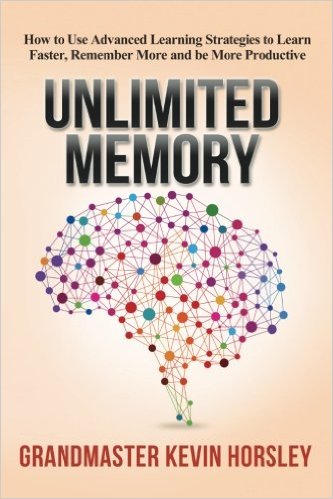
Unlimited Memory”, by Kevin Horsley, documents his journey from having difficulties in school to achieving success in memory contests… by learning and practicing established memory techniques. He explains in detail the tested memory techniques he uses regularly to be able to quickly memorize lists, facts, people’s names… or anything else he wants to learn. This is a review of his book… I hope you can use these techniques to improve your memory too!

Horsley describes the “4 C’s” of improving memory:

  • Concentrate

  • Create imagery

  • Connect new information to something you already know, and

  • Continuously use memory improvement techniques so they become a habit

CONCENTRATE

You are much less likely to remember something (like where you put your keys, for example) if you do it absent-mindedly. Focussing on what you are doing will help you remember later.

Worry and conflict can occupy your mind and distract you, reducing your ability to concentrate on the present moment. Deal with your conflicts and do something positive to lessen your worries, and you may find your memory will improve.

CREATE IMAGERY

Your mind likes and remembers images and action more than words and numbers. Creating “stories” using facts you want to remember helps your brain form more solid memories that are more easily retrieved later. The more outrageous and the more action in the story, the more easily you will recall it later!

CONNECT

Associating new information with already-formed memories and lists you can easily recall, helps your brain create a storage place for the new information. Remembering the associated old memory, will help you to recall the new information you have mentally attached to it. Many memory techniques use associations like this, often linking with something as simple as numbers, the alphabet or rooms in your house.

CONTINUOUSLY PRACTICE

Like anything you want to improve, using memory techniques will become easier and more automatic if you practice them every day. Start by doing an intentional exercise each day, using one of the techniques I will describe below. Challenge yourself, for example, to memorize a list of groceries you need to pick up or errands you need to do. Bring a backup list if you think you need it, but look for real life memory exercises you can do each day.

So, here is your first memory technique:

  • Associate items you want to remember with things in a room. Let’s use items on your grocery list and make up a story about things in your kitchen:

    • Here is your list: milk, fruit, coffee, bread, flour, dish detergent, garbage bags

    • Now, create a silly story…maybe about monkeys having fun in your kitchen (did you see the movie, Jumanji?)

      • Wild monkeys invade your kitchen, open the fridge and spill milk on the floor, and throw fruit around the room from the bowl you keep next to the fridge. One is up on the counter eating a sandwich and he’s white from flour that’s been spilled on him. The coffee maker is next on the counter, and it’s been knocked over into the sink. You’ll need dish detergent and garbage bags to clean up the mess!

      • Did I cover everything on the list? When you enter the kitchen, you pass the fridge, a bowl you use for fruit, a stretch of counter, the coffee maker, then the sink, and the garbage is kept under the sink: milk, fruit, bread, flour, coffee, dish detergent, garbage bags.

  • The sillier the story and the more action it has, the easier it will be to remember – use your imagination. Associating details of the story with items in a room will help you to remember each detail. If you run out of items in one room, just move on to the next one!

Of course, no one needs to know your silly story. Just let them be impressed by how good your memory has become!

Today I wanted to remember several things to pick up at home while checking up on the work being done on our house – we were hit by lightening last Friday, so I’m having quite a week… I used my body, top to bottom, to map out my simple list: ears, eyes, body, feet, and hands to remember that I wanted to get my headset, contact lens solution, bathing suit (there’s a pool at the hotel we’re staying in!), more socks and a pair of light gloves in case I decide to do some walking in our new temporary neighbourhood! I also made a point to remember that I needed 5 things in total. It wasn’t a long list, but I’m just learning to use these techniques…trying to “continuously practice”! This is the same technique as above, but using parts of the body instead of items in a room.

Next week, I’ll share more techniques you can use to help your memory along. Meanwhile, have fun with this approach – be sure to practice every day! Click “JOIN MY MAILING LIST” if would like the link for part 2 of Unlimited Memory sent directly to your email inbox!

My American friends can order the ebook through Amazon.com HERE

and the paperback can be ordered in Canada HERE.

Note: any purchases made using the supplied links will result in me receiving a small payment, while you will pay the same price! Trying to offset some of the costs of creating this blog, Thanks!!

Categories
Book review Health

A Healthy Diet Should Be Easy and Fun…

What makes a diet healthy? Does it have to be complicated? Do we really need to learn about saturated fat, omega-3’s, carbohydrates, and antioxidants? Maybe it’s time to simplify what and how we eat…

A recent news report described how the scientists, who first claimed that saturated fat was bad for us years ago, had received payments from the sugar industry. Newer reports are saying that it is really sugar, and not fat, we should avoid to prevent chronic conditions like diabetes and heart disease. Other reports say that refined white flour acts very similar to sugar once it is absorbed into the body.

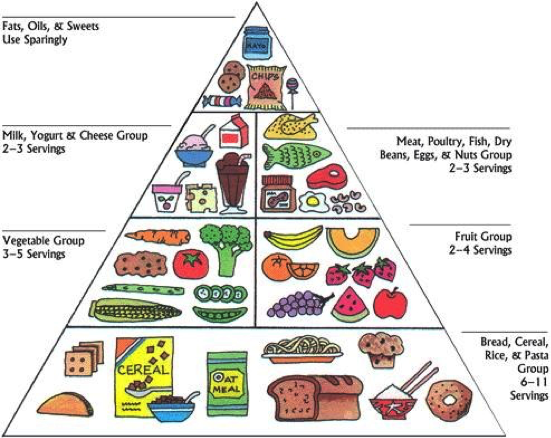
Even the basic Food Pyramid – remember this? Its emphasis on grains and drastically reduced fat intake is being questioned after so many years of use. Current thought is that it is too vague, with no indication of serving sizes, and places too much emphasis on carbohydrates.

It seems that eating healthy has become a complicated matter, with conflicting recommendations. Scientists seem to be searching for which nutrient is causing increased rates of chronic disease in North America. The fact that they seem to change their minds about what is good or bad for us every few years suggests that we need to look at the bigger picture rather than single nutrients in food.

Nutritional science is a relatively new field, in existence for about 200 years. Some have compared this “science” to the surgery in the 1600s… not yet very advanced! Well-meaning scientists’ attempts to identify individual nutrients that are causing the problems have led to a great deal of confusion for consumers. The reason behind all this research is that our Western diet has been linked to obesity, type-2 diabetes, about 80% of cardiovascular disease, and over one third of all cancers. The good news is that changing from a Western diet to a healthier one results in rapid improvements in health.

Many very different traditional diets exist that are not associated with chronic diseases. These include the high fat diet of the French, the high animal protein diet of the Masai tribes in Africa, and the high carbohydrate diet of Central American Indians. None of these traditional diets have been linked to the chronic diseases that we see associated with the typical Western diet, although they are very different from each other. Our Western diet is unique in containing large amounts of processed food and meat, lots of added fat and sugar, and lots of refined grains, but very little vegetables fruit and whole-grains.

So, after so much talk about what to avoid, what should we eat?

I think I’ve found a good answer in a little book I stumbled across called “Food Rules, An Eaters Manual” by Michael Pollan. He proposes 3 simple rules that make a lot of sense:

  1. Eat food

  2. Mostly plants

  3. Not too much

Sounds easy, right? I certainly thought so. Let me explain the rules a little and you will see why they make sense to me…

1. Eat food

This means, eat real food, with ingredients that you would find in your Mom’s cupboard, food that has not been highly processed. Food processing is designed to make food last longer on store shelves, not to make it taste better or to be healthier for us. The amount of processing of food is a major difference between the harmful Western diet and healthier traditional diets.

2. Mostly plants

Vegetarians generally tend to be healthier than those who eat meat. It is suggested, however, that using meat as a flavoring or in small amounts can result in a diet that is just as healthy as a vegetarian one. Whether it is some component of meat or the fact that larger amounts leave less room on the plate for vegetables has not been determined, but simply reducing the amount of meat in your diet and eating more plant foods is a simple rule to follow to improve your diet.

3. Not too much

How much you eat and how you eat it may be as important as what you eat. When you are distracted while eating, you tend to eat more so eating in front of the TV or while driving or working means you will likely eat more. When you eat quickly, you also often eat more, since it takes about 20 minutes for your brain to register that you are full. You should eat only until no longer hungry, rather than eating until you are full or have finished everything on your plate (in spite of what your mother may have told you!). Eating more slowly will allow you to more readily detect when you are no longer hungry before you have actually overeaten.

Here are some other suggestions for healthy eating:

  • Shop mostly on the outer areas of the grocery store; avoid the centre aisles that are mostly processed packaged foods. Buy at a farmers’ market as often as you can – they sell locally grown, whole foods that don’t need to be preserved to reach their market. If you worry about food spoiling, freezing is often the best way to preserve food without losing the nutritional value.

  • Avoid “lite”, “low-fat” and “nonfat” foods – generally these tend to be more highly processed and often sugar is added to boost flavour that is lost when fat is removed.

  • Eat only food that will eventually rot – if bacteria and fungi don’t go for the food, we probably shouldn’t either!

  • An old Chinese proverb says “Eating what stands on 1 leg (plants, mushrooms) is better than eating what stands on 2 legs (fowl), which is better than eating what stands on 4 legs (cows, pigs, etc).” Of course, this ignores healthy legless fish, but it’s an easy rule to remember!

  • Eat your colours – a variety of colours indicates a variety of nutrients and it helps your meal look more appetizing too!

  • Eat food that is grown in healthy soil (this often means organic) or is fed healthy food (usually this means pasture raised rather than grain fed). Just like us, plants and animals need healthy food to be healthy themselves! More nutritious food generally has better flavour and is more satisfying…

  • Alcohol of any kind has health benefits. It is best taken in moderate amounts with food and on a daily basis rather than binge drinking. How alcohol improves health is not well understood but it is part of several healthy traditional diets, notably the French diet.

  • “The whiter the bread, the sooner you’ll be dead” is an old saying that has merit…white flour is not much different from sugar once it’s ingested. The substances that are removed from whole grains to make them white are the most nutritious part of the grain – it just makes sense to eat the whole grain.

  • Eat when you are hungry, not when bored, as a reward, or for entertainment. Be aware of why you are eating.

  • Use a smaller plate and smaller serving containers. We eat more when a larger portion is served, and we serve ourselves more when using a larger plate or serving from a larger container.

  • Make eating an enjoyable experience – share meals with others whenever possible, take your time and enjoy the taste of the food and the company you are sharing it with. Treat the preparation and eating of meals as a family or social ritual to be enjoyed, to elevate it from a biological necessity to the enjoyable part of life that food should be!

Lastly, what matters is what we do routinely – breaking the rules for special occasions can be good for our happiness and probably also for our health. So all we really need to do to be healthy, is to keep “Everything in moderation” along with the basic 3 rules: “eat food, mostly plants, and not too much”!

To learn more, read Michael Pollan’s short, well-researched book, Food Rules: An Eater’s Manual or his more detailed In Defense of Food: An Ester’s Manifesto.

Categories
Book review Health

Dealing with Hashimoto’s Disease (Autoimmune Thyroiditis)

Hashimoto’s Disease is the cause of 90-95% of cases of hypothyroidism, or low thyroid. Also known as Hashimoto’s Thyroiditis, it is an autoimmune disease where specific antibodies produced in the body attack the thyroid gland, damaging it and blocking it from producing the thyroid hormones all cells in our bodies need to produce energy.

People who have Hashimoto’s generally have symptoms of low thyroid – fatigue, weight gain, feeling cold, joint and muscle pain, constipation, dry skin and hair, slow heart rate, and more – and they often have other autoimmune diseases as well, such as Type 1 diabetes, rheumatoid arthritis, inflammatory bowel disease or Celiac disease too. In addition to the typical hypothyroid symptoms, patients with Hashimoto’s may have acid reflux, nutrient deficiencies, anemia, intestinal permeability, gut dysbiosis (“bad” gut bacteria), impaired digestion, and inflammation. These symptoms suggest something more is going on…

With Hashimoto’s, as the thyroid gland is destroyed and stored thyroid hormone is released, some people will also experience transient symptoms of high thyroid – sweating, rapid heart beat, nervousness, weight loss, heat intolerance creating confusion and misdiagnoses. Hashimoto’s is the main cause of low thyroid, accounting for 90-95% of cases of hypothyroidism. The thyroid hormone replacement medication, Synthroid (synthetic levothyroxine or T4), is generally the only treatment offered and this medication is one of the most prescribed drugs in North America.

Hashimoto’s disease is diagnosed by doing blood tests. These tests will show an elevated TSH (thyroid stimulating hormone, produced in the pituitary gland in the brain, that pushes the thyroid to produce more thyroid hormone), and the thyroid hormones, T4 and T3, will be normal initially as the thyroid responds to the increased TSH. As the autoimmune damage to the thyroid progresses, levels of these thyroid hormones will start to decrease. The key diagnostic test, though, is for TPOab (anti-Thyroid Peroxidase antibodies), the antibodies that attack Thyroid Peroxidase enzyme, causing damage to the thyroid gland and disrupting production of thyroid hormones.

So far, the only standard treatment offered is replacement of the missing thyroid hormones after the disease has progressed. There is debate whether starting replacement before thyroid hormones actually start to decrease may be beneficial. While replacing thyroid hormone can help make you feel better, it does not address the underlying problem with the immune system or the cause of the disease. Wouldn’t it make more sense to determine what is causing production of antibodies, treat the cause and prevent the damage, rather than simply replace thyroid hormone for the rest of your life?

The causes are elusive, but some of the additional symptoms of Hashimoto’s, over and above those of simple low thyroid, give us some clues. With Hashimoto’s, nutrient deficiencies, food sensitivities, adrenal dysfunction (impaired ability to handle stress), impaired ability to clear away toxins and intestinal permeability are also commonly seen.

Gastroenterologist and autoimmune researcher, Dr. Alessio Fasano, suggests there are three root causes of autoimmunity, and that all three need to be present for autoimmunity to develop:

  1. Genetic predisposition (genes that increase susceptibility)

  2. Exposure to an antigen (a substance that acts as a trigger)

  3. Intestinal permeability (or leaky gut)

You can’t change the genes you inherited, but you can remove triggers or decrease intestinal permeability by improving your gut health. The problem is, the triggers and causes of intestinal permeability are not the same for everyone, making it a challenge to find the root cause.

Triggers that start the autoimmune process could be infection, severe stress, or something that causes an allergic reaction. Reviewing your past to match events with worsening symptoms is one way to identify your trigger; testing for allergens, intestinal parasites or infection is another. Making lifestyle or diet changes, such as eliminating common allergy-causing foods like gluten or dairy, switching to a Paleo diet, or doing a parasite cleanse (consult a healthcare practitioner!) and noting whether your symptoms improve can also be helpful – just keep in mind that it can take 3 to 6 months for these changes to show results. A decrease in TPOab or reduction in the required dose of thyroid supplement would also suggest you are on the right track.

Addressing digestive issues can work to decrease intestinal permeability: ensuring healthy gut bacterial flora, avoiding foods you are allergic or sensitive to, and adding the supplement, L-glutamine (2.5g twice daily increasing gradually to as high as 10g twice daily) and sometimes adding digestive enzymes are often recommended to promote healing of the gut lining.

In my research for this article, I came across a website/blog that appears very complete and well-researched: http://www.thyroidpharmacist.com . It is written by Dr. Izabella Wentz, a pharmacist with Hashimoto’s disease, who treated it successfully with lifestyle and diet changes, and now writes about her experiences, both personal and with patients she has subsequently treated. She emphasizes that it is often difficult to find and remove triggers for the disease, and to correct digestive problems, as the causes can vary from person to person. She warns readers that it can take years, but encourages them to keep experimenting until they find the solutions that improve their health.

She has written a book about her experiences and strategies to find solutions: Hashimoto’s Thyroiditis: The Root Cause. Her blog also discusses many aspects of the development of Hashimoto’s and approaches to correct the underlying immune dysfunction with good explanations of the reasons for her recommendations.

For example, there is a strong association between development of Hashimoto’s and Celiac diseases, and the two will often occur together, although sometimes without overt symptoms. Absorption of the mineral, selenium, is impaired in Celiac disease and selenium is important in thyroid function. Selenium is also needed for the conversion of low-activity T4 thyroid into T3 thyroid, a form that is 4 times more active. It also protects thyroid cells from oxidative damage caused by hydrogen peroxide that is produced during the normal production of thyroid hormones. So, two of her recommendations to try initially are a gluten free diet to prevent the Celiac process and supplementation with selenium to protect the thyroid gland cells and improve thyroid activity.

Much more research remains to be done in this area and finding the interventions that work for you can take several years, but these changes are safe to try and have the potential to reverse the autoimmune process. I would encourage you to seek a proper diagnosis if you have the symptoms described above, to educate yourself further about options, to consult with a knowledgeable healthcare professional and to work for as long as it takes to improve your health.