Categories
Health

Time to think about COVID again??


I know, I know… we’re all tired of hearing about it. Won’t COVID ever go away? **sigh** Instead of settling into a flu-like seasonal pattern, this virus has taken on a life of its own and refuses to behave like most viruses.

How COVID-19 is different

An article in The Conversation newsletter this morning discussing a new study of people in nursing homes – a vulnerable population we need to protect – caught my attention. Surprisingly, those who had been infected with the BA.1-2 strain were 30 times more likely to catch the BA.5 strain that followed it a few months later. This is the opposite of what is expected – usually, catching a virus improves resistance to infection approximately as well as getting a booster shot (just a riskier way to develop immunity). This virus continues to surprise researchers… 

If this applies to all ages (and chances are, it does), this means that the protective practices we all know so well –handwashing, distancing, and masks – are important again. The medical community is already reporting an uptick in cases here in Canada this summer, and school hasn’t started yet. In communities south of the border, where kids are already back to class, some schools have already cancelled classes to try to control the spread. 

And, rather than settling into a predictable seasonal pattern like the ‘flu, it seems to surge in late summer, just as the kids are heading back to close quarters in school where bugs are passed around more easily.

COVID also is good at hanging out in our bodies long after we should have recovered — something rarely seen with other common respiratory viruses. Researchers report that 1 in 10 will continue with disabling symptoms from the infection for months to years in the form of Long COVID. This is a huge future concern for our healthcare systems.

Metformin… wonder drug?  

Another interesting study I read on the subject of COVID, was that the diabetes medication, Metformin, can reduce the chance of developing Long COVID by 43% if taken early in the onset of the acute infection. I have to admit, my greatest fear beyond the risk of having a severe infection (for which I never miss a booster!) is getting Long COVID. 

Metformin, by the way, may just become the wonder-drug of the century, from what I’ve been reading about it recently. As well as improving insulin sensitivity (its main use), it’s been found to reduce the risk of relapse of certain cancers and appears to promote longevity, according to preliminary research. People with Type 2 diabetes who take Metformin statistically live longer than people who don’t have diabetes!  

Type 2 diabetes develops when insulin stops working as it should – the body becomes resistant to the effect of the insulin hormone (called “insulin resistance”) and, in response, the pancreas produces more insulin to keep blood sugar normal. This compensation can continue for years – some estimate that insulin resistance can start as long as 10 years before sugar in the blood (“blood glucose”) starts to rise.  

It astounds me that doctors still only look at blood sugar, even though blood insulin measurement is a relatively inexpensive test. My doctor told me that they don’t do this test (that would detect the development of diabetes years sooner) because there was no “protocol” for it! Why isn’t there a protocol for a simple test that would diagnose a serious disease like diabetes years sooner??? This is a prime example of one of the biggest problems in medicine – “knowledge translation”, getting what has been learned through research into real-world practice. It takes, on average, 17 years for an important medical discovery to become routine practice for doctors. Old habits are hard to change, and it takes time for practice guidelines and protocols to be re-written and put into practice. Like all of us, medical professionals need to be educated about new ways of doing things and then need to actually change their way of doing things. You know about old dogs learning new tricks. But I might be ranting again, am I??? 

And the new vaccine… 

Another factor against us as fall approaches, is that the newest version of the COVID vaccine – the updated one that’s strongly recommended – won’t be available for several weeks, probably November here in New Brunswick, my pharmacist told me.  And he’s not sure he’s going to offer it, as it increases his workload incredibly and, at the same time, compensation for giving the shot has tanked… so won’t be financially feasible for many pharmacists. It’s hard to hire extra staff when you’re making almost half as much as last year for each injection given, while salaries have gone up. This may mean that shots will be harder to access than before. 

The epidemiologists are predicting a late-summer “COVID wave”, so it’s looking like there will be a gap in protection for many people. 

Time to think about digging out those masks and hand-sanitizers again… 

Actually, I’m still finding masks tucked into purses and coat pockets, so I don’t have to dig too far, but I’ve started feeling a little silly wearing one again, much like I did back in early 2020. We seemed to be the only ones who were wearing one then… and they were homemade since the commercial ones were being reserved for medical workers. I’ve since upgraded to N95s, of course. 

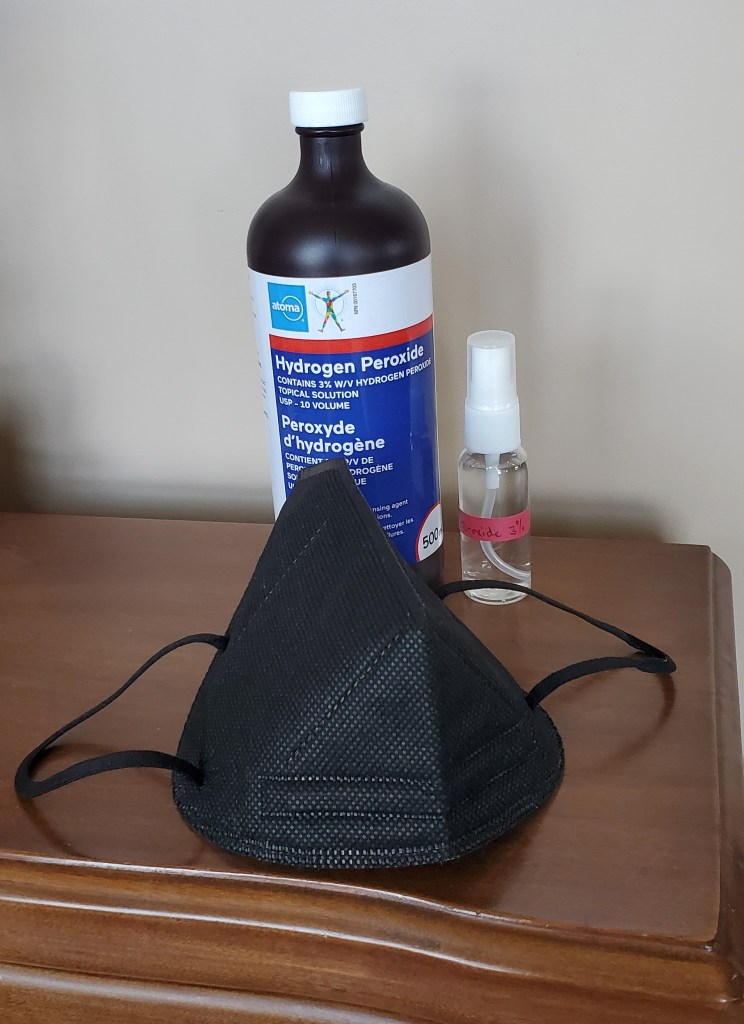
I still have my little spray bottle of hydrogen peroxide to sterilize my masks too, sitting on my buffet. Hydrogen peroxide, used as a steam after each use, has been shown to sterilize masks well enough for hospital re-use up to 30 times, so we know peroxide kills COVID and doesn’t damage the mask. When coupled with rotating masks so they’re only worn every 3 to 4 days (also known to kill off the virus) I feel safe re-wearing masks until they are obviously soiled. I’m hoping someone will test this cleaning method but, until then, I’ll keep my 4 masks lined up, spraying each after wearing it, and putting it at the back of the line, as this is the best practical method of sanitizing I know of! 

So, how about you? Will you be going back to masking and hand-washing, with cooler weather and classes keeping people indoors, or are you going to just take your chances when you’re in crowded places??? It’s time to think about it… 

References/Additional Reading:

COVID-19 boosters are the best defence — The Conversation

“Breakthrough” study: Diabetes drug helps prevent long COVID — Medscape

Outlive – Dr. Peter Attia (check your local public library for availability) 

Lifespan – Dr. David Sinclair (longevity researcher at Harvard Medical School). Available through the public library system. 

One in five doctors with Long COVID can no longer work: Survey — Medscape

Stay tuned for a future blog on longevity! And, just a reminder, the ads you see here are sponsored by my web hosting site, WordPress, and not endorsed by me! (The price to be paid for a free website these days…) jcb 

Categories
Health

“Why write about environmental issues on a health blog?”


I received that comment after last week’s blog, from a reader who was wondering why I would discuss environmental issues on a blog about health… quite justified, too, I think. So, I thought I should explain myself! 

You see, I’m reading more and more articles about studies connecting pollution, climate change, and our health, beyond dealing with more severe weather, wildfires, and the stress these can cause. An unhealthy environment can affect our health in ways we are just beginning to understand beyond simply worsening breathing problems. 

For example…

Here’s an example I read last week: microplastics are ending up in treated wastewater sludge, which eventually makes its way into farm soil and, potentially, the food grown there. Treated sludge is a great fertilizer, apparently… who knew? And they need to get rid of it somewhere, right? But ingesting plastics, even in “micro” bits, enables them to get into our bodies, and scientists are not sure yet the ways that could affect our health. 

Of course, it’s not just the physical bits of plastic that pose a problem… it’s the chemicals they contain that will eventually leech out too. I’ve written about the effects of plastic exposure on human health (I’ll post a link to that blog below) and there’s no reason not to expect these chemicals to affect animal health as well. It’s well documented that animals – especially birds and marine life – are dying because of our plastic pollution. 

Single use plastics are considered worst, as they pile up quickly then disintegrate slowly over years into progressively tinier bits. We’re already seeing bans on use of grocery bags and drinking straws. We can expect more of these in the future, but society needs time to adapt to changes, so one thing at a time. Part of my dishwashing routine now is washing out plastic bags (who would have thought!) — recycling within the home reduces our plastic waste in a significant way. And I made myself a cool little tool to clean the inside of my reusable straws – I cut a slit in one end of a wooden skewer and inserted a small strip of fabric into it that I wind around the skewer before sliding it through the straw. Works great! (That’s the gadget pictured in the photo above)

Some good ideas… 

A reader in Alberta told me about a campaign out there, entitled “Leave no Trace” after my last blog. Aimed at park users, the goal is for everyone to leave no signs behind that they were ever there. This includes, not only garbage, but campfires (built in a pit that can later be filled in), human waste (“bury it or carry it”), and even raking over footsteps and campsites with branches to cover the last traces of having been there before they move on. I love it! 

Then, of course, there’s my selfish side – I love our pristine natural beach and want others to respect it too so we all can continue to enjoy this beautiful bit of nature (hence my last article’s rant). The beach could also be said to fall under the “mental health protection” category for me. A brisk walk on the beach has long been my “go to” when I’m deeply upset. The combination of exercise, fresh air, the sound of the waves, and being in nature can make you feel like you’re leaving your troubles behind, whatever the weather. I’m sure a walk in a forest or a park would work equally well (I just happen to live near the beach!) 

PM2.5… tiny particles in the air

This week, I read an article discussing how fine particulate matter (known as PM2.5) from wildfires and agricultural spraying are connected to risk for Alzheimer’s and other dementias, as well as worsening lung diseases. Just when we thought we were through wearing filtering masks, here is a new use: preventing inhalation of fine particulate matter on days when the wind from burning areas is blowing your way.  

But all experts agree that these fires are being caused by extreme heat and drought events brought on by climate change which is already changing weather patterns in noticeable ways. These tiny microparticles (3% of the width of a human hair) can enter the body easily, slipping through the filtering system of the nose. The tiniest of these (called nanoparticles) can even cross the blood/brain barrier, where they cause irritation and inflammation in the brain (this is how they believe they increase risk for brain diseases like dementia) and they can even enter our body’s cells. They are suspected to carry other substances with them, including viruses picked up from the air, toxic heavy metals, and of course plastics, etc. (whatever was burning at the time…) that further increase the health hazards of these particles. See the Government of Canada reference below for more information on effects of PM2.5. 

One proposed route for particles and microorganisms to enter the brain is through the nasal route – the “front door”, where nerves that provide our sense of smell pass through to the brain. This has been suggested as a potential route for the COVID virus to cause brain fog and the notable loss of sense of smell that can last weeks to months in many of those affected by “Long COVID”. 

Other pollution-caused health problems…

Then there’s the emotion and trauma of being exposed to a severe climate event… Post-traumatic stress disorder (PTSD), anxiety, and depression are understandably documented as being more common in those who have been directly affected by climate events like wildfires, floods, and severe storms. 

Time to change our behaviour…

It’s hard not to see the irony in the cancellation of the “Ax the (Carbon) Tax” rally in Whitehorse, Northwest Territories last week, due to the threat of climate-change-caused wildfires… Although it’s just one climate strategy (and more are needed), the controversial Carbon Tax has been demonstrated in studies to give the best “bang for the buck”, creating the most behaviour change with the least cost. It does this by making all of us want to change… to avoid products that are more polluting because they cost more. For example, as gas increases in price, more of us want to buy electric cars which just happen to be less polluting while consuming no gas at all.  

But even before we make that move, we start to think twice about jumping into the car as often. My hubby and I now collect our errands in the city to do all in one day as much as possible, resulting in fewer trips into town (about a half hour away). We also do more shopping at our local grocery store which others must be doing too, as their selection has improved significantly. And one of the attractions for working from home is the significant money saved by not filling the tank as often! 

The New Abnormal…

Some are calling climate change the “New Normal”… but it’s not normal in any sense. There are many things we can do to adjust to this “New Abnormal”, both to protect ourselves from harm from the changes and to lessen our contribution to the causes of change. They call this Climate Adaptation… 

What changes are you considering (or have already made) to lessen the effects of climate change on your life and property? What will you do next??? 

References/Additional reading: 

How microplastics are making their way into our farmland – The Conversation  

Would you like a side of plastic with that? — Jeannie Collins Beaudin’s Blog  

Wildfire smoke is an increasing risk to Canadians’ health — The Conversation

What is Fine Particular Matter (PM2.5)? — Government of Canada 

How our complex relationship with heat inhibits climate action – The Conversation  

Wildfires, pesticides linked to increased risk of dementia – Medical News Today

Wildfire smoke can damage the brain long after the flames are extinguished, research says – The Canadian Healthcare Network

Wildfire smoke is an increasing risk to Canadians’ health — The Conversation

Categories
Health

Protecting the Environment

One small act at a time…

I read stories about young people who are working hard to counter pollution and slow damage to our climate, and it’s wonderful to think the next generation is motivated to make a significant difference to their own future. Students at a local elementary school made two colourful signs, one shown above, asking beachgoers not to litter, to stay off the dunes, and to pick up after their pets. But we still need more education, for young and old alike. Sometimes signs aren’t enough. 

Two days ago, I went to the beach near our home in the morning with our visiting grandchildren. I was surprised to see 2 tents pitched next to the beach entrance, with 4 teenage girls sleeping. I initially felt bad that my grandchildren’s excited screams on reaching the beach appeared to wake them up, even though they shouldn’t have been tenting there (beach camping is not permitted in our village), and especially so close to the dunes where the beach grass was struggling to regain a foothold, post hurricane Fiona. 

But it got worse. Returning later the same day, I was horrified to see the garbage they left behind for us to pick up… empty soda containers and food packages, cigarette butts, remnants of a fire (fires are not permitted on the beach either), and even a dirty tampon. It just doesn’t seem possible that these four young people were not aware of problems with pollution and climate change. Why would they think they had no responsibility to clean up after themselves, or follow rules designed to prevent damage to sensitive coastal areas? Why, unlike others of their generation looking toward the future, don’t they care? 

The scene disgusted me, and I wanted to do something about it. So, I emailed some neighbours to find out whether anyone knew who these girls were. We live on a private road and know all our neighbours, so we knew they didn’t live here, but they could have been visiting someone. Others were as upset about their behaviour as I was – one neighbour said she thought about yelling at them but feared for her safety as she was alone and couldn’t see how many people were in the tents or what age they were. She also reported other garbage further down the beach that upset her so much she has decided not to walk the beach until September when the tourists are gone. It seems it’s not an isolated incident, sadly. 

Anyway, no one knew who they were. It seemed that someone just dropped these girls off (randomly?) on a private road to go camping, despite 2 commercial campgrounds nearby with proper facilities and garbage cans. Someone saw them waiting to be picked up at the beginning of the path to the beach around noon. It defies logic (well, my logic, at least) that a parent would allow their children and friends to behave like that… but then, these children didn’t appear to be following any responsible parental examples. 

So, what to do? My hubby and I went down to the beach again the next morning and picked up the garbage (he wore protective gloves!). Maybe we need yet another another sign? **sigh** Although we already have 6 signs asking people to respect the dunes and beach grass… 

Here are some of my sign ideas: 

  • Cigarette butts kill: birds and other animals think they’re food but can’t digest them 
  • Bacteria from one mess of dog poo can destroy 2 acres of marine life (about the area of a city block). 
  • Why should we pick up after you? Pick up your own shit (literally and figuratively)! 

OK, so I’m really just blowing off a little steam here. But do you blame me? It’s 2 days later as I write this and I’m still angry…  

Signs, obviously, don’t work for everyone, but maybe fines for littering the beach might help (even though they would be very difficult to enforce). But sometimes just the threat of a fine will make people think twice. Cameras are quite cheap now and could help keep watch, at least in highly used areas like our local park beach.  

Sometimes inconsiderate behaviour you’ve observed just sticks in your craw. I wish I’d spoken to those girls about being responsible, rather than feeling bad that my grandchildren had woken them when they shouldn’t have been there in the first place (they looked a little hungover, actually). I still remember chastising a guy years ago who stubbed out a cigarette on a clean floor in a Sobey’s grocery store, while waiting in front of me in line at the take-out lunch counter. I just had to point out that he was standing next to a huge commercial ashtray. His response? He asked me if I worked there (I had on my white pharmacist’s coat) … “No. I just find it disgusting that you dirtied a floor that someone obviously just cleaned.” was my answer. He picked up the butt, put it into the ashtray, and looked sheepish… 

We don’t need to just accept pollution (and polluters) indoors or outdoors. Politely letting people know their behaviour is not acceptable, could be the educational “push” they need to change their habits. Hopefully they’ll be embarrassed about being so uncaring. We all need to stand up for the environment and teach others, especially our kids and grandkids! 

References:

Picking up after your dog: why it’s important — Hills Pet

PS: My apology for any ads you see here — it’s the price I pay for a free website these days (all ads are courtesy of my WordPress hosting site…)

Categories
Health

What did you say?

Hearing loss – causes and effects 

Well, I have to say I’m feeling a little “older” than I was a few weeks ago. I was diagnosed with hearing loss, something my hubby suspected (and encouraged me to investigate) as I was asking him to repeat things quite often. I even misinterpreted words occasionally because I had missed a consonant in the word, like “s” or “t”. I learned this happens when you aren’t hearing higher frequency sounds, usually consonants, as well as you should. I remembered my aunt (the one I’m named after!) laughing about this happening to her… and that’s how she knew she wasn’t hearing properly. 

It’s an adjustment… 

I do have a bit of a problem with calling them “hearing aids” though – it makes me feel like I’m old(er) and I have a disability, but I guess I do. I know I shouldn’t feel this way really, but I’ve decided to call them my “headset”. A name can make a difference sometimes, and it makes me feel better and a little less self-conscious. However, after only a couple of weeks I can see that they’re making a difference for me. I’m hearing sounds that I haven’t heard for a while, at least since my most recent ear infection in January/February this year. Things like running water, the sound of my feet on the ceramic floor, paper rattling, “swishy” sounds. Even my own voice sounds different to me! 

To make the adjustment easier, my audiologist set the volume a little quieter to let me get used to hearing all of those sounds again without becoming overwhelmed. He will increase the volume gradually over a few weeks until I can hear everything around me. It was a good strategy, and I’ve adjusted to them easily.

But my hearing aids really do function as a “headset”. They connect to my phone and function as earphones/air pods. No more chasing around for earphones when I want to do my Spanish lessons on my phone! Modern technology is wonderful.  

Tinnitus can mean there’s a problem starting 

Another thing I learned at my visit with the audiologist was that ringing in the ears, or “tinnitus”, can indicate a loss of hearing. My tinnitus, that I’ve written about previously in a blog about vertigo, started when I was given an untested “off label” treatment for chronic sinusitis. I developed terrible vertigo with this treatment and after I stopped it, I was left with tinnitus. 

This winter I had another bout of stubborn sinus congestion and, since I was flying to Spain for the winter, I went to see a doctor about it. I was terrified that I’d have ear pain due to not being able to adjust to the changing pressure in the airplane… it’s happened to me before and I wouldn’t wish that painful misery on anyone. 

The doctor accurately suspected that I had caught one of several viruses that were circulating last winter and prescribed a steroid nasal spray for me. These are known to open the Eustachian tube that connects the inner ear to the nasal cavity, allowing pressure to equalize between the ear and the outside, preventing pressure and pain from building in the ear. 

With my previous negative experience with steroids, I asked him if I should be concerned about this happening again. He said “Either use the spray or cancel your trip” and then abruptly left the room. Not a great “bedside manner”, I thought. Both of us were wearing masks, and that is a nightmare for anyone with hearing loss. I suspect my repeated requests for him to repeat what he was saying must have ticked him off… But the spray, along with decongestants, worked well to prevent ear pain during my 3 flights.

After 2 months of continuing sinus and ear problems, I finally took an antibiotic for what was was looking like a secondary bacterial infection by then and started improving in the first 24 hours. Antibiotics don’t work for virus infections, but while you’re “down and out” with a virus, bacteria can take advantage of the situation and move in. Any viral infection that lasts longer than 2 or 3 weeks should be investigated as a possible secondary bacterial infection. 

Sometimes you’re the last to notice… 

We humans tend to adjust to our circumstances rather well. The hearing loss I experienced during my ear infection improved afterward, but not completely. Of course, I thought I was fine. It was my hubby who really noticed that I was missing a lot. I suppose I’ll never know whether it was the infection or the medication I used for it that caused my hearing loss. Hearing loss has been reported with steroids but is less common than with some other medications. But the audiologist says my loss is permanent. 🙁  

So now I have my new “headset” that I wear every day, that costs me what seems like a small fortune. But hearing better is worth it. I knew from trying out different standard headsets for my phone, that the quality of the speaker makes a huge difference to what you hear, so I opted for the highest quality. A new option is to rent the headset rather than buying it outright and they sweeten the deal by covering all your visits/repairs that might otherwise have a charge. My hubby says we can always cut back somewhere else if needed… 

A recent study also suggests that untreated hearing loss may increase the risk of developing dementia. And people will sometimes avoid social situations because they can’t hear what others are saying, leading to increased isolation and potential related mental health problems. So, in addition to day-to-day advantages, correcting hearing loss can make a difference in long term health, too.

What causes hearing loss? 

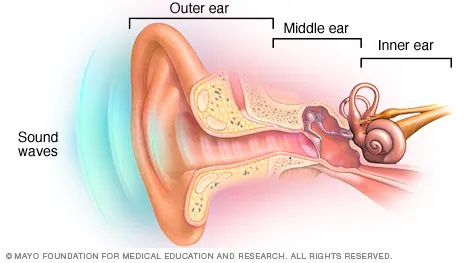
Hearing loss can be Conductive, caused by problems in the outer or middle ear that inhibit sound waves from reaching the hearing mechanism. Or they can be Sensorineural, caused by a problem in the inner ear where the sound waves are translated into nerve impulses that our brain can read. This also includes any problems with the nerves carrying these impulses to the brain, or in the brain where they are translated into sounds we understand, but this is less common.  

A Conductive problem could be as simple as excess ear wax blocking the ear canal, acting like an earplug. Removal can do wonders. However, it can also involve a problem with the ear drum or the tiny bones in the middle ear that carry the vibrations to the inner ear. Fluid behind the ear drum can also deaden sound waves. An audiologist does tests to determine where the problem originates. 

Sensorineural hearing loss involves a malfunction of the inner ear, usually in the cochlea, the organ that translates vibrations from sound into nerve impulses that the brain can read and understand. The cochlea is the spiral shaped organ in the inner ear that you can see in the image above. It has tiny hairs inside that move at certain sound frequencies and tell the brain what frequency of sound we are hearing, high or low. For me, the tiny hairs that sense high frequencies are damaged, and this is also common in the slow onset hearing loss that occurs with aging or listening to too many loud sounds over one’s lifetime. 

Certain drugs can also be “ototoxic”, or poisonous to your hearing. Higher doses and longer exposure increase the risk of hearing damage from these, and often a different drug can be prescribed if a problem develops. The most common ototoxic medications include certain antibiotics (aminoglycoside antibiotics, like gentamycin, neomycin and others), some chemotherapies (like carboplatin and cisplatin), some diuretics (fluid pills such as furosemide), quinine (used to treat malaria and leg cramps), and high doses of aspirin or other anti-inflammatory medications. Environmental contaminants like mercury, tin, lead, and carbon monoxide can also damage hearing. 

Better to prevent… 

Hearing loss is often permanent, so better to prevent it than try to compensate after it’s lost. Avoid excessively loud sounds from music or machinery. Take caution not to set earphones to a high volume and wear protective earplugs whenever you are exposed to loud sounds. Note that they make special ones that allow you to hear the full range of music at concerts while reducing the volume to protect your hearing. But just mowing lawns or using motorized equipment can reduce your hearing over time. Even driving a motorcycle with “loud pipes” can mean you’ll need an expensive headset like mine in the future. 

If you get an ear infection, seek medical help as soon as possible. While many ear infections will resolve on their own, some can create an opportunity for bacteria to take hold. An infection that lasts longer than 2 weeks is reason for further investigation. Remember that tinnitus can be a sign of the beginning of hearing loss and don’t ignore it. Ask for a hearing test and investigate causes. 

If you (or someone else) notices you might not be hearing as well as you should, check with your doctor or an audiologist. Ask your pharmacist to check whether any of your medications could be ototoxic and pass this information along to your doctor.

Know that genetics can also play a role, making you more susceptible to hearing loss. My mom developed noticeable deafness whenever she had an ear infection and eventually the losses added up. I guess I followed in her footsteps! 

Image credits: Drawing by author; diagram shared from Mayo Clinic website

References: 

Hearing Loss-Symptoms and Causes – Mayo Clinic https://www.mayoclinic.org/diseases-conditions/hearing-loss/symptoms-causes/syc-20373072  

Ototoxicity – Cleveland Clinic https://my.clevelandclinic.org/health/diseases/24769-ototoxicity 

Hearing Aids a ‘Powerful’ Tool for Reducing Dementia Risk — Medscape

Categories
Health

Are you sometimes embarrassed?


Do you sometimes feel uncomfortable discussing personal health issues with your doctor, pharmacist, or other health professional? It’s an issue that can result in not getting the care or advice that you need to have an ideal healthy and happy life, and one that’s led to changes in pharmacy designs to provide space allowing for more privacy for sensitive discussions.  

I remember the first pharmacy I worked in… We had one counter for everything: dropping off and picking up prescriptions, asking questions, and even paying telephone and hydro bills. You can imagine that there could be quite a potential audience for people’s questions, especially at the end of the month when bills were due! But we improvised. There was a small staff exit at one end of the dispensary and that became our space for private conversations. Have you noticed that pharmacies all have sections with privacy barriers now? We need these! And many also have a private room for conversations, although perhaps not used as much as they could and should be. 

We’re talking about this…

I recently read an article written for doctors and pharmacists, suggesting that people were more willing to open up and discuss sensitive issues when the health professional acted more “robotic” rather than friendly. Everyone was horrified at the idea of acting like a robot, of course, but I think they were trying to suggest that behaving more professionally, suggesting confidentiality, would give patients confidence that they would be treated with respect. The more friendly approach used in the study resulted in people asking fewer questions, for some reason, perhaps because the topic was not something they’d discuss with a friend. 

But the level of privacy is also a factor, as well as the amount of time available for a discussion. Planning your visit to the pharmacy during off-hours when the pharmacist would be less busy is a good idea, and you can certainly ask to speak to them in a more private area, especially if you note that there is a consultation room available. Mid-afternoon and early evening are often slower times in a pharmacy, but if they’re busy and you don’t live too far away, you could always ask when would be a good time to return to discuss a private issue. Some pharmacists also book appointments so time is set aside, usually when there would be two pharmacists on duty, making less pressure to hurry through a sensitive conversation. Increasingly, insurance companies and government plans are paying for these consultations as patients have been shown to benefit, allowing time to be scheduled for sharing advice and providing medications.  

Ensuring privacy

Of course, doctors are set up for privacy, both for discussions and examinations. But I have found that remembering your doctor has these kinds of discussions every day – that’s what they do for a living – helps me to feel more at ease with what could be an uncomfortable topic. And their examination rooms are designed for the privacy required for their in-depth physical examinations. I remember having to quickly stick up a large poster over the glass door to my consultation room when I started giving vaccines and realized some people needed to remove clothing so I could access the injection site on the upper arm. Eeek! I hadn’t thought of that in my set-up and, before pharmacists started giving injections, removal of clothing only meant removing an extra sweater if the room was too warm! 

Just ask…

My last comment is that, if you’re not sure of the level of confidentiality, just ask that they please not repeat what you are saying to anyone. It should go without saying, but it can help you feel more comfortable, and it never hurts to emphasize the need for confidentiality. I once overheard two pharmacy assistants (not trained as pharmacy technicians) commenting on how much Viagra an older gentleman was using (judged by his frequency of refills). I was appalled! But I was a relief pharmacist and knew it would make be very unpopular with the staff to have reprimanded them. I probably should have done it anyway. 

So, it’s your health… ask the questions that you need answered and demand the level of privacy that will make you comfortable. It’s your right… and it’s a healthcare professional’s job. 

Image: artwork by author

Categories
Health

Loneliness is Killing Us…


Being lonely can affect your health. A “review of reviews” that analyzed 132 reports published between 1980 and 2021 showed a 27% increase in mortality in those who were “socially disconnected”. And it isn’t just about feeling bad. Being lonely is a form of stress that is as risky as smoking half a pack of cigarettes a day, being physically inactive, or having high cholesterol. Loneliness is associated with a greater risk of cardiovascular disease, dementia, stroke, depression, anxiety, and premature death. 

While the trend toward more social isolation had been growing for many years, the social distancing recommended to contain COVID-19 accelerated the problem. Researchers and governments are particularly concerned about the significant increases in mental health problems being reported. 

It seems that all this loneliness has been under the radar of our medical systems. When was the last time your family doctor asked you about your social situation… whether you were lonely, if you had family support, how many close friends you could depend on or talk to about things that were really bothering you? I suspect our systems of specialists that tend to divide up body systems rather than seeing us as an integrated whole have increased this trend. The idea that your mental health could affect your physical body was reserved for those thought of as hypochondriacs. 

Studying the problem…

Research, new and old, supports a strong connection between the mind and body, through the immune and nervous systems. It’s been known for many years that the vagus nerve, a large nerve connecting the digestive system and the brain, is a 2-way highway of information in both directions. Surgery severing this nerve to reduce stress ulcers worked well to heal the digestive system, but often resulted in depression, and is no longer performed. Mental fatigue or stress can lead to tension headaches, thought to be the result of tightening of the muscles of the scalp. One theory of the cause of 25 to 50% of back problems suggests that when we are stressed or mentally overworked, our brain can respond by decreasing circulation to areas of the back, causing muscle spasms and back pain… an effective strategy to make us stop what we’re doing and rest, wouldn’t you say? (Check the references below if you’d like to read more about this) 

So, it’s not a stretch of the imagination to realize that a mental condition like being lonely could have widespread physical effects throughout the body. It’s become a severe enough problem that the US Surgeon General has produced a 60-page document on the subject and the Canadian Government is taking an approach similar to that used to improve diet, increase physical activity and reduce alcohol consumption… they’ve commissioned guidelines to encourage both doctors and their patients to address our level of engagement with others, in hopes of improving general health of the population. Japan has appointed a loneliness minister, and the UK has a Campaign to End Loneliness. As we Baby Boomers age, the cost of increasing chronic diseases is looming in the near future.  

So, what can we do to reduce our feelings of loneliness and isolation? 

US Surgeon General, Vivek Murthy, suggests starting with small steps every day, using a source of healing hiding in plain sight: strengthening our individual relationships. Call a friend, make time to share a meal, perform an act of service for someone,  reconnect with an old friend, put down your phone and just listen. Small human connections can be extraordinarily powerful. 

On a recent flight, I watched Tom Hanks’ recent movie, A Man Called Otto. It demonstrates the impact connection can have, with a caring new neighbour insisting on being kind to him, an act that fosters more connections with others in his neighbourhood as his character opens up and emerges from his isolation and loneliness. It seems that the topic of widespread loneliness is garnering attention, even in the world of cinema. Perhaps this attention will help us to be more aware of the need to reach out to others too. 

References: 

We’re developing the world’s first social connection guidelines! — CASCH (Canadian Alliance for Social Connection and Health)  

Our Epidemic of Loneliness and Isolation – The U.S. Surgeon General’s Advisory on the Healing Effects of Social Connection and Community  https://www.hhs.gov/sites/default/files/surgeon-general-social-connection-advisory.pdf  

Healing Back Pain, The Mind-Body Connection – John E. Sarno, MD 

Tension myositis syndrome – Wikipedia  

Categories
Health

May is Menopause Awareness Month

OK… I made that up. But don’t you think there should be a month set aside to help people learn about menopause?

Mayflowers

Knowledge can be medicine. Women fare better when they know what to expect and what they can do about it… and the men we spend time with can be more empathetic if they understand what’s happening to us! I suppose if you haven’t been through menopause and don’t know anything about it, you might not think it’s that important… But it can be a miserable experience when symptoms get out of control. If you’re informed, you’ll recognize the signs the “Change” is starting and will know what you can do to make it easier. It’s always best to prevent a fire, or at least put out those early sparks, then to wait until the whole house is engulfed, right?

Putting out fires

For over 10 years, as a pharmacist that specialized in hormone balance, I helped women communicate their menopausal misery with their doctors, most of whom, unfortunately, had little time to listen to what the “Change” was doing to their patients. Sadly, that’s how the system often is now… 10 to 15 minutes and only 1 or 2 “issues” per visit, please… that’s all the time available per patient. While gathering information for busy physicians, I also taught women about non-medical strategies they could try to lessen their need for medications and improve their overall health.

The stories I heard from women during consultations made me realize I got off easy during my Change. I knew my hormones were already out of balance when I was only in my mid-40s and worked with my doctor to correct it. I believe this made the entire menopausal transition easier for me and I encourage others to do the same.

But some women told me how they carried extra clothes with them in case what they were wearing became soaked during a hot flash. Others talked about needing to change the bed sheets in the middle of the night after a severe night sweat. One woman told me how she would grab some clothes when shopping (anything at all!) when she felt a flash coming on, and duck into a changing room so she could strip to her underwear…

And hot flashes are just one symptom of menopause. Heart palpitations, another symptom that’s not as well known, would send some women to their doctors, thinking they had a heart problem. “Fourmications”, a feeling of insects like ants (les fourmis in French) crawling on the skin make some women feel like they’re losing their sanity. And the mental effects of fluctuating hormones can be very distressing, with irritability, forgetfulness, insomnia, and more.

Being a Baby Boomer and a health professional, I decided at age 40 to learn about menopause. I wanted to be ready when it started… I wanted to know what to expect and to be in control. Although on average, menopause (the time when periods stop, technically the date of your last period) occurs at age 52, things almost always start to change years before. The date of the final period is only set once you’ve gone for a year with no flow, and the time from when you first notice changes until the end of that period-free year is known as Perimenopause. This phase can last for many years. After that, it’s all called “Postmenopause”.

It’s OK to talk about it…

It’s something that essentially all women go through, and we can suffer terribly, but we feel like we’re not supposed to talk about it. Is it because it’s associated with getting older in a society that values youth? Could it be because menopause and menstruation involve bleeding and reproduction?

Generations ago, pregnancies were hidden because, after all, if you were pregnant, you must have had sex, right? How silly… Women now show their baby bumps with pride and wear comfortable clothes instead of tents. It’s time to normalize another female reproductive milestone – menopause! After all, the menopause change is just another normal stage of life we pass through.

But, like everything else, this is slowly changing. Can you believe there’s a humorous novel out new this year about menopause? Yes, it’s true… it’s called The Menopause Murders. I’ve read it and it’s hilarious! While some menopausal symptoms and risks of treatments are exaggerated in places (for its comedic story value, of course) it also alerts readers to what some of the negative symptoms of menopause are, including the mental health effects. Author Mary Maloney also delves into the debate over which treatments are best to choose, while her lively characters entertain you. (Disclosure: This is a non-affiliate link, however, I was provided with a free copy of the e-book by the author and had some good laughs while reading it!)

A source of information

My long-term readers will remember that I also wrote a book about hormones, but mine was a serious one passing on the information I had learned as a pharmacist with a specialty in compounding hormones. On retirement, I sat down (on a balcony in Spain overlooking the Mediterranean!) and wrote everything I knew on the subject so the knowledge wouldn’t just “disappear”. The result was Can I Speak to the Hormone Lady? Managing Menopause and Hormone Imbalances, a fully-referenced book that explains what your hormonal symptoms are telling you, and your options to get back in balance and in control. Surprisingly, the book is selling more now than it did when I first published it. Although it’s available in print and as an e-book, it’s the audiobook that’s taking off now. I think the newest generation coming up to the menopause milestone likes to just load books onto their phone and listen and learn as they walk the dog or do household chores. Nothing like doing 2 things at once for productivity!

And, if you’d like more info about menopause and its treatments, my very first blog is a nice long one with lots of tips and non-drug ideas to improve symptoms. You’ll find it here: A Step-wise Approach to Menopause Treatment

I really love it when a reader contacts me, whether a reader of my blog or my books. Such a thrill (we writers really are so easy to please… 😊) It’s fun that we get to know each other a little, while I answer questions they may have, and we discuss our similar experiences. Sales and traffic charts are one thing but talking directly to a reader—a real person—is a completely different (and wonderful) experience for any author!

Women have helped each other through various stages of life for generations: the teen years, pregnancy, raising children, building careers. Menopause is just another stage of life where talking about it can help you and others sail through more easily. Do we avoid talking about it because approaching menopause means you’re getting older in a society that values youth? I love to say that being retired is the best job I’ve ever had (and I once had a job presenting seminars on a cruise ship!) It is life’s most wonderful reward after working hard and raising a family. I finally have time to do all the things I’ve wanted to do, and go places I want to go, and I can do it on my own schedule. What could be better than that?

Health = independence

I think another key message about menopause is that it marks the time of life with the most independence for women—as long as we maintain our health. So, part of the menopause discussion needs to be about staying healthy, both in body and mind, so we can maximize this wonderful postmenopausal time of life. While I began my blogging journey by writing about hormone balance for women 6 years ago, I’ve gradually expanded into a wider range of health information… what we should know to stay healthy and independent. And along the way, I’ve been learning a lot, both about health and how to write about it!

I hope you’re enjoying the blogging thoughts I share and having a wonderful healthful Menopause May! And let me know your burning (and non-burning) health questions… to be answered anonymously as always!

PS: Comments below are welcomed and seen by others; comments made through the “Contact” button at the top of the post are private and received through my email.

Categories
Health

You are what you eat… body and mind

Benalmadena on the Mediterranean Coast

Last week, I wrote about the importance of when you eat… but what you eat is also important to your health. A ranking of popular diets for 2020 ranked the traditional Mediterranean diet as #1. This rating was based on how nutritious and safe the diet is; how effective it is for weight loss; how easy it is to follow and stick with; and how well it protects against diabetes and heart disease. The Mediterranean diet is also recognized by the Mayo Clinic and World Health Organization as a healthy and sustainable dietary pattern.

Advantages of the Mediterranean diet

The Mediterranean diet is a traditional way of eating that people living in counties in the Mediterranean area have followed for generations, rather than a constructed diet based on manipulating components of food. This diet has attracted attention because of the lower rates of heart disease and cancer in populations who follow it.

While other diets are better at losing weight more quickly, the Mediterranean diet helps maintain a healthy weight without severely limiting or removing entire food groups from your plate. This can make it much easier to follow long-term. Of course, weight loss or gain depends on how much of the recommended food you eat.

This diet includes a wide variety of foods, making it enjoyable and easy to follow, with just a few basic “rules” on what foods to choose most often.

And, with this diet, a glass or two of red wine along with your meal is acceptable and possibly even advantageous but, of course, not necessary if that’s your taste. For me, that’s a plus… a nice glass of red wine makes a meal more special!

What is the Mediterranean diet?

The Mediterranean diet is more of an eating pattern than a structured diet. It is a plant-based diet that emphasizes eating fruit, vegetables, whole grains, beans, nuts, legumes (lentils, peas, chickpeas, beans, soybeans, peanuts), olive oil and plenty of tasty herbs and spices (lessening the need for salt); and seafood at least twice a week; and poultry, eggs, cheese and yoghurt in moderation. Sweets and red meat are saved for special occasions. And a splash of red wine if that’s to your taste—the recommended amount is one glass a day for women and two for men. (I have often questioned why men are thought to be able to cope with twice what women can, given the often-small difference in body weight… but that’s a subject for another blog!)

Here is how the Mayo Clinic website describes the diet:

  • Daily consumption of vegetables, fruits, whole grains and healthy fats (mainly olive oil)
  • Weekly intake of fish, poultry, beans and eggs
  • Moderate portions of dairy products
  • Limited intake of red meat

Find it tough to change the way you eat? McMaster University’s Optimal Aging Portal suggests starting with these 5 steps (Guess what? They recommend the Mediterranean diet too!):

  1. Please pass (up) the salt—reducing sodium (in salt) will help lower blood pressure which, in turn, will decrease your risk of heart disease. Try using herbs and spices for flavour instead. Note that many processed foods are high in salt.
  2. Nothing fishy about this advice—eat more salmon, mackerel, tuna and other fish high in omega-3 fatty acids. Don’t like fish? Try a fish oil supplement instead.
  3. Cut the (saturated) fat—red meat and dairy are generally higher in this type of fat. Reducing these and replacing with healthier unsaturated fats (found in plants and fish) can lower risk of heart disease.
  4. Choose a smaller plate—the size of your plate, food package, or portion you are offered (at home or in a restaurant) can influence how much you eat. Using a smaller plate and avoiding “super size” portions in restaurants can help avoid health risks associated with weight gain.
  5. Go Mediterranean—as discussed above, learn about the Mediterranean diet, where you are encouraged to eat more vegetables, fruit, fish, whole grains and unsaturated fats like olive oil. There is evidence that this diet can improve blood sugar, insulin and blood pressure as well as help you lose weight.

Diet can also affect mental health

What you eat can also influence your mental health. Nutritional psychiatry, the study of how food is connected to mental function and mood, is a new but interesting field that is working to determine the connections between our diet and our mental health.

What you eat directly affects the structure and function of your brain and, ultimately, your mood. For example, we know that the brain chemical, serotonin, affects mood and many drugs work by increasing this neurochemical. It is also linked to diseases like irritable bowel syndrome, cardiovascular disease (heart disease and stroke), and osteoporosis. And it helps regulate sleep and appetite, and inhibits pain. But 90-95% of serotonin is produced in the gut, not the brain!

We also know that what you eat influences the “good” bacteria in your intestines, your microbiome, and these bacteria activate nerve pathways directly between the gut and the brain, along with their many other effects on health that scientists are currently identifying. Studies show that taking probiotic supplements can lower anxiety levels and perception of stress, and improve mental outlook, when compared to those not taking the supplements. Many traditional diets contain fermented foods, which act to improve the microbiome in the same manner as probiotic supplements.

As well, diets high in refined sugars and processed foods, like the typical Western diet, worsen symptoms of mood disorders, such as depression, promote inflammation and oxidative stress causing harm to the brain and other parts of the body.

So, consider trying a traditional diet like the Mediterranean diet for 2 or 3 weeks. Think about adding a few fermented foods—experts suggest 5 servings a week of 3 different kinds—and see how it makes you feel.

The field of nutritional psychiatry is relatively new, but it makes sense that what we eat can affect how we feel as well as our overall health. Remember, you are what you eat!

References:

Best Diets Overall—US News

Nutrition and healthy eating—Mayo Clinic

Adopt a Mediterranean diet now for better health later—Harvard Health Publishing

5 Diet changes supported by evidence—McMaster University’s Optimal Aging Portal

Does diet influence mental health-Assessing the evidence—Medical News Today

Categories
Health

You are what you eat…body and mind

Last week, I wrote about the importance of when you eat… but what you eat is also important to your health. A ranking of popular diets for 2020 ranked the traditional Mediterranean diet as #1. This rating was based on how nutritious and safe the diet is; how effective it is for weight loss; how easy it is to follow and stick with; and how well it protects against diabetes and heart disease. The Mediterranean diet is also recognized by the Mayo Clinic and World Health Organization as a healthy and sustainable dietary pattern.

Advantages of the Mediterranean diet

The Mediterranean diet is a traditional way of eating that people living in counties in the Mediterranean area have followed for generations, rather than a constructed diet based on manipulating components of food. This diet has attracted attention because of the lower rates of heart disease and cancer in populations who follow it.

While other diets are better at losing weight more quickly, the Mediterranean diet helps maintain a healthy weight without severely limiting or removing entire food groups from your plate. This can make it much easier to follow long-term. Of course, weight loss or gain depends on how much of the recommended food you eat.

This diet includes a wide variety of foods, making it enjoyable and easy to follow, with just a few basic “rules” on what foods to choose most often.

And, with this diet, a glass or two of red wine along with your meal is acceptable and possibly even advantageous but, of course, not necessary if that’s your taste. For me, that’s a plus… a nice glass of red wine makes a meal more special!

What is the Mediterranean diet?

The Mediterranean diet is more of an eating pattern than a structured diet. It is a plant-based diet that emphasizes eating fruit, vegetables, whole grains, beans, nuts, legumes (lentils, peas, chickpeas, beans, soybeans, peanuts), olive oil and plenty of tasty herbs and spices (lessening the need for salt); and seafood at least twice a week; and poultry, eggs, cheese and yogurt in moderation. Sweets and red meat are saved for special occasions. And a splash of red wine if that’s to your taste—the recommended amount is one glass a day for women and two for men. (I have often questioned why men are thought to be able to cope with twice what women can, given the often-small difference in body weight… but that’s a subject for another blog!)

Here is how the Mayo Clinic website describes the diet:

· Daily consumption of vegetables, fruits, whole grains and healthy fats (mainly olive oil)

· Weekly intake of fish, poultry, beans and eggs

· Moderate portions of dairy products

· Limited intake of red meat

Find it tough to change the way you eat?

McMaster University’s Optimal Aging Portal suggests starting with these 5 steps (Guess what? They recommend the Mediterranean diet too!):

1. Please pass (up) the salt—reducing sodium (in salt) will help lower blood pressure which, in turn, will decrease your risk of heart disease. Try using herbs and spices for flavour instead. Note that many processed foods are high in salt.

2. Nothing fishy about this advice—eat more salmon, mackerel, tuna and other fish high in omega-3 fatty acids. Don’t like fish? Try a fish oil supplement instead.

3. Cut the (saturated) fat—red meat and dairy are generally higher in this type of fat. Reducing these and replacing with healthier unsaturated fats (found in plants and fish) can lower risk of heart disease.

4. Choose a smaller plate—the size of your plate, food package, or portion you are offered (at home or in a restaurant) can influence how much you eat. Using a smaller plate and avoiding “super size” portions in restaurants can help avoid health risks associated with weight gain.

5. Go Mediterranean—as discussed above, learn about the Mediterranean diet, where you are encouraged to eat more vegetables, fruit, fish, whole grains and unsaturated fats like olive oil. There is evidence that this diet can improve blood sugar, insulin and blood pressure as well as help you lose weight.

Diet can also affect mental health

What you eat can also influence your mental health. Nutritional psychiatry, the study of how food is connected to mental function and mood, is a new but interesting field that is working to determine the connections between our diet and our mental health.

What you eat directly affects the structure and function of your brain and, ultimately, your mood. For example, we know that the brain chemical, serotonin, affects mood and many drugs work by increasing this neurochemical. It is also linked to diseases like irritable bowel syndrome, cardiovascular disease (heart disease and stroke), and osteoporosis. And it helps regulate sleep and appetite, and inhibits pain. But 90-95% of serotonin is produced in the gut, not the brain!

We also know that what you eat influences the “good” bacteria in your intestines, your microbiome, and these bacteria activate nerve pathways directly between the gut and the brain, along with their many other effects on health that scientists are currently identifying. Studies show that taking probiotic supplements can lower anxiety levels and perception of stress, and improve mental outlook, when compared to those not taking the supplements. Many traditional diets contain fermented foods, which act to improve the microbiome in the same manner as probiotic supplements.

As well, diets high in refined sugars and processed foods, like the typical Western diet, worsen symptoms of mood disorders, such as depression, promote inflammation and oxidative stress causing harm to the brain and other parts of the body.

So, consider trying a traditional diet like the Mediterranean diet for 2 or 3 weeks. Think about adding a few fermented foods—experts suggest 5 servings a week of 3 different kinds—and see how it makes you feel.

The field of nutritional psychiatry is relatively new, but it makes sense that what we eat can affect how we feel as well as our overall health. Remember, you are what you eat!

References:

Best Diets Overall—US News

Nutrition and healthy eating—Mayo Clinic

Gut microbes important for serotonin production—Medical News Today

Adopt a Mediterranean diet now for better health later—Harvard Health Publishing

5 Diet changes supported by evidence—McMaster University’s Optimal Aging Portal

Does diet influence mental health? Assessing the evidence–Medical News Today

#Mediterraneandiet #mentalhealth #bestdiet

Categories
Health

The IF diet

When we eat may be more important than what we eat, scientists are saying. Time-restricted eating, limiting the hours when we eat, may be the answer to the many controversial diets that just don’t work. Do you have a few extra pounds you’d like to shed? I do! Read on to learn about the IF diet, a way of eating that doesn’t require counting calories or eliminating food groups, and has health benefits beyond just maintaining a healthy weight.

In lab animals, less energy intake results in increased life span. This has long been known by scientists. Energy intake can be lowered by eating less at each meal or by intermittent fasting, in other words, eating less frequently. It turns out that this good for your brain too.

Certain religions include fasting regimens in their traditions, and many famous historical figures, such as Plato and Ghandi, fasted regularly. Plato claimed that going hungry improved his ability to think. A quote from 3800 BC written on the wall of an Egyptian pyramid says, “Humans live on ¼ of what they eat; their doctors live on the other ¾.” It seems unlikely that humans throughout history ate and snacked throughout the day as most of us do.

Time-restricted eating

Intermittent fasting (IF), also called time-restricted eating, involves withholding food for a period, then eating normally. Effective fasting can last from as little as 14 hours a day, to one or two days a week, to one week a month. All regimens show benefits to health.

Firstly, intermittent fasting helps to control weight. That makes sense as you are likely cutting out snacking that you might normally have done during those hours. Excess weight is a risk for age-related cognitive impairment (possibly including Alzheimer’s disease) as well as cardiovascular disease, diabetes, certain cancers, and more. Many find intermittent fasting to be more effective in controlling weight than many other diets.

Secondly, fasting helps improve brain function. Nerve cells are more active when you’re hungry. Brain cells are challenged by the restriction in calories and react to become more efficient and form protective mechanisms. Fasting stimulates the production of proteins that promote growth and strengthen connections of brain cells. These proteins are called neurotrophic factors. An important one is BDNF (Brain Derived Neurotrophic Factor). Cognitive challenges (like puzzles or learning a new language), and exercise also increase production of these same proteins.

When you exceed 12 hours without ingesting any food, sugar levels become depleted and your body turns to using fat for energy. Ketones are produced when fat is burned for fuel and ketones are good for the brain. For example, a ketogenic diet is used to treat some forms of epilepsy, as ketones suppress seizures.

The BDNF protein increases the numbers of mitochondria (our cells’ energy factories) in the brain. This provides more energy for brain cells, an increased ability to form and maintain connections in the brain (which improves memory and ability to think), and an increased ability to repair damage to the DNA of cells, preventing cell aging.

So, scientists say 3 meals a day plus snacks is not the healthiest eating pattern. Mark Mattson, PhD at the National Institute on Aging at NIH, suggested that the statement: “Breakfast is the most important meal of the day” is not true and may have been a marketing ploy to sell breakfast foods! He has done extensive research into the pros and cons of intermittent fasting and published the results in the Journal of the American Medical Society (JAMA). Here is his list of benefits of intermittent fasting on the body and the brain:

· Blood—decreased insulin, insulin-like growth factor-1 (IGF-1), and leptin; increased ketones, adiponectin and ghrelin (hunger hormones that control appetite and energy balance)

· Liver—increased insulin sensitivity and ketone production; decreased IGF-1

· Intestines—decreased energy uptake, reduced inflammation, reduced cell proliferation

· Brain—improved cognitive function, increased neurotrophic factors, increased stress resistance, reduced inflammation

· Heart—decreased resting heart rate, decreased blood pressure, increased stress resistance

· Fat cells—lipolysis (fat breakdown), decreased leptin, increased adiponectin, decreased inflammation

· Muscle—increased insulin sensitivity, increased efficiency, decreased inflammation

Intermittent fasting promotes fat burning and the production of beneficial ketones. As well, the “housecleaning” system in humans that cleans out dead cells and other toxic and inflammatory substances, called autophagy, only activates when the bowels are not absorbing nutrients. Avoiding food for at least 12 hours is necessary to activate this essential cleaning system.

A word of caution…

If you have any chronic health condition, are elderly or for children, be sure to discuss this diet with your doctor before trying it. It is also recommended to begin slowly, for example, starting with 12 or 13 hours a day and increasing the time without food by one hour at a time to allow your body to adjust. Water, and black coffee or tea are allowed during periods of fasting and it is recommended to stay well hydrated.

Considering the potential health benefits of restricting calorie intake, I plan to shift my breakfast to a noon brunch and make sure I have my supper by 8pm, keeping my meals and snacks to an 8-hour slot each day. This seems to me to be the easiest way to take advantage of the many health benefits of intermittent fasting found by scientists. But some people may prefer to gain the same benefits by eating normally for 5 to 6 days a week and fasting (up to 500 calories per day) on the remaining days. This is sometimes referred to as the “5:2 diet” but, to me, this sounds like it would be much more difficult to adapt to.

With the intermittent diet, it’s not necessary to count calories or restrict any particular type of food, such as fats or carbohydrates. However, it’s always recommended to eat foods in their whole natural state and avoid highly processed foods as much as possible. And, again, talk to your doctor if you have any health concerns. This includes hard-to-control diabetes, children or adolescents, those over 70, pregnancy, chronic heart or kidney disease, low body mass (BMI), frailty or recent hospitalization, or history of an eating disorder.

If you are interested in learning more about the IF (Intermittent Fasting) diet, here are some sources of information: