Categories
Health

Type 2 diabetes – can it be reversed?

For years, studies have looked at ways to prevent Type 2 (adult onset) diabetes, and have identified a healthy diet and exercise can prevent it…but what about those who already have it? A new study suggests that it may be possible to reverse this destructive disease in the early stages, at least temporarily. This is important, given that treatments for diabetes lose their effectiveness over time, creating an ongoing struggle with gradually increasing medication to keep blood sugar levels under control.

People with type 2 diabetes were signed up to either an 8-week or 16-week intensive treatment program, or to usual care. The treatment included intensive lifestyle counselling (targeting weight loss) with frequent nurse and dietician contact, and treatment with insulin, metformin (a drug that increases sensitivity to insulin) and acarbose (a medicine that slows the breakdown of carbohydrates into sugar in the digestive system). The goal was to have blood glucose of less than 5.4mmol/l before meals and an average after meal glucose of less than 6.8mmol/ after 8 or 16 weeks.

Half of people in the 8-week group achieved these goals compared to only 3.6% of the control group, and 70% of the 16-week group reached the targets. The drugs were then discontinued in the treatment groups and their blood sugar was monitored.

What was really interesting, was that some people in the treatment groups continued to maintain blood glucose control even after the drugs and insulin were discontinued. Twelve weeks after the completion of the intervention, 21.4% of the 8-week group and 40.7% of the 16-week group met criteria for complete or partial diabetes remission, compared to only 10.7% of “controls” who had received only the usual care.

These results suggest that an intensive diabetes treatment strategy delivered over 2 to 4 months may induce remission of type 2 diabetes. Of course, further research needs to be done in the area to confirm the results, especially as this was only a short-term study, but it’s encouraging to see that the effects of 8 to 16 weeks of treatment can continue for several months, at least in some people with diabetes.

Since the intervention also intensively targeted lifestyle and weight loss, the remission of diabetes could be due at least in part to these factors; I would like to have seen a comparison of drug intervention with an intensive lifestyle and weight loss group rather than only with usual care. However, any study into possible ways to reverse diabetes is valuable, given the increasing rates of diabetes that are occurring now.

This study was published in the Journal of Clinical Endocrinology and Metabolism on March 15, 2017 (N.McInnes, et al; Piloting a Remission Strategy in Type 2 Diabetes: Results of a Randomized Controlled Trial).

Categories
Health

Is it OK to be over weight? The “Weight debate”…

The BMI (Body Mass Index) is a widely-used system that classes body weight into 4 categories: underweight, normal, over weight and obese. But if you assumed that being “normal” weight was best for your health, you would be wrong!

Here is an online BMI calculator to check what category you are in: http://www.mayocllinic.org .

Now, let me tell you about a study published in the Journal of the American Medical Association (JAMA) back in 2005… It was entitled “Excess deaths associated with underweight, overweight, and obesity”. But in the results section, it states: “Overweight was not associated with excess mortality” (emphasis added!).

However, the study actually found that being overweight was associated with a significantly reduced mortality…in other words, an increased life expectancy. Yes, that’s what it said…Those who were “overweight” lived the longest!

But, most medical information sites (including the one I link to above) continue to state that being overweight is harmful to health…similar to obesity, but not as bad – a sort of “obesity lite”, as one author described it.

Another Canadian study, entitled “BMI and Mortality: Results From a National Longitudinal Study of Canadian Adults” published in Obesity journal in 2010 found that even the “obesity” class (but not the heavier “obesity II” class had lower mortality than the “normal” class of BMI.

So, with this evidence, why do many medical professionals and online websites continue pressure us to reduce body weight lower than is necessary to reduce risk to health? It is well established that many people, especially women, have issues with body image, with thinness being widely promoted as the ideal we should struggle to achieve. But these studies strongly suggest that we are reducing our life expectancy in the process.

Physician and author, Malcolm Kendrick, suggests this may be due to an unspoken rule of sorts in medicine: not to question those in authority, not to “buck the system”. Family doctors defer to the opinions of specialists and organizations, and success (and hospital privileges!) sometimes bypass those who ask uncomfortable questions.

I’ve noticed this. When asked for an opinion on the cholesterol controversy (see previous blog), my husband’s family physician simply said that they follow recommendations from the specialists. And when we asked my husband’s specialist what he thought about the controversy, he said he hadn’t read it and invited us to submit the article I’d read. We dropped off 3 articles to him, with our email clearly written on the front, but received no reply at all! I was surprised – I expected to at least receive some sort of rebuttal…

Perhaps something similar is happening to the “weight debate” … the BMI calculation is too well established for mere front-line doctors to challenge. However, a friend told me that her family doctor advises adding an extra 10 pounds as one ages, as he has observed himself that this additional weight enabled his patients to cope with disease more easily with greater chance of survival.

So, is it dangerous to your health to be moderately overweight? Studies suggest that it’s not only OK, but it’s beneficial to your health to carry a little extra weight as you age! It’s time to update BMI charts…

Categories
Article reprint Health

The homeopathy debate…

What is it about homeopathy that has enabled it to survive over 200 years of usage in spite of having what some current studies insist is no greater effect than placebo? Is it simply that the placebo, or essentially our own immune system, is that effective when given a little encouragement?

My overall experience in using these medications with clients has been surprisingly positive. I was first introduced to the medication system in the mid-nineties when we had just opened a new pharmacy. My husband, who is also my business partner (and a non-pharmacist), had noticed the rising interest in natural remedies and, in spite of my hesitation, insisted that we should stock homeopathy as well as herbal medicines.

As a pharmacist, I had a hard time getting my head around the way homeopathy was prepared, and the Latin names and different preparations were confusing to me, but I agreed to give it a try. Of course, we didn’t have the “meta-analysis” studies that we have today, which would likely have convinced me to do otherwise.

Initially, my role was simply to provide specific medications that clients came in looking for, or I would consult homeopathy texts to help clients determine which medication would specifically be recommended for them when someone asked. Although I didn’t have an overwhelmingly large number of clients and didn’t specifically track their responses, it seemed that I received far more positive feedback than negative.

Very early on, I had a chat about homeopathy with a pharmacy student who was with me for the summer. “I think it’s a crock,” she said. Then a client came in, looking for more Rhus Toxicodedron to take along with his standard rheumatoid arthritis medications. He felt that he was sleeping better with the homeopathy added.

My pharmacy student decided to take some home for her mom to try for her arthritis. Within a week or two, she marvelled that several spots of eczema that she had had for several years had disappeared! We consulted a text and discovered that Rhus Toxicodendron was also useful for the crusted-over stage of eczema! Our little “N=1” study had produced results, although not what we expected. We certainly couldn’t credit the placebo response in this case, since none of us knew this agent was recommended for eczema. I suppose one could say it was just chance, and it was going to disappear anyway on its own, but it seemed more than that.

One type of situation where I found homeopathy particularly useful was in cases where it was not safe to recommend standard medication. An example of this would be a client with high blood pressure or diabetes who was looking for something for a low-level sinus problem (where my questioning had determined that it was unlikely they had a sinus infection). I would cautiously suggest a combination sinus product with several homeopathic ingredients, since I did not have the time or expertise to do a full homeopathic assessment to determine the single most recommended ingredient. After a few such recommendations, this product quickly became one of my best-selling sinus medications. It was obvious that people were being referred by others who had tried it. “My friend/neighbour/relative told me I should get some of the sinus medication they bought here, called ‘Sinus-something’ (Sinusalia),” they would often say.

Comparing to other accepted products…
To be fair to homeopathy, I should mention that there are a large number of other questionable medications being carried in pharmacies. Pharmacists happily recommended children’s DM and decongestant products for years, only to find out that they were ineffective and did more harm than good. I even gave them to my own children, believing that they would help. And perhaps they did, given that the care and attention that I administered them with probably helped to stimulate a good placebo response.

And what about all the vitamins that are stocked in pharmacies? There has been plenty of educated commentary advising that we should be able to get all the nutrients we need from our food, making multivitamins unnecessary for most people.

To be in compliance with Natural and Nonprescription Health Directorate guidelines for obtaining a Natural Product Number (NPN), most herbal products no longer make any claims at all on their labels, presumably leaving other sources (such as websites, and advertising) to promote claims that are not acceptable to Health Canada. This leaves the consumer to search out whatever information they might find, often on the Internet or through word of mouth. That’s not always an ideal situation, depending on the source!

As a pharmacist, I subscribed to reputable sites and bought approved texts on herbal medicines so I could give evidence-based replies to questions about herbal medicines. I tried to do the same with homeopathic medicines, and purchased several standard and newly printed texts on homeopathy.

Knowing how highly diluted homeopathic medications are prepared, I had difficulty understanding how they possibly could work. There is a parallel with vaccines, where the agent that causes the problem is basically destroyed and then made into a solution that then stimulates the immune system to do the action we desire. This seemed to be a plausible explanation for how homeopathy could work, but why would a more dilute solution give a stronger effect rather than a weaker one?

Confounding my understanding was the existence (although rare) of the “exacerbation reaction,” which is reported in the literature and was experienced by one of my clients who tried an allergy product. How could a substance that is diluted beyond Avogadro’s number (leaving it unlikely to contain even a single molecule of the original substance) cause her allergic symptoms to strongly intensify only minutes after taking a homeopathic medicine?

Could it be that standard testing methods cannot be used for homeopathy due to its individualization?

Homeopathic medications are used around the world far more commonly than they are in North America. England even has homeopathic hospitals, described to me by a pharmacy student who had done a rotation in such a hospital. Another student from India told me that homeopathic medicines were routinely used at home.

One of my best clients was a veterinarian who regularly used homeopathic medications with his animal patients—if the action of homeopathy relies only the placebo response, how could they work in an animal?

Are we missing something? Could it be that standard testing methods cannot be used for homeopathy due to its individualization? Do we need to, perhaps, include the ability of the immune system to respond in our attempts to prove or disprove this system? More questions than answers…

The bottom line…

So, while other pharmacists may make a different decision, I found a way to use these medications safely and productively in my pharmacy practice. When someone asks for advice on a homeopathic product, I make sure they are using it for a self-limiting condition or at least as an adjunct to a standard treatment.

And I find homeopathic remedies are useful to have available when a client is determined that they want to take a medication, but it is unsafe for them to take the standard non-prescription medication because of an existing condition or another medication they are taking.

I also make sure that they know what non-drug measures are helpful for their condition. In this way, I can try to ensure that they benefit from having visited the pharmacy and that their treatment doesn’t do more harm than good.

An important part of the decision to use homeopathy, is making sure that the condition is self-limiting. In other words, only use homeopathy for conditions that the immune system can overcome. At the very least, given the power of the placebo, the fact that they are taking something may well mean that they will get better sooner!

Previously published in Pharmacy Practice Plus journal for pharmacists

Categories
Health

Stressed? Try the Relaxation Response

The Relaxation Response essentially functions as the opposite of the Stress Response. Stress increases heart rate, and blood pressure – which increase risk of heart disease and stroke – as well as breathing rate and rate of body metabolism. The Relaxation Response does the opposite, and has been proposed as a method of reducing the physical effects of stress and decreasing anxiety.

These are the 4 steps to induce the Relaxation Response:

  1. Find a quiet environment – decrease outside distractions

  2. Focus on something – repeat a word or sound aloud or in your head, look at a symbol or just down at the ground, or concentrate on a particular feeling (love, happiness) to help eliminate outside thoughts

  3. Keep a passive attitude – empty thoughts from your mind; do not be concerned about how you are doing

  4. Sit in a comfortable position – you need to remain still for 10 – 20 minutes. You do not want to fall asleep. Note that these 4 elements will also aid in falling asleep if you are lying down.

It is recommended to practice this relaxation exercise for 10 to 20 minutes, twice a day. Some find the timing in relation to their day’s events can make a difference in their results – for example, inducing a relaxation response before bedtime can make it easier to fall asleep.

Many cultures and religious practices, even back in ancient times, include forms of exercise similar to this as a way to enlightenment, improvement in mood and happiness. The focus can be reciting a prayer for those who practice religion – the result is the same: slowed breathing, heart rate, and metabolism; reduced blood pressure; and improved mood. Yoga and transcendental meditation are two examples that are still widely practiced today.

In the distant past, the ability to respond to physical dangers was life saving…the “fight or flight” response that increased blood flow to limbs, increased heart rate and breathing, and increased blood pressure, set man up to fight off a wild animal or escape from it.

But modern life exposes us to many, much different sources of stress, few of which require a physical strength response. Changes in work, family or environment – especially rapid changes – require us to constantly adjust, triggering the same release of stress hormones. Loss of a loved one, especially a spouse, creates high levels of stress and even happy events, like a promotion, marriage or a new baby, induce a stress response. Simply living in the city versus a rural area is associated with higher stress, and uncertainty (think of world politics!) adds to stress too.

Studies have demonstrated that repeated transient surges of stress hormones eventually lead to a permanent increase in blood pressure, also known as “hypertension”. This provides a plausible explanation for the 90-95% of hypertension of unexplained cause, termed “essential hypertension”. Since increased blood pressure, is associated with increased risk of heart disease and stroke, practicing the Relaxation Response at least during times of increased stress may be a means to reduce the risk these diseases. While relaxation exercises are not a substitute for medication in moderate to severe hypertension, studies suggest they could add to the effect of medication, allowing lowered doses for control. Studies also suggest practicing the Relaxation Response could avoid development of the condition and be beneficial in controlling mild forms, along with other lifestyle changes.

However, few doctors ask about your levels of stress at a check up. Stress hormones naturally fluctuate widely during the day, generally being higher in the morning, peaking at each meal, and dropping lower at night – a good thing, as the effects of stress hormones keep you alert and awake, and ready for “fight or flight” – not what you want at bedtime! It seems likely that middle of the night awakening, where you’re tired but your mind is racing (described as “tired but wired”) may be caused by an inappropriate surge in production of stress hormones in the middle of the night.

Stress is most often treated within the realm of psychology and mental illness, with tranquilizers and antidepressants being prescribed when stress-induced anxiety becomes unbearable. However, learning to trigger the Relaxation Response to reduce the negative effects of stress is side effect-free and costs nothing to practice.

While family physicians receive little formal training in these techniques, many alternative medicine practitioners use meditation and relaxation techniques as part of their therapy. Integration of standard medical treatment and alternative medicine practices like these could result in better treatment for patients and minimization of medications, while reducing cost and decreasing the risk of negative side effects.

This relaxation technique is easy to learn – just follow the 4 steps above. Entering a full relaxation response with lowered blood pressure will become easier and more complete with practice, and can make a significant improvement in your health!

Reference: The Relaxation Response, by Herbert Benson MD

Categories
Health

What is Endometriosis?

Endometriosis is a condition in which the endometrium, the tissue that normally the lines the uterus, grows outside the uterus. Like the endometrium, this tissue grows in response to monthly cycling hormones and sheds during menstruation. Since the shed fluid cannot easily exit the body, it can cause swelling and pain.

Growths can expand over time, forming scar tissue, causing adhesions (binding organs to each other), causing inflammation, and/or causing infertility by blocking fallopian tubes or growing over ovaries.

Most often endometriosis is found on the ovaries, but these growths can also be located on or in the Fallopian tubes, on the outside of the uterus, on ligaments that support the uterus, on the pelvic wall, intestines, bladder and ureters (tubes joining kidneys and bladder). Some women will experience pain with bowel movements or when urinating. Very rarely it can occur in the lungs, diaphragm, brain, or even the skin.

Up to 11% of women have endometriosis but, as about 25% of affected women have no symptoms, more may have the condition but remain undiagnosed. Almost half of sufferers have chronic pelvic or back pain, and up to half may experience infertility. Pain during sex is common, described as a “deep pain”. Seventy percent of women with endometriosis have pain during menstruation. The degree of pain does not necessarily correspond to the extent of endometriosis.

The cause or causes of endometriosis are not clear:

  • Family history increases risk, so researchers suspect an inherited component. Women who have a close family member with the condition may have six times greater risk of developing it.

  • Researchers also suspect a connection to environmental toxins with estrogen-like activity, and perhaps also a connection to decreased progesterone production (the natural hormone that balances or “opposes” estrogen reducing its effect).

  • “Retrograde menstruation, where menstrual fluid flows in reverse out of the fallopian tubes and attaches to the outside of organs in the abdominal cavity, is the most accepted theory for the cause of this disease. However, this factor alone does not explain the cause, as many women can have retrograde menstruation but will not develop endometriosis.

  • Additional factors, such as genetic or immune differences need to be included to account for the fact that many women with retrograde menstruation do not have endometriosis.

Diagnosis

A health history and physical examination can lead to the suspicion of endometriosis, and ultrasound may identify the condition if large areas are present with associated cyst. However, laparoscopy (small incision surgery using cameras) is needed unless lesions are visible externally (for example in the vagina). A biopsy (removal of a small area of tissue for microscopic examination) confirms the disease.

Treatment

Pain medications

Non-prescription pain relievers in the NSAID family (non-steroidal anti-inflammatory drugs), such as ibuprofen and naproxen can help ease painful menstrual cramps. Naproxen sodium (rather than plain naproxen) is often preferred as it is absorbed more quickly, giving faster relief. NSAIDs also block prostaglandins, substances produced by the body that cause inflammation and promote cramping of the uterus, so they relieve cramps as well as pain. These medications should always be taken with food or milk to prevent stomach irritation.

Hormonal medications

  • Progesterone or synthetic progestins. Progesterone counteracts the actions of estrogen, and blocks the growth of both the endometrium and endometriosis tissue. Oral contraceptives and other forms of hormonal birth control, such as patches, vaginal rings and injections, contain progestin often along with estrogen and can have a favourable effect. Continuous cycle hormonal contraceptives are often preferred to decrease the frequency of menstruation with its accompanying pain.

  • Progestin-only birth control pills, IUDs (Mirena intrauterine device), implants or injections (Depo-Provera) can stop menstrual periods and reduce growth of areas of endometriosis. Usually, after a few cycles, periods will cease.

  • Regular estrogen/progestin birth control pills are also used, but add more estrogen to the woman’s system which theoretically could oppose the beneficial blocking effect of the progestin on the endometriosis.

  • Gonadotropin-releasing hormone agonists (blockers), such as Lupron, block the menstrual cycle by preventing production of the hormones FSH and LH that stimulate the ovaries, resulting in stopping of periods altogether. They work well to shrink areas of endometriosis, but they effectively induce a chemical menopause with associated symptoms of hot flashes, vaginal dryness and bone loss. Periods return when the medication is stopped.

  • Danazol is another drug that blocks production of the hormones that stimulate the ovaries, preventing menstruation and symptoms of endometriosis. However, danazol is less preferred due to its side effects (male hormone-like effects: facial hair growth and voice changes) and potential to harm the baby, should a pregnancy occur.

  • Avoiding xenoestrogens (estrogen-like chemicals in the environment). Because these have a similar effect to our own estrogen, they can stimulate growth of endometriosis. Xenoestrogens are found in some pesticides, herbicides and plastics.

  • Aromatase inhibitors (drugs used to block formation of estrogen in women with estrogen related cancers) are being investigated for treating endometriosis.

Surgery

  • Areas of endometriosis are surgically removed as much as possible. Laparoscopy can be used for this surgery, allowing a faster recovery from surgery. Recurrence of endometriosis after surgery is up to 50% within 5 years, however, and adhesions (where pelvic organs become attached to each other) during healing are quite common.

  • A total hysterectomy (removal of the uterus, cervix and ovaries) is sometimes performed in women who do not wish to conceive, but areas of endometriosis also need to be removed to ensure pain does not persist. A partial hysterectomy (uterus only) is much less effective, as the ovaries continue to produce estrogen that would stimulate any remaining endometriosis causing pain. A hysterectomy is usually considered as a last resort treatment.

Categories
Health

What causes hypothyroidism?

What causes hypothyroidism? Why is hypothyroidism more common in women than men? Several hours of research into these questions did not yield all the answers I was looking for, but here is some interesting information I found about possible causes for this all too common condition.

  • Autoimmune disease, where the body’s immune system mistakenly attacks the thyroid gland, is cited as the most common cause of hypothyroidism, a decreased production of the essential thyroid hormone. Hashimoto’s Thyroiditis, the most common type of autoimmune thyroiditis, was discussed in an earlier blog. Click here to read this article.

  • Surgery, removing part or all of the thyroid, (for example, to remove thyroid nodules or cancer), can leave the thyroid with reduced ability to produce hormone, depending on the amount of gland removed.

  • Radiation of the head, neck or upper chest to treat cancer or overactive thyroid can cause loss of part or all thyroid function.

  • Thyroiditis, inflammation of the thyroid gland, is usually caused by an autoimmune attack or viral infection. The inflamed thyroid can release stored thyroid hormone initially, causing temporary hyperthyroidism, followed by reduced function and hypothyroidism.

  • Medications, for example, lithium (to treat bipolar illness), amiodarone (for heart arrhythmias), interferon alpha and interleukin-2, can prevent the thyroid gland from being able to make hormone normally. Medications are more likely to trigger hypothyroidism in those with a genetic tendency.

  • Iodine deficiency or excess – The thyroid needs iodine to make thyroid hormone, but too much can worsen hypothyroidism. The recommended daily intake is 150 mcg in adults but amounts greater than this are generally well tolerated. Authorities recommend a maximum of 1,100 mcg daily but there is controversy around this, with amounts as high as 40 mg daily being used to treat iodine deficiency in some countries.

    • Iodine is contained in various foods, such as seafood, eggs, dairy products, sea weed/sea vegetables (kelp and dulse, for example), and it is added to regular table salt. The amount of iodine in vegetables will vary, depending on how much iodine was in the soil they where they were grown.

    • Because low iodine can be a cause of severe mental retardation, as well as thyroid dysfunction, the mineral is added to table salt. However, for those with salt restricted diets, of course I this is no longer a source.

  • Genetic factors may play a role; if close family members have developed hypothyroidism, you are likely at greater risk of developing it also.

  • Pregnancy – The increase in risk is thought to be due to increased antibody production during pregnancy. Often, thyroid problems during pregnancy resolve after the birth, but the mother remains at increased of developing hypothyroidism again later in life. Note that low thyroid during pregnancy can increase the risk of miscarriage and birth defects.

Some, more controversial causes have been suggested, as researchers look for explanations for increases in occurrence of thyroid diseases:

  • Increased exposure to chlorine and fluorine (fluoride)

    • Chlorine, fluorine and iodine are in the same family of elements, and are prone to react in a similar manner. Some have suggested that ingesting chlorinated/fluorinated water might prevent iodine absorption or proper function. Sounds like the idea might hold water, but I didn’t find any studies to support this theory. I expect other factors would also need to be present to see this effect.

  • Stress may exacerbate an underlying thyroid condition (EndocrineWeb.com; Pharmacy conference)

    • Stress causes an increase in release of the stress hormone, cortisol.

      • Cortisol interferes with thyroid hormone production.

    • Production of reverse-T3 thyroid (which is inactive) rather than active T3 as a genetic response to stress is theorized to occur in dependants of populations who survived famine. This mechanism would have enabled increased chance of famine survival by slowing the metabolism and reducing need for food.

      • Today’s stresses rarely involve a lack of food, but those with this genetic trait are thought to react to modern stress as their ancestors did to the stress of famine.

    • When stressed, humans are considered more vulnerable to autoimmune disease (e.g. Hashimoto’s Thyroiditis)

    • Treating stress may help improve thyroid function, according to EndocrineWeb.com:

      • Mind/body techniques (relaxation, medication, yoga)

      • Exercise (helps reduce the effects of cortisol)

      • Sleep (helps cope with stress)

  • X-rays – If radiation treatment damages the thyroid, can low-level radiation used in x-rays cause damage over time?

    • Experts say, probably not: most radiation goes where intended. The rest of the body is exposed only to “scatter radiation”. One study (Mayo Clinic.org) estimated scatter radiation to the thyroid from a standard mammogram to be equivalent to 30 minutes of natural background radiation in the environment.

    • Repeated dental x-rays performed before 1970, when higher levels of radiation were emitted, increased risk for thyroid cancer later in life (risk of hypothyroidism was not mentioned). X-rays are safer now but the American Dental Association still stresses the need to shield the thyroid during dental x-ray examination.

    • Most mammogram clinics have thyroid guards but, generally, you need to ask for this protection. Mayoclinic.org states that thyroid guards can sometimes interfere with getting good images, so discuss this option with your doctor and/or x-ray technician.

So, what are the risk factors for developing hypothyroidism?

  • Being a woman and over age 60

    • One site suggested that women’s endocrine systems were “more sensitive”. This was the best explanation I found for why women developed hypothyroidism more often than men (doesn’t really explain much!)

  • Any autoimmune disease (for example, rheumatoid arthritis, inflammatory bowel disease)

  • Having a family history of thyroid problems

  • Treatment with radioactive iodine or anti-thyroid medications (for overactive thyroid)

  • Radiation treatment to the head, neck or upper chest

  • Thyroid surgery with partial or complete thyroid removal (amount of function will depend on how much gland was removed)

  • Pregnancy or birth within the past 6 months

How do you know if your thyroid is under performing? Here are some symptoms of hypothyroidism:

  • Fatigue

  • Dry skin

  • Constipation

  • Weight gain

  • Decreased body temperature

  • Intolerance to cold

If you have these symptoms, talk to your doctor. S/he will likely order a blood test to check your thyroid function:

  • Thyroid hormone (levothyroxine or T4) – will be below normal

  • Thyroid Stimulating Hormone (TSH) – will be elevated

    • This is the hormone that tells your thyroid to make more hormone so it increases when thyroid is low, trying to stimulate the gland to make more.

    • If too much thyroid, TSH production will be low. Tests for TSH are also used to check whether you are taking the correct dose of thyroid replacement.

    • “Normal” TSH values vary in different countries:

      • USA – 0.3 to 3.0

      • Canada – 0.5 to 4.5 or 5

      • Some authorities suggest we feel best when TSH is around 1 but in many areas anything in the “normal” range is considered fine.

      • Since excess thyroid hormone can create risk for heart disease and osteoporosis, some doctors intentionally undertreat hypothyroidism slightly.

Categories
Health

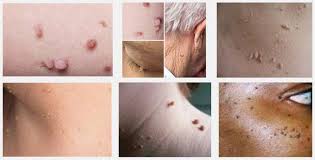
Skin tags

Skin tags are very common small, soft, skin growths that usually occur in a fold of skin. They are harmless but some people find them unsightly and annoying. These growths are most commonly found on the neck, underarms, groin, eyelids, or under breasts – any area where skin rubs against itself or clothing.

They are thought to be caused by friction, and are more common in obese and middle age or older adults. However even babies can develop them… Up to 60% of people will develop skin tags at some point in their lives.

Skin tags can be the same color as skin or slightly darker. They are usually 2 to 5 millimeters in diameter (roughly the size of an apple seed) but are occasionally as large as 1 cm (0.5 inch) or even 5 cm (2 inches). They are generally attached to underlying skin by a small band of tissue called a stalk or “peduncle” that is narrower than the body of the tag.

Skin tags do not actually require any treatment, unless irritation is occurring. Removal will not cause more to grow. They do not become cancerous if left untreated.

Treatment

Treatment is by removal. Keep in mind most skin tags do not need to be treated. Most doctors only recommend removal if they become irritated from rubbing or catching in clothing, jewelry or seat belts but most removals are for cosmetic reasons.

Skin tags can be removed by freezing, burning, or cutting them off. Currently, no creams are approved as treatment, and using products designed for other uses may cause irritation of the area and possibly secondary complications, such as infection.

Your doctor will usually numb the area (by injection or by applying an anesthetic cream), especially if the skin tag is large, then cut the stalk with sterilized scissors.

Alternatively, the stalk will be tied with thread or dental floss to block blood circulation to the tag, causing it to drop off after a few days.

Your doctor may choose to burn the tag using medical electrical cautery, which passes electrical current through it with a special device.

Skin tags can also be removed by freezing with liquid nitrogen. This can be done by your doctor or kits are sold at pharmacies to do yourself this at home. Usually this skin tag will drop off 7 to 10 days after treatment.

These procedures can be performed by a family doctor or dermatologist. You may need to see an eye specialist for removal of tags near the eye. Skin tags may drop off spontaneously if they become twisted, blocking off blood supply.

Occasionally, your doctor will have the removed tissue examined to confirm the diagnosis, especially if the tag has bled, grown noticeably, or is multicolored… symptoms that could suggest presence of skin cancer. However, it is generally rare for a skin cancer to resemble a skin tag.

Risk factors

  • Obesity – more skin folds creating increased friction

  • Pregnancy or hormone imbalance – higher levels of estrogen and progesterone

  • Infection with HPV-6 (a strain of human papilloma virus)

  • Individuals with diabetes (if increased insulin levels due to insulin resistance)

    • Note that people who are overweight also may have higher insulin levels due to insulin resistance

  • Possible association with high cholesterol, high blood pressure, and elevated CRP (C-Reactive Protein, a marker of inflammation)

  • Possible genetic factor – people with close family members may be more likely to develop skin tags

Prevention

Based on the understanding that skin tags are likely caused by friction, preventing clothing from continually rubbing on the same area of skin or reducing rubbing of surfaces in skin folds (for example, by using powder) may possibly reduce the formation of these small harmless tumors. Treating underlying modifiable risk factors theoretically could also be helpful. However, I could not find evidence of any studies that had examined the effectiveness of these strategies.

Categories
Health

Fungi are not “Fun guys”!

A reader asked if I could also talk about fungal infections of the skin… Like fungal nail infections, these are also very common, quite unpleasant and sometimes misdiagnosed…

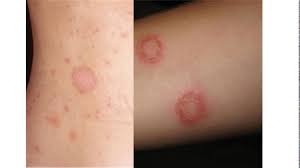
Fungal skin infections, also called “tinea corporis”, include infections such as Athlete’s Foot, Jock Itch, and Ringworm (caused by fungus, not worms!). The scalp can also become infected with fungus and this is a common cause of itchy dandruff.

Fungal skin infections often grow as a red circular rash that is brighter red and slightly raised at the borders as the fungus grows into healthy skin. The rash is usually itchy but not painful, and can spread into new skin as round red “dots”. Sometimes the red border is not visible, leaving only itchiness and rough skin, making diagnosis more difficult.

Along with their related personal history (How long have you had the rash? How did it start? etc.), I often consider the characteristics of 3 basic types of infectious skin rashes when helping a client decide what non-prescription treatment to try. These are the criteria I use to base my treatment recommendations:

  • Bacteria – usually painful, red, and form pus and scabs as the infection advances.

  • Virus – less common (cold sores are an example), painful, usually see water-filled “bubbles” or vesicles on the surface of the skin in the early stages.

  • Fungus – itchy, not usually painful, often a circular rash, tends to spread in “dots”

All of these infections are contagious. They can be spread through direct skin contact with an infected person or animal, or via objects recently touched by an infected person or animal. Fungal infections are fairly common in dogs, cats and cows (if you have one of those!). Occasionally an infection can develop from prolonged contact with contaminated soil.

Skin fungal infections

Skin fungus often starts with a flat scaly area that is red and itchy, spreading outward forming a raised red “ring” that is roughly circular. The infection is more active as it moves into uninfected skin, creating the raised red border that is characteristic of this type of infection. The center may look clear, scaly or have scattered red bumps.

The infection affects only the outer layer of skin in most cases. Rarely it will invade lower skin layers, but usually only in people with a compromised immune system.

Risk factors

  • Living in a warm climate and wearing tight clothing or shoes that don’t breathe (trapping moisture). Fungi like to grow in warm moist environments.

  • A weakened immune system

  • Close contact with an infected person or animal, or sharing clothing, bedding, towels, etc.

  • Skin-to-skin sports (e.g. wrestling). If sports equipment becomes contaminated and is packed away while still damp (e.g. hockey gear), it can become a source of fungal skin infection.

Diagnosis

If the outer “ring” is not visible, it is easier to misdiagnose a fungal skin infection. Examining skin scrapings with a microscope can confirm the diagnosis of a skin infection, but often a “trial and error” approach is used – if the rash hasn’t improved after using an antibacterial cream or corticosteroid cream (helpful for rashes caused by irritation or eczema), then it is logical to try an antifungal cream, especially if itching is present.

Some doctors will take a “multi” approach if unsure of the infection type, prescribing a cream containing an antifungal, antibacterial and a corticosteroid to cover several causes at once.

Treatment

  • Treating an infection early gives a better chance of success with creams. If a large area is involved or the person has a weakened immune system, they may need to take an antifungal medication by mouth. However, as you will recall from last week’s blog, these have significant side effects.

  • Apply the cream to the rash area and into the uninfected skin in the surrounding area also to prevent spread. Follow any instructions on the label. Continue to use the cream for 2 weeks, or for several days after the visible rash is gone to ensure all the fungus is destroyed. If the rash has not cleared in 2 weeks, see your doctor. Be sure to tell him/her what treatment you have used.

  • Keep the area as dry as possible – fungus likes a moist environment. If the infection is on your foot, treat your shoes with an antifungal spray and let dry well between uses to prevent reinfection.

  • Change towels/wash cloths used on the infected area often to prevent reinfection.

  • If the infection is very itchy, you can alternate antifungal cream with a corticosteroid cream (such as hydrocortisone 0.5 to 1%) to reduce itchiness. Scratching can worsen or spread the infection. Depending on the rules in your state or province, you may be able to ask your pharmacists to make a cream with both ingredients (adding hydrocortisone powder to an antifungal cream) for convenience.

  • Ask your vet to check your pet for infection and treat if present.

  • Don’t share personal items if you have an infection to avoid infecting others.

  • If you have a chronically itchy scalp with dandruff, try an antifungal shampoo. If severe or long-standing, I would suggest a higher strength antifungal shampoo, such as Selsun Regular (stronger than Selsun Blue) or Nizoral shampoo. Your pharmacist can also make cetrimide 1% with hydrocortisone 0.5% in water for you. This is used by applying drops to wet hair after shampooing, rubbing into the scalp (it will foam), and leaving in. This has the advantage of longer treatment contact than a shampoo could provide, and is not visible on the hair once it dries. Again, keep in mind that some states (strangely) do not allow compounding without a prescription.

Categories
Health

FUNGAL NAIL INFECTIONS

Fungal nail infections can be embarassing, and very difficult to treat. Even the best treatments don’t always work and some have nasty side effects. This encourages sufferers to look for alternatives, but some offerings are overpriced and questionably effective!

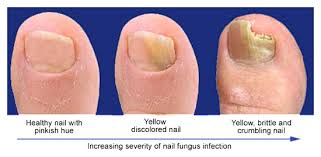
Any treatment is more effective when the infection is less severe. Since nail infections are not painful, however, sometimes they are ignored until they become well established and disfiguring. Once an infection becomes extensive, involving the full nail bed, it is more difficult to treat, so best to treat at the first sign of an infection.

The appearance of a fungal nail infection can vary from pitting or flaky white patches in the surface of the nail, to yellow or white streaks in the nail bed, and even to complete nail destruction. Scaling and debris can collect under the nail, causing it to lift and separate from the nail bed. Infections can be caused by several different fungal, yeast or mould agents, but the most common is a fungal dermatophyte infection. Check with your doctor for a proper diagnosis. Clippings of the nail may be taken to confirm the type of infection.

Here are some of the available treatments you may consider…

  • Anti-fungal tablets and capsules (Lamisil, Sporanox) – Prescription only.

    • These are the most effective type of treatment. They need to be taken until the nail completely grows out – usually 6 weeks for fingernails and 12 weeks for toenails, which grow more slowly.

    • Side effects, however, can be serious: liver damage, severe rashes, and effects on blood cell production and pancreas, as well as less serious effects like headache, diarrhea, nausea/vomiting, sun sensitivity and taste or vision changes. Some doctors hesitate to prescribe these medications for what is sometimes considered a cosmetic problem, and many people can’t tolerate the side effects.

  • Anti-fungal creams and solutions – Prescription and non-prescription

    • These work well for fungal skin infections, like Athlete’s Foot, but can’t penetrate the nail. This means they may help for a surface nail infection at an early stage or to prevent an infection between the toes from spreading to the nail, but they can’t treat an infection that is growing under the nail.

    • Creams can be helpful to reduce the chance of reinfection.

  • Nail paints and polishes – Prescription and non-prescription

    • There are two basic types: antifungal and acid containing (acidity inhibits fungus growth). A few products contain both types of ingredients.

    • Some also contain penetration-enhancing ingredients, such as menthol, DMSO, propylene glycol or others to increase penetration into the nail.

    • Strangely, pricing seems to have no relationship to the cost of the ingredients, with prices from under $10 up to $90 for prescription lacquers.

    • Success with this types of product requires perseverance and consistency. Use precisely as directed every day until the infected nail has completely grown out. It will take months of treatment for success.

  • Laser therapy – Does not require a prescription

    • Lasers are thought to kill fungi by producing heat. One to 3 treatments are recommended. Success has been reported in small numbers of patients, but no large studies have yet been completed.

    • Each laser treatment can cost upwards of $1000 and, given this cost plus lack of solid proof of effectiveness, this treatment is not highly recommended. However, I did see a small unit on Amazon for under $300 (still expensive!) that might be worth investigating if you wanted to try this therapy.

  • Surgery and non-surgical nail removal

    • Surgically removing the nail, to allow anti-fungal creams to reach the infected nail bed, is a more extreme treatment. However, it is sometimes considered in more severe infections that have not responded to less invasive treatment.

    • An infected nail can also be removed non-surgically by applying 30-40% Urea cream (commercially available or prepared by a pharmacist). This preparation softens the nail over multiple applications, gradually destroying the integrity of the nail and allowing anti-fungal agents to penetrate. Sometimes the nail falls completely out, and antifungal cream should be applied while the new nail grows in.

  • Home remedies – Non-prescription

    • Tea tree oil

      • Antifungal and antibacterial actions.

    • Menthol/eucalyptus (Vicks Vaporub or can be compounded)

      • These have antifungal activity, plus menthol enhances penetration.

    • Vinegar (acetic acid) 25% (1 part vinegar mixed with 3 parts water)

      • An idea to incorporate all 3 of these approaches: Vicks Vaporub (or generic) with perhaps 10% tea tree oil plus a vinegar soak before application.

      • Your neighbourhood pharmacist could likely prepare something along these lines for you…he may even be able to add 1% clotrimazole antifungal powder too!

  • Prevention – Prevent reinfection or avoid getting it in the first place!

    • Keep feet dry. Fungus grows more easily in a moist environment.

    • Wear socks – look for ones with a moisture-wicking fiber. Change when damp.

    • Wear open shoes whenever possible.

    • Wear shower sandals at public pools or showers. Let dry between uses.

    • Don’t share shoes, socks, nail clippers or files. Clean clippers and files regularly with alcohol.

    • Avoid nail injury, for example, clipping nails too short.

    • Ensure any nail salon you use sterilizes all instruments.

    • If you have diabetes, you could be more susceptible due to poorer circulation. Learn proper daily foot care for people with diabetes.

Categories
Health

Can’t Sleep?

Ideal sleep for an average adult means falling asleep within 30 minutes, not waking more than once, and taking less than 20 minutes to return to sleep when you do wake at night. Is your sleep less than ideal? Read on!

Here are some tips to help get the rest you need!

  1. Turn off electronics. Phones, tablets and computers bleep and flash and these noises can disturb your sleep. Don’t charge your electronics in your bedroom!

  2. Daytime naps? While short naps can recharge and improve productivity, longer ones can leave you groggy and make it more difficult to get a good night’s sleep. Limit daytime naps to 20 mins or less.

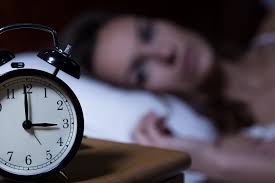
  3. Watching the clock? Some find they check the time frequently when they wake at night, getting upset about being unable to get back to sleep quickly. For some, turning the clock away from view or putting it in a drawer can mean a better night’s sleep.

  4. Get comfy… A relaxing bath with Epsom salts can relieve muscle and joint pain and set you up for a good rest. If your bed is not comfortable, consider a new mattress or memory foam topper. Your pillow needs to be the right depth to support the natural curve of your neck and a second pillow for between or under knees may make you more comfortable, especially if issues with back pain. A dark, relatively cool room also helps sleep.

  5. Allergies? If you get stuffy at night, you may be allergic to dust mites, one of the most common allergies. These are microscopic creatures that live off dead skin cells in our mattresses. Dust mite proof or plastic mattress covers that are wiped down or vacuumed regularly plus washing bedding (including pillows) in hot water reduces mite counts and can eliminate or greatly reduce this problem.

  6. Stick to sleep and sex… Working, watching TV or surfing the internet in bed trains your brain to be alert in the bedroom. Keep your sleep environment relaxing by saving it for only sleep and sex.

  7. Wake/sleep cycle… Establish routine bed and wake times. This can help people of any age fall asleep more quickly and sleep more soundly. Lowering lights in the evening also helps set up for sleep and bright light for 5 to 30 minutes when you wake up helps get you going in the morning too.

  8. Avoid caffeine. Some people who don’t metabolize caffeine well may find that any caffeine results in a poor night’s sleep. For most, avoiding caffeine after noontime is usually sufficient. Watch for hidden caffeine in chocolate and some “herbal” teas, pain relievers and weight loss pills.

  9. Exercise can help or hinder. Regular exercise can improve sleep, but some experience a post-workout increase in energy that could keep you awake. Try scheduling exercise to finish 3 to 4 hours before bedtime. Relaxing exercise, like yoga or tai chi, however, can help sleep when done just before bed.

  10. Alcohol. Alcohol can make you drowsy but, when the effect wears off, you may find yourself waking up more often. Mid-life women may actually experience increased hormone swings several hours after consuming alcohol. Try non-caffeine herbal tea instead if you notice this connection.

  11. Getting up to pee? Try avoiding liquids for 2 hours before bed.

  12. Noises at night? Use earplugs or try a white noise machine or fan to drown out traffic, a dripping faucet, hubby’s snoring or the neighbour’s barking dog.

  13. Still smoking? Nicotine is a stimulant that can make insomnia worse…yet another good reason to quit!

  14. And doggie makes three… You love your pet but he can be the cause of nighttime wakening as well as allergies. Ask your vet or pet school how to train your pet to sleep in his own bed. Same goes for toddlers – but talk to a sleep specialist or your doctor instead of the vet…

  15. Consider meditation. Meditation trains you to put active thoughts out of your mind. Clearing your thoughts for even 10 mins before bed can help you fall asleep. Avoiding work or complex discussions for 2 to 3 hours before you retire is also advised for best sleep.

  16. Careful with sleeping pills. Many prescription sleeping medications are habit forming and only recommended for up to 7 days of continuous use. Rebound insomnia can occur with guaranteed poor sleep for up to several weeks on discontinuation. Some also have side effects such as memory impairment and use in elderly is associated with falls that can cause bone fractures.

  17. Non-prescription supplements?

    1. A magnesium supplement taken at bedtime relaxes muscles and can help sleep. Magnesium is important for bone health too, so you may benefit from it in more than one way…

    2. Chamomile tea or valerian in pill or tea form can help sleep and are non-addicting. Valerian smells somewhat like “dirty socks”, though, so I’d suggest the pill form!

    3. Vitamin B5 (pantothenic acid) can help reduce production of the stress hormone, cortisol, that is sometimes inappropriately produced at night in stressed people, causing them to wake at night feeling “tired but wired”. B5 is a common ingredient in vitamin B-based stress formulas available without prescription.

    4. Antihistamines, like Gravol (dimenhydrinate) or Benadryl (diphenhydramine, also used in several non-prescription sleep aids), are not recommended for nightly use. Both have been reported to be habit forming and tolerance develops to the drowsy effect within a few days, leading some to increase the dose inappropriately. Withdrawal effects can be noted with the drug is stopped.

  18. Look for a possible cause. Ask your doctor if a health condition like acid reflux, arthritis, asthma, depression or hormone imbalance could be causing the problem. Get your pharmacist to check if a medication you are taking could be contributing to insomnia. Try keeping a sleep diary to determine what factors might be interfering with your sleep. Ask about the possibility of treatment at a sleep clinic.

Lastly, until you find the solution to your problem, avoid tossing and turning in bed. Get up and do something calming, like reading for 10 or 15 minutes. Chances are you’ll fall asleep more easily when you return to bed!