Categories
Health

Coffee…for diabetes, Parkinson’s, liver and more?

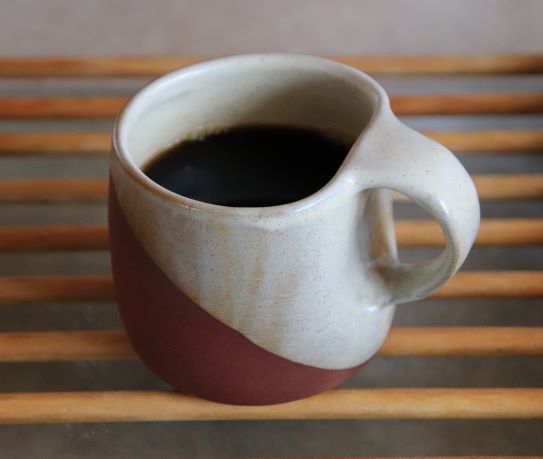
I love my morning coffee, so I “perk up” whenever I see a study that suggests this habit is a good thing! Are you a coffee lover too? Then read on…

Overall, coffee drinkers were found to have more health benefits than risks from their habit, compared to those who did not drink any coffee. The average daily intake in those who were studied was 3 to 4 cups per day compared to no coffee daily, although some studies looked at how health changed in the years after people increased or decreased their coffee intake by a cup or two.

5 Benefits of coffee

  1. Coffee and diabetes—a 2014 study followed over 123,000 people for 4 years. Those who increased their daily coffee intake by 1 cup per day had an 11% lower chance of developing Type 2 diabetes. Those who decreased their coffee consumption (by an average of 2 cups per day) had a 17% higher risk for Type 2 diabetes. Changes in tea drinking were not linked to diabetes risk.
  2. Coffee and Parkinson’s disease—Several studies suggest that caffeine, whether in coffee or other drinks, may help decrease risk of developing Parkinson’s. One analysis determined that men who drink 4 or more coffees per day may have 1/5 the risk of those who do not. Another study in 2012 suggests that the caffeine in coffee may help control movement in people with Parkinson’s. Another study in 2017, that found a link between coffee intake and Parkinson’s, also noted coffee drinkers may be less likely to develop depression and dementias like Alzheimer’s as well. However, there wasn’t evidence to show that drinking decaf coffee would help prevent Parkinson’s.
  3. Coffee and liver diseases—Researchers in Italy found that coffee decreases risk of liver cancer by about 40%. Their numbers suggest those who drink 3 cups a day may have 50% decreased risk of liver cancer. A different literature review in 2019 concluded that “coffee intake probably reduces the risk of liver cancer”. Another large analysis in 2017 found coffee also appeared to decrease risk of non-alcoholic fatty liver disease and cirrhosis, as well as liver cancer.
  4. Coffee and heart health—We often think negatively of coffee when it comes to heart health, since people are advised not to drink it just before measuring their blood pressure. But drinking coffee in moderation, two 8-ounce servings per day, may protect against heart failure (when the heart can’t pump enough blood to meet the body’s needs), according to a 2012 study. They found an 11% lower risk of heart failure in those who drank this moderate amount versus those who drank none. Another analysis in 2017 found that those who drank 4 to 6 cups of either caffeinated or decaf coffee daily appeared to have a lower risk of Metabolic Syndrome—in other words, they had lower blood pressure, lower blood cholesterol, and lower blood sugar—and this included a decreased occurrence of Type 2 diabetes.
  5. Overall health—An umbrella study in 2017, using combined data from 218 other analyses of studies, found coffee consumption seems generally safe within usual daily amounts. It showed the largest risk reduction in those who drank 3 to 4 cups daily and that coffee is more likely to benefit health than harm it. Mortality from any cause was reduced by 17% in these coffee drinkers.

An exception to the benefit of coffee is during pregnancy, when drinking more coffee could result in low birth weight of the baby (31% greater relative risk), increased risk of pregnancy loss (an increase of 46%) and increased chance of preterm birth (12-22%). Another exception is for women at risk of bone fractures (but not men for some reason…). Increased coffee was associated with an increased risk of breaking a bone only in women. Their recommendation was for women already at risk of a bone fracture to avoid coffee.

So, I guess I can happily continue my morning coffee—no risk of pregnancy for me and my risk of bone fracture is low! I usually enjoy 3 cups as I peruse the morning news and emails, and check Facebook for photos of what my wonderful granddaughters are up to! Hmmm…must be time for cup #3…

PLEASE NOTE: A little clarification on the numbers in this blog. The percentages in this article are “relative risk” numbers not overall risk. They compare risk with the factor to risk without it. For example, a relative risk increase of 50% could mean 10% without the risk factor have the condition compared to 15% with it…or 0.01 vs 0.015%. “Actual risk” numbers were not quoted in my references, only the percentage increase in risk.)

References:

Health benefits and risks of drinking coffee https://www.medicalnewstoday.com/articles/270202.php#benefits

Changes in coffee intake and subsequent risk of type 2 diabetes: three large cohorts of US men and women https://link.springer.com/article/10.1007%2Fs00125-014-3235-7

Coffee consumption and health: umbrella review of meta-analyses of multiple health outcomes https://www.ncbi.nlm.nih.gov/pmc/articles/PMC5696634/

#Coffee #Diabetes #Parkinsons #Liverdisease
Categories
Health

Coffee…for diabetes, Parkinson’s, liver and more?

I love my morning coffee, so I “perk up” whenever I see a study that suggests this habit is a good thing! Are you a coffee lover too? Then read on…

Overall, coffee drinkers were found to have more health benefits than risks from their habit, compared to those who did not drink any coffee. The average daily intake in those who were studied was 3 to 4 cups per day compared to no coffee daily, although some studies looked at how health changed in the years after people increased or decreased their coffee intake by a cup or two.

5 Benefits of coffee

  1. Coffee and diabetes—a 2014 study followed over 123,000 people for 4 years. Those who increased their daily coffee intake by 1 cup per day had an 11% lower chance of developing Type 2 diabetes. Those who decreased their coffee consumption (by an average of 2 cups per day) had a 17% higher risk for Type 2 diabetes. Changes in tea drinking were not linked to diabetes risk.

  2. Coffee and Parkinson’s disease—Several studies suggest that caffeine, whether in coffee or other drinks, may help decrease risk of developing Parkinson’s. One analysis determined that men who drink 4 or more coffees per day may have 1/5 the risk of those who do not. Another study in 2012 suggests that the caffeine in coffee may help control movement in people with Parkinson’s. Another study in 2017, that found a link between coffee intake and Parkinson’s, also noted coffee drinkers may be less likely to develop depression and dementias like Alzheimer’s as well. However, there wasn’t evidence to show that drinking decaf coffee would help prevent Parkinson’s.

  3. Coffee and liver diseases—Researchers in Italy found that coffee decreases risk of liver cancer by about 40%. Their numbers suggest those who drink 3 cups a day may have 50% decreased risk of liver cancer. A different literature review in 2019 concluded that “coffee intake probably reduces the risk of liver cancer”. Another large analysis in 2017 found coffee also appeared to decrease risk of non-alcoholic fatty liver disease and cirrhosis, as well as liver cancer.

  4. Coffee and heart health—We often think negatively of coffee when it comes to heart health, since people are advised not to drink it just before measuring their blood pressure. But drinking coffee in moderation, two 8-ounce servings per day, may protect against heart failure (when the heart can’t pump enough blood to meet the body’s needs), according to a 2012 study. They found an 11% lower risk of heart failure in those who drank this moderate amount versus those who drank none. Another analysis in 2017 found that those who drank 4 to 6 cups of either caffeinated or decaf coffee daily appeared to have a lower risk of Metabolic Syndrome—in other words, they had lower blood pressure, lower blood cholesterol, and lower blood sugar—and this included a decreased occurrence of Type 2 diabetes.

  5. Overall health—An umbrella study in 2017, using combined data from 218 other analyses of studies, found coffee consumption seems generally safe within usual daily amounts. It showed the largest risk reduction in those who drank 3 to 4 cups daily and that coffee is more likely to benefit health than harm it. Mortality from any cause was reduced by 17% in these coffee drinkers.

An exception to the benefit of coffee is during pregnancy, when drinking more coffee could result in low birth weight of the baby (31% greater relative risk), increased risk of pregnancy loss (an increase of 46%) and increased chance of preterm birth (12-22%). Another exception is for women at risk of bone fractures (but not men for some reason…). Increased coffee was associated with an increased risk of breaking a bone only in women. Their recommendation was for women already at risk of a bone fracture to avoid coffee.

So, I guess I can happily continue my morning coffee—no risk of pregnancy for me and my risk of bone fracture is low! I usually enjoy 3 cups as I peruse the morning news and emails, and check Facebook for photos of what my wonderful granddaughters are up to! Hmmm…must be time for cup #3…

PLEASE NOTE: A little clarification on the numbers in this blog. The percentages in this article are “relative risk” numbers not overall risk. They compare risk with the factor to risk without it. For example, a relative risk increase of 50% could mean 10% without the risk factor have the condition compared to 15% with it…or 0.01 vs 0.015%. “Actual risk” numbers were not quoted in my references, only the percentage increase in risk.)

References:

Health benefits and risks of drinking coffee https://www.medicalnewstoday.com/articles/270202.php#benefits

Changes in coffee intake and subsequent risk of type 2 diabetes: three large cohorts of US men and women https://link.springer.com/article/10.1007%2Fs00125-014-3235-7

Coffee consumption and health: umbrella review of meta-analyses of multiple health outcomes https://www.ncbi.nlm.nih.gov/pmc/articles/PMC5696634/

Categories
Health

The Curve of Forgetting

The University of Waterloo has done some interesting research about how we can help ourselves remember better. Of course, they did this to help their students be more successful. But we can use this information to remember better too.

An example:

Here is the problem, using the example of a student attending a 1-hour lecture:

  • At the end of the hour: you know 100% of whatever you learned in that hour

  • Day 2: you will have lost 50 to 80% of what you learned (that is, if you don’t think about it, use it or re-read it)

  • Day 7: you will have forgotten up to 90% of what you learned

  • Day 30: you likely remember only 2 to 3% of the original material

If information is not used or retrieved from our memory in some way, the brain decides it is not important and dumps it to make “room” for other more necessary or useful information.

We can change this! Reprocessing the information reinforces its importance to our subconscious mind. Essentially, doing something (anything!) with the information we are trying to learn strengthens brain cell connections that store and retrieve this information. Information can also be retrieved (or remembered) more quickly with repeated reinforcement.

Here is a formula University of Waterloo suggests:

Spending 10 minutes within 24 hours of first learning an hour of information restores memory to almost 100%; 5 minutes seven days later reactivates the same information; and 2 to 4 minutes 30 days later is all your brain needs to say “yes, I remember”. Without any review of the material, though, you would need 40 to 50 minutes to read and re-learn everything after 30 days.

This is why the University of Waterloo recommends that their students spend 30 minutes each day reviewing the previous day’s lessons and 1.5 to 2 hours each weekend and reviewing material that was learned 7 days before and 30 days before.

This works well for the student example, where most students take notes or study from textbooks and these provide a source for review. But what about us “post grads” who just want to remember what we read or learn?

Helping our “mid-life” brain to remember…

The answer is to find a way to reinforce the knowledge you think is important to remember and not just let your brain decide subconsciously. This could be done by making a note to re-read an article or book with the information you want to remember, by discussing it afterward with someone, or by writing notes so you can re-read it later (as I do when I blog).

Another way is to reinforce memory is to use the information in some way. Even playing a game with the information can work to strengthen the memory. I use this technique daily to help remember Spanish vocabulary, using the free online game Duolingo. It’s amazing how 15 minutes a day is helping me to learn and remember words in another language!

Teaching someone else is also an excellent way to learn and retain information. Explaining it helps you really understand the subject plus you need to retrieve a high a percentage of the information in order to teach it well. I often do this with my hubby…explaining what I’ve read helps me to organize my thoughts around a subject. I think it drives him crazy sometimes though – he isn’t always interested in the same topics I am. He sometimes says, “Just pretend I’m listening…” But that works too. Just saying it out loud helps to organize and store the information in your brain.

More information is retained in your memory when you use more senses so reading, seeing images or video, hearing, and using the information all help, as opposed to simply reading. Handwriting notes rather than typing has also been shown to help memory for this same reason: using more senses. Using a pen or pencil, rather than a keyboard, also makes you slow down a bit and think about what you’re writing, since you don’t have a back-space key!

And when you want to forget?

On the other hand, if you want to forget something the worst thing you can do is focus on it. Deal with a negative or unpleasant event as best you can then put it out of your thoughts and focus on something positive and pleasant. You always remember what you focus on most.

Reference:

Campus Wellness–Waterloo University

Categories
Health

Dying to quit dyeing…

Me… (the “before” photo)

I’ve been wanting to stop dying my hair. I couldn’t think of a good reason why I was doing it, except, perhaps, for my vanity. And I was starting to feel sick after using dyes, especially after trying a “temporary” spray-on product for covering “roots” that I thought might help make the transition easier. Somehow, I thought that “temporary” meant it would be less harsh. But it was the product that made me most sick, likely since the chemicals weren’t washed off. Although I suppose I may just have been sensitive to something in it…

But there’s no question—hair dye is harsh stuff. It contains ingredients that are similar to those in coal tar. Two of the most suspect petroleum-based ingredients are p-phenylenediamine (PPD) and ethylenediamine. Check the ingredient list on the package or ask your hairdresser—likely one or both are listed. The instructions recommend doing a skin test 48 hours before you use the product, every time you use it, to make sure you aren’t going to react. However, I’d be surprised if very many women actually do this. I didn’t and I don’t imagine hairdressers ever do… There are only so many hours in a day, and only so much mess and inconvenience a person is willing to put up with. There is also a debate about testing—some have reported reactions after a non-reactive patch test, and it has been suggested the test may only serve to increase exposure to toxic dye ingredients.

Hair dyes are also banned for use on eyelashes and eyebrows, as they can cause severe eye irritation and blindness, even when used by professionals. Any colour product used near the eyes must be specially approved for this use.

According to a 2008 study done by Clairol, 75% of American women dye their hair. I was amazed when I read that. There are lots of men who do too—it’s estimated 11% between the ages of 50 and 64, although more are concerned about keeping their hair than the colour of what they have.

But why do we do it? Some want to have an exciting new look, find a more attractive colour or just have a little fun. But many do it to look younger by hiding the grey. I didn’t like the idea of having “salt” in my peppery hair and it seemed easy enough at first to just paint a little dye on the temples every few weeks. Societal pressure, I suppose…

Our society sends us many subtle hints that looking your age isn’t a good thing, especially after a certain age. It’s quite ridiculous, really. Does it matter what other people think of our hair colour? Or our age or how old we look? Do others even notice? Are we doing it for ourselves? Or has dyeing our hair simply become a routine in our society… part of the struggle to keep young that has nothing to do with being healthy.

In some cultures, older people are seen as a source of advice and wisdom. This makes so much sense. After all, there is no substitute for experience in many fields, and it takes time and age to acquire experience.

This holds true in our society certainly when considering men—picture the respected grey-haired judge or CEO of a large company. Hopefully now that we are seeing more women in positions of power, women with grey hair will command more respect than they have in the past. It’s a goal to work toward. Perhaps one day women and men will want to add a little grey as a physical sign of their knowledge and experience… Yeah, no… I’m just being funny…

But if you plan to dye your hair in spite of all this, here are some tips to increase safety:

  • Use a lighter colour (darker dyes contain more PPD)

  • Go for highlights or only cover the grey, if possible, to reduce scalp contact

  • Follow the directions. Don’t leave on longer than recommended (use a timer)

  • Look for no-PPD formulas

  • Go longer between colouring if possible: condition hair, wear a hat (sun fades colour) and avoid chlorine pools to protect colour from fading

  • Avoid during pregnancy, especially in the first trimester

  • Wash off product immediately and get medical assistance if any sign of an allergic reaction, especially dizziness, swelling or difficulty breathing

Meanwhile, increasing numbers of women I know are making a statement and going “natural”. And I will soon be joining them! Life will be easier without the hassle of messy hair dyes, and I’ll be exposed to one less toxic substance. I just hope it’s not too difficult to get through the transition!

So, here’s the plan. I have long hair that I am going to cut very short (always fun!) to decrease the time it takes to completely grow out. I’ve already gone 2 months without colouring my hair, so I have a head start—almost 2 centimeters (3/4 of an inch) already. Fortunately, most of my grey is at the temples, and this is part of the reason I’ve decided to do it now… while the top is mostly still my “younger” colour.

I considered using a temporary colour to start off, but they are difficult to find (as they probably don’t cover grey very well). And the spray I tried, as I described, didn’t work out at all for me. With my long hair, it’s been a while since I’ve gone to a hair salon. I’m hoping my new hairdresser will have some great ideas for a style that will look nice during the transition. And I’ve found a few ideas by looking on hair style websites—hopefully some that will look good with “salt and pepper” hair. I plan to post pics of how it goes… and I guess I’ll have to change my profile photo too!

Women I know have done this without too much trauma, so I guess I can do it too! Have you thought of “going natural” or have you done it already? And, guys, what’s your opinion on all this? Leave a comment on Facebook, LinkedIn or email a comment!

References:

To dye or not to dye—Emerita

US Food and Drug Administration—Hair dyes

Health Canada—Hair dyes

Eight Rules for Safer Hair Color—Goop.com

Categories
Health

Muffins vs. Doughnuts

I don’t know about you, but I’ve always thought that muffins are a healthier food than doughnuts or cupcakes. But maybe that because I usually make my own muffins. Apparently, store bought muffins present a different scenario…

My husband likes to call coffee shop muffins “cake” because most are so sweet. And, truly, many fruit-filled muffins do have the sweetness and texture of cake. I suppose the idea is to balance the tartness of the fruit with extra sugar in the base. But most fruits, with their natural sugar, have a wonderful tangy sweetness that gets lost in the process.

And muffins provide a wonderful opportunity for adding fibre to the diet in a tasty way. But of course, there needs to be an ingredient or two that provides fibre. The healthfulness of a muffin, or any baked food for that matter, is all in the ingredients. Choose muffins with ingredients like whole wheat flour, bran or oatmeal to increase both the fiber and flavour.

But according to an analysis featured in prevention magazine, an average coffee shop muffin contains 424 calories compared to a medium sized plain glazed doughnut which contains only 269 calories. On average, fiber and fat content are similar, but salt and carbohydrate content are usually lower in the doughnut. Store-bought muffins are generally much larger than home-baked ones, too, and that increases the calorie content compared to one you might make at home.

It’s all about choices, too. Many doughnuts come with fillings, flavoring and extra icing that increase the calorie content of the doughnut above what was quoted in the study while muffins can still be a very tasty with much less sugar and more fiber.

So, what’s the answer?

Make your own muffins! Muffins are one of the easiest baked goods to make and take very little time to put together. A simple recipe, like the one below, might take 10 minutes to mix up and 20 minutes to bake. They freeze well and make a great “on the go” snack.

Baking them yourself means you can control the calorie and fat content as well as the flavour of your snack. I bake mine, have one while still warm, then freeze the rest. I often take out a couple the night before to speed the reheating process, and pop them into the oven to warm while our coffee is brewing. Reheating in the oven instead of the microwave makes them slightly crispy around the edges, just like when they’re first made – so tasty! Add an extra 5 minutes or so if you forget to take them out of the freezer…

For lunches or snacks “on the go”, they’re still delicious at room temperature. For lunch boxes, you can bag them individually to save time in the morning.

Here is one of my favorite recipes:

Banana (or Blueberry) Oatmeal Muffins (makes 12)

Ingredients:

1 cup mashed ripe bananas (2 large or 3 small)

1 egg

3/4 cup milk

1/4 cup olive oil

1/2 teaspoon vanilla extract

1 tsp cinnamon (optional

Mix together then add:

1 cup rolled oats

2 cups whole wheat all-purpose flour

1/4 cup white sugar

2 teaspoons baking powder

1 teaspoon baking soda

1/2 teaspoon salt

Directions:

In a large bowl, mash the banana. Add the egg and beat lightly. Stir in the milk, oil, and vanilla and combine thoroughly.

Measure all other ingredients on top. Stir the baking powder and soda into the flour a bit to ensure there are no lumps of soda.

Then stir the flour mixture into the banana mixture until just combined. Line a 12-cup muffin tin with paper bake cups (I like the parchment ones) and divide the batter among them.

Bake at 400 degrees F (205 degrees C) for 18 to 20 minutes

(Gas or convection oven – 14-15 mins)

Tips:

Muffins are “done” when they are lightly browned and the top springs back when lightly pressed.

Variation:

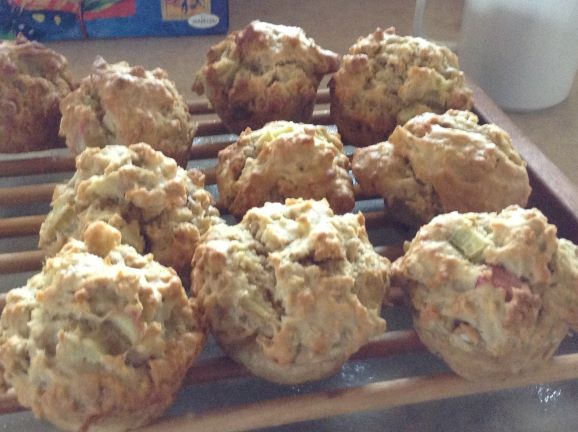
Instead of banana, try fresh or frozen blueberries or other fruit (I used rhubarb in the photo above) folded in at the end of mixing. If using frozen fruit, you will need to bake a couple of minutes longer.

This is my go-to recipe when my bananas are getting overripe. My sisters-in-law know they will get muffins shared when they pass along their blackening bananas! Let me know if you like them too…

Reference:

Doughnut vs. Muffin : Which is the lesser of two evils?

Categories
Health

The Red Meat Controversy

Diet studies are difficult to do properly. It is simply too difficult to control the many factors that influence our health while comparing different diets. Most diet studies, therefore, are poor quality and based on weak evidence. Even the ideal type of study, known as a randomized controlled trial (RCT), isn’t perfect as people can’t live in a bubble for the entire study time.

And animal studies, where it is easier to control all factors, don’t necessarily apply to humans. A famous one, where rabbits were fed high amounts of foods containing cholesterol and subsequently developed heart disease, didn’t take into account that rabbits never naturally eat cholesterol-containing foods and probably can’t digest them – they live on salad! Human studies have found that it’s not possible to lower blood cholesterol significantly by reducing cholesterol intake because the liver makes cholesterol when it is lacking in the diet. However, we continue to see “low cholesterol” foods promoted as being good for our heart health. Here is a referenced article about this. Essentially, all conclusions from dietary studies need to be “taken with a grain of salt”.

But a new study “McMaster university – New guidelines: No need to reduce red or processed meat consumption for good health” bases its conclusion on the lack of good evidence for us to change. This research was conducted by 14 researchers in seven different countries. They state: “Evidence of harm from moderate consumption of red or processed meat is poor and health benefits, if any, would be small.” The study also considered the desirability and enjoyment of a juicy steak and the “hardship” vs. benefits of a rather drastic change in diet. (Note that it excludes any ethical or to environmental concerns, focusing only on evidence that people need to change their meat consumption to be healthier.)

More than anything else, to me this study points out the trend to make dramatic announcements for radical diet changes based on poor quality information. This study doesn’t suggest red or processed meats are healthy or that people should eat more of them, but researchers don’t discount the possibility that there are millions of people who eat a lot of meat and who are in good health.

That being said, another article published in the journal, The Lancet, suggests that the “healthiness” of cutting out the red meat depends on what it is replaced with. Reducing meat consumption, according to this study, is only likely to benefit health if the meat is replaced with plant-based foods. Replacing it with “white foods” (white rice, white bread, potatoes and sugar) doesn’t result in improvement to health, according to this study.

An article in Healthline seems to sum it all up quite well. It suggests that red meat doesn’t affect health significantly but that processed meats, depending on the additives used and cooking processes, might change the health effects of eating meat. But, like all diet studies, the evidence isn’t strong. Here is the link if you’d like to read it.

Of course, these studies address only the effects of meat on human health. The environmental impact of raising animals and the ethical issue of using animals as a food source are issues that also should be considered in a complete discussion.

What I found so interesting in these studies, was that the evidence that red and processed meats harm our health is very weak and the benefits of such a dramatic diet change are small. The researchers found there is simply not strong enough evidence to insist that all humans need to make this radical diet change.

For myself, I enjoy eating meat but find these days that a small amount is enough. The photo above was part of a 7-course meal in a fancy restaurant, and was a small but very delicious and satisfying serving. We also enjoy seafood of all kinds in our house and the occasional vegetarian meal too – especially homemade pasta sauce with lots of veggies added. Mostly we are trying to increase our consumption of fruits and vegetables these days to improve our diet. Sweets and desserts have become the exception (not the rule!), too, to lower our sugar intake.

I still like Michael Pollan’s Food Rules the best: Eat real food (not processed), mostly plants, and not too much. Everything in moderation makes sense unless you have good reason to change.

So, have you many any changes to your diet recently? Did it help you to feel better or improve a chronic problem? I’d love to hear about it…

References:

This diet is better for the planet, but is it better for you too? – NPR

Health and Nutritional Aspects of Sustainable Diet Strategies – The Lancet

Why Dietary Cholesterol Does Not Matter for Most People – Healthline

Categories
Health

Many Common Medications Could Change Your Gut Bacteria

Researchers have learned that 18 commonly used classes of drugs can extensively affect the organisms that live in your gut. The most drastic changes were caused by stomach medications, antibiotics, metformin (a diabetes medication), and laxatives. Why is this important? Because research suggests that changes in gut organisms are associated with obesity, diabetes, liver diseases, cancer, degenerative nerve diseases like MS and ALS (Lou Gehrig’s Disease) and others.

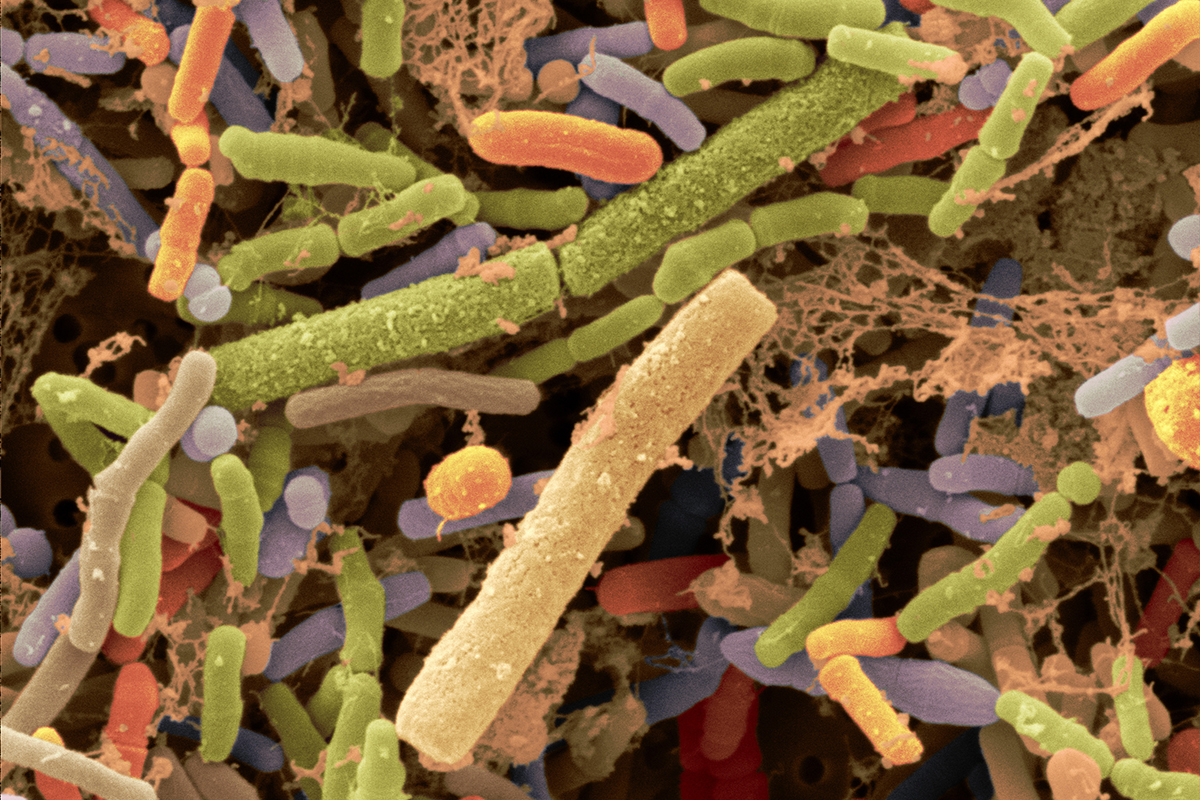
Your intestines contain tens of trillions of microorganisms, with at least 1000 different types of known bacteria. These organisms are vital for our health, breaking down food and toxins, making vitamins and training our immune systems. Their total weight is calculated to be as much as 2 kg (4.4 pounds) – heavier than the average brain! It’s also known as the human “microbiome”. It’s been increasingly studied over the past 15 years – what types or organisms are found in healthy people vs. those with various diseases, how we can improve the content and balance of organisms in our digestive systems and, now, how this microbiome is affected by common drugs.

New research, reported at the international United European Gastroenterology Week 2019 conference, describes work done at the University Medical Center Groningen and Maastricht University Medical Center in the Netherlands. Out of 41 drug classes they tested, 18 were associated with changes in gut microbiota composition or function. Several of these were found to be significant:

  • Antibiotics

  • PPI’s (“proton pump inhibitor” stomach medications)

  • Laxatives

  • Metformin

  • Oral steroids (i.e. taken by mouth)

  • SSRI antidepressants (in people with Irritable Bowel Syndrome)

Antibiotics kill bacteria both good and bad. Stomach medications, particularly PPI’s (proton pump inhibitors, like Losec/Prilosec, Nexxium, Tecta, Prevacid and others), drastically change the acidity of the stomach making a significant difference in the environment these organisms like to grow in. So, we shouldn’t be surprised that these 2 classes of drugs change which bacteria thrive in our digestive systems.

Laxatives speed the passage of the contents through the digestive system, pushing microbes out of their normal habitat as they move the entire contents of the intestines along more quickly than normal.

Another research team, at the European Molecular Biology Laboratory in Germany, suggests that altering gut organisms may also be part of how some drugs work. They noted that one of the ways the diabetes drug, metformin, works is to encourage the growth of certain bacteria. People who take metformin have also been found to have higher numbers of the potentially harmful bacteria, E. Coli.

The researchers also identified an increase in antibiotic resistance related to 8 different categories of medications, not just from use of antibiotics themselves. We always knew that oral steroids (those taken by mouth, like prednisone) cause people to gain weight, and now researchers in the Netherlands report that this may be caused by an increase in “methogenic” bacteria, which has been associated with obesity.

SSRI antidepressants (Prozac, Paxel, Celexa and several others), particularly when used in people with Irritable Bowel Syndrome (IBS), were associated with significant changes in the potentially harmful bacteria, Eubacterium ramulus. These drugs generally take a few weeks to exert their therapeutic effect; they also note that similar bacterial species are affected by different antiphychotics. This led to the suggestion that part of how both these types of drugs work could be by encouraging or blocking certain gut bacteria. Researchers hope that one day it may be possible to diagnose some brain conditions by analysing gut bacteria and to treat them with “psychobiotics” – specific mood-altering bacteria!

The German researchers also noticed that some drugs affect gut bacteria in a manner similar to antibiotics and these tend to have antibiotic-like side effects, such as digestive upset. They suggest that these non-antibiotics could be increasing bacterial resistance to antibiotics, since they affect gut bacteria similarly.

So, although this research is fascinating (or, at least, I think it is!), much more work needs to be done in this area. However, it shows that we cannot ignore the effects of various drugs on gut bacteria. Researchers estimate that one-quarter of drugs or more have an impact on the gut microbiome.

References:

Is your gut microbiome the key to health and happiness? – The Guardian

Many Common Meds Could Alter Your Microbiome – WebMD

Half of all commonly used drugs profoundly affecting the gut microbiome warn experts – EurekAlert

Many commonly used drugs may impact microbiome – Univadis Medical News

Categories
Health

Autumn: Time for harvest, giving thanks and flu shots!

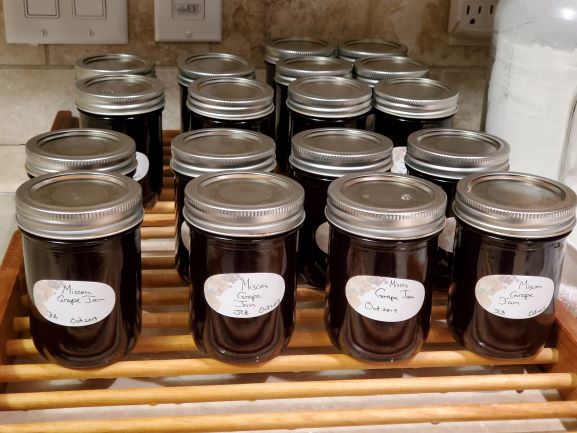
I’m late getting to my blog this week… a busy week making 18 bottles of salsa and 18 jars of grape jam. I even tried out a recipe for “scoops” corn chips (the best way to eat salsa…) and I’ll be making them again! I guess that’s part of fall and carrying the benefit of the harvest of fresh vegetables and fruits into winter. It’s even more wonderful if you get to participate in the harvest, as we did in Miscou Island in northern New Brunswick, helping family pick the grapes growing in their backyard and cut the vines down to the old growth. It was an amazing way to spend a sunny autumn afternoon.

The best parts of making your own food, including preserves, is that you know what they contain and even where the ingredients came from. You also get a relatively unique product to enjoy and share, something different than you might find in the grocery store. I’m thinking my preserves might make great Christmas gifts, something consumable for those of us in my generation looking at downsizing or those of a younger generation living in an apartment with limited space. I’ve always felt that a hand made gift is truly a gift from the heart… something special, whether it was made by the giver or someone I don’t even know.

But, aside from thoughts of harvest, Thanksgiving and preparing for winter, fall also makes me think of getting my flu shot. I suppose that’s part of preparing for winter, the season when we see so many cases of influenza. I gave flu immunizations for many years at pharmacies and clinics, even visiting seniors’ homes to bring the service to them.

I never liked hurting people, though, so I read everything I could to learn how to make the injection less painful. And my patients have often told me that they hardly felt the needle at all – one elderly gentleman, who was chatting with one of the nurses working with me, insisted that I hadn’t given him his injection when I told him he was ready to go to the waiting area. Distraction is one of the best “pain relievers”!

Here are some tips I learned to decrease pain from injections. Ask the person giving you your flu shot if they use these techniques:

  • Let the alcohol dry before giving the needle

    • Wet alcohol stings

  • Apply slight pressure to the top or sides of the arm with the free hand

    • The brain registers pressure instead of the pain from the needle

  • Insert and remove the needle quickly

    • Like a paper cut you don’t notice until it bleeds, a quick needle is felt less. I routinely completed the injection part of a flu shot in about 2 seconds!

  • Use distraction

    • As with the elderly gentleman I described earlier, you will experience less pain if you focus on something else. Even taking a deep breath just before the needle helps you to focus on your breathing instead of the injection.

    • I used to use my iPad to distract children – it was so effective, especially when iPads were new… I set them up with a drawing program to try out while I prepared their flu shot. Etch-a-sketch was my favorite. Some parents had played with the original toy, and this would start a conversation. After the injection (when I wasn’t quite so popular with the child) I would offer to send their drawing to Mommy or Daddy’s computer. Most children would instantly forget the needle when they realized they could keep their drawing!

  • Rewards for children are discouraged

    • One parent mistakenly offered to buy a toy for their child if it hurt. So, of course the child screamed bloody murder after his shot and cried for 5 long minutes to make sure he got the toy!

    • However, planning an enjoyable activity afterward can help. “After we’re finished at the pharmacy (or doctor’s office) we’ll go to the park (or any place they enjoy)”. What the heck…I think grownups deserve a little fun, too, after doing a good deed for their community and family!

There has been some controversy over vaccines in recent years and it’s important to keep a healthy perspective. While there are always some who will react to any medication, the overall benefit of vaccines to the general population outweighs the potential harm from the illnesses they prevent. All practitioners who give vaccines are trained to ensure they are given safely and to refer those at risk of a reaction to the safest location to receive them, even if it’s a hospital for those at high risk. Getting a vaccine helps to protect those who can’t get immunized (or don’t respond to vaccines because of a medical condition or medication) by preventing the spread of the illness.

Here are two earlier blogs I wrote about flu shots and other vaccines, in case you missed them:

Flu season? Who Cares…

The Vaccine Debate

So, if you are able to take the flu shot, I hope you will do it. It only takes a half hour or so, including the waiting period afterward to make sure everything is fine!

Categories
Health

The dirtiest places in your home…

There are microbes everywhere in our homes and most are OK or even good for us… but some organisms can make us sick. Where are we most likely to find the dangerous ones?

Bathroom

Yes, we all know there are disgusting germs in our toilets, and most of us clean and sanitize these regularly. But did you know that water (and bacteria!) are aerosolized when you flush and, according to microbiologist, Charles Gerba (aka Dr. Germ) at University of Arizona, they can easily spread 6 feet from the toilet each time you push that flush handle? Of course, if it’s your own bacteria, it won’t harm you (disgusting as it sounds). But you may be sharing your bathroom (and bacteria) with your visitors and family… Also, damp towels are a great place for all that bacteria to grow, waiting to be deposited on your clean hands and face when you dry them off. Here are some things you can do to reduce your exposure to fecal bacteria:

  1. Always put the lid down before you flush.

  2. Store your toothbrush in a cupboard or drawer or more than 6 feet from the flush.

  3. Change towels regularly, at least twice a week.

  4. Consider a liquid soap dispenser that can be cleaned, instead of bar soap that provides a nice bacteria growth medium.

Kitchen

Despite what was discussed above, the kitchen usually has even more dangerous bacteria than the bathroom. We prepare raw foods there and they often carry bad bacteria like salmonella and E. Coli that are killed in the cooking process, making the food safe to eat. But if you handle raw meat then touch other surfaces (like the fridge door handle or sink taps) without washing your hands first, you are depositing these potentially dangerous bacteria around your kitchen. And simply running water to clean the sink after rinsing raw meat doesn’t effectively remove bacteria. Here are some recommendations:

  1. Use a kitchen cleaner with bleach to clean the kitchen sink, counters and cutting boards that have been in contact with raw meat or their juices. Dr. Germ suggests 1 tablespoonful of bleach in a gallon of water (or about 1 tsp in 1 liter) will work as well. Or a solution of 1 part vinegar plus 3 parts water has been recommended to sterilize home medical equipment (like aerosol face masks), so should work for kitchen sanitizing as well.

  2. Wash your hands well immediately after handling raw meat.

  3. Use a separate cutting board for raw meat and foods that will be eaten raw (like salad ingredients)

  4. Clean fridge handles often (e.g. every time you clean your counters) and don’t forget to clean fridge storage drawers too, especially when you notice leakage of raw meat juices.

  5. When cleaning, spray surfaces thoroughly and let sit for a few minutes before wiping to let the spray do its work. Dr. Gerba also suggests sanitizing wipes, as they leave a germ-killing residue behind to slowly dry.

  6. Get rid of kitchen sponges or replace at least weekly, as wet sponges provide an excellent place for all kinds of bacteria to grow.

  7. Don’t forget to change kitchen hand towels often too.

  8. Can openers, pizza cutters and blender blade assemblies can also trap food particles and bacteria. Be sure to thoroughly clean and sanitize these as well.

Your best bet in the kitchen, is to change dish cloths and hand towels daily. I keep a bucket of dilute bleach and water solution in the laundry room sink and toss kitchen wash cloths in there to soak until laundry day.

Here’s a recipe for a sanitizing kitchen spray you may find useful:

1 ¼ c water

¼ c white vinegar

¼ c vodka or rubbing alcohol

15 drops each of peppermint and lemon essential oils (for scent)

Ideally, spray and let sit for 10 minutes to disinfect surface before wiping. Do not use on marble or granite surfaces, as it may etch the surface.

References:

The germiest place in your home and the best way to combat those microbes – CNN

Natural Disinfecting

Categories
Health

Shift Happens… Take time now to think about your future health

Shifting to healthier habits is often hard to do. In fact, many of us don’t even think about our health… until something bad happens to us or someone we know. Your family doctor used to be the person who urged you to make healthy changes – telling you it’s time to quit smoking, exercise more or shed a few extra pounds – but, with the health care system today, often they only have time to look after the immediate problem that prompted your visit. You need to take charge of your future health yourself…

So how do you make change happen before a shift in your health happens?

Change in habits occurs in stages. When you’re aware of these stages, sometimes you can move things along and make the change happen faster. Here is how we progress when we try to change, regardless of what new habit we are trying to form (or what bad habit we are trying to break!):

  • Pre-contemplation – We are blissfully living our lives, not aware that we are doing something that could harm our health in the future or at least not consciously thinking about what we should be doing to be healthier. Life is busy, and sometimes we need something to grab our attention and make us realize we should be changing some habits that are less than ideal for our health. We feel fine. We just aren’t interested. Besides, habits are hard to change. It’s easy to say, “I don’t need to do anything right now…I’ll think about it later”.

    • One of my goals in writing this blog, is to encourage people to think about making changes that will improve their health…and help them live longer and happier lives! Don’t wait for something bad to happen to realize you need to change to improve your health in the future.

  • Contemplation – Then we face a crisis in our health or a serious illness in someone close to us. This starts us thinking about being healthier. Or maybe we read something or hear a speaker that catches our attention. My husband finally quit smoking years ago after hearing David Suzuki explain that you can’t keep dumping poison (for example, cigarette smoke) into your body for years, then expect to be able to do the things you want to do when you’re older – your body can only handle so much abuse. What he said struck a chord with my hubby and he made up his mind that it was really time to quit.

    • Think about what you should change that will make a difference in how you feel and what you are able to do in the future? What is one habit you could you improve to increase your chance of staying healthy and active well into old age? What could you change to be able to do more things you enjoy right now?

  • Preparation – Habits are hard to change. Preparing yourself can help make it easier, and there are strategies to increase the likelihood that you’ll stick to your new way of living.

    • Find someone who will join you in your new habit. Sign up for a class that will help get you started. Research exactly what you need to do to make the change easier.

      • For example, if quitting smoking, there are medications like nicotine replacement that can reduce cravings. To increase exercise, choose a convenient time of day then set a recurring alarm on your phone or computer to remind you it’s time for your walk. Want to eat healthier? Sign up for a food delivery service like Hello Fresh or Good Food to make it easier to start cooking better meals. Want a better outlook on life? Sign up for a yoga or meditation class or download an app on your tablet and use it every day. You get the idea…

  • Action – Pick a date that is not too far in the future. Give yourself a deadline to start. Giving yourself little rewards helps too – challenge yourself to stick to your habit and plan something special on the weekend to celebrate your success. Even something simple like an “X” on each day of a calendar can be encouraging as the X’s add up. Find a way to make yourself committed to change.

    • Set a date to start your new healthy habit and mark it on your calendar. Tell someone who will join you or support you with your plan and be accountable to them. Track your progress and decide what you will do to celebrate your success! Keep in mind that small rewards given often work better than large ones off in the future.

  • Maintenance – It’s easy to slip back into old habits or get busy and forget about your plan for a healthier life. But, if you do, remember that if you did it once you can go back and do it again! It takes a while for a new change to become a habit and relapses are normal. So, don’t beat yourself up about it and don’t give up!

    • Expect slip-ups…they almost always happen. But keep working to make your new healthy habit part of your life. If you practice your healthy change even for 1 day, you can make it a regular activity!

Realize that it takes time to make a habit of a new healthy activity – longer for some than for others. But keep your goal of enjoying life as you get older in mind. Every little change can help. Take time now to decide how you can improve your enjoyment of life in the future by keeping your body and mind healthy and active!