Categories
Health

On family dinners and living longer…

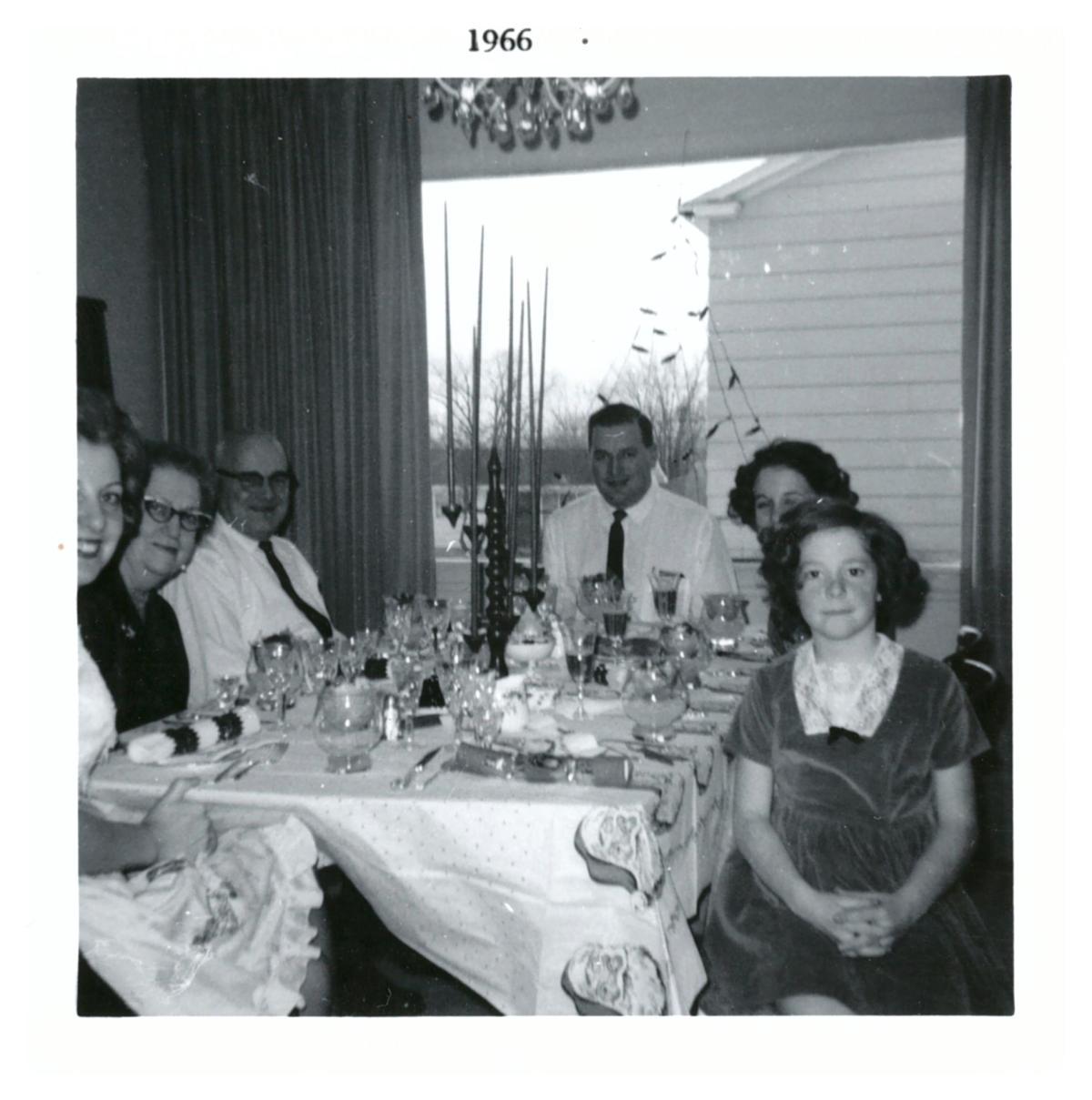
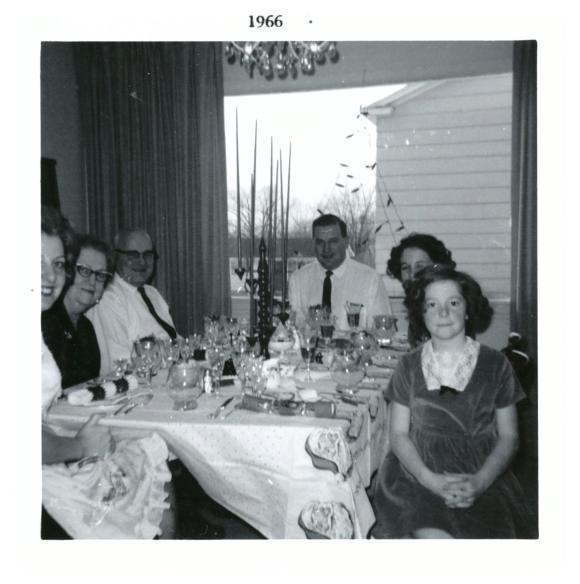
I remember Sunday dinners that seemed to go on for hours when I was growing up… My grandparents would join us, we’d have dinner, then coffee for the adults, and just hang around the table talking for ages. My dad loved to get a good discussion going, often about current news or sometimes about mischief he and his brother did as kids (that was our favourite topic!). This photo was taken by 11-year-old me, with my new camera in 1966!

So, it struck a chord when I read about a study done in Quebec that conducted surveys of families with young children to find out whether the environment during a typical family meal might influence learning, lifestyle and socializing.

They began by surveying families with 6-year-olds to determine the environment of a typical family meal. Four years later, when the children were age 10, they conducted more surveys: asking parents to assess their children’s lifestyle habits, teachers to gauge academic achievement, and the children themselves to assess their social adjustment from their point of view.

They found that improved family meal environment quality (eating together and engaging in conversation during the meal), predicted higher levels of physical fitness, decreased soft drink consumption, and less physical aggression and oppositional behaviour. Maybe all those family dinners had something to do with my dislike of Coke and joining the gymnastics and track and field teams… who knows?

But frequency of family meals is reported to be generally in decline. The Euromonitor International’s annual study of global consumers reports a world-wide trend towards less structured meal occasions, resulting from busy lifestyles, more unconventional working hours, increased single parent households and increased numbers of working women.

Breakfasts, once a regular sit-down meal, are reported to have become less consistent and are often now eaten on the run or skipped altogether. Snacking has increased because of smaller breakfasts and generally shorter lunch breaks (with many eating in their car while doing errands or even at their desks due to work pressures), leading to an increased demand for pre-packaged portable foods, unfortunately often highly preserved to increase shelf-life.

The annual study found that younger, urban consumer groups have particularly been trending towards more flexible and informal eating habits. Only approximately half of the populations around the world they surveyed still cook a meal entirely from raw ingredients at least once a week.

However, researchers also found a trend in recent years toward eating in rather than out. They reported that this was likely due to financial pressures from the recession that began in 2008. Use of prepared ingredients, such as sauces, is also reported to be on the rise, making home-cooked meals easier to prepare for those with less time. The researchers opinion was that now would be a good time for a public awareness program to encourage more frequent family dinners with conversation between adults and children, what they termed a quality eating environment.

Many of us just enjoyed a wonderful family dinner on Christmas day. The studies described above suggest that we should consider making this a regular event, especially if there are small children in the family.

But socialization is important for adults too. Studies of communities around the world with higher proportions of centenarians (people over 100 years old), referred to by researchers as “Blue Zones”, looked for shared characteristics. This is a list of what these communities had in common:

  • Family and social engagement

  • Semi-vegetarianism (majority of food from plant sources)

  • Legumes commonly consumed

  • Consistent moderate physical activity as part of life

  • Less smoking

This list seems to fit with the idea that eating food at home in a quality family environment could result in improved physical, academic and social outcomes for young children that persist for years. It also echoes Michael Pollan’s food rules (“Eat real food, mostly plants, and not too much”) that I discussed in an earlier blog.

Having a longer and healthier life does not have to be complicated. Plan simple meals that include plenty of fruits and vegetables, eat with family and friends whenever possible, and keep active throughout the day to stay fit — all good habits to start creating a healthier lifestyle. Some claim you could add 10 quality years to your life by following this simple strategy.

So, doesn’t that sound like a great New Year’s Resolution? Here’s to a healthy 2018 for all of you!

References:

Euromonitor

Quebec study

Categories
Health

10 Ways to Reduce Jet Lag

I’m back from Spain! Glad to be back, but dealing with some nasty jet lag… so, I decided to write a blog about it. Should have written it before I flew home because I learned a few ways to reduce symptoms and shorten the duration of jet lag.

What is jet lag anyway?

The dictionary defines jet lag as “a feeling of extreme tiredness and other physical effects after travelling a long distance through different time zones by plane”. Some sources simply describe it as a “temporary sleep disorder” but, while it is temporary it can affect more than just your sleep. Some people are more sensitive to time change than others and will even notice mild effects when adjusting clocks for Daylight Savings Time in the spring and fall.

Medically, it is referred to as “desynchronosis” and is believed to result from difficulty adjusting the body’s circadian “day/night” rhythm or internal body clock to match the local clock. Shift workers can experience symptoms similar to jet lag when readjusting to normal hours after working the night shift. Strategies for reducing jet lag may be helpful to shift workers as well.

What are the symptoms?

Symptoms can include daytime drowsiness, tiredness, lethargy, slight disorientation or dizziness, insomnia, sometimes headaches, difficulty focussing, loss of appetite, and digestive upset such as diarrhea or constipation.

Of course, a long trip itself can be fatiguing, and dehydration and lower oxygen levels in planes can contribute to the symptoms experienced. More time zones travelled generally result in worse jet lag, with some individuals being more susceptible than others. Older adults and those with other health conditions often have worse symptoms and take longer to get back in sync, while children are often minimally affected.

What are circadian rhythms?

Many of our body’s systems, including those that regulate sleep, waking, eating and body temperature, run on cycles over the 24-hour day. This is called the circadian rhythm or “body clock” – the regular ups and downs of hormones and functions that occur at certain times each day.

A little technical stuff for those who are interested in detail…

The theory behind jet lag, is that there are two groups of neurons or nerve cells in the base of the brain that control sleep:

  • An area associated with deep sleep and physical recovery and repair

  • An area that controls the dream state, known as “rapid eye movement” or REM sleep

    • During REM sleep the brain sorts out thoughts and memories.

    • The REM area takes longer to adjust to a new sleep/wake cycle, and the two sections become out of sync, throwing off the sleep cycle and reducing quality of sleep.

So, the body clock is driven by an internal time-keeping system, but it’s affected by external factors like light and darkness. For example, we know that production of melatonin (a hormone that is associated with sleeping) is blocked by light falling on the back of the eye. This is why it is recommended to have your room completely darkened for a good night’s sleep and why it might be a good idea to use a sleep mask when trying to sleep on a plane or during the day.

Most references state that travelling east tends to cause more symptoms than travelling west, but I have always found the opposite to be true for me. However, I think it depends somewhat on your behaviour when you arrive at your destination, and on the timing of the flights you take.

My experience…

On my trip to Spain, I took an overnight flight. Although I only had a very few hours sleep on the plane, I was excited about arriving and needed to buy groceries so spent time outside in the sunshine. I pushed myself to stay up until close to a “normal” bedtime for where I was and, being exhausted by then, had a great night’s sleep. Of course, the next day I was out in the sunshine seeing the sights, and light exposure (especially sunshine) helps you to adjust to a new time zone more quickly.

In contrast, when I came home, it was a daytime flight with a late-night arrival which, for me, meant arriving finally at home at 7:30 the following morning, Spain time! And since it was still part of a normal but extended day for most on the final flight, it wasn’t a good sleeping environment… no rest for me! Since I’ve been home, it’s been mostly cloudy with sunset at 4:30pm so much less light exposure. I’ve also been busy indoors catching up after being away for 2 months and, of course, it’s chilly compared to the Costa del Sol, so that’s keeping me indoors more too!

Here’s what you could do next trip to experience less jet lag than I did:

  1. Prepare ahead if possible:

    1. Heading east – get up and go to bed early for a few days before the trip.

    2. Going west – delay bedtime and waking as above.

  2. Set your watch to local time at your destination as soon as you board the plane.

  3. Keep active during the flight – stretch, do seat exercises, walk along the aisle.

  4. Use an eye mask and ear plugs and try to sleep when it’s night time at your destination.

    1. Aim for 20-minute naps during daytime hours to reduce fatigue.

  5. Drink plenty of water on the flight, and avoid alcohol and caffeine to reduce dehydration (If you do decide to have a glass of wine, drink extra water along with it…).

  6. Wear sunglasses during your destination’s nighttime hours during the flight if you can’t sleep. This may help your brain to start to adjust by altering light exposure.

  7. Although not well tested, taking melatonin at the destination’s bedtime on the plane and for a few nights after you arrive may be helpful, researchers suggest.

  8. When you arrive, try to sleep at a normal time for your destination, realizing you will likely want to sleep later when going east and rise earlier when going west.

    1. If you’re on a short trip, and your schedule allows it, you may be able to adjust your day to stay closer to “home”, clock-wise. On a 4-day trip to Vancouver (4 hours “earlier” than my home on the east coast), I decided to just get up very early and skip some late-evening social activities. My conference friends were so impressed with my daily 6am walks in Stanley Park, but it was just a leisurely 10am “walk in the park” in NB time!

  9. Spend as much time as possible outdoors, preferably in sunlight, when you arrive or at least expose yourself to bright indoor light. It’s the cycle of light and darkness that prompts the brain to realign itself to your new time zone.

  10. If you know you are prone to severe jet lag, consider breaking up the trip or making part of your travel overland, rather than by air to adjust to the new time in stages. It’s the speed of travel that causes jet lag, not simply the time change itself.

Give these suggestions a try on your next east/west trip and let me know if they help you to have a “bon voyage”!!

References:

Mayo Clinic

Medical News Today

Categories
Book review Health

No-one likes the Mr. Throat picture…

This week, I want to share an article about smoking…not about quitting, but about why people smoke and how much they love it… And how it takes over the smoker’s life… And how hard it is to quit.

I was never a smoker. I tried a few cigarettes in my younger days when out to a bar with smoking friends, but I never formed that love/dependency relationship with “smokes”, as the writer of the article fondly refers to them. As a pharmacist, I learned about medications to help people quit, how difficult the process is and things I could do or say to help people overcome the habit (or let’s call it what it is: an addiction). But I often would wonder why so many people, roughly 20% in Canada, still choose an activity that might kill them.

The article, written by a long-term smoker and posted in a blog called “LongReads”, fascinated me as a non-smoker and health professional, and I found it helped me understand why people smoke in spite of all the evidence that it is slowly damaging their health. I’d recommend the article, not only for smokers, but for those who would like to help people quit. Understanding “why” can sometimes be the key…

Spoiler alert: the photos on the cigarette package, especially the photo of a man with throat cancer, are the most negative part of the writer’s smoking experience. The title of the article is: “Mr. Throat and Me”.

You’ll find the article here: LongReads “Mr. Throat and Me”.

Categories
Health

For Coffee Addicts Only…

How many times have you read that you should quit drinking coffee? Well, a new study suggests that coffee may actually be good for you…

I just read a report from the European Society of Cardiology about a study on coffee consumption done in Spain looking at the association between coffee consumption and the risk of dying in middle-aged Mediterraneans. Researchers surveyed the amount of coffee 20,000 people drank along with other lifestyle, social and demographic characteristics and previous health conditions. Then they followed them for an average of 10 years.

Here’s what they found…

  • People who drank at least four cups of coffee per day had a 64% lower risk of dying from any cause (“all-cause mortality”) than those who never or almost never drank coffee over the 10 years of follow-up.

  • There was a 22% lower risk of all-cause mortality for each two additional cups of coffee per day.

  • In those who were at least 45 years old, drinking two additional cups of coffee per day was associated with a 30% lower risk of dying during follow-up.

Very interesting, isn’t it! The researchers didn’t offer any explanation for why coffee might have this effect but here’s my theory (for what it’s worth) …

I rather doubt that it’s anything particular in the coffee (or tea for that matter, for tea enthusiasts), but more likely it’s what we do most of the time when we have a coffee: we take a break, relax, maybe chat with a friend or read a magazine. That has to help reduce our stress, and stress (I hear) is suspected as being an underlying cause of many health conditions! Coffee is often a social drink – recent studies also suggest that socialization is also good for our health and longevity, so that may be part of the effect too,.

I base my humble opinion on theories why the French have lower rates of heart disease that North Americans in spite of the rich higher-fat diet they consume… Some experts propose that it’s not so much what you eat, but how much you eat and how you eat it. Consuming food in a relaxed atmosphere with good company just seems to be healthier for us.

So, meet a friend or take a break from work with a co-worker, relax, and enjoy a tasty cup of coffee. Or, if you don’t have someone available to share a cup with, simply put your feet up, contemplate all the great things in your life and maybe listen to some of your favourite music as you enjoy the wonderful taste of a fresh cup of brew! You may just be healthier for it…

Now, I guess I’ll go get myself another cup…. umm, that will be three for today so perhaps one more later… maybe an iced coffee version…

Enjoy!

Reference: Science Daily

Categories
Health Public Health

Fat vs sugar – time to rethink!

Sugar is the problem — not fat. Years of advice to choose low-fat and fat-free foods does not appear to have been based on sound research…

New Canadian research found no significant association between eating more than the recommended amount of fat (30% of total calories) and developing heart disease or having a stroke. In fact, they found that those who got 35% of their energy from fat had a lower overall risk of dying than those who ate less than the recommended 30%!

In addition, they found that the low-fat diets recommended to us for many years have resulted in many people overeating carbohydrates, resulting in a higher risk of dying when their carbohydrate intake exceeded 60% of their total calories. Replacement of dietary fat with sugary carbohydrate is also being suggested as a cause of the current increased rates of obesity.

Scientists lead by nutritional epidemiology expert, Mahshid Dehghan at McMaster University in Hamiltion, Ontario, studied diets of 135,000 people in 18 countries for an average of 7 years. She observed “When you recommend lowering fat, by default, people increase their carbohydrate consumption, and increasing consumption of carbohydrates results in higher risk of mortality.”

Study in Japan

This Canadian finding agrees with another article I recently read describing how the stroke rate in Japan dramatically fell almost 6-fold from 1,334 to 226 per 100,000 between 1958 and 1999, after the government encouraged the population to increase their intake of fat. Cholesterol levels rose from an average of 3.9mm/l to 4.9mmol/l due to dietary fat rising from 5% to 20% of total calories. Heart disease rates, interestingly, also decreased although not as dramatically. This is a stark contrast to our current recommendations to lower cholesterol in the blood as much as possible to reduce the risk of heart disease…but more about that in a future blog!

Population studies

Studies of diets from diverse healthy populations suggest that there is not one single “best” diet. The high-fat diets of the Innuit of the north, the Maasai tribes of Africa and the French in France seem as healthy for their populations as the low-fat Mediterranean diet of Italy.

This has lead some to speculate that it is not so much what we eat (as long as the diet is a traditional balanced one) but how much we eat and ­how we eat. Avoiding overeating and enjoying food in a relaxed environment with family or friends (rather than eating on the run or in your car!) seem to be positive factors for overall health too!

Canada Food Guide 2018

Even our Canada Food Guide is being revised…and I hear the meat and dairy industries are not happy with the plans. Although the new finalized guide will only be released in two stages over 2018 -19, Health Canada says less emphasis will be placed on individual nutrients and more will be placed on:

  • avoiding processed foods (that commonly have added sugar, trans fats, salt and other ingredients),

  • reducing consumption of sugary drinks, and

  • limiting portion sizes.

This seems to agree with other experts like University of Toronto’s nutritional scientist, Richard Bazinet who advises “Moderation is the solution. Don’t eat too much of any single thing” and Michael Pollan’s Food Rules: “Eat food (real food, not processed). Mostly plants. And not too much.” Check out my previous blog on his Food Rules here.

It seems difficult to understand why low-fat diets have been recommended for so long – some suggest that influence from the sugar and grain industries may have been a factor. Currently, news outlets have reported meat and dairy industry lobbyists are “up in arms” against the suggestion that the new Canada Food Guide may decrease emphasis on consumption of these food groups.

However, the purpose of any food guide or advice is to improve the health of a population, not to support food industries. Health Canada has stated that it will not be consulting with food producers, although they are permitted to engage in open public consultations.

Trans fats

When it comes to fats, however, there seems no question that trans fats should be avoided. Trans fats, also known as hydrogenated oils, are stable artificially created fats that have been used to extend the shelf-life of processed foods…good for food, but not good for our health! Trans fat content appears on food labels so you can avoid buying foods containing these fats, and some governments are moving to ban these completely from food!

Trans fats often occur in foods that also contain saturated fats and may be responsible for the bad reputation assigned to saturated fat. Wikipedia has an interesting summary of studies comparing the effect of saturated fat (SFA) with unsaturated fat (PUFA). At the very least, one could say there is conflicting evidence when it comes to the dangers of saturated fat, with newer studies being less likely to find that fat in the diet has any effect on heart disease. It will be interesting to see what the new Food Guide recommends as an ideal amount of fat in the diet, considering the results of new studies!

Have you been cutting fat out of your diet? Leave a comment below!

References:

Categories
Health

C. Difficile…so difficult!

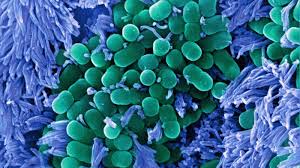
Clostridium difficile is a bacterium that is resistant to many antibiotics – hence the name “difficile” since it’s difficult to treat! It is the most common cause of infectious diarrhea in hospitals and nursing homes in Canada and other industrialized countries.

Most cases occur in patients taking certain antibiotics that kill a wide range of bacteria (referred to as broad-spectrum antibiotics) in high doses or for a long period of time. The normal bacterial flora in the digestive system that keep c. difficile in check is destroyed by the antibiotic, allowing the resistant c. difficile to take over. These infectious bacteria produce toxins that damage the bowel, and cause diarrhea and inflammation in the lining of the bowel.

Some people can have c. difficile in their bowel and not show symptoms, likely because other bacteria are keeping its growth in check. There are different strains of c. difficile and some cause more serious illness.

Stomach acid helps to kill unfriendly bacteria like c. difficile if we happen to swallow some. Acid-suppressing drugs, especially proton pump inhibitors (like Losec®, Tecta®, and Nexium®) that strongly block acid production, can increase the risk of a symptomatic infection of c. difficile.

How is it passed from person to person?

C. difficile bacteria and their spores are found in feces. People can get infected if they touch surfaces contaminated with feces and then touch their mouth… (How gross!) This helps you understand how important it is to wash your hands regularly!

If you are healthy, generally there is actually little risk of developing an infection. But in the elderly and those with other illnesses whose immune system may be less healthy, there is a greater chance of infection.

It’s important to keep the normal gut bacteria healthy. When there are fewer normal healthy bacteria in the gut, c. difficile have a better chance to grow and cause infection. Include fermented foods that contain live bacteria in your diet, and take probiotics after a course of antibiotics. This will help to replace the good bacteria that are often destroyed along with the bad ones that caused the infection and maintain a healthy gut flora.

What are the symptoms?

C. difficile infection causes watery diarrhea, fever, decreased appetite, nausea, and abdominal pain or tenderness. The diarrhea usually does not respond to regular diarrhea medications and will last more than the 2 or 3 days of diarrhea from other causes. A stool sample is often tested to confirm that the cause of the diarrhea is c. difficile.

How can you prevent c. difficile?

Wash your hands often with soap and water. Healthcare workers should always wash their hands after touching every patient to prevent passing bacteria and other infectious organisms from one patient to another (or to themselves!). At home, always wash your hands after caring for an ill person, using or helping with toileting and before preparing or eating food.

Alcohol-based hand washes help but are not as effective as soap and water as they do not kill c. difficile spores. Wearing disposable gloves when caring for someone with c. difficile is recommended and hands should be washed with soap and water when the gloves are removed.

How is c. difficile infection treated?

The antibiotic that caused the infection should be stopped right away, and a new antibiotic that kills c. difficile will often be started. Very mild cases may clear on their own.

C. difficile is resistant to many antibiotics, hence the name “difficile – difficult to treat! Metronidizole (Flagyl®) is an antibiotic that may be effective for mild to moderate infections. Vancomycin (Vancocin®) is used for more severe infections and it is considerably more expensive than metronidazole. A new antibiotic, fidaxomicin (Dificid®) showed better results against c. difficile in studies, but it is very expensive.

Taking probiotics (good bacteria in capsule form) in large doses has been reported to help when all else has failed, or as an add-on to antibiotic treatment. It also helps to prevent reinfection, which occurs in 20% of cases.

In extreme cases, the diseased part of the bowel may be surgically removed. Fecal microbiota transplantation (also known as stool transplant) is another new therapy that may be tried in recurrent infection. Donors are screened for infections, parasites, viruses and other bacteria. Stool from the donor is then placed into the infected person’s bowel using a colonoscope or nasogastric tube.

References

https://www.canada.ca/en/public-health/services/infectious-diseases/fact-sheet-clostridium-difficile-difficile.html

http://www.mayoclinic.org/diseases-conditions/c-difficile/diagnosis-treatment/treatment/txc-20202426

Join my mailing list (see box in side bar or at the bottom) to receive a weekly email link to more health information… and to help me grow my blog! I really appreciate your support…

Categories
Health

Artificial sweeteners may cause weight gain!

You could be gaining weight because you are using sugar substitutes… A new study suggests use of artificial sweeteners is linked to weight gain (not loss!) and increased risk of developing diabetes…

Considering the widespread use of sugar substitutes, it is surprising that there are comparatively few long-term studies that have been done. Most are “observational” studies rather than the higher level intentional type of study (randomized groups, placebo-controlled studies referred to as “randomized controlled trials” or RCT’s), so cannot prove a cause-and-effect relationship.

However, in the long term RCT’s averaging 6 months that the researchers found, regular users of artificial sweeteners had an increased risk of type 2 (adult onset) diabetes, higher blood pressure, and modest increases in weight and waist circumference.

The Canadian researchers could find no solid evidence for long-term benefit from artificial sweeteners, and there was some evidence of harm from long-term consumption.

But why would artificial sweeteners be linked to weight gain, not loss? Researches couldn’t explain, but had some thoughts:

  • Artificial sweeteners may disrupt healthy gut bacteria.

  • They may confuse metabolism. For example, the sweet taste may cause the body to be expecting sugar, stimulating a release of unneeded insulin. Increased blood insulin is the first stage in the development of type 2 diabetes. It also would cause a decrease in blood sugar that would stimulate appetite.

  • The appetite-stimulating mechanism may overcompensate for missing calories from sugar when eating other foods.

  • Artificially sweetened foods may simply be a common part of an overall unhealthy diet.

An Australian study suggests that artificial sweeteners may increase appetite for calories by up to 30%. When sweetness versus energy is out of balance for a period of time, researchers say, the brain re-calibrates and increases total calories consumed. They called this the “starvation response”.

They also learned that the brain produces 2 waves of “pleasure” producing dopamine – one with the taste of sweetness and a second wave when the blood sugar rises. If there is no blood sugar rise (because an artificial sweetener was used) the brain sends hunger signals.

A US study, published in the American Journal of Public Health in 2014, found that overweight and obese people ate more when they drank artificially sweetened drinks.

The Australian study also noted increased hyperactivity, insomnia and glucose intolerance as well as an increase in appetite and calories consumed in animals they studied.

Altogether, these studies suggest that we would be much better off to avoid sugar substitutes completely and use a small amount of sugar instead. Better yet, switching to water (flavoured with a herbal tea if you like) might be a good way to promote a healthier waistline!

References:

Categories
Health

Waking up with a stiff one in the morning???

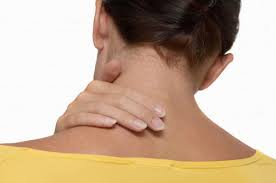
Of course, I’m talking about a stiff neck, back or, heaven forbid, a Charley-horse! What causes those awful muscle spasms and can you prevent them?

Skeletal muscles are the muscles attached to our bones that are generally under our conscious control. We use these muscles to move parts of our bodies and to make facial expressions, such as smiling.

A muscle spasm, or muscle cramp, is an involuntary contraction of a skeletal muscle. Spasms of the skeletal muscles are often caused by overuse and muscle fatigue, by electrolyte imbalances or can be associated with a previous injury. Usually they occur abruptly and don’t last long. If they are extremely painful and don’t resolve on their own, you should seek a medical assessment to look for possible underlying causes.

Causes

Although the precise cause of a muscle spasm is not always known, electrolyte imbalances are believed to contribute. Spasms occur more frequently when exercising or doing physical work in hot weather, when dehydration and electrolyte loss occurs due to sweating. Muscles require enough water, glucose, sodium, potassium, calcium and magnesium to allow the muscle proteins to develop an organized contraction. A lack of any of these elements can cause the muscle to become irritable and develop spasm. The muscle soreness and increased risk of spasm that occur after new or increased exercise is thought to be due to a lack of electrolytes. With continued exercise, blood flow capability increases, bringing increased electrolytes, nutrients and oxygen to the muscle, and soreness no longer occurs.

Other causes of muscle spasms include:

  • decreased blood supply to the muscle, due to narrowing or disease of the arteries,

  • arthritis or other injury of a joint (where muscles spasm to try to support the damaged joint),

  • obesity, where increased weight can cause stress and strain of the core muscles of the trunk, leading to spasms of the neck and upper or lower back

  • diseases like diabetes, anemia, kidney disease and thyroid or other hormone issues (can potentially disrupt electrolyte balance)

  • diseases of the nervous system, such as amyotrophic lateral sclerosis (ALS), multiple sclerosis (MS), or spinal cord injury

Treatment

If a skeletal muscle goes into spasm, the initial treatment is to gently stretch the muscle lengthwise to break the spasm and resolve the acute situation. A physiotherapist or massage therapist can teach you exercises to stretch less obvious muscles, relieving spasm and pain. Heat and anti-inflammatory medications, such as ibuprofen (Motrin, Advil) or diclofenac (Voltaren Gel) can also be helpful for short-term pain relief. Your doctor may prescribe stronger pain medication and/or a muscle relaxant in more severe situations when the spasm does not readily subside. In Canada, the muscle relaxant, methocarbamol (Robaxicet and generic versions) can be bought without a prescription.

Quinine, an anti-malaria drug, is a very effective medication for nocturnal leg spasms and was used for many years for prevention of the nighttime “Charley-horse”. However, quinine was found to have serious side effects (vision problems and abnormal bleeding) and is only used now in severe cases where other medications do not help.

Trigger Points

A “trigger point” is a small area of contraction in a muscle, that shortens and weakens it, creating pain where the muscle attaches. The trigger point is often not located where the muscle pain is perceived. In medical terms, this is described as “referred pain”, much like the way a heart attack (damage in the heart muscle) is often felt in the left shoulder or arm. A trigger point is defined as a “highly irritable localized spot of exquisite tenderness in a nodule in a palpable taut band of muscle tissue” — so it’s an area that is painful when pressed and can be felt as a lump under the skin in the muscle. Drs. Travell and Simons wrote extensively about trigger points starting in the 1940s, mapping out common muscle trigger points and the areas where pain from each is commonly felt. Their work is the basis for today’s therapeutic massage and for some physiotherapy.

Massage, either by a professional or self-massage, can be helpful for muscle spasm. Massage can increase circulation to the muscle, bringing nutrients and removing breakdown products. Pressure on the trigger point of a muscle can also help to relax a spasm and trigger points are sometimes used as the site for acupuncture or accupressure. If you are interested in learning self-massage for relief of pain from chronic muscle spasms, I could suggest The Trigger Point Therapy Workbook, by Clair Davies, an excellent self-treatment guide that I have used with my clients (and myself!) for many years.

Conclusion…

So, if you are exercising or doing physical work, especially in a hot environment, be sure to drink extra water to replace fluids you are losing. If you are prone to muscle spasms, consider also replacing minerals, for example, by consuming a supplement or electrolyte containing foods or drink during activities on warm days. Ensure your diet contains adequate minerals: calcium, magnesium, sodium and potassium. If the spasm lasts more than a few days and is not due to an obvious overuse of the muscle or dehydration, see your doctor or physical/massage therapist and, together, look for an underlying cause.

Categories
Health

Dance away your cares!

Saturday, July 1st, is Canada’s 150th birthday, and there will be music and celebration across the country… and, no doubt, lots of dancing, singing and just plain happiness! Celebrations are good for the spirit and dancing is one of the most fun types of exercise.

Dancing can actually be used as a therapy for many conditions, including anxiety, depression, feelings of isolation and chronic pain. It’s also used in patients with brain injury, AIDS, arthritis, autism, cancer and other conditions. It can be performed by those who are physically disabled, mentally handicapped and even elderly folks in nursing homes. Last week, I watched a video of a group of ladies dancing with their walkers to “Rock around the clock” – they were having a wonderful time! Click here to enjoy it too!

Dance therapy works for anxiety, depression and pain through the mind/body connection. In addition to the exercise component and exposure to music – both therapeutic in themselves – dance allows expression of feelings and thoughts through movement. And it’s fun!

A trained dance therapist can see dance movements as a source of information… an expression of the client’s subconscious thoughts and emotions, relationships to others, and symbolic movements that are personal to each individual. Feedback to the client from the therapist is used to promote increased self-awareness. Changing movements is claimed to initiate a change in the subconscious, and vice versa. So, trying out a new dance or changing up your moves can be even more uplifting. Dance is thought to express something that cannot be expressed in any other way.

Regardless of the interpretations a trained dance therapist can extract, there is no doubt dancing is therapeutic, even without anyone analyzing your movements! Moving to music you love is great exercise and lots of fun, and guaranteed to lift your spirits. It’s an exercise you can do while socializing with a group: formally at a class, informally at a club, or at a family wedding… or all by yourself with music blaring while cleaning the kitchen! Dancing with your kids or grandchildren is especially fun. A favourite activity in our house was dancing to the music of Dire Straits on a Saturday morning…some of their tunes still make me want to get up and dance!

So, turn up the music and dance like nobody’s watching… as often as you can… no matter who is around! It will improve your fitness level and lift your spirits, and might even help reduce anxiety, depression and pain.

Happy Canada Day!

Categories
Health

Tick talk…

It’s tick time… and ticks, including those that carry Lyme disease, are in long grass and on bushes, waiting to grab onto you, your clothing or your pet as you pass by.

The numbers of cases of Lyme disease are increasing – the US Center for Disease Control (CDC) estimates over 300,000 cases occur each year, although only around 30,000 are reported. Lyme infected ticks are present in largest numbers in north eastern US but, with global warming and increases in deer population, deer and the ticks they carry, are migrating north and are now found in parts of Canada as well. They are even found as far south as Florida, but are less likely to contact humans in warmer climates, as they hide during the day to seek shelter from the heat.

Lyme disease is caused by bacteria in the Borrelia family – tests look specifically for the Borrelia bergdorferi – but some researchers suspect that all bacteria in the Borrelia class can cause similar disease. The bacteria are carried mainly by black-legged ticks, also called deer ticks or bear ticks, and these ticks in turn are carried by deer, mice, gray squirrels, opossums and chipmunks. Lyme disease is not something new – DNA from the bacteria that causes it was identified in the 5,300 year old bones of Ötzi the Iceman, a mummy found in the Eastern Alps in 1993.

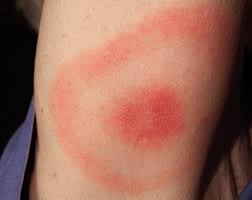
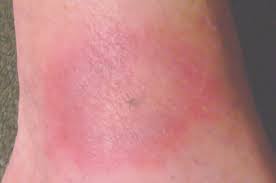
Early symptoms of Lyme disease include fever, chills, headache, fatigue, muscle and joint pain, and swollen lymph nodes. 70 to 80% of people who are infected get a rash that gradually increases in diameter over several days, and about 30% of these have a distinctive “bulls eye” appearance. The rash can get as large as 30cm (12 inches) across, most often is uniformly red or bluish red, and is rarely itchy of painful. However, 20 to 30% of infected people have no rash as all so its presence is not necessary for a positive diagnosis.

Diagnosis of Lyme disease is usually made by symptoms plus a history of tick exposure. However, immature ticks are tiny and flesh coloured, and can be difficult to see on the skin. Blood tests look for antibodies to the bacteria, not for the bacteria itself, as Borrelia dislike oxygenated environments and leave the blood quickly for other less oxygenated tissues, such as joint fluid or bone. As antibodies take several weeks to develop, blood tests will often not show positive results in the first few weeks of an infection. All of this suggests that many cases are not readily diagnosed.

If diagnosed and treated early, however, a full recovery is likely. It is treated with antibiotics, usually amoxicillin, tetracycline, doxycycline or cefuroxime, generally for 10 to 21 days but sometimes longer.

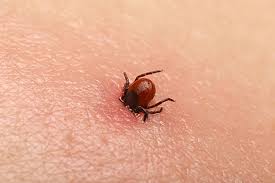
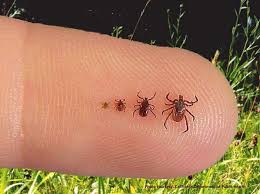
Ticks are tiny – the size of a poppy seed – so you need to look carefully to see them. As they feed, they become engorged with blood, becoming larger and easier to see. But you want to remove ticks as soon as possible. The tick must attach to skin for 24 hours to transmit the disease, so early removal can reduce the chance of infection. Check skin carefully after walking in tall grass or gardening – ideally, remove all clothing first so you can check all areas of your body. Be aware that clothes and pets can carry ticks too, that can bite you later, so handle clothing carefully (best with rubber gloves if you suspect ticks are present). Place clothes in the dryer at high heat for at least 15 minutes – dry first to kill any ticks, then wash later! Ticks have been reported to survive washing of clothing.

There are two good techniques for tick removal, depending on what tool you are using:

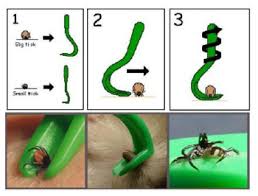
  • Fine-tipped tweezers – grasp the tick close to the skin. You want to grip the head, not the body (squeezing the body can cause the tick to regurgitate infected fluids into the bite, increasing the risk of infection). Pull straight upwards (or in the direction opposite to the angle of entry of the mouth parts, if you can see this), and pull slowly and steadily. Don’t twist or jerk the tick out quickly as this can increase the chance of the head or mouth parts breaking off and staying in the skin. Any parts left in the skin will also cause irritation and can increase the risk of other infections and can be removed as you would remove a splinter, with tweezers or a needle. Don’t use flat-tipped tweezers to remove ticks, as these will squeeze the body, increasing the chance of fluid regurgitation.

  • Tick removal tool (O’Tom Tick Twister is one recommended brand I found) – slide the tool between the body of the tick and the skin, and rotate the tool 2 to 3 times until the tick detaches. Rotate in only one direction to decrease the risk of breaking off mouth parts. Follow included instructions carefully.

Ticks are also more likely to regurgitate fluids into the wound, increasing the risk of infection, if they are irritated. Tick removal techniques that involve burning, freezing or using harsh chemicals to make the tick let go are not recommended. A viral internet video showing a technique using liquid dish detergent and a cotton ball seems to be effective at removal, but the irritating soap may increase the chance of fluid regurgitation. This technique is not recommended in the sources I consulted, due to a lack of testing to ensure the risk of regurgitation is not increased.

Ticks can be crushed in a tissue then flushed, or encased in a piece of adhesive tape. Placing into a ziplock baggie is another option. Some sources suggest keeping the tick for confirmation testing, in case symptoms of Lyme disease develop in the future.

So, pop a pair of pointed tweezers or a tick removal tool into a baggie and add it to your hiking or gardening equipment this summer! If you have room, add a roll of adhesive tape to safely remove any unattached live ticks you see on your skin, clothing or pet. And check your skin carefully after enjoying an outing in long grass or bushes where ticks may be waiting for you, so you can remove them before any infection has a chance to take hold…

Have you had a tick bite? How did you handle it? Leave a comment below!

References: WebMD.com; PetMD.com; http://www.bada-uk.org/correct-tick-removal