Categories
Health

How to fall well…

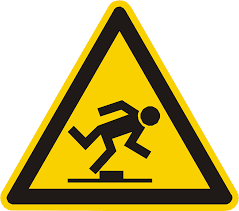
Falling when you’re a child is part of life but falling as an adult puts you at risk of an injury, whether you’re in you’re 20’s or your 80’s. There are strategies to prevent falling but, if you do fall, you can also fall “well”…
Here’s my story: while excitedly trying to book concert tickets on my phone and climbing the stairs, I took a step backwards to say something to my husband, missed the stair, and landed with full weight on a turned ankle. The bad sprain that resulted required several weeks recovery (including an air cast) plus weeks of physiotherapy… all from a moment of inattention.

Of course, much of what I want to discuss is common sense. However, many falls are due to not paying attention or neglecting to correct an obvious hazard. Taking a few moments now may mean you will avoid an injury that could take weeks to recover from.

If you do fall, of course you’ll only have a fraction of a second to react… but falling properly can decrease your chance of a serious injury. Here are some suggestions that may help you to react correctly:

  1. Protect your head – It’s the most important part of your body!

    1. If falling forward, turn your head to the side to protect your nose and mouth. Bring your arms up in front. Think of landing in a push-up, with arms flexed to absorb the impact.

    2. If falling backward, round your back and tuck your chin to your chest.

  2. When falling sideways, turn as you fall if possible. Try to land on the “meaty” area of your butt to cushion your fall rather than land directly on your hip.

  3. Keep arms and legs bent and stay loose to absorb impact.

    1. Try breathing out as you fall to keep relaxed.

    2. Try to break your fall using both the hand and forearm to avoid excess force on the wrist.

    3. Roll with the impact if you can to reduce the force on one area of the body.

Here is a site with more suggestions on falling “well”: http://www.wikihow.com/Fall-Safely

Of course, it’s always best to avoid a fall that could cause a painful injury. Most falls are preventable — being aware of the possibility and taking preventative action could prevent a lot of pain:

  • Exercising regularly to maintain flexibility and balance may help you to prevent a fall.

    • Physical activity builds strength, coordination and balance. Slow, gentle exercise like yoga or Tai Chi is very effective. For those who are less able to exercise, even exercise done while sitting in a chair can improve muscle strength, improving the ability to maintain balance when standing. There are lots of exercise programs on the internet – sparkpeople.com is a free one that includes a series done in your chair for elderly or those with a disability.

    • Stretching regularly can improve flexibility, giving increased range of movement and reducing chances of pulling a muscle if you do slip or fall. Stretches can easily be done in bed when you awaken or before going to sleep. Stretching can also be beneficial for muscle spasm related problems, like low back pain or heel pain. Consult a physiotherapist or massage therapist for personalized exercises if you have specific problems.

  • Around the home

    • Footwear – Floppy slippers, sock feet, high heels, or slick soles are best avoided. Choose footwear with non-slip soles whenever possible.

    • Stairs – Always use handrails, and pay attention to your footing when climbing or descending stairs. Ensure stairs have a slip resistant covering.

    • High traffic area – Keep clear of tables, lamps, etc.

    • Remove hazards – Ensure rugs are non-slip, carpet edges are secure, and electrical wires are securely wrapped up and tucked away. Clean spills of liquids, grease, powders or food right away.

    • Lighting – Have adequate lighting to ensure you can see potential hazards at night, especially on stairs. Have a lamp within reach of your bed in case you need to get up at night. Ensure a clear path to switches that are not near the door of the room. Keep a flashlight in an accessible area (that you will remember!) in case of a power outage.

  • Use proper safety equipment, indoors and out

    • If you need to use out-of-reach storage area, have a sturdy folding ladder available – never stand on furniture to reach high areas.

    • Ensure your bath tub has a properly installed non-slip surface. Elderly or disabled should consider installing safety hand rails, but and using a bath chair with handheld shower for increased safety.

  • If you’ve had a fall that is not easily explained, make an appointment with your doctor or pharmacist to discuss possible causes:

    • Check medications – some medications can increase the risk of falling. Check type, dosage and number of drugs being taken.

    • Check health conditions – some falls are caused by an undiagnosed health problem that can be corrected.

    • Review any history of falls to identify potential problems.

    • If you have a chronic disability, an occupational therapist may be able to provide you with solutions that will improve your lifestyle and reduce risk of injury.

Lastly, just paying attention to what you are doing can often prevent injuries. Certainly, my fall on the stairs was completely due to not paying attention to what I was doing. It’s easy to run on “autopilot” as we perform routine activities, but so important to always remain aware of our surroundings …All just common sense, of course, but worth some conscious thought!

Do you have other ways to prevent falls, or to prevent injury if you do fall? Leave a comment below!

Reference: Mayo Clinic website.
Categories
Health

Dirty places

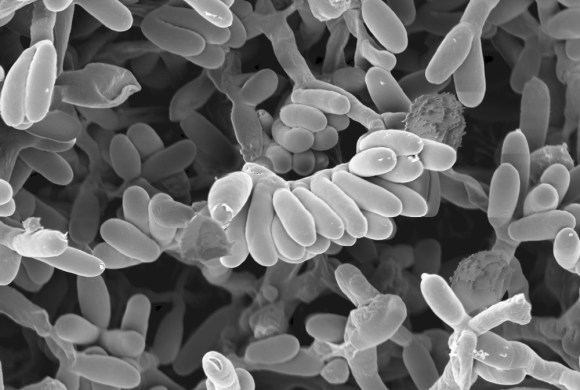
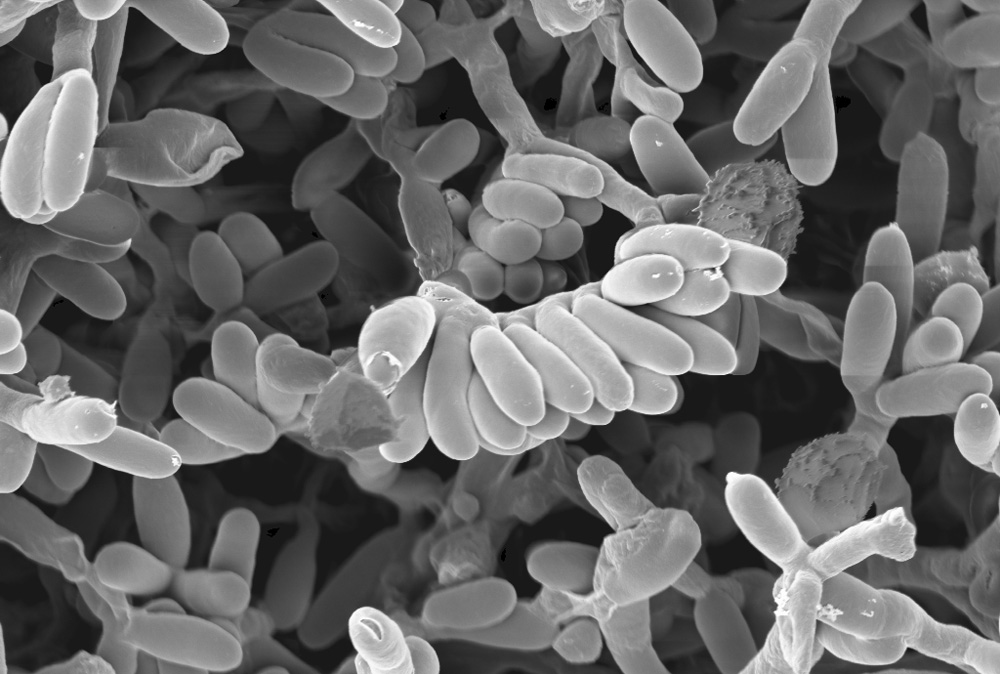
I believe it’s always better to prevent disease than treat it… An article forwarded by a reader prompted this blog about what you can do every day in your home to reduce exposure to disease-causing bacteria, viruses and fungi.

Here is a list of the dirtiest places in your home, and how to clean them up:

Kitchen

Sink – Food particles rinsed off dishes along with moisture create a breeding ground for bacteria like E. coli and salmonella. Your sink should be disinfected at least as well as your toilet bowl and a lot more often!

  • Rinse your sink at least once a day with bleach and water. A spray bottle with 1 part bleach and 9 parts water makes this easy. [Most spray bottles are 1 liter, so pour in 100ml bleach (measurements are usually indicated on the bottle) and fill up with tap water]. Spray generously, leave at least 5 minutes, then rinse.

Dish cloth – food particles also become lodged in your dish cloth and the cloth stays wet for hours (sometimes all day!), creating another ideal growth environment for bacteria that you then spread onto counters and dishes as you wash them.

  • Change to a clean cloth every day and consider spraying with your bleach solution when you clean your sink. I also keep a bucket of bleach and water in the laundry room and toss the dirty cloths in to soak until laundry day.

Dining room

Salt and pepper – Researchers at University of Virginia (2008) tested home surfaces touched by people in early stages of colds and found viruses on 41% of surfaces tested, including all sets of salt and pepper shakers.

  • When wiping the table after a meal (with your clean cloth!) be sure to include the salt and pepper.

  • Wash hands before eating, especially if you’re coming down with something, to prevent spread of germs to yourself and others.

Living room

Remote control – Just think about that one: it’s dropped on the floor, falls between sofa cushions, coughed on, sneezed at… and then you pick it up and use it, sometimes while having that finger-food snack in front of the TV. The study mentioned above showed the remote control was among the germiest household items they found.

  • Wipe regularly with a disinfecting wipe, or a bleach or alcohol solution to prevent spread of germs, especially when someone in the household is sick.

Office

Computer keyboard – Like the remote, keyboards are sneezed on and touched with hands that may be contaminated with bacteria and viruses, especially if shared. Some also eat at the computer, providing more food for bacteria in the form of crumbs. British researchers who swabbed keyboards found E. coli and staphylococcus bacteria. Four out of 33 keyboards tested were declared health hazards and one had 5 times more bacteria than found on the average toilet seat!

  • Wash hands before and after using your computer.

  • Avoid eating at the computer but, if you must, shake out crumbs regularly and/or vacuum with the brush attachment.

  • Wipe the keyboard with alcohol or bleach wipes but avoid anything too wet, which could short out your keyboard.

  • Don’t forget to wipe the mouse too!

Bathroom

Toothbrush – Just think: you use this brush to clean your mouth of excess bacteria and plaque that accumulates in your mouth overnight… I’ll say no more!

  • Replace your toothbrush regularly, especially after an illness.

  • Rinse your brush well and store it where it will dry well after each use.

  • Consider rinsing or spraying with peroxide after use. A small squirt bottle or sprayer works well for this – check the cosmetic department for a suitable empty container.

Toilet – Research found that flushing the toilet can send water droplets into the air as far as 6 feet, and bacteria from droplets can linger in the air for as much as 2 hours, and can be inhaled or land on nearby surfaces (including your toothbrush!).

  • Close the cover of the toilet before flushing.

  • Store toothbrushes where they can air out but away from the toilet.

Tub – Water from bathtubs, especially whirlpool tubs, has be found to contain bacteria and/or fungi. Whirlpools, because their pipes and motor tend to trap water, are especially prone.

  • Clean and disinfect tubs after every use with bleach (home made sprayer, described for kitchen use above, works well!) or bathroom cleaner.

  • Run whirlpool tubs for 30 minutes once a month with hot water containing ½ cup of powdered dishwasher detergent to clean the pipes.

Bedroom

Bed – House dust mites (tiny creatures too small to see with the naked eye) love the dead skin cells that slough off our skin at night and the moisture from our sweat. Millions can be found in older mattresses and pillows, and in our sheets and blankets too. Their feces (that looks like tiny pearls under a microscope) are especially irritating and allergenic when inhaled, and are the source of many chronic allergic reactions.

  • Change old mattresses and pillows, or cover with an allergen-proof cover. If highly allergic, a cover will reduce allergic symptoms even with a newer mattress.

  • If highly allergic, consider vacuuming the mattress when changing the bed.

  • Wash sheets and covers regularly in hot water to kill and remove dust mites.

  • Air out non-washable items like duvets regularly, ideally outdoors in sunshine.

  • Pillows can be washed too – use hot water, as with sheets.

  • Keep humidity low to discourage mite growth. Mites peak in April and October, when temperatures and humidity are ideal for their growth. Asthma and allergies also peak at these times of year!

  • Turn down your bed instead of making it, once or twice a week, or delay making it in the morning to let it dry thoroughly. I’ve always made my bed first thing in the morning – I plan to change this habit!

Of course, you don’t need your home to be sterile! But paying some attention to these potential problem areas may help to prevent the next cold or flu from spreading to everyone in the house… or prevent a minor illness from common bacteria or fungi!

Categories
Health

Do you take daily stomach medicine?

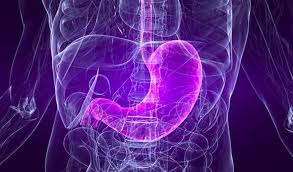
If you have been taking potent acid-suppressing drugs [Losec (Prilosec in USA), Nexxium, Prevacid, Tecta, Dexilant or others] regularly for more than 8 weeks, you should talk to your doctor about whether you should continue taking them. Although indicated long-term for some conditions, recent studies have found that 40 to 55% of people are taking them for no diagnosed reason.

One factor that keeps people on these drugs, known as PPI’s (Proton Pump Inhibitors), is that many experience “rebound hyperacidity”, or increased production of stomach acid, when the medication is stopped. New guidelines have been created to help your doctor advise you how to quit these medications if they are no longer needed.

Although this class of drug has been available for over 25 years and is generally regarded as safe, with some being sold now without prescription, some problems have been associated with long-term daily use:

  • Decreased absorption of some vitamins and minerals (calcium, magnesium, vitamin B12 and possibly iron, and vitamin C) that need stomach acid for absorption.

  • Decreased bone density (due to decreased absorption of calcium) with associated increase in fractures of the wrist, hip and spine.

  • Increased muscle spasms (due to decreased magnesium)

  • Interactions with some drugs (clopidogrel [Plavix, taken to prevent blood clots], high dose methotrexate [used to treat cancer].

  • Increased growth of certain unfavourable bacteria in the digestive system (C. difficile, Traveller’s Diarrhea, Small Intestine Bacterial Overgrowth).

  • Increase risk of developing pneumonia (likely associated with increased bacteria in the digestive system).

“Observational” studies suggest an association of use of PPI drugs with increased cancers of the esophagus and stomach, dementia, chronic kidney disease and heart attacks. Observational studies do not prove the drugs cause these conditions, but they have created some concerns. Although recommended for preventing acid reflux in patients with Barrett’s Esophagus (scar tissue in the esophagus caused by long-term acid reflux, believed to be a precursor for cancer of the esophagus), one study observed increased rates of cancer in patients who took PPI’s daily. Hopefully, future studies will be done to determine whether these drugs are truly a cause of the observed increased risk.

A newly reported study done at University of Southern California has suggested a mechanism for multiple organ damage from acid suppressing drugs. PPI drugs block the pumping mechanism that pumps acids into the stomach but they found these drugs also block similar acid pumps in the tiny enzymatic “garbage disposal” lysosome sacks within other cells in the body, reducing the acid they need to function. This, they propose, allows waste to build up inside cells in the kidney, brain and lining of blood vessels, causing cells to age more quickly and dysfunction. This could explain how drugs designed to dramatically reduce acid in the stomach, could affect other organs. However, more research is needed – so far, this is just a theory.

Meanwhile, many people are taking these drugs for no documented reason and others may do just as well on a lower level acid suppressing drug such as an H2RA or Histamine-2 Receptor Antagonist [the ranitidine (Zantac)/ famotidine (Pepcid) family of drugs] that don’t have these side effects. Non-drug approaches can also be used to reduce acid reflux. These include diet and lifestyle changes, such as:

  • Eat smaller meals and don’t eat late at night

  • Reduce weight (even 5-10% can make a difference)

  • Avoid tight clothing

  • Avoid “trigger” foods and drinks (keep a diary of which foods were eaten before episodes)

  • Ask your pharmacist or doctor to check your medications for any that might be aggravating reflux

The guidelines recommend lowering the daily dose, stopping, switching to “as needed” use, or changing to an H2RA to reduce acid, once a course of 4 to 8 weeks has been completed to heal an ulcer or esophagus damage from heartburn. Note that “rebound hypersecretion” of acid has been reported for up to 2 weeks when long-term PPI drugs are discontinued, that is difficult to distinguish from the original problem. Reducing the dose gradually and introducing non-drug strategies (diet/lifestyle changes) may help reduce symptoms on discontinuation of PPI’s. Click here for Mayo Clinic’s lifestyle recommendations for reflux (GERD or GastroEsophageal Reflux Disease).

The detailed deprescribing guideline recommendations are available here.

Categories
Health

Considering injections for arthritis? Read this!

Injections of steroids into a joint to reduce pain and inflammation from arthritis is a relatively common practice. But this week, I read two studies that questioned this treatment…

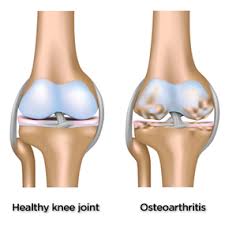
The first study compared knee injections of the steroid, triamcinolone, with saline and the injections were given every 12 weeks for 2 years. Although both groups experienced some pain relief, the difference wasn’t significant. And, the group that received triamcinolone had significantly greater cartilage volume loss than those who were injected with saline. Cartilage forms the natural cushioning layer inside our joints.

This study was published in the Journal of the American Medical Association on May 16, 2017.

The second study was reported in Univadis, a health news service I read every week, and the study was posted on Pubmed, a service of the National Health Institutes in USA. This study compared injections of sodium bicarbonate (baking soda) plus calcium gluconate, with injections of the steroid, methylprednisolone, given into the knee joint monthly for 3 months.

Although both groups showed benefit, the sodium bicarbonate/calcium group showed significantly greater improvement than the group who received the steroid injection. These results build on earlier research showing that bicarbonate/calcium injections were helpful for inflammatory joint disease, published in 2015 in BMC Musculoskeletal Disorders.

Taken together, these studies suggest that steroid injections should no longer be used to treat osteoarthritis, at least in the knee joint. Sodium bicarbonate and calcium gluconate are readily available in injectable form, are relatively inexpensive, and the second study suggests they may offer a beneficial substitute.

Sodium bicarbonate neutralizes acid, producing a more alkaline environment, and calcium acts as a buffer, also reducing acidity. So, in my mind, this begs the question: can osteoarthritis patients benefit from adjusting their diets to provide a more alkaline system? And would this help to reduce joint inflammation? Lots of health sites promote this as fact, but hard science is lacking, perhaps due to lack of funding to run proper studies.

However, the alkaline diet is a healthy one, consisting of whole fruits and vegetables, green juices and salads, beans and nuts. It is a plant-based diet that avoids added sugars, processed foods, excess meat and animal protein, and alcohol, caffeine and artificial sweeteners. Might be worth a try along with your doctor-recommended treatment – it seems highly unlikely a diet such is this could do any harm.

In fact, a diet similar to this is recommended for avoiding other chronic diseases like heart disease and diabetes so, whether or not you have arthritis, I’d recommend shifting your diet to contain more plant-based foods and less added sugar, processed food and animal protein. This brings me back to Michael Pollan’s recommendations I wrote about in an earlier blog:

  • Eat real food

  • Mostly plants, and

  • Not too much!

Simple rules to live by, and easy to follow!

Categories
Health

Other reasons to “have to go"…

Frequent sudden urges to urinate that are difficult to control could be caused by Overactive Bladder Syndrome (OAB), a common condition that occurs increasingly as we age. OAB is not a disease – it’s the name used to refer to a group of non-infectious conditions with different causes that cause a sudden urge to urinate.

Another common bladder problem, called Stress Urinary Incontinence (SUI), involves leakage of urine when sneezing, laughing or doing physical activities. It is a different condition than OAB and is treated differently, but a person can have both stress incontinence and overactive bladder. I’ll discuss both of these conditions in this article… so scroll down if “laughing so hard you peed your pants” is your main complaint!

OVERACTIVE BLADDER SYNDROME (OAB)

OAB is not just a normal part of getting older, part of “being a woman” or, for men, just part of having a prostate problem. If you need to urinate urgently 8 or more times during the day, or 2 or more times during the night, talk to your doctor to determine what may be the cause. Be aware that urinary tract infections and bladder cancer can cause symptoms similar to OAB, and these should be treated as soon as possible. There are effective treatments for OAB, both medicines and non-medical treatments, that can improve your quality of life.

Symptoms of OAB can have several different causes:

  • Excess caffeine or alcohol

  • Incomplete bladder emptying, leaving less room for storage of new urine

  • Nerve disorders, such as stroke or multiple sclerosis, that affect nerve signals to the bladder

  • Diabetes, which also can cause damage to nerves

  • Mobility disorders, that make it more difficult to get to the bathroom quickly enough

  • Medications that cause a rapid increase in urine production or require high fluid intake

  • Abnormalities in the bladder, such as tumors or bladder stones

  • The specific cause may be unknown

Diagnosis:

  • A bladder diary kept for a few days before your doctor’s appointment, with the number of times you need to urinate, any urine leakage, amount and timing of fluid intake and timing of any medications you take can be helpful

  • A scan may be done or a small tube called a catheter may be inserted to determine if any residual urine remains in the bladder after urinating.

  • A urine culture may be done to ensure your symptoms are not being caused by a treatable infection.

  • A scope may be performed to eliminate other causes.

TREATMENTS

Lifestyle changes (Behaviour therapy):

  • Limit intake of food and drinks that you find irritate the bladder

    • E.g. coffee, tea, artificial sweeteners, caffeine, alcohol, carbonated drinks, citrus fruit, tomatoes, chocolate, spicy foods

  • Keeping a bladder diary for a few days may help you determine contributing causes (foods, activities, etc)

  • Double voiding

    • After urinating, wait a few seconds, relax and try again. This may be helpful if you have trouble emptying your bladder completely.

  • Delayed voiding

    • This involves waiting a few minutes before urinating, and gradually increasing the time to train the bladder to delay emptying. Check with your healthcare provider before trying this strategy, as it may not be helpful with some types of OAB.

  • Scheduled voiding

    • This involves urinating on a schedule instead of waiting until you feel the urge.

  • Exercises to relax your bladder muscle

    • These are sometimes called “quick flicks” – quickly squeezing and releasing the pelvic floor muscles (the muscles you use to hold urine in) can send a message to your nervous system and back to your bladder to stop squeezing and relax. Keeping still, relaxing and concentrating on the “quick flicks” can help the relaxation of the bladder.

  • If you have urine leakage, specialized absorbent products are available that also control odor, allowing you to participate in activities that could cause problems for you.

  • If you are overweight, losing weight may reduce symptoms

  • Excessive fluid restriction may cause urine to become concentrated and irritating to the lining of the bladder, increasing the urge to urinate.

  • Strengthening the pelvic floor muscles by doing Kegel exercises may be helpful. Click here for a description of how to do this exercise.

Medical and surgical treatments:

There are several prescription drugs available to relax the bladder muscle, and prevent it from contracting when the bladder isn’t full. These may be considered when lifestyle changes do not control the problem adequately. Common side effects include dry mouth and eyes, constipation, drowsiness and blurred vision. They are available as tablets and capsules taken by mouth, or as a gel or patch to deliver medication through the skin.

If medications don’t help, injections to partially paralyze the bladder muscle or stimulation of the sacral nerve that controls the bladder may be tried. These treatments would be performed by a specialist.

STRESS URINARY INCONTINENCE (SUI)

Stress incontinence is loss of urine due to physical movement or activities – such as coughing, sneezing, running, or heavy lifting – that put pressure or stress on your bladder. It occurs when muscles and tissues that support the bladder and the muscles that regulate the release of urine (urinary sphincter) weaken.

Risk factors include:

  • Childbirth in women, particularly forceps delivery, and hysterectomy

  • Prostate surgery in men

  • Age – muscles generally weaken as you age, but SUI is not considered a normal part of aging. It can occur at any age.

  • Body weight – being significantly overweight can increase pressure on the abdominal organs, including the bladder

  • Illness or smoking can increase coughing, worsening stress incontinence

Treatment strategies:

  • Pelvic floor muscle (Kegel) exercises (click here for a description)

  • Fluid consumption – adjusting the amount and timing of fluid intake may help, but avoid dehydration. Avoiding alcohol and caffeine is of questionable benefit.

  • Healthy changes – quitting smoking, losing extra weight, or treating a chronic cough may improve symptoms

  • Bladder training or scheduled urinating may be helpful, especially before activity.

Medications:

There are no approved medications specifically for stress incontinence, but estrogen replacement (often given as a vaginal cream, suppository or ring when being used for urinary or vaginal problems) can help some post-menopausal women by improving the health of these estrogen-responsive tissues. The medication, desmopressin, given as a nasal spray, blocks the production of urine and is sometimes used to reduce the need to urinate at night.

Surgical treatments:

  • Sling procedure – a strip of tissue or tape is surgically placed under the urethra for support

  • Bladder neck suspension – designed to lift the bladder and support it. Can be performed laparoscopically, with instruments inserted through small incisions in the abdomen.

You can read more about these medications and procedures here.

References:

Categories
Health

Other reasons to “have to go”…

Frequent sudden urges to urinate that are difficult to control could be caused by Overactive Bladder Syndrome (OAB), a common condition that occurs increasingly as we age. OAB is not a disease – it’s the name used to refer to a group of non-infectious conditions with different causes that cause a sudden urge to urinate.

Another common bladder problem, called Stress Urinary Incontinence (SUI), involves leakage of urine when sneezing, laughing or doing physical activities. It is a different condition than OAB and is treated differently, but a person can have both stress incontinence and overactive bladder. I’ll discuss both of these conditions in this article… so scroll down if “laughing so hard you peed your pants” is your main complaint!

OVERACTIVE BLADDER SYNDROME (OAB)

OAB is not just a normal part of getting older, part of “being a woman” or, for men, just part of having a prostate problem. If you need to urinate urgently 8 or more times during the day, or 2 or more times during the night, talk to your doctor to determine what may be the cause. Be aware that urinary tract infections and bladder cancer can cause symptoms similar to OAB, and these should be treated as soon as possible. There are effective treatments for OAB, both medicines and non-medical treatments, that can improve your quality of life.

Symptoms of OAB can have several different causes:

  • Excess caffeine or alcohol
  • Incomplete bladder emptying, leaving less room for storage of new urine
  • Nerve disorders, such as stroke or multiple sclerosis, that affect nerve signals to the bladder
  • Diabetes, which also can cause damage to nerves
  • Mobility disorders, that make it more difficult to get to the bathroom quickly enough
  • Medications that cause a rapid increase in urine production or require high fluid intake
  • Abnormalities in the bladder, such as tumors or bladder stones
  • The specific cause may be unknown

Diagnosis:

  • A bladder diary kept for a few days before your doctor’s appointment, with the number of times you need to urinate, any urine leakage, amount and timing of fluid intake and timing of any medications you take can be helpful
  • A scan may be done or a small tube called a catheter may be inserted to determine if any residual urine remains in the bladder after urinating.
  • A urine culture may be done to ensure your symptoms are not being caused by a treatable infection.
  • A scope may be performed to eliminate other causes.

TREATMENTS

Lifestyle changes (Behaviour therapy):

  • Limit intake of food and drinks that you find irritate the bladder
  • E.g. coffee, tea, artificial sweeteners, caffeine, alcohol, carbonated drinks, citrus fruit, tomatoes, chocolate, spicy foods
  • Keeping a bladder diary for a few days may help you determine contributing causes (foods, activities, etc)
  • Double voiding
  • After urinating, wait a few seconds, relax and try again. This may be helpful if you have trouble emptying your bladder completely.
  • Delayed voiding
  • This involves waiting a few minutes before urinating, and gradually increasing the time to train the bladder to delay emptying. Check with your healthcare provider before trying this strategy, as it may not be helpful with some types of OAB.
  • Scheduled voiding
  • This involves urinating on a schedule instead of waiting until you feel the urge.
  • Exercises to relax your bladder muscle
  • These are sometimes called “quick flicks” – quickly squeezing and releasing the pelvic floor muscles (the muscles you use to hold urine in) can send a message to your nervous system and back to your bladder to stop squeezing and relax. Keeping still, relaxing and concentrating on the “quick flicks” can help the relaxation of the bladder.
  • If you have urine leakage, specialized absorbent products are available that also control odor, allowing you to participate in activities that could cause problems for you.
  • If you are overweight, losing weight may reduce symptoms
  • Excessive fluid restriction may cause urine to become concentrated and irritating to the lining of the bladder, increasing the urge to urinate.
  • Strengthening the pelvic floor muscles by doing Kegel exercises may be helpful. Click here for a description of how to do this exercise.

Medical and surgical treatments:

There are several prescription drugs available to relax the bladder muscle, and prevent it from contracting when the bladder isn’t full. These may be considered when lifestyle changes do not control the problem adequately. Common side effects include dry mouth and eyes, constipation, drowsiness and blurred vision. They are available as tablets and capsules taken by mouth, or as a gel or patch to deliver medication through the skin.

If medications don’t help, injections to partially paralyze the bladder muscle or stimulation of the sacral nerve that controls the bladder may be tried. These treatments would be performed by a specialist.

STRESS URINARY INCONTINENCE (SUI)

Stress incontinence is loss of urine due to physical movement or activities – such as coughing, sneezing, running, or heavy lifting – that put pressure or stress on your bladder. It occurs when muscles and tissues that support the bladder and the muscles that regulate the release of urine (urinary sphincter) weaken.

Risk factors include:

  • Childbirth in women, particularly forceps delivery, and hysterectomy
  • Prostate surgery in men
  • Age – muscles generally weaken as you age, but SUI is not considered a normal part of aging. It can occur at any age.
  • Body weight – being significantly overweight can increase pressure on the abdominal organs, including the bladder
  • Illness or smoking can increase coughing, worsening stress incontinence

Treatment strategies:

  • Pelvic floor muscle (Kegel) exercises (click here for a description)
  • Fluid consumption – adjusting the amount and timing of fluid intake may help, but avoid dehydration. Avoiding alcohol and caffeine is of questionable benefit.
  • Healthy changes – quitting smoking, losing extra weight, or treating a chronic cough may improve symptoms
  • Bladder training or scheduled urinating may be helpful, especially before activity.

Medications:

There are no approved medications specifically for stress incontinence, but estrogen replacement (often given as a vaginal cream, suppository or ring when being used for urinary or vaginal problems) can help some post-menopausal women by improving the health of these estrogen-responsive tissues. The medication, desmopressin, given as a nasal spray, blocks the production of urine and is sometimes used to reduce the need to urinate at night.

Surgical treatments:

  • Sling procedure – a strip of tissue or tape is surgically placed under the urethra for support
  • Bladder neck suspension – designed to lift the bladder and support it. Can be performed laparoscopically, with instruments inserted through small incisions in the abdomen.

You can read more about these medications and procedures here.

References:

#Overactivebladder #Stressincontinence #Incontinence #Urineleak

Categories
Health

Have to pee a lot?

You may have a condition called Interstitial Cystitis (IC), also known as Painful Bladder Syndrome (PBS), Bladder Pain Syndrome (BPS) or chronic pelvic pain…

Interstitial Cystitis, often referred to as IC, is a chronic condition that is associated with recurring pelvic pain, pressure or discomfort in the bladder and pelvic area. Most people with IC also have urinary frequency (needing to go often) and urgency (feeling a strong need to go).

IC affects 4 to 12 million people in USA. It is 4 times more common in women and more frequently diagnosed in those over age 30, but can also affect men and children. Having fair skin and red hair, or being diagnosed with another chronic pain disorder (like irritable bowel syndrome or fibromyalgia) have been associated with a greater risk of developing IC.

Although symptoms often feel like a bladder infection, no infection is present. The cause in unknown, but is thought to be associated with the nervous or immune systems – possibly an autoimmune reaction, heredity, previous infection or allergy.

IC is associated with a defect in the lining of the bladder that allows irritating substances in urine to leak into the bladder wall, but it is not known whether this is a cause or an effect of IC.

No cure is available, but there are several treatments that can give relief. Some treatments work better than others in different individuals, and some believe this is due to the existence of different subtypes of IC. 90% have non-ulcerative IC, with pinpoint hemorrhages in the endometrium, or lining of the bladder, known as “glomerulations” (also present in any inflammation of the bladder), and 5 to 10% have ulcerative IC with red, bleeding areas on the bladder wall known as “Hunner’s Ulcers”.

TREATMENTS

  • Physical therapy may help relieve pain or muscle abnormalities of the pelvic floor muscles that support the bladder.

  • Non-steroidal anti-inflammatory drugs (NSAIDS), such as ibuprofen (Advil, Motrin) or naproxen sodium (Aleve) can relieve pain.

  • Tricyclic antidepressants, such as amitriptyline (Elavil) or imipramine (Tofranil), can help relax the bladder and block pain.

  • Antihistamines, such as loratadine (Claritin) or cetirizine (Reactine), may reduce urgency and frequency, and other symptoms.

  • Pentosan polysulfate sodium (Elmiron) is a prescription drug approved specifically for treating IC. Exactly how it works is unknown, but it may restore the inner surface of the bladder, protecting the bladder wall from irritating substances in urine. It can take 2 to 4 months for pain relief and up to 6 months to reduce urinary frequency.

  • TENS (transcutaneous electrical nerve stimulation) is a small portable device that delivers mild electrical pulses. It can relieve pain, strengthen muscles that support and control the bladder, and may increase blood flow to the bladder. In some cases, it can reduce urinary frequency.

  • Sacral nerve stimulation is achieved by placing a thin wire near the sacral nerves between the spinal cord and the bladder to deliver mild electrical impulses. The sacral nerves control the bladder and stimulating them will sometimes reduce urgency associated with IC. If successful, a permanent device can be implanted.

  • Bladder distension – Stretching the bladder by inserting a catheter (a thin flexible tube) into the bladder through the urethra (the opening through which urination occurs) and filling the bladder with water can give some people temporary improvement in symptoms. This procedure is called a bladder instillation, and can be repeated, as necessary.

    • Other solutions can also be instilled, such as DMSO (dimethyl sulfoxide or brand name Rimso-50), or a sterile solution containing lidocaine (an anesthetic), sodium bicarbonate (baking soda) and pentosan or heparin.

ALTERNATIVE MEDICINE

Two alternative therapies have shown promise in treating IC:

  • Guided imagery – uses visualization and direct suggestions using imagery to help imagine healing, encouraging the mind to help direct the immune system.

  • Acupuncture – several thin needles are placed in the skin at specific points to relieve pain. Chinese medicine describes acupuncture as rebalancing the flow of life energy, while western medical practitioners believe it boosts release and activity of endorphins, the body’s natural painkillers.

If you are experiencing symptoms that suggest you may have IC, see your doctor for an assessment. Keep a bladder diary for a few days before your appointment to record:

  • your symptoms

  • how often you urinate

  • what kinds of fluid you drink

  • any medications or supplements you take

Interstitial cystitis is a debilitating condition that can negatively affect a person’s quality of life. Although no cure has yet been found, there are several different treatments that can reduce your symptoms and make this condition more manageable.

References: www.mayoclinic.org ; www.ichelp.org

Categories
Health

Chocolate lovers alert!

For years, we’ve been reading articles that suggest chocolate has a healthy side. It seems that the evidence is growing from studies around the world…

In Japan

A Japanese study followed diets of over 84,000 healthy men and women ages 44-76 for approximately 13 years. It found that regular chocolate consumption reduced risk of stroke overall by about 10% (when adjusted for other factors that influence stroke risk).

But, the risk for stroke was reduced more in women than in men, with 16% lower risk of stroke compared to a non-significant 6% reduction in men. Researchers could not explain the reason for this difference, and recommended further research to explain their findings.

In Sweden

Another study, done in Sweden, followed 37,000 men for about 10 years. These researchers found that regular high chocolate consumption (approximately 62 grams per week) was associated with a 17% lower risk of stroke, compared to no chocolate consumption.

A “meta-analysis” combining data from 5 similar studies, also conducted in Sweden, found a 19% reduced risk of stroke between those with the highest and lowest chocolate intakes. This group also identified a 13% reduction in myocardial infarction (heart attack) in those who consumed 3 to 4 servings or more per week of chocolate.

In USA

The Physicians’ Health Study followed 20,000 men, average age 66 years, for about 9 years. Their data suggested that moderate chocolate consumption might be associated with a lower risk of heart failure, with the reduction for eating chocolate 1-3 times a week being slightly better than 5 or more times per week. Improvement with chocolate held for those with lower body weight (BMI less than 25) but not for those who were heavier.

When chocolate intake is compared to diabetes risk, I would not have expected any benefit, since chocolate is sweet and sold as candy. However, I was surprised to read that the Physicians’ Health Study found the opposite: among those with a healthy weight and without a history of heart disease, intake of chocolate twice weekly or more (amount not indicated) reduced the risk of developing diabetes by 17%. They indicated that this correlation only applied in younger men of normal weight, after adjusting the numbers for lifestyle and total energy consumption. Sounds like the extra calories in the chocolate outweigh the benefits, once a person has diabetes or is overweight…

As an aside, I was astounded that many of these studies included only men… and therefore truly only apply to half the population. However, given that the first study I discussed found better results for women who consumed chocolate, it seems likely that the results of the other studies would apply to women as well.

The reductions in risk were not huge numbers but, the way I look at it, if you have a healthy lifestyle and diet, a little chocolate from time to time is a nice treat that won’t harm your health and might actually reduce your risk of heart disease, stroke and even diabetes!

So, go ahead and enjoy a modest amount of chocolate 2 or 3 times a week as part of a healthy diet, and don’t feel guilty… (but better to avoid it if you have diabetes or are working to reach a healthier weight).

References: Atherosclerosis, 2017 Mar 4;260:8-12

Neurology 2012 Sep 18;79(12):1223-9

Am J Clin Nutr 2015 Feb;101(2):312-7

Eur J Heart Fail 2014 Dec;16(12):1372-6

Categories
Health

Could diabetes cause Alzheimer’s?

Diabetes increases your risk of heart disease, stroke, and damage to blood vessels and nerves, but did you know that studies suggest it may also increase your risk of eventually developing Alzheimer’s disease and other forms of dementia?

And the damage to your brain may even start before you have diabetes…

Type 2 diabetes begins with spikes in levels of sugar in the blood, which trigger your body to produce higher amounts of insulin to process this sugar. At first the higher amounts of insulin can reduce blood sugar to normal (this stage is referred to as pre-diabetes) but eventually, as your body becomes increasingly resistant to the effect of insulin, blood sugar can no longer be controlled at normal levels, and you are diagnosed with diabetes.

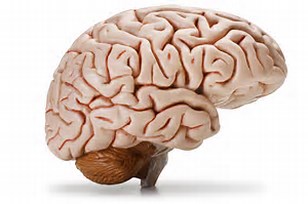
Research is suggesting that these increased levels of insulin begin the process of damaging the inside of blood vessels and, in the brain, also stimulate formation of toxic proteins that damage brain cells. Researchers have discovered that the same protein that is formed in Alzheimer’s patients’ brains, is found in the brains of people with type 2 diabetes (T2D). T2D patients often experience a sharp decline in cognitive function and almost 70% of them eventually develop signs of Alzheimer’s or another dementia, according to http://www.alzheimers.net.

Melissa Schilling, professor at NYU, suggests that all patients with dementia or who are at risk of developing dementia should be tested for hyperinsulinemia (high insulin in the blood). She suggests that high insulin could be responsible for almost half of all cases of dementia. However, she recommends that further research needs to be done to verify her arguments and implications for treating Alzheimer’s. Her article: Unraveling Alzheimer’s: Making Sense of the Relationship between Diabetes and Alzheimer’s Disease was published in the Journal of Alzheimer’s disease in Jan 2016. Click here for the full text.

Research points to the protein, amylin, that is co-secreted with insulin and, along with the beta-amyloid protein, it is thought to be important in the formation of amyloid plaques found in the brains of Alzheimer’s patients.

Another possibly important factor, may be levels of insulin-degrading enzyme (IDE), the enzyme that breaks down insulin, reducing levels once it’s finished its job. The presence of insulin stimulates increased activity of IDE, the enzyme that breaks down insulin. Lower insulin leads to less activity of this enzyme. IDE also breaks down amyloid proteins, but it favours breakdown of insulin.

It may be an imbalance between IDE, insulin and amyloid-beta production that ultimately is shown to be a major cause of dementia. Here are 4 suggested scenarios:

  • Severe lack of insulin (as in type 1, insulin dependant diabetes), could lead to less IDE activity, and subsequent decrease in breakdown of amyloid proteins that create plaques in the brains of dementia patients.
  • Lack of production of IDE itself would lead to increased levels of both insulin and beta-amyloid
  • Excessively high levels of insulin (and amylin, secreted along with it) in early stages of type 2 diabetes could lead to competition for insulin-degrading enzyme between insulin and amyloid. Since the enzyme favours insulin, this would result in less breakdown of amyloid and increased amounts available for formation of plaque in the brain
  • An individual could produce higher than normal amounts of amyloid proteins that outpace the ability of IDE to break it down.

You can see how both a lack of insulin and too much insulin could be a cause of dementias. Too little insulin-degrading enzyme or increased production of amyloid proteins could cause problems in people with normal production of insulin. These confusing scenarios could explain why researchers have not yet determined the causal relationship between diabetes and Alzheimer’s, despite reporting on the connection as far back as 2003!

This type of research is especially important, as the drugs currently available to treat Alzheimer’s offer only small improvements in symptoms and do not stop the progression of the disease, in spite of their high cost.

So, ask your doctor to screen for early signs of diabetes and aggressively treat it when discovered to keep your insulin levels in the normal range. Eat a healthy diet and exercise regularly, as these are also known to lower the risk of developing diabetes. It seems likely that these strategies will lower your chances of developing dementia years down the road.

References: MayoClinic.org; Alzheimers.net

#Alzheimers #Diabetes

Categories
Health

Could diabetes cause Alzheimer's?

Diabetes increases your risk of heart disease, stroke, and damage to blood vessels and nerves, but did you know that studies suggest it may also increase your risk of eventually developing Alzheimer’s disease and other forms of dementia?

And the damage to your brain may even start before you have diabetes…

Type 2 diabetes begins with spikes in levels of sugar in the blood, which trigger your body to produce higher amounts of insulin to process this sugar. At first the higher amounts of insulin can reduce blood sugar to normal (this stage is referred to as pre-diabetes) but eventually, as your body becomes increasingly resistant to the effect of insulin, blood sugar can no longer be controlled at normal levels, and you are diagnosed with diabetes.

Research is suggesting that these increased levels of insulin begin the process of damaging the inside of blood vessels and, in the brain, also stimulate formation of toxic proteins that damage brain cells. Researchers have discovered that the same protein that is formed in Alzheimer’s patients’ brains, is found in the brains of people with type 2 diabetes (T2D). T2D patients often experience a sharp decline in cognitive function and almost 70% of them eventually develop signs of Alzheimer’s or another dementia, according to http://www.alzheimers.net.

Melissa Schilling, professor at NYU, suggests that all patients with dementia or who are at risk of developing dementia should be tested for hyperinsulinemia (high insulin in the blood). She suggests that high insulin could be responsible for almost half of all cases of dementia. However, she recommends that further research needs to be done to verify her arguments and implications for treating Alzheimer’s. Her article: Unraveling Alzheimer’s: Making Sense of the Relationship between Diabetes and Alzheimer’s Disease was published in the Journal of Alzheimer’s disease in Jan 2016. Click here for the full text.

Research points to the protein, amylin, that is co-secreted with insulin and, along with the beta-amyloid protein, it is thought to be important in the formation of amyloid plaques found in the brains of Alzheimer’s patients.

Another possibly important factor, may be levels of insulin-degrading enzyme (IDE), the enzyme that breaks down insulin, reducing levels once it’s finished its job. The presence of insulin stimulates increased activity of IDE, the enzyme that breaks down insulin. Lower insulin leads to less activity of this enzyme. IDE also breaks down amyloid proteins, but it favours breakdown of insulin.

It may be an imbalance between IDE, insulin and amyloid-beta production that ultimately is shown to be a major cause of dementia. Here are 4 suggested scenarios:

  • Severe lack of insulin (as in type 1, insulin dependant diabetes), could lead to less IDE activity, and subsequent decrease in breakdown of amyloid proteins that create plaques in the brains of dementia patients.

  • Lack of production of IDE itself would lead to increased levels of both insulin and beta-amyloid

  • Excessively high levels of insulin (and amylin, secreted along with it) in early stages of type 2 diabetes could lead to competition for insulin-degrading enzyme between insulin and amyloid. Since the enzyme favours insulin, this would result in less breakdown of amyloid and increased amounts available for formation of plaque in the brain

  • An individual could produce higher than normal amounts of amyloid proteins that outpace the ability of IDE to break it down.

You can see how both a lack of insulin and too much insulin could be a cause of dementias. Too little insulin-degrading enzyme or increased production of amyloid proteins could cause problems in people with normal production of insulin. These confusing scenarios could explain why researchers have not yet determined the causal relationship between diabetes and Alzheimer’s, despite reporting on the connection as far back as 2003!

This type of research is especially important, as the drugs currently available to treat Alzheimer’s offer only small improvements in symptoms and do not stop the progression of the disease, in spite of their high cost.

So, ask your doctor to screen for early signs of diabetes and aggressively treat it when discovered to keep your insulin levels in the normal range. Eat a healthy diet and exercise regularly, as these are also known to lower the risk of developing diabetes. It seems likely that these strategies will lower your chances of developing dementia years down the road.

References: MayoClinic.org; Alzheimers.net