Categories
Menopause

Hot flashes, heart attacks and memory loss: is there a connection?

This week I read about a study that linked a history of hot flashes to increased risk for heart disease and decline in brain function. But, to me, this seemed like a strange announcement.

It certainly doesn’t make sense that feeling hot and sweaty could directly increase a person’s risk of heart problems or chances of losing the ability to think and remember. We get hot and sweaty when we exercise, but all experts assure us that exercise lowers the risk for many types of chronic disease, including heart disease.

Presumably, if they’re seeing an association between hot flashes and heart/brain diseases, there must be a common factor that increases the risk of both – in other words, some underlying factor that causes hot flashes must also put you at risk for heart and brain disease.

It surprises me, though, that the researchers paused at such an early phase of their research and made a big, exciting announcement since it doesn’t tell us what the underlying cause is or what we should change to lower the risk. It’s as though they didn’t finish their project… Hopefully, this research isn’t suggesting that simply treating hot flashes could lower risk of heart and brain diseases!

I believe we should find and treat the cause of health problems whenever possible, rather than just trying to erase the symptoms. My interpretation of this new information is that there must be some factor that increases both hot flashes, and the risk of heart and brain diseases. So, what could this be?

Well, I studied every bit of information I could find about hormones for over 10 years so let me share some thoughts of what I think might (or might not) explain this association:

  1. Diet – We know that eating a plant-based diet can help reduce hot flashes. Many plant foods contain weak estrogen-like hormones and these can be a mild substitute for our own hormones when they are low, and can block some of the action of our hormones when they are too high. This helps to “even out” our hormone levels. Hot flashes occur when our estrogen levels are dropping so smoothing out the effects of estrogen can help reduce hot flashes and other menopause and peri-menopause symptoms. Eating more vegetables, fruit, and other plant-based foods is also recommended to reduce the risk of heart disease (and many other health problems).

  2. Exercise – Being inactive is a well-established risk factor for heart disease (in fact, as I write this, my hubby is at his cardio rehab program, being put through the paces on several different exercise machines!) but what about hot flashes? A small study (with only 21 women) suggests that regular, more intense workouts that make you sweat can reduce the intensity and frequency of hot flashes. But hot flashes can also be triggered by stress and exercise can help prevent this trigger by lowering stress hormones. Some exercises, like yoga and tai chi, also help reduce your response to stress by inducing a state of relaxation where lower amounts of stress hormones are produced. So, certain types of exercise can help avoid both hot flashes and heart disease.

  3. Smoking – Smoking is an established risk factor for heart disease. But does it also increase hot flashes? Yes. And can quitting smoking help? Also, yes. Women who smoke have more frequent and severe hot flashes. Quitting reduces these but former smokers will still have more than women who never smoked.

  4. Alcohol? – I don’t think so. Consuming a small amount of alcohol has been shown to slightly reduce risk of heart disease, probably by inducing relaxation and relieving stress (Interheart Study). However, alcohol generally increases the chance of having hot flashes, so this would not be a common factor. Alcohol slows the breakdown of estrogens, allowing them to build up in the bloodstream. When the alcohol is cleared from the system a few hours after that nice glass of red wine, estrogen will then be metabolized more quickly, bringing on a hot flash (often interrupting sleep after a drink in the evening).

  5. Body weight? – Having too many extra inches, especially around the waist (an “apple” shape), is associated with increased risk of heart disease compared to a “pear” shape where more weight is carried on the hips. The ratio of waist to hip measurements is considered more important than the actual body weight – if the waist measurement divided by the hip measurement is greater than 0.85 for women or 1 for men (or thereabouts, depending on which reference you read), you are at greater risk of heart disease regardless of what the actual measurements are. However, fatty tissue produces a small amount of estrogen by conversion from other hormones so, having a little extra weight at menopause time may mean you have fewer hot flashes since you have a consistent (if small) supply of estrogen from an alternative source. Perhaps this is why Mother Nature tends to make it so easy to gain a few pounds at mid-life! However, adding an extra 10 pounds or so is thought to increase your resilience to illness as you age, so perhaps it’s not a bad thing…

So, I guess I’ll be watching to see how these researchers continue their studies and, hopefully, they will eventually provide some practical recommendations. I wonder whether the connection might turn out to be diet, exercise or being a non-smoker (or all 3!), as I suspect… At any rate, this research gives another reason to work at having a healthy lifestyle!

References:

Hot flashes connected to heart attacks and cognitive decline – CNN

Exercise May Ease Hot Flashes – NY Times

Waist to Hip Ratio – Wikipedia

Does quitting smoking decrease the risk of mid-life hot flashes?

Perimenopause: The Ovary’s Frustrating Grand Finale (a discussion of hormone levels during the menopause change)

Categories
Health Menopause

Mid-life Memory Problems – Part 3

Brain “overload”

One factor that is problematic for our generation, is the level of information and distraction we are exposed to every day. Advertisements compete for our attention constantly – advertisers are expert at stealing our focus from what it is we want to accomplish.

We know that to remember something, we need to pay attention, take the information in, process it and store it properly. Studies have shown that multitasking, doing two or more things at once, takes longer than doing each separately. The brain can only focus on one thing at a time and switching between tasks wastes time as we refocus on the new activity.

At least some of the large companies that have been so successful at grabbing our attention, like Facebook, Instagram and Amazon, are realizing the damage they are doing and have started to talk about changing their strategies. Both have recently rolled out programs to meter your time on their platforms to enable us to regain some control.

So, if you want to remember something, turn off the social media and its advertising, give it your full attention and only take on one task at a time.

Medications

Sleeping pills and tranquilizers are known to decrease memory and can even cause periods of amnesia in some people. While this may be due to the drowsiness they cause, slowing brain function, it could also be because of the receptors for messaging chemicals (or neurotransmitters) that they block in the brain.

Receptor blocking is thought to be the problem with anticholinergic drugs that can cause marked memory decrease in some people. These drugs block the neurotransmitter, acetylcholine, from doing its work in the hippocampus memory center, either as their mode of action or as a side effect. Anti-nausea drugs, antihistamines and some anti-depressants have this anticholinergic effect; the more drowsiness the drug causes, generally the greater the anticholinergic effect it has.

Beta-blockers, a class of drugs used for blood pressure and after a heart attack, can also reduce memory, as can some stomach drugs, in particular, Zantac and Pepcid.

Corticosteroids such as prednisone, which mimic our cortisol, can decrease memory by the same mechanism that high natural cortisol levels can when we have a lot of stress, as described in last week’s blog.

And chemotherapy can cause a general brain fogginess, due to its toxicity, that is nicknamed “chemo brain” by some patients.

Diseases and medical conditions

Lastly, some medical conditions can reduce brain function. Weight loss, where sugar intake is reduced, results in a decreased supply of the brain’s favourite food.

Lyme Disease, caused by a bacterium that is carried by infected ticks, can eventually affect brain function and memory if the initial infection is not detected and treated.

Insulin resistance is a condition where the body becomes insensitive to insulin, requiring higher amounts to be released into the blood to move blood sugar into muscle and storage sites. It is present in people with Type 2 diabetes (adult onset) and pre-diabetes. Researchers have found a strong association between people with insulin resistance, those with declining memory, and risk of developing Alzheimer’s disease.

Minimal Traumatic Brain Injury

Next, we know that concussions cause brain damage, but minimally traumatic brain injuries can cause problems too, especially if repeated. These are bumps or sudden direction changes that don’t cause loss of conscience but are still traumatic enough to create microscopic tears and bleeding in the brain. Sometimes the results of this damage only show as headaches or dizziness but can return in mid-life, as memory loss.

How can you know if it’s more than just “age”?

Doctors will often use a simple test, called the Mini Mental State Exam (MMSE) to evaluate brain function. It consists of 30 questions that assess language, orientation, calculation, attention, recall and visuospatial function (the ability to analyze space and visual forms). However, the test is really geared to detect people with overt dementia. It isn’t sensitive enough to detect early stages of a dementia like Alzheimer’s. A person with high mental functioning can drop to normal – a serious change for them – but still test out as having nothing wrong, especially when the various test results are totalled and averaged.

Specialized centers, however, can conduct in-depth memory and brain function tests that can detect changes in individual areas of the brain by testing the memory and cognitive functions specific to each area of the brain. These tests are expensive and time-consuming, however, and are not commonly done.

Generally, though, you don’t need to worry if you’ve just misplaced your keys or lose your train of thought occasionally. Being unable to find your way home when doing errands, for example, is likely to suggest a more serious problem. However, if you notice a dramatic change in your memory or ability to accomplish daily tasks, it’s reason to have a discussion with your doctor.

I hope this series of articles has given you some ideas for changes you could make to improve your memory or perhaps has helped you detect an underlying cause of your forgetfulness!

References:

Finding it hard to focus? New York Times

Insulin Resistance May Boost Risk of Memory Loss

Categories
Menopause

Vaginal Dryness…Ouch!

Vaginal dryness, part of a condition known as Vulvovaginal atrophy (VVA), is a common and progressive problem that can affect the health and quality of life of many post-menopausal women.

Vaginal tissues require estrogen – as estrogen levels decline after menopause, women can experience dryness, itching, irritation, soreness, and pain during sex and afterward. They may also have associated urinary problems, needing to go frequently or urgently. Almost 50% of women will experience these symptoms, but often don’t discuss them their physician because they may feel the symptoms are not important enough or are too embarrassed to bring up the subject.

As the vaginal lining thins, fewer cells are shed from the surface, leading to lower production of lactic acid and higher pH (or less acidic environment). This decrease in acidity can make women more vulnerable to bacterial infection.

As well, decreased estrogen results in less vaginal blood flow and a decrease in vaginal lubrication. Muscles also respond to estrogen including those that support the bladder and uterus, so low estrogen can result in decreased support in the pelvic floor. Several effects of low estrogen can lead to a variety of vaginal problem for women.

What can women do if this happens? Well, depending on the severity of symptoms, there are several options…

If the main symptom is mild vaginal dryness, a basic sterile lubricant can be helpful – KY Jelly is one brand name, and many generics are available. This can be very effective if the main problem is discomfort during sex, and can simply be applied by either partner as needed.

The next “step” up, is an adhesive lubricant, such as Replens. This moisturizer is designed to adhere to the lining of the vagina, staying there for 2 to 3 days, providing ongoing moisture and lubrication. It’s designed to be inserted with the provided applicator 2 to 3 times a week.

If neither of these options are sufficient, or if there are associated urinary problems, then it makes sense to discuss the possibility of replacing estrogen with your doctor to help these tissues become healthier. But there are different choices when it comes to estrogen replacement too…

Some estrogens have stronger action in the body than others, and estrogen replacements come in different forms and milligram strengths. If the only problems are in the vaginal area, it makes sense to just replace estrogen in that area. Using a suppository or inserting a cream into the vagina would be preferred to taking an estrogen tablet by mouth or using an estrogen patch, where estrogen would be supplied to the entire body.

Of course, estrogen stimulates the growth of many cells in the body, not just the ones in the vagina. This group of hormones attaches to receptors and stimulates growth of cells in the breast, uterus, bone, skin, hair, muscles, brain and blood vessels – almost every part of the body.

There are 3 main estrogens in the body: estriol, estradiol and estrone, and the actions of these are not all the same throughout the body.

Estradiol is considered the main and most active form of estrogen, and it’s produced by the ovaries as the egg develops and after it is released at ovulation. It’s the estrogen used in most supplements.

Estrone is thought to be a less favourable form of estrogen, as it is more readily stored and can be converted into more active estrogen later. Estrone and estradiol can be converted back and forth, and estradiol that is swallowed is mostly converted to estrone before it reaches the circulation. After menopause, estrone becomes the dominant estrogen and is created by conversion of male hormones produced in the ovaries and adrenal glands by enzymes in fat and muscle.

Estriol is a weaker estrogen that does not stimulate breast cells or lining of the uterus and only weakly improves hot flashes. It is the end product of the breakdown of other stronger estrogens and, when administered, is not changed. It is very effective in improving vaginal tissues, making it a useful estrogen for women with only vulvovaginal atrophy who wish to avoid any stimulation of breast tissue or uterus. It is not absorbed when swallowed and, perhaps for this reason, it has never been commercially manufactured. However, compounding pharmacists regularly prepare it in cream form for vaginal use. Estriol 0.5 mg inserted twice a week is often enough, although most women will use more initially to speed healing (up to 1mg daily, at bedtime for about 2 weeks, then reducing amount and frequency).

If you don’t have a compounding pharmacist in your area, vaginal estradiol would be my next choice. Be aware that it comes in various strengths, though, and only a small amount of estrogen is needed when it is being applied inside the vagina. Using larger amounts increases the likelihood of estrogen activity in other parts of the body.

To compare available products containing estradiol:

Premarin vaginal cream contains 0.625mg of estrogens per gram (about half is estradiol and the other half is equine estrogens that are also active), making it one of the stronger versions of vaginal estrogen on the market now.

In comparison, Vagifem is a suppository that contains only 10mcg (0.01mg) of estradiol per suppository – a huge difference! It is recommended to be used nightly until improvement (generally 2 weeks) then reduced to twice a week. It is interesting that Vagifem initially was sold as a 25mcg suppository, but the dose was reduced to 10mcg after further research. When using hormones in any form, it is recommended to use the lowest dose that will give satisfactory improvement.

Of course, estrogen is available in tablets and patches, but these are only recommended when additional intolerable symptoms occur in other areas of the body – hot flashes that interrupt sleep multiple times a night, for example. This type of hormone supplementation would help vaginal and bladder problems along with the other estrogen related symptoms, but the estrogen should always be balanced with progesterone to prevent over-stimulation of estrogen sensitive tissues and increased risk of cancer.

Lastly, due to a history of problems with hormones that are different than what our bodies produce, I always recommend using “bioidentical” hormones – those that are identical to what our bodies produce. And, although progesterone is thought to be unnecessary in those who do not have a uterus (since it was originally introduced to therapy to avoid an increased risk of uterine cancer), it makes sense to me after years of studying hormones to maintain the balance between estrogen and progesterone that nature provides whenever hormone replacement is being administered to the entire body, again using the same progesterone molecule that our bodies make.

Whatever therapy you and your doctor choose, however, remember that you always want to use the lowest level of treatment that will give sufficient improvement of your symptoms and to use it for the shortest time necessary.

If you have any questions, you can email me privately using the “Questions/Comments” button on the right side of the screen…

Categories
Menopause

A step-wise approach to menopause treatment…

I like to think of treatment of menopause treatment as a series of “steps”… always consider the lowest level treatment and only advance to the next step if it is necessary for control of symptoms. With medications, “less is more” — in other words, a person is always better off taking the lowest amount and lowest level of treatment that will work for them. Especially with women who need hormones, the lowest amount should be taken that will give the relief that is needed.

The steps I consider when helping a woman control symptoms related to the menopausal change include:

1. exercise, diet, lifestyle changes

2. herbal medications, nutritional supplements

3. low dose hormones that are the same as the body produces

4. pharmaceutical hormones, stronger than our natural hormones

Step 1 – Exercise, Diet, Lifestyle Changes

The first step: exercise. improving diet, and making changes in your lifestyle are improvements all women who have mild symptoms should make to feel more comfortable and improve their health in the future. Exercise can help to even out hormone production and, since it also helps to reduce circulating stress hormones, can be useful in women who note their symptoms are worse during and after stressful situations. Stress hormones, your “fight or flight” reaction, set you up for exercise, speeding up your heart rate, increasing your blood pressure and blood sugar, and more… and exercise works to reverse these effects. And, of course, exercise improves health in many ways at the same time. Even as little as 30 minutes of moderate exercise 3 times a week can make a difference. Building exercise into your daily routine works too – it doesn’t have to be a session at the gym – take the stairs whenever you can, park in the far corner of the lot if it isn’t raining… see how you can add more activity to your day, wherever possible.

Since many vegetables contain plant-based hormones, also called “phytohormones”, eating more vegetables can help to even out our own hormone levels to a certain extent… When hormone levels are very low, these weak phytohormones can exert a small hormone-like effect. When natural hormone levels surge, phytohormones can have a dulling effect, moderating natural hormone action. A simple piece of advice I stumbled across, is to serve your plate with ¾ vegetables and ¼ meat, and to have 5 different colours of food in each meal!

Dressing in layers that can be quickly and easily shed, and installing a ceiling fan over your bed are two changes you can make that can improve your comfort and your sleep if you are suffering from hot flashes. I have found that the more quickly you can cool yourself off when your internal temperature setting rises, the less time the hot flash tends to last and the less discomfort you will feel.

These general “step 1” improvements, and others along these lines, are good for all women experiencing hormonal change to consider. Small changes can add together to make a significant difference and can add to any higher level therapy you may need to consider. As well, these are all healthy changes. Your reproductive years are becoming part of your past and you want to look forward to a healthy and happy retirement doing things you’ve always wanted to do. It’s a good time to consider what you can do to stay healthy and active as you age gracefully and make these changes part of your life.

Step 2 – Herbal Medications, Nutritional Supplements

The second step to consider is herbal medications and nutritional supplements. I’m not a fan of taking a lot of supplements, but you might benefit from targeted ones. The two herbal medicines I have found most useful in my clients are black cohosh and vitex (also called chaste berry). Some women find good relief from hot flashes with black cohosh alone but others do better with a combination product that contains both ingredients. These combinations are available from several reputable companies and are much simpler and less expensive to take than taking each separately. Black cohosh is rich in phytohormones, so helps to regulate swings in estrogen levels, while vitex helps to increase progesterone effect, creating improved hormone balance. I have had perimenopausal women with heavy menstrual flow (a sign of low progesterone in relation to the amount of estrogen being produced) report normalizing of their periods after starting vitex.

A useful nutritional supplement that I have successfully used with clients, is magnesium, taken at bedtime. Magnesium tends to relax muscles, especially if it is lacking in the diet – and one study I read suggested that as many as 30% of diets are lacking in magnesium. A supplement taken at bedtime will sometimes help improve sleep and, since we also need magnesium for healthy bones, you might benefit from this supplement in more than one way! Also, magnesium is absorbed better if taken away from meals so taking it at bedtime makes sense regardless of the reason you are taking it.

Another supplement I have found useful for addressing sleep problems associated with stress, is pantothenic acid or vitamin B5. Waking in the middle of the night with your mind racing and unable to return to sleep in spite of being exhausted can be associated with a spike in production of stress hormones – hormones that should remain low during the night. Pantothenic acid can help prevent these nighttime spikes in production, improving your sleep. I usually suggest 100mg be taken at bedtime for middle of the night awakening, or at suppertime for those who have trouble falling asleep. Combination B-Complex vitamins all contain some vitamin B5. You will note that some combinations are labelled as “stress formulas” and these are safe and well worth trying for minor anxiety symptoms.

Of course, there are many herbal and nutritional supplements that can be helpful, and you may want to consult with a naturopath or specialized pharmacist for expert one-on-one advice. However, avoid getting caught up in taking a lot of different supplements and herbal medicines. As with prescription medicines, the more you take, the greater the chances of interactions and side effects. I generally suggest a trial of one month with a supplement and, if you don’t notice an improvement, don’t continue taking it.

Step 3 – Bioidentical Hormones

If you have severe symptoms of hormone imbalance, there’s a good chance you would benefit from directly supplementing the missing hormone(s) – step 3. Aiming for the lowest level for the minimum time you need it is especially important when it comes to hormones.

And, with hormones, it is also best to use a hormone that is exactly the same as the one you are replacing, if you want it to do everything that your own hormone would do. Hormones are very complex molecules. They work by attaching to a specific hormone receptor, much like the way a key fits into a lock. Different sections of the molecule attach to different receptors in various tissues in the body, so changing even just one part of the molecule means that it will then have a different action on receptors for that piece of the molecule that was changed. In other words, any change in the molecule will change some of its functions in the body.

Hormones that are exactly the same as those we produce, are sometimes referred to as “bioidentical” hormones, meaning that they are biologically identical to those we produce. These identical molecules would, of course, keep all the effects of our own hormones when supplemented in a similar amount and timing. Bioidentical hormones are available commercially or can be compounded by a pharmacist.

Estradiol, our strongest estrogen, is commercially marketed as tablets, patches and vaginal cream or suppositories. Progesterone, the hormone that balances estrogen, comes as capsules and vaginal gel. Testosterone, the “male” hormone that women also need in small amounts, is available in capsules and cream.

Some doctors will prescribe the commercial testosterone cream for women, but it is packaged in packets or pumps with measured doses suitable for men. Women risk being overdosed when using these, although some will try to guess at the correct dose – which would result in a different dose every day and the chance of overdosing very easily. Too much testosterone in women, by the way, tends to cause side effects of acne, increased facial hair growth and, if overdosed for long enough, lowering of the voice.

So, one of the pharmacist’s roles is to compound (or prepare from “scratch”) dosage forms that are suitable for a particular patient. Testosterone cream for women is one such preparation that many pharmacists have made for years. An appropriate testosterone dose for a woman would be 1mg or less daily when applied to the skin, although doubling the dose initially for a week or two is often advised to see results sooner. Commercial testosterone creams are available in Canada in packets or pumps of 25 and 50mg, so it is difficult to imagine how any woman could measure an accurate and appropriate dose from one of these products.

As well, the “route of administration” or method of getting the hormones into the body can make a significant difference in how much you need to take. Swallowing hormones, although convenient, is really not an efficient method of taking hormones. Everything you swallow is filtered by the liver, and the liver works hard to keep hormones out of the body. Generally, you need to take about 10 times more hormone if you swallow it than if you use a suppository, patch or cream that is absorbed through the skin. This filtering is probably a function that developed during our evolution to prevent hormonal effects from accidental ingestion of a part of an animal that contained hormones. Our digestive systems are really designed to keep hormones from reaching the rest of our bodies.

At the same time, swallowed hormones make the liver work overtime, and this is seen as increased risks of gall bladder disease and liver toxicity. Testosterone, in doses intended for men, taken by mouth is even associated with cancers of the liver when used for extended periods of time. So, from all of this information (and more!) I have concluded that introducing hormones into the body through the skin, or the mucosa (by using drops under the tongue, or inserting a suppository or cream into the vagina or rectum) offer the best method of replacement.

And the dose should result in a blood level that is no higher than a normal level for a younger women in her reproductive years. Considering that we would be adding to a woman’s existing production and that normal levels can vary from person to person, it is unlikely that the same dose would be ideal for everyone. Unfortunately, with many commercial forms of hormones, notably gels in pump containers, patches and some very tiny tablets, the dose form makes it difficult to individualize the dose to what is right for you.

As a compounding pharmacist, I was always looking for a system that would allow for accurate measuring while allowing a flexible dose. Creams can offer the advantage of an adjustable dosage, if they are packaged in a manner that allows this. Some patches can be cut without changing absorption (you would have to check each product to be sure) but, again, we would be dealing with “guessing” where to cut the patch.

The best system I could come up with, at a reasonable cost, was to pre-package creams in a syringe (with no needle) so a measured amount could be squeezed out and applied to the skin. Other measurement systems I’ve seen included a special jar or tube that allowed the user to fill a syringe themselves with the appropriate amount, but there could sometimes be problems with air bubbles that would result in a reduced dose plus women want a system that is convenient and easy to use. I’m waiting for an engineer to take an interest in our dilemma!

There is so much to discuss about low dose bioidentical hormone replacement – I’ve barely scratched the surface. Hopefully, this summary has given you some insight into issues you can discuss with your doctor, if you are unable to find relief with lower level menopause therapies…

Step 4 – Pharmaceutical Hormones

If considering pharmaceutical hormones or birth control pills for treatment of menopause symptoms, step 4 of our treatment choices, you need to weigh the pros and cons… These hormones, that are different from those produced by our bodies, are the strongest therapy option and one I rarely recommend for menopause symptoms, as there are better choices available, as explained in step 3 above. At one time experts seemed to believe that if hormones “kept you young” then the more, the better! However, now we know that too much hormone activity can be as problematic as too little, and dosages have been steadily reduced over the years.

A little history: Original doses of Premarin, conjugated equine estrogen (CEE), were as high as 2.5mg daily and it was taken alone. With use, it was noted that the endometrial lining of the uterus became thickened, and risk of cancer in this area was increased. Doses were reduced to 0.625mg and a second hormone, medroxyprogesterone, was added to prevent endometrial growth – this regimen worked very well to reverse the endometrial cancer risk. Several studies were done with the 0.625mg tablets that suggested it lowered risk factors for other diseases of aging so, although a lower 0.3mg tablet was available, it was less often prescribed. I suspect that the 0.3mg dosage would have been enough for many women.

While researching another issue years ago, I stumbled across early studies on medroxyprogesterone dating back to the early 1990s suggesting a possible increased risk of breast cancer. However, about the same time, a study by the World Health Organization failed to identify an increased risk of this cancer. So, its use continued until the landmark Women’s Health Initiative (WHI) study was stopped earlier than scheduled in 2002, due to its clear findings of more overall risk than benefit from the combination therapy of CEE and medroxyprogesterone. Stopping a study early gets the attention of the science community and the media, and most doctors stopped prescribing both of these hormone preparations right away.

Since then, risks of hormone therapies have been reassessed and researchers indicate that the warnings in the early 2000s were exaggerated. This resulted in a generation of women suffering more than necessary during the menopausal change. However, few doctors still prescribe the Premarin/Provera (medroxyprogesterone) pharmaceutical regimen that was once so popular.

When it comes to pharmaceutical hormones there are many different varieties, most of which are used for birth control. With all of these different “cousins” of our own hormones, we see subtle differences in their actions and side effects because of the differences in their structure (as described in Part 2 of this blog). There has also been a gradual reduction in the dose of birth control pills being introduced to the market over the years. All of this has made it difficult to analyze the side effects of long-term birth control use in women, with most being combination products with a variety of different hormones. In general, however, birth control pills have been found to be associated with reduced risk of endometrial and ovarian cancers, and with increased risk of breast, cervical and liver cancers. They are generally not recommended in women over 35 who smoke or who have heart disease, high blood pressure, diabetes or blood clots, due to added risk from the hormones in these pills.

Doctors will sometimes prescribe birth control pills to women in perimenopause (the years before periods stop when women are experiencing various hormone changes and symptoms) to control menopause symptoms as well as to prevent pregnancy. This may be a good option if you need birth control and don’t have any of the cautions listed above, but it’s a “one size fits all” approach that, in my experience, only addresses some symptoms a woman may be experiencing.

Perimenopause is characterized by lowered production of progesterone and normal or increased production of estrogen, with classic symptoms of heavier flow and skipped periods. While the synthetic progestin in the birth control pill generally will control the heavy periods, the extra estrogen is certainly not needed at a time when natural estrogen production is often higher than normal, creating a different set of excess estrogen effects for the woman. In contrast, the approach I used (and that of other pharmacists who do similar hormone analysis) offers assessment of symptoms to determine which hormones are missing and makes an effort to replace only those hormones. Some practitioners use saliva or blood hormone tests to assess what hormones are being over or under produced, and choose a therapy based on this information.

Humans have lived since the beginning of our existence with our own bioidentical hormones. While we still need to pay close attention to dosing and timing of supplements, and using the lowest effective dose for the shortest time needed, there is a definite trend toward using bioidentical hormones whenever possible with most physicians for treatment of menopause symptoms. Supplying hormones through the skin (as a patch, cream or gel) or as a suppository, rather than swallowing, also results in less hormone needed and fewer side effects, and avoids potential problems with the liver and digestive system.

Given the many years required for researchers to realize a long-used hormone therapy created more risk than benefit, and the possibility that other subtle but harmful effects could surface in the future, using low-dose bioidentical hormones whenever possible just seems like a logical route to take when non-hormonal therapies do not give sufficient symptom relief.

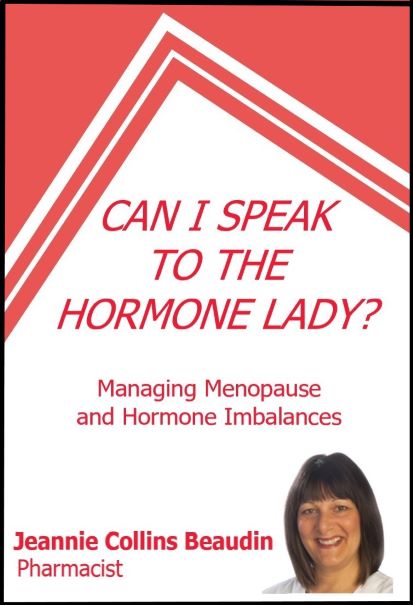
There is so much to say about understanding and correcting hormone imbalances – I’ve really just scratched the surface in this article. If you are interested in learning more, I have written a book on the topic — Can I Speak to the Hormone Lady? Managing Menopause and Hormone Imbalances, published in February 2019. It’s available in digital (e-book) and print forms through all major online retailers. Here’s a link…