Categories
Public Health

Is plastic making us gain weight?

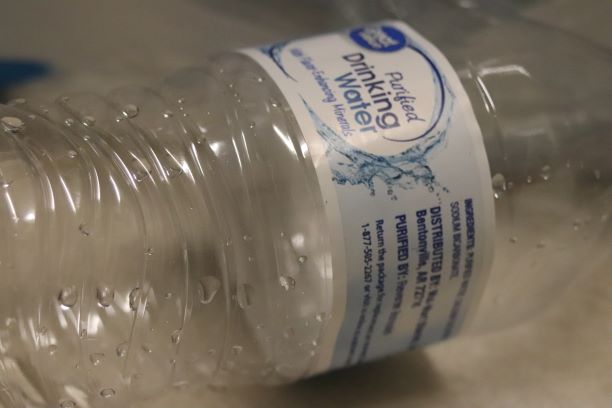
Increasing evidence suggests that plastic is making us gain weight. A common ingredient in plastic, Bisphenol A (BPA), is the suspected culprit…it disrupts the normal actions of our hormones leading to a hormone imbalance that can cause an increase in body weight.

BPA has been identified as an “obesogen”… a chemical that can inappropriately change stability of fat metabolism (or fat homeostasis) and fat storage, change setpoints of metabolism, disrupt energy balance or change the regulation of appetite and feeling of satiety (or fullness) to promote fat accumulation and obesity.

A study in 2012 found that children and teenagers who had higher levels of BPA in their urine were more likely to be overweight. Similar results were found in studies of adults. Data from the American Centers for Disease Control (CDC) show that 92.6% of people age 6 and over have detectable levels of BPA in their urine.

Worries about BPA toxicity have led to BPA-free products being produced, using BPS and BPF instead. But are these products safer?

They may not be. A new study, published in the Journal of the Endocrine Society in July 2019, suggests that all of the biphenols are linked with obesity and weight gain. Although diet and exercise are still considered the main factors in controlling weight, these chemicals may also be a factor.

Researchers point out that an association between bisphenols and obesity doesn’t necessarily prove they cause weight gain. They say more research is needed. However, this is just another reason to avoid use of plastic, and especially to ensure that it doesn’t come in contact with our food and drinks. Transfer of chemicals from plastic to food is more likely to occur when the food is hot or contains fats or oils, since these hormone-disrupting chemicals tend to dissolve in fats and oils, just like our own hormones do.

So,whenever possible, choose foods that are sold in paper, cloth or metal containers or, better yet, are sold in bulk with no packaging. Aim to buy drinks that are packaged in glass bottles. If you must use plastic items, the American Academy of Pediatrics recommends washing them by hand as dishwashers can break down plastic more quickly, increasing the chance of chemicals leaking in future use. Don’t reuse plastic containers, like yogurt containers, that are designed for single use. Never microwave food in any plastic container that is not labelled “microwave safe”. Plastics labelled with 3, 6 or 7 in a triangle contain chemicals that should not come in contact with food (phthalates, styrene and bisphenols).

Avoiding plastic containers helps to reduce plastic waste and protect the environment. But, at the same time, you may also be improving your health and your waistline!

Interested in learning more about hormone disruptors? Check out my recently published book:

“Can I Speak to the Hormone Lady? Managing Menopause and Hormone Imbalances”. As well as discussing menopause problems, I also talk about what hormones do in the body and how chemicals in the environment can interfere with your hormones.

References:

Definition of “obesogen” (Wikipedia)

Chemical in Plastic Linked to Childhood Obesity

BPA-Free But Still Dangerous? Replacement Chemicals Linked to Childhood Obesity

You Shouldn’t Microwave Food in Plastic Containers or Put Them in the Dishwasher, Says New Research

Microwaving Food in Plastic: Dangerous or Not? Harvard Health

Can I Speak to the Hormone Lady? E-Book: Universal Book Link to several book services or Print: Amazon Canada Amazon US
Categories
Public Health

What Do the Metric System, Smoking, Carbon Tax and Plastics Have in Common?

The metric system, smoking, carbon tax and reducing plastic pollution all require us to accept change to make things better in the future… for our children and our grandchildren. What can we do to help people change when it’s really important?

The Metric System

Canada changed from miles, ounces and Fahrenheit degrees to the metric system of kilometers, grams and Celsius degrees back in the 1970’s. I was in university then and found it a bit easier since my high school science labs had been in metric, but they made it easier by giving measurements, like weather temperatures and speed signs, in both systems for years until everyone got used to the new system.

We also bought thermometers and rulers with both scales on them. I told customers not to convert fever temperatures but, instead, to just remember that 37C was normal and 40C was really high (equal to 104F). For pharmacists, actually, it was a relief…as we had to learn the Canadian system of weights and measures (like the British), the American system (with it’s slightly different ounce and gallon), the metric system AND the obscure Apothecary system with it’s grains, scruples, drams and ounces (yes…pharmacists do have scruples!). It was a relief to use the simple conversions of the metric system!

So, our government legislated the change but continued the old system until everyone became used to the new way of measuring.

Smoking

To discourage smoking, based on research showing second hand smoking is harmful, cities banned smoking in public and eventually in restaurants and other public areas. This made smoking an activity that had to be done in a special area and not acceptable everywhere as it had been. Along with government-sponsored education, this “denormalization” of smoking has led to steadily decreasing rates of smoking in North America.

A combination of restricting where smoking was acceptable and educating people why it was dangerous worked to gradually change behaviour. However, I read this week that smoking rates have increased again recently, possibly due to the availability and popularity of e-cigarettes. There’s still more work for governments to do to eliminate this harmful habit, but there are still fewer smokers than there once were!

Carbon Tax

The Carbon Tax is a fee imposed on the burning of polluting carbon-based fuels, like coal, oil and gas. While the tax is much debated, experts say it will change behaviour: The tax will encourage people to choose products and services that are less polluting to avoid the tax. Nothing like money to make people consider changing! Our Canadian government tells us the Canadian version of this tax will be revenue-neutral for government and much of the population – the tax collected will be rebated to consumers – but studies say it will still work as an incentive to change.

Plastics

There’s a huge problem with plastic that most of us don’t see… tons of plastic waste are ending up in our oceans and lakes and it takes years and years to degrade. As it breaks down it becomes “microplastics” that enter our food supply. Substances in plastics affect our hormone function and our health.

So, what can be learned from other system changes we’ve made that can be applied to plastics? We need awareness, education and system changes to make us want to correct what we’re doing. Scientists estimate that by 2050 there will be more plastic by weight in oceans than sea life…

Here are 9 suggestions for things you can do:

  1. Use reusable items instead of disposable:

    1. This includes bags, cutlery, straws, coffee cups, plastic wrap and anything else you can think of.

  2. Stop buying bottled water

    1. Filter water instead and use reusable bottles. You can even get bottles with a filter built in!

  3. Boycott products with plastic microbeads, such as soaps, body wash, toothpaste.

    1. These tiny beads often slip through water treatment systems and look like food to fish.

    2. Microbeads are already banned in some countries.

  4. Cook more at home to avoid packaging.

    1. If you do order out, ask for no cutlery to be added to your order.

  5. Buy second-hand.

    1. Second-hand items are not packaged, you’ll prevent these items from ending up in landfill and you’ll save money!

  6. Recycle!

    1. Already many communities require us to separate plastics and other items in our garbage, so they can be recycled. And in some communities, if you don’t, they may just leave your garbage at the curb (my neighbours call them the garbage police!). So, changes are happening at the community level. However, not all communities participate in separating and recycling garbage. If yours doesn’t, suggest it!

    2. And recycle in your home too! Reusing plastic bags and containers means fewer will end up in the garbage.

  7. Support bag charges and bans.

    1. These can be one of the fastest ways to make people change their habits quickly.

  8. Buy in bulk (yogurt, snacks, etc.).

    1. Buy large sizes and repackage these into reusable containers or, better yet, make your own snacks! Might be tastier and better for you too…

  9. Put pressure on manufacturers and retailers to change.

    1. Email, Tweet or just buy elsewhere when you notice bad plastic practices!

Please watch the short video on the plastic problem on the Plastic Pollution Coalition website. In addition to further explaining the problems we are facing with excess use of single-use plastic, there are links to information on how to reduce the problem and live “plastic free”.

Categories
Public Health

It’s time to decriminalize drugs

Written by Dr. Barbara Watts on November 13, 2018 for CanadianHealthcareNetwork.ca

(Reprinted with permission)

Dr. Barb Watts

Currently in Canada, if you are caught in possession of any number of psychoactive drugs you are criminally charged. This is supposed to protect people by acting as a deterrent.

Unfortunately, we know from extensive experience and research, that this just does not work. Adolescence is a time of increased risky behaviour and decreased judgment. In Canada, 5.5% of youth use prescription opioids recreationally, 40% of youth aged 12-17 and 83% of youth aged 18-24 drink alcohol, 25% use cannabis, 3-5% use cocaine, 3.5% use ecstasy and up to 6% use stimulants not prescribed to them. (Statistics Canada, 2015 CTADS)

Adults and adolescents already in the grip of moderate to severe substance use disorders have lost the ability to choose. By definition, they will harm themselves and their families, in order to obtain the needed substance. Substance use hijacks the motivational centres of the brain, supplanting all other goals, even as the pleasure of using diminishes.

The futility of trying to stop drug use by punishing users is increasingly being recognized by the criminal justice system and law enforcement.

Many U.S. and Canadian large urban areas have instituted a system to divert drug users into treatment programs. Drug treatment courts attempt to replace punishment for drug possession and drug related crimes, with treatment. Certainly this has been more effective than punishment with fines and jail sentences, but the treatment provided is exclusively abstinence based and the accused must plead guilty to the charge in order to access drug treatment court. The consequences of a criminal charge and/or conviction are lifelong, adversely affecting someone’s chances of employment, professional education, travel, volunteer work and even citizenship.. And it is clear that medication assisted treatment is the most effective treatment for opioid use disorder.

Decriminalizing the possession of drugs for personal use is not the same as legalizing all drugs. Legalizing a drug means it is legal to sell the drug and the government can regulate and control the industry.

Decriminalization, on the other hand, simply means it is not a criminal offence to possess the drug for personal use. It is still illegal to sell the drug.

Instead of judging and punishing our patients with substance use disorder (SUD), we need to take them into our health care system and help them to recover.

Since prohibition does not deter many people from using illegal drugs, we need to switch to a public health approach to SUD. We need to provide evidence-based treatment, including social supports and medication assists. We need to make it possible for our loved ones with SUD to recover from the horrors of uncontrolled SUD and enter back into a productive and fulfilling life.

Portugal has shown how successful this strategy for dealing with substance misuse can be. In 2001 they decriminalized possession of drugs for personal use, while simultaneously instituting treatment and social support initiatives to deal with their burgeoning heroin problem. Today Portugal has seen dramatic drops in problematic drug use, HIV and hepatitis infection rates, overdose deaths, drug-related crime and incarceration rates.

The organizations calling for the decriminalization of drugs include the World Health Organization (WHO), the Global Commission on Drug Policy, the Lancet Commissions, the American College of Physicians, the Canadian Public Health Association (CPHA), the Canadian Society of Addiction Medicine (CSAM), the Toronto Board of Health and the Canadian Drug Policy Coalition (CDPC) among others.

It is time the Canadian Medical Association and all the provincial medical associations called for decriminalization.

Barb Watts is a family doctor with 35 years experience. She retired from solo family practice a number of years ago. Since then she works part time in the ER in Orangeville and takes the winters off to travel somewhere warm and spends the summers at her cottage in Northern Ontario. She is a board member for Families for Addiction Recovery.

Opinions expressed in this article are those of the writers, and do not necessarily reflect those of CanadianHealthcareNetwork.ca or its parent company.

Originally published by Canadian Healthcare Network

Categories
Health Public Health

Flu season? Who cares…

You’re healthy. A little flu won’t hurt you. And you hate needles. Why bother with the flu shot? Well, it’s not just about you…

You see, when you get the flu, even just a mild case, you can pass it along to others, and they may not be as healthy as you are. That sweet little old lady in front of you in the grocery line or the young woman in the doctor’s office, that you didn’t know was taking chemo, could be exposed to the virus you just caught because you didn’t get your shot. And they could become very ill because their immune system isn’t as strong as yours. If you don’t get the flu, you can’t pass it on.

Protect the herd…

And, while we’re talking about virus infections, I should tell you about something called “herd immunity”. This term means that if most of the the population (or “herd”) in an area is vaccinated to protect them from a virus, then those who are more vulnerable and those who can’t (or won’t) get a vaccine will be better protected.

But a majority of the “herd” needs to get their flu shot for the effect to make a difference. If too few are protected, then enough people are vulnerable to let an epidemic spread. We’ve seen this lately with some of the childhood vaccines… Diseases like mumps and measles had become quite rare, but in recent years news articles have described local areas and sports teams where groups of people have become sick with these viruses. Untrue rumours on the internet have convinced many parents that there is a connection between the measles/mumps vaccine (MMR) and autism. In spite of having been proven incorrect, articles continue to circulate around the internet about this false connection.

Reactions are rare but…

Most people tolerate vaccines well – the slightly sore arm or mild fatigue that sometimes occurs is nothing compared to a full-force flu. And, in the elderly, the very young, and those with chronic disease or a weakened immune system, it can be life-threatening. People die from the flu every year.

A very few serious reactions to vaccines are reported, due to allergies or sensitivities, and this is why you need to stay for 15 minutes after your shot. If you should have one of those rare reactions, you will receive treatment for it right away. Doctors will recommend that people who have had a serious reaction do not take that vaccine again or that they receive it in a hospital setting. This is another case where herd immunity, ensuring that friends, co-workers and family are vaccinated, can be important.

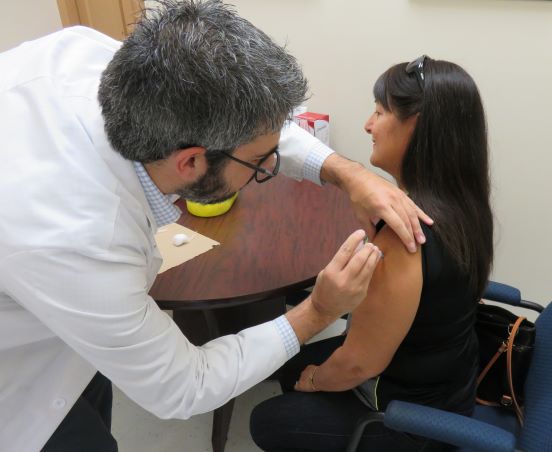
So do your part to protect yourself and others — find a pharmacy or clinic that gives flu shots. Most pharmacies do now, and they’re free there for most people just as they are at your doctor’s office. Roll up your sleeve and take a deep breath… it’s done in seconds and hardly hurts at all.

And, to feel the injection less, here’s what to do:

  • Relax. It hurts a lot more if the muscle is tight.

  • Ask the person injecting to wait until the alcohol evaporates. It only takes a few extra seconds.

  • Don’t move. You want the needle to go straight in and straight out quickly.

  • Distract yourself. Even taking a deep breath can be enough distraction to take attention away from the injection.

  • Apply pressure right away. Your brain will register pressure instead of pain.

    • Often an injector will press lightly on your arm while giving the injection, for the same reason.

    • They will also make sure the injection is well into your muscle – it hurts less there and works better too.

    • The injector will use a cotton ball to apply pressure. You can take over so they can finish up their paperwork.

  • If the area is sore later, apply a cold compress (a refrigerated ice pack or ice cubes wrapped in a cloth). You can also take a dose of Ibuprofen or Acetaminophen (Tylenol) to reduce soreness at the site of the injection, a common side effect.

So, lots you can do to make your flu shot practically painless!

Categories
Health Public Health

Could antibiotics increase risk of disease?

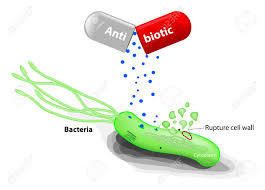
New research suggests that antibiotic use during pregnancy and in early childhood may affect a child’s chances of developing asthma, obesity, Crohn’s and other inflammatory bowel diseases later in life, and increase risk of severe infection in the first 6 years of life.

A baby’s first contact with bacteria is during birth. The organisms in the mother’s birth canal will be the first to become established in the baby’s digestive system and on the skin. If a baby is born by Caesarean section, she will acquire organisms from the mother’s skin and from whatever she contacts in the hospital.

In my June 15th blog, The world inside…, I talked about how the types of bacteria, viruses, fungi and other organisms we have in our digestive systems (collectively known as the “microbiome”) can change the way the immune system works, especially in early life when the immune system is “learning” how to function. Studies I found this week suggest that this effect can extend to later in life and perhaps even to the next generation.

Obesity

In agriculture, animals are given antibiotics to promote their growth and weight gain, increasing production. The effect is believed to occur by changing their gut microbiome. It has been proposed by scientists that a similar effect could be expected in humans. Depending on the antibiotic, growth could be promoted or stunted, the same as what is seen in animals.

An article published in the National Review of Endocrinology suggests an altered microbiome in early life could have long-lasting effects on weight, possibly contributing to 10-15% increases in rates of obesity. This article also describes how researchers have demonstrated in animals that antibiotic exposure early in life has a longer-lasting effect than when given later. This supports the premise that antibiotics have a greater disrupting effect if given while the microbiome is becoming established in the early years. In humans this happens in the first 3 years of life.

Infections

One study published in the International Journal of Epidemiology showed that antibiotics taken by an expectant mother before or during pregnancy, especially in larger amounts and close to the birth, were associated with an increased chance that the child would later be hospitalized for an infection. This is believed to be caused by an antibiotic-induced change in the microbiome, passed from the mother on to the baby, that changes the way the immune system develops in the newborn.

Inflammatory diseases

Another study reported that 7 or more courses of antibiotics in childhood increased risk of developing Crohn’s disease 7-fold. Celiac disease was also associated with early antibiotic use and these effects were greatest when the medications were given during the first year of life.

Asthma

Increased antibiotic use has also been found in many studies to be associated with asthma, but it is yet to be proven that antibiotics or resulting changes in gut microbiome are the cause. Some researchers have suggested that infections severe enough to require an antibiotic or some other factors could be contributing to the increased risk of developing asthma. So, lots of controversy…

The hygiene hypothesis

The “hygiene hypothesis” originally suggested too little exposure to infections as a child could disrupt development of our immune systems and cause increases in allergic and inflammatory diseases. Researchers now also suggest that overuse of antimicrobial soaps and strict avoidance of exposure to non-infectious bacteria in early life in an effort to avoid contact with disease-causing bacteria may contribute to both a poorer quality microbiome and a malfunctioning immune system. It seems that it’s a matter of balance: too little exposure to microorganisms may create immune problems, and too much exposure may increase risk of infectious disease. The big question is, what is the best level? That hasn’t been determined yet but, for now, experts recommend spending lots of time outdoors in nature where we will be exposed to plenty of healthy natural organisms, especially children with developing immune systems.

We need more research…

More research is needed to determine whether antibiotic is increasing risk of allergic and autoimmune diseases. Fortunately, in the past 10 years there has been increased interested in investigating links with antibiotic use, changes in microbiome and how this could affect us. This research is especially important as there have been substantial increases in asthma, allergies, and autoimmune diseases, such as Multiple Sclerosis, Lupus and inflammatory bowel diseases like Crone’s and Celiac disease in the past generation as antibiotics have become more widely used. We need to learn whether it’s just a coincidence or a cause…

There is no question that we benefit from proper use of antibiotics. They can save lives. But too often they are used when unnecessary or for viral infections like colds and flu when they have no effect. Increasingly, healthcare professionals are recommending probiotics to help our microbiome recover after a needed course of antibiotic treatment, as they become aware of the negative consequences of damage to our gut organisms.

So, if you’re sick with an infection, don’t just go to your doctor and demand an antibiotic. Ask if you truly need this medication, take the lowest level antibiotic that will work if you do need one (ideally one that has been identified by a culture to work on the infection you have), and ask what you can do afterward to repair any damage to your gut microbiome. This could include probiotics and a change in your diet to help stimulate growth of your good organisms.

Categories
Public Health

Learning Spanish ways…

As you probably know, I’m spending a couple of months in Spain. I’m quite fascinated by several distinct differences in culture and lifestyle between here and North America – differences that could have an impact on health – some positive and some not-so-positive!

This is at the top of Gibraltar. We took the cable car up then walked all the way back down, visiting interesting caves, monkeys and remnants of armies of the past as we went. I had sore muscles for 3 days after but saw and experienced so much it was worth it…

First, I’ve noticed that people use public transit much more than we do in most areas of Canada and US. Streets in old European cities are extremely narrow (many cars have dents!), and parking is hard to find and often expensive. We’ve seen cars parked in the strangest places… Many city apartments simply don’t have parking, leaving tenants with cars to park on the street, wherever they can find a place. The old section of Marbella, where we are staying right now, actually allows only delivery vehicles in the narrow streets. We had to pull our suitcases along cobbled walkways to get to our apartment as our taxi had to drop us off outside the Casco Antigua de Marbella (the Old City of Marbella)!

Besides the obvious decrease in pollution from car exhaust, though, using public transit means you are walking a lot more – even if it’s just to the bus stop, and then from the stop to your destination. This can build a significant amount of exercise into your day, without needing to think about it.

Cities here tend to be more densely populated, and every neighbourhood has its grocery store, bakery, fish shop etc. so you can easily walk to do your errands. Many people, especially the elderly, have shopping bags on wheels to take their purchases home easily, pulling them behind as they walk. Neighbourhood stores are busy because a lot of people live nearby and support the convenient local shop. It seems like cities are set up so you really don’t need or even want a car!

This contrasts sharply with home and with many North American vacations we’ve taken, where it’s too far to walk to any type of shopping. While I’m sure our winter weather in Canada and northern US encourages us to use cars more, we also tend to have only a few large grocery stores that serve an entire city rather than many smaller local neighbourhood shops that service a small area. The result is, we drive everywhere rather than fitting our exercise into our daily routine, then need to add in exercise time. Sometimes we even pay to be able to get our exercise!

Of course, this stretch of land on the southern coast of Spain, the Costa del Sol, is so beautiful with the Mediterranean on one side and the mountains (that block the cold northern winds, creating a warmer climate) on the other. We enjoy simply wandering around, soaking up the beauty of the area, people watching and sight seeing. We’ve visited several neighbouring cities, travelling there by bus, and spent the entire day walking… often up small mountains it seems, then back down again, of course!

The tourism office nearby has been very helpful in sorting out bus schedules and stops, and we haven’t had any problems getting where we want to go. Choosing a vacation in a place like here, with comfortable temperatures that encourage you to be outside walking all day, may mean you will go home in better physical shape than you were when you arrived. I know I will!

Ronda, Spain, high up in the mountains

Another interesting tradition in Spain is the siesta – many stores close in the afternoon for several hours. I still haven’t quite figured out whether the siesta time is the same for all businesses, but have been caught walking to a store to make a purchase, only to find them closed. It seems that the siesta is such a long-standing tradition that many stores don’t post the hours they open and close in the afternoon – only posting the morning opening and the evening closing times – while other stores no longer participate in the traditional siesta at all, and just stay open.

But this tradition is all about lifestyle and is good for workers (especially those who are running a small business themselves, and trying to offer service to morning shoppers as well as the evening crowd). It gives them time to relax, spend time with family, and eat a healthy meal during the day while still being open for the busiest parts of the work day. Mid-afternoon is also the hottest time of day and probably the quietest for business. However, tourists beware! Better indication of hours of operation would certainly help visitors like me to accommodate but regular customers seem to have adjusted to the system without problem.

On the “down side”, I am amazed at how many people, especially young people, still smoke here. It’s made me realize that policies that ban smoking in restaurants, vehicles and in public places make a difference in how acceptable it is to smoke, effectively “denormalizing” it, in North America. Here in Spain it is normal to see people smoking everywhere, and it seems strange compared to Canada where the activity is banned in so many public places. It is easy to see that passing these types of laws, making smoking much less acceptable, results in fewer smokers overall and certainly decreases exposure to second hand smoke that has been shown to affect the health of non-smokers. While actual smoking rates are lower in US and Canada (approximately 16-17%) compared to Spain and France (at 24%) and even higher in northern Europe, the additional difference in where they are allowed to smoke makes smoking appear even more prevalent.

So, what I’ve learned so far from this experience in Spain (besides quite a few Spanish words), is that working to build activity into every day, rather than thinking of activity as a “task” that you need to find time for, may be a better approach to staying fit. The design of cities and neighbourhoods, and the laws we pass (like those for restrictions in smoking) can make a difference in the behaviours and the health of the entire population. Comparing lifestyles in different countries, can help us to gain new perspectives and ideas to incorporate into our own communities, helping to create a healthier population.

Can you think of ways you can change your lifestyle and your community to make it easier for you and your neighbours to stay healthy and fit?

Reference for smoking statistics: Tobacco in Australia

Categories
Environment Public Health

Something fishy going on…

Researchers at the University of Buffalo have discovered that human antidepressants and their breakdown products are building up in the brains of fish in the Niagra River that flows between Lake Erie and Lake Ontario. Researchers at two universities in Thailand have confirmed these results.

The researchers started out by looking for a variety of chemicals that are in human medications and personal care products. They checked the organs and muscles of 10 species of fish, and antidepressants stood out as the major problem. All 10 species they checked had detectable levels of these drugs.

How is this happening?

The drugs they found: Zoloft, Celexa, Prozac and Sarafem, are widely used in both US and Canada. Usage increased by 65% between 1999 and 2014, according to the US National Center for Health Statistics. The drugs people take do not magically disappear – a significant amount passes out of the body through the urine, sometimes intact and sometimes changed to a slightly different form that may be more or less active than the original drug. Water treatment systems do not remove these drugs, allowing them to flow into lakes and rivers where the fish live, along with treated waste water.

Worse, levels of antidepressants found in fish brains were several times higher than the concentration in the water, suggesting that the drugs are accumulating in fish over time. When fish are exposed to a drug but cannot break it down or clear it from their bodies, this can result in gradually increasing amounts being stored…in this case, in the fish’s brains.

The species tested were smallmouth bass, largemouth bass, rudd, rock bass, white bass, white perch, walleye, bowfin, steelhead and yellow perch. The rock bass had the highest concentrations of antidepressants, but several fish had a variety of drugs in their bodies and all 10 species tested were found to have some level of antidepressants.

What about humans?

The good news (if you can call it that…) is that we don’t eat fish brains, so this is unlikely to affect humans. But what about the fish? It is not yet known how these drugs might affect their health and behaviour, but other studies suggest they can affect feeding behaviour or survival instincts (for example, not noticing predators as readily).

However, if your drinking water originally comes from a lake or river, chances are you’re being exposed to a low-level cocktail of drugs, too. Many experts have felt that the drug levels in drinking water, being much lower than a person would take as treatment, could not have a significant effect. However, no one really knows whether a mixture of many active drugs, consumed at low levels over a lifetime, is a risk to people’s health.

A group of researchers found drug levels high enough to be “of environmental concern” in the Great Lakes and Minnesota River that included traces of acetaminophen (Tylenol), codeine, antibiotics, hormones, steroids, anti-epileptic drugs and dozens of other chemicals.

Health Canada reportedly found traces of drugs in samples of drinking water that came from lakes and rivers across Canada. Their report has not yet been published but was described in an article on cbc.ca website.

Some experts particularly worry about effects on the hormone and immune systems. Researchers have discussed a possible link between hormones from birth control pills that end up in the environment and increased risk of prostate cancer. Other compounds with estrogen-like activity, such as certain pesticides likely add to this risk.Scientists have already proven that these chemicals are creating “intersex” fish – male fish who have developed eggs in their testicles – putting the survival of certain species at risk in some waterways.

What can we do about it?

Wastewater treatment plants focus on killing disease-causing bacteria and removing solid matter, nitrogen, phosphorus and dissolved organic carbons. However, they pay little or no attention to drugs, hormones and chemicals that might be in human urine. Fish, especially those who live near sewage outlets, are being exposed to a cocktail of drugs 24 hours a day and it is not known whether humans exposed to a low level mixture of active drugs could be affected…

Its time to upgrade our sewage treatment systems and find ways to remove these chemicals from waste water, preventing their release into the environment. Treatment of waste water needs to be improved! Make your voice heard – ask for improvements to the waste treatment systems in your area.

Reference articles:

http://www.cbc.ca/news/technology/human-antidepressants-building-up-in-brains-of-fish-in-niagara-river-1.4274735

http://www.cbc.ca/news/health/drinking-water-contaminated-by-excreted-drugs-a-growing-concern-1.2772289

Categories
Public Health

Is it the chicken or the egg?

So, I’ve arrived in Spain…picking up a few groceries, and I can’t find the eggs… I’ve checked every cooler… “Donde estan los huevos?” Where are the eggs?

Well, for heaven’s sake, they’re stacked up in the middle of the aisle! Not in a cooler? Strange. Wouldn’t they go bad? I had to investigate why eggs must be refrigerated at home but not in Europe… after all, the chickens and eggs are not any different in North America!

Here is what I learned:

In North America, eggs are cooled right after laying to about 7C (40F), washed, and then sprayed with a chemical sanitizer to kill bacteria. Once chilled, eggs should not be left out of refrigeration for more than 2 hours as the condensation that forms on the shell will provide a place for bacteria to grow.

In Europe, it is unlawful to wash eggs because this is believed to damage the outside layer of the shell (the “cuticle”), allowing bacteria to penetrate the egg more easily.

But Europe has also required farmers to vaccinate their hens since 1997 when thousands of people became ill from salmonella bacteria. This has lead to a rapid decline in cases of salmonella in Europe.

In North America, farmers are not required to vaccinate chickens, although some do. In 2010, the US FDA said it would not legally require vaccine use as “there was not enough evidence to conclude that vaccinating hens against salmonella would prevent people from getting sick”, according to a report in the New York Times.

Instead, North American governments have regulations requiring regular testing for salmonella, refrigeration standards, and strict sanitary codes in place to control the threat of salmonella infection. While it makes sense to have such standards, vaccines have proven to be very effective in controlling many types of infections… and this appears to have been well demonstrated with salmonella in Europe.

Farmers also complained it would be expensive to vaccinate every hen… However, when the costs of washing and spraying millions of eggs, refrigeration, additional inspections and testing are considered, vaccinating hens must be far less expensive …

In Europe, the goal is to prevent eggs from getting dirty in the first place, so washing isn’t necessary. One expert has even suggested that not allowing washing of eggs may be helping to maintain good farm practices…

So, is it better to treat the chicken or the egg? What do you think??

For us, even though it is recommended in Europe to store eggs between 17 – 23C (62 – 73F), it still feels weird to leave them on the counter so ours still end up in the fridge once we take them to our apartment!

Now, where are the olives kept? Las Aceitunas, por favor? It took us a while to find them too… with the snack foods! I guess potato chips and olives are often served together over here!

Categories
Health Public Health

Fat vs sugar – time to rethink!

Sugar is the problem — not fat. Years of advice to choose low-fat and fat-free foods does not appear to have been based on sound research…

New Canadian research found no significant association between eating more than the recommended amount of fat (30% of total calories) and developing heart disease or having a stroke. In fact, they found that those who got 35% of their energy from fat had a lower overall risk of dying than those who ate less than the recommended 30%!

In addition, they found that the low-fat diets recommended to us for many years have resulted in many people overeating carbohydrates, resulting in a higher risk of dying when their carbohydrate intake exceeded 60% of their total calories. Replacement of dietary fat with sugary carbohydrate is also being suggested as a cause of the current increased rates of obesity.

Scientists lead by nutritional epidemiology expert, Mahshid Dehghan at McMaster University in Hamiltion, Ontario, studied diets of 135,000 people in 18 countries for an average of 7 years. She observed “When you recommend lowering fat, by default, people increase their carbohydrate consumption, and increasing consumption of carbohydrates results in higher risk of mortality.”

Study in Japan

This Canadian finding agrees with another article I recently read describing how the stroke rate in Japan dramatically fell almost 6-fold from 1,334 to 226 per 100,000 between 1958 and 1999, after the government encouraged the population to increase their intake of fat. Cholesterol levels rose from an average of 3.9mm/l to 4.9mmol/l due to dietary fat rising from 5% to 20% of total calories. Heart disease rates, interestingly, also decreased although not as dramatically. This is a stark contrast to our current recommendations to lower cholesterol in the blood as much as possible to reduce the risk of heart disease…but more about that in a future blog!

Population studies

Studies of diets from diverse healthy populations suggest that there is not one single “best” diet. The high-fat diets of the Innuit of the north, the Maasai tribes of Africa and the French in France seem as healthy for their populations as the low-fat Mediterranean diet of Italy.

This has lead some to speculate that it is not so much what we eat (as long as the diet is a traditional balanced one) but how much we eat and ­how we eat. Avoiding overeating and enjoying food in a relaxed environment with family or friends (rather than eating on the run or in your car!) seem to be positive factors for overall health too!

Canada Food Guide 2018

Even our Canada Food Guide is being revised…and I hear the meat and dairy industries are not happy with the plans. Although the new finalized guide will only be released in two stages over 2018 -19, Health Canada says less emphasis will be placed on individual nutrients and more will be placed on:

  • avoiding processed foods (that commonly have added sugar, trans fats, salt and other ingredients),

  • reducing consumption of sugary drinks, and

  • limiting portion sizes.

This seems to agree with other experts like University of Toronto’s nutritional scientist, Richard Bazinet who advises “Moderation is the solution. Don’t eat too much of any single thing” and Michael Pollan’s Food Rules: “Eat food (real food, not processed). Mostly plants. And not too much.” Check out my previous blog on his Food Rules here.

It seems difficult to understand why low-fat diets have been recommended for so long – some suggest that influence from the sugar and grain industries may have been a factor. Currently, news outlets have reported meat and dairy industry lobbyists are “up in arms” against the suggestion that the new Canada Food Guide may decrease emphasis on consumption of these food groups.

However, the purpose of any food guide or advice is to improve the health of a population, not to support food industries. Health Canada has stated that it will not be consulting with food producers, although they are permitted to engage in open public consultations.

Trans fats

When it comes to fats, however, there seems no question that trans fats should be avoided. Trans fats, also known as hydrogenated oils, are stable artificially created fats that have been used to extend the shelf-life of processed foods…good for food, but not good for our health! Trans fat content appears on food labels so you can avoid buying foods containing these fats, and some governments are moving to ban these completely from food!

Trans fats often occur in foods that also contain saturated fats and may be responsible for the bad reputation assigned to saturated fat. Wikipedia has an interesting summary of studies comparing the effect of saturated fat (SFA) with unsaturated fat (PUFA). At the very least, one could say there is conflicting evidence when it comes to the dangers of saturated fat, with newer studies being less likely to find that fat in the diet has any effect on heart disease. It will be interesting to see what the new Food Guide recommends as an ideal amount of fat in the diet, considering the results of new studies!

Have you been cutting fat out of your diet? Leave a comment below!

References:

Categories
Public Health

If you take them, you could be at risk…

Anyone regularly taking narcotic pain medications (“opioids”) is at risk of an overdose if taking more than 90mg of morphine or its equivalent per day, even if it’s being taken for significant pain.

Morphine 90mg per day is equal to:

  • Hydromorphone (Dilaudid) 11.25mg per day

  • Oxycodone (Oxycontin, Percocet, Endocet) 45mg per day

  • Codeine 200mg per day

  • Fentanyl (Duragesic Patch) 2.4mg per day (100mcg/hour as a patch)

Opioids depress the central nervous system and, if depressed enough, the person will stop breathing. New opioid prescribing guidelines for non-cancer pain recommend that anyone taking more than 90mg or morphine per day, or equivalent, should have their dosage gradually reduced to the safer 90mg limit. Even lower doses can be risky in some individuals, especially if they are taking other medications that depress breathing. Any drug that causes drowsiness (including alcohol) depresses the central nervous system and breathing. The person may simply look like they’ve fallen asleep…

If you see someone you know or suspect may have taken an excessive amount of narcotic pain medication (legal or illegal) here is what you should look for:

  • Breathing – slow or absent. May hear choking, gurgling or snoring.

  • Skin – cold or clammy

  • Pupils – tiny

  • Lips – cyanotic (blue)

  • Lack of consciousness – not responding to sound or touch, can’t be woken up

S.A.V.E.M.E. is an acronym to help you remember what to do.

Stimulate

Airway

Ventilate

Evaluate

Muscular injection

Evaluate again

Here are details of what you should do:

  • Stimulate: Try to wake them:

    • Talk loudly: Call their name. Identify yourself. Say “can you hear me?”

    • Shake them by the shoulder.

    • Tell them you are going to apply pressure. Rub knuckles vigorously on their chest bone.

    • Can’t wake them? CALL 911

    • Stay with the person.

  • Airway: Check their airway:

    • Look for chest movement

    • Tilt head back and listen for breath

    • If not breathing, ventilate

      • Use a breathing mask, if available

      • Pinch nostrils, head is already tilted back as you listened for breathing

      • Breathe into mouth

      • Watch that the chest rises and falls

  • Evaluate:

    • If not responding, give Naloxone (Narcan) if available

      • Available as nose spray or as injection (most common)

  • Muscular injection: How to give an injection of Naloxone:

  1. Prepare the syringe:

    1. Open syringe packaging part way to expose plunger, set aside

    2. Hold ampoule by the pointed top and swirl in a circular motion to collect liquid at the bottom

    3. Snap off the top (direction: away from you)

    4. Remove syringe from package, remove needle cap and draw up all liquid into syringe

    5. Push out excess air (a little air in syringe is OK)

  2. Inject the medication

    1. Insert the needle into a large muscle (meaty part of the thigh, butt, upper arm) like a dart at 90˚ angle (straight in, all the way to the hub), through clothing if necessary.

    2. Press plunger all the way in

    3. Most syringes included in Naloxone kits are safety syringes: pulling back on the plunger will pull the needle into the barrel of the syringe, preventing injury and any need to recap the needle. Other types of safety needles have a built-in system to cover the tip of the needle. If no safety mechanism is available, dispose of the needle and syringe in a glass or hard plastic container to prevent a needle-stick injury.

  • Evaluate again:

    • If effective, the person should wake up within 3 – 5 minutes or less

    • Keep watching the person – the effect can wear off after 20 minutes and you may need to administer Naloxone again, especially if a long-acting opioid was taken.

    • If no response in 3 – 5 minutes, give Naloxone again.

    • Repeat until they wake up, the emergency response team arrives, or you run out of Naloxone.

    • Giving Naloxone when it wasn’t needed won’t hurt the person.

When the person wakes, explain what happened. They may be confused or angry. They may have mild symptoms of opioid withdrawal. Do not allow them to take more narcotics – when the Naloxone wears off, they will have an increased chance of overdose again. Withdrawal effects usually wear off in several minutes.

Wait for the emergency response team. Tell them what you have done. Dispose of needle and glass ampoule in a sharps container (the ER team will have one) or in a bottle with a lid.

A video with detailed instructions is available here.

Adding to the opioid problem, some illegal versions of narcotics sold on the streets are copies made by amateurs that have been found to contain unlabelled dangerous potent drugs like fentanyl. Fentanyl is approximately 100 times more potent than morphine – when potent powders are not mixed to high standards, some tablets can easily contain stronger medication than others. Just a barely-visible speck, not mixed in properly, could provide a fatal amount.

Naloxone kits are increasingly being made available for free through pharmacies in Canada. If you are a caregiver for someone taking more than 90mg of morphine per day (or its equivalent), talk to your doctor about keeping a Naloxone kit on hand. If you work at a youth center or other facility that services youth or adults at risk, keep one or more kits on hand and review their use. It isn’t difficult to administer, and you could save a life…