Categories
Uncategorized

I’ve been talking to myself lately…

Years ago, when I was a pharmacy student, we did formal training with various pharmacists. One of the first I worked with, Carl, talked to himself. At first, I thought he was talking to me… “Excuse me?”, I’d say. But he explained that all pharmacists talked to themselves—some just did it silently, not out loud as he did. It kept him organized, helped him focus on the work, kept him “sane”, he said, or some such words. That was over 40 years ago…

After a while, I realized I was doing it too! Talking to yourself helps you organize your mind… OK, what’s next? What problems need to be resolved? Which are most important and need to be done first? I was consciously prompting myself to get organized and concentrate on what was most important.

Not just for work…

Now I realize this works, not just for work issues, but for the rest of my life too. Especially in this time of social distancing and isolation, we need to keep ourselves going, to plan ways to connect with others, to find new ways to make things happen. This is particularly true for connecting with family and friends that are farther away who we can’t visit due to travel restrictions.

And rather than puttering away the time, waiting for COVID restrictions to be lifted (which may last months at various levels!), talking to ourselves about what we’d like to get done helps to motivate us and prioritize what is most important right now.

But beyond using self-talk to help organize activities and communications, I’ve realized that you can change your thoughts by talking to yourself. Our subconscious mind loves to pull up unpleasant thoughts from time to time and it’s easy to focus and dwell on these thoughts. But unless there is something you need to do about those thoughts, problems or situations, why not just tell yourself to move on? Think about something pleasant instead?

Brain research tells us, the more we think about something, the better we remember it. Our brains build stronger memory connections to the information we think about most. While this is a useful practice to help learn a new skill, it can work against our overall happiness if we let our brains build stronger connections to bad memories. Do we want to remember the unpleasant experiences or the happy satisfying ones? Consciously turning off thoughts of unpleasant memories and turning them toward better ones can improve our mood and overall happiness. Similarly, doing what we need to do these days to stay safe then dwelling on how to make our situation better can prevent unnecessary anxiety.

Talk to yourself about what you want to happen…

Years ago, I stumbled across a book called The Secret. The basic message of the book was: if you want something, focus on it and think about it and it will magically appear in your life. At the time, I thought this was silly…things don’t just conjure up because of thoughts. But now I think I understand the idea. When you focus on something and think about it often, it can change your actions. You do what you think about. And actions make things happen. So, thinking about your goals or desires helps to direct your actions and increases the chance of achieving what you want. It’s not 100%, of course, but if you don’t think about what you want to accomplish, you’re unlikely to take any action to get there and chances are slim that what you want will happen.

Of course, the extreme version of this type of thinking—wishing for something impossible—isn’t productive either. The idea is to stop thinking about upsetting past events that can’t be changed, enjoy the present moment for all it has to offer, and to consciously direct your thoughts and actions to creating a happier healthier future.

We’ve seen dramatic changes in our lives over that past couple of months. It’s easy to dwell on the negative side of all this, but why not talk ourselves into finding some positive. I was touched by Andrew Cuomo, Governor of New York, talking about how he was creating a closer relationship with his adult children during the pandemic. Rather than a quick “How are you doing?”, then “Busy…have to go” conversation, he talked about how he was taking time to really understand how the crisis was affecting his children’s lives, getting to know them better as the adults they had become. They were having conversation on a much deeper level and it was improving their relationship.

Viral change

Last week, my youngest daughter sent me a letter…a real letter on paper. We text almost every day and video chat often, but a letter is something different, something special, a surprise! It was a Mother’s Day letter that arrived late—deliveries are slow these days—and she expressed the love and pride she had for her Mama, and how much she missed being able to come to visit. She lives in Nova Scotia—and like so many, has been laid off due to the coronavirus—and the border to New Brunswick where we live is closed. So, we can’t be together, but reading her letter makes me feel closer. I’ve re-read it a lot…

She inspired me to try to give this same feeling to others…pay it forward. I decided to send some homemade cookies to my son and his family. I added a note to say how much we miss them and to ask my grandchildren to pretend that each cookie is a hug from Memere and Pepere. Today I watched a live “unboxing” video of our grandchildren opening the package, reading my note and enjoying the cookies, as my daughter-in-law connected us by video chat!

So, I think we all can talk to ourselves about how we can create something good from the forced isolation caused by the coronavirus. Life is always changing but the pandemic is forcing us to do this more quickly. Which of the changes we’ve made will we decide to keep in the future? What else can we do to make a better world and a better life for ourselves and others? We can look at this time of rapid change as a chance to improve our world and take the opportunity to consciously make good choices about our relationships, our environment, our thoughts.

Time to start talking to ourselves… to create positive changes we want and need!

#selftalk #COVID19emotions

Categories
Uncategorized

Hair Loss in Women

Losing your hair can be very distressing, especially for a woman, but it can often be treated successfully. Getting a correct diagnosis of the cause of the hair loss is the first step and your family doctor can often help.

To make a proper diagnosis, your doctor will likely ask you about your recent history and your family history of hair loss. They will also examine your scalp and check for other symptoms you may have that suggest a disease that could cause hair loss. They may even do some blood tests. While hair loss can be caused by conditions of the scalp, it can also be caused by other conditions in the body.

Some hair loss is normal

Hair grows in a cycle. At any given time, 90% of your hair is actively growing, while about 10% is in a stage of degeneration, eventually resulting in shedding. This is normal. The hair growth phase is called “anagen”, the degenerating phase is “catagen” and the shedding is referred to as “telegen”. We see these terms pop up in the names given to different types of hair loss, described below.

We all lose about 50 to 100 hairs every day. One test for hair loss that is sometimes used (although not highly reliable) is the Pull Test. When 40 to 60 hairs are grasped and pulled gently; not more that 4 to 6 hairs should pull away from the scalp. However, this test is difficult to standardize, and a negative result does not rule out a diagnosis of hair loss. Trying it immediately after shampooing or brushing the hair will result in a false negative, as loose hair is already removed.

Hair loss can occur in patches or diffusely, across the top and sometimes the sides of the head, depending on the cause. In women usually the hairline at the forehead is not affected while men generally have receding of the hairline on both sides, and/or thinning on the top. Some hair loss is self-limiting, regrowing after several weeks or months, while other types of loss can progress for many years. If the hair follicle is lost, it is referred to as scarring of the scalp, and the hair loss can be permanent. This condition is rare and a consultation with a dermatologist is recommended.

What causes increased hair loss?

The most common type of hair loss is caused by hormone changes, usually too much or too little testosterone (an androgen). This is called androgenetic alopecia, and it results in diffuse hair loss in women, “male-pattern” loss in men. In women, too high levels of testosterone [or its metabolite, dihydrotestosterone (DHT)] is often accompanied by acne and oily skin, and can be the result of Polycystic Ovary Syndrome (PCOS), or cysts on the ovaries that produce androgen hormones. Too little testosterone is also associated with scalp and body hair loss (underarms and pubic hair), fatigue and decreased muscle mass. A rapid decrease in female hormones, estrogen and progesterone, such as occurs after a pregnancy or when stopping hormonal birth control, can also cause temporary hair loss.

Thyroid disease (low thyroid), iron deficiency and malnutrition (e.g. lack of protein) are other causes of diffuse hair loss that do not originate in the scalp. Hair products, like dyes and straighteners, and treatments, such as blow dryers and curling irons, can cause diffuse hair loss through breakage close to the root. In these cases, the hair will usually regrow once the cause is corrected or once the woman has overcome or adapted to the stress.

Other causes of hair loss that often result in patchy hair loss, include scalp infections and habitual nervous pulling on the hair, eyebrows or eyelashes. A physical stress, such as an illness with high fever, or an emotional stress can also cause hair loss that often comes out in clumps.

Types of hair loss

The names of types of hair loss are, unfortunately, quite complex and confusing. However, I’ll list them below with their details, causes and treatments.

Androgenetic alopecia – likely a hormonal cause, most common type (mentioned above), often a family history.f

  • Diffuse hair loss in women, male-pattern loss in men (sides of front hairline and top of head) caused by increased levels of dihydrotestosterone (DHT)
  • Women usually develop this after menopause when estrogens drop and androgens (male-type hormones) dominate.
  • Can be treated by using Minoxidil 2% scalp lotion
  • Note that Minoxidil 5% sometimes works better in men than 2% but gives no extra benefit in women, according to studies.
  • Alternative treatment for men is the drug finasteride, that blocks conversion of testosterone to its stronger form, dihydrotestosterone (DHT). However, it has many side effects.
  • Sharp decreases in hormones in women, such as after childbirth or after discontinuing birth control pills, can result in temporary hair loss.
  • Hair loss due to low thyroid, iron deficiency or malnutrition can mimic androgenetic alopecia. Low testosterone in women is also associated with thinning of hair but often not recognized.

Alopecia areataautoimmune hair loss (the body attacking itself)

  • Patchy hair loss, broken hair shafts, short thin hairs, yellow or black dots
  • Usually sudden, acute onset
  • Treated with steroid injections into the scalp, creams or ointments, or recovery can be spontaneous

Tinea capitisfungal infection of the scalp, patches of hair loss, red, scaly, itching, pustules

  • Although antifungal shampoos are available, in a severe infection they do not reach the infection in the root of the hair adequately, and it is necessary to take a prescription anti-fungal medication by mouth

Telogen effluvium – caused by physical or emotional stress

  • Non-inflammatory, non-scarring, scalp appears normal
  • Caused by an intense emotional shock or physical stress, for example, surgery or rapid weight loss
  • Usually hair will regrow when the cause is resolved (person adapts to stress, recovers from surgery, etc)

Trichotillomania or traction alopecia – physical tension on the root of the hair

  • Habitual pulling on hair, usually front/sides but can also include eyebrows and eyelashes
  • Tight hair styles, like buns, ponytails, braids, cornrows, extensions
  • Treated with cognitive behavioural therapy (CBT) to reverse the damaging habits or changing hairstyle to a looser one

Trichorrexis nodosa – trauma sufficient to cause hair shafts to break

  • Caused by overuse of hair products (dyes, straighteners, perms) or styling techniques (hairdryers, curling irons)
  • Treated by changing or stopping use of offending product or tool

Anagen effluvium –interruption of hair growth cycle causing abnormal diffuse hair loss

  • Common with some chemotherapy, radiation
  • Can also be due to malnutrition with a nutrient essential for hair growth being missing
  • Cooling the scalp during treatment sometimes helps reduce hair loss with certain chemotherapies
  • Hair will regrow when the growth cycle is no longer interrupted

Medications – Certain medications can cause hair to fall out as a side effect

  • Blood thinners (warfarin), Accutane (a strong acne treatment), antidepressants (Prozac, Zoloft, etc), beta-blockers, some cholesterol drugs

Nutritional deficiencies – Certain nutrients are needed for hair growth

  • Low protein, iron or vitamins in the diet can result in temporary hair loss
  • Replacing the nutrient in the diet allows hair growth to return to normal

So, as you see, there are many different causes of hair loss. Some types are treatable while other will resolve on their own once the cause is eliminated. It’s important to get a diagnosis of the cause to give you an idea of what treatment would work best to improve hair growth.

Note: My latest activity is an online course on how to create an audiobook. As a learning project, I created an “audioblog” from one of my most popular blogs Masks 4 All. I even figured out how to add music to fade in at the beginning and out at the end! If you care to listen, it’s on my blog homepage, http://jeanniebeaudin.wixsite.com/author (only 11 minutes long). Let me know what you think!

References:

Hair Loss: Common Causes and Treatment – American Family Physician

How much hair loss is normal? – Medical News Today

Causes and treatments for hair loss – Medical News Today

What’s to know about alopecia areata? – Medical News Today

Finasteride (Propecia) — RxList

#hairlos

Categories
Uncategorized

“Sorry, dear, not tonight…”

Some years ago, when my husband and I owned a pharmacy, we attended huge pharmacy buying shows in Toronto each year to find new products to sell in our pharmacy. At one of these, I saw an interesting display of “Play” brand products… essentially a line of sex toys designed to be sold in a pharmacy. I was quite surprised to see it there (aren’t these things only sold in sex shops?)

The company representative explained that sex is part of a healthy lifestyle, and some just need a little help to get things going, especially as they get older. But many people would be too embarrassed enter a sex shop, and some might hesitate to even bring up their problem with their doctor.

But everyone goes to a pharmacy and might consider a discreetly packaged aid to improving their sex life. Pharmacists have private counselling areas where women could discreetly ask a woman pharmacist about ways to address a minor problem, such as dryness or irritation.

Of course, what’s considered “normal” can very from person to person, and in the same person over time. A reduced interest in sexual activity is only a problem if you feel it is, or if it creates friction with your partner.

Sometimes the problem can be “in our head”

Problems in the bedroom, or even being interested in the first place, can originate in our mind as well as our body. It can happen at any age but becomes more common in women as we move into the mid-life years.

For example, many of us can become “sandwiched” between caring for teenagers and elderly parents while still working at full-time jobs. Being stressed and overtired is a recipe for a lack of libido, our interest in sex. “Please, not now, I just want to sleep.”

For some, just creating time and the environment for intimacy is all that is needed – booking a “date night” to spend unpressured time together. For others, it may mean addressing an underlying worry that is taking too great a toll.

Depression can be a reason for low libido but I’m sure anyone who is depressed has more worries on their mind than a lack of sex. Always best to talk to your doctor if blue feelings seem to hang on longer than they should and are affecting your quality of life.

There are psychologists who specialize in helping overcome the psychological side of low libido. Of course, I’m not a psychologist but I used to work with such a professional – we referred patients to each other when we felt the other could better address a woman’s problem. If, after her analysis she believed the source of the woman’s low libido was hormonal, she referred her to me; if I saw no signs of a hormone imbalance that would contribute to a lack of sexual interest, I would suggest the woman see my colleague.

There can be physical causes too…

Mis-matched libidos can cause difficulties in a relationship or they can be the result of a problem unrelated to sex in a relationship. Presuming that you have a good relationship with your partner that is not contributing to a disinterest in sex, and don’t have any overwhelming stresses in your life, the root of the problem might be something physical that can be quite easily solved by your pharmacist.

A common cause of sexual problems in women is lack of lubrication. As we age our production of vaginal mucous generally decreases. Taking a little time to “warm up” with extra foreplay may be all that is needed. Let your partner know this. Being a little dehydrated can also result in less lubrication and alcohol is dehydrating. Try drinking a glass of water along with that wine and avoid overdoing the alcohol to prevent dehydration.

There are also lubricants made especially for intimate use. If you are treating dryness avoid ones with ingredients added to create a “warming sensation”, flavours or scents at least initially, as these extra ingredients increase the chance the product itself will cause irritation. KY Jelly is a popular brand and there are several generic ones also available. Look for a water-based “personal lubricant” as a good choice. There are also silicone- and oil-based lubricants but there can be compatibility issues with condoms or sexual aid products. Note that silicone lubricants tend to last longer, while oil-based ones last less time. In a pinch, a kitchen oil can be tried, but regular use of these can increase risk of a vaginal infection. Many stores display lubricants next to their selection of condoms, or you may find them in the feminine hygiene product section.

Be aware that there is also a higher-level product for dryness, called Replens. This gel contains added ingredients that help the product cling to the surface of the vagina, prolonging its action. It is designed to be used less often than a personal lubricant, usually every 3 days, as the product stays effective for several days.

Vaginal atrophy

The tissues of the vagina depend on both estrogen and testosterone for growth and health. With very low levels of either of these hormones, or if sexual activity has been out of the picture for a long time, the vagina can wither or atrophy. Sex itself increases the blood circulation to the vaginal area, keeping it healthier.

Taking hormone replacement supplies the vagina with hormones along with the rest of the body but, if the only problem is vaginal atrophy, there are hormone replacement products that can be applied directly and only a low dose is needed. There are suppositories and creams available for vaginal use, and compounding pharmacists commonly make a cream or gel from a weak estrogen, called estriol, that works well on vaginal tissues. You would need to see your doctor to discuss these options.

Vaginal infections

If you experience irritation of the vulva area (the outside of the vagina), consider the possibility of a vaginal infection. Symptoms of infection vary with the type. You will note that these involve irritation but also a discharge, not actual dryness. Here are two common types of vaginal infections:

  • Yeast infection (vaginal candidiasis)—itchiness; thick, white, cottage-cheese-like discharge; soreness or burning during intercourse or while urinating; no odour
  • Bacterial vaginosis—itching; burning during urination; thin, grey, white or greenish discharge, “fishy” odour
  • If you haven’t experienced an infection before you will need to see your doctor for a diagnosis. Many women recognize the symptoms when an infection reoccurs. Yeast treatments can be purchased without a prescription but treatments for a bacterial infection usually require one. Depending on laws in your jurisdiction, a pharmacist may be able to renew a prescription based on your description of symptoms similar to a previous episode.

Back at the show…

So, when I saw this interesting line of products at the trade show designed to help with common problems with sexual function that can arise during and after the menopausal change, I decided to write an article for a pharmacy journal, where I had a monthly column, to bring these to the attention of other pharmacists. As I often did my own photography for my articles, I asked for some samples to take home. I didn’t want the boxes crushed in my suitcase, so I decided to just carry them home carefully in a plastic bag. As we approached the security check at the airport, I felt a little embarrassed that the agents would be examining the parcel I was carrying. I asked my husband if he would take the bag through the checkpoint for me.

We ended up in different security lines for some reason. And as my husband went though, the agent examining his things looked over at me, smiled and waved. How odd. Afterward, I asked my hubby what that was about… He said, “I told him these were sex toys that belonged to my wife in the next line, and I was just carrying them for her!” I thought I’d die laughing…

I shouldn’t have been so embarrassed really. But, especially in North America, sex is something that almost everyone has done but never talks about, even when problems develop that could easily be resolved. We should feel comfortable discussing low libido or physical difficulties that prevent us from enjoying a wonderful part of our relationship with our partner. And remember, if it’s a minor problem, such as mild vaginal dryness, you can ask to speak to your pharmacist about it in a private area.

Lastly, we should realize that a sexual relationship doesn’t necessarily need to include sexual intercourse. Couples can still enjoy intimacy that fosters a close relationship and displays their love, even if they are no longer capable of performing the actual act. It’s all about loving, enjoying and giving pleasure to each other, and being close, after all.

References:

Can I Speak to the Hormone Lady? J Collins Beaudin

Yeast infection (vaginal)—Mayo Clinic

Bacterial vaginosis—Mayo Clinic

FAQ Replens

#lowlibido #causesoflowlibidoinwomen

Categories
Uncategorized

Your daughter is going Vegan…What now?

I received a question from a reader whose daughter has decided to follow a vegan diet. She is wondering whether her daughter is making a good choice and is worried that she might develop health problems in the future.

What is a vegan diet?

A vegan diet is one that does not include foods from any animal source, including foods produced by the animals themselves, like milk, eggs and even honey. Of course, there are different levels of vegan diets that are not as strict:

  • Pescatarian—no meat or poultry, but fish is included
  • Lacto-ovo vegetarian – a plant-based diet, plus dairy and eggs
  • Flexitarian – a plant-based diet that includes occasional animal products

Examples of foods that vegans can eat include fruits and vegetables, legumes (peas, beans and lentils), nuts and seeds, breads, rice, pasta, dairy alternatives (soy milk, coconut milk, almond milk) and vegetable oils. The full vegan diet does not include any meats (beef, pork, poultry, fish or shellfish, eggs, cheese, butter, milk and all dairy products, mayonnaise (includes egg yolks), and honey.

What might be her motivation?

A 2014 study asked 329 shoppers at vegan supermarkets in Germany about their motivation. Over 80% had more than one reason for their diet choice. About 90% gave reasons related to animals, 70% cited personal health and well-being and about 47% discussed environmental reasons. One-third of those who participated in the study indicated they would consider including animal products in their diet if the producers could guarantee the animals were raised to standards above current agricultural practices.

Health benefits

Studies show that vegans have better heart health and lower odds of developing high blood pressure, obesity, diabetes, and some kinds of cancer (breast, ovaries, uterus and digestive tract cancers). Better weight control may be one reason for these health benefits. Vegans, on average, have a lower body mass index (BMI), a measure of body weight in comparison to height. Going vegan, when done correctly, could help you live longer, especially if total daily calories are reduced.

But are there risks?

While a vegan diet, with its emphasis on fruits, vegetables, legumes and whole grains, is healthy overall, it is easy to miss some key ingredients if the diet is not well-designed. Protein, calcium, iron, omega-3 “good” fats, zinc and vitamin B12 are important nutrients that most of us easily get in the animal products we eat, but could be missed if foods containing them are not included in the vegan diet.

One key nutrient, vitamin B12, is extremely difficult to get from plant sources alone. This vitamin is essential for healthy nerves and making red blood cells. Without enough of it, a person will commonly develop symptoms such as paresthesia (“pins and needles”) in hands and feet, poor balance, anemia (“low” blood) or other symptoms. Taking a daily supplement of this vitamin is highly recommended when following a strict vegan diet. Note that all these nutrients are especially important for growing children and pregnant women.

Here are some examples of foods containing some of the key ingredients:

  • Protein – nuts, soy, beans, quinoa
  • Calcium – soy milk, fortified orange juice, tofu with calcium, broccoli, kale, almonds, dried fruit (raisins, prunes, figs, apricots)
  • Omega-3 fats – flaxseeds, vegetable oils, plant-based supplements
  • Iron – tofu, soy nuts, spinach, peanut butter, fortified cereals
  • Vitamin B12 – none, unless it has been added in processing (“fortified” foods)

It’s important to realize that a vegan diet, like all diets, is only as healthy as you make it. Just cutting out animal products from a regular omnivore (plant/animal) diet could easily result in malnutrition. It is important to add foods that will supply enough of the nutrients that most of us get from animal products. A consultation with a dietitian might be a good route to go, to ensure the diet change is done right.

Are vegan processed foods healthy?

Another part of my reader’s question was about the many vegan processed foods, like veggie burgers, that are available now. I happened to catch a discussion of these on the radio a few months ago (sorry I don’t have the reference to a recording of it, but I did find this similar discussion online) where a nutritionist evaluated some of the various meat-substitute products that are available in grocery stores and fast food restaurants. He explained that these are highly processed foods with many ingredients (some that are neither plant or animal based!). Many of the ingredients are not included for their nutritional value, but to make the food’s appearance and texture more like the animal food it was designed to replace.

This expert’s opinion was that because a great deal of energy was being expended to create this food, these meat substitutes are not better for the environment than the foods they replace. And many health experts recommend avoiding highly processed foods as much as possible, to avoid the many additives that could be harmful in the long run: added salt, sugar, fat and preservatives. Our new version of the Canada Food Guide emphasizes eating whole unprocessed foods to avoid these hidden additives. Although the occasional inclusion of prepared vegan foods, like the veggie burger, would have little impact on health and the environment, using these as a regular staple in place of real whole food is not advised. However, the expert I listened to suggested they might function as a bridge from a regular diet to a vegan one, as the person works through this complex diet change.

What could this mom talk about with her daughter?

So, to my reader who asked this question, I could suggest she talk to her daughter about her reasons for choosing a vegan diet. If, like most, her reasons are animal or environment-related, an alternative path (or a parallel one) could be to support local producers of animal products who respect the animals and the environment, and perhaps to become politically involved in requesting improvements in commercial agriculture practices.

She could also ask her daughter about the sources of information she is using to create a healthy diet. I would highly recommend a consultation with a dietitian to learn the important basics of the vegan diet and for help in tailoring it to her tastes while keeping enough of each food group and nutrient. She will need to thoroughly research the quality of any online or print resources used, and it would be beneficial to verify these with the dietitian as well. In a brief internet search, I found this article written for dietitians that describes the complexity of designing a well-balanced vegan diet. And, I would also suggest that she rely minimally on processed foods, opting for healthy whole foods as often as possible, as we all should be doing.

The bottom line…

One of the quoted benefits of any plant-based diet is the opportunity to reduce calorie intake when groups of high-calorie foods, like meats and some dairy, are eliminated. Calorie restriction is associated with a longer life! Of course, we all could achieve fewer calories by simply reducing portion sizes…just putting less food on our plates. Nutritionists recommend that we limit our intake of meat to ¼ of the plate, filling the other ¾ with lower-calorie plant-based foods, however, and recommend we consider having the occasional vegetarian meal. So, I think we could all learn something useful from a balanced vegan diet and the foods it includes.

References:

Motives of consumers following a vegan diet and their attitudes towards animal agriculture https://www.sciencedirect.com/science/article/abs/pii/S0195666316302677

What is a vegan diet? – WebMD https://www.webmd.com/diet/vegan-diet-overview#1

The vegan diet – NHS online https://www.nhs.uk/live-well/eat-well/the-vegan-diet/

Nine signs and symptoms of vitamin B12 deficiency – Healthline https://www.healthline.com/nutrition/vitamin-b12-deficiency-symptoms

Plan Healthful Vegan Diets – Today’s Dietician https://www.todaysdietitian.com/newarchives/021115p40.shtml

Dietitian, Dietician or Nutritionist? (on the spelling of dietitian/dietician) Journal of the Academy of Nutrition and Dietetics

#vegandiet

Categories
Uncategorized

How do you kill coronaviruses?

We received a delivery the other day…brought it into the kitchen where we keep a box cutter, like we always do. My hubby cut open the tape sealing the top and then we looked at each other. Just a minute… Were we doing this right?

We both took a step back. OK, I said, you open the top flaps. The parcel was shipped over a week ago, so it’s unlikely that there could be any live virus inside, even if it was contaminated when it was packed. I’ll remove the contents with my clean hands. You put the empty box in the garage, then we’ll both wash our hands again. I think that works…

This incident got me thinking. As we start to reopen our communities, we need to pay attention to ways we might be bringing the coronavirus into our homes. We already have the habit of removing our shoes at the door and washing our hands with lots of soap for 20 seconds before we touch anything in the house. I know that if I have worn a mask outside, I need to put it into hot soapy water right away. And I know that soap kills the virus, but I needed to know more.

Going shopping?

What about parcels you bring home from the grocery or pharmacy? Do we need to wipe down every item we bought at the store? Since this is a new situation, there isn’t a solid answer to many of our questions. So, here is where I drift into logic… what I plan to do (besides moving my box cutter closer to the door!).

First, knowing how long the virus “lives” on different surfaces helps. Sources I’ve read mentioned that heat and humidity can also affect how long the virus remains able to cause an infection. Here’s some information I found:

  • Hard, smooth surfaces, like stainless steel or plastic—16 hours or up to 3 days
  • Copper is an exception—only about 4 hours
  • Cardboard (an example of a porous, organic surface)—3 to 4 hours most sources; 24 hours quoted in one source
  • Food—no evidence of people catching the virus through the food itself (cooking kills essentially all organisms)

Since many products are packaged in plastic, I plan to wipe everything down unless I know I won’t touch it again for at least 3 days like, say, those extra 3 giant packages of toilet paper that we all need to stockpile, even though it will last for months… 😊 Just kidding (I’m still working on the package I bought last December!), but you get the idea!

I always wash my fruits and vegetables before preparing, but I think I’ll wash them before I put them in the fridge to keep it clean. Although thorough testing hasn’t been done with the current coronavirus yet, there is some suggestion that refrigeration might extend the life of the virus. Rinsing with plain tap water is recommended for fruits and vegetables, as soap and detergents can seep into their porous surfaces and are not intended to be eaten.

After unpacking my groceries, I’ll disinfect the counter where unwashed items had been placed and (of course!) wash my hands. Next thought: what’s a good disinfectant to use?

What solutions should we use to disinfect?

Health Canada has a list of disinfectants that are effective against the coronavirus. Although many are industrial cleaners listed by letter/number code names, there we a few that I recognized:

  • Isopropyl alcohol 70%
  • Household bleach, diluted to 0.12%

– Check the label for bleach strength (can be 2-10%). Dilute as directed for

the strength of your bleach…

— 2%–15ml (3 tsp) per 240ml (1 cup) of water

— 4%–7.5ml (1.5 tsp) per 240ml (1 cup) of water

— 6-7%–5ml (1 tsp) per 240ml (1 cup) of water

— 8-10%–3.5ml (3/4 tsp) per 240ml (1 cup) of water

— Solution is effective for 24 hours, once diluted

— See reference below for more information on using bleach as a

disinfectant

  • Hydrogen Peroxide 0.5%

— Pharmacies sell hydrogen peroxide 3%. This would be diluted: 1
part peroxide with 5 parts of water to make 0.5% (e.g. 1 tablespoon

peroxide mixed with 5 tablespoonsful of water)

  • A few commercial cleaners listed on Health Canada’s website:

— Clorox Kitchen Cleaner and Disinfectant or Clorox Wipes

— Disinfectant Fantastik All Purpose Cleaner

— Eco Multi-Purpose Disinfectant Spray

— Lysol Multi-Surface Disinfectant Spray or Wipes

— I’ve got a package of these at my front door for doorknobs

and small packages going in or out

— 3M Surface Disinfectant Spray

— Many more—check the reference “Hard -surface disinfectants”

below

Temperatures above 56C (132F) will also kill the coronavirus, but these temperatures will cause scalding and burns, so be careful! However, this tells us that cooking destroys the virus and suggests we should do laundry in hot water if we think our clothing is contaminated (although the virus is believed to only live a few hours on cloth). Use extra caution if handling clothing that could still be carrying live viruses.

Items to be careful with when out and about, are those with smooth surfaces, and those touched by a lot of people (like door handles, faucets, computer mice/keyboards, key pads on debit machines/self-checkouts, toilet handles, latex gloves—yours or others). As a rule, indoor surfaces are riskier than outdoor ones, as the UV rays in sunlight can kill viruses. Think about your phone, too, if you use it while out (nice smooth surfaces!). See the references below for a great video on how to clean your phone. And droplets (that could contain viruses) linger for more time in still air than in moving air, for example, wind outside, or air conditioning/fans inside.

What about disposable gloves?

Gloves are good to wear when cleaning (if only to protect your hands!) and should be discarded afterward. Wearing gloves in public to try to protect against the virus can give a false sense of security. Gloves can become contaminated as soon as you touch something and viruses live longer on their smooth surfaces, creating the problem of disposing of them safely. Bare hands, however, can be sanitized by washing or using hand sanitizer.

You don’t catch the virus through the skin on your hands, so gloves don’t really give you any added protection. Gloved hands can still transmit virus if they become contaminated and you touch your face while wearing them. Medical workers have a strict procedure for removing gloves to avoid infecting themselves (turning them inside out by touching only the cuff and disposing of them immediately).

A last word about masks…

I’ve written about masks already, but just a final word about why opinions have changed regarding whether everyone should wear a mask in public until there is no risk of a second wave of COVID-19 infection… As I looked at the evidence for and against wearing a cloth mask in public (since we don’t have enough medical masks) I found a study done in 14 hospitals in Vietnam in 2015 (one of very few that have been done) that concluded cloth masks are completely useless and possibly harmful.

It didn’t take long to discover the study had a couple of serious flaws… Usually a control group is used to create a baseline of what would happen if there was “no intervention” (or no mask in this case). It turns out that over 99% of the “control” group, with which the cloth masks were compared, wore medical masks (which are known to be superior to cloth masks). This made it falsely look like the cloth mask was worse than wearing no mask at all! The other point that wasn’t obvious in the original write-up of the study, was that it was sponsored by the giant mask manufacturer, 3M, increasing the risk of bias in the study… incentive to conclude that everyone should buy masks and never trust a reusable cloth one!

A reanalysis done this year as hospitals were running out of masks, took into account that less than 1% of the control group did not wear medical masks. They suggested that cloth masks may have been as much as 50 to 70% effective in the 2015 study. Other comments also note that no information was given about the cloth masks, such as the material used, number of layers, etc. so a well-made mask made from 2 layers of tightly woven or knitted cotton fabric that fits the face snugly, could make a significant difference, especially if it is designed to hold an additional filter.

So far in North America, New York and Los Angeles county have mandated that everyone wear masks when in public to reduce the chance of viral spread and a second wave of COVID-19 infection. Unlike Asian countries, we’re not used to wearing masks and will need to adapt to the idea. As one writer in the Czech Republic commented: At first, we thought those wearing masks were weird; but within just a few days, those NOT wearing a mask were the ones who were weird… Remember that, because cloth masks are believed to be most effective at preventing you from potentially giving an infection to someone else, masks work best to prevent an epidemic when everyone wears one when they can’t be physically separated, especially since the virus can be spread by those who don’t know they have it.

But enough about the coronavirus for a while…

We’ve been inundated with information about COVID-19 for several weeks now and, although I’m sure there’s still plenty to learn as we move forward, it’s time for a little variety in my blog! I’m looking for new topics to write about. Is there a health issue you’ve been wondering about? Send me a comment or question…

References:

Coronavirus Resource Center—Harvard Health Publishing

Hard-surface disinfectants and hand sanitizers (COVID-19) – Canada.ca l

COVID-19 – Disinfecting with Bleach – Michigan State University Center for Research on Ingredient Safety

Coronavirus: How to clean your smartphone safely—BBC

A cluster randomised trial of cloth masks compared with medical masks in healthcare workers–BMJ Open journal

Comments on cloth mask study–BMJ Open journal

#howtokillthecoronavirus

Categories
Uncategorized

What comes next? Reopening our communities

Like everyone else, I’m getting fatigued with everything COVID-19, while still being fascinated by new information. But this week I started wondering… what comes next? We won’t be couped up in our homes forever (even if it’s starting to feel like it!). So, I thought I’d see what some of the experts are saying…

We’ve been told that life is unlikely to return to normal until we have a vaccine or until enough people have had the virus (and hopefully developed natural immunity) to prevent easy spread. Finding safe and effective treatments will also make a difference in how we need to behave when we leave our homes.

I read this week that the economies of many countries are the worst they’ve been since the crash of 1929. Loosening the widespread restrictions we currently have—closed businesses, restaurants and schools, physical distancing and staying at home—will help our failing economies but we risk a second wave of infection: more people catching the virus, more admitted to hospital and more dying.

It will be a careful balancing act. Experts are recommending a gradual reopening while closely monitoring for any spike in the spread of the virus. Those of us in North America have the advantage of being farther behind in the course of the pandemic and we can benefit from observing the results of actions taken in Asian and European countries where it began earlier.

So, what do experts think we need to do to reopen our countries safely? Here is a step-by-step scenario:

Phase 1—Slowing the spread

We are currently in this stage in North America. We know the extreme measures in place are designed to limit human-to-human contact, the main route of spread. We understand hand washing and sanitizing surfaces are also important to reduce the chance of viral spread through touching contaminated objects.

But we are still learning about the virus. We know it can survive 16 hours (or possibly as long as 3 days) on smooth non-porous surfaces like stainless steel and plastic (depending on the reference you read) but only several hours on porous surfaces like cloth. (Yet another reason to avoid use of plastic!). It is also affected by other factors like temperature and humidity. Experts now tell us that the virus can be passed on to others, not just by coughing and sneezing, but by simply talking and breathing.

Some countries or areas within countries are mandating use of masks in public while others are still recommending them but as a voluntary measure. We are reminded not to use medical masks, however, as supply is short and needed for those caring for sick patients. Although all agree staying at home is the most effective way to decrease virus spread especially since it can be passed on by people without symptoms, as restrictions are lifted, masks may become an important additional part of the virus control strategy.

Phase 2—Gradual reopening

Businesses and schools will gradually be allowed to reopen once 4 things happen:

  • The rate of virus spread is under control
  • There is no risk of overwhelm of health services
  • Authorities can detect local outbreaks quickly
  • Communities are able to adapt to changes necessary to prevent virus spread in workplaces, public areas (like parks) and schools as they reopen

This will not happen everywhere at once, so some communities will reopen before others. If a spike in virus activity occurs, a community may need to close again for a while.

People at highest risk, the elderly and those with chronic diseases, will still need to be protected. Those over 60 and especially over age 80 will need to continue to limit exposure to others, as these populations are at increased risk of harm from the virus. There will still be a need to control the rate of spread to avoid spikes in hospital admissions. Public hygiene will need to be improved, and cleaning of public places will need to become routine. We will be required to continue physical distancing. Public gatherings will be limited initially, and it is likely that people will be asked to wear cloth face coverings when in public to reduce asymptomatic spread, as was announced this week in New York and Los Angeles. Even the Village of Cap-Pelé, where I live, posted advice to wear a mask in public and shared a video of Dr. Jerome Adams, Surgeon General of the US, demonstrating how to make a simple mask without a sewing machine. Click here to view it.

Anyone with COVID-19 symptoms will be asked to stay home and seek testing. Tests will become widespread and routine with point-of-care (rapid, in-house) testing in health care facilities for anyone with symptoms. Contacts of positive cases will be efficiently tracked to reduce the amount of asymptomatic spread.

Phase 3—Lifting physical distancing

Once wide surveillance, safe and effective treatments and an effective vaccine are available, we will be able to lift the requirement for physical distancing.

Phase 4—Preparing for the next pandemic

It’s important that we learn all we can from this pandemic so we can reduce the impact of the next one. We need to maintain effective surveillance systems and supply chains, and enable coordination between health systems. Communicating what has been learned in each country will help us all deal better with the next pandemic and even with the yearly seasonal flu, from which too many die each year.

Watching and learning

This is where a few countries stand, as of April 16, 2020:

  • Greece closed their country early and have had a low number of cases—about 2000 in total, with 102 deaths. Restrictions remain in place there.
  • Sweden has remained mostly open, challenging the scientific mainstream.
  • The Czech Republic, where masks were mandated early, had an easier time than other countries (total 166 deaths to April 16, 2020) and is now easing their lockdown.
  • Spain and Italy both closed in a later stage of their pandemic resulting in a hard hit. This week Spain is reopening manufacturing and construction and Italy is now loosening restrictions somewhat, allowing small stores to open as part of a step by step reopening of the country.
  • Denmark plans to speed up the lifting of restrictions, after their latest numbers were lower than expected.

The actions of each country will contribute information that can be used by others. Hopefully researchers will analyze the many factors that enabled the Coronavirus to spread so quickly and widely in some areas and will determine what strategies combined to best limit it in others.

How will we all be changed?

How much this pandemic affects us over the long term remains to be seen. Will we hesitate to shake hands with a stranger? Will we continue to wash our hands more often and stop touching our faces in public? Will we want to wear a mask when using public transit or travelling by plane?

It’s hard to know right now but, after our harrowing trip back from Spain in mid-March, I expect my travel habits will change. Meanwhile, I’m keeping myself occupied by making cloth masks for family and friends. At least I feel that I’m doing something positive to help others while waiting at home for Phase 2 of this pandemic.

Are you doing anything special to keep busy these days without going near others? Comment below…

References:

National Coronavirus Response — American Enterprise Institute

A look at when and how Canada should reopen after COVID-19 closures — Global News

These countries are reopening after coronavirus – here’s how they’re doing it — CNN.com

COVID-19: As Sweden’s death toll mounts, epidemiologists urge leaders to ignore their own public health agency — The National Post

#afterCOVID19 #reopeningcommunities

Categories
Uncategorized

Haircuts and Isolation

So, I did what they all say you should never do… I cut my own hair! It started off innocently enough—I just thought I’d trim the bangs that were hanging in my eyes… and then the back that was bugging me, flipping up like a ‘do from the 60s… I thought maybe with a mirror…

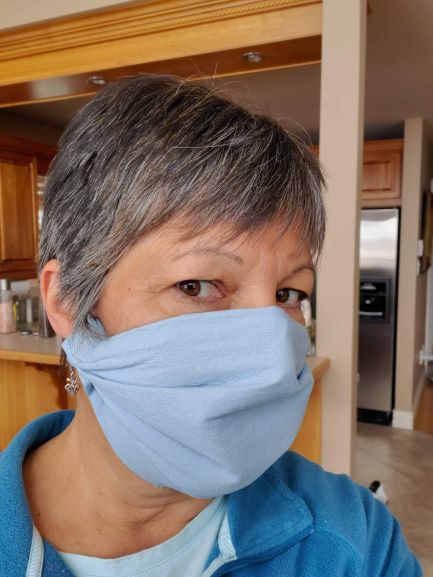
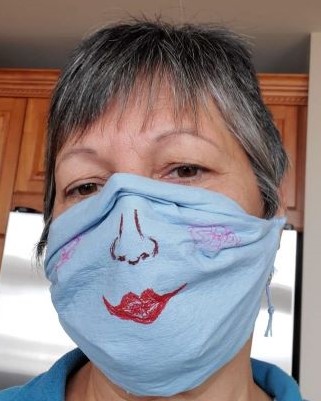
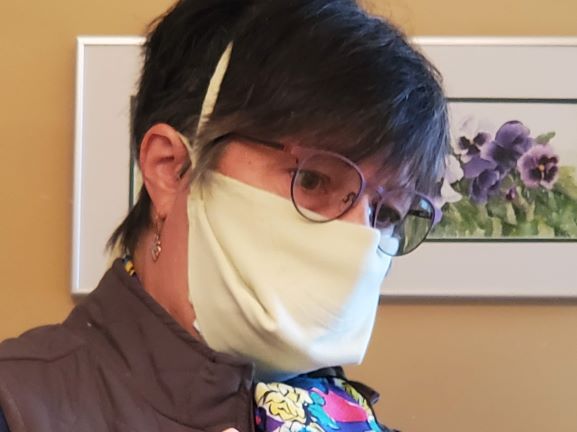
From there, it was all downhill. I’ve been dying to get rid of the last of the hair dye. Just the tips of the sides (where it was actually quite grey) still had some colour. And I had some nice sharp scissors in my hand. Thought I’d just snip off those brown tips. But, of course, you can’t just take a chunk off, even if you have thick hair like I do. The photo above of me modelling my latest mask experiment (a disposable one!) shows the new ‘do… completely dye-free now!

So, I managed to sort of even out the sides. Shall we just say it’s not the best haircut I’ve ever had… Good thing my hair is thick (it hides mistakes a bit better)! Can’t wait for my hairdresser to open up for business again for a proper cut. What’s that expression? Don’t try this at home! Or at the very least, ask someone who can see what they’re doing to do a minor trim, and only if it’s necessary for you to be able to see where you’re going!

But at least I’m not alone… There are lots of funny videos circulating on the ‘net of self-haircuts gone wrong, and white roots emerging beneath colour while none of us can access our usual hair care. My husband has been joking that 90% of blonds will disappear before the COVID isolation is over!

Making masks

I’ve been spending time every day making masks from my fabric stash. We sewers/knitters (especially those with Scottish genes like me!) save everything just in case we might need it some time. Well, the time has arrived and I’m making good use of my stash. I made about 100 masks this week for family, friends and neighbours, refining my patterns to make them faster and easier to make and more comfortable to wear. And I’ve been researching filters to put inside that will increase the effectiveness while still allowing the wearer to breathe easily.

The flat t-shirt pattern I shared last week with 2 layers of paper towel (or, even better, a double layer of blue disposable shop towels) makes a simple and comfortable mask, although a bit fiddley to put on, with strips of t-shirt material for ties. But it’s a mask anyone can make with minimal sewing that could even be done by hand if you don’t have a machine. (See last week’s blog for the pattern and instructions.) http://jeanniebeaudin.wixsite.com/author/post/masks-4-all

But my favourite to wear, is the Olson mask designed by a hospital system in the US when their supplies were running low. They even had N95 filters to insert inside. And they also have a child version of this pattern now. The original pattern is wider than needed so the sides can be folded over a thin hair elastic (which I didn’t have at home). So, I modified it by taking an inch off the sides and sewing on strips of t-shirt fabric for ties or strips of matching fabric cut on the bias so it would stretch (essentially homemade bias tape, for those of you who sew) and sewed a 4.5 to 5 inch piece on for ear loops. As you can imagine, this mask is more complex to make but it fits nicely and is easy to put on with the ear loops. It also has a pocket to put a filter into and, going forward, I think this is a good idea even if the filter is just a double layer of paper towel or coffee filter. Adding a filter makes the mask more effective.

About mid-week, as the pile of masks grew and I ran out of people to give them to, I brought a stack to our doctor’s office here. There is a large nursing home next to them and I suggested that they pass them on to the workers there or whoever they felt needed them most.

A disposable no-sew version

If you don’t sew, there is also a simple disposable mask made from blue shop towels, ordinary elastics, a paper clip (or 2 to 3 twist ties), tape and a stapler (shown above). Here’s a video of how to do it. I didn’t have elastics so I substituted a 30 cm (12 inch) piece of yarn (blue to match!) with a slip knot so it can be pulled snug around the face. (Put a simple knot at the end of one string, and tie another simple knot with the other end around the first string. Use this loop in place of the elastic in the video. Pull on the 2 ends to tighten once you have the mask on.)

The best way to avoid the coronavirus is still to stay home. But if you need go out for an essential errand, health organizations are recommending that you wear a mask, although governments haven’t mandated that we wear them yet in North America. The more of us who wear them, though, the less the virus will spread and the safer we all will be.

But what about gloves?

Disposable gloves, however, are much less effective because we don’t catch the virus through our skin. Gloves can pick up the virus, however, and transmit it to the face just as an unprotected hand can. And since the surface is smooth, we know that the coronavirus stays viable (”alive”) longer on a glove than it would on your hand! About the only benefit of disposable gloves I can think of, is to protect your hands from harsh sanitizers when in a situation where you can’t wash with soap and water but need to clean your hands a lot, such as on a long trip…and none of us are doing that these days! Any outings we have in potentially crowded places should be as short as possible. Get what you need, get back home, and don’t touch your face (and as little else as possible) until you wash your hands!!

So, if you’re like me, this isolation is starting to get stale, but we still need to stay home and avoid others as much as possible. We try to get out in our yard for a little fresh air every day, and I’ve been keeping busy with projects, like the masks, and learning new things. My current learning project is how to do audio…so stay tuned for the podcast version of this blog (if I can figure it all out…)!

Resources:

Homemade mask from blue shop towel

Olson Mask (fitted with filter pocket) (see link to download about halfway down the page)

Olson Mask in child sizes (see link to download about halfway down the page)

Masks 4 All (with t-shirt mask pattern)—Jeannie’s blog last week

Categories
Uncategorized

Masks 4 All?

We are learning new information on COVID-19 every day. As much as we are saddened, stressed and fatigued with news of the virus, we do need to pay attention to the news because what we need to do—how we need to change our behaviour—is constantly changing.

The consensus on whether the public should wear masks is changing too. Various countries have taken a different approach to masks and researchers are noticing that masks for all is one of the strategies that successful countries, with the flattest curves on graphs of both cases and deaths, included masks along with physical distancing, washing hands, disinfecting surfaces regularly and staying home as much as possible.

The reasons given for not advising the public to wear masks when outside their homes include:

1. They have not been proven to be effective

2. They may encourage people to touch their faces to adjust the mask

3. Non-healthcare people don’t know how to put on and remove a mask properly

4. Masks need to be saved for healthcare workers, as there are not enough available for everyone (at least in North America)

In my opinion, reason #4 should be listed first…

There is no question that high-level masks should be reserved for those working directly with people who are infected. The N95 mask is designed to filter out 95% of particles from air the wearer is inhaling. This includes bacteria, viruses and fine mist that is generated during certain medical procedures. But simple, inexpensive, homemade cloth masks may be all the is needed by the general public.

The key function of masks worn by the public is to prevent people from exhaling bacteria and viruses when they talk or cough. It is known that some people have few or no symptoms of COVID-19 but can still unknowingly spread the disease. When you wear a mask to the grocery store or pharmacy, you are mainly protecting others, more than yourself. Wearing a mask doesn’t mean you don’t still have to wash your hands and avoid touching your face…it’s an extra measure of safety that is added onto what we are already doing to help protect others. Any of us could have the coronavirus but not realize we do because we do not have any symptoms. Because of the way they work, homemade cloth masks work best when everyone wears one.

Reason #1: not proven to be effective

So, are masks worn by the public effective? As medical policy makers have been saying, there is no proof they are…until now. Research in Asian countries and in Czechoslovakia, where rates of coronavirus spread are impressively low, is suggesting that their policy of masks for all is making a difference. Countries, like South Korea, Japan and Hong Kong where wearing a mask in public when you are sick is a custom, are among those with the lowest curves showing numbers of cases. As China opens up businesses and people there return to work, we will see a further test of masks combined with other strategies as the world watches whether a second wave of coronavirus can be prevented there.

Meanwhile, growing evidence of virus spread by people without symptoms is prompting the World Health Organization and governments to reconsider their policies stating that masks do not need to be worn by the public. Masks are recommended to be worn by those with symptoms that suggest COVID-19 infection, but it is beginning to seem likely that it is also being spread unknowingly by people with the virus who do not have a cough, sore throat or fever.

Reason #2: “may” encourage people to touch their faces

My first question is: do healthcare workers touch their faces more when wearing a mask or to they adapt to it quickly when told they must not do this? This, again, has not been proven to be a problem when wearing a mask and, in fact, I’ve read the opposite expert opinion elsewhere: that a mask stops a person from touching their face…it physically block you from doing this. The jury is certainly out on this one… Let’s just say that the rule of avoiding touching the face is still an important one and must be remembered whether you wear a mask or not.

Reason #3: lack of education about how to use a mask

A significant cause of infections of healthcare workers is improper removal of contaminate protective clothing. Remember that the purpose of Personal Protective Equipment (PPE) in hospitals is to create a layer that blocks viruses from reaching the worker. In the process, the outside of the equipment (including the mask) is very likely to be contaminated. The worker must learn to remove the equipment without touching the outside as this would expose them to viruses and bacteria.

But is this also an issue for people who wear a mask in public? The main purpose (as stated earlier) is to prevent the public from expelling droplets that may contain viruses when they talk or cough. This makes removal technique much less important than for those who are surrounded by viruses as they work with sick patients every day. But, just like learning to wash our hands properly, members of the public can learn to take precautions when removing their masks.

When removing your mask, it is best to handle it only by the straps or elastic, avoid touching the outside or inside and put it directly into hot soapy water (soap kills the coronavirus) or a mild bleach solution (1 part bleach to 9 parts water). Leaving it in a laundry basket can create risk of exposure for the person doing the laundry later, although generally viruses do not live more than a few hours on porous surfaces like cloth or paper. You could also put your masks into a laundry bag or pillowcase to enclose them until wash day. After removing your mask, you should wash your hands…but if you’ve just returned from an “outdoor adventure” (like shopping 😊) you should be washing your hands anyway.

The mask also needs to be put on properly for best effectiveness…it should fit as snugly as possible to maximize the filtering effect, including squeezing the metal clip or wire that is (hopefully) inserted in the edge positioned over the nose. The mask must be kept over both the nose and mouth to be effective, and we’ve all seen photos of people who have only covered their mouth with the mask or (heaven forbid!) dropped it below their chin to talk.

Remember that it is also possible to catch viruses through the eyes (although less common than through the mouth and nose), so wearing glasses to protect the eyes is also a good idea.

Reason #4: not enough masks to go around

We know that there are problems providing enough masks for our front-line healthcare workers who really need them. If everyone starts competing for the limited supply currently available, the problem will become worse. We cannot allow that to happen.

The earliest masks were a piece of fabric tied across the face, first used during the bubonic plague. Even these simple masks were reported to result in fewer infections in those that wore them. In areas of the US hardest hit, seamstresses and quilters have started making masks from cloth and many have posted patterns on the internet to encourage others. I saw a photo of homemade masks left hanging outside in Czechoslovakia for anyone needing one to freely help themselves.

The initial thought was that, even though these homemade masks are untested, it was better to have an untested one than nothing at all. But there have been preliminary tests that show this: a cloth mask does not filter as well as an N95 mask, but it does make a difference. Patterns that allow a filter to be inserted may provide even better protection. Paper towel is suggested as a simple filter that adds to the effectiveness while still allowing you to breathe easily. A double layer is more effective. And stay tuned as researchers look at what materials work best. We may need to use these for 12 to 18 months, until a vaccine is available.

So, I made 27 masks this week. I distributed some of these to my friends, family and neighbours along with the pattern so they can make more. A double layer of cotton t-shirt fabric or tightly woven cotton are suggested as effective fabrics and the stretch allows a comfortable and snug fit without using darts or tucks, keeping the construction simple and quick. Five to six adult- and 2 child-sized masks can be made from one large adult cotton t-shirt. The sewing so limited the mask could be sewed by hand if you don’t have a sewing machine. I will post the pattern and instructions for use below. This design fits best if the top straps pass over the ears and the bottom straps are pulled up and fastened at the top of the head. Note that woven cotton, cut on the bias (diagonal) provides some stretch.

I plan to make as many as I can—although I may be limited by my t-shirt supply (any donations welcome!)—and I want to encourage others to wear them and make them too! Will you join me in the movement to slow the spread of COVID-19 by helping to make “masks 4 all”?

Slogan for the mask campaign in Czechoslovakia:

“My mask protects you. Your mask protects me.”

References:

WHO considers changing guidance on wearing face masks- The Guardian

CSC considering recommending general public wear face coverings in public—The Washington Post

Alternative fitted face mask pattern–Unity Point Health (made with t-shirt fabric or woven cotton)

Jeannie Beaudin’s Simple Mask Pattern (with filter pocket)

Made from a t-shirt, preferably 100% cotton, heavyweight

Sides are left open so a paper towel (folded in half) can be inserted as a filter for extra protection. One large short sleeve t-shirt makes 5 or 6 adult and 2 child size masks.

Cut across the t-shirt, 13 inches up from the hem. Turn inside out and cut away seams from the sides. Save to use as ties. Cut 9-inch strips, so you have 9 x 13 rectangles with one 9-inch edge already hemmed (from the bottom of the shirt). This edge will form the top of the mask.

You will be able to get 2 from the bottom front, 2 from the bottom back plus 1 to 2 from the upper section , depending on the size of the t-shirt. Sleeves can be made into child-size masks or ties if necessary.

Insert wire of some kind into the pocket formed by the t-shirt hem. Four-inch pieces of pipe cleaner, or 2 to 3 twist ties can be used. Center the wire then stitch across the pocket on each side of it to keep it centered.

Fold up the bottom so it just overlaps the hem stitching. Zigzag along the overlap or hand sew with hem stitch if you don’t have a machine.

The ones from the upper back won’t have a pre-hemmed edge. Fold this 9 x 13-inch rectangle in half. Stitch a ¼-inch seam across the 9-inch side. Place your wire on top of the seam allowance, and stitch in place with a wide zigzag stitch that jumps over the wire or hand-stitch in place. Turn right side out and press lightly.

Cut strips ½ to 1 inch wide from leftover fabric for ties. There will likely be enough in the lengthwise fabric since most t-shirts are more than 18 inches wide, but they can also be cut crossways from the upper part of the t-shirt or the sleeves. If you want to be “fancy” you can pull lengthwise on the strips so they curl, then stitch with a zigzag stitch to keep them folded in half.

Stitch securely to each corner of the mask. Can tuck the end of the strap between the layers before stitching.

Child mask is made the same way from the sleeve fabric or other leftover sections. Trim to width needed to reach from front of one ear to the other. Depth can be adjusted to reach from bridge of nose to under the chin when folded in half.

To wear:

Fold a piece of paper towel in half and insert into the mask through the side opening. One piece of multi-size towel works perfectly. Place the wire edge over the bridge of your nose. Pass the upper ties over your ears and tie snugly behind the head. Pull the lower ties up and tie near the crown of your head. Tuck the sides in under the ties that are pulled upward, making a neat little pocket. Squeeze the wire so it fits snugly over your nose (this will keep your breath from escaping and fogging your glasses!). Wear glasses for extra protection for your eyes!

To remove:

Try to hold the mask by the ties when you remove it (the front could be germy…). Remove the paper towel from the pocket through one of the side openings and discard immediately. Drop the mask into hot soapy water, swish/ soak for 5-10 mins so mask is well exposed to soap (soap kills viruses!), rinse, wring, roll in a towel to absorb excess moisture and hang to dry. Wash hands!
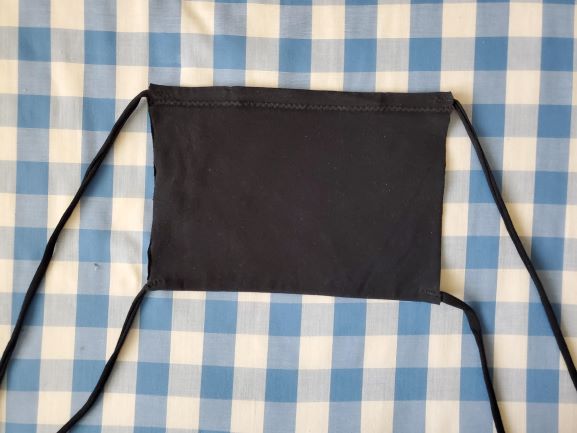
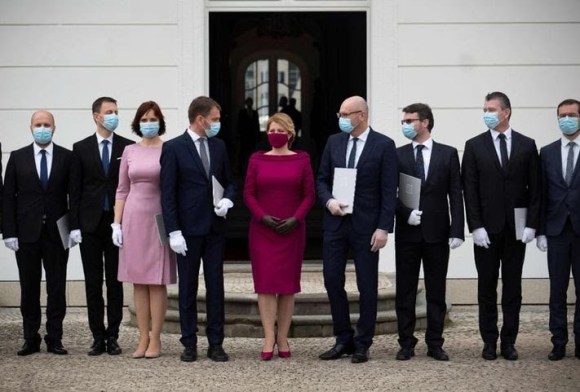
P.S. Won’t we all be stylish this spring! You could make lots of different colours to match your favourite outfits this summer!! …Just like the Prime Minister of Czechoslovakia 😊
#Masks4all #shouldwewearamask #howtomakeafacemask

Categories
Uncategorized

Why didn’t we see this coming?

So many of us are surprised at what is happening these days with the rapid spread of the new coronavirus and so many deaths. But scientists have known for years that this was likely to happen…they said it wasn’t “if” a pandemic would occur but “when” that was in question. The Spanish Flu of 1918 was a good example of how a virus could spread when no one was watching.

If fact, we discussed the possibility of a pandemic at least 15 years ago when I was on the New Brunswick pharmacy regulatory board. We put in place a mechanism to enable quick licensing of retired pharmacists to continue providing basic pharmacy services to the public, should too many of those on the front lines become ill.

Again, when I was learning about viral infections as part of my training to give injections and to teach other pharmacists how to do immunizations, I learned that there are two basic types of viruses…those that spread easily and those that cause severe infections in the lungs. Fortunately, most viruses are one type or the other. But when a virus combines the ability to spread from person to person easily with the ability to cause severe illness, it becomes a candidate for causing a dangerous pandemic. And when it’s a completely new virus, no one has immunity. The new coronavirus that causes COVID-19 is one of these (fortunately) rare ones. And we are quickly seeing and feeling its effects.

Reading about science…

One problem is that too many of us don’t hear what our scientists are saying. Science is often hidden behind pay walls instead of being openly shared, charging subscription fees or $35 per article to read the evidence. And, too often, the results of studies are written in scientific lingo that the average person can’t understand.

Sometimes, science news is shared by non-scientists who don’t translate the information accurately, causing confusion and misunderstanding. An example is the current stockpiling of chloroquine and hydroxychloroquine, based on news reports that they might prevent or treat COVID-19. Experimenting with potent drugs based on rumour and hearsay can be dangerous. There have been reports of patients who have ended up in hospital after taking chloroquine based on sketchy news reports. As yet, no proof exists that chloroquine or hydroxychloroquine work, that either is safe to use against this virus, or what dose should be used. Scientists have organized methods to test drugs safely and thoroughly before they are used by sick patients. Perhaps our scientists, themselves, should write summaries of their research work that can be clearly understood by all and are accessible to the public and news media.

Believing the facts…

For some, being part of a social group with certain beliefs keeps minds closed to the facts. Humans are social beings and, when faced with a choice of being included in a group or standing up for the facts we have been shown, many need to stay with their social group, finding ways to “prove” the facts must be wrong. We’ve all seen videos of teenagers partying on beaches, who have convinced themselves the warnings don’t apply to them… people crowded in parks, convinced that only those over 80 need to worry…

It’s also harder to make choices that you know will cost you money. But governments, listening to the scientists, are making the tough decisions that will save lives. Doctors and scientists are telling us what is likely to happen if we don’t change our behaviours quickly to prevent the spread of the COVID-19 virus infection. We are starting to see the results of our slow early reactions.

But we are displaying a similar lack of attention to what scientists are saying is going to happen as a result of climate change. We certainly need to focus on following the advice of experts right now to avoid exposure to this virus but, hopefully, we are learning a good (if costly) lesson. We need to heed the advice of experts who warn us of potential world problems.

In spite of the difficulties in making changes when a problem isn’t yet affecting our daily lives, it is much less costly and “inconvenient” to prevent problems than it is to fix them after they occur. And prevention, wherever it can be applied, can save lives and prevent suffering. Forgive me for going off on a bit of a tangent, but one of my pet peeves is the “war on cancer” – while it would be wonderful to find a cure for all cancers, many could be prevented. We need more research into causes of diseases like cancer and better strategies to prevent them. This would extend lives, prevent suffering and save a lot of money that could be used to better everyone’s lives.

Occupying ourselves during isolation…

You know, it’s interesting how science fiction—the product of people’s imagination—can sometimes predict the future… I’m not talking about zombies, of course, but, just as they foresaw landing on the moon, sci-fi writers have imagined various scenarios where disease could disrupt society. Some of these imagined disaster movies and books, like Contagion and Andromeda Strain, have resurged in popularity, as movie fans compare the sci-fi version to the current crisis.

Spoiler alert… Andromeda Strain has a happy ending with quick action taken by government (I read it last year) but I haven’t seen Contagion yet. Maybe I’ll watch it this evening, just to see how the writer’s imagined crisis compares to what is happing now…

Or, to pass the time while self-isolating to reduce the magnitude of this crisis, maybe we can learn about the next potential one…climate change. I found a list of the best (and potentially most accurate) shows, as recommended by The Climate Reality Project (click here). Just like cancer and virus infections, it’s better and easier to prevent environmental damage than it is to try to fix it after it’s occurred… and costs less in money and lives to do it sooner rather than later.

But if watching a scary movie isn’t right for you right now… perhaps a phone call or video chat with family or friends (very easy with FaceTime, Messenger or other chat apps) and a feel-good novel (maybe a cozy mystery or romance?) might be just the things to pass the time and stay in touch with loved ones.

What are you doing to occupy yourself during this time of isolation? Or are you one of the many on the front lines we are so thankful for, working hard to help protect us? Post a comment below!

#COVID19 #climatechange

References/Further reading:

Why Facts Don’t Change Our Mind – James Clear

Must See Movies About Climate Change – The Climate Reality Project

Categories
Uncategorized

“Escape” from Europe

I’m so glad to be home in my quiet community of Cap-Pelé, NB! It was an interesting trip back from Spain. And I’ve changed several habits to reduce my chances of catching the virus while in Spain and while passing through 4 airports on the way home…

Wash hands

The first one was to wash my hands more often, and to wash them longer. When I wrote my Jan 31st blog about use of masks during the current COVID-19 pandemic, I realized I wasn’t washing my hands for a full 20 seconds. But at least I had already developed the habit of washing them first thing when I walk through the door. When out doing errands, I knew I was touching a lot of dirty surfaces: door handles, railings, money… and many others. I didn’t want to spread what I’d picked up around my home.

Avoid touching your face

The next habit to change was to stop touching my face with my hands. It’s amazing how many times I would scratch my nose, rub my eyes or touch my mouth unconsciously. And it’s a hard habit to break. I mean, what’s a girl to do when her nose is itchy? My solution is to use my sleeve to soothe the itch (not the one I use to sneeze or cough into, of course…) or, if I have a sleeveless outfit on, I use my forearm or the back of my wrist. Although I haven’t seen any “official” recommendations about this, it seems to make sense.

I cringed when I saw an employee in Charles de Gaulle, Paris airport, rubbing her mouth and chin as she worked on her computer at the check-in counter. I wondered how she missed the message, and how long it would be until she was sick…or whether she was already…

As for face masks, unless you need to be close to potentially sick people, the main benefit of a mask is to prevent you from touching your face. Even a scarf will do this, but you can train yourself to keep your hands away from your face, saving face masks (a scarce commodity these days!) for those in close contact with the ill.

Clean your phone

And, we know that bacteria and viruses live longer on hard smooth surfaces, like our cellphones (up to 2 to 3 days, for some organisms). I hadn’t thought about that until I saw a “question and answer” series on BBC. Someone asked how to clean a cellphone without ruining it. Here’s their answer: Some manufacturers recommend avoiding alcohol and harsh cleaners as they can damage the screen over time. They recommended, instead, using soap and water on a microfiber cloth, wrung out well, to wash all surfaces including the sides, being careful around openings. They even did a test to show how well this simple washing drastically decreased counts of organisms on the surface (impressive!). They also suggested checking cleaning recommendations from the manufacturer of your specific phone.

Other items that are handled when out, like keys, wallets, purse handles, etc. are items to think about too. Either wash them along with your phone or wash your hands (yet again!) after touching them when at home. Remember that viruses can live on hard surfaces for up to 2 to 3 days.

Cover coughs and keep your distance

I’m sure you’ve already been told to cough or sneeze into a tissue (and throw it away) or into your sleeve with bent elbow. And we’ve all been told to practice “social distancing” when around other people… staying at least 2 arm lengths (2meters/6feet) away from others. Alternatives to handshaking, hugs and kisses are springing up: touching elbows or toes, hand over the heart, Namaste or (my favourite!) the “virtual hug” with “air kisses”.

Of course, we’re staying at home or in our yard for 2 weeks, avoiding all contact with others, after being in Spain and (worse yet!) passing through all those airports. The line-ups were the same as always—large rooms filled with people close together, as we shuffled in multiple lines for 2 hours to pass through customs or to board planes. My husband suggested we stay close to those wearing masks…we were unable to find any for ourselves for the trip, although we checked several stores and pharmacies. Although they’re not recommended for general use in people who are not sick, they seemed like a good idea since we knew there would be close contact with many other travellers. It was notable that the only hand wash station I saw was in the last airport, in Moncton, NB!

Leave shoes at the door

At home, I also have the habit of removing my shoes at the door. This was reinforced in Spain by the state of the sidewalks there – so many dogs and birds, leaving their “calling cards” (as my grandfather used to call them) behind. It pays to walk with your head down, even when the scenery is amazing. Sometimes I took my sandals into the shower when I got back and sprayed them with hot water then washed the tub…

We were only due to return in mid-April and were extremely lucky to have been able to change our tickets to earlier flights. Some of our relatives and friends are still in Spain, trying to get earlier flights (which we hear can take 30 hours and can cost $3000 per person for a 1-way fare). When walking to the grocery store in Spain, my sister-in-law told us they were stopped by police, asking where they were going. On the return walk, they were stopped again and told that only 1 person was to go grocery shopping next time. We are hoping that planes will still be flying on the dates when their original flights are scheduled.

So, in summary, here’s a checklist:

1. Wash hands often for at least 20 seconds

2. Avoid touching your face

3. Clean frequently touched surfaces with soap and water, including your phone

4. Cough or sneeze into your bent elbow

5. Keep a “social distance” of at least 2 arms length from others until the situation improves

6. Remove your shoes at the door

The situation is changing quickly and recommendations for behaviours to slow the spread of COVID-19 and protect yourself and others are becoming more stringent every day. Pay attention to what is recommended in your area—and that may mean just staying at home—and follow it closely. Even if you are not at high risk, you could pass the virus on to someone who could die from it.

Some are comparing the current pandemic to the Spanish Flu of 1918 that spread unchecked throughout the world, killing an estimated 50 to 100 million people. Of course, they had no vaccines then, and communication was poor with the Great War in full swing. If you’re wondering why governments are taking such drastic actions right now, watch this 11-minute video about the horrors of 1918… the Spanish Influenza.

Meanwhile, I’m dousing my poor, dry (but so clean!) hands with moisturizer…they look like hands of a 90-year-old after so much cleaning with alcohol gel and wipes on my trip home! Missing the warm Spanish sun, but so happy (and lucky!) to be home…

Around the world, people are being encouraged to come together but stay physically apart. Help out your neighbours and those you love but do it from a safe distance! Stay well…

#COVID #preventingvirusinfections