Categories
Uncategorized

Making connections…

Although it’s a common belief that older adults are more likely to be lonely, since many of them live alone, researchers found a spike in numbers of people reporting loneliness in their late 20’s and mid-50’s as well as in their late 80’s. Loneliness can occur at any age.

Loneliness is a deeply personal experience, unique to every individual—a problem with different causes and consequences for each affected person. A person can be socially isolated (having few social relationships and contacts) but not experience loneliness (the negative emotion of having fewer and lower quality relationships than we want and need to be happy).

Sometimes people can be lonelier in a busy community than in rural areas. A person can be alone and not feel lonely, but can be in a crowd and feel alone. A full three-quarters of participants in a California study of community dwellers reported moderate to high levels of loneliness. Since loneliness is known to affect people’s health, similar to smoking 15 cigarettes a day, the researchers wanted to learn more.

They found 3 factors were increased in people who reported they were lonely (listed in order of impact): having lower levels of emotional “wisdom”, living alone, and having a diagnosis of a mental or physical illness. Wisdom was defined as having several components: empathy (being able to feel the emotions of others), compassion/altruism (selfless concern for others), a sense of fairness, insight into the feelings of others, acceptance of others’ values and opinions, and decisiveness (the ability to make quick, effective decisions when necessary).

In the UK, health authorities recognize the toll loneliness is taking in older people, increasing risk of onset of disability and cognitive decline leading to dementia. They have started a campaign to end loneliness in the elderly, treating it as a public health issue. The challenge of any community is to reach lonely individuals, to understand the nature of the person’s loneliness, to develop a personalized response (since each individual has different needs) and to support them in their access to the services they need. While this has the greatest overall effect when done at the community level, it is also an effective way to help someone you suspect is lonely. You can read more about the UK approach to ending loneliness here.

I decided to write a Christmas letter this year. Although it’s a long-standing tradition of mine to communicate at least once a year to friends and family I don’t see often, I hadn’t written a Christmas letter for a few years. So, this week I sent it off, a few by snail mail but most of them simply by email. In true “blogging” fashion, I asked the recipients to do something (called a Call to Action in the blogging world…). At the end of my letter, I asked them to send a hello back to me if we hadn’t spoken in a while. And I have been delighted to hear back from quite a few. What a great way to reconnect and start a conversation again!

Now, I’m sure my little action wouldn’t cure anyone’s loneliness, but staying connected to friends and family is a first step in the right direction, both for you and for those you contact. It’s so easy to do now, too, with emails, videoconferencing (like Skype, Facetime) and texting or even with a good old-fashioned telephone.

So, this holiday season, my “Call to Action” to you is to reach out to friends and family, whether old or young, that you may not have contacted for a while. Find out what’s new in their lives and show you care about them. ‘Tis the season…

References:

Serious Loneliness Spans the Adult Lifespan but there is a Silver Lining

Campaign to End Loneliness

High prevalence and adverse health effects of loneliness in community-dwelling adults across the lifespan: role of wisdom as a protective factor

Categories
Uncategorized

Suddenly dizzy? Might be vertigo…

Know anyone who’s had vertigo? It’s more common than you might think, especially among the “over 60” crowd.

Vertigo is a sensation of spinning and loss of balance. While it can be associated with looking down from a great height, it can also be caused by disease or condition affecting the inner ear. The most common type of vertigo is called BPPV

  • Benign (not cancerous)

  • Paroxysmal (comes and goes, and doesn’t last long—usually less than a minute)

  • Positional (triggered by moving the head in a certain position or direction)

  • Vertigo (dizziness, sensation your surroundings or the inside of your head are spinning)

    • Often accompanied by nausea

    • Affects women twice as often as men

I just had a bout of it, and it’s not much fun…a bit scary, actually. But it stopped so quickly–in about 10 seconds–I didn’t think it could be a serious problem (and it isn’t for most people). Of course, dizziness can be a sign of other problems, some quite serious, so it’s a good idea to discuss your dizziness with your doctor if you start to experience this.

BPPV vertigo usually only lasts for a week or two. It’s diagnosed by first eliminating anything more serious, and by getting you to lay back with your head 45 degrees to one side. You may need to repeat the movement with your head to the other side. If it’s vertigo, your eyes will start to move back and forth, as they do after you’ve spun yourself around enough to feel dizzy, and this movement will trigger the feeling of dizziness. This eye movement is called nystagmus.

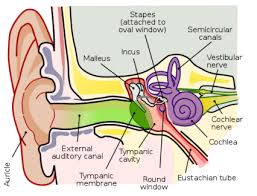
Vertigo originates in part of the inner ear called the semicircular canals (note the top loopy part of the purple structure in the diagram above). As the name suggests, these are 3 semicircular loops filled with liquid and, when we turn, tiny hairs that line the loops can sense the movement of the liquid inside the loops. Your brain uses this information to sense what direction your head is moving, even when your eyes are closed or you’re inside a plane or large ship.

There are tiny crystals, called otoliths, attached to the base of the semicircular canals. When one of these breaks off and enters a canal, its movement (controlled by gravity when you lay down or turn quickly) can confuse the tiny hairs that detect movement of liquid in the canals. This can make you feel like you’re moving when you are not, creating the dizziness in BPPV vertigo. It usually takes only a few seconds for the crystal to fall to the bottom of the canal, and that is why BPPV vertigo only lasts a short time. I posted a video below that explains it better…

Treatments

One of the treatments for BPPV vertigo uses this information. The patient is helped through a series of movements designed to move a loose crystal (otolith) out of the affected canal. It’s not difficult to do and can be repeated as needed, once you understand the movements. It is called the Epley manoeuvre. Here’s a link to a video that demonstrates this and the theory of the crystal movement.

A few medications are available to treat vertigo, although they are more commonly used with longer-lasting types like Meniere’s disease. One medication is Betahistine (brand name Serc), a type of antihistamine that some find helpful, although its effectiveness has been questioned. Another is a combination of Meclizine (antihistamine) and low-dose Niacin (vitamin B3), formerly available as Antivert tablets, but now discontinued. However, the individual ingredients, Meclizine and Niacin, are still available and can be bought without prescription in most countries. Meclizine is usually on the pharmacy shelf next to the Gravol or is sometimes kept behind the pharmacy counter. Niacin is found in the vitamin section, and you would take only 1/2 of a 100mg tablet. A compounding pharmacist could make this combination into capsules for you, and I often made these in my pharmacy. However, since episodes of BPPV vertigo are so short and usually last only 1 to 2 weeks, these medications are generally reserved for other types of dizziness, such as Meniere’s disease or labyrinthitis.

What causes otolith crystals to dislodge, causing BPPV?

BPPV can be caused by a minor injury to the head, but it can occur without an injury, as it did to me. Some drugs are reported to increase the chance of developing vertigo, and medication should always be considered if there is no obvious cause. The list includes some very common drugs, such as codeine, prednisone, omeprazole (Losec), furosemide (Lasix), melatonin and many others. Here is a link to a good reference about this.

I had just started using a new medication and, although it isn’t included on the list, I believe it caused my vertigo. Here are my reasons: the medication I started using is the corticosteroid, budesonide, and it is in the same drug family as prednisone (which is on the list). Although the product is designed to be inhaled as a treatment for asthma in children, my prescription was to mix it with saline and use it as a sinus rinse (neti pot). This is an “off label” use for this product, meaning that it has not been tested or approved for this use. It is similar to corticosteroid nasal sprays that are commercially available, however, but stronger and generally used this way only short-term for inflamed sinuses, when regular sprays have failed.

My vertigo started when I’d been using the new medication for about 3 weeks. It gradually improved over a couple of days when I stopped the medication and got worse again when I restarted it. When I stopped it a second time, the vertigo improved again over a few days and hasn’t returned. However, I have been left with tinnitus, ringing of the ears, that 3 weeks later is still a nuisance (especially at night, when it’s quiet). So, a bit of an experiment, but it convinced me that the medication is a problem for me.

But the experience has left me wondering whether others have developed vertigo after using budesonide as a nasal rinse. One problem with “off label” use of drugs is that adverse reactions are often not reported as they would have been while being tested for official approval. I will ask my doctor about this when I see him at my upcoming appointment.

So, have you ever had vertigo? Was the cause identified? Could it have been caused by a medication you were using? I’d love to hear about it…click the Questions/Comments button and send me an email!

References (click to link to article):

Epley manoeuvre

Medicine-induced Vertigo—Medsafe, New Zealand

Benign paroxysmal positional vertigo—Wikipedia

Categories
Uncategorized

Psoriasis – Can hemp seed help?

I love to answer questions from readers… A reader asked me whether using hemp seed or its oil could help improve psoriasis?

The quick answer is – yes! Hemp seed contains oil that is rich in omega-3 fatty acids and these can reduce inflammation associated with psoriasis. Fish oils are also rich in these fats and would be equally useful (but not as tasty and definitely worse smelling…). Hemp seeds have a nutty flavour and can be sprinkled on cereal or salads. Hemp seed oil can be consumed, as is, or rubbed directly on the area of psoriasis. If a large area is affected, taking by mouth would certainly be easier. Hemp seeds are available in the natural food section of most large grocery stores and in some pharmacies.

But I thought I’d expand this article to include information about the disease and other things you can do for yourself if you are affected. So, here it goes…

What is psoriasis?

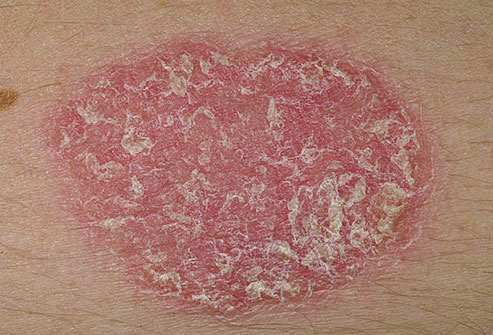
Psoriasis is a skin condition that is thought to be related to a problem with the immune system – an autoimmune condition. The immune system’s T cells mistakenly attack healthy skin cells. This causes them to over produce, building up in thick, scaly patches on the skin’s surface. It isn’t clear what causes T cells to malfunction, but both genetics and environment appear to play a role.

What can you do to prevent it?

Anyone can develop psoriasis, but your risk is higher if you have a parent who is affected, and higher still if both have it.

Psoriasis is typically started (or worsened) by triggers that you can avoid. These can include:

  • Infections of the skin or strep throat

  • Injury to the skin, like a cut, scrape, insect bite or severe sunburn

  • Stress

  • Smoking

  • Heavy alcohol use

  • Vitamin D deficiency

  • Certain medications, such as lithium, beta blockers (medications used for blood pressure), antimalarial drugs and iodides (iodine compounds, sometimes used in surgery prep)

So, obviously, avoiding these triggers or correcting them as soon as possible can result in improvement for many who suffer from psoriasis. Treat skin injuries with soothing creams that prevent infection, such as Polysporin Cream, to speed healing. Try a stress-reducing activity, like yoga or meditation, to reduce the effects of stress you can’t avoid. Don’t smoke and use alcohol in moderation. Get a controlled amount of sun exposure so you will produce your own vitamin D but avoid sunburn as the resulting skin damage can worsen psoriasis. Take a vitamin D supplement in the winter, if you live in a northern climate. Check with your pharmacist to find out whether any of your medications could be triggering your psoriasis.

Other non-prescription treatments

Besides the omega-3 supplements and topical oils mentioned above, there are several non-prescription treatments you could consider in mild cases of psoriasis. For severe psoriasis that causes you discomfort and pain, makes routine activities difficult, causes you concern about your skin’s appearance or is associated with painful, swollen joints, it is recommended to talk to your doctor. Be aware that there are more potent treatments that your doctor can prescribe.

Steroid creams and ointments are a mainstay of psoriasis treatment. Steroids block inflammation very effectively, reducing redness and plaque formation. Ointments are usually more effective than creams, as they provide occlusion and moisturize better than creams. True occlusion would be covering the area with a non-breathable material, like plastic wrap. This traps the medication in and makes it more potent. Ointment bases (like Vaseline) have a similar effect to covering the area, although not quite as efficient as plastic, and generally ointments are more potent than creams with the same strength of steroid. Ointment bases also trap moisture in more effectively than creams so are usually more moisturizing but greasy… less “cosmetically appealing”. Hydrocortisone cream up to 1% is available in many countries without a prescription now.

Salicylic acid, in creams and shampoos, helps to loosen and remove psoriasis skin scales. However, it can irritate the skin. Often, it’s combined with a steroid that will reduce the irritation and inflammation caused by both the salicylic and the psoriasis itself. Pharmacists will sometimes add this ingredient to an existing cream on a doctor’s order, but you can request them to do this for you too, as the ingredient doesn’t require a prescription.

Coal tar has been available in shampoo form for decades and is a common treatment for scalp psoriasis. Coal tar slows the division of skin cells, reducing the formation of plaques. As a pharmacist, I often added coal tar solution and salicylic acid to existing shampoos for clients, although they needed to be shaken well before use to remix the ingredients and had a strong smell. The combination is commercially available now, however. You would find is in the medicated shampoo section of the pharmacy.

Light therapy doesn’t actually require a prescription, although some forms are more potent and would only be administered by a therapist. A standard UV lamp could be used at home, but it’s recommended to discuss this with your doctor first to ensure you are using it safely.

Moisturizers alone won’t heal psoriasis, but they can reduce the symptoms of itching, scaling and dryness that accompany it. Apply immediately after a bath or shower, when the skin is more hydrated. Moisturizers with aloe vera and/or barberry (Oregon grape) may work better, as these ingredients can help reduce skin inflammation, redness, scaling and itching. Avoid scented products as these may be more likely to irritate the skin.

Prescriptions for psoriasis

Steroids that are much more potent than non-prescription hydrocortisone. There is a range of steroids of different strengths and in varying bases that can be tried. They generally have fewer side effects than other treatments so usually are the first prescription choice. The most common side effect is thinning of the skin, especially of concern in areas where the skin is already thinner (for example, the face), allowing the blood vessels to show through the skin. Loss of pigment from the skin at the application area can also be a side effect. As the drugs are absorbed through the skin, suppression of the immune system can occur when high-strength steroids are used on larger areas for a longer time, and especially if occluded (covered with a non-breathable dressing). Children are more susceptible to side effects because of their thinner skin and smaller body weight.

Retinoids, drugs that are similar to vitamin A, can improve psoriasis but have severe side effects, such as inflamed lips and hair loss. Pregnancy must be avoided in women taking these drugs and for 3 years afterward, as they can cause severe birth defects.

Methotrexate is a prescription drug that decreases the production of skin cells and reduces inflammation. It is used in high doses to treat some forms of cancer but, for psoriasis, it’s used in very low doses. Side effects of upset stomach, appetite loss and fatigue are related to the dose used and are generally not bothersome at the low doses used for psoriasis. Long-term use can cause more serious side effects, such as liver damage and decreased production of platelets and red and white blood cells.

Drugs that alter the immune system

  • Cyclosporin is a drug used mostly to prevent rejection of transplanted organs, but it can be used short-term to suppress the immune system, the underlying problem in psoriasis.

  • Biologics are a group of newer drugs that work by altering the immune system. They include expensive medications we see advertised on TV, such as Enbrel, Humira, Remicade, Otezla, Cosentyx and others. Because they have strong effects on the immune system that may result in life-threatening infections, they are used with caution and generally only after traditional treatments have failed.

Keep in mind that a healthy immune system is aided by a good diet, healthy lifestyle, a well-functioning digestive system and exercise (especially outdoors, where you are exposed to healthy bacteria in the environment). Eliminating chronic, low-grade infections can also help the immune system by decreasing its workload.

Which treatments are used for psoriasis depends on how severe it is, and how much it bothers you. Because of the side effects, generally the safest treatments are tried first. But keep in mind that trigger control and simple strategies like moisturizers to control dryness and itching will usually not interfere with prescription treatments you may need to try. However, always discuss any non-prescription or alternative medications you are using with your doctor.

References:

Psoriasis Symptoms and Causes Mayo Clinic

National Psoriasis Foundation

Can Hemp Oil Help My Psoriasis?

Side -effects of topical steroids

Categories
Uncategorized

What’s this blog really about?

Three years of blogs…

I’ve been writing my health blog for over 3 years now (this is my 140th article!) and it’s evolved over time as many projects do. Originally, I planned to write about hormones, a rather narrow topic but, when several men subscribed, I expanded to general health topics that would interest everyone. Often I wrote about information I was asked when working in a pharmacy or about questions that readers suggested by email, using the “Questions/Comments?” button on my webpage. Over time, I started writing more about health-related topics that I found interesting as I read emails from pharmacy websites, or that I thought would interest people who joined my mail list or who followed me on Facebook, Linkedin or Pinterest.

Sometimes the topic was something I knew plenty about from my pharmacist experience, but I also based blogs on new research or unusual ideas… subjects I learned about and then shared if I think others would be interested as well. The questions I’ve received from readers were often on subjects I knew nothing about too, so I read about them and shared what I learned.

But this week I realized something…

I had read an article about “how to improve your blog” that suggested a writer really should know why she blogs and exactly what she is blogging about – what the purpose is. And with the contents of that article rumbling around my brain, I then read the introduction to a book about curiosity. It struck me that my blog is really about curiosity – my curiosity about ways to stay healthy, controversies in the health world, and what’s being discovered in health research. It’s also about your curiosity around health matters you want to understand better.

So, while I initially started blogging to improve my writing and to connect with others who might be interested in learning how to stay healthier, I began to follow my curiosity – learning about new treatments and ideas to maintain health, reading about controversies that questioned beliefs I had held for years, learning more about how the mind and body work and how we can help both to function ideally until old age.

I guess I’ve always had a curious mind but, now that I’m retired, I can really indulge my curiosity. Curiosity is what pushes us to learn more and try new things: Could I learn to do that? How does that work? Why does that happen?

As children, we are curious about everything in the world around us, asking questions that sometimes frustrate grownups caring for them. But sometimes as adults (especially if we’re busy or don’t know the answer), we discourage children’s curiosity or don’t bother to pursue answers to questions, theirs or ours. Many adults have lost their curious nature.

Curiosity is an excellent cure for boredom…

I used my curiosity to make my work more interesting, researching subjects that interested me, whether for myself or for a client, and trying new activities to see if they worked in a pharmacy setting. Curiosity is what led me to learn about hormones and, eventually, as I shared what I’d learned with women who were looking for this information, it resulted in the development of a specialty hormone consulting service in my pharmacy – one of the first of its kind in Canada. I guess that’s what I’m doing now with my health blog… exercising my curiosity, trying out new ideas and sharing them with you!

So, what are you curious about?

If it’s health related, I’d love to help satisfy your curiosity and expand your horizons! Click on the “Questions/Comments?” button to email me your burning questions related to your health! (Please note that the identity of those who pose questions is always kept confidential…)

Categories
Uncategorized

Is it Alzheimer’s, Parkinson’s or NPH?

NPH, Normal Pressure Hydrocephalus, is a brain disease that is often misdiagnosed because it mimics other brain conditions. This can result in patients waiting years to receive a treatment that could give them significant improvement… or never receiving it at all.

It is estimated that 15,000 Canadians and 700,000 Americans have NPH but less than 20% are diagnosed correctly. Instead, they are diagnosed with Alzheimer’s or Parkinson’s Disease, or just old age.

“Hydrocephalus” means increased water or fluid in the brain. This condition can also occur in children, but they usually have increased pressure in the brain while adults with the condition have pressure that fluctuates from normal to elevated. It is treated by surgically inserting a shunt to drain fluid from the brain and spinal cord (called cerebrospinal fluid) into another part of the body.

Adults produce 500 ml (2 cups) of cerebrospinal fluid each day. This fluid supports and cushions the brain, removes waste and distributes important substances. When its circulation is blocked, fluid accumulates, causing the cavities within the brain (called ventricles) to enlarge, pressing on parts of the brain and causing malfunction. The type of malfunction would depend on which area was receiving pressure.

Symptoms

The adult version of the disease, Normal Pressure Hydrocephalus, was named before newer forms of brain monitoring showed that pressure could be high as well as normal, but the name stuck even though it isn’t quite accurate. NPH most commonly occurs in adults over age 60. Symptoms include:

  • Difficulty standing and walking, a shuffling gait

  • Impaired bladder control

  • Memory problems and lack of concentration

It is not necessary to have all 3 symptoms to be diagnosed with NPH. In many cases, physical symptoms appear first, followed by mental symptoms like forgetfulness.

Cause

Most cases of NPH are “idiopathic”, which means the cause is unknown. This is also referred to as “primary NPH”. There is also “secondary NPH” that is caused by another condition, such as head injury, brain surgery, subarachnoid hemorrhage (bleeding in the brain), tumors, cysts (closed, sac-like abnormal structures that contain fluid, air or a semisolid substance), meningitis or other brain infections.

Symptoms progress with time. The longer and more severe the symptoms, the less likely treatment will be successful, but some patients with symptoms for years can improve with treatment. One study found that 87% of those treated had experienced improvement.

How is it diagnosed?

Often the affected person or a family member brings the symptoms to the attention of the family doctor, leading to a diagnosis. Sometimes enlarged ventricles (fluid-filled spaces) in the brain are found when the brain is scanned for another reason. It is recommended to see a neurologist or neurosurgeon if NPH is suspected for an evaluation and interpretation of test results.

3 types of testing can be used:

  1. An interview, physical exam (to rule out other causes) and a neurologic exam to assess brain function

    1. Observation of walking and turning

    2. Questions about bladder function

    3. Pencil and paper tests to examine attention, reaction time, memory, reasoning, language and emotional state).

  2. Brain imaging to look for enlarged ventricles in the brain

    1. CT scan

    2. MRI (can detect impaired fluid flow as well as enlarged ventricles)

  3. Tests to predict whether surgery will help

    1. Lumbar puncture/spinal tap (A thin needle is inserted into the fluid around the base of the spine in the lower back. Pressure can be tested and up to 50 ml of fluid is drained off to see if lowering fluid pressure will improve symptoms)

Because of the high rate of misdiagnosis, the Hydrocephalus Association is conducting a campaign to inform doctors and the public about NPH. Check out their website — it’s a good place to start, if you are interested in more information.

References:

CTV News

The Hydrocephalus Association

Categories
Uncategorized

It’s Bug Season!

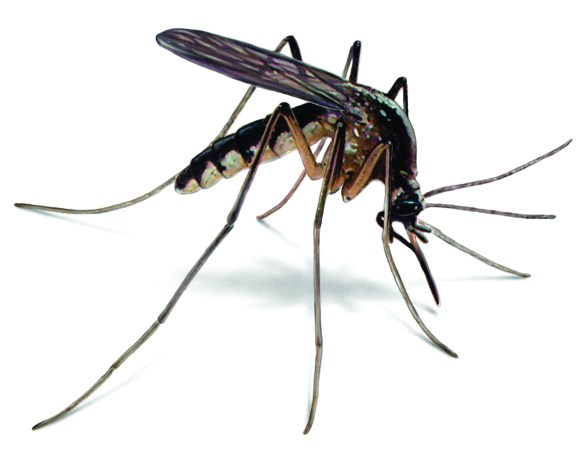
‘Tis the season for biting insects. This spring was wetter than usual, and that usually means more puddles for insects to breed in and more insects to spoil your enjoyment of the great outdoors!

Important reasons to avoid bug bites

Most insect bites are just a nuisance, but some insects can transmit diseases. Mosquitos in some parts of the world can carry Zika virus, Dengue fever or malaria. Check travel sites for information on the area you plan to visit, especially if an expectant mother: Government of Canada; USA Centers for Disease Control (see Zika Virus Travel Information section).

Lyme disease is carried by common ticks that are generally found in long grassy areas, especially those frequented by deer who carry ticks. Tick bites can be avoided by wearing long sleeved shirts and pants, tucking in shirt-tales and pulling socks up over pants. Light-coloured clothing helps you to see any ticks that have latched onto you. It is also recommended to shower 1 to 2 hours after a nature outing and to check skin carefully for ticks, especially in folds of skin and even your bellybutton where they may be hiding! Brush your pet before he comes indoors too and check carefully to be sure he hasn’t picked up a tick either. Read my previous blog, Tick Talk, for more information about avoiding and treating tick bites. Note that Lyme disease is now being detected in Canada as well as many parts of US.

How to avoid insect bites

Here’s what Dermatologists suggest to avoid insect bites:

  • Use an insect repellant containing 20-30% DEET. Apply it to clothing and all exposed skin. Reapply as directed on label.
  • If also using sunscreen, apply it first and let it dry before applying insect repellant. Do not use combination sunscreen/insect repellant: sunscreen should be applied liberally and often and this could result in application of too much insect repellant.
  • As mentioned above, wear long sleeves and pants, and tuck shirt-tails into pants and pant bottoms into socks, especially if walking in long grass where insects like to hang out. Insects tend to be attracted to darker colours, so wearing light coloured clothing may help.
  • Have bed nets available to protect you while you sleep. A net can also keep that one elusive mosquito you can’t catch away from you, so it won’t keep you up all night! If the net isn’t long enough to reach the floor, tuck it under the mattress to make sure there are no gaps.

Treating bites

If all the above fails (and it’s quite likely it will on some occasion), here’s what you can do:

  • If it’s a painful bite (like a bee or wasp), take Acetaminophen (Tylenol) or Ibuprofen (Advil, Motrin) as directed on the label.
  • Apply an ice pack for 10 minutes. This can help for painful or itchy bites.
  • Apply Calamine lotion or Hydrocortisone Cream, available at pharmacies.
  • If you have a lot of bites, try a quick-acting antihistamine, like Reactine or Benadryl. Be sure to follow the directions on the label. Note that Benadryl causes drowsiness.
  • If you develop a rash, fever or body aches, see your doctor. Tell him/her about the insect bite you received. If bitten by a tick, remove it carefully with tweezers and store it in a ziplock bag or in a fold of clear tape for a couple of weeks. If you feel unwell within a week or two, your doctor may want to test the tick for Lyme disease bacteria.

My other bit of advice is that insects generally don’t like wind, so pick a windy area to relax in or create your own wind with a strong fan. Planting some citronella, marigolds or rosemary plants around your deck can help too, as insects don’t like their smell (even though we do!). Or you can just throw a few sprigs of rosemary on the BBQ coals or bonfire.

And, if you’re a do-it-yourselfer, here are a couple of recipes you can try:

Yard Spray

1/3 large bottle of blue mouthwash

1 cup Epsom salts (available at pharmacies as “bath salts”)

1 x 12-oz beer (non-alcoholic should work fine too)

Spray in yard, but not on plants or grass (the salt could harm them).

It can last up to 80 days.

Skin Spray (non-sticky, non-oily)

Put a handful of fresh basil leaves in a glass measuring cup.

Add ½ c water and ½ cup vodka or rubbing alcohol.

Heat to boiling in microwave (about 1 minute).

Let sit, covered, for 2 to 4 hours.

Remove basil, squeezing to remove liquid.

Pour into small spray bottle (often available in cosmetic departments or craft stores).

Spray on skin as necessary.

So, there you go… by special request, from a friend and reader who was asking for help with itchy bug bites! Please note: I haven’t tried these recipes yet, but they were highly rated by their sources and sound so interesting! I’m one of those lucky folks who live in a naturally windy place so have little problem with mosquitos… But please let me know if you try these and how well they work for you!

References:

American Academy of Dermatology Association

Accidentally Green

Jeannie’s blog: Tick Talk

Categories
Uncategorized

It's Bug Season!

‘Tis the season for biting insects. This spring was wetter than usual, and that usually means more puddles for insects to breed in and more insects to spoil your enjoyment of the great outdoors!

Important reasons to avoid bug bites

Most insect bites are just a nuisance, but some insects can transmit diseases. Mosquitos in some parts of the world can carry Zika virus, Dengue fever or malaria. Check travel sites for information on the area you plan to visit, especially if an expectant mother: Government of Canada; USA Centers for Disease Control (see Zika Virus Travel Information section).

Lyme disease is carried by common ticks that are generally found in long grassy areas, especially those frequented by deer who carry ticks. Tick bites can be avoided by wearing long sleeved shirts and pants, tucking in shirt-tales and pulling socks up over pants. Light-coloured clothing helps you to see any ticks that have latched onto you. It is also recommended to shower 1 to 2 hours after a nature outing and to check skin carefully for ticks, especially in folds of skin and even your bellybutton where they may be hiding! Brush your pet before he comes indoors too and check carefully to be sure he hasn’t picked up a tick either. Read my previous blog, Tick Talk, for more information about avoiding and treating tick bites. Note that Lyme disease is now being detected in Canada as well as many parts of US.

How to avoid insect bites

Here’s what Dermatologists suggest to avoid insect bites:

  • Use an insect repellant containing 20-30% DEET. Apply it to clothing and all exposed skin. Reapply as directed on label.

  • If also using sunscreen, apply it first and let it dry before applying insect repellant. Do not use combination sunscreen/insect repellant: sunscreen should be applied liberally and often and this could result in application of too much insect repellant.

  • As mentioned above, wear long sleeves and pants, and tuck shirt-tails into pants and pant bottoms into socks, especially if walking in long grass where insects like to hang out. Insects tend to be attracted to darker colours, so wearing light coloured clothing may help.

  • Have bed nets available to protect you while you sleep. A net can also keep that one elusive mosquito you can’t catch away from you, so it won’t keep you up all night! If the net isn’t long enough to reach the floor, tuck it under the mattress to make sure there are no gaps.

Treating bites

If all the above fails (and it’s quite likely it will on some occasion), here’s what you can do:

  • If it’s a painful bite (like a bee or wasp), take Acetaminophen (Tylenol) or Ibuprofen (Advil, Motrin) as directed on the label.

  • Apply an ice pack for 10 minutes. This can help for painful or itchy bites.

  • Apply Calamine lotion or Hydrocortisone Cream, available at pharmacies.

  • If you have a lot of bites, try a quick-acting antihistamine, like Reactine or Benadryl. Be sure to follow the directions on the label. Note that Benadryl causes drowsiness.

  • If you develop a rash, fever or body aches, see your doctor. Tell him/her about the insect bite you received. If bitten by a tick, remove it carefully with tweezers and store it in a ziplock bag or in a fold of clear tape for a couple of weeks. If you feel unwell within a week or two, your doctor may want to test the tick for Lyme disease bacteria.

My other bit of advice is that insects generally don’t like wind, so pick a windy area to relax in or create your own wind with a strong fan. Planting some citronella, marigolds or rosemary plants around your deck can help too, as insects don’t like their smell (even though we do!). Or you can just throw a few sprigs of rosemary on the BBQ coals or bonfire.

And, if you’re a do-it-yourselfer, here are a couple of recipes you can try:

Yard Spray

1/3 large bottle of blue mouthwash

1 cup Epsom salts (available at pharmacies as “bath salts”)

1 x 12-oz beer (non-alcoholic should work fine too)

Spray in yard, but not on plants or grass (the salt could harm them).

It can last up to 80 days.

Skin Spray (non-sticky, non-oily)

Put a handful of fresh basil leaves in a glass measuring cup.

Add ½ c water and ½ cup vodka or rubbing alcohol.

Heat to boiling in microwave (about 1 minute).

Let sit, covered, for 2 to 4 hours.

Remove basil, squeezing to remove liquid.

Pour into small spray bottle (often available in cosmetic departments or craft stores).

Spray on skin as necessary.

So, there you go… by special request, from a friend and reader who was asking for help with itchy bug bites! Please note: I haven’t tried these recipes yet, but they were highly rated by their sources and sound so interesting! I’m one of those lucky folks who live in a naturally windy place so have little problem with mosquitos… But please let me know if you try these and how well they work for you!

References:

American Academy of Dermatology Association

Accidentally Green

Jeannie’s blog: Tick Talk

Categories
Uncategorized

Does massage really help reduce pain?

Massaging a sore area is an instinct, a reflex for humans. If we bump an arm or leg, without thinking most of us instantly rub the area.

How does it help?

Scientists say this rubbing helps because we have a type of “gate” for pain… only so many signals can pass into the brain at a time. They call this the “gate control theory”. It’s the principle behind massage and heat/cold therapy. Introducing another sensation, like temperature or pressure, can mean that fewer pain signals reach the brain. Pressure, heat and cold signals travel faster than pain ones so these sensations can dominate, at least for a while, to lessen the number of pain signals that reach the brain.

Another theory of how massage might work for pain, involves the Vagus nerve that communicates between the brain, the spine and organs. It partly controls the calming “parasympathetic” part of the nervous system that counters the “fight or flight” system. They speculate that turning on the calming part of the nervous system through massage, also helps to relieve pain and stress.

And here’s the science…

A 2017 study found that 10 massage sessions spread over 12 weeks resulted in clinically significant reductions in pain scores in people with chronic low back pain. This suggests that the pain blocking effect of a full massage session can last for several days.

Another study, done in 2010, found that a single 45-minute massage significantly reduced a hormone that raises blood pressure and boosted the immune system. Other research funded by the US National Institutes of Health showed massage not only reduced back and leg pain, but also decreased symptoms of depression and anxiety.

Another author suggested that, in addition to the effects of pressure on the skin, just the contact with another human being can be comforting to people, especially those who live alone. Other alternative therapies, like therapeutic touch (where the therapist doesn’t actually touch the patient but passes the hands close over the body) and Reiki (where the hands are laid on parts of the body but do not massage) also show benefits. One could speculate that these work by the closeness and attention triggering the “placebo effect”.

The placebo effect, often triggered by taking a sugar pill with no active ingredients, is not well understood but it’s so significant that scientific studies are not considered valid unless the drug being tested is compared with a placebo, with neither the doctor or patient knowing who received the active pill. Our bodies can make pain-relieving substances similar to narcotics and people can be taught to lower heart rate and blood pressure by their thoughts (called “bio-feedback”) so it’s believed that the placebo effect must trigger the body to produce some action similar to what drugs do.

In medicine, using the placebo effect as a treatment or, essentially, triggering the body to heal itself is sometimes thought of as unethical… that the therapist is tricking the patient or cheating them. But it makes so much sense to use the body’s own defenses as much as possible, when it’s safe to do so. I’m looking forward to the day when milder ailments can be treated by simply turning on our own immune system the same way a placebo does!

But check with your doctor…

So, while you should always check with your doctor when you have a new injury or an unexplained pain, talk to him or her about whether you might benefit from an alternative therapy like massage when it’s appropriate. Its actions, that include pressure, touch and that wonderful placebo effect that turns on your own healing abilities, could add together to reduce your need for medication. Some doctors even give prescriptions for massage therapy!

And keep in mind that there are self-massage techniques that could help too, either as an addition or a substitute for massage therapy. The photo above shows some of the tools you can use for massage… especially useful for those hard-to-reach areas. Physiotherapists and massage therapists often teach self-massage techniques to their patients so they can maintain benefit between appointments.

I have successfully used a text entitled The Trigger Point Therapy Workbook by Clair Davies with clients and myself to treat muscle spasm pain from neck spasms to sore feet (surprisingly caused by a muscle spasm in the calf!) with self-massage techniques described in the book. Check out Abe Books for a used copy, if you’re interested.

References:

The Science-Backed Benefits of Massage

The Trigger Point Therapy Workbook (Clair Davies)

Categories
Uncategorized

Rock-a-bye Mommy… Could rocking help adults sleep too?

Generations have rocked their babies to sleep. And we’ve all heard of parents who helped calm a fussy baby by driving them around the neighbourhood. But could motion help adults sleep better too?

Well, it turns out there are a few studies on this question. Researchers studied a group of young adults and found that slow, gentle rocking lengthens sleep and increases the time spent in the deepest stages of sleep. In studies, rocking also shortened the time required to fall asleep and fewer arousals (waking for 3 seconds or longer) occurred.

Rocking also improved memory recall compared to sleeping in a stationary bed, although both groups improved after sleeping. EEGs showed that firings of neurons that are associated with memory consolidation increased with rocking during sleep.

Searching for the mechanism of improved sleep, researchers also did an interesting test on mice. Like humans, they slept better when their cages were rocked. But they also tested mice who were born without the structure in the inner ear that detects motion to see if they responded the same way. It turns out that they didn’t – mice who couldn’t detect motion in the rocking cages slept the same as those in stationary cages. The “otolith” structure in the inner ear that these mice were missing is connected through several other structures in the brain to the thalamus and hippocampus of the brain that control sleep. Researchers suggested this could be how rocking motion influences sleeping and memory.

Of course, since the human studies were done on healthy young adults, they would need to do similar studies on older adults and those with sleeping problems to find out if rocking would help them too. If it worked, it could offer a convenient non-drug way to help solve sleep problems. Studies in Alzheimer’s patients found that sleep helps to clear the amyloid-forming proteins that clog the brain. This made researchers also wonder whether rocking might help to prevent or improve this dreaded brain disease. More research to come!

I expect it will be a while before we see cradles for adults in stores. But meanwhile, you could consider taking naps in a hammock (and maybe bribe someone to keep it rocking while you sleep…). Sleeping on a boat could theoretically give the same effect so, perhaps, a cruise vacation might be relaxing in more ways than you realize. And, who knows, perhaps some time in a rocking chair in the evening might help set you up to fall asleep more quickly, just as it does for our babies!

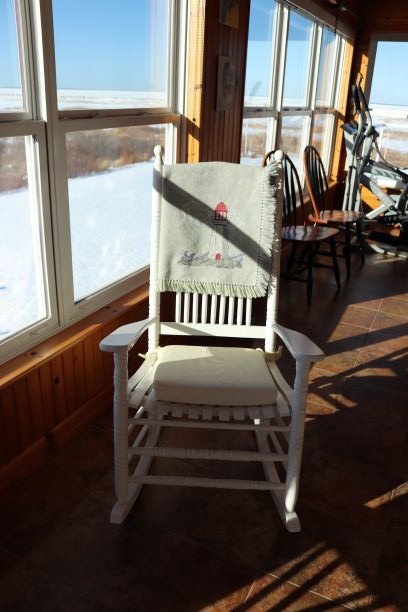
There is something very soothing about a rocking chair… At my hubby’s family homestead in Miscou Island, there has always been a “competition” to get the rocking chair. Over the years, several of these chairs have been purchased or donated to this family home that’s shared between several siblings for summer vacations. I think there’s at least a half dozen now – so not so much competition – and we all seem to sleep exceptionally well when we’re there! Perhaps rocking has something to do with it… Why not give it a try!

Reference:

Rocking improves sleep and memory in adults

Why Rocking to Sleep is a Matchless Sedative, Scientific American

Categories
Uncategorized

Measles – Should we worry about it?

This week I read another article about the dramatic increase in measles in many countries, this time in CNN’s online health newsletter. They reported that the number of measles cases in 2019 is already the second highest in the last 25 years (with just 3 months reported so far): 555 cases reported in US, and 33 in Canada. Over 110,000 cases have been reported globally in the first quarter of this year, almost 3 times the number reported in the same period last year. The World Health Organization estimates that fewer than 1 in 10 cases are reported, however, so actual numbers would be much greater.

Why is it increasing?

Experts believe one reason is due to lack of vaccination. While some families lack access to routine vaccines, some parents choose not to vaccinate their children. Negative information about vaccines has been circulating on social media for years, with exaggerated warnings of the dangers of routine vaccinations, and no discussion about the benefits of vaccines and the many lives that they save every year.

How safe are vaccines?

As a pharmacist, I was trained to give vaccines and had to complete many hours of training, learning extensive information about vaccines, how they work, their effectiveness, negative reactions that could be expected (and how often they happen) and how to ensure they are used safely. I learned that vaccines are considered the most effective health strategy in history, having saved more lives than any other health intervention, including antibiotics. While some true reactions to vaccines do occur rarely, and certain individuals need to avoid vaccines or take them in a controlled setting such as a hospital or doctor’s office, the overall benefit of routine vaccines is much greater than the risk for the vast majority of people. Those who give vaccines are trained to watch for any sign of a reaction and treat it quickly. The most serious reaction to vaccines is anaphylaxis, a total body allergic reaction that can be fatal, and it occurs in 1.3 per million people who are vaccinated.

Much of the anti-vaccine movement is based on an incorrect article published in the ‘90s that reported autism was associated with the MMR (measles, mumps, rubella) vaccine. This article that started the controversy in 1998 was since withdrawn by its publisher but is still quoted widely despite overwhelming proof it was incorrect. You can read about it here.

Unfortunately, this article is still being shared widely on social media, and the result is that children are getting sick in record numbers. Some have even died from a disease that’s entirely preventable with a vaccine. These diseases have been so well controlled for so many years, that younger generations don’t realize how serious these illnesses can be.

Is measles serious?

Here is what the Center for Disease Control (US) lists as problems that occur when large numbers of children have measles:

  • 1 in 10 develop ear infections that can result in permanent hearing loss

  • Diarrhea occurs in close to 1 in 10 children

  • 1 in 20 children develop pneumonia (most common cause of death)

  • About 1 in 1000 develop encephalitis (brain swelling) that can cause convulsions, deafness or intellectual disability

  • For every 1000 children who get measles, one or two will die from it

  • Subacute sclerosing panencephalitis (SSPE) is a fatal brain disease that rarely develops 7 to 10 years after an apparent full recovery from measles. It is estimated to occur in 4 to 11 per 100,000 cases of measles.

Think of others…

Some people truly cannot tolerate certain vaccines and others, who are ill, may not respond adequately to them. If enough of a population is protected, however, there aren’t enough susceptible people left to spread the disease and create an epidemic. They call this “herd immunity”… the whole “herd” or population is protected when enough people get vaccinated. Because MMR vaccine has been avoided by too many people in certain areas of the world, we are again seeing outbreaks of mumps and measles. When you get vaccinated, you are protecting not only yourself but others you are in contact with who could catch the virus from you.

If you have doubts or questions about any vaccines, please talk to your doctor or pharmacist.

Update from World Health Organization (posted April 25, 2019)

Measles cases have increased 300 per cent in just a year

  • Univadis Medical News

  • Sent 25 April 2019

Preliminary data published by the World Health Organization (WHO) show measles cases are continuing to rise, with reported cases increasing by 300 per cent in the first three months of 2019 compared with the same period in 2018. According to the data, 170 countries have reported 112,163 measles cases to the WHO so far this year. In April 2018, there were 28,124 measles cases from 163 countries.

The WHO said a number of countries are in the midst of “sizeable measles outbreaks”, with all regions of the world experiencing a sustained rise in cases. It said in recent months, there had been spikes in case numbers in countries with high overall vaccination coverage, including the United States of America, Israel, Thailand and Tunisia, “as the disease has spread fast among clusters of unvaccinated people”. Earlier this month, authorities in New York declared an emergency amid a measles outbreak in parts of Brooklyn.

The WHO said responding to measles would require a range of approaches to ensure all children get their vaccines on time, as well as “effective public-facing communication and engagement on the critical importance of vaccination, and the dangers of the diseases they prevent”.

References:

CDC (US)

Health Canada

CNN

Wakefield paper withdrawn

Univadis report from WHO