Categories
Uncategorized

On being a happiness guinea pig…

A week or so ago, I received an interesting letter from Statistics Canada, inviting me to participate in a pilot research study about activities and feelings, and how they are related. Like the nutrition research I wrote about last week (the NutriNet-Santé study), it comes with an app to make it easier and less time-consuming for participants.

Now, I may not have told you that I was on the Board of the New Brunswick Health Research Foundation for 6 years some time back (and involved in its organization before that). I learned a lot about research while on the Board, as we worked to increase the amount of health research being done in our province. I had also participated in a pharmacy study years ago, and I realized how difficult it can be to sign up participants into a project. How could I refuse to help out with a national research study?

I could also see that close attention has been paid to privacy and security, and they explained how your data would only be shared in a form where you couldn’t be identified, and in aggregate form where everyone’s information is totalled before the results are shared.

The app makes it easy to enter my results: it alerts me 2 to 5 times a day (my choice of frequency)—I set it for 3 times, so I’ll get 2 sets of results entered even if a miss one of the alerts—and the study will continue for 30 days. After I enter my password, it asks me (on a scale of 0 to 10) how happy, anxious, relaxed, focused, and in control I am of my emotions. I also enter where I am (mostly at home these pandemic days!), what activity I am doing (creating online content right now), and who I’m with. All this takes only a minute or two to complete on my phone.

The goal of the study is to investigate how activities affect our well-being, particularly arts and culture activities, and it’s being conducted in collaboration with the Canada Council for the Arts and Canadian Heritage. The list of possible activities includes paid work, using/listening to/watching different types of media, doing artistic activities, eating/drinking, reading, caring for others, and so on.

What it’s made me notice, however, is that I’m almost always happy. I guess I don’t think of myself as an unusually happy person, but perhaps I am. Being retired, living in a beautiful place, and spending time with my almost always happy hubby, there isn’t much to be unhappy about! Some experts will tell you that much unhappiness and stress originates with looking back at unhappy times or worrying about things that might or might not happen in the future. Enjoying the present moment can make us happier.

I noticed the only time I had somewhat negative responses, was when I was having a bad day physically. I’m still in post-surgery recovery (taking much longer than I anticipated!) and, if I over-do my physical activities, I regret it later. My one criticism of the program is that it doesn’t ask if you are feeling pain, and we know that the ups and downs of chronic pain can quickly affect a person’s mood. As this is a pilot program, I hope I’ll have an opportunity to make comments at the conclusion of my participation.

Einstein’s happiness advice

The story goes that on one occasion, instead giving of a tip to a bellhop who was delivering a parcel to him, Albert Einstein scribbled a piece of advice on a piece of paper. Here is what it said:

“A calm and modest life brings more happiness than the pursuit of success combined with constant restlessness.”

In his opinion, the chase for money, power and influence is tiring and a source of this constant restlessness… the essence of unhappiness. His happiness came from learning new information, developing theories of how the world works, sharing results with colleagues and gaining their approval and respect.

He was also an admirer of Baruch Spinoza, a 17th century philosopher, who valued having space and time to pursue his own ideas in complete freedom. (Actually, that sounds a lot like my retirement blogging venture that you are joining me in…)

But Einstein is also quoted as saying that achieving goals, and a never-ending quest for self-improvement, knowledge, and creativity are the greatest source of personal happiness. None of this is tied to power, wealth, fame, or domination of others. Reading (and, these days, watching too much media) diverts the mind excessively from its creative pursuits, he said. We need to think and use our brains creatively to avoid falling into lazy habits of thinking, and living vicariously instead of living our own lives.

But, as important as he believed knowledge is, he said imagination is more important than knowledge. Knowledge is limited. Imagination encircles the world. (If you’re interested in reading a fascinating transcript of an interview with Albert Einstein done in 1929, check out the link in the references below.)

The study I’m participating in, “Vitali-T-Stat”, is looking at whether consuming media (a form of acquiring knowledge) or being creative makes us happier. I suspect that, if the results show that creativity creates greater happiness, this may be used to convince governments that the arts are an important and worthy investment for a country.

After all, happiness is what people want, regardless of their intermediate goals, isn’t it?

So, what makes you truly happy? Worth spending some time thinking about…

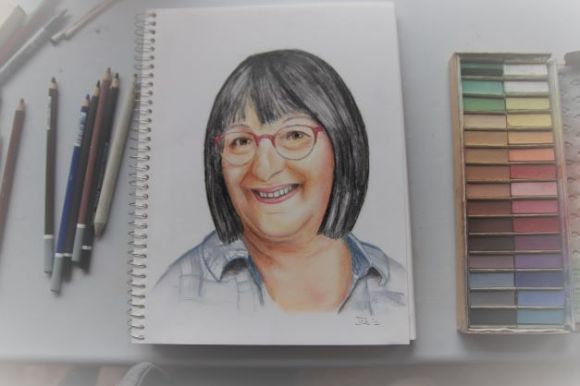
PS: I’m learning to use chalk pastels! The photo above is attempt #2 at a pastel selfie… Fun and relaxing!! I think it’s making me happier… 🙂

References and further reading:

Vitali-T-Stat app (available on Google Play and Apple App Store

Greatest Tip Ever: Albert Einstein’s Theory Of Happiness—Medium

Viereck’s Interview to Einstein (1929)—LinkedIn

Categories
Uncategorized

Curiouser and curiouser…

We start out in life being curious about everything… a child’s favourite question is often “why?” But over time many of us lose our curiosity for some reason. “Why?”, asks my inner child… (I think I’m curious about curiosity!)

As adults, we can tend to feel that we already know all that is necessary. We are the “experts”, the “grown-ups” who’ve been doing the same stuff for years. Admitting that we could learn more about a topic or delving into something new makes us feel vulnerable and inadequate, and who wants to feel that? Two of the greatest factors in shutting down curiosity are thinking we know everything already and having an unchecked ego.

Of course, we never completely lose our curiosity… we just don’t exercise it as much as we age. But that’s something we can change!

What exactly is curiosity anyway?

Curiosity is defined as a strong desire to know or learn something, to acquire knowledge, information, understanding, and skills. It’s considered an emotion as well as a behaviour, an “itch” that needs to be satisfied as well as a driving force behind much of our development as humans, motivating many of our societies’ greatest advancements.

While animals also display curiosity as a natural exploratory behaviour when confronted with something unfamiliar, the emotion of desiring knowledge for its own sake is considered uniquely human.

Curiosity improves performance

Increased curiosity as a young toddler predicts better school performance. And being more curious in later years helps to keep your mind sharp as you age… better aging performance, you might say. Lifelong learning, reading, and writing has been shown to slow mental decline by one-third… those who rarely read or write were found to decline 48 percent faster compared to average. “Old age starts where curiosity ends” wrote José Saramago.

For most of us, our curiosity starts to decline as early as age four. When we know a little about a topic, it’s easy to feel like we know it all… essentially, you don’t know how much you don’t know! But the more we learn, the more we realize how much more information there is on any given topic, and the more curious we become.

If you know nothing about a subject, it’s also less interesting because it’s harder to understand and follow new concepts and information you encounter. Our brains like associations… that’s how we remember and understand.

So, the best way to become curious is to keep learning new things. Your brain starts to associate new facts and ideas with ones you learned before, helping you to remember and observe more than you would otherwise. Think of it as having more “hooks” to hang information on, more ideas you can integrate and tie together for more meaning and interest.

Where do you start?

Well, just spending time cruising the internet doesn’t help increase your curiosity or make you smarter, in spite of the wealth of information in the cyber world. It’s very easy to spend hours just scanning mundane social media. But, instead, use your internet time to look up information on things that interest you. Dig deeper into subjects that catch your attention, and you just may discover that there’s a lot to learn about the topic.

The internet makes is easy for us to seek out expert opinions. The key is checking your source… who posted it? I’ve used the internet for years to look up scientific studies, often finding the complete original published study, by using Google Scholar (the branch of Google that delves into scientific literature). I’ve found a few newsletters from trusted sources that feed me information regularly, often starting me off on a new tangent that ends up here on my blog. I like to find several sources on the same topic, though, to compare opinions on the subject and expand what I’m learning. One article is never enough!

In the world of health (one of my main interests, being a pharmacist), websites of universities, governments, and large reputable healthcare facilities (like Mayo Clinic) are often my trusted go-to’s. In addition to information-packed websites, many universities now offer free online university-level courses that anyone can sign up for, known as MOOCs (Massive Open Online Courses). So, if you really want to become an expert, the information is there for the taking. Your only commitment is your time. But 90% of those who sign up never complete the course. So, it’s not just about access to information, but more about your curiosity, interest, and drive to learn. So, perhaps you’d need to scale up your curiosity before you tackle a MOOC…

An easier way to delve into a subject, is to buy a book or two on it. Nothing like spending a few hours “listening” to someone who was so curious about a subject they learned enough to write an entire book on it! Back in the years I was doing hormone consultations with women, I bought at least a dozen books, and benefitted greatly from the experience and learning of the experts who wrote them, adding to my knowledge base with each one. Eventually I followed their example and wrote my own book, integrating what I’d learned from so many sources with what I’d learned while working with my clients.

Better relationships

Being curious is also one of the best ways to show you’re interested in other people and what’s happening in their lives. Curiosity is a deeply social quality—it shows you care (although one doesn’t want to over-do it and fall into the “nosey” category…).

Neuroscientists have noted that the same part of the brain is activated when curiosity is aroused, as with romantic love. Couples who look for novel and interesting activities were found to be significantly more satisfied with their relationships and to feel more romantically about each other. The brain finds curiosity—and its satisfaction—rewarding at a very basic level.

But one of the best things about developing and satisfying your curiosity, is that you will become a more interesting person. Curiosity is a rabbit-hole where one thing leads to another. You never know where you may end up… and some suggest you may also find that your finances, health, and relationships improve at the same time. Being curious can lead to a better, richer, higher-quality life!

The famous scientist, Richard Feynman, said “everything is interesting if you go into it deeply enough.” He also said, the best way to learn is to explain the subject to someone else in a way it can be easily understood. To give a clear explanation, you need to learn and understand the subject very well. I think that’s what I try to do whenever I write, whether it’s a journal article, book, or this blog! To find things to write about and to write well, I needed to become curious.

So, here’s to finding ways to become more curious and making time to satisfy that curiosity! It’s all about asking questions, when? why? how?, and satisfying your “itch” to find the answers.

What piques your curiosity? Let me know and maybe I’ll become curious about it too…

References and further reading:

This is the Most Fun Way to Make Your Life Awesome—Barking Up the Wrong Tree

Curiosity: Why It Matters, Why We Lose It and How to Get It Back–Forbes

Curiosity—Wikipedia

The ‘Why’ Behind Asking Why: The Science of Curiosity–Knowledge@Wharton

Old Age Starts Where Curiosity Ends–Exploring your mind

José Saramago–Wikipedia

#Curiosity #LifeLongLearning

Categories
Uncategorized

Cause of death: Fast food

I’m sure you’ve learned that fast food isn’t the healthiest diet for us, but new results from the world’s largest nutrition study suggests the problem could be more than the high amounts of fat, sugar, salt and other additives many fast foods contain. This, and other studies, suggest the way these foods are processed may also be a factor in the unhealthy results and increased risk of chronic diseases that can manifest when we eat too many processed foods.

I’ve always been a person who likes to search for the cause of a health problem, not just treat the symptoms, and we know that people’s risk of various diseases increases when they move to North America. This suggests a problem with our lifestyle or diet, but nutrition and lifestyle research is notoriously difficult to get right. A properly done study needs to control as many factors as possible to be sure the effect they observe is really due to what the study is suggesting, and not from some other background difference. People don’t eat the same food every day and could never be expected to follow a strict diet for 10 years or so, just to prove a point for some researcher!

But the NutriNet-Santé, started in 2009, has found a way to accommodate a large part of these problems… they are using a phone app to collect nutrition data and characteristics of the 171,000 people in the study. It is easier and more accurate to note what you’ve eaten on your phone right away than to remember later when you’re being interviewed by a nutritionist. Participants can even scan the barcode of foods, when available, and supply information about food packaging, cooking practices, how the food was produced, their physical activity, tobacco, drugs, environmental factors, and exposures at home and at work.

As well, with the subjects’ permission, they are able to connect all this information with medical and insurance records, and keep a database of blood, urine and stool tests to monitor and analyze gut microorganisms. Obviously, they must have powerful computer systems to analyze all this data…

Another positive factor in this study, is that it’s completely funded by public institutions. One hazard of many earlier studies is that the researchers received financing from food producers, albeit sometimes provided as an unrestricted grant. But who wants to bite the hand that feeds them? There is always pressure to soften, ignore or even change results that look bad for the funding company…

The NutriNet-Santé study looked specifically at the relationships between nutrition, health, lifestyle factors and mortality; and it examined factors that influence diet patterns, for example, economic and cultural factors.

The results?

We can expect information to be generated from this study for years to come, but an early result is a connection noted between high intake of “ultra processed” foods and increased risk of cancer, heart disease and stroke, mortality, symptoms of depression, obesity and gastrointestinal disorders.

To get an idea of the impact, a 10% increase in ultra-processed foods in the diet was associated with more than 10% increase in risks of overall cancer and breast cancer.

What is “ultra-processed” food?

Food processing is everything you do to food the change it from its original state. There are several levels of food processing:

  • Unprocessed or minimally processed foods (like nuts, seed whole grains, legumes, fresh or frozen whole/cut up vegetables and fruit, eggs, fresh meat, fish and milk)
  • Processed ingredients (like flour, oils, butter, starches and sugars)
  • Processed foods (like canned vegetables, salted nuts, cured meats, cheeses, fresh-baked bread)
  • Ultra-processed foods (like carbonated/energy drinks, packaged snacks, ice cream, chocolate, candies, mass-produced baked goods, cereal bars, sweetened yoghurt/drinks, chicken/fish nuggets, sausages, burgers, hotdogs, and instant soups/noodles)

One way to see the difference between processed and ultra-processed foods is to look at the ingredient labels. Both types can contain processed ingredients, but ultra-processed foods also contain ingredients you are unlikely to have in your kitchen, like hydrogenated oils, additives (like food colours, flavour enhancers and non-sugar sweeteners, and stabilizing ingredients (like preservatives, anti-caking agents, emulsifiers and humectants) … basically ingredient names you wouldn’t readily recognize.

The NOVA Food Classification System helps people to understand what types of food processing diminish the quality of our food. You will find a summary of the system in the Reference links below.

Why is processing bad for our food?

Much of the problem with highly processed foods has been attributed to the addition of unhealthy ingredients, like high amounts of sugar, salt, colour and fat to “improve” flavour and appearance and preservatives to make the food last longer on store shelves. Processing also often removes important components of food our bodies need, like fibre and vitamins.

But a second factor, not considered until more recently, is what the food is exposed to during processing. Plastic is everywhere and contact with food during processing, as well as what it’s packaged in, can result in transfer of harmful chemicals into the food. Many of these are known to block or mimic hormones (termed “hormone disruptors”), increasing risk of hormone-driven cancers. Plastic and plastic-coated packaging (like coated cardboard and film-lined cans) also provide opportunities for addition of chemicals to food. And you’ll recall my blog from Oct 29th discussing PFAS “forever” chemicals in food packaging and non-stick cookware that are also a source of chemicals added to food. Here’s the link, in case you missed it… PFAS… “Forever chemicals” .

A new study done in the southern US found measurable amounts of harmful chemicals in many foods from several popular restaurant chains. These chemicals have been linked to disruption of hormone systems, fertility problems, and learning and attention problems in children. They are known to be stored in the body and even low exposures can accumulate over years to harmful levels. Some researchers have suggested they may be contributing to the obesity epidemic in North America…

So, how do you know what to buy?

Experts advise us to steer toward whole, non-packaged foods… avoid the center aisles of grocery stores where most packaged processed foods are located. Buy food that is still in its original form as much as possible. Read the food labels on packaged foods and put back the ones with long lists of ingredients that are difficult to pronounce.

But, of course, this takes time, and who wants to spend time reading all that fine print?

So, an alternative is a new labelling system, called Nutri-score or 5-Colour Nutrition Label (5-CNL), designed to make it easier to choose healthier foods with just a quick glance. It’s a nutritional logo based on a 5-colour scale (dark green to red) with letters A to E. A dark green A is best, and a red E is worst.

It was designed in France and, so far, it’s being used in Europe but not yet in North America. However, since it’s being endorsed by the World Health Organization (WHO), don’t be surprised if we start to see these labels on foods here. The idea is to make it easy to choose healthier food by simply checking a colour/letter, rather than analyzing a more complex food label. Nice to have an expert do the analysis for us too!

But, of course, food manufactures will need to be required to use this labelling. We need to ask our regulators to consider requiring this system to speed up its adoption. Studies have shown that using this labelling makes a significant improvement in the quality of foods shoppers choose.

Another thing it does is encourage manufacturers to create healthier foods. I mean, who wants to have a red “this is unhealthy” label on your product? Of course, these are still edible foods, but the labelling will encourage less consumption… and fewer sales. Money talks!

Scientific studies have demonstrated that consuming more “A’ rated products will lower risk of developing a number of chronic diseases, like cancer, cardiovascular diseases, obesity, or metabolic syndrome (a combination of high blood pressure, high cholesterol, and high blood sugar due to insulin resistance).

Have you changed the way you shop for food in recent years? If not, do you plan to start looking at ingredients in packaged foods when you’re buying groceries? Let me know in the comments…

Spread the word… contact your Health Minister!

If you know someone who could use a shortcut to better health in the future, forward this blog to them to start them thinking about how they could improve their diet and their health.

I have also drafted a short document you could use to contact the Health Minister in your jurisdiction, to make them aware of this simple program and how it could be used to save tax dollars while improving population health. Feel free to use it or change it, however you like… Here’s a link to it:

References/Credits:

What have we learned from the world’s largest nutrition study?—Medical News Today

The NutriNet-Sante Study—U.S. National Library of Medicine

Nutri-Score—Wikipedia

Some fast-food items contain plastics linked to serious health problems, new report shows—Washington Post

Ultra-processed food and why it’s bad for you – Choice.com

The NOVA Food Classification System – Educhange.com

Photo by Ashley Green on Unsplash

#healthydiet #NutriNetSante

Categories
Uncategorized

Gout—a pain in the butt!

If you’ve had gout, or know anyone who’s had it, you know it’s a pain in the butt… I mean the toe! This week’s blog is about what gout is, what causes it, and what you can do about it.

Years ago, when I was a young pharmacist just beginning my career, a poor guy hobbled into the pharmacy one evening after office hours, with a loose overshoe on one foot. He had the gout, he told me, and was in terrible pain. I remembered from pharmacology classes that colchicine was a drug of choice and didn’t require a prescription at that time (that’s changed now). Our professor had stressed that colchicine quickly decreased the pain and inflammation but didn’t correct the underlying problem. So, I sold him a few tablets to get him through the night and told him to see his doctor the next day for assessment.

The next day, a gruff voice on the doctors’ line asked if I was the pharmacist who had supplied the colchicine to his patient. Nervously, I admitted yes it was me (I’d only been a pharmacist for a few months), and he said, “You did well!” Whew!! Of course, now, many pharmacists are permitted to prescribe for certain conditions, and some governments actually pay them for this service.

But what is gout anyway?

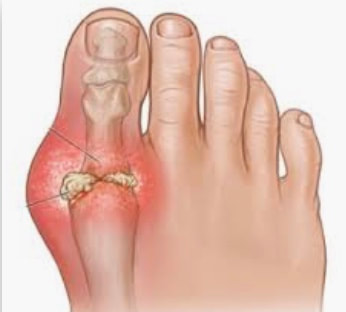
Gout is a form of inflammatory arthritis, that is caused by too much uric acid in the blood (“hyperuricemia”… hyper [too much]-uric [uric acid]-emia [in the blood]). The uric acid precipitates out of the blood, forming sharp crystals of sodium urate inside a joint, most often in the big toe because of gravity. The crystals can also form inside the ankle, knee or fingers, especially when blood uric acid is very high. In advanced long-term gout, the collection of crystals can sometimes be seen as hard bulges called “tophi” under the skin that covers the joint as the crystals expand beyond the joint.

The rough needle-like crystals scrape the inside of the joint causing pain and inflammation (redness and swelling). Anti-inflammatory drugs are generally the first treatment offered, to reduce the inflammation and control pain, and often the crystals will dissolve on their own.

Where does uric acid come from?

Uric acid is created in the body when we break down purines, a component of DNA in human and animal cells known as nucleosides, essential for life. So, animal and human cells all contain purines that are used when the cells grow and divide. Plants contain them too, but generally in lower amounts.

We get purines in our diet when we eat anything that was living, but plants are not considered a significant source. It is animal protein, especially red meat, organ meats, some types of alcohol (beer), some seafood (sardines, anchovies), and high fructose foods (soft drinks) that contain the highest amounts of purines. Foods low in purines include eggs, nuts, legumes, fruit, whole grains, vegetables (except asparagus, cauliflower, spinach, mushrooms, and green peas have relatively more), dairy products, poultry, crab, salmon and herring.

I’m sure I remember learning that alcohol makes uric acid less soluble (and therefore, more likely to form urate crystals) but I’m not seeing that in the literature now…

Quick chemistry lesson… Skip this section if you hate chemistry!! �

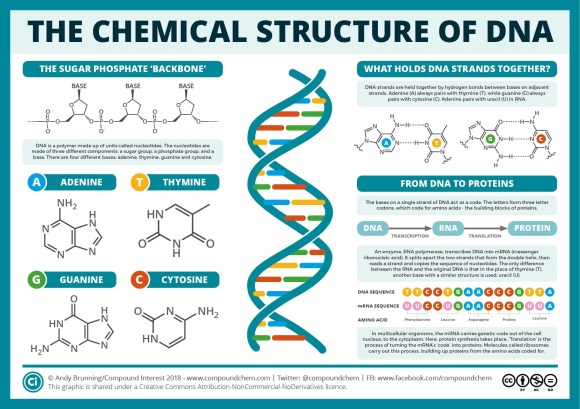
DNA is the genetic material in the nucleus of every cell that carries the programming information to make proteins that do the work in our bodies. Purines and their partners, the pyrimidines form the “bridges” between the 2 backbones of the DNA double-helix, creating the twisted ladder of DNA that’s familiar to most of us.

There are 2 purines (adenine and guanine) and 2 pyrimidines (thymine and cytosine), and they always pair up, one of each, the same way. This ensures that when a cell divides and the strands of DNA split apart, they always match up correctly, creating 2 new cells with the same DNA as the original. Each group of 3 “bridges” codes for one amino acid, and a series of amino acids creates a protein that could become an enzyme used to build a structure in the body or enable a chemical reaction that has a function.

A picture is worth a thousand words, isn’t it?

Basically, we make our own purines as well as get them in our food. Any increase in protein breakdown (which would increase purines that need to be eliminated) or reduction in elimination of purines can result in increased blood uric acid. A defect in the genes that create enzymes that manufacture or breakdown purines can also result in an increased risk of gout, so sometimes gout runs in families.

Uric acid is cleared from the body by the kidneys in the form of urea in the urine so if kidney function is poor, uric acid clearance is reduced. Many kidney stones are made of urate crystals (equally sharp!) and the process is probably similar. Not surprisingly, there’s a tie between kidney stones and gout—kidney disease can cause gout (because of reduced clearance of uric acid/urea) and gout can cause kidney disease (lots of uric acid available to form those nasty kidney stones that scrape the inside of the kidney).

And when more cells than usual are broken down, for example during cancer therapy, more purines are freed-up to be metabolized and can overwhelm the body’s ability to keep up, resulting in increased blood uric acid. I remember my Dad having gout during his leukemia treatments, years ago.

OK, enough biochemistry… here’s how it’s treated

If a person only has occasional attacks of gout, anti-inflammatories or corticosteroids (also anti-inflammatory) are used to relieve pain and swelling, until the body clears the urate crystals from the joint, usually within a few days to a few weeks, depending on how severe the attack. Later repeated attacks tend to last longer. The pain is usually most severe in the first 4 to 12 hours, with lingering soreness as the joint heals.

If the gout is continuous or reoccurs frequently, it makes sense to correct the cause rather than continue to just treat the symptoms. This is done by changing the diet and/or taking a medication to reduce the amount of uric acid in the blood.

So, in addition to choosing foods that are lower in purines to prevent gout, we also have medicines that can slow down purine metabolism, by partially blocking one of the enzymes that break down adenine and guanine, allowing the body to keep up to the production of uric acid. There are two: allopurinol (Zyloprim and generics) and febuxostat (Uloric). An anti-inflammatory may be continued for the first few weeks of this therapy, until blood uric acid is normalized, to prevent return of symptoms.

You’ll remember the drug colchicine, a strong anti-inflammatory I talked about at the beginning of this article, and other anti-inflammatories are used too, such as indomethacin, celecoxib, and the non-prescription drugs, naproxen and ibuprofen, in less severe attacks. Corticosteroids are sometimes prescribed, and colchicine is now considered 2nd line in some jurisdictions due to side effects (digestive problems, possibility of bone marrow suppression) especially if used long-term.

And another prescription drug, probenecid, is sometimes used to increase the kidneys’ ability to remove uric acid from the body.

What can you do?

  • Choose healthier drinks… limit alcoholic beverages, avoid drinks sweetened with fructose. Instead drink plenty of water.
  • Avoid foods high in purines… red meat, organ meats (like liver), high-purine seafood (anchovies, sardines, mussels, scallops, trout, and tuna). Low-fat dairy products may be a better source of protein for those prone to gout.
  • Exercise regularly and maintain a healthy weight… excess weight can increase risk of gout. Choose low-impact exercise like walking, biking and swimming, as these are easier on the joints.

But be sure to see your doctor for a correct diagnosis, and to help you decide what level of treatment you need. Gout is sometimes confused with a joint infection, or other types of arthritis (such as rheumatoid/inflammatory arthritis). When severe enough and left untreated for too long, gout can develop into gouty arthritis with resulting permanent damage to joints.

If you found this article helpful, please like or comment so others will be more likely to see it. And, if you know someone who might benefit from this information, consider forwarding this to them!

References:

The chemical structure of DNA (diagram and explanation)

Hyperuricemia—Wikipedia

Purine—Wikipedia

Foods High in Purines—WebMD

Gout—Centers for Disease Control and Prevention (CDC)

Gout—Mayo Clinic

Photo credits:

https://www.cefootandankle.com/blog/gout/

Braňo on Unsplash

#gout #UricAcid

Categories
Uncategorized

PFAS… “Forever” chemicals

Do you use water/stain-resistant products and clothing? You could be exposing yourself and others to persistent, harmful chemicals… And since some products that contain these chemicals don’t say so on the label, you could be completely unaware they are there.

Per- and Poly-Fluorinated Alkyl Substances (PFAS) are a newer class of chemicals used to make products resist oil and water. They’re supposed to be safer than the older PFOS (Perfluoro Octane Sulfonates) like Teflon and Scotchgard. But are they?

These chemicals have been detected in over 98% of blood samples of tested Canadians and are showing up in the environment, sometimes in levels high enough to harm wildlife (and us!). And some of them disappear quickly from the blood but are stored in organ tissues (such as lungs). Researchers are learning how they disrupt our hormones and immune systems…

What are PFAS chemicals?

The PFAS class of chemicals are used to waterproof fabrics and clothing; to stain-proof fabrics, carpets and furniture; in coatings for non-stick pans; to keep food wrap paper from soaking up grease; for water-resistant cosmetics, and in fire-fighting foams.

The chemicals are only loosely attached to fabrics so are often detected in measurable amounts in house dust. They are persistent and mobile: they do not break down for decades and travel easily in the atmosphere. They concentrate in animals high in the food chain, resulting in higher levels in larger animals and humans as we eat contaminated food. Levels gradually increase over time from these low-level exposures, because the chemicals are not eliminated from our bodies or broken down over time.

What do PFAS do to us?

There are over 5,000 different PFAS chemicals that have been synthesized. The harmful effects vary, but some are known to either block or mimic our hormones, and inhibit the effectiveness of our immune systems. Sadly, these chemicals have been presumed to be safe, partly because they are so stable. Like cigarettes, the burden of proving they are harmful falls to governments and environmental groups, rather than requiring the companies who manufacture them to prove they are safe long-term.

One early sign there was a problem was when an increase in cases of breast cancer in women and testicular cancer in men were noted in firefighters regularly exposed to high levels of PFAS in firefighting foams. As well as exposure while putting out fires and during training, their protective equipment often contains similar chemicals, so they were being exposed to these chemicals more than most. “Canaries in the mine…”

Other diseases and conditions have also been found to be associated with exposure to these chemicals, too. Some of these include:

· increased risk of prostate, liver and kidney cancer,

· ulcerative colitis (inflammatory bowel disease),

· increased blood cholesterol,

· increased blood pressure during pregnancy,

· thyroid and other hormone changes,

· early menopause,

· decreased birth weight in babies,

· decreased fertility,

· changes in bone density, and

· Type 2 diabetes.

A 3M sponsored study in the 1970s showed this type of chemical could decrease immune response in monkeys, and another at Harvard University in 2015 showed the same in humans. A 2015 study in children demonstrated that higher levels of PFAS in the blood were associated with a decreased immune response to vaccines.

Ongoing studies report that patients with higher levels of PFAS, especially one known as PFBA that deposits in lung tissue, tend to have worse outcomes from COVID-19 infection. The fact that men and older individuals tend to have higher levels of these chemicals may explain the increased risk these groups have of more severe COVID infection. Note that PFBA was thought to be safer because less was detected in the blood, while instead it was being pulled directly into the lungs where it appears to be having a local effect in lowering the immune response there.

CEPA, the Canadian Environmental Protection Act, was written in 1999 and is now outdated. It needs to take into consideration newer studies, vulnerable populations (like those working in the industry), those who live near hot spots (like previous spills or plants that create or use these chemicals), possible contamination of food by packaging, and babies born to mothers who are affected. PFAS and the similar, older PFOS are excreted in breast milk and can result in babies having 10 times the level of the mother, at a crucial time in the development of the immune system.

Older chemical safety tests generally consisted of a 1-time high dose test in an animal, but what about chronic low dose exposure? Because these chemicals do not break down and are stored in body fat, they accumulate in us over the years. Chronic low dose exposure is now considered more harmful than a single large dose exposure, in which the body appears to have a better chance of eliminating the chemical. These kinds of exposures need to be tested, too, before deciding a chemical is safe.

Although none of these chemicals are currently manufactured in Canada, according to a report I read, they are found in products we import. A recent CBC Marketplace investigation found 1 in 5 imported children’s clothing items they examined contained elevated levels of harmful chemicals, including PFAS, lead and phthalates (chemicals used in plastic that can contaminate the product packaged in it). On a positive note, all the companies were contacted and immediately removed the affected products from sale. They also committed to examining their supply chains for other harmful products.

Meanwhile, like PCBs and dioxins, these chemicals appear to be concentrating in the North. They travel easily through the atmosphere, enter the food chain there and concentrate in larger animals, like seals and polar bears… and humans.

Chemicals are too often considered safe until proven dangerous. Even with evidence, laws are slow to change. We saw this in the many years it took for tobacco to be considered a harmful substance (and it is still being sold today for daily use!). Because of their persistence and stability, we will continue to be exposed to forever chemicals like PFAS for many years after they are finally banned from use.

Current regulations need to be updated, and safety testing must improve to protect us from potential harm from newly synthesized chemicals. It’s just not acceptable to allow persistent substances to be sold with insufficient testing, only to discover the harm they cause after years of exposure to the public. Full labelling of chemicals added to products needs to be required.

So, how can you avoid these chemicals?

Be suspicious of any product that is water, grease, or stain resistant. These include food packaging, rain gear, waterproof cosmetics, stain resistant carpets and furniture, and non-stick pans. I’m choosing to cook in stainless steel and cast-iron pots these days!

References:

A new class of ‘forever chemicals’ is an emerging threat to our health and environment—CBC Radio series: Quirks and Quarks episodes on Oct 9, Oct 23 and Nov 6, 2020 (find it on the CBC Listen app)

Experts warn of high levels of chemicals in clothes by some fast-fashion retailers—CBC News Marketplace

PFAS exposure linked with worse COVID-19 outcomes—Harvard T.H.Chan School of Public Health

Severity of COVID-19 at elevated exposure to perfluorinated alkylates—PLOS ONE

Photo by Alex Kondratiev on Unsplash

#ForeverChemicals #PFAS

Categories
Uncategorized

Long Neuro-COVID…

Understanding how COVID could affect your brain
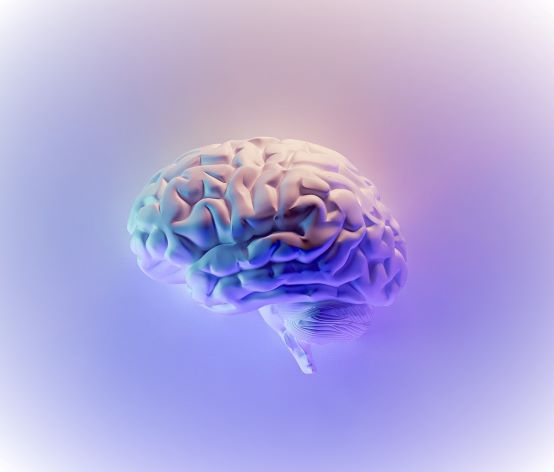
Now that we have vaccines and better treatments for COVID, researchers are finding time to investigate the possible long-term effects of this infection. Although most people recover completely within 2 to 4 weeks, as many as 1 person in 3 continue to have effects from the virus more than 3 months after diagnosis. For some, these problems continue for many months, and doctors are struggling to find effective treatments to get them back to normal. Long-COVID-19 [also called “post-acute sequelae of SARS-CoV-2 Infection” (PASC) or just post-COVID-19 syndrome], is defined as the effects of COVID-19 that persist more than 3 months (or 4 weeks, depending on whose definition you use!) after being diagnosed with the SARS-C0V-2 coronavirus. And the stats of how many have these complaints are all over the map, because of poor definition and diagnosis of this condition patients call “long COVID”.

A recent study of surviving patients (with no previous neurological symptoms) hospitalized for COVID-19, examined symptoms they continued to experience 6 months after leaving hospital:

  • Fatigue 34%
  • Memory/attention problems 31%
  • Sleep disorders 31%
  • Hyposmia (loss of sense of smell) 18%
  • Cognitive defects 17.5%
  • Postural tremor 13.8%
  • Subtle motor/sensory deficits 7.6%

Overall, 40% of people in the study had neurological abnormalities. Increased age, other health conditions, and severity of COVID-19 were all risk factors for this long neuro-COVID. Although this study examined people who were hospitalized with the virus, other studies are finding similar numbers in those with mild symptoms who did not require hospitalization.

With approximately 240 million cases and almost 5 million deaths confirmed worldwide as I write this, there will be a large population of recovered COVID-19 patients that could end up with long-term consequences of this contagious disease. Multi-organ effects of the virus are well-documented, but the potential long-term effects are just now being collected and assessed.

There are 3 main types of long-term effects of COVID: respiratory (shortness of breath, chest pain), cardiac (heart inflammation or damage), and neurological symptoms (brain fog, fatigue, headache, numbness/tingling, disorders of taste/smell, sleep disorders, decreased exercise tolerance, dizziness, problems with body temperature regulation, and muscle/joint pain). I’ll be focusing on the neurological symptoms—those related to nerve function.

Some lingering neurological symptoms can be common in anyone needing a stay in ICU—1/3 of ICU patients with respiratory failure or shock from any cause can have cognitive (thinking) impairment that compares to moderate traumatic brain injury. This is referred to as “post intensive care syndrome” and it’s more common in the elderly and those with underlying health conditions. However, some people are also reporting similar impairment in their thinking after recovering from mild or moderate COVID that did not require hospitalization.

Although the coronavirus is named SARS-CoV2 (SARS stands for Sudden Acute Respiratory Syndrome), scientists now know that it has effects on many body systems. In addition to respiratory symptoms (cough, fever, shortness of breath), it also increases the ability of the blood to form clots, and clots can cause damage in the heart (heart failure, myocarditis), and brain (strokes, seizures) as well as the lungs (scar tissue) that can cause health problems and increase risk of other diseases in the future. In addition, COVID-19 can weaken blood vessels and cause them to leak, potentially contributing to long-term problems with the liver, kidneys, and brain. Increased rates of new onset diabetes, heart disease and kidney are also reported.

Other effects are believed to be caused by how our bodies’ immune systems respond to the virus infection, creating multisystem inflammatory syndrome, with some organs and tissues becoming severely inflamed. Immune cells go everywhere in the body, so inflammation and an immune response elsewhere in the body can result in overactivity of immune cells in the brain—sometimes creating an “autoimmune” reaction where the body attacks itself.

Researchers are also suggesting the possibility of ongoing viral infection as a potential source of long COVID symptoms, possibly in the gut or elsewhere outside the respiratory system. The infection is known to affect the olfactory glands (the “smell” organ in the nose), with loss of smell and taste relatively common in acute COVID-19. This is thought to be a possible route for the virus to infect the brain, a possible cause of the brain damage they see in neuro-COVID. However, no virus has yet been detected in the brain itself. The research continues…

Experts warn the combined effects of COVID—direct viral effects, system inflammation, strokes, and organ damage (lungs, liver, pancreas, and kidneys)—might even increase risk of developing Alzheimer’s disease in the future. Inheriting the ApoE4 gene increases risk of both developing Alzheimer’s and severe COVID, a connection that researchers note and something that COVID survivors might want to keep in mind. Investigating possible parallels between Alzheimer’s and Neuro-COVID could potentially find better ways of preventing and treating both diseases.

Some long-term effects of COVID-19 are similar to those of Chronic Fatigue Syndrome (CFS)—extreme fatigue that is worse after physical or mental activity, but doesn’t improve with rest. Like Post COVID-19, it often begins after a viral infection. There is some hope that research into long-COVID-19 causes and mechanisms, may also help those who suffer from CFS.

But COVID can have subtle long-term effects too—one small study found persistent impairment in sustained attention in a group of younger people thought to be fully recovered from COVID. Whether this is due to underlying inflammation, silent strokes (a stroke with no obvious immediate symptoms) or lack of oxygen while sick is not known. Silent strokes typically affect the brain’s white matter that contains the nerves that connect different parts of the brain. This wiring is needed for attention and, when it’s damaged, it is more difficult to sustain and focus your attention for a length of time.

So, there is still a lot to learn about this new(ish) virus and what it can do to us. Organizing and sharing information between researchers around the world will help find the answers we need sooner.

The World Health Organization (WHO) recently published a standardized definition of Post COVID-19 syndrome, something needed to help researchers gather data in a consistent manner world-wide. The following are the criteria they describe, after consultation with international experts and patients:

  • A history of probable or confirmed SARS CoV-2 infection
  • Symptoms for at least 3 months from the onset of COVID-19
  • At least 2 months of the symptoms that cannot be explained by an alternate diagnosis
  • Common symptoms: fatigue, shortness of breath, cognitive (thinking) dysfunction, and others (such as anxiety; depression; pain; and hearing, smell and taste changes or loss)
  • Symptoms generally affect everyday functioning
  • Symptoms may be new-onset following an initial recovery or continuing from the original infection and may fluctuate or relapse over time

There have been some criticisms of this definition: it bases the diagnosis on excluding other causes rather than by simply including a set of symptoms, and some think the definition could have included new-onset diabetes, heart disease and kidney disease as symptoms of ongoing COVID related disease.

By comparison, the Centers for Disease Control (CDC) in the US defines “Post COVID conditions” as symptoms of COVID-19 that persist beyond the acute phase of 4 or more weeks.

We may also need a separate definition to describe post COVID-19 in children, as their symptoms can be different from those in adults. So far, there is limited data in young patients, but case reports are beginning to be collected and shared. A UK study published in January 2021 found 13 to 17% (depending on age) still had symptoms at 5 weeks from onset of the virus infection. Another study in Italy in November 2020 found 52.7% of the 120 children studied had at least 1 symptom at 4 months after diagnosis. Again, statistics all over the map, probably due to a lack of definition and diagnosis of the disease.

Symptoms in children included sore throat, joint pain, fatigue, headache, chest pain, gastrointestinal (digestive) problems, nausea, mood swings, dizziness, and rashes.

In children, the virus can trigger Multisystem Inflammation Syndrome (MIS-C), also known as Pediatric Inflammatory Multisystem Syndrome (PIMS). Case reports describe some children with extensive neurological symptoms and fatigue, similar to that in adults.

One benefit of developing and sharing a strong definition of a disease is to help doctors learn about it and diagnose it more accurately. Because of a lack of knowledge and awareness of Post COVID-19, many patients have been misdiagnosed over the past year and a half, some being told it was just stress, anxiety or “all in their head”.

As one woman said: “I just want doctors to have the courage to say they don’t know what’s wrong, and to offer to read, consult or test further to find out what it could be.” Having had a series of (non-COVID) misdiagnoses in the past few months myself, I must say the doctor who most impressed me was the one who said he didn’t know what I had, shared several possibilities, and asked if I wanted to have another test that might give more information. For whatever reason, it’s hard for some doctors to be “human” and admit they’re sometimes making an educated guess, and studies have shown it often takes women longer to be diagnosed (and women are less likely to be believed when describing symptoms) than men. As a patient, I really appreciated the doctor sharing the thought process of his diagnosis and discussing my options.

Meanwhile, in early September, the British Medical Journal (BMJ) hosted a webinar with a group of experts to discuss how to diagnose and treat Post COVID-19 most effectively. That’s a giant first step toward sharing current information.

There are so many reasons to do everything we can to avoid catching and passing on this contagious virus. It’s important to understand the risk of long-term effects, that they can develop even after mild cases and may not be evident until well into the future, and the possibility that the virus has to potential to affect our brain function. These give us more reasons to do everything we can to avoid this infection!

Lastly, on a positive note, there are some basic strategies that are known to decrease the risk of neurological disorders, like Parkinson’s disease, Alzheimer’s disease, and might be expected to decrease the chance of long neuro-Covid getting worse rather than better. These include getting regular exercise (sometimes within set limits), eating a healthy diet, and staying socially engaged with other people. These strategies can reduce risk of developing Alzheimer’s by 40%!

So, next time you’re talking to someone who’s hesitant about whether to take the plunge and get that vaccine, you can tell them about how doing so might help protect their brain!

P.S. Had my long-awaited surgery 24 hours ago, and starting to feel better already! In spite of its shortcomings, and even with all the COVID tests and protocols it must deal with, modern medicine is still wonderful. The doctors, nurses and all the support staff are still working hard to keep us healthy and safe. I thought it was cool that I was introduced to the entire team before I was put under!

This blog was longer than usual, but there’s so much information and research coming out now about previously unknown consequences of COVID-19. There seem to be new articles on this topic every week. If you’re interested in reading more, here are the references I delved into when writing this week’s blog…

References:

COVID-19: from an acute to chronic disease? Potential long-term health consequences—NIH National Library of Medicine PubMed.gov

WHO Coronavirus (COVID-19) Dashboard—World Health Organization

COVID-19 (coronavirus): Long-term effects—Mayo Clinic

Long-term neurological manifestations of COVID-19:prevalence and predictive factors—EAN Pages

‘Ill, abandoned, unable to access help:’ Living with long COVID—Medical News Today

Women and pain: Disparities in experience and treatment–Harvard Health Publishing

#longcovid #longhaulers #neurocovid
Categories
Uncategorized

Breast cancer… sometimes misunderstood!

Since October is Breast Cancer Awareness Month, I thought I’d dedicate a blog to this terrible disease that affects 1 in 8 women in North America, not to mention the impact it has on their families and those they love.

So here are some myths about breast cancer, and what the experts say about them…

Myth #1

A breast injury can cause breast cancer. Although a breast injury can sometimes cause changes in the breast tissue that might mimic the look of a cancer in a mammogram, it cannot cause cancer. But just to be sure, your doctor may want to do a needle biopsy, removing a small amount of breast tissue with a needle and syringe to examine in a lab, if an area looks different than usual due to a previous injury.

Myth #2

Underwire bras increase the risk of breast cancer. The wires do not cause cancer, but they can irritate the skin under the breasts, causing it to break down. Irritated skin is less resistant to bacteria and fungi which could cause an infection or abscess in the breast. Also non-wired bras are more comfy!!

Myth #3

IVF increases the risk of breast cancer. In vitro fertilization (IVF) involves the use of estrogen-like drugs to stimulate the ovaries to produce eggs. This led some experts to wonder whether the treatment could increase the risk of hormone-sensitive cancer cells developing, or at least speed the growth of any of this type of cancerous cells that might be forming. Although no studies have specifically been done to confirm this doesn’t happen, one trial compared the cancer risk of women who had had IVF with those who had not, and found no difference.

Myth #4

I won’t develop breast cancer because no-one in my family has had it. Most women who are diagnosed with breast cancer have no family history—only 5-10% of breast cancers are caused by a genetic mutation that was inherited. In fact, many diagnosed women have no known risk factors at all. Obviously, we’re missing something… (perhaps an environmental connection?) More research into the causes, please!!

Myth #5

Stress can cause breast cancer. While too much stress can certainly affect our health, there is evidence to show there is no association between stress and breast cancer. On the other hand, breast cancer most certainly causes stress! We can all benefit from learning effective ways of dealing with the stresses of modern life…

Myth #6

A healthy lifestyle eliminates breast cancer risk. A healthy lifestyle can reduce the risk of breast cancer, but it can’t eliminate it. Refer back to Myth #4… we need more research into the causes of breast cancer!

Myth #7

Breast cancer only occurs in older women. It is true that most cancers occur in older women. Age is a known risk factor—one we can’t do anything about. Screening mammograms are recommended only after age 50 in most countries, and after 40 in the US, as they are less accurate in younger women with more dense breast tissue. But about 5% of cancers are diagnosed in women under 40 years, typically in those with a strong family history of the cancer. It is recommended to watch for any unusual breast changes, like lumps, puckering of the skin or a nipple pulling inward (inverted nipple) and to see your doctor right away if any of these occur.

Myth #8

All breast lumps are cancerous. Actually, most new breast lumps are not cancer. A cyst (a pocket of liquid surrounded by a membrane) feels like a lump, and these are fairly common. However, always see your doctor right away for an evaluation if you notice a new lump or any other unusual breast change.

Myth #9

An abortion increases the risk of breast cancer. An abortion interrupts the normal hormone cycle of pregnancy (and pregnancy before age 30 is believed to reduce breast cancer risk), causing some to wonder whether it could increase the risk of a hormone dependent breast cancer. However, a large observational study in Denmark and several other smaller studies found no link between abortion and breast cancer.

Myth #10

Nipple piercings increase breast cancer risk. Piercings do not increase cancer risk, but they can lead to increased risk of infection, abscess, nerve damage, scars, cysts and difficulty breastfeeding (due to blocked ducts from scar tissue).

Myth #11

Sugar causes breast cancer. Refined sugar in excessive amounts is bad for our general health, but there is no evidence it directly causes breast cancer. I have read reports of research looking at very low sugar/high fat diets (an extreme form of the keto diet) to slow the growth of cancer cells in general, but the studies are not yet conclusive. Studies specifically looking at sugar and breast cancer have had “mixed and inconclusive” results, according to experts.

Myth #12

Men do not get breast cancer. Yes, they do! One in every 100 cases of breast cancer occurs in men. Men also should stay alert to any changes in the breast area, particularly as it can spread more quickly in males since they do not have as much breast tissue to contain it. As well, men are not screened for this cancer and tend to have less support when they are diagnosed with it.

Myth #13

Mammograms and biopsies can cause breast cancer to spread. The thinking here is that the squeezing and poking of a potential cancer could cause the cells to seed in another part of the breast. Some women also worry that the radiation of the mammogram could cause a cancer to begin. However, very low doses of radiation are used in current mammograms, and these are considered safe (although the operator, being there daily, needs to protective themselves from work-related exposure). No evidence has been found that these tests cause cancers to spread and they give valuable diagnostic and early-detection information that save many lives.

Myth #14

No lump means no cancer. Cancers that have formed “palpable” lumps (ones that can be felt with the fingers) have often been there, growing, for several years. The advantage of screening mammograms is that they can often detect a cancer before it is large enough to be palpable, greatly increasing the chance of a complete cure.

Myth #15

Anti-perspirants cause breast cancer. This myth started because many breast cancers occur in the upper outer area of the breast, the area closer to the armpit. However, very little if any of the ingredients in anti-perspirants are absorbed and there is no evidence that they would cause cancer if they were absorbed. At least one large well-conducted that compared breast cancer survivors with healthy women found no evidence of a problem with anti-perspirants or deodorants. The tiny grains of minerals left on the skin by antiperspirants do, however, show up on a mammogram, causing confusion for the radiologist interpreting the image. This is why they always insist that these products not be used on the day you are having a scan.

Myth #16

Carrying a phone in your bra can cause cancer. While most experts will say there is no evidence that cell phones cause any type of cancer, a few have reported case studies of unusual cancers that began in the same location where the woman carried her phone for several hours every day. Not proof of a cause, but one doctor was suspicious enough to publish a report after seeing several similar cases (which I linked to in my Sept 17th blog on environmental links to cancer). It might be a good idea to carry your phone in a purse or proper phone case, both to protect it and possibly also you! Cell phone manufacturers do recommend avoiding exposure of the phone to sweat, as the liquid could cause damage to the phone (as happened to my daughter, who no longer tucks hers into the waistband of her workout pants!)

So, there you go… less to worry about, right? I think the key in avoiding many diseases, including cancer, is to strive for as healthy a lifestyle as possible: eat well, exercise, limit alcohol to recommended amounts, and avoid exposure to nasty chemicals. And, since it’s Breast Cancer Awareness month, maybe make a little donation that might help researchers find the causes and cures for this disease that affects too many women…

References:

Medical Myths: 15 breast cancer misconceptions—Medical News Today

Antiperspirant Safety: Should You Sweat It?—WebMD

Categories
Uncategorized

Self-hypnosis… not what you think

For most of us, “hypnosis” brings to mind a stage show where people are made to do silly things by a hypnotist. But any hypnotist will tell you the participants do these things willingly, eager to be part of the show, and that they can’t really hypnotize anyone into doing something they don’t want to do. They’ve all had skeptics who just sat on the chair, wanting to prove hypnosis doesn’t “work”.

But the Practical Pain Management website tells us that “Hypnosis is a cognitive (mental) process such as imagination in which a patient is guided to respond to suggestions for changes in perceptions, sensations, thoughts, feelings, and behaviors. It involves learning how to use your mind and thoughts to manage emotional distress (such as anxiety), unpleasant physical symptoms (such as pain), and certain habits or behaviors (such as quitting smoking). People can be trained to self-hypnotize, guiding themselves through a hypnotic procedure.”

You could think of hypnosis as a combination of the placebo effect, meditation and positive affirmation. When we focus on something positive we want, eliminating other thoughts, we can encourage our subconscious mind to help us work toward our goal.

Placebo effect

With the placebo effect, believing that a medication or treatment will work activates the immune system and when they work together you can expect a better result. All valid drug trials are required to compare the medication to a placebo, and it is the difference that shows the effect of the drug. The placebo effect can be as high as 90% for some treatments, for example tension headaches. This is an example of how influencing the mind can have physical effects.

Pharmacist, Émile Coué (1857-1926), noted that more of his patients got better when he praised the effects of the medications he dispensed, than when he did not. Today, pharmacists are taught to always share the benefits of a drug before talking about the side effects to promote a positive attitude toward the treatment.

Meditation

Relaxing the body and clearing your mind, focusing on pleasant thoughts and images, and “mindfulness” techniques of focusing on the present (rather than dwelling on the past or worrying about the future) are techniques used in inducing a state of hypnosis that are similar to meditation.

Positive affirmation

Seeking help from a professional hypnotist to change a habit—for example quitting smoking—can help you bolster your determination to succeed. One technique used is to repeat a statement of the result you want, for example “I am a non-smoker” to change your beliefs deep in your sub-conscious. Of course, if you really don’t want to quit, the hypnosis just won’t work. You need to want the change and be ready to do what it takes. Hypnosis just helps increase your determination and belief that you will succeed.

So, what about self-hypnosis? Do you need to worry that you won’t “wake up”? When can it be useful? Is it difficult to do? I was curious, so I decided to read about it. Here is some of what I learned…

Hypnosis has been used as a medical treatment for centuries. The name comes from the sleep temples, or “hypnos” used by the Greeks to treat ailments. Imagery (picturing yourself on a beach), chants, drumming and dancing rituals while focussing on a goal could all be considered forms of hypnosis. However, it is less well-known than other alternative therapies, as most medical schools do not include it in their curricula.

It can be used to provide analgesia, reduce stress, relieve anxiety, improve sleep, improve mood, and reduce the need for strong pain medication such as opioids. It is not recommended for anyone with a severe, untreated psychological disorder, those under the influence of recreational drugs or alcohol or a person who has delusions or hallucinations at the time of treatment.

Hypnosis by a professional achieves its goals more quickly than trying to do it by yourself. If you are wanting to help address a more serious issue or habit, it’s the way to go. But for simpler goals, it might be worthwhile giving self-hypnosis a try. There are several techniques that can be successful, depending on the person. Professional hypnotists will sometimes teach patients self-hypnosis or provide recordings to continue the benefit of treatments between appointments.

We know that anxiety can increase pain perception and that distraction can reduce it. I used iPad games for years to reduce the pain of injections I was giving to children. Even a simple “Take a deep breath” was often enough of a distraction to help adults feel less needle pain. Closing your eyes and picturing yourself on a beach (or wherever your favourite vacation place might be) can help you reduce anxiety, decrease pain or fall asleep more quickly. Our dentist even has a TV mounted on the office ceiling for distraction!

So, I can understand how hypnosis can be beneficial. You’re basically learning to distract yourself and replace negative thoughts with positive ones more effectively. So, I gave it a try… but I found it was harder to achieve pain reduction than I thought it might be. Apparently, it takes practice!

But, several methods are suggested, and some work better than others, depending on the person. Here are some basic strategies used by professional hypnotists:

1. Autosuggestion—This is repeating suggestions to yourself, while closing the eyes to decrease other sensations and distractions

2. Autogenic training—This involves learning to create physical change from within, with the use of meditation, visualization and the mind’s ability to control the autonomic (“automatic”) nervous system that controls the body functions we don’t think about, like blood pressure, heart beat, reaction to stress, etc.

3. Progressive muscle relaxation—Consciously tensing then relaxing muscles (for example, from head to foot) helps reverse unconscious muscle tension, inducing relaxation.

4. Mindfulness—Focusing thoughts on the present with no worry about the past or anticipation of what the future holds. Focusing on the breath can be used to relax, clear and focus the mind in preparation to receive desired suggestions.

Steps used in hypnosis:

a. Induction of a trance or focus—guiding or being guided to focus your attention. Note that a trance state occurs any time you are selectively focused so deeply on something that you block out other sensations and stimuli.

b. Deepen focus—increasingly relax and focus your mind on the task you want to accomplish. Assistance from a professional would be helpful in this stage.

c. Auto-suggest (make a positive suggestion to yourself)—Make suggestions for the outcome you want to align your actions with your desires. For example, say “I am a non-smoker” rather than “I want to quit smoking”. This can be done by using a recording of your voice or by speaking to yourself repeatedly. Identify and write or record your mantra before you begin.

d. Termination—in self-hypnosis, you are always awake and can end the session whenever you choose.

A session with a professional hypnotist may have several more steps than this. Most are trained psychologists who explore your underlying issues before beginning and combine hypnosis with other psychological techniques. Therapists will often teach clients self-hypnosis so they can continue the benefit between treatments.

When training patients to perform self-hypnosis, some hypnotists will suggest placing a reminder in a prominent place, for example, writing your mantra with dry-erase marker on the bathroom mirror or on a sticky note on the edge of your computer screen. I like the mirror idea as it would remind you every morning and evening, ideal times to set your mood and intentions for the day, and to relax you for a good night’s sleep…

One hypnotist-author whose work I read suggests following the P.O.W.E.R. acronym to organize a self-hypnosis treatment:

P—Present. Don’t worry about the past or the future. Allow your mind to only consider the present.

O—Open your mind to using your internal creativity and intuition to solve your problem.

W—Written affirmation. State the change you want to accomplish and 1 to 3 actions that will make this happen.

E—Explore. Spend a few minutes exploring the benefits of embracing and achieving your affirmation.

R—Ratify. Commit to the outcome in your affirmation. Lock your mind around it. Put the idea of success exclusively in your mind.

Biofeedback

There is another similar technique, called biofeedback, that uses instruments (for example a blood pressure cuff) to motivate and confirm the patient’s success in influencing actions that are under the control of the autonomic (subconscious) nervous system. Studies have found people can be taught to lower blood pressure, slow heart rate, reduce anxiety, increase blood flow to certain areas of the body, and modify other similar parameters using various instruments as an external source of motivation rather than an internal one as with hypnosis. Since the instruments also confirm success, biofeedback is considered more scientific by some people than hypnosis, but the processes are actually quite similar.

The bottom line…

Self-hypnosis can only do what is physically possible. For most people, it should be regarded as an “add on” to other standard treatments, not as a substitute. And it takes practice. As I read various articles plus a book about hypnosis over the past couple of weeks, I tried some of the techniques. The best I was able to achieve was a slight and very temporary reduction in pain, so I won’t be throwing away my Tylenol any time soon! But I could see that hypnosis could be helpful in some situations, and the benefit of consulting a professional if you are serious about learning self-hypnosis. I also learned you would need plenty of practice to achieve lasting benefit.

PS: The “mandala” drawing above is a relaxing, meditative form of art that I learned this summer… a Zen combination of drawing, colouring and meditation!

References:

Hypnosis: Tool for Pain Management—Practical Pain Management

The Seven Most Effective Methods of Self-hypnosis: How to Create Rapid Change in your Health, Wealth, and Habits—Richard K. Nongard, Certified Professional Hypnotist

Biofeedback—Mayo Clinic

Chronic back pain: Can psychological therapy be an effective treatment? Medical News Today

Categories
Uncategorized

Avoiding “cracks” in the system…

After my “Falling through the cracks” blog a couple of weeks ago, I received a lot of comments and notes from people who have experienced healthcare hiccups like I have. One reader shared two excellent suggestions to add to my list, based on her experiences, that hadn’t occurred to me when writing. I thought they were worth sharing…

1. Don’t self-diagnose. Give all your information to your doctor (don’t hold anything back that might be relevant!) and get a diagnosis from a professional.

Many of us turn to “Dr. Google” when we have symptoms (I’m guilty of it too!) but, of course, there’s a lot of misinformation out there. And even if you’re reading a reputable website, it often takes background knowledge and expertise to interpret your symptoms– that’s why your doctor’s training and experience are so important. They know the questions to ask to rule out that disease you’re worried about, or to suspect a condition unfamiliar to you. Sometimes a test or physical examination is needed to find what is wrong.

I have seen the recommendation, though, that if you suspect you have a particular medical condition, you should mention it to your doctor, whether it’s something you’ve had previously, you know someone with the condition, or it’s just something you’ve just read about. Your doctor will explain why they know your problem isn’t what you suspect (putting your mind at ease!) or, especially if it’s a condition you’ve had before, they might consider it in their search for a potential diagnosis.

I recall an elderly gentleman years ago, asking at the pharmacy counter where he might find the non-prescription muscle relaxant tablets. As I escorted him to the shelf where the product was displayed, he grumbled that he wasn’t confident in the young doctor who had recommended this treatment… he’d had back pain for years and “knew” it was arthritis. Apparently, he didn’t think it was important to inform the doctor of this. And the young physician, obviously, didn’t ask about the duration of the pain. Diagnosing is like solving a puzzle, and every piece of information is important!

2. If you are not getting results with your doctor and your symptoms are getting worse, head to the emergency room (or local after-hours) for a second opinion. Be sure to tell them all details of treatments you’ve tried thus far.

You know the saying: two heads are better than one. And, in medicine, knowing what treatments didn’t work also helps to find the correct diagnosis. So, even returning to your own doctor when a treatment doesn’t work, will help her figure out what’s causing your problem.

But doctors do put their heads together to discuss patients who aren’t improving as expected with treatment. In hospital, they call these meetings “grand rounds” and the meetings include many different health professionals, all sharing their expertise and suggestions for treatment. In an ideal world, this would happen in community medical clinics too. A goal to strive for!

But it can sometimes take time to get an appointment with your family doctor – they have many patients to keep up with and personal lives too. And some offices are better at triaging who needs to be seen sooner than others and keep slots open for those who shouldn’t wait to be seen.

If you are in immediate distress, for example with severe pain or difficulty breathing, the emergency department is the place to go. Or call an ambulance if it might be life-threatening, especially if you live a distance from the hospital. Often the ability to conduct blood tests or scans can take a lot of the educated guesswork out of diagnosing the problem on the first try. However, booking a follow-up appointment with your doctor later will ensure they know about new developments, and they will be able to monitor the results of any prescribed treatment.

Knowledge is good

Of course, knowledge about any medical condition you have is a good thing. If you do decide to learn more about a disease you have, ask your doctor to recommend a source of information. There are often non-drug approaches you can incorporate into your lifestyle that can improve your condition or reduce the risk of it developing again. Websites hosted by established medical clinics, universities, government, and medical schools are generally based on science, and monitored and updated regularly. National health organizations (for example, a national diabetes association, if you are diagnosed with diabetes) often provide good quality patient information that is easy to read and understand. If you are unsure of the validity of any information, ask your doctor to confirm that it is correct and applies to you.

Most high-quality websites will show the references used to supply information for the article. You have probably noticed that I do this most of the time (apart from opinion articles and those based on personal experiences, when I will be clear that is what the article is). In fact, when I read an interesting health-related article, I also look up the original references they used to gather information for the article to learn more, as well as to verify their interpretation of the information. I’d encourage you to do the same!

Of course, today’s blog is in the “personal experiences” category so no references. But I will mention a few of my favourite sites… they include Mayo Clinic, Health Canada, British and American government sites, and I love Google Scholar—the search engine that searches published scientific literature. Sadly, more and more articles are now behind paywalls, unlike when I first started using it in the early 2000s. In an ideal world, knowledge would be shared for the benefit of all, enabling better evidence-based decisions and furthering research and treatments.

PS…

So, more good news on a personal level… I won’t have to wait months for treatment as the receptionist warned me I might. Pain has been called the 4th vital sign—it’s important to let your healthcare provider know the level of pain you are experiencing and how long you’ve had it. I think that’s probably what made the difference for me… I have an appointment on October 21st! Just 3 weeks away.

Hopefully I will be able to put all this behind me, but I’ll continue to look for ways to improve our health system and to help others navigate it efficiently. Nice to know it all works when you really need it, though! Communication is key.

Categories
Uncategorized

A nail-biter week…

It was a long week, waiting for my appointment day to arrive, but my hubby was coaching me to not get overly anxious about what my biopsy results might be. Why get upset over a potential bad result that might not happen? Just keep busy with other things… Good advice.

I also thought about wise counsel from another relative who was diagnosed with breast cancer. Scream, cry and get angry for a week or so, then get busy working to defeat the disease. Ten years or so post-diagnosis, this strategy has worked well for her. She has a zest for life that anyone would envy.

It’s all about keeping your quality of life, I think. It’s easy to let yourself drown in a bad diagnosis, even before you receive it, as you worry about worst-case scenarios. A good life strategy for any of us is to look for what you can do to make whatever time you have the best it can be, regardless of good or bad diagnoses. Take the bull by the horns, my hubby likes to say… live life to the fullest, do all those things you’ve always wanted to do, focus on happy thoughts.

But part of me wanted to prepare myself, just in case… sort of like before childbirth: if you know what’s coming and prepare for it as objectively as possible, it’s not as bad. It can be easier to handle news and stay in control when you’re prepared for anything.

But it was good news!

The first thing the doctor said, is that it’s not bad news. I imagine she’s had to deliver her fair share of devastating diagnoses over the years. So, no cancer, thank goodness! But my heart goes out to others in that situation that didn’t get the results they were hoping for. This week has made me more understanding of what it would be like to learn that you or someone you love has cancer.

My doctor talked about my problem likely being a polyp—a growth of some sort inside the uterus—and described the pain as being due to the uterus’s attempt to push out what shouldn’t be there.

But what’s the cause?

I wanted to discuss potential causes of an overgrowth of hormone-sensitive tissue. I guess I’ve always been a person who wants to understand why things happen. Everything has a cause and, if we learn what drives a disease, we can change our behaviour to lower the risk of it returning or worsening in the future. And maybe we can help to protect our kids from developing the same problems.

But she didn’t have any thoughts on what could be promoting growth of hormone-dependent tissue in a post-menopausal woman currently producing only low amounts of hormones. I briefly explained my previous unintended chemical misadventures and my understanding of the environmental connections I’d learned about—the topic of last week’s blog —but it didn’t appear to be something she’d heard or read about before. I guess doctors have their hands full just trying to cure us all, leaving little time for reading about theories that are not easy to prove.

Still, I can’t help thinking they might not be as busy, nor waiting times as long, if we could make a few behaviour changes that would lower our disease risk. I’ll keep looking for the cause and encouraging research, so we can avoid needing so much treatment!

And the next queue…

So now I’m on another wait list—the one for the OR. Yes, at least the next “surgery” will be done with a general anesthetic in an operating room. It will just be a day surgery, so relatively minor, but apparently some women experience more pain than others when being poked, prodded, and trimmed on the inside. I’m one of the sensitive ones, I guess! So, yes, general anesthetic please!!

The downside is that it could again be a wait—perhaps months, the receptionist says. OR times are assigned at the beginning of each month at our hospital, so no way of knowing very far in advance. Hard to say whether we will get to Spain this winter (booked to leave Jan 18th!) but with COVID the trip is a bit up in the air anyway… They are saying we should expect a mild, wet winter in Canada this year. I wonder how they can make these predictions so far in advance???

So, all is good or, at least, as good as it can be. But it was a nail-biter week… literally. No fingernails left! I’m feeling better, mentally and somewhat physically, but still counting out my Tylenol for the day to make sure I don’t take too much (8 tablets of 500mg is the maximum safe dose!).

I’ve had more good days than bad lately, fortunately. I think I might investigate biofeedback (controlling a body function with your mind) now that I know the mechanism of my pain (spasms in the uterus). I’ve read that people can be trained to lower their blood pressure or increase blood circulation to part of the body by focusing their mind. I wonder whether biofeedback could be similar to the placebo response I’ve written about previously … your subconscious triggering your immune system to do what you want. Stay tuned!

Thanks for all your messages over the past few weeks—I so appreciate the support! Hope I can pay it forward to a couple of dear friends who were not as fortunate as I was when they received their news…