Categories
Uncategorized

Neuropathic pain… oh my nerves!

Neuropathic pain is pain caused by nerves that aren’t working as they should. Put simply, nerves are long thin cells that carry messages of body sensations to the brain, and commands for movement back to the body. The brain is made up of a complex network of nerves that interpret messages and communicate with each other, allowing us to think and feel. When nerves become damaged, messages can become disrupted or nerves can simply start firing on their own, creating false messages such as pain when there isn’t a problem. We call this neuropathic pain, pain that is caused by the nerves themselves malfunctioning.

In contrast, “nociceptive” pain is caused by an injury, physical pressure or inflammation in some part of the body. The nerves are working properly when they send pain messages to the brain telling you there is something wrong. Your nerves can also trigger a sub-conscious reflex movement that reduces damage, like pulling your hand back from a hot surface even before you realize you’ve burned your finger.

What does it feel like?

Neuropathic pain, pain caused by the nerves themselves, can be mild or severe, permanent or temporary. It can feel like burning, throbbing, electrical-like sensations, tingling “pins and needles”, increased sensitivity, itching or just numbness. Basically, whatever the nerve is supposed to do can either be blocked or “overdone”, depending on whether the damaged nerve stops transmitting signals or starts firing randomly because of damage or pressure. Sensations can be changed when sensory nerves are damaged or squeezed and, when motor nerves are affected, the ability to move can be blocked (for example, paralysis with a stroke) or uncontrolled (as when muscles twitch).

What causes it?

Neuropathies can often be hard to diagnose and treat, and there is a wide range of causes for damage to nerves. Some of these include:

  • Diabetes—High sugar in the blood causes damage to tiny nerves in the hand, feet and eyes, leading to numbness and loss of vision over time, especially when blood sugar levels are not well controlled.
  • Cancer and cancer treatments—A growing tumour can press on nearby nerves inhibiting their function or causing pain. Cancer drugs, with their toxicity spilling over onto our own cells, can cause damage to nerve cells too. Numb fingers are common with some chemo treatments, but these nerves usually repair themselves after treatments are finished when dosages are carefully monitored.
  • Neurological diseases—Some diseases cause symptoms by having an effect on nerves, like multiple sclerosis, a disease where the myelin “insulation” around nerves becomes damaged, resulting in nerves firing randomly or signals being unable to travel through the nerve.
  • Stroke—A stroke results from blood not reaching part of the brain, either because of a blood clot or because a blood vessel has burst. Without blood and the oxygen and nutrients it carries, nerve cells in the brain die and cease their function. Interestingly, sometimes other nerves can take over the function, allowing a significant amount of recovery. This is called “plasticity”… the ability of tissues to grow and change (somewhat like molding plastic!)
  • Shingles—After you have chicken pox, the herpes zoster virus doesn’t totally disappear. It stays dormant in nerve cells, waiting for its chance to come back as shingles, a nasty painful/itchy rash with fluid-filled bubbles on the surface of the skin. While it’s reactivated, the virus can cause damage to the nerve it’s growing in, sometimes resulting in ongoing pain signals being generated even after the virus infection is subdued and the rash is healed. This is known as “post herpetic neuralgia”, and can last weeks, months or even years. Treating the virus infection quickly with an anti-viral medication will reduce the nerve damage and chance of developing long-term problems. It is recommended to start treatment within 72 hours but the sooner, the better.
  • Phantom limb pain—It’s hard to imagine, but almost 80% of people with amputations can have pain or itching that their brain is telling them is occurring in the limb that is no longer there. These sensations are likely initiated in a nerve that has been cut or damaged in the surgery sending signals that the brain interprets as coming from the absent limb. It must be so frustrating to have an itch that you can’t scratch!
  • Nutrient deficiencies—Lack of a nutrient essential for nerve health, for example vitamin B12, can also be a cause of malfunction of peripheral nerves, those in the extremities. Interestingly, metformin, a commonly used medication for diabetes, can reduce absorption of B12, leading to a deficiency in significant numbers of patients, and increasing risk of numbness in the hands and feet that is often blamed on the diabetes itself.

And there are many other diseases that can cause misfiring of nerves. I occasionally get a burning sensation on the outside of one foot—it took me quite a while to figure out it was a compression neuropathy, caused by a muscle spasm in my calf pressing on the nerve to my foot. I get quick relief from this foot pain by massaging my calf. Who would have thought! Unfortunately, in some people the source and exact location of the problem are never identified.

Focal neuropathies are those focused in one spot of a single nerve, making them easier to treat once diagnosed. Peripheral neuropathies, for example diabetic neuropathy, can be widespread since the cause (high sugar in the blood) originates in the blood that circulates throughout the body.

Treatment

Of course, addressing the cause (like taking an anti-viral for shingles, keeping diabetes under control, or using massage as I do for my foot pain) is an ideal treatment if this is possible. Otherwise, using medication that modifies how nerves fire, like anticonvulsants, antidepressants or drugs that block certain pain receptors within the body, can be helpful to reduce discomfort. There are also drugs that can activate calming pain-blocking pathways, like the GABA pathway and alpha adrenergic pathway in the body.

Commonly used neuropathic pain medications include anticonvulsants like gabapentin/pregabalin, and carbamazepine (Tegretol), and tricyclic antidepressants like amitriptyline or desipramine. Magnesium supplements (especially if the diet is lacking in magnesium) are sometimes helpful, as well as substance P blockers like capsaicin (a non-prescription cream) or loperamide (an antidiarrheal medication that can also be made into a cream by a pharmacist). In difficult to treat neuropathies, pain receptor blocking drugs like ketamine (yes, the date-rape drug!) may be tried.

As a compounding pharmacist, I have often made some of these into a penetrating gel when the location of the damage was known and this avoids side effects commonly noted when taking it by mouth. Because the medication is delivered directly to where the problem is, much less is needed and side effects like drowsiness and stomach upset are essentially eliminated. This allows us to combine several drugs that work to block pain in different ways into one product. One favourite that often works well is a combination of ketamine (an NMDA blocker), gabapentin (an anticonvulsant AMPA blocker) and clonidine (an alpha-adrenergic blocker).

Sometimes the pain and sensitivity were so great, the person couldn’t tolerate rubbing a pain cream onto the skin. In these cases, we would supply a lidocaine spray in a water base (avoiding alcohol that could cause painful coolness as it evaporated) to numb the skin before using the pain gel.

It has been very gratifying, as a compounding pharmacist, to be able to help people who were not getting pain relief from the standard medication. It was at a pain conference that I learned how muscle spasms, where muscles become thickened and shortened, could cause pain in a different part of the body by pressing on nerves or pulling on tendons that attach muscles to bone. This results in pain being sensed in a different location than the origin of the problem, making it more difficult to diagnose the source.

If you suffer from neuropathic pain in spite of treatment with standard medication, I highly recommend asking a local compounding pharmacist trained in pain management to work with your doctor. Together the 3 of you can work to find alternative solutions to calm your pain.

#NeuropathicPain

References:

Types and causes of neuropathic pain—Medical News Today

Algorithm for Chronic Neuropathy—Professional Compounding Centers of America (PCCA)

Categories
Uncategorized

Fibromyalgia

Fibromyalgia is a long-term condition that causes pain and tenderness all over the body. It’s not caused by damage or inflammation (like arthritis) but is believed to be caused by the nervous system becoming more sensitive to pressure and pain. Most patients also have fatigue that affects normal activities and is often worse after exercise. They also commonly report poor sleep, feeling unrested on wakening, poor memory and clouded thinking (also called or “fibro fog”).

Some people also have other nerve related problems along with fibromyalgia, such as restless leg syndrome, bowel or bladder problems, numbness or tingling, or sensitivity to noise, light or temperature.

Fibromyalgia used to be diagnosed by pain or tenderness in at least 11 of 18 specific points on the body. But now the requirement for diagnosis simply includes widespread pain on both sides of the body and above and below the waist for at least three months. Some have referred to the condition as “Central sensitivity syndrome”. It’s often reported to start after a stressful event, accident or infection, suggesting a possible involvement of stress hormones in its development.

Diagnosis

There is no specific test to tell you that you have fibromyalgia. It’s diagnosed by its symptoms along with the elimination of other potential causes for the pain. Fibromyalgia is often misdiagnosed and can take many years to be identified because the symptoms are similar to many other conditions.

Some of the illnesses doctors need to eliminate when they suspect fibromyalgia include low thyroid, rheumatoid arthritis, Systemic Lupus Erythematosis (SLE), polymyalgia rheumatica, other inflammatory/immune disorders, chronic fatigue syndrome, and multiple chemical sensitivity. If you have any chest pain/shortness of breath/palpitations your doctor would also screen for heart problems.

Fibromyalgia is not arthritis but somehow it falls under the umbrella of rheumatic diseases, perhaps due to the pain and fatigue sufferers experience being similar to arthritis. It is thought to involve effects on peripheral and central (in the brain) pain receptors, as well as spine inflammation and affective (mood) brain systems.

Doctors usually do blood tests to eliminate other causes of symptoms:

· TSH (thyroid test) – Low thyroid symptoms are similar to fibromyalgia, especially diffuse muscle pain and fatigue.

· Vitamin D (25-hydroxy vitamin D) – Low levels of vitamin D can result in muscle pain/tenderness. Very low levels can also cause fatigue.

· Iron – Deficiency can cause or worsen fatigue, sleep, depression symptoms, and restless leg syndrome. Transferrin and ferritin are molecules that transport iron, and blood levels of these may be tested to check for hemochromatosis (a genetic disease of excess iron in people of Mediterranean descent).

· Magnesium—Low levels can lead to muscle spasms.

· Erythrocyte sedimentation rate (ESR) – This is a test of how quickly red blood cells settle. An increased rate indicates arthritis-type inflammation. This is done to rule out inflammatory disorders that can mimic fibromyalgia symptoms and the value should be normal, indicating no inflammation.

Treatment

So far, no cure exists but management strategies can help greatly to relieve symptoms. Look for education about the disease to learn about lifestyle changes, physical activity, and medications that can help. Support groups, online and in person (once the pandemic is under control!), can be helpful. Be sure to ask your doctor for suggestions. Non-drug treatments can also give benefits and using several strategies together is ideal.

Stress management

Since there appears to be a stress component to fibromyalgia, learning how to reduce stress can be very helpful. Self management practices like relaxation training, activity pacing, visual imagery, and distraction strategies can add together to relieve fibromyalgia symptoms. Self-efficacy is the belief in one’s ability to control or succeed in specific situations, or to accomplish a task. Learning to increase self-efficacy give a sense of control and can improve the result of other treatments for any type of chronic pain.

Exercise

In spite of the fatigue and increase in pain that can be the result of too much exercise, it’s important to continue to do aerobic and resistance exercise. Low impact aerobics, walking, water aerobics, stationary bicycle, and Tai Chi are recommended exercises. Start gently and gradually increase as your tolerance improves.

Heat, massage, and other treatments like trigger point therapy for muscle spasms can be useful. Saunas, hot baths/showers, and self massage techniques help achieve self-efficacy for pain control.

Medications

It is strongly recommended to avoid narcotics, sleeping pills, and tranquillizers unless nothing else works, due to risk of addiction. These drugs can also increase fatigue and memory problems. Because people with fibromyalgia tend to be sensitive to medications and often experience adverse affects, it is recommended to start with low doses of all medications and gradually increase as necessary. Always combine medication with non-drug treatments, especially stress management, exercise, and psychological counseling if it’s needed.

Beware of medication duplication if seeing specialists for specific problems, for example, a dentist for temperomandibular joint pain (TMJ). I once did a medication review for a woman with chronic pain problems, and I discovered she was getting the same class of medicine from four different doctors!

Anticonvulsant drugs (such as pregabalin and gabapentin) and anti-depressants (like duloxetine [Cymbalta] and milnacipran/levomilnacipran [Savilla/Fetzima]), are used for their pain-relieving properties. However, they are given in much lower doses than when used for convulsions or depression. They also cause drowsiness but can help sleep if taken at bedtime or 1 to 2 hours before (giving time for the effect to kick in, plus wearing off earlier resulting in less morning drowsiness). If they bother your stomach, it’s recommended to take them with food. Non-prescription anti-inflammatories, like ibuprofen and naproxen, and acetaminophen (Tylenol) are usually of limited benefit.

Dextromethorphan (DM), found in nonprescription cough syrups or compounded by a pharmacist into capsules, has been successfully used for fibromyalgia and other chronic pain but does not have large studies to support its use. However, you could ask your doctor about it if what you’re using is not working well enough. It works by blocking NMDA pain receptors in the body.

Low dose naltrexone, also referred to as LDN, is a low dose of a prescription drug used to block opioid drugs (Naltrexone is a drug used to prevent drug abuse, similar to naloxone that rescues drug users in overdose, but slower and longer acting). It comes in tablets of 50mg but for fibromyalgia, the dose is 0.5mg daily, gradually increasing to as high as 4.5mg daily. Anecdotally patients report good results, but proper studies are currently lacking. However, since opioid receptors are believed to be involved in fibromyalgia, there is a logical mechanism behind use of this type of medication.

Medical cannabis has small studies to support effectiveness in fibromyalgia with few to no side effects. The synthetic cannabinoid, nabilone (Cesamet), was also found to improve pain and anxiety in fibromyalgia.

Beta-blockers, such pindolol or propranolol, taken in low doses at bedtime can improve pain and agitation.

Alternative therapies

· Alpha lipoic acid is a potent antioxidant that has been found to relieve pain in some with fibromyalgia. It has been studied for relief of diabetic nerve pain at doses of 600-1200mg daily, but for fibromyalgia some sources recommend starting with only 50-100mg daily, likely due to increased sensitivity to medications.

· Topical capsaicin cream, available without a prescription, can be a useful add-on. It has no side effects except possibly mild burning where it is applied (it’s made from hot peppers) but not everyone experiences this side effect.

· Magnesium and malic acid are 2 nutrients are involved in the production of energy within cells and a deficiency theoretically would cause some symptoms of fibromyalgia. However, research is still lacking to say these are supplements all fibro patients should take. A trial of 1 to 2 months should be long enough show a difference if you plan to try one or both of these.

· Progesterone replacement with natural progesterone (not a synthetic analog) has been reported to help reduce pain and improve sleep. Using it as a cream is more efficient as a large percent of swallowed progesterone is removed by the liver as soon as it’s swallowed. Users say that rubbing the cream on the painful area gives quick additional pain relief, suggesting that it works on local pain receptors as well as systemically. It is recommended to measure the cream for a consistent daily dose (usually 20 to 60mg daily but can vary from 10 to 200mg). Small studies suggest that fibromyalgia pain is increased in women with lower production of progesterone and testosterone. AS well, some women report their fibromyalgia began after menopause or other hormone changes, such as stopping hormone therapy, and this also supports the possibility of a hormonal connection. It could also explain why fewer men (who naturally have higher levels of testosterone) suffer from fibromyalgia. Progesterone cream is available in health food stores without prescription in the US but requires a prescription in Canada and must be compounded by a pharmacist. Note that many oils reduce absorption of progesterone through the skin. It must be prepared in an oil-free base to be effective.

· SAM-e (S-adenosylmethionine) has been studied for joint pain for many years. It has been found to relieve pain as effectively as anti-inflammatory drugs like ibuprofen, celecoxib (Celebrex) and naproxen (although these are reported elsewhere to have only a small effect in fibromyalgia). Newer studies suggest it may also improve symptoms of depression. But be sure to talk to your doctor before trying it.

· St. John’s wort is a herbal medicine that is well known to relieve symptoms of mild to moderate depression whether the result of living with chronic pain or other causes. However, as it works in a similar mechanism to standard antidepressants, it should not be combined with other antidepressants, like duloxetine (Cymbalta) or milnaciparin (Savilla/Fetzima) that are commonly prescribed for fibromyalgia as this would be a duplication leading to increased risk of side effects.

· Valerian is sometimes referred to as the “Valium” of the plant world and it has been proven to improve sleep in most people who use it. The good part is that it is not addicting like the benzodiazepine (Valium) family of drugs. It is available as capsules or tea…just a warning: hold your nose if using the tea as it’s described as smelling like “dirty socks”!

It is always recommended to talk to your doctor about alternative options and you certainly don’t want to try all of these options at once! Depending on their area of practice, your pharmacist may also be able to advise you about doses and possible interactions with your current medications. Most have access to good information sources on herbal and alternative medicines available to them. Keep in mind you may need to allow time for them to do the appropriate research.

Flare-ups

Identifying triggers for flare-ups can help you avoid them. Doctors recommend avoiding sudden changes in routine, for example, diet, exercise, and major life changes, if possible. Keep your activity level constant and know your limits.

Start medications at the lowest possible dose and increase gradually to reduce risk of flares.

Prepare ahead for situations that caused flares in the past. For example, arrange for help with housework or childcare if you suspect your fibromyalgia may flare up.

Behavioural therapy

Behavioural therapy, also called cognitive behavioural therapy or CBT, is a type of “talk” therapy that can help you look at your situation in a different way. Talking about anxiety, stress, depression, sleep disturbances, beliefs about pain, and coping strategies can improve the outcome of chronic pain treatments. Depression can be a contributor to pain or a result of chronic pain. If these “psychosocial” variables are not also recognized and addressed, results of medication treatment may be reduced in one third to one half of patients with fibromyalgia.

Diet

Modifying diet and practicing good sleep hygiene are crucial. A high sugar diet can worsen pain. Sensitivity to food additives is a problem for some with fibromyalgia, especially if they also have irritable bowel syndrome (IBS) which is a fairly common combination. Some people find alcohol can cause a flare up of symptoms. Caffeine beverages late in the day or a large meal eaten late can interfere with sleep.

Generally, a poor diet worsens symptoms of fibromyalgia. Doctors recommend a nutritionally balanced diet of whole foods, following a nutrition guideline, like Canada’s Food Guide. Adding individual nutrients as supplements may be useful if your diet is deficient. For example, you might experience muscle spasms due to low magnesium, or increased pain because of low of vitamin D.

But rather than take a lot of supplements “just in case”, it would be ideal to base supplement use on a blood test, if possible. You don’t want to take unnecessary medication, especially if you are already on a specific treatment for your fibromyalgia. Keep a food journal for 2 weeks before asking about recommended diet changes so they will know what you are currently eating.

Here are some specific diet recommendations I found:

· Slowly wean off caffeine (stopping abruptly may increase fatigue and pain, headaches, anxiety and worsen sleep).

· If you smoke or vape tobacco products, stop. Cigarettes and vape fluids contain many toxic chemicals that can worsen fibromyalgia symptoms.

· Eliminate food chemicals, especially MSG and aspartame. In some cases, just eliminating these 2 ingredients has resulted in improvement in symptoms. However, avoiding preservatives and other food additives can also be helpful.

· Eating large amounts of carbohydrate-rich foods (those high in sugar and white flour) may contribute to symptoms. Combining these foods with fiber or fatty food slows the absorption of the carbohydrate.

· Fruits are healthy foods that are generally high in carbohydrates, but some are higher than others. Citrus fruits, apples, berries, cantaloupe, and peaches may be preferred, and try to combine them with fiber- or fat-containing food.

· Avoid junk foods and packaged snacks as these usually contain large amounts of sugar/carbohydrates.

· Foods containing antioxidants, such as Vitamins C and E, minerals (selenium and zinc, and phytochemicals (natural chemicals found in whole plant foods) are important to include, as patients with fibromyalgia produce more damaging free radicals than do healthy people. Antioxidants neutralize these, preventing cell damage (presumably also damage to nerve cells).

· Low vitamin D is very common in people with chronic pain. Supplementing when blood levels are low has been shown to improve fibromyalgia symptoms. Note that vitamin D is produced in the skin in response to exposure to sunlight, and those in the northern hemisphere do not receive enough sunlight in the winter months to produce this vitamin. Supplements (up to 200iu per day) are highly recommended from October to April, and year round for those who spend little time outdoors or always wear sunscreen.

The photo above, by the way, is of the moon setting at 7am today, Friday February 26th… taken from inside, of course! It was -14c and very windy out there in east coast NB, Canada this morning!

References:

Fibromyalgia Differential Diagnoses—Medscape https://emedicine.medscape.com/article/329838-differential

Alternative Therapies for Fibromyalgia—WebMD https://www.webmd.com/fibromyalgia/alternative-therapies-fibromyalgia

How Alpha Lipoic Acid Helps Fibromyalgia Pain—Healing Fibro How Alpha Lipoic Acid Helps Fibromyalgia Pain – Healing Fibro

Daily Fluctuations of Progesterone and Testosterone Are Associated With Fibromyalgia Pain Severity—The Journal of Pain Daily Fluctuations of Progesterone and Testosterone Are Associated With Fibromyalgia Pain Severity – ScienceDirect

Progesterone information: Can I Speak to the Hormone Lady? Jeannie Collins Beaudin https://jeanniebeaudin.wixsite.com/author/books

#fibromyalgia #chronicpain #FibromyalgiaProgesterone

Categories
Uncategorized

COVID-osis

Well, I just realized it’s a good thing we’re back to “orange” here in southern New Brunswick… I think I was starting to catch “COVID-osis”, that mental state that comes over you when you’ve been in COVID isolation just a little too long.

You know what I mean… you start lots of projects to keep yourself busy since you have so much time on your hands with no socializing and so many places off-limits. You know you have to be careful, especially with the new, highly contagious variants invisibly finding their way into our communities so you’re mostly just staying home. And since no-one is coming to visit, why not leave everything out so you can just hop from one activity to another when you get bored? Plus, nobody will see the dust, so just leave the cleaning until next week and have some fun.

Lots of projects…

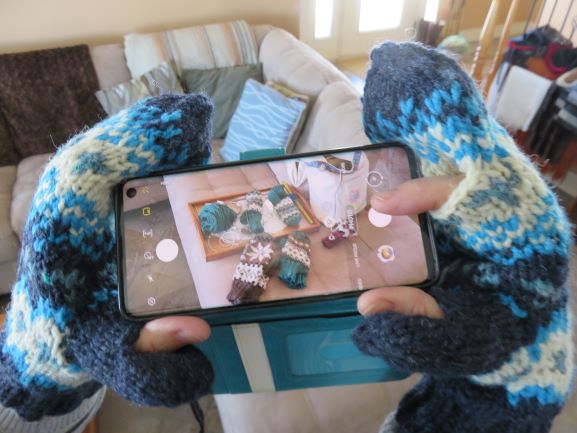
I’ve developed little work stations all over the house. I have my art desk set up in the sun room, with all my tools, supplies and works in progress. And I have my tablet set up there so I can pop in and do another section of the online painting lessons I signed up for whenever the mood strikes me. My spare bedroom is converted into a sewing and knitting room (I have a knitting machine). I’m still making a few masks—my daughter needed some spares when she finally was rehired to her old job she lost during the first wave. And the family room has my hand knitting corner where I like to knit while watching TV. Inspired by all the “Bernie” memes, I’ve been knitting patterned mittens… about a dozen pairs done! Just for fun, I’ve even added thumb openings for those who like to take photos with their phones outdoors!

But the house gradually got messier, I hung out in my PJs longer, and I needed an invitation from my hubby to inspire me to go for a walk outside. I had set up my computer on the dining room table for some reason that I don’t remember any more, and there it stayed. Too convenient. I wouldn’t call it depression, but there certainly was a level of not caring about the various messes all over the house while the “red zone” restrictions dragged on and visiting wasn’t allowed.

Back to “Orange”

Thank goodness we’re back to “orange”… nothing like a little contact with other humans to perk you up. With the current level of restrictions, we are allowed to socialize with 10 other people who don’t live in our home. So we enjoyed a wonderful dinner with 4 friends and invited 2 family members over for dinner this week. Four more positions to fill… That will be my sisters and their hubbies this Sunday! We’re going to celebrate all the 4 birthdays we missed during the restrictions, all at once!!

Of course, visitors coming for the first time in a long time made me look at my living areas through new eyes. Good grief… I couldn’t let anyone see all my mess! I spent a full day cleaning and putting things away, and another day preparing for our “grand visite”. And guess what? I love how everything looks now. I just look around and feel good about my home. Wish I’d done it sooner!

My computer is back on my desk where I can do some serious work. If I’m planning to get more writing done this winter than just my blog, I’d better get at it. In fact, I have a book written that just needs to be uploaded, and I just got a beautiful, finished cover for it. Nothing holding me back now except myself!

How about you?

So, how are you doing with COVID restrictions? Have you been doing anything special to keep busy during all your extra “spare time”? Is it helping your state of mind and energy level? It’s all too easy to just lounge around feeling sorry for yourself, missing the good times usually spent with family and friends (as I can attest!). But it can feel good to accomplish something, at least for me, and clearing away the clutter made me feel even better. It’s good to find an activity that makes you feel relaxed and contented, whether it’s meditation, art, exercise or something else.

What’s your favourite feel-good thing to do to fight off “COVID-osis”? Please share in the comments… maybe your ideas will help inspire the rest of us!

Categories
Uncategorized

Where’s Your Focus? …Eye health

We have a running joke in my household. My husband and I make a good pair because he can see well at a distance, but not close, while I’m the opposite—I can still read without glasses, but everything distant is quite fuzzy. We could still function even if we both lost our glasses as long as we’re together! But it may not be an accident that we ended up like this.

Use it or lose it?

I always presumed this had something to do with the “use it or lose it” theory. My husband’s job as a teacher involved keeping a close eye on a lot of squirmy middle-graders, both at the front and (especially!) at the back of the class. He was constantly refocusing on different distances but didn’t spend as much time examining things up close.

In contrast, my job as a pharmacist required me to spend a lot of time working on a computer, entering and checking prescriptions, and looking at bottles of pills up close to make sure they were the right ones. As it happens, my favourite hobbies are knitting and reading, both of which require close-up focus, so I’ve spent a lot of my life focussing close rather than far.

New results from an ongoing study of young students in China support my observation, especially in children aged 6 to 8. In 2019, 5.7% of six-year-olds were near-sighted, requiring glasses to see clearly distance clearly, but in 2020, after an extended period of lockdown, that number had jumped to 20%… 1 in 5 now needed glasses for distance. The difference for 7-year-olds was 16.2% vs 26.2%, and for 8-year-olds it was 27.7% vs 37.2%.

They note that, during their lockdown, children were not allowed outside often. They also spent time looking at computers for home schooling rather than looking around a classroom as they normally would in school.

Here’s the science…

Dr. Caroline Klaver, ophthalmologist and researcher at Erasmus Medical Canter in Rotterdam, explains a likely mechanism for the development of myopia (near-sightedness). It takes energy to focus the eye on something close. When we require the eye to do this for long periods of time without breaks, the physical shape of the eye can change, becoming elongated (front to back) to make the task of focussing easier. Having a genetic predisposition for this also makes it more likely that a permanent change will occur. If you are near-sighted, your children are more likely to be too.

So, developing near-sightedness is believed to be a combination of genetics and environment… “nature plus nurture”. The researchers believed the unusual increase in myopia in 2020 was a combination of more screen time for schooling and less time being outdoors, another well-known risk factor for developing near-sightedness, as you usually focus on more distant objects when outside.

She also explains that, although we tend to blame screen time, your eyes don’t know what you’re looking at. Looking at anything closely for long periods of time (like me with my knitting and books) has the same effect.

However, the effect appears to be greatest in children when the eye is growing and developing. According to this recent study, 6 to 8-year-olds were most affected, with a gradually decreasing impact in older children even though they spent more time home-schooling on a computer than the younger children did.

Better to prevent…

Although many of us think of myopia as a relatively minor inconvenience, requiring glasses or contacts to correct vision, it also increases risk of eye problems in later life, Klaver explains. The physical lengthening of the eye front to back that happens in myopia means there is more area at the back of they eye for the retina (the light sensing structure at the back of the eye) to cover. This can lead to increased risk of glaucoma or retinal detachment and vision loss. Developing myopia at a younger age can further increase risk.

To reduce risk, it is recommended to give the eyes a break every 20 minutes when doing close work by looking off into the distance (for example, out the window) for at least 20 seconds. Playing outside for 2 hours a day is also recognized as reducing risk of becoming near-sighted.

What about presbyopia (far-sightedness)?

Almost everyone loses their ability to see up close as they age but some lose it sooner and more severely than others. Most sources say there is no way to prevent presbyopia, the inability to focus on close objects that makes us need reading glasses as we age.

However, there doesn’t appear to be much actual research into whether this loss of close vision can be prevented. A close focus close requires tiny muscles in the eye to change the shape of the eye’s lens, focussing your vision on what you’re looking at. Eye specialists tell us that the lens becomes stiffer with age and eventually can no longer change shape enough to focus closely, and that’s when we start needing reading glasses. Another theory says that loss of function of the tiny ciliary muscles or changes in the structures in front or back of the lens may also contribute to the problem. However, exactly why this happens with age is not understood.

Can everyday activities help?

I can’t help wondering if what you do every day makes a difference. I lost the ability to overpower my distance contact lenses enough to read easily some years ago, but I can still read without any lens. My adjustment for this was to switch to wearing one contact lens—one eye to see distance and the other to read. My optometrist told me not everyone can do this, but my brain only took a couple of days to adjust. I had previously tried the “bifocal” contacts but couldn’t see clearly close or far with them… my brain just couldn’t sort out the near and far mixed focus the lenses provided, although many people can. Aren’t our brains interesting!

So, I’ve been wondering if there’s a logical reason why I can still manage without reading glasses while my hubby is constantly looking for his (who knows where they all disappear to…). On average, people first report presbyopia symptoms between age 42 and 44 and develop complete lack of accommodation (the ability to change the eye’s focus) by age 50 to 55. Experts universally agree there’s nothing you can do to reverse presbyopia once you have it, however there is some anecdotal suggestion that a prevention program promoting general eye health with the addition of eye exercises, alternating focus near and far, might help prevent it. We know that exercise helps to maintain function in essentially every other part of the body… it would make sense that it could help the eye’s lens too.

Unfortunately, there isn’t good science to say this works, but it certainly wouldn’t do any harm to make a habit of changing your focus periodically when doing close work. Those with occupations requiring extensive use of near vision are reported to notice symptoms earlier more often than others the same age. So, this doesn’t fit with my theory of using my close vision more than my hubby. But perhaps I was changing my focus at work more than I realized as I checked for customers at the counter between prescriptions. My habit of knitting while watching TV over the years may have worked in my favour too, causing me to change my focus often as I checked for dropped stitches.

So, while it may be too late for many of us, we can encourage our children and grandchildren to spend time outdoors and to take breaks from close work to change focus.

References:

‘Quarantine myopia’: Study examines near-sightedness among children | CTV News

Progression of Myopia in School-Aged Children After COVID-19 Home Confinement | Global Health | JAMA Ophthalmology | JAMA Network

Presbyopia—Eyewiki

#nearsightedness #myopia

Categories
Uncategorized

Breast cancer in men… plus new theories on how cancer begins

I’ll bet you didn’t know men can get breast cancer too. The risk is lower, about 1 in 1000 (compared to 1 in 8 women), but the outcome is often worse. In the US last year, there were 2,600 reported cases of breast cancer in men and about 500 did not survive. Surgeons and oncologists report an increase in the number of men being diagnosed with this disease.

Outcomes are worse in men

There is little awareness of male breast cancer as there is no regular screening program and not much education about this cancer. In fact, many men do not realize they can get breast cancer. Men have little breast tissue to contain the cancer, making it easier to see and more likely for the tumour to reach the nipple or the skin, making it visible at an earlier stage. However, less breast tissue also means that a cancer can spread beyond the breast more quickly in men.

Symptoms of male breast cancer are similar to women’s:

-a hard lump or thickening of tissue that may not be visible on the surface but feels different from surrounding tissue

-discharge of clear fluid or blood from the nipple.

-reddening of the skin or a rash

-dimpling of the skin

-a nipple that pulls inward (becomes inverted)

-increase in size of one breast

A tumour can be hard or soft and may or may not be attached to the skin or muscle. It is usually painless, but not always. Sometimes breast cancer can spread to lymph nodes under the arm or near the collarbone and be detected there before the original tumour in the breast is found.

Less support for men

When men are diagnosed with breast cancer, their support system is not as robust as the systems that have been developed for women with the same disease. Men can be embarrassed to share that they have what can be perceived as a “woman’s” disease.

It is as important for men to know and watch for symptoms as it is for women. Awareness can help them monitor both themselves and their intimate partners. Of course, these changes are not always caused by cancer—many tumours are “benign” or non-cancerous. However, as treatments are more successful when a cancer is caught early, any changes should be checked out by a healthcare professional as soon as possible.

Why write about breast cancer?

It’s not breast cancer month or even men’s health month (“Movember”) but World Cancer Day was this week, on February 4th. However, any time is a good time to talk about prevention and early detection of cancer. Like most of you, I know too many women affected by this disease and I was surprised at first to realize that men are affected too, although many fewer, fortunately. One reference I came across years ago suggested that breast and prostate cancer may have similar causes in the environment, diet, and our life styles.

I’ve always believed it’s better to find the cause of a disease rather than just treat the symptoms and, if you read my writing regularly, you know I like to read about new ideas and question the status quo when therapies are not as effective as they should be. Unfortunately, the cause of breast cancer is not well understood, and treatments overall are not as successful as we’d like them to be, although there are success stories.

New research…

For many years, cancer has been believed to be a genetic disease—you have a damaged gene, either inherited or randomly damaged in the process of cell division, and control of cell growth is lost, leading to uncontrolled cell growth and eventually a cancerous tumour if your immune system doesn’t correct it. But this week, I watched a lecture by a researcher suggesting a different mechanism for how cancer begins. Dr. Thomas Seyfried, a professor and researcher at Boston College, lectures and writes about a potential metabolic cause for cancer that results in the downstream genetic damage and uncontrolled cell growth of cells that become cancerous. He believes the problem begins with our metabolism, not our genes.

Here is how he describes it: every cell has tiny “energy factories” called mitochondria. Cells need energy to grow and divide, and mitochondria provide this energy. When the mitochondria become damaged, a cell can have too little energy, leading to diseases associated with reduced cell growth and fatigue or simply the death of that one cell. However, if the mitochondria become damaged in a way that causes them to begin overproducing energy, this researcher suggests, the cell can begin uncontrolled growth leading to cancer.

He and his colleagues have conducted lab studies that support his theory. For example, transplanting genetic material from the nucleus of a cancer cell into a normal one does not cause it to become cancerous, even though the cancer gene has been transplanted. But transplanting cell fluid that contains the mitochondria into a normal cell does cause the receiving cell to become a cancer cell. Interesting.

Although these are early studies, they caught my attention as this presents a new way of thinking about cancer and treating it. And there appears to be growing data from researchers around the world who are testing his theory in animals and even in humans when other therapies have failed.

Dr. Seyfried explains how glucose and an amino acid called glutamine are preferred “foods” for cancer cells, resulting in fermentation to produce energy for the cell instead of oxidation (the Krebs cycle and oxidative phosphorylation, for those who studied microbiology), as occurs in normal cells. It has been noted that all cancer cells are different in this way—known as the Warburg Effect, documented by Otto Warburg in the 1950s. Using fermentation to create energy is a property of all cancer cells, something they all have in common and that is different from our normal cells.

However, Seyfried explains, normal human cells can also run on another form of fuel—ketones, produced by burning fat. He suggests that more research should be done to find out whether a ketogenic diet (aka the Keto diet) might prevent cancer cells from reproducing. Preliminary studies suggest shrinking of tumours, regardless of type, when the ratio of glucose to ketones is close to or less than 1 (meaning we have about equal amounts of glucose and ketones, or more ketones than glucose) and when the amino acid, glutamine (which also supports production of energy by fermentation), is also suppressed. Could it be possible that we could control or even block cancer by changing our diet to favour production of ketones and reduce glucose? Worth researching, I’d say.

While anyone with cancer must work with their doctor and follow recommended advice, nailing down the cause and investigating non-toxic forms of potential treatment needs to be an important goal of cancer research. There have been breakthroughs with standard therapies of chemotherapy, radiation and surgery, but the “War on Cancer” has definitely not been won yet. We need to welcome and investigate new ideas like the metabolic theory of cancer that appear to offer potential non-toxic improvements in therapy.

Interested in learning more about this? I have added links to Dr. Seyfried’s video and one of his papers in the references below…

References:

Can Breast Cancer in Men Be Found Early?—American Cancer Society

Symptoms of breast cancer—Canadian Cancer Society

We Get It Too—We Get It, Too | Male Breast Cancer

Video: Dr. Thomas Seyfried: Cancer as a mitochondrial metabolic disease—YouTube

Paper: Cancer as a Mitochondrial Metabolic Disease, Thomas N. Seyfried—US National Library of Medicine

#CancerResearch #CauseOfCancer #CancerAsAMitochondrialMetabolicDisease

Categories
Uncategorized

Placebos-are they a real thing?

A placebo is a medication that looks real but doesn’t contain any active ingredients—sometimes referred to as a “sugar pill”. It’s hard to believe, but often a placebo can make a difference in how we feel. But how could they work if there’s no active drug?

A well-studied effect

When we believe we have been given a medicine, our bodies often respond by trying to heal. Placebos are understood to work by turning something on in our immune system or by activating processes in the brain. They come in many forms, just like standard treatments—as pills, capsules, injections, sham surgery or other treatments.

Many studies have been done to measure the placebo effect. Researchers found that the colour of the medicine and the care with which it is given can affect and increase the results. Red, yellow, and orange are associated with stimulating effects, while blue and green tend to have a relaxing effect. Larger pills can have a stronger effect than smaller ones, and 2 pills work better than one. Capsules work better than tablets, and injections can have a stronger effect than both. Sometimes the phenomenon will occur even when the person knows they were given a placebo. However, the effect is more common and usually stronger when the patient believes they are taking an active medicine.

In some conditions, the placebo effect can be quite remarkable. For example, 90% of tension headaches are reported to improve with a placebo. Because of this, placebos are usually required in most scientific studies to show that a medication works and that any changes did not happen because of the patient’s own reaction to being given a medication. In high-quality studies, neither the patient, the health professional treating the patient, nor the person collecting information knows who received the active medication and who was taking a placebo. This is done to eliminate the chance of bias in reporting.

When measuring the effectiveness of a medicine in a study, researchers and clinicians must look at the difference between the drug effect and the effect of a placebo. Sometimes the placebo can be almost as effective as the drug, with both creating an impressive difference in the patient’s outcome. This has been noted with some sleeping medications, antidepressants, anti-anxiety medications, irritable bowel syndrome, Parkinson’s Disease, pain medications, and others where the placebo effect can be remarkable.

Side effects and physical effects are possible too

We can also respond by developing “side effects”—effects from the treatment. Researchers refer to this as the “nocebo” effect and can include side effects such as headache, stomach upset, dizziness and others. The side effects of a drug being tested are compared to the “side effects” reported with the placebo used in the study.

Placebos are often thought to only work on conditions that have a psychological cause, but they can cause physical changes that can be measured. For example, a placebo can change heart rate or blood pressure or trigger the body to release its own pain relievers or dopamine, a feel-good neurochemical.

Techniques to use with standard meds

We can learn a lot from the action of placebos that clinicians could use when treating a person with standard medication. Any positive response that originates in the body would add to the action of the drug they are taking.

For example, pain medications have been found to be more effective if the person knows they are being given the drug. Medications that are prescribed and administered with caring and concern tend to work better. The placebo effect is also believed to play a large role in the effectiveness of treatments for depression and anxiety—this makes sense to me as, once you’ve taken a medication to help your problem, you are more likely to relax, worry less, and plan positive activities. Essentially, your brain and your medication are working together to achieve positive change.

So, how do placebos work?

There are several factors thought to be involved:

  1. Expectation and conditioning—Expecting to get better after taking a medication can help people to relax with a resulting drop in stress hormones. These hormones have many effects throughout the body that include increased heart rate and blood pressure, heightened senses, and alertness so lowering these hormones can result in positive health effects. A placebo can also trigger a release of our own opioid-like pain-relieving chemicals. People are used to feeling better after they take medication, so this conditioning may help people experience a positive effect from a placebo.
  2. Effects in the brain—Studies have shown measurable changes in activity in the brain stem, spinal cord, and other areas of the brain.
  3. Psychoneuroimmunology (psycho = mind, neuro = nerves, immunology = study of the immune system)—This is a fairly new area of scientific study that looks at how thoughts in the brain can change body function, through the nerves and immune system. It studies the connection between the mind and the body, through the nerves and immune system. We know that simply maintaining a positive attitude can prevent or improve illness, and this is the study of how that is achieved. There is still a lot to learn in this field.
  4. Evolution—Humans are constantly evolving, developing helpful responses to diseases. Some researchers have theorized that our health regulation has developed to allow the brain to decide when it will carry out a certain response. For example, fever helps slow growth of bacteria and viruses; if the patient is starving or pregnant, however, the body does not as readily develop a fever since this could use needed energy or harm the baby.

Placebos as treatment

Placebos are now being studied for use as a treatment in their own right. Of course, they can only be expected to work in conditions where the body can heal itself. However, by triggering the body’s healing response, a placebo would be expected to speed up this process. The plus is that this treatment would be free of negative side-effects (except any created by the mind, of course).

Some doctors prescribe placebos fairly often. One study in Denmark found that about half of doctors had prescribed a placebo at least 10 times in the previous year. Unfortunately, they often used an active medication as a placebo. For example, they would prescribe antibiotics for a viral infection—antibiotics only work on bacteria infections, not on viral ones. However, active drugs like antibiotics often have side effects, for example upsetting the stomach or killing off good bacteria in the gut that help our immune system to function properly. Another example was prescribing vitamins for fatigue—a better choice for a placebo, as these would be less likely to cause harm.

Homeopathy is an interesting medication system that has been used for over 200 years. It uses tiny doses of active ingredients—sometimes diluted so low that it is unlikely that a single molecule of the original substance remains. It seems likely that any results must be because of the body’s reaction to the medication, not the action of medicine itself. There is a debate over whether the response is a pure placebo effect or if the medication can still direct the actions taken by the body that result in the effect. Either way, homeopathic medications are thought to have a mechanism very similar to the placebo effect. From a medical standpoint, once a doctor diagnoses a patient, homeopathy would offer a convenient form of placebo that they could easily and safely recommend or prescribe in self-limiting conditions, rather than using an active drug that may have unwanted side effects.

A final thought

Since placebos work best when the patient believes they have received an active medication, it raises ethical questions. The prescriber is essentially misleading the patient but, if it works, we should consider it effective treatment. It would also be unethical to withhold an active treatment that a patient needs—an accurate diagnosis must be made before considering use of a placebo, and the patient would need to be monitored closely to ensure the placebo treatment is appropriate.

#placebo

References:

What is the Placebo Effect?—WebMD

What Is the Placebo Effect and Is It Real?—healthline

Is the placebo effect real?—Medical News Today

Categories
Uncategorized

Nosey News – All about the nose!

Did you know your nose has a “cycle” in which your breathing alternates between nostrils? Your brain signals one side of the nose to become congested for a while, slowing down the flow of air on that side, then it clears, and the other side does the same. Most of us are completely unaware of this phenomenon, but it happens in up to 80% of adults.

The nasal cycle is controlled by the autonomic nervous system (ANS), the unconscious controlling system of the brain. And here’s the really fascinating part – it accomplishes this feat by dilating or constricting blood flow to structures inside the nose similar to the tissues found in the penis and clitoris (called venous cavernous tissue)! This is the tissue that swells during sexual arousal without us thinking about it.

The length of the nasal cycle, on average, is 2 ½ hours on each side but can be anywhere from 30 minutes to 6 hours. While most people have a nasal cycle, about 20% do not and they breathe through both sides equally all the time. The length of the cycle varies in different people and in the same person over time, and the length of the cycle changes over our lifetime, too. Most newborns have no nasal cycles at all, they increase with age until adulthood, then decrease again in the elderly.

The nasal cycle has several benefits:

  • It helps keep the nose moist. When one side becomes somewhat congested, the flow of air through that side slows down, reducing the drying action of the air passing through and allowing it to rehydrate. Essentially, this gives that side of the nose a rest while the other side takes over for a while.
  • The nasal cycle tends to be longer at night, lining up with our REM (dream sleep) cycle and with sleeping position. Some researchers have suggested this may be a mechanism to encourage us to turn over in our sleep to prevent bed sores.
  • The nasal cycle also helps our sense of smell. To experience a scent, tiny molecules need to connect with the olfactory organ in the nose. Some molecules attach easily and benefit from faster moving air to reach the organ of smell before sticking elsewhere in the nose. Others are less sticky and benefit from slower air movement that allows them time to attach to the olfactory organ as they pass it. So, having a fast and a slow side to your nose allows more scent molecules to reach and attach to the smell mechanism in the nose, improving your sense of smell. As I learned this, I couldn’t help thinking that smelling something awful means tiny molecules of the substance must have entered the nose in order to detect the smell… but ignore that thought and let’s move on!
  • The rate of mucous clearance is also affected by the nasal cycle, although it’s debated which part of the cycle helps more. Drainage of mucous is thought to help sweep out particles and bacteria that our noses filter from the air we breathe so they don’t accumulate, causing problems in the nose.

Of course, the nasal cycle has nothing to do with infection or nasal disease. It’s a normal function of the body that operates without our knowledge or awareness. However, it is noticed more often in people with underlying conditions such as a deviated septum, where the internal dividing structure of the nose is off-center. It’s important to be aware of the nasal cycle, however, when diagnosing a potential problem in the nose.

Why does your nose run when you’re outside in cold weather?

“Cold-induced rhinitis” or “skier nose” is probably caused by a combination of factors:

  • Cold air irritates and dries the nasal membranes. In response, the mucosal lining of the nose produces more mucous to protect the lining and keep it moist. Cold air also needs to be warmed to protect the lungs from damage and the nose itself needs to be protected too. So, your brain increases blood flow to the nose and dilates the blood vessels there to maintain the warmth and warming action of the nose as the cold air passes through. This blood vessel dilation causes loss of fluid into the nose – up to 300-400 ml daily!
  • Condensation is also thought to be a factor, although likely minor in comparison. Cold air holds less moisture than warm so, when the warm air you exhale contacts the cold air outside, small droplets of condensation can form when the warm air from your lungs meets the cold air outside, mixing with the mucous from your nose. You sometimes see this as frost on moustaches and scarves in chilly weather.

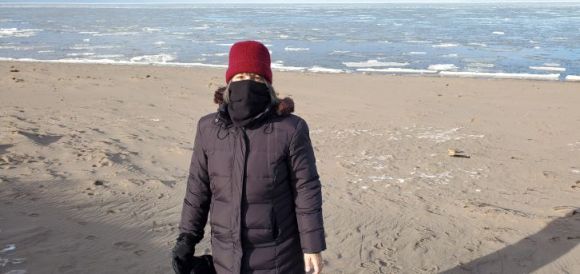
Pre-warming the air that reaches the nose can help prevent cold-induced rhinitis. This can be done by wearing a scarf over the nose and mouth when you go outside in winter and breathing through the scarf. It keeps the end of your nose warm too! Of course, if you wear glasses, this could create problems with fogging. Taking a tip from COVID mask suggestions, however, you could try placing a folded tissue under the top edge of the scarf to block your breath from escaping upward toward your glasses. Another idea would be to fold the scarf over 2 or 3 twist ties that can then be bent to help seal the upper edge. And, of course, you could try wearing your COVID mask as a face/breath warmer, perhaps with an extra scarf over top to increase the insulation. I’ve noticed that a mask alone worn outside in cold weather quickly results in the mask becoming damp because of condensation. I’ll experiment this afternoon when I take my daily walk to the mailbox…

Meanwhile, my hubby jokes, “Up your nose with a rubber hose might be an alternative!”

#nasalcycle #WhyDoesYourNoseRunWhenItsCold

References:

The nasal cycle: a comprehensive review – Rhinology Online

Why does your nose run when it’s cold? – The University of Queensland, Australia, Faculty of Medicine

Cold Weather and Runny Noses – Verywell Health

Categories
Uncategorized

Do you talk to yourself?

One of the first pharmacists I trained with often used to quietly mutter things I couldn’t understand. I would ask “Excuse me… what did you say?” thinking he was talking to me. But he was just talking to himself. “All pharmacists do… it keeps us sane!” he joked!

And before long, I noticed I was doing it too. I found it helped me to organize and focus on what I was doing. Pharmacies are busy places with many distractions and stresses. I think most of us talk to ourselves at times but perhaps not always out loud so others can hear. This “self-talk” can be useful, or it can be detrimental. It all depends on what we say to ourselves…

There are 3 basic types of self-talk:

Positive self-talk – words or thoughts that help motivate us, help us to focus on the task at hand, or reinforce positive thoughts and emotions. “Good job, Jeannie… keep it up!”

Negative self-talk – criticizing or doubting ourselves, dwelling on negative emotions or events. “Why work so hard on that blog… you don’t know whether anyone actually reads it!”

Neutral self-talk – neither positive or negative, usually giving oneself instructions. “OK that’s done… what’s next?”

Self-talk can also be referred to as either “overt talk” (when you say these thoughts to yourself out loud so others can overhear) or “covert talk” (when you say the words silently inside your head or by just mouthing the words with no sound). Either way, the benefits or self-harm are in the thoughts you are telling yourself and the resulting emotions you generate.

Benefits of talking to yourself

Self-talk can be a way of processing and controlling emotions, for example anger or anxiety. Of course, depending on what you tell yourself, self-talk can increase these emotions too. The key is to be aware of what you’re saying to yourself and use it to reach the result you want.

Self-talk is also useful for weighing the pros and cons of a decision when you don’t have someone to discuss it with. I often do this out loud, presumably speaking to my husband (who has learned to mostly ignore these “conversations”). By the time I’ve explained the details of my options ( often concerned with writing or publishing that he’s generally not involved in), I usually have reached a decision anyway.

Just saying the pros and cons out loud helps me weigh it all out. Interesting, isn’t it? I suppose I could write it all down and get the same result, but my one-sided conversation seems easier and works just as well. Fortunately I have a patient hubby!

Researchers have also discovered that referring to yourself in the third person can help even better when it comes to calming anxiety. They believe it may be because it tends to distance you from the emotion rather than being consumed by it, allowing you to analyze, process and regulate an emotion that can be harmful. Using 3rd person self-talk to control other emotions like anger or prolonged grief could be expected to work in a similar way.

Alternatives to self-talk

If talking to yourself is something you’d rather avoid (for fear of sounding silly!) there are alternatives. Writing these thoughts in a journal or a phone journaling app can work similarly for some people. Just getting the thoughts down on paper or a screen can help to clear your mind, organize thoughts or manage emotions.

Or you could train yourself to say the words internally rather than out loud. I think we all have a certain level of filter that stops us from saying things that we know would be inappropriate in a particular setting or in the presence of certain people.

And it may be helpful to actually talk to someone you trust who is a good listener. For some, verbalizing thoughts is more linear while internal thoughts can easily run in repetitive circles in your mind.

Of course, speaking with a mental health professional would be advised if negative self-talk is affecting a person’s quality of life. They would have additional suggestions and advice to help adjust self-talk to a more positive and encouraging focus as well as other useful strategies and treatments.

However, if talking to yourself is accompanied by hallucinations, this could be a sign of a serious condition such as schizophrenia. Hallucinations are when a person senses things that are not really there through their vision, hearing, smell, taste or touch. Hearing voices and answering them, for example, is a common hallucination in schizophrenia.

Bottom line?

Talking to yourself is a normal behaviour and is usually not part of a mental health condition. It can be a useful tool to help organize your thoughts, boost your mood or get yourself motivated… whether you say the words out loud, in your mind or write them down.

Lastly, just a comment about my example of negative self-talk above – we writers do sometimes wonder whether anyone actually reads our work! The only way we really know we’re doing something useful is when you comment or “like” an article. Fortunately, I do get comments and questions fairly often and sometimes they turn into a conversation.

Feedback keeps us going! So, let me know what you’re thinking after you read my blog… I’d love to hear from you! And please share and/or like any articles that you find interesting or helpful so others can find them more easily too.

Reference:

Is it normal to talk to yourself? – Medical News Today

Categories
Uncategorized

Resolutions? or Word of the Year?

Have you made New Year’s resolutions in past years that you’ve never achieved? Most of us have. The beginning of a new calendar year is a good time to take stock of the past and look forward to what we can change and improve. But making a resolution for change with no focus and no plan to get there rarely works.

This year I’ve noticed several articles and blogs about choosing a Word of the Year (WotY) instead of making resolutions. The word can be a noun, verb or descriptive word or even a word for an emotion or attitude. The important part is that it provides a focus for the changes you want to make in your life.

Here are a few examples:

  • Next (as in “2020 done, 2021 next”) – This word creates a focus on looking forward. Many of us had a rough year in 2020. This is for a person who wants to focus on planning for the future and avoid dwelling on the past.
  • Discipline – This can mean concentrating on spending more time exercising, controlling spending, being more productive at work, and much more.
  • Joy – This word would inspire a person to look for happiness wherever it can be found and could be used to maintain a more positive outlook on life.
  • Uncomfortable – A focus on this term might inspire a person to get out of their comfort zone and try new things they haven’t done before. Change makes many of us uncomfortable, but we need to face this discomfort to grow and improve.
  • Flow – This is a word that can have more than one meaning or use as a Word of the Year… “go with the flow”, flow with whatever life throws your way, and “flow”, the state of mind where you’re completely focused on the present, sometimes called mindfulness, common in high level athletes, musicians and artists who are totally immersed in an activity, concentrating only on the present.
  • Hope – After such a difficult year in 2020, a focus on hope for the coming year can help to look forward to a better future. Having hope helps us to take actions that will create improvements in our lives.

What’s the difference between resolutions and a WotY?

In the end, you still need to make stepwise changes to achieve your goals. But rather than looking at a long list, you are focusing on a single word that represents a change in attitude. Many successful improvements begin with a change in attitude and focus.

Of course, changes don’t happen without a plan of some sort. You have to DO something to create the positive changes you want in your life. But focusing on a single word that represents the attitude you need to make changes is a place to start.

So, choose a Word of the Year that encompasses the state of mind you will need to achieve your goals for the future. Post it where you will see it often – one suggestion is to write it on your bathroom mirror in dry-erase marker! – and take time each day to think about how it applies to your life. Then use the change in attitude to plan the steps you need to take to achieve the changes you desire.

So, what word will I choose?

I want to have a focus on my health this year, but I also have an urge to do more art and writing. So, now that I’ve thought about this for a while, I think I will choose Create as my “WotY” to focus on for 2021. I can create a healthier lifestyle, create closer ties with my children and create artistically too. A single word can be interpreted in several ways, creating inspiration to achieve several goals or become the person you want to be.

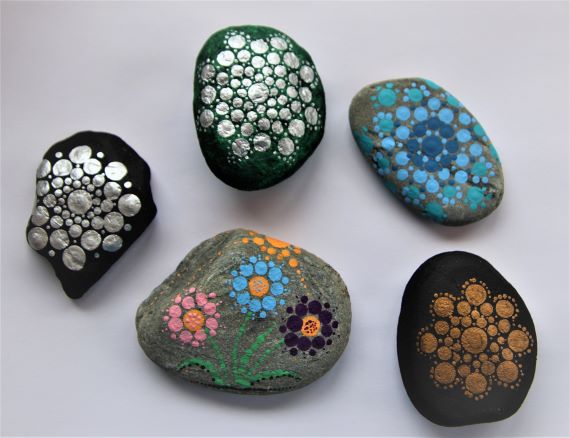
The photo above is of my first attempts at creating “Mandela Stones”. Still some learning to do, but they’re starting to look pretty…

Have you chosen a Word of the Year? Or, if you’ve decided on New Year’s resolutions, what single word could you choose to keep your focus over the coming year? Leave a comment below or send me an email… Perhaps your word can become an inspiration for others!

Wishing you all a happy, healthy and inspired 2021…

#WordoftheYear #NewYearsResolution

Categories
Uncategorized

Thoughts for the Holidays

As we head into a Christmas that is quite a change from usual, my thoughts turn to how different this entire year has been. I know I’m one of the lucky ones – being retired has meant dealing with fewer challenges than those who are still working. My fellow pharmacists, like so many health care workers, have had extra work and worries, trying to continue full health services while keeping themselves and their clients safe.

It seems like a good time to express thanks for the hard work of so many who are trying to keep the virus under control and minimize its impact as it continues to spread. I’d like to chime in with them to encourage everyone to help and to show their appreciation by doing everything they can to prevent virus transmission. Especially for front line health care workers in hospitals, fewer cases of COVID will mean their jobs will be safer and more manageable. So many hospital workers are exhausted and stressed way beyond normal.

Postponed plans…

I was really looking forward to going to Halifax to see our daughter’s beautiful new home and spend time with our family there. But, despite somewhat reduced cases (only 7 new cases yesterday, as I write this), central Nova Scotia is still under travel restrictions. Visiting there is not recommended, and 2 weeks of self-isolation would be required after our return.

So, unless conditions magically change, our visit will be postponed. As my husband says, we can go any time – it doesn’t have to be now. And our daughter has already given us several delightful video tours… with wonderful commentary!

But we are able to get together with my in-laws who live nearby. They’re a retired couple like us who mostly stay at home as the health experts advise. We also get together occasionally with a few of our (also retired or working-from-home) neighbours, keeping our “bubble” to about 10 people, as recommended now that we have only a few travel-related cases here in New Brunswick.

New Year’s resolutions?

So, I expect we’ll have extra time this holiday season that we can use wisely or waste away with worries. I read an Australian “midlife blogger”, Leanne, who writes the weekly blog, “Cresting the Hill”. She describes an alternative to New Year’s resolutions that I hadn’t heard of before: instead of traditional resolutions, at the beginning of each year, she chooses a Word of the Year… a word that will focus and inspire her throughout the year to move forward with her goals, new and old. It sounds like an interesting way to plan for a new year. I might just try it!

For 2021, I think I might choose “Health” as my word of the year – both mental and physical health (as you can’t have one without the other). I want to focus on Health for the environment, too, as we can’t be healthy without a healthy planet. Environmental health is a topic I’ve been wanting to write about, so perhaps you’ll be seeing more blogs from me about this topic in the coming year.

Holiday recommendations:

Meanwhile, here are a few holiday recommendations I came across that might help to keep your mind in a good place even if you can’t be where you want to be…

1. Sleep – When we don’t sleep enough, we are more likely to feel negative when things aren’t ideal, and just can’t feel our best when we’re overtired. A short nap (15 to 30 minutes) can help us increase energy and improve our outlook on the day, too.

2. Stay active – Although you may need to psyche yourself up a little to get outside when it’s cold and windy, fresh air and exercise can improve mood and contribute to good health, both mental and physical.

3. Address loneliness – When you contact friends and family, you’re not just helping to prevent yourself from being lonely… you’re helping someone else too. Whether you prearrange a time for a call, send a text or just ring and see if they have time to chat, the holidays are a time to reach out to others. Just a 5-minute call to say hello can bring happiness and connection. I’ve even gotten back to traditional snail mail a little – getting a card or letter can lift someone’s spirits for several days, as it can be re-read and enjoyed again and again. I think I’ll start writing more letters, even if I end up sending them electronically, but I like the idea of surprising others with a note or letter on real paper.

4. Eat well – Holidays and overindulgence go together. And there’s growing evidence that what we eat can influence our moods. Here’s a fun fact: did you know that turkey contains lots of tryptophan, an amino acid that is a precursor to serotonin (the substance increased by some antidepressants)? Some suggest that the tryptophan content of turkey may be part of the reason why we feel sleepy and contented after a big turkey dinner…

5. Align expectations – Some of us are at greater risk than others, should we become infected with the coronavirus, and need to take greater precautions. Others are returning to normal prematurely, due to “COVID fatigue” even though numbers of infections are peaking in many areas. Don’t hesitate to have a conversation about your comfort level regarding risk of exposure to the virus and respect the choices of others who decide to stay home. Although the holidays are important to many of us, as my husband says, it’s only a day, and we can celebrate later or enjoy the holiday in different ways. Keeping a small “bubble” this year can mean much less suffering later.

6. Limit “doomscrolling” – This is a new term being used for scrolling endlessly through bad news on the internet. While we want to keep up on current virus trends and recommendations, some are advising we should set a time limit for this somewhat depressing activity, then move on to more positive activities. I find it’s helpful to read about things we can do to make a difference… hence, this little list! But, especially before bedtime, read something happy or uplifting to help set you up for a good night’s sleep.

Although this will be a very different Christmas for many of us, making an effort to eat well, stay rested, and keep moving can help keep us healthy, mentally and physically. Even though we can’t gather together as we usually do this year, by reaching out in different ways, we can help others and ourselves enjoy the warm feelings of the holiday season.

So, this will be my last blog for 2020. Like many bloggers, I’ll take a bit of a break over the holidays when most people are too busy to read anyway! I’d like to wish you all happy holidays and a healthy and joyous new year in 2021, as we all recover gradually from the events of this unusual year. I can’t help thinking it will all make for interesting stories to tell our grandchildren who are not yet born… how everyone wore masks, washed their hands many times a day, and didn’t travel or visit hardly at all for a whole year to prevent spreading a nasty virus. And how almost everyone in the world lined up to get a vaccination that would protect us from the virus.

Hopefully we can also tell stories about how scientists learned what we needed to do to prevent another virus from jumping from animals to humans and wreaking havoc across the world again…

Stay safe, stay home and stay well until we have it all under control, and I wish you a happy and healthy 2021! Jeannie

Articles:

Christmas 2020: How to protect mental health – Medical News Today

Cresting the Hill – Leanne in Australia

The role of diet and nutrition on mental health and wellbeing – Cambridge University Press

#mentalhealth #COVID19