Categories
Health

Autoimmune disease – more common now than cancer and heart disease

Autoimmune diseases occur when the body’s immune system attacks its own cells and tissues. This class of diseases includes many familiar ones like multiple sclerosis (MS), inflammatory bowel disease, Lupus, rheumatoid arthritis, Hashimoto’s thyroiditis, and over 100 more. It’s become the most common type of disease, more common than heart disease and cancer, and rates are increasing each year.

And because autoimmune disease takes time to show up and often has diverse symptoms, it can be difficult to diagnose. Patients with vague complaints are sometimes told they are depressed or just imagining their symptoms when their doctor cannot identify an obvious cause. It takes a person an average of 5 years and 5 doctors before an autoimmune disease is finally identified, according to the American Autoimmune Related Diseases Association (AARDA).

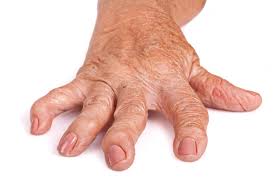
This happened to my mom when she was admitted to hospital last year because of shortness of breath and low blood oxygen. She was diagnosed first with heart failure, then pneumonia but the treatments for these conditions didn’t help. When they finally diagnosed that the rheumatoid arthritis she’d had for 2 years had attacked her lungs, too much damage had occurred, and she died in hospital. Apparently, the lungs are the most common non-joint area affected by rheumatoid arthritis, so one might think it could have been detected earlier – before her lungs became irreversibly damaged. But this is the nature of autoimmune disease: it often mimics other more common illnesses and is missed.

Autoimmune disease occurrence sharply increased in the 1980’s and 90’s. An Israeli study that looked at 30 studies from the last 30 years found the following yearly global increases in autoimmune diseases:

Rheumatic (arthritis-related) disease – 7.1%

Endocrinological (hormone-related) disease – 6.3%

Gastrointestinal (digestive system) disease – 6.2%

Neurological (nervous system) disease – 3.7%

And that’s been average increases yearly, worldwide, for the past 30 years.

But what has caused these dramatic increases in autoimmune diseases? Researchers don’t know for sure, but there are several theories.

Environment

Our environment has changed drastically over the past 100 years. And, although we have better medicine, cleaner water and plenty of food, these may have some connection with the onset of autoimmunity.

For example, the overuse of antibiotics has changed the make up of the normal bacteria that live in our digestive systems. Scientists are now realizing that some of these bacteria control our immune system activity.

Advanced farming practices have meant that our food is raised differently. As one researcher put it: not only are we what we eat, we are what our food eats! Different food for animals and plants means different nutrients (and perhaps missing nutrients) in our food. As well, processing food changes what it contains. Even the simple process of creating white flour removes many nutrients from the food that is made with it. And chemicals, not normally found in food, have been added for various reasons including increasing shelf life. Some speculate that some of these changes may be involved in the onset of autoimmunity, interfering with our systems’ ability to distinguish self from non-self. We need more study particularly to determine what effects commercially used chemicals may be having on autoimmunity.

Genetics

If one family member is diagnosed with an autoimmune disease, others in the family are at higher risk of developing that disease or another related one. Since these diseases can tend to run in families, it is suspected that there may be genes that can be inherited, making a person more susceptible.

Also 75% of autoimmune diseases occur in women. Some researchers have suggested that a tiny part of the X chromosome, called microRNA, is involved in immune system function. Since women have two X chromosomes, while men have one X and one Y chromosome, this might explain why women live longer but have a greater chance of immune dysfunction.

However, autoimmune diseases are increasing much faster than genes can pass them on. Scientists feel that it must be a combination of genetics plus exposure to something in the environment that could cause such dramatic increases in these diseases.

Hygiene hypothesis

Because the occurrence of infectious diseases was decreasing at the same time as autoimmune disease has been increasing, researchers theorize that the absence of infection is affecting our immune systems. Scientists are saying that our systems need regular and early exposure to common harmless bacteria to learn how to react to threats.

We are exposed to bacteria first during natural birth and breastfeeding, but also by spending time outdoors in green spaces, and eating a varied diet (especially fermented foods). We even seem to pick up good bacteria from those we are close to. The greater the diversity of organisms in our digestive system, the healthier we tend to be.

Stress

A 2018 study published in the Journal of the American Medical Society found that people with diagnosed stress-related conditions were significantly more likely to develop an autoimmune disease than those without. People with PTSD (post-traumatic stress disorder) who received treatment had lower chances of developing an autoimmune disease.

The idea of grouping these autoimmune diseases together, as they do with cancers, is relatively new. They’ve been thought of and researched as independent illnesses. However, they may have common factors and similar processes triggering the immune system to malfunction in different ways, attacking different parts of the body, and creating a different disease. Researchers are asking for a central database where occurrences of autoimmune diseases would be reported, so they can gain a better understanding of how many are affected, where cases are occurring and how quickly diseases are increasing. More information can lead to better understanding and research on this poorly recognized and understood group of diseases.

So, if you have vague symptoms and you are sure something is wrong with your health, persevere… try the treatments your doctor is recommending but, if they don’t help, keep asking. It might just be that 5th doctor who figures it out!

References:

Why Are Autoimmune Diseases on the Rise?

The World Incidence and Prevalence of Autoimmune Diseases is Increasing (International Journal of Celiac Disease)

Association of Stress-Related Disorders With Subsequent Autoimmune Disease

Categories
Book review Health

Dealing with Hashimoto’s Disease (Autoimmune Thyroiditis)

Hashimoto’s Disease is the cause of 90-95% of cases of hypothyroidism, or low thyroid. Also known as Hashimoto’s Thyroiditis, it is an autoimmune disease where specific antibodies produced in the body attack the thyroid gland, damaging it and blocking it from producing the thyroid hormones all cells in our bodies need to produce energy.

People who have Hashimoto’s generally have symptoms of low thyroid – fatigue, weight gain, feeling cold, joint and muscle pain, constipation, dry skin and hair, slow heart rate, and more – and they often have other autoimmune diseases as well, such as Type 1 diabetes, rheumatoid arthritis, inflammatory bowel disease or Celiac disease too. In addition to the typical hypothyroid symptoms, patients with Hashimoto’s may have acid reflux, nutrient deficiencies, anemia, intestinal permeability, gut dysbiosis (“bad” gut bacteria), impaired digestion, and inflammation. These symptoms suggest something more is going on…

With Hashimoto’s, as the thyroid gland is destroyed and stored thyroid hormone is released, some people will also experience transient symptoms of high thyroid – sweating, rapid heart beat, nervousness, weight loss, heat intolerance creating confusion and misdiagnoses. Hashimoto’s is the main cause of low thyroid, accounting for 90-95% of cases of hypothyroidism. The thyroid hormone replacement medication, Synthroid (synthetic levothyroxine or T4), is generally the only treatment offered and this medication is one of the most prescribed drugs in North America.

Hashimoto’s disease is diagnosed by doing blood tests. These tests will show an elevated TSH (thyroid stimulating hormone, produced in the pituitary gland in the brain, that pushes the thyroid to produce more thyroid hormone), and the thyroid hormones, T4 and T3, will be normal initially as the thyroid responds to the increased TSH. As the autoimmune damage to the thyroid progresses, levels of these thyroid hormones will start to decrease. The key diagnostic test, though, is for TPOab (anti-Thyroid Peroxidase antibodies), the antibodies that attack Thyroid Peroxidase enzyme, causing damage to the thyroid gland and disrupting production of thyroid hormones.

So far, the only standard treatment offered is replacement of the missing thyroid hormones after the disease has progressed. There is debate whether starting replacement before thyroid hormones actually start to decrease may be beneficial. While replacing thyroid hormone can help make you feel better, it does not address the underlying problem with the immune system or the cause of the disease. Wouldn’t it make more sense to determine what is causing production of antibodies, treat the cause and prevent the damage, rather than simply replace thyroid hormone for the rest of your life?

The causes are elusive, but some of the additional symptoms of Hashimoto’s, over and above those of simple low thyroid, give us some clues. With Hashimoto’s, nutrient deficiencies, food sensitivities, adrenal dysfunction (impaired ability to handle stress), impaired ability to clear away toxins and intestinal permeability are also commonly seen.

Gastroenterologist and autoimmune researcher, Dr. Alessio Fasano, suggests there are three root causes of autoimmunity, and that all three need to be present for autoimmunity to develop:

  1. Genetic predisposition (genes that increase susceptibility)

  2. Exposure to an antigen (a substance that acts as a trigger)

  3. Intestinal permeability (or leaky gut)

You can’t change the genes you inherited, but you can remove triggers or decrease intestinal permeability by improving your gut health. The problem is, the triggers and causes of intestinal permeability are not the same for everyone, making it a challenge to find the root cause.

Triggers that start the autoimmune process could be infection, severe stress, or something that causes an allergic reaction. Reviewing your past to match events with worsening symptoms is one way to identify your trigger; testing for allergens, intestinal parasites or infection is another. Making lifestyle or diet changes, such as eliminating common allergy-causing foods like gluten or dairy, switching to a Paleo diet, or doing a parasite cleanse (consult a healthcare practitioner!) and noting whether your symptoms improve can also be helpful – just keep in mind that it can take 3 to 6 months for these changes to show results. A decrease in TPOab or reduction in the required dose of thyroid supplement would also suggest you are on the right track.

Addressing digestive issues can work to decrease intestinal permeability: ensuring healthy gut bacterial flora, avoiding foods you are allergic or sensitive to, and adding the supplement, L-glutamine (2.5g twice daily increasing gradually to as high as 10g twice daily) and sometimes adding digestive enzymes are often recommended to promote healing of the gut lining.

In my research for this article, I came across a website/blog that appears very complete and well-researched: http://www.thyroidpharmacist.com . It is written by Dr. Izabella Wentz, a pharmacist with Hashimoto’s disease, who treated it successfully with lifestyle and diet changes, and now writes about her experiences, both personal and with patients she has subsequently treated. She emphasizes that it is often difficult to find and remove triggers for the disease, and to correct digestive problems, as the causes can vary from person to person. She warns readers that it can take years, but encourages them to keep experimenting until they find the solutions that improve their health.

She has written a book about her experiences and strategies to find solutions: Hashimoto’s Thyroiditis: The Root Cause. Her blog also discusses many aspects of the development of Hashimoto’s and approaches to correct the underlying immune dysfunction with good explanations of the reasons for her recommendations.

For example, there is a strong association between development of Hashimoto’s and Celiac diseases, and the two will often occur together, although sometimes without overt symptoms. Absorption of the mineral, selenium, is impaired in Celiac disease and selenium is important in thyroid function. Selenium is also needed for the conversion of low-activity T4 thyroid into T3 thyroid, a form that is 4 times more active. It also protects thyroid cells from oxidative damage caused by hydrogen peroxide that is produced during the normal production of thyroid hormones. So, two of her recommendations to try initially are a gluten free diet to prevent the Celiac process and supplementation with selenium to protect the thyroid gland cells and improve thyroid activity.

Much more research remains to be done in this area and finding the interventions that work for you can take several years, but these changes are safe to try and have the potential to reverse the autoimmune process. I would encourage you to seek a proper diagnosis if you have the symptoms described above, to educate yourself further about options, to consult with a knowledgeable healthcare professional and to work for as long as it takes to improve your health.