Like everything else, it’s better to prevent back pain than to have to treat it. But what do you do if you already have chronic non-specific back pain? The simple answer, according to several experts, is to strengthen weak back muscles and change bad habits, but this can be easier said than done…
What about surgery and steroid injections?
An estimated 38% success rate is reported for back surgeries, with some patients actually worsening after the surgery instead of improving. Steroid injections, which can give temporary reductions in pain and inflammation, can also cause side effects of bone loss and weakened muscles in the injected area. Misplaced injections have caused serious injury, including paralysis (referred to as a spinal “stroke”). Because several existing treatments have not been highly successful, new programs have been developed, some by back surgeons who were disillusioned by their inability to help their patients through surgery. Investigative reporter and author of Crooked, Cathryn Jakobson Ramin, refers to these non-surgery back experts as “Back Whisperers”.
The “Back Whisperers” – Exercise specialists
One such doctor is Brian Nelson, a former back surgeon who decided to develop a different method to heal chronic back problems, and he founded the Physicians Back and Neck Clinic. Recognizing the need to strengthen the weakened muscles of the back and that many people do exercises incorrectly (using gluteus “butt” muscles or leg muscles instead of the muscles of the back that need strengthening), he invented an exercise machine called MedX that made his patients do their exercises correctly as part of a broader rehabilitation program. The machine is now used in many high-end back rehab programs world-wide.
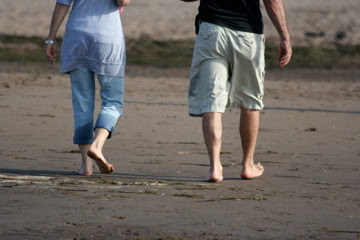
Canadian University of Waterloo kinesiology professor, Stuart McGill, made a career of studying the mechanics of why back muscles, bones and ligaments fail so commonly. While he recommends customizing exercise according to what is “mechanically” malfunctioning in each individual, he did design “Stuart McGill’s Big 3 Exercises” to develop core stability, supporting the back. You can view these strengthening exercises on You Tube. Ask your doctor or therapist if they are right for you. He also recommends walking, even for short periods of time, several times a day as an excellent exercise. He recommends doing this in a somewhat “military” style, swinging the arms to loosen tightened back muscles.
Movement techniques to correct posture, such as Feldenkrais, the Alexander Technique, Tai Chi (tie-chee), and Qigong (chee-gung) are designed to help you undo unconscious habits, helping you to develop “conscious control” and bring your system and posture back into balance. Some of these techniques can help you to realize which bracing, “protective” postures that you may be unconsciously holding that create pain and spasms, and can teach you how to relax and let go. And some forms incorporate an element of active meditation that can help reduce stress. Here’s a small example on YouTube of simple Qigong exercises… but ideally you would want to join a class to be instructed properly.
Yoga, while helpful for relaxation, can often tend to overwork lumbar and cervical regions of the spine with forward bends that load extra pressure on the spine that can be painful in those who are already deconditioned and weakened. Low back trauma is reported to be the most common type of yoga injury. However, two styles of yoga, Viniyoga and Iyengar, are considered more suitable for people with joint and muscle problems. A skilled instructor can help to identify and correct problems that are causing chronic pain.
Using the mind/body connection
One of the worst things for the back is to tighten and guard against painful movements. A diagnosis of “degenerative disc disease” can frighten a person into avoiding any kind of exercise, in case they further damage their “fragile” spine. However, most people benefit from exercise and learning not to fear possible pain once they have a proper diagnosis and treatment program. Some of the most effective programs include “cognitive behavioural therapy”, where patients are taught to take a positive view of their condition: that their situation is not hopeless and that they can learn to manage their pain.
Ron Seigel describes the central issue of chronic non-specific back pain as being the fear of back pain in his book, Back Sense. “Pain causes distress, which causes muscles to tighten, which causes more pain” in a downward spiral. Dr. John Sarno observed that emotions caused the unconscious mind to create painful spasms in many of the back pain patients he treated over the years, as described in his book Healing Back Pain. He claimed that many patients could make a dramatic recovery once they realized the source of their chronic pain.
Red flags
But before you would consider an exercise program for a chronically painful back, you should have your doctor assess for “red flags” — symptoms that suggest the possibility of a serious problem. These include long-standing pain that is unaltered by a change in position (possibly suggesting a tumor and a need for imaging such as an MRI), or a history of fever and chills (suggesting the need for a bone scan to rule our low-grade infection).
However, scans to diagnose back problems are generally not recommended, especially early in the course of an episode and barring any “red flags”, as changes in spine structure do not correlate well with the cause of the pain, leading to unnecessary surgery in many cases. Degeneration of discs between vertebrae is common as we age, and is often seen in images of spines of people who have no back pain. Ruptured discs are reported to heal when pressure on them is avoided for a period of time, eliminating the need for surgery to correct the problem.
In summary…
If you have chronic back pain, ask your clinician about non-surgery options and specialized back rehabilitations programs. If you are taking opioids for long-term back pain, ask your doctor how you can transition off these, perhaps to an anti-inflammatory medication if it’s safe for you to take.
The main reasons to avoid NSAID anti-inflammatory medications is existing stomach problems or kidney disease. However, because the dose needed is much lower, when anti-inflammatory creams are used , they can often be substituted for the pill version.
Be aware that these creams need to be applied to specific areas, known as the “trigger point” for your particular muscle spasm, and it may not be the most obvious painful area. Ask a therapist who is familiar with the work of Drs Travell and Simons to show you exactly where to massage the cream. A self-help book I’ve used for many years that explains these well is The Trigger Point Therapy Workbook by Clair Davies.
Acute back pain
If you have an acute (less than 1 month) or a sub-acute (less than 3 months duration) back problem, realize that most will recover from this. The worst thing you can do is stiffen and guard against painful movements, or take opioids that could cause side effects and long-term problems, and could even eventually worsen your pain. Remember from Part 1 of this blog series that anti-inflammatory medications (by mouth or as a cream) and sometimes short-term muscle relaxants can give relief. Total bed rest is no longer recommended and, instead, gentle rhythmic exercise as tolerated, such as walking, has been found to help improve the problem more quickly. Applying heat or ice can also provide some relief. A visit with a physiotherapist or skilled massage therapist can set you on the right track for a full recovery. If the pain is severe, you may benefit from an assessment by your physician. Once you’ve recovered, work with a therapist for a visit or two to strengthen muscles that support the back to prevent future episodes.
In response to my first article in this series, a reader who is an occupational therapist described to me how they recommend their patients strive for a balance in work (purposeful activity), rest and play, and in mind, body and spirit. It seems that the cure for back pain is not the same for everyone, but it’s all about strengthening without overworking, avoiding painful activities unless being supervised by a professional, addressing stress and associated muscle tension, and learning to move without fear. Several experts have stated that 90-95% of back pain sufferers can recover without surgery.
Additional reading:
Crooked by Cathryn Jakobson Ramin
Healing Back Pain by John Sarno
 Jeannie Beaudin, Artist and Author