
Categories
Health

Many Common Medications Could Change Your Gut Bacteria

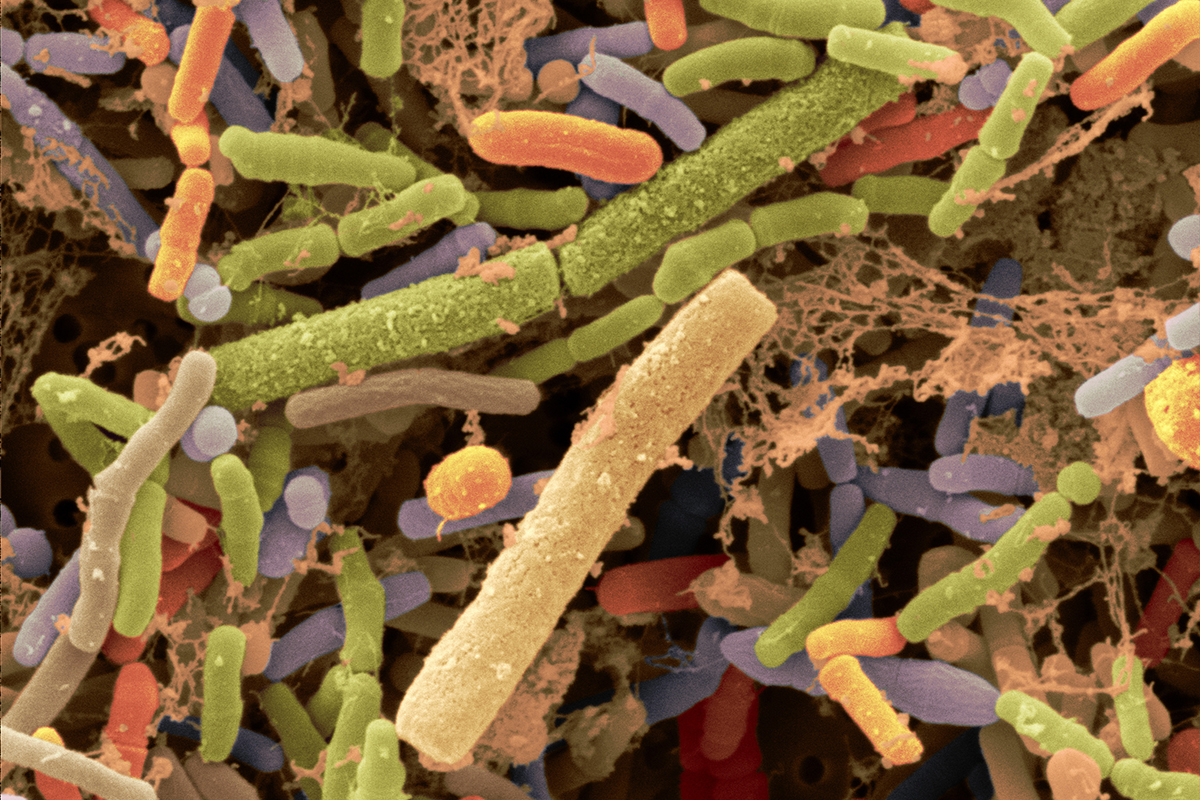
Researchers have learned that 18 commonly used classes of drugs can extensively affect the organisms that live in your gut. The most drastic changes were caused by stomach medications, antibiotics, metformin (a diabetes medication), and laxatives. Why is this important? Because research suggests that changes in gut organisms are associated with obesity, diabetes, liver diseases, cancer, degenerative nerve diseases like MS and ALS (Lou Gehrig’s Disease) and others.

Your intestines contain tens of trillions of microorganisms, with at least 1000 different types of known bacteria. These organisms are vital for our health, breaking down food and toxins, making vitamins and training our immune systems. Their total weight is calculated to be as much as 2 kg (4.4 pounds) – heavier than the average brain! It’s also known as the human “microbiome”. It’s been increasingly studied over the past 15 years – what types or organisms are found in healthy people vs. those with various diseases, how we can improve the content and balance of organisms in our digestive systems and, now, how this microbiome is affected by common drugs.

New research, reported at the international United European Gastroenterology Week 2019 conference, describes work done at the University Medical Center Groningen and Maastricht University Medical Center in the Netherlands. Out of 41 drug classes they tested, 18 were associated with changes in gut microbiota composition or function. Several of these were found to be significant:

  • Antibiotics

  • PPI’s (“proton pump inhibitor” stomach medications)

  • Laxatives

  • Metformin

  • Oral steroids (i.e. taken by mouth)

  • SSRI antidepressants (in people with Irritable Bowel Syndrome)

Antibiotics kill bacteria both good and bad. Stomach medications, particularly PPI’s (proton pump inhibitors, like Losec/Prilosec, Nexxium, Tecta, Prevacid and others), drastically change the acidity of the stomach making a significant difference in the environment these organisms like to grow in. So, we shouldn’t be surprised that these 2 classes of drugs change which bacteria thrive in our digestive systems.

Laxatives speed the passage of the contents through the digestive system, pushing microbes out of their normal habitat as they move the entire contents of the intestines along more quickly than normal.

Another research team, at the European Molecular Biology Laboratory in Germany, suggests that altering gut organisms may also be part of how some drugs work. They noted that one of the ways the diabetes drug, metformin, works is to encourage the growth of certain bacteria. People who take metformin have also been found to have higher numbers of the potentially harmful bacteria, E. Coli.

The researchers also identified an increase in antibiotic resistance related to 8 different categories of medications, not just from use of antibiotics themselves. We always knew that oral steroids (those taken by mouth, like prednisone) cause people to gain weight, and now researchers in the Netherlands report that this may be caused by an increase in “methogenic” bacteria, which has been associated with obesity.

SSRI antidepressants (Prozac, Paxel, Celexa and several others), particularly when used in people with Irritable Bowel Syndrome (IBS), were associated with significant changes in the potentially harmful bacteria, Eubacterium ramulus. These drugs generally take a few weeks to exert their therapeutic effect; they also note that similar bacterial species are affected by different antiphychotics. This led to the suggestion that part of how both these types of drugs work could be by encouraging or blocking certain gut bacteria. Researchers hope that one day it may be possible to diagnose some brain conditions by analysing gut bacteria and to treat them with “psychobiotics” – specific mood-altering bacteria!

The German researchers also noticed that some drugs affect gut bacteria in a manner similar to antibiotics and these tend to have antibiotic-like side effects, such as digestive upset. They suggest that these non-antibiotics could be increasing bacterial resistance to antibiotics, since they affect gut bacteria similarly.

So, although this research is fascinating (or, at least, I think it is!), much more work needs to be done in this area. However, it shows that we cannot ignore the effects of various drugs on gut bacteria. Researchers estimate that one-quarter of drugs or more have an impact on the gut microbiome.

References:

Is your gut microbiome the key to health and happiness? – The Guardian

Many Common Meds Could Alter Your Microbiome – WebMD

Half of all commonly used drugs profoundly affecting the gut microbiome warn experts – EurekAlert

Many commonly used drugs may impact microbiome – Univadis Medical News
Categories
Health

Herbals and Prescriptions…

How safe are they?

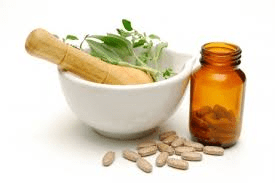
Many people think that herbal medications, being natural, are completely safe to take. But this isn’t always true. Herbal medications are really medicines, but just still in their natural plant form.

A new study, published in January 2018 in the British Journal of Clinical Pharmacology, analyzed severe reactions between herbs and drugs that were written up in journals as clinical studies or case reports. They looked at which drugs and diseases were most commonly involved, and how severe the reactions were.

They found interactions of varying types. Herbs could either increase the rate at which regular medications were removed from the body resulting in too little medication, or they could slow down the clearance, leaving too much of the medication left in the person’s system. This could result in patients responding poorly to their prescription medication, or developing toxic reactions to their regular treatments. Either scenario could result in hospitalization for the patient, especially with certain medications.

Most common problems…

The most common serious interactions occurred in people who had heart disease, cancer and kidney transplants. The most common prescription medications affected were: the blood thinner warfarin, “alkylating” chemotherapy drugs, and the anti-rejection drug cyclosporin. For each of these drugs, there is a very narrow “treatment window” – getting just a little too much or too little of the drug they need could cause serious problems with their condition.

Many herbal medicines “thin” the blood (i.e. make it less likely for a clot to form) so can add to the effect of warfarin as well as other anticoagulant or “blood thinner” drugs. Too much thinning of the blood can mean a little bump could cause extensive bleeding under the skin, seen as bruising. Worse, the bleeding can sometimes happen inside the body, usually in the digestive system, where it can’t easily be seen, leading to significant blood loss. One sign that shows a person is losing blood in the digestive system is a black, “tarry” stool – by the time blood reaches the end of the digestive system, it has turned from red to a sticky black, and looks much like tar.

Warfarin works by blocking the production of substances made from vitamin K that the body uses to make a blood clot. Many plants contain vitamin K, including herbal medicines. Increasing the amount of vitamin K in the diet, whether as a green leafy food or a herbal medicine, can help the body make more vitamin K clotting agents – more for the warfarin to block – requiring a higher dose of warfarin to prevent clots. In other words, more vitamin K can suddenly mean the blood will be able to clot more easily, increasing the risk of a blood clot, the underlying cause of heart attacks and most strokes.

Both chemotherapy drugs and cyclosporin need to be given in exact amounts to work properly. Too little and they don’t work as well…too much and they become toxic. So even a small change in how quickly they are cleared from the body can result in too much or too little in the system. Any person taking these medications should check a reputable source of information before taking a herbal medicine – ideally their doctor or pharmacist.

Ask your pharmacist…

Pharmacists receive education in both herbal and standard medications as part of their training. They have access to information on diseases, drugs, herbals, and interactions between these. If you take any prescription medications and are considering starting a herbal medicine, check with your pharmacist first. However, you should realize that a thorough information search requires time. If possible, leave the question with your pharmacist and drop back later to allow time for a proper search.

As well, herbals can interact with a medical condition you have. For example, blood sugar levels can be affected by some herbal medicines and this can be significant if you have diabetes. So, be sure to ask about possible interactions with both medications you take and any medical conditions you have.

Keep a list…

It is recommended to keep a list of all your medications for emergency use. But, as you can see, it is equally important to include all supplements you take on your list. Many pharmacies now provide a printed list that is automatically updated each time you fill a prescription. If you take a herbal medicine or nutritional supplement regularly, ask your pharmacist to add these to your profile so their information – and your list – will be complete. And, having complete information in their computer system, means the computer will bring possible interactions to the pharmacist’s attention every time they fill a prescription. Lastly, share your list with all health professionals who give you treatment… it just might prevent an avoidable interaction!

Reference:

British Journal of Clinical Pharmacology