Categories
Health

“Why write about environmental issues on a health blog?”


I received that comment after last week’s blog, from a reader who was wondering why I would discuss environmental issues on a blog about health… quite justified, too, I think. So, I thought I should explain myself! 

You see, I’m reading more and more articles about studies connecting pollution, climate change, and our health, beyond dealing with more severe weather, wildfires, and the stress these can cause. An unhealthy environment can affect our health in ways we are just beginning to understand beyond simply worsening breathing problems. 

For example…

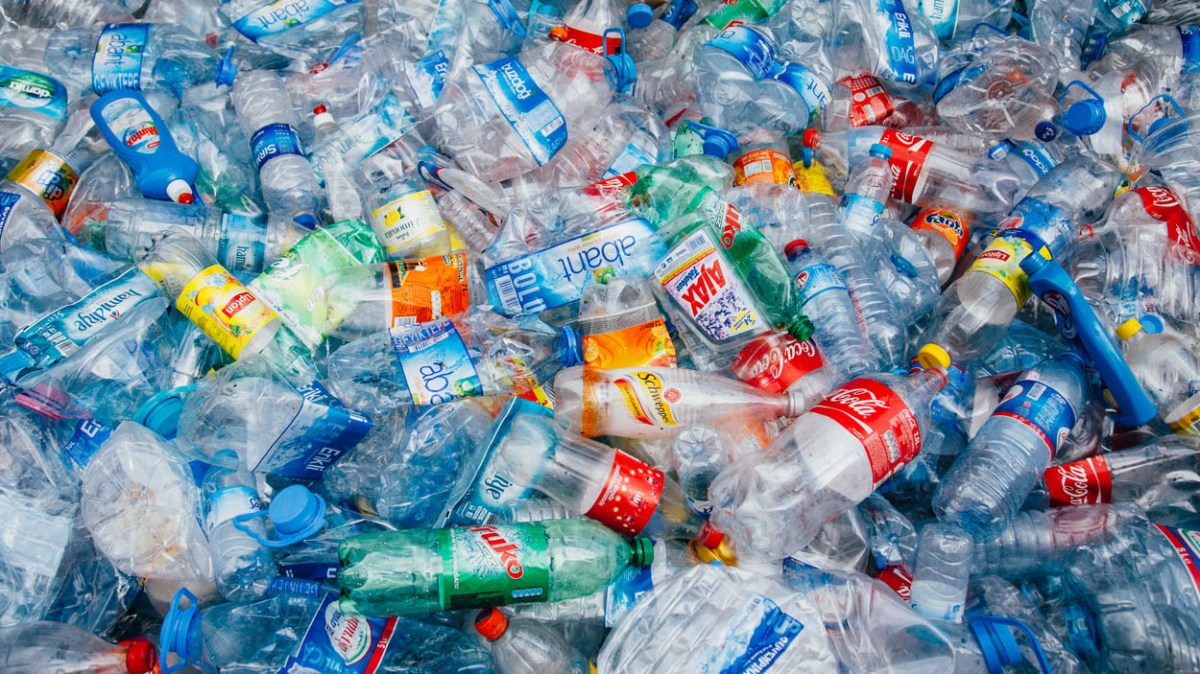
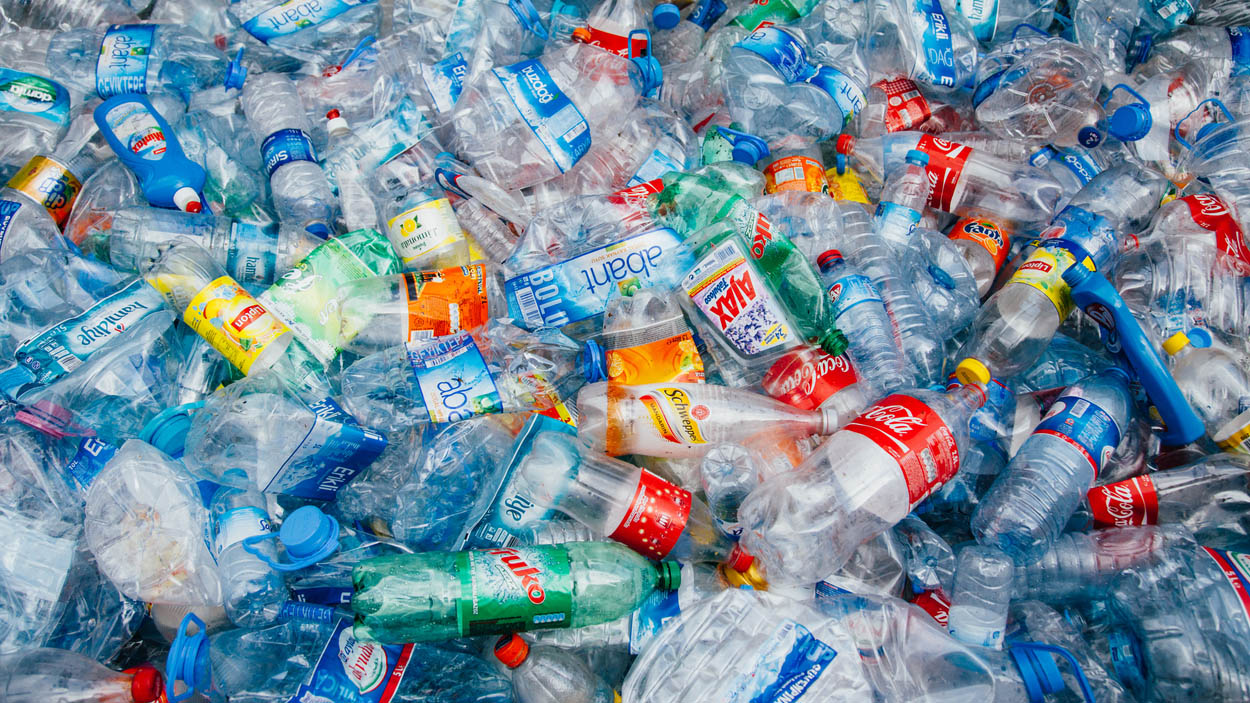
Here’s an example I read last week: microplastics are ending up in treated wastewater sludge, which eventually makes its way into farm soil and, potentially, the food grown there. Treated sludge is a great fertilizer, apparently… who knew? And they need to get rid of it somewhere, right? But ingesting plastics, even in “micro” bits, enables them to get into our bodies, and scientists are not sure yet the ways that could affect our health. 

Of course, it’s not just the physical bits of plastic that pose a problem… it’s the chemicals they contain that will eventually leech out too. I’ve written about the effects of plastic exposure on human health (I’ll post a link to that blog below) and there’s no reason not to expect these chemicals to affect animal health as well. It’s well documented that animals – especially birds and marine life – are dying because of our plastic pollution. 

Single use plastics are considered worst, as they pile up quickly then disintegrate slowly over years into progressively tinier bits. We’re already seeing bans on use of grocery bags and drinking straws. We can expect more of these in the future, but society needs time to adapt to changes, so one thing at a time. Part of my dishwashing routine now is washing out plastic bags (who would have thought!) — recycling within the home reduces our plastic waste in a significant way. And I made myself a cool little tool to clean the inside of my reusable straws – I cut a slit in one end of a wooden skewer and inserted a small strip of fabric into it that I wind around the skewer before sliding it through the straw. Works great! (That’s the gadget pictured in the photo above)

Some good ideas… 

A reader in Alberta told me about a campaign out there, entitled “Leave no Trace” after my last blog. Aimed at park users, the goal is for everyone to leave no signs behind that they were ever there. This includes, not only garbage, but campfires (built in a pit that can later be filled in), human waste (“bury it or carry it”), and even raking over footsteps and campsites with branches to cover the last traces of having been there before they move on. I love it! 

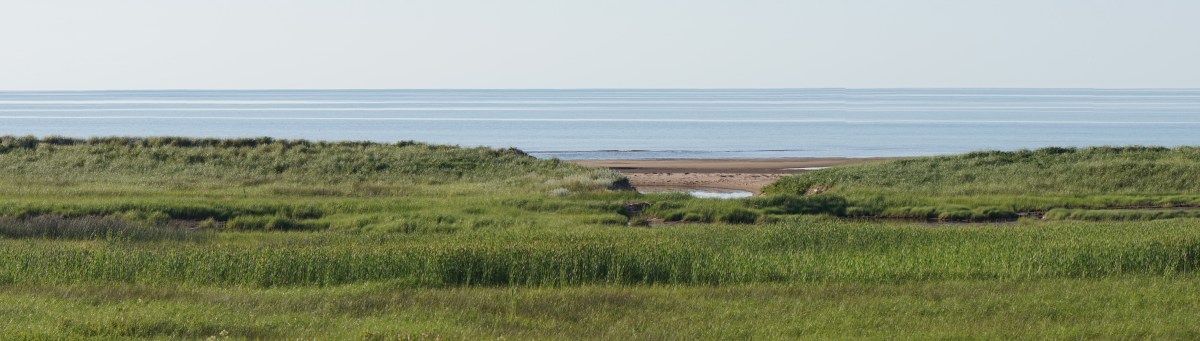
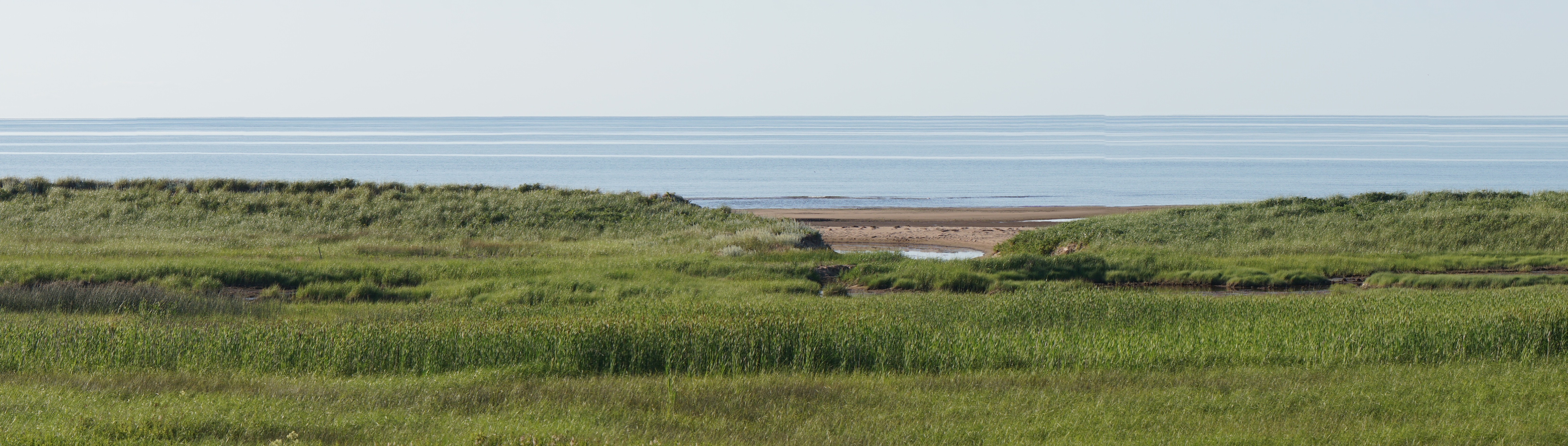
Then, of course, there’s my selfish side – I love our pristine natural beach and want others to respect it too so we all can continue to enjoy this beautiful bit of nature (hence my last article’s rant). The beach could also be said to fall under the “mental health protection” category for me. A brisk walk on the beach has long been my “go to” when I’m deeply upset. The combination of exercise, fresh air, the sound of the waves, and being in nature can make you feel like you’re leaving your troubles behind, whatever the weather. I’m sure a walk in a forest or a park would work equally well (I just happen to live near the beach!) 

PM2.5… tiny particles in the air

This week, I read an article discussing how fine particulate matter (known as PM2.5) from wildfires and agricultural spraying are connected to risk for Alzheimer’s and other dementias, as well as worsening lung diseases. Just when we thought we were through wearing filtering masks, here is a new use: preventing inhalation of fine particulate matter on days when the wind from burning areas is blowing your way.  

But all experts agree that these fires are being caused by extreme heat and drought events brought on by climate change which is already changing weather patterns in noticeable ways. These tiny microparticles (3% of the width of a human hair) can enter the body easily, slipping through the filtering system of the nose. The tiniest of these (called nanoparticles) can even cross the blood/brain barrier, where they cause irritation and inflammation in the brain (this is how they believe they increase risk for brain diseases like dementia) and they can even enter our body’s cells. They are suspected to carry other substances with them, including viruses picked up from the air, toxic heavy metals, and of course plastics, etc. (whatever was burning at the time…) that further increase the health hazards of these particles. See the Government of Canada reference below for more information on effects of PM2.5. 

One proposed route for particles and microorganisms to enter the brain is through the nasal route – the “front door”, where nerves that provide our sense of smell pass through to the brain. This has been suggested as a potential route for the COVID virus to cause brain fog and the notable loss of sense of smell that can last weeks to months in many of those affected by “Long COVID”. 

Other pollution-caused health problems…

Then there’s the emotion and trauma of being exposed to a severe climate event… Post-traumatic stress disorder (PTSD), anxiety, and depression are understandably documented as being more common in those who have been directly affected by climate events like wildfires, floods, and severe storms. 

Time to change our behaviour…

It’s hard not to see the irony in the cancellation of the “Ax the (Carbon) Tax” rally in Whitehorse, Northwest Territories last week, due to the threat of climate-change-caused wildfires… Although it’s just one climate strategy (and more are needed), the controversial Carbon Tax has been demonstrated in studies to give the best “bang for the buck”, creating the most behaviour change with the least cost. It does this by making all of us want to change… to avoid products that are more polluting because they cost more. For example, as gas increases in price, more of us want to buy electric cars which just happen to be less polluting while consuming no gas at all.  

But even before we make that move, we start to think twice about jumping into the car as often. My hubby and I now collect our errands in the city to do all in one day as much as possible, resulting in fewer trips into town (about a half hour away). We also do more shopping at our local grocery store which others must be doing too, as their selection has improved significantly. And one of the attractions for working from home is the significant money saved by not filling the tank as often! 

The New Abnormal…

Some are calling climate change the “New Normal”… but it’s not normal in any sense. There are many things we can do to adjust to this “New Abnormal”, both to protect ourselves from harm from the changes and to lessen our contribution to the causes of change. They call this Climate Adaptation… 

What changes are you considering (or have already made) to lessen the effects of climate change on your life and property? What will you do next??? 

References/Additional reading: 

How microplastics are making their way into our farmland – The Conversation  

Would you like a side of plastic with that? — Jeannie Collins Beaudin’s Blog  

Wildfire smoke is an increasing risk to Canadians’ health — The Conversation

What is Fine Particular Matter (PM2.5)? — Government of Canada 

How our complex relationship with heat inhibits climate action – The Conversation  

Wildfires, pesticides linked to increased risk of dementia – Medical News Today

Wildfire smoke can damage the brain long after the flames are extinguished, research says – The Canadian Healthcare Network

Wildfire smoke is an increasing risk to Canadians’ health — The Conversation

Categories
Health

Protecting the Environment

One small act at a time…

I read stories about young people who are working hard to counter pollution and slow damage to our climate, and it’s wonderful to think the next generation is motivated to make a significant difference to their own future. Students at a local elementary school made two colourful signs, one shown above, asking beachgoers not to litter, to stay off the dunes, and to pick up after their pets. But we still need more education, for young and old alike. Sometimes signs aren’t enough. 

Two days ago, I went to the beach near our home in the morning with our visiting grandchildren. I was surprised to see 2 tents pitched next to the beach entrance, with 4 teenage girls sleeping. I initially felt bad that my grandchildren’s excited screams on reaching the beach appeared to wake them up, even though they shouldn’t have been tenting there (beach camping is not permitted in our village), and especially so close to the dunes where the beach grass was struggling to regain a foothold, post hurricane Fiona. 

But it got worse. Returning later the same day, I was horrified to see the garbage they left behind for us to pick up… empty soda containers and food packages, cigarette butts, remnants of a fire (fires are not permitted on the beach either), and even a dirty tampon. It just doesn’t seem possible that these four young people were not aware of problems with pollution and climate change. Why would they think they had no responsibility to clean up after themselves, or follow rules designed to prevent damage to sensitive coastal areas? Why, unlike others of their generation looking toward the future, don’t they care? 

The scene disgusted me, and I wanted to do something about it. So, I emailed some neighbours to find out whether anyone knew who these girls were. We live on a private road and know all our neighbours, so we knew they didn’t live here, but they could have been visiting someone. Others were as upset about their behaviour as I was – one neighbour said she thought about yelling at them but feared for her safety as she was alone and couldn’t see how many people were in the tents or what age they were. She also reported other garbage further down the beach that upset her so much she has decided not to walk the beach until September when the tourists are gone. It seems it’s not an isolated incident, sadly. 

Anyway, no one knew who they were. It seemed that someone just dropped these girls off (randomly?) on a private road to go camping, despite 2 commercial campgrounds nearby with proper facilities and garbage cans. Someone saw them waiting to be picked up at the beginning of the path to the beach around noon. It defies logic (well, my logic, at least) that a parent would allow their children and friends to behave like that… but then, these children didn’t appear to be following any responsible parental examples. 

So, what to do? My hubby and I went down to the beach again the next morning and picked up the garbage (he wore protective gloves!). Maybe we need yet another another sign? **sigh** Although we already have 6 signs asking people to respect the dunes and beach grass… 

Here are some of my sign ideas: 

  • Cigarette butts kill: birds and other animals think they’re food but can’t digest them 
  • Bacteria from one mess of dog poo can destroy 2 acres of marine life (about the area of a city block). 
  • Why should we pick up after you? Pick up your own shit (literally and figuratively)! 

OK, so I’m really just blowing off a little steam here. But do you blame me? It’s 2 days later as I write this and I’m still angry…  

Signs, obviously, don’t work for everyone, but maybe fines for littering the beach might help (even though they would be very difficult to enforce). But sometimes just the threat of a fine will make people think twice. Cameras are quite cheap now and could help keep watch, at least in highly used areas like our local park beach.  

Sometimes inconsiderate behaviour you’ve observed just sticks in your craw. I wish I’d spoken to those girls about being responsible, rather than feeling bad that my grandchildren had woken them when they shouldn’t have been there in the first place (they looked a little hungover, actually). I still remember chastising a guy years ago who stubbed out a cigarette on a clean floor in a Sobey’s grocery store, while waiting in front of me in line at the take-out lunch counter. I just had to point out that he was standing next to a huge commercial ashtray. His response? He asked me if I worked there (I had on my white pharmacist’s coat) … “No. I just find it disgusting that you dirtied a floor that someone obviously just cleaned.” was my answer. He picked up the butt, put it into the ashtray, and looked sheepish… 

We don’t need to just accept pollution (and polluters) indoors or outdoors. Politely letting people know their behaviour is not acceptable, could be the educational “push” they need to change their habits. Hopefully they’ll be embarrassed about being so uncaring. We all need to stand up for the environment and teach others, especially our kids and grandkids! 

References:

Picking up after your dog: why it’s important — Hills Pet

PS: My apology for any ads you see here — it’s the price I pay for a free website these days (all ads are courtesy of my WordPress hosting site…)

Categories
Environment Health

Plastic? Think twice…

Plastic doesn’t decay…it breaks into smaller and smaller bits until you can no longer see it. We call these microplastics. And these tiny particles are making their way into our drinking water—and our bodies. They can take hundreds of years to decompose, if they do… Plastics have only been around for 50 years, so that’s just an estimate. The bigger problem is that they are not inert…plastics contain substances that can compete and interfere with our hormones.

You don’t have to ingest the actual plastic for it to affect your health either. Substances, sometimes called “plasticers” that keep the plastic soft and flexible can be transferred into your food when you cook, store or serve food in plastic. These fat-soluble chemicals can mix with oily or fatty foods and your body can store them in fatty areas. Hot food, fat or oils, and damage to the surface of the plastic makes it easier for chemicals to transfer into food. Softer plastics are thought to transfer their chemicals more readily.

Plastic in our food

Sometimes you can even taste the plastic…coffee in a Styrofoam cup, a dairy that always sold their chocolate milk in glass bottles because they noticed plastic ones affected the taste. I even noticed water, served in a scratched plastic pitcher at a conference, tasted strongly—unpleasantly—of plastic. I didn’t drink it.

We’ve all put tomato sauce into a plastic container and noticed the orange colour became imbedded into the walls of the container. Plastic takes up oily substances, just as its chemicals pass into fatty foods. Questions have been raised about other substances plastics in the environment could be absorbing and transporting. The United Nations Food and Agriculture Organization is concerned that some plastic particles may be small enough to pass into our bloodstream and collect in our organs where chemicals they contain can gradually leach into our system.

Plastic can affect our hormones

Some of these chemicals are “hormone disruptors”…chemicals that interfere with how your hormones act in your body. And some, like bisphenol A (BPA) have been linked to hormone-related cancers and possible effects on unborn babies because of their hormone-like activity. More study is needed on the health effects of plastics.

Results of a new study conducted by Orb Media, a partner of CBC News, found microplastics in 93% of 11 brands of bottled water they tested from 9 different countries. They were only able to identify particles 100 microns (0.1mm) or larger. It seems likely that there were more smaller particles they were unable to detect.

They defined microplastics as pieces of plastic 5mm or smaller. They are created when plastic waste disintegrates and were also manufactured for use in exfoliant skin care products. The European Food Safety Authority has suggested that most swallowed microplastics are excreted by the body, but researchers have found microplastic beads from skin care products in stomachs of fish in the Grand Lakes. This has lead to banning of these beads in commercial products.

Plastic “islands”

Plastic waste continues to build in coastal waters. Researchers estimate that by 2050 there will be more plastics in the oceans than fish. Ocean currents cause them to collect in some areas, creating plastic “islands”. They block the sun’s rays from entering the water and trap sea life.

It’s easy to think we can’t be ingesting enough plastic to harm us. But we humans are at the top of the “food chain”—everything our food sources take up we consume and concentrate. We need to pay attention to what we put into the environment…and to what we are essentially “feeding” our food!

You can help…

This weekend, go buy yourself a water bottle made of glass, metal or ceramic and stop buying bottled water. If your tap water at home has an unpleasant taste, get a water filter. It’s a simple thing you can do to save the environment, save money, and save your health at the same time.

References:

Exposure to Chemicals in Plastic – Breast Cancer.org http://www.breastcancer.org/risk/factors/plastic

CBC: Microplastics article http://www.cbc.ca/news/technology/bottled-water-microplastics-1.4575045

Categories
Environment

It's a shitty problem…

There seems to be a problem in the water…fecal bacteria above acceptable limits are showing up in water tests in some areas of the New Brunswick coastline.

I had a great discussion with my neighbour, Natasha Bell, this week about issues that increase the risk of pollution on our beaches. Initially concerned about the impact of a large proposed campground nearby, she quickly realized that the greater issue is damage to the delicate ecology of the shoreline along the entire coast of our province – and the potential for it to worsen with further development of the coastline. This lead her to become involved in a growing movement to protect our New Brunswick coastline. She established a local group, along with another concerned neighbour, Pierre Gagnon, to create awareness in members of our village council about our concerns.

They subsequently joined forces with 3 other similar groups, creating a large group that has been named SWWAT (Save our Waters, Wetlands and Tourism) to have a stronger voice with our provincial government. I attended a meeting last evening with Natasha and Pierre to discuss future actions concerned citizens can take to identify and correct existing problems and to prevent development of future problems along the NB coastline. It was attended by people from Shediac to Murray Beach, ready to exchange ideas and take action.

The issues are similar along the entire Atlantic coastline and, in fact, in many watershed areas of both fresh and salt waterways. Wetlands have been seen as “wasteland” and simply filled in to create developments for human use. Even my home was built into the wetland before existing regulations were in place. We have returned a swath of land along our property to natural vegetation along an area of water drainage from higher ground, both to try to restore some of the filtration function that was lost and because we love the appearance of the natural vegetation.

But as I thought about what we had discussed after talking to my neighbours and attending a SWWAT meeting, I wondered what I could do to help. I realized that in many ways this is an issue of education and awareness:

  • We need to educate people who use the coastline for recreation or industry that every small action is cumulative – everyone needs to be aware that actions that cause a small amount of damage can add together to cause significant problems for humans, birds, sea life and the overall ecosystem of the coastline.

  • We need to create awareness in municipal and provincial government employees and elected politicians who make decisions that affect our shores:

    • about the facts around issues that are causing damage now;

    • about the importance of finding and correcting the sources of existing problems that are potential health hazards;

    • and about the importance of considering both the current and future impact of decisions and legislation that are passed.

      • It isn’t simply about testing water quality so Public Health can predict when beaches should be closed, it’s about finding and correcting the causes of bacteria in coastal waters and taking action through legislation and policy that will correct existing problems and prevent future deterioration of the ecological systems along our shores.

  • We also need to educate our youth – the next generation – to ensure this wonderful resource is available in the future. Just on our small stretch of beach, we have had late night fires that consumed snow fencing used to prevent erosion of dunes and burned Christmas trees placed against damaged dune areas to trap sand. We’ve also had to pick up broken glass and garbage from impromptu midnight beach parties! But youth can also be a passionate force for positive change, educating their parents at the same time. We realized that the way to reach young people is through engaging their schools and increasing our reach through social media and our website. Youth communicate through electronic media!

  • We need to continue to research solid facts surrounding this issue and communicate these to government and the public to create knowledge and an awareness of the severity of the problem.

  • We want to continue to engage the attention of news media to enable wider awareness of our concerns.

Because I am a blogger and have already created a website and marketing materials when I had my business, I volunteered to work on similar approaches to spread the word about these environmental issues. It’s not only the health of people like me who use the beaches for recreation that is at stake, but also the tourism, fisheries and ultimately the economic health of coastal areas.

The SWWAT group has two requests of government:

  1. Moratorium – We are asking the Provincial Government to impose a temporary moratorium on significant development within 500 meters of wetlands draining into Northumberland Strait until the sources of fecal contamination have been identified and mitigated.

  2. Legislation – We are asking the Government to legislate a long-term wetlands protection plan supported by strict enforcement of protective regulations.

These actions will protect the health and safety of families and visitors to the beaches, as well as the future of the tourism and fisheries industries in the area.

Will you join our cause? Whether you are a resident of the area, enjoy vacationing there, or just want to help a worthy cause, please sign our petition. Help us to direct government attention to saving our shores for all to enjoy in the future!

Categories
Health

Hormones and chemicals in plastic

I used to think that “microwave-safe” simply meant that the container would not melt or warp when used in the microwave. However, many plastics contain harmful ingredients that can leach into food, especially when heat or oils are present, and should never be used in a microwave. So, in addition to being structurally intolerant to heat, some plastics actually become harmful to our health when used in the microwave.

I learned this the hard way. When my kids outgrew their Tupperware “sip ‘n’ seal” cups and lids I thought they would work well for coffee in the car. Eventually, the plastic taste in my coffee became so strong I discarded the cups, never realizing I had been endangering my health.

During this time I had a series of health problems with mammogram and Pap test recalls… but I didn’t connect the two until I attended a lecture on environmental connections to breast cancer, sponsored by our local breast cancer support group.

We watched a film entitled “Exposure: Environmental Links to Breast Cancer” then participated in a discussion with the producer and director of the film. They described many different types of environmental chemicals that have been connected to increased rates of cancer, including ingredients in plastic that contacts our food, some of which can disrupt the action of hormones in the body. I believe this film may still be available – I found a source online (www.womenshealthyenviroments.ca) or you could check with your local library if you are interested in seeing this film.

So, when it comes to plastics, some are safer than others. A numbering system, 1 to 7, has been developed to help sorting plastics for recycling, but the numbers also help us know which plastics are considered safer. You’ve probably noticed these numbers surrounded by a triangle, embossed or printed on the plastic container, usually on the bottom.

Basically, types 2, 4 and 5 are considered safest, with types 1 and some 7’s considered safe with some precautions. Here are the details:

  1. PET (or PETE) – Polyethylene Terephthalate

    • Thin, clear plastic

    • Used in water bottles, cooking oil, peanut butter jars, soda pop bottles

    • Safe for one use only

    • Do not heat or reuse (or leave in a hot environment, such as in a car)

    • Can be recycled once into other products

  2. HDPE (High density polyethylene)

    • Thick, opaque plastic

    • Used in milk/water jugs, juice bottles, containers for detergent, shampoo, motor oil, toys

    • Limit how often they are refilled

    • Can be recycled as with type 1 plastic

  3. PVC (Polyvinyl chloride)

    • Can be rigid or flexible

    • Used for bibs, mattress covers, commercial plastic wrap, some food and detergent containers

    • Recommended to avoid. Manufacture of PVC creates dioxin, a potent carcinogen

    • PVC may also contain phthalates to soften it. These are hormone-disrupting chemicals linked to reproductive problems and birth defects. (It seems likely that I mistakenly exposed myself to this type of chemical)

    • Difficult to recycle

  4. LDPE (Low density polyethylene)

    • Soft flexible plastic

    • Used for grocery bags, household plastic wrap, garbage bags

    • One of the safer plastics but best to recycle and reuse when possible to reduce impact on the environment

  5. PP (Polypropylene)

    • Hard but flexible

    • Used to make ice cream and yogurt containers, drinking straws, syrup bottles, salad bar containers, some dishware, diapers

    • One of the safer plastic, but recycle when possible as with type 4 plastic.

  6. PS (Polystyrene)

    • Rigid

    • Used for styrofoam coffee cups, meat trays, opaque plastic spoons and forks

    • Avoid. Can leach styrene, a known neurotoxin with other harmful effects

  7. Other (includes polycarbonate, bioplastic and acrylic)

    • Polycarbonate – used for 5-gallon water bottles, sports bottes, clear plastic cutlery, linings of food cans

    • Bioplastics – uused for biodegradable garbage bags

    • Safety grab bag:

      • Polycarbonate is made from BPA (bisphenol-A), a harmful synthetic estrogen (hormone disruptor). Usually labeled “Not for microwave use”. Best to avoid.

      • Bioplastics are considered safe for their stated use. Must not be recycled with other plastics (due to programmed degradation)

      • Acrylic (Plexiglass) – non-BPA, usually labeled “hand-wash”, “BPA-free”, safe to use but microwavable

      • Tritan (SAN) – BPA-free clear plastic. Looks similar to polycarbonate but does not contain BPA.

      • Melamine – considered less safe, not microwavable. Melamine is toxic if ingested with food.

    • Often type 7 plastics are not labeled. Check if BPA-free labeling.

So, to uncomplicated things a bit, here are some basic recommendations to follow to reduce potential exposure to harmful ingredients in plastic and protect the environment at the same time…

  • Choose glass, metal or food-safe ceramic to heat and store food whenever possible

  • Plastics labeled as recycle types 2, 4 and 5 are safest, with type 1 acceptable for single use only. Type 7 plastics need further investigation. Avoid food contact with other types of plastic.

  • Avoid exposing any plastic to high temperatures as much as possible (do not microwave or put in dishwasher)

  • Even with safer plastics (2, 4 and 5) acidic food, fat/oils and heat will promote breakdown of plastic and leaching of plastic ingredients into food

  • Recycle or discard cracked or worn plastic items as these are more likely to leach chemicals

  • Always recycle plastic except for biobased plastics

  • Avoid buying processed and packaged foods if possible. Buy from bulk and use reusable containers from home as much as possible

  • Use reusable shopping bags and lunch containers (stainless steel, glass, ceramic or wax paper) whenever possible

If you are interested in a chart of plastic types to download or print, a good one is available here.

References: healthychild.com, babygreenthumb.com, davidsuzuki.org