Categories
Health

Time to think about COVID again??


I know, I know… we’re all tired of hearing about it. Won’t COVID ever go away? **sigh** Instead of settling into a flu-like seasonal pattern, this virus has taken on a life of its own and refuses to behave like most viruses.

How COVID-19 is different

An article in The Conversation newsletter this morning discussing a new study of people in nursing homes – a vulnerable population we need to protect – caught my attention. Surprisingly, those who had been infected with the BA.1-2 strain were 30 times more likely to catch the BA.5 strain that followed it a few months later. This is the opposite of what is expected – usually, catching a virus improves resistance to infection approximately as well as getting a booster shot (just a riskier way to develop immunity). This virus continues to surprise researchers… 

If this applies to all ages (and chances are, it does), this means that the protective practices we all know so well –handwashing, distancing, and masks – are important again. The medical community is already reporting an uptick in cases here in Canada this summer, and school hasn’t started yet. In communities south of the border, where kids are already back to class, some schools have already cancelled classes to try to control the spread. 

And, rather than settling into a predictable seasonal pattern like the ‘flu, it seems to surge in late summer, just as the kids are heading back to close quarters in school where bugs are passed around more easily.

COVID also is good at hanging out in our bodies long after we should have recovered — something rarely seen with other common respiratory viruses. Researchers report that 1 in 10 will continue with disabling symptoms from the infection for months to years in the form of Long COVID. This is a huge future concern for our healthcare systems.

Metformin… wonder drug?  

Another interesting study I read on the subject of COVID, was that the diabetes medication, Metformin, can reduce the chance of developing Long COVID by 43% if taken early in the onset of the acute infection. I have to admit, my greatest fear beyond the risk of having a severe infection (for which I never miss a booster!) is getting Long COVID. 

Metformin, by the way, may just become the wonder-drug of the century, from what I’ve been reading about it recently. As well as improving insulin sensitivity (its main use), it’s been found to reduce the risk of relapse of certain cancers and appears to promote longevity, according to preliminary research. People with Type 2 diabetes who take Metformin statistically live longer than people who don’t have diabetes!  

Type 2 diabetes develops when insulin stops working as it should – the body becomes resistant to the effect of the insulin hormone (called “insulin resistance”) and, in response, the pancreas produces more insulin to keep blood sugar normal. This compensation can continue for years – some estimate that insulin resistance can start as long as 10 years before sugar in the blood (“blood glucose”) starts to rise.  

It astounds me that doctors still only look at blood sugar, even though blood insulin measurement is a relatively inexpensive test. My doctor told me that they don’t do this test (that would detect the development of diabetes years sooner) because there was no “protocol” for it! Why isn’t there a protocol for a simple test that would diagnose a serious disease like diabetes years sooner??? This is a prime example of one of the biggest problems in medicine – “knowledge translation”, getting what has been learned through research into real-world practice. It takes, on average, 17 years for an important medical discovery to become routine practice for doctors. Old habits are hard to change, and it takes time for practice guidelines and protocols to be re-written and put into practice. Like all of us, medical professionals need to be educated about new ways of doing things and then need to actually change their way of doing things. You know about old dogs learning new tricks. But I might be ranting again, am I??? 

And the new vaccine… 

Another factor against us as fall approaches, is that the newest version of the COVID vaccine – the updated one that’s strongly recommended – won’t be available for several weeks, probably November here in New Brunswick, my pharmacist told me.  And he’s not sure he’s going to offer it, as it increases his workload incredibly and, at the same time, compensation for giving the shot has tanked… so won’t be financially feasible for many pharmacists. It’s hard to hire extra staff when you’re making almost half as much as last year for each injection given, while salaries have gone up. This may mean that shots will be harder to access than before. 

The epidemiologists are predicting a late-summer “COVID wave”, so it’s looking like there will be a gap in protection for many people. 

Time to think about digging out those masks and hand-sanitizers again… 

Actually, I’m still finding masks tucked into purses and coat pockets, so I don’t have to dig too far, but I’ve started feeling a little silly wearing one again, much like I did back in early 2020. We seemed to be the only ones who were wearing one then… and they were homemade since the commercial ones were being reserved for medical workers. I’ve since upgraded to N95s, of course. 

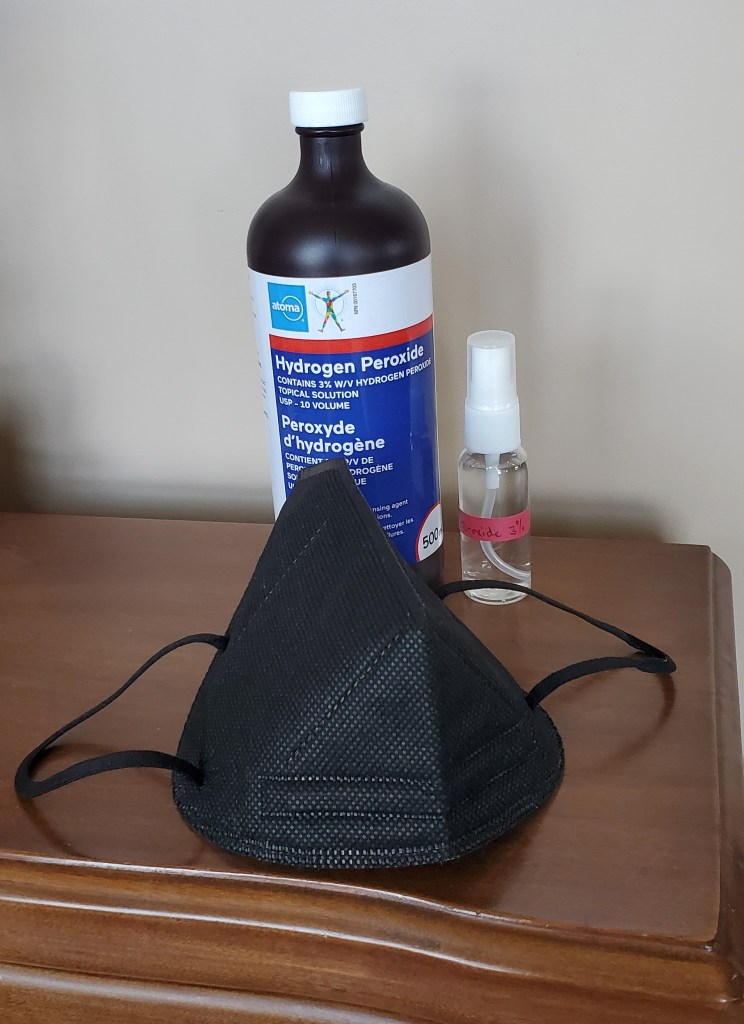
I still have my little spray bottle of hydrogen peroxide to sterilize my masks too, sitting on my buffet. Hydrogen peroxide, used as a steam after each use, has been shown to sterilize masks well enough for hospital re-use up to 30 times, so we know peroxide kills COVID and doesn’t damage the mask. When coupled with rotating masks so they’re only worn every 3 to 4 days (also known to kill off the virus) I feel safe re-wearing masks until they are obviously soiled. I’m hoping someone will test this cleaning method but, until then, I’ll keep my 4 masks lined up, spraying each after wearing it, and putting it at the back of the line, as this is the best practical method of sanitizing I know of! 

So, how about you? Will you be going back to masking and hand-washing, with cooler weather and classes keeping people indoors, or are you going to just take your chances when you’re in crowded places??? It’s time to think about it… 

References/Additional Reading:

COVID-19 boosters are the best defence — The Conversation

“Breakthrough” study: Diabetes drug helps prevent long COVID — Medscape

Outlive – Dr. Peter Attia (check your local public library for availability) 

Lifespan – Dr. David Sinclair (longevity researcher at Harvard Medical School). Available through the public library system. 

One in five doctors with Long COVID can no longer work: Survey — Medscape

Stay tuned for a future blog on longevity! And, just a reminder, the ads you see here are sponsored by my web hosting site, WordPress, and not endorsed by me! (The price to be paid for a free website these days…) jcb 
Categories
Health

5 Questions you should ask about your medications…

Medication errors can happen for many different reasons, but you can work along with your health care providers to prevent these errors, both as a patient and as a person who helps a friend or relative with their medications. An important way to prevent errors is to have all the right information…

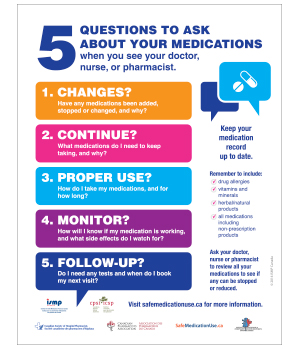
With that in mind, the Institute for Safe Medication Practices (ISMP) has developed a list of 5 questions you should ask whenever you are:

  • Being discharged from hospital

  • Having an appointment with your doctor or specialist

  • Talking to your pharmacist or

  • Having a visit with a home care nurse

These times are referred to as “transitions of care” and are the most likely times that your medications might be changed and mistakes could happen. Asking questions will help ensure you understand how your medications are supposed to be used. These occasions also give you an opportunity to learn more about your medications, such as what each does, how it is to be used, how long it should be taken, and what side effects you should watch for.

Here are the recommended questions you should ask:

  1. Changes? – Have any medications been added, stopped or changed and Why?

  2. Continue? – What medications do I need to keep taking and Why?

  3. Proper use? – How do I take my medications, and for how long?

  4. Monitor? – How will I know if my medication is working, and what side effects to I watch for?

  5. Follow-Up? – Do I need any tests, and when do I book my next visit?

To make this easier, ISMP has organized these questions onto a page you can download and fill in on your computer or tablet, or just print off and take to your doctor, pharmacist or nurse. You can download it here.

Be aware that most pharmacists can book an appointment with you to review your medications in detail. For some people, this may be a benefit of your prescription medication insurance coverage. But even if it is not covered, it can be a good investment in your health if you take several medications or have a complicated medical therapy. If you specifically ask the pharmacist to look for medications that can be stopped or “deprescribed”, a review may mean you have lower medication expenses and a simpler medication program in the future.

It is also important to keep an up-to-date medication record. You can find a free app for your computer or phone (Apple, Android or Blackberry) by clicking here or googling “my med rec”. Be sure to include a list of drug allergies, any vitamins or minerals, herbal or natural products, and any non-prescription products in your medication record. This list can be especially helpful when being admitted to hospital or when trying to determine if any medications can be discontinued.

More medication means greater chances for drug interactions. While drugs can be life saving, drug interactions and unwanted side effects can harm your health. Sometimes a drug is added solely to counter a side effect of another drug you are taking, when the problem could have been solved by changing the original medication.

So, learn as much as you can about your medications and how to benefit most from what you are taking. Communicate clearly with your doctor, pharmacist and nurse practitioner that you want to be taking the least number of medications possible for the shortest time necessary to keep you healthy. And, lastly, learn what lifestyle or diet changes can be tried to improve your health. Work hard to make these changes so you can minimize the medication you need to control chronic diseases like diabetes, heart disease and arthritis.

The CEO of the Canadian Patient Safety Institute (CPSI), Chris Power, advises:

“Be as informed as you can be and go into that relationship with your doctor, your nurse or your pharmacist or whomever is providing care, knowing that you’re a partner and you have a right and a responsibility to ask questions and to understand what’s happening with your health care.”

Categories
Book review Health

A Healthy Diet Should Be Easy and Fun…

What makes a diet healthy? Does it have to be complicated? Do we really need to learn about saturated fat, omega-3’s, carbohydrates, and antioxidants? Maybe it’s time to simplify what and how we eat…

A recent news report described how the scientists, who first claimed that saturated fat was bad for us years ago, had received payments from the sugar industry. Newer reports are saying that it is really sugar, and not fat, we should avoid to prevent chronic conditions like diabetes and heart disease. Other reports say that refined white flour acts very similar to sugar once it is absorbed into the body.

Even the basic Food Pyramid – remember this? Its emphasis on grains and drastically reduced fat intake is being questioned after so many years of use. Current thought is that it is too vague, with no indication of serving sizes, and places too much emphasis on carbohydrates.

It seems that eating healthy has become a complicated matter, with conflicting recommendations. Scientists seem to be searching for which nutrient is causing increased rates of chronic disease in North America. The fact that they seem to change their minds about what is good or bad for us every few years suggests that we need to look at the bigger picture rather than single nutrients in food.

Nutritional science is a relatively new field, in existence for about 200 years. Some have compared this “science” to the surgery in the 1600s… not yet very advanced! Well-meaning scientists’ attempts to identify individual nutrients that are causing the problems have led to a great deal of confusion for consumers. The reason behind all this research is that our Western diet has been linked to obesity, type-2 diabetes, about 80% of cardiovascular disease, and over one third of all cancers. The good news is that changing from a Western diet to a healthier one results in rapid improvements in health.

Many very different traditional diets exist that are not associated with chronic diseases. These include the high fat diet of the French, the high animal protein diet of the Masai tribes in Africa, and the high carbohydrate diet of Central American Indians. None of these traditional diets have been linked to the chronic diseases that we see associated with the typical Western diet, although they are very different from each other. Our Western diet is unique in containing large amounts of processed food and meat, lots of added fat and sugar, and lots of refined grains, but very little vegetables fruit and whole-grains.

So, after so much talk about what to avoid, what should we eat?

I think I’ve found a good answer in a little book I stumbled across called “Food Rules, An Eaters Manual” by Michael Pollan. He proposes 3 simple rules that make a lot of sense:

  1. Eat food

  2. Mostly plants

  3. Not too much

Sounds easy, right? I certainly thought so. Let me explain the rules a little and you will see why they make sense to me…

1. Eat food

This means, eat real food, with ingredients that you would find in your Mom’s cupboard, food that has not been highly processed. Food processing is designed to make food last longer on store shelves, not to make it taste better or to be healthier for us. The amount of processing of food is a major difference between the harmful Western diet and healthier traditional diets.

2. Mostly plants

Vegetarians generally tend to be healthier than those who eat meat. It is suggested, however, that using meat as a flavoring or in small amounts can result in a diet that is just as healthy as a vegetarian one. Whether it is some component of meat or the fact that larger amounts leave less room on the plate for vegetables has not been determined, but simply reducing the amount of meat in your diet and eating more plant foods is a simple rule to follow to improve your diet.

3. Not too much

How much you eat and how you eat it may be as important as what you eat. When you are distracted while eating, you tend to eat more so eating in front of the TV or while driving or working means you will likely eat more. When you eat quickly, you also often eat more, since it takes about 20 minutes for your brain to register that you are full. You should eat only until no longer hungry, rather than eating until you are full or have finished everything on your plate (in spite of what your mother may have told you!). Eating more slowly will allow you to more readily detect when you are no longer hungry before you have actually overeaten.

Here are some other suggestions for healthy eating:

  • Shop mostly on the outer areas of the grocery store; avoid the centre aisles that are mostly processed packaged foods. Buy at a farmers’ market as often as you can – they sell locally grown, whole foods that don’t need to be preserved to reach their market. If you worry about food spoiling, freezing is often the best way to preserve food without losing the nutritional value.

  • Avoid “lite”, “low-fat” and “nonfat” foods – generally these tend to be more highly processed and often sugar is added to boost flavour that is lost when fat is removed.

  • Eat only food that will eventually rot – if bacteria and fungi don’t go for the food, we probably shouldn’t either!

  • An old Chinese proverb says “Eating what stands on 1 leg (plants, mushrooms) is better than eating what stands on 2 legs (fowl), which is better than eating what stands on 4 legs (cows, pigs, etc).” Of course, this ignores healthy legless fish, but it’s an easy rule to remember!

  • Eat your colours – a variety of colours indicates a variety of nutrients and it helps your meal look more appetizing too!

  • Eat food that is grown in healthy soil (this often means organic) or is fed healthy food (usually this means pasture raised rather than grain fed). Just like us, plants and animals need healthy food to be healthy themselves! More nutritious food generally has better flavour and is more satisfying…

  • Alcohol of any kind has health benefits. It is best taken in moderate amounts with food and on a daily basis rather than binge drinking. How alcohol improves health is not well understood but it is part of several healthy traditional diets, notably the French diet.

  • “The whiter the bread, the sooner you’ll be dead” is an old saying that has merit…white flour is not much different from sugar once it’s ingested. The substances that are removed from whole grains to make them white are the most nutritious part of the grain – it just makes sense to eat the whole grain.

  • Eat when you are hungry, not when bored, as a reward, or for entertainment. Be aware of why you are eating.

  • Use a smaller plate and smaller serving containers. We eat more when a larger portion is served, and we serve ourselves more when using a larger plate or serving from a larger container.

  • Make eating an enjoyable experience – share meals with others whenever possible, take your time and enjoy the taste of the food and the company you are sharing it with. Treat the preparation and eating of meals as a family or social ritual to be enjoyed, to elevate it from a biological necessity to the enjoyable part of life that food should be!

Lastly, what matters is what we do routinely – breaking the rules for special occasions can be good for our happiness and probably also for our health. So all we really need to do to be healthy, is to keep “Everything in moderation” along with the basic 3 rules: “eat food, mostly plants, and not too much”!

To learn more, read Michael Pollan’s short, well-researched book, Food Rules: An Eater’s Manual or his more detailed In Defense of Food: An Ester’s Manifesto.

Categories
Health

How to Be a Skeptic…

We’ve all seen the reports and advertisements… alcohol and sunshine are completely bad for us, calcium makes strong bones, Nutella is part of a healthy breakfast…

Research isn’t black and white – there is a lot of grey that is subject to interpretation. Even numbers can be manipulated to make the results of a study sound more dramatic. And sometimes, some numbers and facts (and even entire studies) are ignored when they don’t support the idea a researcher wants to prove. Of course, this isn’t good science but, unfortunately, we are starting to see this more and more…

Some years ago, I presented several lectures at an event sponsored by Dalhousie University. One presentation was provided to me by a pharmaceutical company co-sponsoring the event. A Dal professor was in the audience and, afterward, politely pointed out the bias that was in the data, with a graph stretched out to make the curved lines look more separated – making the drug’s effect look greater than it actually was. I was quite embarrassed but, in the end, thanked him for educating us in what to look for.

So, here are some “red flags” you can watch for when you are reading about a study in the media:

  1. Observational study (versus an Interventional study) – An observational study looks at what factors or events tend to occur together but provides no conclusion about a cause. An interventional study, in contrast, uses two groups that are well matched, changes the one factor they want to test, and then measures whether this made a difference at the end of the study. An observational study can give us an idea what could be tested, but an interventional study is needed to prove a cause.

  2. The words “is associated with” – This simply indicates that the factor they are talking about occurred along with a particular disease or condition in an observational study. An association does not demonstrate a cause. For example, yellow fingers (from smoking) could be said to be associated with heart disease; however, we know it is smoking that causes heart disease, not yellow coloured fingers. Scrubbing the colour off the fingers would do nothing to prevent heart disease. So, humour me while I say this again… if something is associated with a disease, it doesn’t necessarily mean it causes the disease.

  3. Relative Risk Reduction (RRR or RR)” – This method of presenting results, compares the outcomes from 2 groups by using a percentage difference rather than subtracting the actual numbers, and can make differences appear much larger than they actually are. An example explains it more clearly: If you had 2 groups of 100,000 people and the results were 2 cases in the untreated group but only 1 in the treated group, this would be a 50% relative risk reduction. However, in actual numbers, called the “Absolute Risk Reduction”, where the results are simply subtracted, the difference is only 0.001%, a much less impressive figure. RRR is often used to make results appear more significant than they actually are, especially when the difference is very small. All too often, it is not specified that the results are RRR, creating misunderstanding of the study conclusion, even with doctors.

  4. The time over which the results were gathered is not specified – Was the effect observed after a short period of treatment or did they study participants take the drug for years in order for it to make any difference? We see this often when “Number Needed to Treat (NNT)” presentation of data is used. This number tells you how many people they needed to treat to make a difference for 1 person, so the lower the number, the fewer they needed to treat to see an effect. However, did you need to treat these people for 10 years to make a difference for one, or only for a month? The time frame makes a big difference, and needs to be specified.

  5. The study only uses deaths from one disease, not total mortality – The factor being studied could improve one disease state while worsening another. If total mortality is not mentioned, it is likely that the drug did not increase the overall lifespan of the study participants. Overall health and quality of life are what is important… we want to live longer healthier lives, not just change our cause of death. An example would be looking only at decreasing heart disease, while ignoring a drug’s effect on increasing death from other causes. New, less publicized reports of the well-known JUPITER study have pointed out that the cholesterol drug being tested did not change overall survival, yet the study results touted a significant reduction in deaths from heart disease.

  6. Who paid for the study – Any study that has been sponsored by a party with an agenda runs the risk of being biased. Negative results are more likely to be ignored or never published, if money is on the line! Unfortunately, much of our drug research is done by manufacturers of medicines, and has lead to incorrect results, whether intentional or not. Examples are Provera used in hormone replacement therapy, and the arthritis drugs Vioxx and Bextra. Although these drugs were tested thoroughly and used for years by millions of people, they were eventually found in balanced independent studies to cause more harm than benefit.

  7. Small numbers of participants – It is easier for a false result to be drawn when there are fewer people in a study. Using larger groups and ensuring that these groups are as similar as possible before changing one factor for testing, is more likely to give an accurate result. Of course, a very large study done over several years that quotes only relative risk reduction for one condition should send a red flag alert even though it is a large study.

  8. Multifactorial testing or making several changes at once – No conclusion can be drawn regarding one particular drug if several changes were made for the test. This was done with calcium supplement testing, where participants were given Calcium and vitamin D and were told to exercise more, and it was concluded that calcium supplements strengthened bone. It has since been demonstrated that dramatically increasing calcium intake by using supplements does not reduce bone fractures.

  9. Using a “surrogate end point” or measuring something other than the actual beneficial outcome you are trying to achieve. For example, simply measuring bone density does not give a true picture of how strong bone is… many years ago, fluoride was given to create more dense bone, and it certainly did this well. However, the bone created was brittle and broke easily, somewhat like a piece of chalk. The goal of treating osteoporosis is to prevent bone fractures, not simply make more dense bone. Unfortunately, it is difficult to measure actual bone strength so our medical system continues to measure bone density as a gauge of bone health. However, studies for osteoporosis prevention now must demonstrate fewer bone fractures, not just more dense bone.

This week I received a pharmacy flyer, with a 2-page article on the dangers of alcohol consumption. While it is factually correct, I’m sure, and offers some good advice about avoidance of drinking in excess, there is no discussion of study results showing benefits of light to moderate drinking over total abstinence. Only on a side bar, is there mention that “you may have heard that drinking a glass of red wine is good for your heart” and that this “may be true”. In actual fact, there is no study that found red wine reduced heart disease more than any other type of alcohol; this has simply been proposed as a possible reason why the French (in France) have low rates of heart disease in spite of their high-fat diet.

As for the dangers of sunshine, we know that we need some sun exposure in order to make the vitamin D we need, but no studies have been done to determine how much is too much, and the safe amount likely varies widely, depending on the angle of the sun, skin characteristics and other factors. The “5 servings a day” recommendation for vegetables and fruit consumption came out of thin air, and alcohol “limits” vary widely, since there is no real science to support the limits. The benefit versus risk of statin cholesterol medications is being questioned in many areas of the world (as discussed in last week’s blog) and, well, Nutella really doesn’t add a lot of nutrition to a breakfast even if it does contain ground hazelnuts along with the sugar and yummy chocolate! But, that last one was just an advertisement, not a “study”, so not many of us were likely taken in by that…

I still remember how dejected a friend was years ago, telling us he couldn’t have gravy on his Thanksgiving turkey because his triglycerides were elevated… and now we realize how inaccurate these measurements really were and how little effect triglycerides have on heart health. I think we all, especially health professionals, need to question how good the evidence is behind scientific “facts” that are presented to us. “Everything in moderation” may just be the best approach to life, especially when it comes to depriving yourself of what you enjoy most based on questionable reports.

If you are interested in reading further on this issue, I can suggest “Doctoring Data” by Scottish physician, Dr. Malcolm Kendrick.

Categories
Article reprint Health

Stress – The Elephant in the Room

Remember those predictions about working a four-day workweek in the new millenium? Well, it hasn’t worked out that way, has it! Computers and BlackBerrys, while making us more efficient, have also made us more accessible to work on evenings and weekends. Cutbacks often result in one person doing work that was previously assigned to several people. In my world, a lack of pharmacists often means long hours and less vacation time.

The result is increased stress—a contributing factor in many disease states that is rarely addressed in the course of a routine medical visit. Stress is listed as one of the modifiable causes of heart disease, and several of the effects of the stress hormone, cortisol, match up alarmingly with the symptoms of metabolic syndrome: increased blood pressure, weight gain around the waist, increased cholesterol and insulin resistance. Could it be that excess production of cortisol due to stress is that elusive cause of metabolic syndrome?

Researchers have observed that the appearance of cancer in many patients is preceded by a stressful event about two years earlier. Anyone who suffers from cold sores will tell you that they are most likely to show up when they are under stress. Emergency wards and student health centres note an increased demand for services during stressful times. Excessive production of cortisol is known to have a negative effect on the immune system, and the metabolic pathways by which this occurs have actually been identified. And stress hormones, being structurally similar to our reproductive hormones, can worsen the symptoms of menopause.

It’s enough to make you wonder why we don’t routinely test for and treat elevated cortisol blood levels…Perhaps it’s because physicians themselves have not been spared from the increased pace of life, and few are able to take time during an appointment to discuss the issues surrounding stress in a patient’s life.

Non-drug options for stress

Anti-depressants and tranquilizers are standard medications offered to highly stressed patients, but, as well as having high side effect profiles, they do not directly address the production of cortisol. However, in the herbal world, there are a number of medicines known as cortisol modifiers and adaptogens that lower cortisol production and lessen the impact of stress. As well, simple changes in lifestyle, attitudes and nutrition can result in a healthier response to the everyday stresses of life.

Those who really need help should be see a stress specialist. However, for those who are less severely stressed, I can pass along some self-help suggestions and recommend nonprescription supplements.

A good place to start is with a lifestyle assessment. Make a list of factors that are “good for me” versus “bad for me,” then devise a plan to relieve the worst factors, using a strategy to “change, adapt to, or leave” the most stressful situations. As stress hormones set up the body for “fight or flight,” exercise can be recommended to help reverse some of the effects of these hormones. Dietary recommendations to lower cortisol include eating balanced meals regularly throughout the day, ingesting a small amount of salt (sodium is required for adrenal function), avoiding simple sugars, increasing protein and essential fatty acids, and avoiding coffee, including decaffeinated (both contain theobromine, which tends to raise cortisol).

Substituting green tea for coffee, and vegetable juice for fruit juice is often advised. Vitamin C up to 3000 mg per day (either in divided doses or as a slow-release tablet) is recommended, as are B vitamins, particularly B5 or pantothenic acid, to support healthy adrenal function. Magnesium is a co-factor for many reactions that involve energy metabolism and nervous system function. Therefore the need for magnesium may be increased during periods of stress.

Magnesium is also necessary for muscle relaxation, and a deficiency increases the risk of muscle spasms that will often develop as a response to stress.

Herbal medications available for treating stress are divided into two major categories: the cortisol-modulating supplements (such as theanine, epimedium, and phytosterols) and the adaptogens or general anti-stress supplements (such as ginseng, schisandra, and astragalus). I will review some of the properties of some of these supplements to help distinguish which might be best for a particular client.

Cortisol modulating herbs

Theanine
Theanine is an amino acid. It acts as a non-sedating relaxant, helping to increase the brain’s production of alpha waves, one of the four basic brainwave patterns. Alpha wave production is associated with relaxed alertness, increased focus and concentration, promotion of creativity and improved overall mental performance. Theanine occurs naturally in tea leaves, and is converted by the plant gradually over time into catechins, the substance in tea known for its antioxidant benefits. Green tea, which is less aged than black tea, therefore contains more theanine than the other more aged varieties. As well, users should be aware that the decaffeination process removes theanine from tea along with the caffeine. Theanine has been shown in clinical studies to be effective in dosages from 50 to 200 mg per day. Three to four cups of green tea contain 100 to 200 mg of theanine. It is also available in supplement form.

Epimedium
Epimedium, also known as horny goat weed, has been shown to restore low levels of both testosterone and thyroid to normal levels, in addition to reducing cortisol levels when elevated. Hence, it has a reputation for improving libido in stressed individuals. Water-extracted epimedium, the traditional method of preparing this herb, is considered a safer form than the alcohol extract as rodent studies suggest that high doses of icariin, an alcohol-soluble constituent, may be associated with kidney and liver toxicity. A suggested dose for cortisol control is 250 to 1000 mg per day.

Phytosterols
Phytosterols include hundreds of plant-derived sterol compounds that are structurally similar to cholesterol but do not clog our arteries. By controlling production of inflammatory cytokines, phytosterols help modulate immune function, inflammation and pain levels. They have been shown to prevent immune system suppression and cortisol elevation usually seen in athletes after endurance events. Preliminary evidence from animal studies suggests that dietary phytosterols retard the growth and spread of breast cancer cells. Beta-sitosterol, one of the major phytosterols, has been shown in humans to normalize activity of T-helper lymphocytes and natural killer cells following stressful events that normally suppress immune system function. A typical dosage is 100 to 300 mg per day of mixed phytosterols, including 60 to 120 mg per day of beta-sitosterol. A handful of roasted peanuts or 2 tablespoons of peanut butter contain 10 to 30 mg of beta-sitosterol. Rice bran, corn, wheat germ and flaxseed are examples of rich food sources of phytosterols. See www.dietaryfiberfood.com for more information on the phytosterol content of foods.

Phosphatidylserine
Phosphatidylserine has been shown to modulate many aspects of cortisol overproduction, especially after intense exercise. There is scientific evidence that it can help improve mental function and depression, even in Alzheimer’s disease. Because cortisol causes catabolism of muscle tissue, athletes will frequently use this supplement to promote recovery from exercise and help slow muscle loss. Practitioners sometimes suggest phosphatidylserine supplements be taken late in the day to reduce nocturnal awakening due to surges in cortisol production during the night. Doses of 100 to 500 mg per day for one month are recommended for mental support, followed by a maintenance dose of 50 to 100 mg per day.

Tyrosine
Tyrosine is an amino acid that was studied by the U.S. military for its potential to help soldiers cope with the stress of battle. Their studies showed that 2000 mg of tyrosine helped memory and cognitive ability during stress. Studies, with volunteers exposed to stressful situations such as shift work, sleep deprivation and fatigue, found that 100 to 200 mg per day helped to prevent declines in mental performance and increased their ability to concentrate. Other amino acid groups, referred to as the branched chain amino acids (BCAAs) have been shown to counteract the rise in cortisol and drop in testosterone and immune function that is often seen in endurance athletes. Although tyrosine and BCAAs are available in supplement form, they can easily be obtained from protein foods. Hence, the recommendation above to increase protein content of the diet.

Adaptogenic herbs

Ginseng
Ginseng is the best known of the adaptogens. Many animal and human studies have shown that ginseng can increase energy and endurance, improve mental function and improve resistance to various stressors including infection, extreme exercise and sleep deprivation. Human studies have shown improved immune function and reduced incidence of colds and flu with Panax ginseng 100 mg per day. Siberian ginseng (Eleuthrococcus), while not a true ginseng, contains compounds that give similar effects. While generally considered safe, ginseng has been reported to increase blood pressure in some individuals, and caution should be used in those prone to hypoglycemia, due to its reported effect of reducing blood sugar levels.

Schisandra
Schisandra is a traditional Chinese medicine used to promote energy, protect the liver, alleviate exhaustion and correct immune system disturbances caused by stress. It is generally considered safe when used in recommended doses of 100-500 mg per day, although mild indigestion and skin rash has been reported. Because it may induce uterine muscle contractions, it should not be used by pregnant women.

Astragalus
Astragalus is an adaptogen herb commonly recommended for stimulation of the immune system and for energy-promoting properties. It has been used for centuries both in Traditional Chinese and Native American medicines, and animal experiments suggest that it enhances function of T-cells, lymphocytes and neutrophils. It is often combined with other adaptogenic herbs to keep the immune system functioning during periods of high stress. As a single ingredient it would be used in doses of 250 to 500 mg per day, or in combination as 100 to 200 mg per day.

Treating the cause

Many of these herbal medicines are available in combination “stress formula” products, and this is often the easiest way to supplement with them. People with high levels of stress on an ongoing basis would be well advised firstly to maintain a healthy diet and supplement with vitamin C, vitamin B complex and magnesium. If they are having difficulty coping with chronic stress or if stress is causing detrimental physical effects, they should next consider taking cortisol-modulating supplements as well. Adaptogenic herbs, available as combination products from several herbal manufacturers (for example: AdrenPlus from Enzymatic Therapy, Corti Lite from Vita Plus), would generally be used periodically during episodes of increased stress to counteract the detrimental effects of elevated cortisol.

Animal studies have shown that stress-induced rises in cortisol levels lead to increased visceral (in the abdominal cavity) fat deposits that are associated with disease states such as diabetes and heart disease. It would appear that we are focusing on treating all the diseases caused by excessive stress, while ignoring the “elephant” in the room. Perhaps the tools described above, along with improvements in diet and lifestyle, can help us to become healthier and improve our chances of avoiding chronic disease.

Originally published in Drugstore Canada

Categories
Health

Acid Reflux Anyone?

Heartburn, sour taste, chest pain, hoarseness, sore throat, sensation of a lump in your throat, difficulty swallowing… sound familiar? You may have GERD (GastroEsophageal Reflux Disease), also called Acid Reflux…

WHAT IS GERD?

It’s common to have some stomach contents back up into the esophagus (the tube between the mouth and stomach) especially when we burp, and this is known as common heartburn. However, excessive backwash of stomach acid, sometimes also containing enzymes, causing symptoms twice weekly or more is what we refer to as GERD. It occurs regularly in an estimated 10 to 30% of us and, over time, can create damage in the esophagus, such as inflammation, bleeding, ulcers, narrowing or scar tissue, known as Barrett’s Esophagus, a pre-cancerous condition. It can even be the cause of chronic cough or asthma (when the acid is inhaled into the lungs), chronic sinusitis, dental erosions and laryngitis.

Risk factors include:

  • Conditions that increase the upward pressure on the “gastroesophageal sphincter” (the valve between the stomach and esophagus, also referred to as the “lower esophageal sphincter”) such as:

    • Being overweight (especially around the waist)

    • Being pregnant

    • Wearing tight clothes

    • Eating large meals

  • Anything that relaxes the sphincter, such as:

    • Smoking

    • Hiatal hernia – a tear in the diaphragm, the muscle surrounding the top of the stomach that supports the sphincter

  • Reduced “motility” – a decrease in the normal digestive movements that push food forward in the digestive system. Food sits in the stomach longer, increasing risk of reflux, and any stomach contents that do backwash into the esophagus will not be pushed back into the stomach as quickly.

  • A dry mouth – less saliva to help wash refluxed acid back into the stomach, plus saliva actually neutralizes some of the acidity.

Certain foods, such as coffee and tea, tomatoes and other acidic foods, alcohol, carbonated beverages, and chocolate, can aggravate reflux – note what you ate before episodes and avoid these foods as one strategy to help prevent the problem.

Keep in mind that the level of pain and the amount of damage are not necessarily correlated. Often we have reflux with no symptoms at all. Be aware that black, tarry stool is an indication of bleeding somewhere in the digestive system, and see your doctor as soon as possible if this occurs. Also, heartburn or chest pain that is not relieved by an adequate dose of antacid could be a sign of a heart attack – again don’t waste time getting medical help if this is the case.

Here is a link to a simple questionnaire to determine whether you may have GERD:

http://www.aafp.org/afp/2010/0515/p1278.html

Although questions 3 and 4 of the questionnaire seem counter-intuitive to me, with increased frequency of pain and nausea in the upper central abdomen awarding fewer points, this questionnaire has been found to be 65-70% accurate in predicting GERD, similar to a diagnosis by a gastroenterologist. Presumably, mild pain or nausea, such as is felt when hungry, must indicate an ability to sense the presence of acid and enzymes in the stomach and, therefore, also in the esophagus if present.

MEDICATIONS FOR REFLUX

Antacids can give rapid symptom relief, but do not help to heal any damage in the esophagus. Histamine H2-receptor antagonists, such as ranitidine (Zantac) and famotidine (Pepcid), like antacids, also give temporary relief, with slower onset but longer action than antacids. Long-term use is not recommended with these, as the body develops tolerance to their effect within 1 to 2 weeks, and they are not as effective as prescription medications for healing damage in the esophagus.

Proton pump inhibitors (PPIs), such as omeprazole (Losec or Prilosec), pantoprazole (Tecta or Pantoloc), esomeprazole (Nexium), lansoprazole (Prevacid), rabeprazole (Pariet or AcipHex) and others, block the production of acid in the stomach, greatly reducing the acidity of any stomach contents that regurgitate into the esophagus. They are the drug of choice for healing damage from acid reflux. However, not everyone responds well to these medications. Studies suggest that those who are average or over weight, have nighttime pain, get relief from antacids or H2-receptor antagonists or do not have nausea as a symptom are more likely to respond to a 2-week therapy of PPIs.

Concerns with these drugs include failure to respond, increased chance of infection with H. Pylori (the bacteria associated with increased risk of ulcers), increased risk of C. difficile infection, increased risk of pneumonia and decreased absorption of vitamin B12 and calcium from food (with corresponding increased risk of bone fractures if taken long term). Rebound acidity with a return of symptoms can also occur when discontinued after as little as 8 weeks of use and can last for 9 to 12 weeks, creating a dependency on these drugs. It is suggested that tapering off the medication slowly may help reduce rebound.

And, acid itself is one of the factors that encourage the sphincter to close more tightly. So, chronically lowering stomach acid essentially opens the door to more reflux. This may be why one tablet of a PPI is often not enough – stomach acid needs to be completely blocked to eliminate symptoms.

POSSIBLE ALTERNATIVES

So, what other options are available? Surgery to create a replacement valve at the top of the stomach (similar to what is done to replace heart valves) is one option. Another new idea being tried, according to Mayo Clinic, is the surgical addition of a magnetic ring around the lower esophageal sphincter, strong enough to support it but weak enough to let food pass through.

Surgery is suggested for those with osteoporosis, serious respiratory or esophageal complications of GERD, or poor compliance to medication – those with more severe disease or for whom PPIs may be less effective or possibly harmful.

Small studies suggest low carbohydrate diets along with avoidance of trigger foods may help. One study found acupuncture (used to increase motility, the normal digestive movements that push food forward) along with a single daily dose of PPI was superior to doubling the daily PPI dose, in those who did not respond to the once daily dose of PPI.

Animal and “in vitro” (outside of the body) studies suggest that natural compounds such as curcumin and quercetin that lower inflammation may be helpful in reducing esophagitis, but no studies have yet been done in humans.

A human study comparing 175 patients on omeprazole (Losec) with 176 patients on a combination of melatonin and a specific nutrient supplement showed better response to the melatonin/nutrients than to omeprazole 20mg daily, with 100% response after 40 days vs 66% of those taking omeprazole. The non-responders to omeprazole were switched afterward to the nutrient combination, and 100% of those responded as well.

The nutrients used were: melatonin 6mg, tryptophan 200mg, vitamin B12 50mcg, methionine 100mg, betaine 100mg, folic acid 10mg and vitamin B6 25mg. All of these are known to either increase the pressure of the lower esophageal sphincter or to increase motility (food-pushing movements) of the digestive system and could offer an alternative to PPI therapy. Two of these ingredients, tryptophan and folic acid (at that strength) require prescription in Canada. Another smaller but interesting study (60 patients) found that melatonin 3mg increased the lower esophageal sphincter pressure and relieved symptoms, alone and along with the PPI, omeprazole 20mg. These studies suggest treatments that might be especially helpful for those trying to discontinue PPI therapy.

Lastly, “raft-forming agents”, natural substances that create foam that can float to the top of the stomach, are effective in reducing symptoms of GERD and may be helpful in those weaning off long-term PPI therapy. Gaviscon is a brand name of this type of medication, and generic versions are also available. It is recommended to chew 2 to 4 tablets and follow with ¼ glass of water to enhance effectiveness.

IN SUMMARY…

Things you can do to help reduce reflux include:

  • Avoid trigger foods

  • If you smoke, quit

  • Don’t overeat

  • Avoid tight clothing

  • Lose weight

  • If you have nighttime symptoms, elevate the head of the bed 6 to 9 inches and avoid eating for 3 hours before bedtime

See your doctor if you have reflux symptoms that are severe or frequent. If you have another condition that can be caused by acid, ask if reflux may be the cause. Remember that black tarry stools or chest pain not relieved by antacid are warning signs that you should see a doctor about right away. If you have been on PPI therapy for a long time, talk to your doctor about tapering off and using alternatives, if necessary, to avoid the consequences of long-term use.

Hopefully this has given you a good sense of the issues and concerns around what may just seem like an annoying symptom, enabling you to have a better discussion with your doctor.

Send me your comments or ideas for a future blog through the comment button at the bottom of this page!

References:

Melatonin study: Regression of gastroesophageal reflux disease symptoms using dietary supplementation with melatonin, vitamins and aminoacids: comparison with omeprazole.

Mayo Clinic: Mechanisms of GERD

Which is the best choice for gastroesophageal disorders: Melatonin or proton pump inhibitors?

Categories
Health

Is Your Memory a Little Foggy?

I’ll bet you’ve gone to a room to get something, only to have no idea what it was when you arrived there… It’s enough to make you wonder if you’re losing your memory! But I’ll also bet you were thinking about something else more important at the time that had nothing to do with the item you were looking for…

Even though you’re not aware of it, your brain is constantly deciding what information is more important and prioritizing the formation of new memory circuits for this information, at the expense of remembering what it was that you wanted in that room.

How Does Memory Work?

Your brain actually changes when you learn something new or have a new experience, forming new connections between brain cells or neurons. This is called “neuroplasticity”.

Memories are formed in 3 stages:

  • Stabilization is the initial encoding of a memory that takes only 6 milliseconds (0.006 seconds!). This encoding happens when you decide to get something from another room.

  • Enhancement is the process of consolidation of the memory that occurs over minutes, several hours or days (depending on how complex the memory is). When you’re busy thinking about something else, the memory for what you wanted to get doesn’t get enhanced properly for easy retrieval. However, when you stop and think for a minute or two, you can usually find the initial encoding of the memory for the thing you wanted…

  • Integration is the process of connecting recent memories into existing memory networks and takes hours to years. Integrating new memories with old ones helps us recall the information more quickly. This might be the stage where you connect the memories of how often you are forgetting what you were looking for, and start to wonder if you’re losing your memory!

  • Reconsolidation is the retrieval of a consolidated memory into short term or working memory. At this stage, new information and experiences can “interfere”, altering the memory. This is called “retroactive interference” and is important in eyewitness testimonies in court proceedings. If, for example, you were the victim of a robbery, it might be a good idea to write down your memories right away to prevent this from happening.

Factors that affect your memory

Neuroscience, the study of the brain and nervous system, has identified 10 factors that help rehabilitation of people with brain damage. These factors were also found to affect memory in healthy people.

  1. Brain circuits that are not being used begin to degrade over time, so when it comes to memory, “use it or lose it”!

  2. “Cognitive training”, using memory techniques such as repeating out loud, using imagery, etc. helps improve memory.

  3. Learning a new skill or information produces significant changes in patterns of connections between neurons in the brain, not seen with repetition of known behavior. Our brains continue to grow and develop if we practice life long learning.

  4. Repetition may be required to induce long lasting memories, and makes it easier to retrieve and process information needed for a task. Repetition also makes memory retrieval faster and more automatic.

  5. Intensity and emotional involvement increase the degree of long-term memory formation. Memories from early childhood are often associated with a time of emotion.

  6. New learning brain cell connections are more likely to degrade more quickly. Stable consolidation of memories requires time. Summarizing what you’ve just learned helps to enhance memory formation and is a common technique used in adult learning programs.

  7. The more important you judge the information to be, the more likely you are to remember, encode and recall it. Often this judgment is an unconscious one.

  8. Aging causes a reduction in the ability to form new connections in the brain. New connections can still be formed but may be less profound or slower to form than in the younger brain. Older folks just need to work a little harder at it!

  9. “Transference” can occur, where the formation of one set of connections can increase the ability to form new, similar connections. Behaviours similar to those we already know are easier to learn.

  10. “Interference” can also occur. Having strong circuits for one brain activity can potentially interfere with formation of new memories that use the same circuitry, disrupting learning and task performance. These last 2 factors may explain why we find some things easier to learn than others.

How can you improve your memory?

Chronic and acute stress has negative effects on memory. When we’re stressed, we produce increased amounts of cortisol, the stress hormone that is known to affect memory negatively. So, decreasing stress often helps to improve memory.

Attention is crucial to processing information and forming memories so focusing on information helps you to remember it better.

Sleep and even daytime naps enhance the processing of memories into a more consolidated form. Sleep disruption, with less time in deeper stages of sleep, affects this processing of memories and memory function the following day. Interestingly, Alzheimer’s Disease (AD) patients have more sleep disruption than healthy elderly adults, and increased time in the deeper stages of sleep improves memory in these patients. The AD drug, donepezil, was found to increase time spent in deep sleep in a study in healthy adults.

Another study found caffeine helps memory more in sleep-deprived people than in those who had a good night’s sleep. Interestingly, sleep deprived people in this study were also more likely to believe their memories were correct, when they were actually wrong.

Nicotine was also found to improve learning and memory tasks in a study setting in Alzheimer’s, schizophrenia and ADHD patients. This is certainly not a reason to start smoking, but might explain the high smoking rates found in patients with schizophrenia.

And what about diet? Sugar may have a positive impact on memory, but not in young adults. Animal studies suggest that saturated fats, hydrogenated (trans) fats and high cholesterol diets may impair memory. Human studies suggest that saturated fats, high cholesterol and high calorie diets deficient in vitamins and antioxidants tend to promote Alzheimer’s Disease, whereas diets with good fats (omega-3’s and mono- and polyunsaturated fats) may decrease risk.

Studies found that exercise speeds mental processes and enhances memory storage and retrieval. Exercise also lowers levels of the stress hormone, cortisol, so may enhance memory by this mechanism also.

Inhaling oxygen before a word list recall test improved memory, although only short term. Blood oxygen saturation and heart rate are correlated – increased heart rate is associated with improved memory in the short term, so an increased heart rate from exercise could be helping boost memory. However, oxygen seems to only help with forming memories, not with recall, so exercise should theoretically help more before you study than before your test.

Music training, for example piano lessons, was noted to improve memory in adults and children. Learning a new language is also reported to improve brain function and memory.

I had many women clients with low levels of progesterone report that their memory for words and names improved when they started using progesterone cream. In contrast, allopregnanolone, the hormone produced when progesterone is broken down, seems to make memory worse. Large amounts of allopregnanolone are produced when progesterone is taken by mouth causing drowsiness not seen with the cream form. This has created conflicting results to studies of progesterone and memory, but my clinical experience suggests that progesterone itself improves memory recall, specifically for words and names.

So, focus on what you want to remember and use memory-enhancing tricks like repeating or associating facts with imagery. Consciously decide which information is important for you to remember. Get your rest and deal with the stress in your life as a strategy to improve your memory. And, if you do happen to have a rough night, that coffee the next day probably will help your memory!

And, did you notice that I bolded some key words to draw attention to them and help you to remember? 🙂 Have a memorable day!

Categories
Health

Restless Legs Syndrome (RLS)

Can’t sit still? Leg discomfort keeping you awake? Read on to find out if Restless Leg Syndrome (RLS) might be your problem…

What is Restless Legs Syndrome?

People with RLS have a strong compelling urge to move the legs, described as uncomfortable or painful, that:

  • Occurs when inactive

  • Increases in the evening and at night

  • Is relieved by movement of the affected arm or leg

  • Often causes difficulty falling or staying asleep

  • May cause involuntary jerking of limbs when asleep or awake

You may have difficulty describing the sensation, using words such as creepy-crawley, tingling, pulling, tightening or uncomfortable. Children can also have the syndrome and are sometimes misdiagnosed as being hyperactive or having “growing pains”.

As many as 15% of the population may have RLS, but because it is so difficult to describe and people affected with it often don’t realize there are effective treatments, symptoms may never be mentioned to their doctor. It is also sometimes misdiagnosed as another condition.

How is it diagnosed?

RLS can mimic other conditions such as: diabetic neuropathy, nighttime leg cramps, arthritis pains, back pain, depression or insomnia of other causes. There is no specific test for RLS and it is diagnosed by its symptoms, once other conditions have been ruled out. It will sometimes run in families (“Familial or Primary RLS”) and is often diagnosed sooner in these cases, as the family is familiar with the symptoms.

What are the causes?

RLS-like symptoms can also be caused by other conditions:

  • Low iron, magnesium, folic acid or vitamin B12

  • Problems with the spinal cord (spinal stenosis or a damaged disk) or nerves

  • By-products of kidney disease

This is called “Secondary RLS” and treating the underlying cause will result in improvements of the RLS symptoms in these cases.

There is also a third type of RLS, called “Idiopathic RLS”, where the cause cannot be identified. “Idiopathic” simply means “unknown cause”.

Research suggests a cause of RLS may be decreased function in a specific part of the brain called the “substantia nigra”, the same part that malfunctions in Parkinson’s Disease. However, in Parkinson’s the cells are gradually destroyed whereas in RLS function is simply reduced, either because of a lack of the iron they need to function or because the iron cannot be transported into that part of the brain properly.

What medications are helpful or harmful?

Because RLS is caused by the same part of the brain involved in Parkinson’s Disease, some Parkinson’s medications can be helpful, increasing the dopamine that the affected part of the brain is supposed to produce.

Eliminating any drugs that block production or action of dopamine can also be helpful. This means your symptoms may improve if you avoid drugs such as certain stomach medications (ranitidine, cimetidine, famotidine, omeprazole, lansoprazole and others in these groups), antihistamines, phenytoin, lithium, calcium channel blockers (used for heart disease and blood pressure), and others that decrease the effect of dopamine. Ask your pharmacist to review your file for any of these medications.

Because of the tie to decreased dopamine action, drugs that increase dopamine or act like dopamine can be helpful for RLS. These include levodopa/carbidopa (Sinemet), ropinirole (Requip), pramipexole and others. Be sure to tell your pharmacist why you are taking these medications, if they are prescribed for you, so they will explain their use correctly. For example, taking short-acting levodopa/carbidopa in the morning would be helpful for Parkinson’s but wouldn’t help nighttime RLS symptoms.

Narcotics can help some people with daytime symptoms. Some seizure medications, such as carbamazepine and gabapentin, may be tried when dopamine therapy fails.

Sleeping medications are sometimes used to help sleep, but they do not have any effect on the actual symptoms of RLS. Also, as these medications and the narcotics mentioned above can be habit-forming, it is better to improve sleep problems and other symptoms by treating the cause if possible.

Clonidine can be particularly helpful when symptoms are associated with substances that are increased in patients with kidney failure.

Caffeine, alcohol, and smoking can make symptoms worse and, if so, should be avoided.

In summary…

RLS is often untreated or under-treated because patients have difficulty describing the sensations that they are experiencing and are often unaware the syndrome exists. There is no cure, other than correcting underlying causes in secondary RLS, and the symptoms tend to worsen with time. As well, the effect of medications may diminish over time requiring the patient to change therapy periodically.

It is easy to become confused about your new medication, as the various medications for RLS are also used for other conditions such as Parkinson’s disease, blood pressure, seizures, etc. Be sure to tell your pharmacist why you were prescribed this medication so you can have an effective discussion.

Remember that there are additional things you can do, like exercise, hot or cold therapy, or distracting activities than can help to reduce the severity of symptoms, improving your sleep and your ability to sit still when travelling or doing other sedentary activities.