Can they be part of a healthy lifestyle?

In spite of the warnings about carbs, alcohol and caffeine… bread, beer (or wine) and coffee can all have a place in a healthy lifestyle. These are things that many people enjoy and they are frequently consumed in a relaxing social setting…something that’s good for our health and enjoyment of life.
Although bread, beer and coffee each contain nutrients that our bodies need, certainly, part of the benefit of these foods is how we often consume them… often with friends or family, and usually in a relaxed atmosphere. How you eat can be as important as what you eat. Enjoyment and relaxation, freedom from worry, and spending time with pleasant company are all factors that contribute to a longer, healthier and more enjoyable life!

First there’s bread, with those “deadly” carbs…
While certain people, those with celiac disease or sensitive/allergic to wheat, need to avoid wheat bread, for the rest of us it’s a healthy food that has been part of humans’ diets for thousands of years. Bread is a source of vitamins B and E, and minerals such as iron, magnesium, selenium and more! Whole grain versions provide a rich source fiber as well, and increased fiber is known to be beneficial in preventing bowel problems and improving blood cholesterol.
I must confess, I love bread and I even enjoy making my own bread. Now, don’t be too impressed…bread is actually very easy to make and, other than the waiting time for it to rise, it really doesn’t take a lot of time. I find it’s a very rewarding activity and it’s always appreciated when you share a loaf! When making your own bread, you can even experiment with different ingredients and shapes. But you can also buy wonderful breads, especially if you have a bakery nearby.
I think the key, with bread, is to choose a high fiber version made with interesting grains and, at the same time, you will be choosing flavourful breads with a variety of textures. Make sure your carbs count so you’re getting a tasty nutritional food when you eat it. Leave the bland white bread that’s loaded with preservatives on the grocery shelf and choose a real bread. If you don’t eat it quickly enough, just put part of the loaf in the freezer. When you take it out it will be just as delicious as when fresh…
Studies suggest that eating moderate amounts of bread could reduce risk of dying from heart disease or any cause by 15-18%.
And the “evil” alcohol…
Everything in moderation is good advice when it comes to alcoholic beverages. There are over 100 studies that show moderate drinking is associated with a reduced risk of heart attack, stroke, peripheral vascular disease, sudden cardiac death and death from all cardiovascular causes… a 25 to 40% reduction in risk according to an analysis from the Harvard School of Public Health in 2017.
On the other hand, there is some evidence that alcohol can increase risk of some cancers and heavy drinking is known to cause liver damage and increased risk of accidents. The key is in the quantity consumed. The consensus seems to be that 1 or 2 drinks a day, with some alcohol-free days, is an acceptable balance. Of course, doctors are unlikely to advise anyone to start drinking alcoholic beverages to improve health, and some people should avoid alcohol if they have certain medical conditions or medications. It’s also not advisable to drink to get drunk or to consume any alcohol
when pregnant, before driving or before operating dangerous machinery.
The key is to limit consumption to a moderate amount and only to partake when it contributes significantly to enjoyment and relaxation in your life. Moderate drinking is part of many healthy lifestyles around the world.
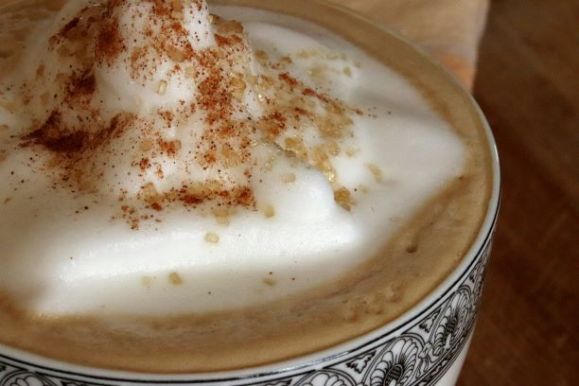
And what about caffeine…
A series of studies in the 1970s and 1980s suggested that coffee was associated with higher rates of cancer and heart disease. But these studies didn’t adjust for smoking and other lifestyle choices (picture how many people used to have a cigarette and coffee together…). Modern studies report that 3 to 5 cups a day of coffee could improve cardiovascular health, lowering risk of stroke, Parkinson’s disease, Alzheimer’s and type 2 diabetes… and perhaps even reduce the chance of dying early from all causes!
Literature reviews, like the one published by the American Heart Association in 2014 that looked at data from over 1 million people, found that coffee drinkers were at the lowest risk for heart-related problems. Of course, this doesn’t mean you need to drink coffee to prevent a stroke or heart attack, but it does rule out the idea that it could cause these conditions.
With both coffee and a glass of beer or wine, perhaps an important factor in the benefit you may reap is that you take a break when you consume them. You relax while you sip them slowly savouring the flavour and, often, you are enjoying someone’s company while you drink that tasty beverage. Who knows… maybe that’s the source of the observed health benefits!
I liked this quote from The Good Vices by Harry and Erik Ofgang… “Enjoyment may be an important, and all too often forgotten, part of the healthy living equation.” The link between health and happiness is still unclear, but studies on those who have lived for over 100 years suggest that being happy is a factor in longevity, along with moderate exercise, a healthy plant-based diet, close relationships with family and friends, having a goal in life and feeling useful.
So, “everything in moderation” is my mantra. And seeking enjoyment in your daily activities may just be good for your health!
References:
Bread, Beer and Coffee Are Healthier Than You Know – Medium
The Good Vices — Dr. Harry Ofgang and Erik Ofgang
#healthyliving
#beerlovers


 Jeannie Beaudin, Artist and Author