Categories
Menopause

Hot flashes, heart attacks and memory loss: is there a connection?

This week I read about a study that linked a history of hot flashes to increased risk for heart disease and decline in brain function. But, to me, this seemed like a strange announcement.

It certainly doesn’t make sense that feeling hot and sweaty could directly increase a person’s risk of heart problems or chances of losing the ability to think and remember. We get hot and sweaty when we exercise, but all experts assure us that exercise lowers the risk for many types of chronic disease, including heart disease.

Presumably, if they’re seeing an association between hot flashes and heart/brain diseases, there must be a common factor that increases the risk of both – in other words, some underlying factor that causes hot flashes must also put you at risk for heart and brain disease.

It surprises me, though, that the researchers paused at such an early phase of their research and made a big, exciting announcement since it doesn’t tell us what the underlying cause is or what we should change to lower the risk. It’s as though they didn’t finish their project… Hopefully, this research isn’t suggesting that simply treating hot flashes could lower risk of heart and brain diseases!

I believe we should find and treat the cause of health problems whenever possible, rather than just trying to erase the symptoms. My interpretation of this new information is that there must be some factor that increases both hot flashes, and the risk of heart and brain diseases. So, what could this be?

Well, I studied every bit of information I could find about hormones for over 10 years so let me share some thoughts of what I think might (or might not) explain this association:

  1. Diet – We know that eating a plant-based diet can help reduce hot flashes. Many plant foods contain weak estrogen-like hormones and these can be a mild substitute for our own hormones when they are low, and can block some of the action of our hormones when they are too high. This helps to “even out” our hormone levels. Hot flashes occur when our estrogen levels are dropping so smoothing out the effects of estrogen can help reduce hot flashes and other menopause and peri-menopause symptoms. Eating more vegetables, fruit, and other plant-based foods is also recommended to reduce the risk of heart disease (and many other health problems).

  2. Exercise – Being inactive is a well-established risk factor for heart disease (in fact, as I write this, my hubby is at his cardio rehab program, being put through the paces on several different exercise machines!) but what about hot flashes? A small study (with only 21 women) suggests that regular, more intense workouts that make you sweat can reduce the intensity and frequency of hot flashes. But hot flashes can also be triggered by stress and exercise can help prevent this trigger by lowering stress hormones. Some exercises, like yoga and tai chi, also help reduce your response to stress by inducing a state of relaxation where lower amounts of stress hormones are produced. So, certain types of exercise can help avoid both hot flashes and heart disease.

  3. Smoking – Smoking is an established risk factor for heart disease. But does it also increase hot flashes? Yes. And can quitting smoking help? Also, yes. Women who smoke have more frequent and severe hot flashes. Quitting reduces these but former smokers will still have more than women who never smoked.

  4. Alcohol? – I don’t think so. Consuming a small amount of alcohol has been shown to slightly reduce risk of heart disease, probably by inducing relaxation and relieving stress (Interheart Study). However, alcohol generally increases the chance of having hot flashes, so this would not be a common factor. Alcohol slows the breakdown of estrogens, allowing them to build up in the bloodstream. When the alcohol is cleared from the system a few hours after that nice glass of red wine, estrogen will then be metabolized more quickly, bringing on a hot flash (often interrupting sleep after a drink in the evening).

  5. Body weight? – Having too many extra inches, especially around the waist (an “apple” shape), is associated with increased risk of heart disease compared to a “pear” shape where more weight is carried on the hips. The ratio of waist to hip measurements is considered more important than the actual body weight – if the waist measurement divided by the hip measurement is greater than 0.85 for women or 1 for men (or thereabouts, depending on which reference you read), you are at greater risk of heart disease regardless of what the actual measurements are. However, fatty tissue produces a small amount of estrogen by conversion from other hormones so, having a little extra weight at menopause time may mean you have fewer hot flashes since you have a consistent (if small) supply of estrogen from an alternative source. Perhaps this is why Mother Nature tends to make it so easy to gain a few pounds at mid-life! However, adding an extra 10 pounds or so is thought to increase your resilience to illness as you age, so perhaps it’s not a bad thing…

So, I guess I’ll be watching to see how these researchers continue their studies and, hopefully, they will eventually provide some practical recommendations. I wonder whether the connection might turn out to be diet, exercise or being a non-smoker (or all 3!), as I suspect… At any rate, this research gives another reason to work at having a healthy lifestyle!

References:

Hot flashes connected to heart attacks and cognitive decline – CNN

Exercise May Ease Hot Flashes – NY Times

Waist to Hip Ratio – Wikipedia

Does quitting smoking decrease the risk of mid-life hot flashes?

Perimenopause: The Ovary’s Frustrating Grand Finale (a discussion of hormone levels during the menopause change)

Categories
Health

The Heart of the Matter

Do you know the signs of a heart attack? It’s not always the same for everyone, and can be different in men and women…

The classic signs and symptoms include:

  • chest discomfort (pressure, squeezing, burning, heaviness, fullness or pain),

  • sweating,

  • upper body discomfort (pain in the neck, shoulder, back and/or one or both arms),

  • shortness of breath,

  • nausea and

  • light-headedness.

You may only have some of these symptoms.

In women, the signs of a heart attack may be less clear than in men. In some cases, a heart attack in women can mimic severe heartburn. A key difference is that the pain is not relieved by taking an antacid when it is caused by a heart attack. Since men are more likely to have heart disease than women and their symptoms are more classic (such as crushing chest pain), heart attacks are more easily missed in women.

Angina

Pain due to lack of oxygen reaching the heart muscle is called angina. When it occurs predictably, for example when you do a certain level of exercise, it is called stable angina. Stable angina pain does not always indicate that heart damage is occurring. However, if the pain suddenly becomes more severe or frequent, or occurs with less or even no exercise, it is called unstable angina. Unstable angina is a sign that change is occurring in the blood supply to the heart muscle and is a warning sign of a possible heart attack in the near future. Any change in angina is a reason to see a doctor as soon as possible.

Heart attack

A heart attack, also called a Myocardial Infarction or MI, occurs when the arteries around the outside of the heart that bring blood to the heart muscle become blocked enough to cause damage. An area of the heart muscle without blood supply becomes painful, and the muscle cells start to become damaged and die. The pain is sometimes “referred” or felt in a different part of the body, often the neck, jaw and one or both arms (but most commonly the left arm). You can feel tired, lightheaded and short of breath because the heart is becoming damaged and is not pumping blood as efficiently.

If the damage interferes with the electrical conduction system of the heart, this can be seen on an electrocardiogram (ECG). However, a heart attack that doesn’t show on an ECG can also occur. This would be considered a less severe attack because it is not interfering with the heartbeat, but it’s still serious and painful. When the heart muscle is damaged, enzymes are released into the blood. A blood test for these “cardiac enzymes” is used to confirm that a heart attack has happened. Sometimes, especially in women, a heart attack that was mistaken for heartburn is only diagnosed later with this blood test.

Act quickly

It’s very important to get treatment as soon as possible, before serious damage occurs. In some cases, a person will feel mild angina pain that comes and goes, becoming noticeable when exercising or even worrying, and easing up when resting. Waking up with any of the heart attack symptoms above is a reason to seek help immediately – call 911! But even if the pain or pressure is mild and comes and goes, contact your doctor or go to the hospital as soon as possible to get treatment that can prevent possible damage to your heart from a blockage in blood supply.

Treatments

Nitroglycerin is a medicine that comes in small tablets or spray that is put under the tongue and in patches that are put on the skin. It opens blood vessels to help more blood get to the heart muscle and can relieve pain if the artery is not completely blocked. It’s often used to relieve pain and prevent damage while waiting for a procedure that will open the arteries to the heart.

A blocked artery to the heart is treated by cardiac catheterization. This is a procedure where a thin tube is inserted into an artery in either the wrist or the groin and is pushed along the artery until it reaches the coronary arteries that supply the heart. The surgeon squirts a special dye into the coronary artery and can view on monitoring equipment where the blockage is located. Depending where the blockage is, they can treat the problem in several ways. They can remove the blockage with suction, use a tiny balloon to stretch the artery open, or insert a tiny wire tube called a stent to hold the artery open. The whole procedure is done with anesthetic only needed on the wrist or groin where the tube is inserted. The patient is awake, and it takes about 30 minutes, or a little longer if a stent is put in place.

If the blockage is extensive, the surgeon may opt for a Coronary Artery Bypass Graft (CABG, also just called a “bypass”). In this procedure, a piece of artery or vein from another part of the body is inserted to carry blood around the blocked area. This is a more intensive procedure that takes several hours and a much longer recovery time.

Medications

Usually after a heart attack, several medications are given to help the heart heal and decrease the chance of another attack. Blood pressure medication lowers the blood pressure, making less work for the heart while it heals. Anti-clotting medication (also called blood thinners) help prevent blood clots from forming (the most common cause of a sudden blockage in blood supply to the heart). Cholesterol lowering medication (which also has anti-inflammatory, anti-clotting and antioxidant activities) is usually also added to reduce the deposits of fats and calcium (called plaque) inside the arteries, which also cause narrowing and reduced blood flow. Adding several new medications at once can be confusing, so be sure to ask your pharmacist any questions that your doctor hasn’t already answered. Your pharmacist can also help you organize your medication so it’s easier to take (and harder to forget!) as you get used to a new routine.

Other advice

Anyone at risk of heart disease, and especially those diagnosed with it, should work to follow a heart-healthy lifestyle:

  • Don’t smoke

  • Exercise regularly (aim for 30 mins a day, 5 days a week)

  • Follow a healthy diet with 7 servings of fruit or vegetables a day

  • Maintain a healthy weight

  • Reduce stress

Getting treatment soon is key

The key to successful treatment, the “heart of the matter”, is to call for help right away. The sooner treatment is started, the less heart damage will occur. If you seek treatment soon enough, you could avoid damage altogether! Remember, if pain is severe, call 911 – ambulance attendants can start treatment as soon as they arrive, saving precious minutes. They will also take you directly to the emergency department if necessary, avoiding time lost in the waiting room as you wait to be assessed.

This information is in my thoughts this week, as we needed to call 911 for my husband last Sunday morning. The ambulance attendants started treatment immediately and took him directly to the hospital. He just arrived back home today with a shiny new stent to replace a 15-year old one that had blocked up. He’ll need to take it easy for a few days but is already feeling better with the blood supply to his heart flowing well again. It was a worrisome week but it’s great to have a happy ending!

References:

Heart/Emergency Signs – Heart and Stroke Foundation

Categories
Health

Vitamin K2 – the Link Between Heart Disease and Osteoporosis

A hen and her chicks in the garden at our apartment building in Spain

Well, some of our family have gone home to Canada, and I’m finding a bit more time to read these days. I’m into a book about the tie between heart disease and osteoporosis. Who would have thought there is a connection? I certainly didn’t. But the book’s explanation of why we are seeing too much of these chronic diseases makes sense…

The connection is calcium – too little of it leads to thinning of bones and risk of osteoporosis – and too much can result in calcification (or “hardening”) of the arteries and blockages that can cause heart disease when they occur in arteries that supply the heart muscle. While this seems to present a paradox… too much calcium in one case and too little in the other… the link is a nutrient that controls where calcium goes in the body.

That nutrient is vitamin K2, a vitamin that was not widely studied until the last 20 years. It’s sister vitamin, K1, was researched more thoroughly as it was thought to be the only active form of vitamin K in the body. K1 is needed for blood clotting and is the vitamin whose action is blocked by the blood thinner, warfarin.

Vitamin K2, on the other hand, controls where calcium goes once it’s absorbed from the digestive system. It does this by activating two substances: osteocalcin and matrix gla protein (MGP). Once activated by vitamin K2, osteocalcin attracts calcium to bones and teeth making them stronger. Activated MGP, on the other hand, sweeps excess calcium away from soft tissues, including arteries and veins, preventing and removing dangerous plaque from inside arteries. A lack of vitamin K2 means that osteocalcin and MGP cannot be activated and therefore cannot perform these important functions.

Vitamin D is important too. You likely already know that this vitamin is needed to absorb calcium from your digestive system. This makes it an important factor in preventing osteoporosis. You may have taken calcium supplements with vitamin D added right into the tablet and probably have learned that it’s called the “sunshine vitamin” because we make it when the sun shines on our skin.

But vitamin D is also needed to make the MGP protein that removes calcium from soft tissues, preventing and reversing hardening of the arteries. So, vitamins D and K2 work together to prevent both osteoporosis and heart disease – vitamin D helps to get calcium into your system, and both vitamins K and D are needed to make sure the calcium goes to the right place.

Recommendations for calcium and vitamin D supplements have recently changed. Although recommended for many years for prevention and treatment of bone loss, recent studies suggest there may be more harm than benefit, especially in healthy adults and that there’s more to having healthy bones than just swallowing lots of calcium.

This information about vitamin K addresses several “paradoxes” in our explanation of causes of heart disease: Why do 50% of people who have a heart attack have normal cholesterol? Why do the French, with their rich, fatty diet, have less heart disease than us in North America? This is often called the “French Paradox”, and could be explained by different farming practices. How could there be so much osteoporosis (a disease of too little calcium) and heart disease (a disease of too much calcium) in a single population eating a similar diet?

Both heart disease and osteoporosis increased when farming practices changed in North America. Grass contains the precursor to vitamin K2 that animals convert for us. When animal feed was changed to grains to simplify production, the animals no longer ate chlorophyll, the green substance in plants with the pre-ingredient needed to produce K2. Without realizing the difference, we dramatically changed the content of our diet. Not only are you what you eat, you are what your food eats!

Vitamin K1 is found in green leafy vegetables, the broccoli/cauliflower family of vegetables, and small amounts in meat, fish and eggs. Animals and some bacteria can convert K1 into K2 but humans cannot. We need to consume it regularly in our diet as we don’t store this nutrient.

Choosing grass-fed meat and pastured eggs (from hens that feed in a pasture) can correct a vitamin K deficiency. Since betacarotene (a yellow nutrient) and chlorophyll (the green stuff in plants that animals make into vitamin K2) usually occur together, butter and egg yolks that contain vitamin K tend to be darker yellow. I’ve noticed that egg yolks here in Spain are a deep golden colour, so I suspect that hens here must be allowed to feed in pastures. Perhaps that’s one reason that the Spanish are one of the healthiest populations with a longer life span than us in North America!

Cheese is produced by bacterial action on milk, and some of these bacteria produce vitamin K2 at the same time. So some cheeses also contain vitamin K2. Some of us also have bacteria in our digestive systems that can convert small amounts of K1 to K2, but these bacteria can’t produce enough K2 to satisfy our needs.

If you can’t find grass-fed food or fermented products with the vitamin, you can take a vitamin K2 supplement. But supplements may not all be created equal. K2 is also called menaquinone or MK and, just to make it complicated, there are several different types of MK, depending on whether they are produced by animals or bacteria. MK-4 comes from animal sources. It works well but is cleared from the blood stream very quickly, so could require dosing several times a day to maintain activity. Menaquinone-7 (MK-7) comes from plant sources, and some feel it’s a better choice as it stays in the blood stream with once a day dosing. Of course, nutrients can continue to have their health effects after leaving the blood and moving into the tissues, so there are two schools of thought on which is better. The bottom line is that any vitamin K2 supplement is likely better than having none at all but, as always, it’s best to get your nutrients from food if possible.

So, I plan to buy my eggs from local farmers whenever I can in the future and will be asking whether they let them out of the coup once in a while. And I’ll be looking for an MK supplement for the days when I don’t have nice yellow-yolked eggs or grass-fed meat! What about you?

If you want to know more, here are some of the references I used:

Vitamin K2 and the Calcium Paradox by Kate Rheaume-Bleue, BSc, ND

Vitamin K2 – A little known nutrient can make a big difference in heart and bone health

Globe and Mail: Are Calcium Supplements Helping or Harming Your Health

Categories
Health

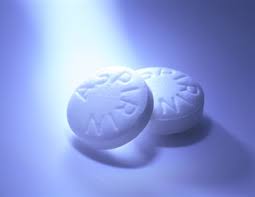
Does an aspirin a day keep the doctor away?

It’s been well proven that a low dose of aspirin every day, as little as 50 mg, helps prevent heart attacks in those who already have heart disease. But should healthy older adults take daily Aspirin? Is the benefit for those without established heart disease greater than the risk from side effects that they might experience?

Aspirin is an old drug…

Aspirin, also known as acetylsalicylic acid or ASA, has been around for a long time. It was originally extracted as salicylic acid from white willow bark or leaves by making the plant into a tea that would be taken to relieve pain and fever, and has been used this way since the middle ages. In the 5th century BC, the Greek physician, Hippocrates, described using willow for signs of inflammation: redness, heat, swelling and pain, and there are descriptions of its use in ancient Arab and Roman herbal texts. In the 1800’s chemists learned to react the salicylic acid derivative, sodium salicylate (often found these days in aspirin creams), with acetyl chloride creating acetylsalicylic acid (ASA) that was easier on the stomach and just as effective for pain and inflammation. The first Aspirin tablet, as we know it, was marketed in 1899.

But is has new uses

It wasn’t until the 1970’s that chemists really began to understand how Aspirin works. It reduces pain and inflammation by blocking the action of enzymes, called Cox-1 and Cox-2, that are needed to make hormones called prostaglandins. Prostaglandins create inflammation, redness, swelling and pain in response to an injury. But Prostaglandins are also needed to create the thick layer of mucous that protects the stomach, and this is why taking aspirin can lead to stomach problems. Many people take aspirin in a form that has been coated to prevent it from dissolving in the stomach, causing it to dissolve in the intestines instead. However, these coatings have not been proven to actually make a difference in the risk of bleeding caused by aspirin. This is because the problem is that Aspirin blocks the production of protective mucous coating in the stomach, not because the drug itself irritates the stomach. The coating may reduce symptoms such as heartburn, however, where the stomach contents are regurgitated back up the esophagus, causing burning and irritation.

The other important action of aspirin that was discovered recent years, is its ability to reduce the “stickiness” of platelets in the blood. Platelets are the first stage of creating a blood clot so making them less sticky means clots will not form as readily. People sometimes refer to this action as “thinning” the blood. Heart attacks and most strokes are caused by a clot forming inside the artery, blocking blood flow to part of the heart muscle or brain. Without oxygen supply from blood, the tissue in the blocked area quickly dies and stops working, resulting in a heart attack or ischemic stroke.

Only very low doses of Aspirin are needed to interfere with platelet stickiness, much lower doses than are needed for pain and inflammation. Platelets that are exposed to Aspirin are changed permanently so, to recover from the blood thinning effect, new platelets need to be made and it takes several days to make enough to regain activity. This is why Aspirin needs to be stopped for about 4 days before a surgery or other procedure where we need blood clotting action to prevent excessive bleeding. Theoretically, an Aspirin could be taken every 3 or 4 days and still work as well to prevent heart attacks, but that’s a recipe for forgetting! This is why doctors recommend taking a very low dose, usually 80 mg, every day. But if you miss a day once in a while, it’s good to know that it’s still working.

Who should take Aspirin?

So, back to my original question: is it a good idea for healthy older adults to take an Aspirin a day help to prevent heart attacks? Many have assumed that it would be, just as it is for those who have already had a heart attack. However, we also have to consider the potential for stomach problems, particularly the risk of severe, life-threatening bleeding.

A new Australian/US joint study that answers this question was just published in the New England Journal of Medicine. The study looked at 20,000 healthy older adults who had no chronic diseases or increased risk of heart attack, with an average age of 74. The results? A daily Aspirin did not increase “disability free survival” in those who took it, compared to those who took a placebo (non-drug sugar pill), but the Aspirin group had a higher risk of severe bleeding in the digestive system and brain. Severe bleeding, or hemorrhage, in the brain gives the second, less common type of stroke, called hemorrhagic stroke.

So, if you are taking a daily low-dose Aspirin but have never had a heart attack, talk to your doctor about whether you should continue. You could be getting more risk than benefit. And be aware that a black, tarry-looking stool suggests that you may be losing blood somewhere in the digestive system, although a few medications can cause a black-coloured stool, such as iron pills and Pepto Bismol. If you take Aspirin, check your stool before you flush. If it looks like it was mixed with black tar, see your doctor right away.

References:

Daily low-dose aspirin found to have no effect on healthy life span in older people

History of Aspirin