Categories
Health

Trouble sleeping?

It’s been a month since I arrived in Costa del Sol, Spain, and I’m still amazed by this beautiful place! And watching the snowy weather reports from back home in Canada, I realize we chose a good winter to travel here.

This week, I have another great article for you… This is the best collection of information I’ve ever found about insomnia, all in one place. It discusses the different types of sleeping problems, common causes, and what you can do to get back to a good night’s sleep.

In fact, I think it’s worth reading even if you don’t have problems sleeping – you may find things you can do (or avoid!) that can improve your sleep further or avoid problems developing in the future.

Here’s the link: https://betterhumans.coach.me/how-to-recognize-and-cure-any-insomnia-symptom-661ebfd119f9 Happy reading!

PS… The photo above is Benalmadena Pueblo, a beautiful village halfway up the mountains, near where we are staying. Note the quiet street and great blackout shutters on the windows… I’m sure they get a good night’s sleep there!

Categories
Health

Can’t Sleep?

Ideal sleep for an average adult means falling asleep within 30 minutes, not waking more than once, and taking less than 20 minutes to return to sleep when you do wake at night. Is your sleep less than ideal? Read on!

Here are some tips to help get the rest you need!

  1. Turn off electronics. Phones, tablets and computers bleep and flash and these noises can disturb your sleep. Don’t charge your electronics in your bedroom!

  2. Daytime naps? While short naps can recharge and improve productivity, longer ones can leave you groggy and make it more difficult to get a good night’s sleep. Limit daytime naps to 20 mins or less.

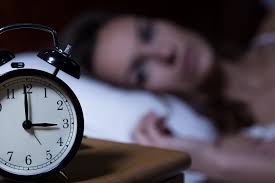
  3. Watching the clock? Some find they check the time frequently when they wake at night, getting upset about being unable to get back to sleep quickly. For some, turning the clock away from view or putting it in a drawer can mean a better night’s sleep.

  4. Get comfy… A relaxing bath with Epsom salts can relieve muscle and joint pain and set you up for a good rest. If your bed is not comfortable, consider a new mattress or memory foam topper. Your pillow needs to be the right depth to support the natural curve of your neck and a second pillow for between or under knees may make you more comfortable, especially if issues with back pain. A dark, relatively cool room also helps sleep.

  5. Allergies? If you get stuffy at night, you may be allergic to dust mites, one of the most common allergies. These are microscopic creatures that live off dead skin cells in our mattresses. Dust mite proof or plastic mattress covers that are wiped down or vacuumed regularly plus washing bedding (including pillows) in hot water reduces mite counts and can eliminate or greatly reduce this problem.

  6. Stick to sleep and sex… Working, watching TV or surfing the internet in bed trains your brain to be alert in the bedroom. Keep your sleep environment relaxing by saving it for only sleep and sex.

  7. Wake/sleep cycle… Establish routine bed and wake times. This can help people of any age fall asleep more quickly and sleep more soundly. Lowering lights in the evening also helps set up for sleep and bright light for 5 to 30 minutes when you wake up helps get you going in the morning too.

  8. Avoid caffeine. Some people who don’t metabolize caffeine well may find that any caffeine results in a poor night’s sleep. For most, avoiding caffeine after noontime is usually sufficient. Watch for hidden caffeine in chocolate and some “herbal” teas, pain relievers and weight loss pills.

  9. Exercise can help or hinder. Regular exercise can improve sleep, but some experience a post-workout increase in energy that could keep you awake. Try scheduling exercise to finish 3 to 4 hours before bedtime. Relaxing exercise, like yoga or tai chi, however, can help sleep when done just before bed.

  10. Alcohol. Alcohol can make you drowsy but, when the effect wears off, you may find yourself waking up more often. Mid-life women may actually experience increased hormone swings several hours after consuming alcohol. Try non-caffeine herbal tea instead if you notice this connection.

  11. Getting up to pee? Try avoiding liquids for 2 hours before bed.

  12. Noises at night? Use earplugs or try a white noise machine or fan to drown out traffic, a dripping faucet, hubby’s snoring or the neighbour’s barking dog.

  13. Still smoking? Nicotine is a stimulant that can make insomnia worse…yet another good reason to quit!

  14. And doggie makes three… You love your pet but he can be the cause of nighttime wakening as well as allergies. Ask your vet or pet school how to train your pet to sleep in his own bed. Same goes for toddlers – but talk to a sleep specialist or your doctor instead of the vet…

  15. Consider meditation. Meditation trains you to put active thoughts out of your mind. Clearing your thoughts for even 10 mins before bed can help you fall asleep. Avoiding work or complex discussions for 2 to 3 hours before you retire is also advised for best sleep.

  16. Careful with sleeping pills. Many prescription sleeping medications are habit forming and only recommended for up to 7 days of continuous use. Rebound insomnia can occur with guaranteed poor sleep for up to several weeks on discontinuation. Some also have side effects such as memory impairment and use in elderly is associated with falls that can cause bone fractures.

  17. Non-prescription supplements?

    1. A magnesium supplement taken at bedtime relaxes muscles and can help sleep. Magnesium is important for bone health too, so you may benefit from it in more than one way…

    2. Chamomile tea or valerian in pill or tea form can help sleep and are non-addicting. Valerian smells somewhat like “dirty socks”, though, so I’d suggest the pill form!

    3. Vitamin B5 (pantothenic acid) can help reduce production of the stress hormone, cortisol, that is sometimes inappropriately produced at night in stressed people, causing them to wake at night feeling “tired but wired”. B5 is a common ingredient in vitamin B-based stress formulas available without prescription.

    4. Antihistamines, like Gravol (dimenhydrinate) or Benadryl (diphenhydramine, also used in several non-prescription sleep aids), are not recommended for nightly use. Both have been reported to be habit forming and tolerance develops to the drowsy effect within a few days, leading some to increase the dose inappropriately. Withdrawal effects can be noted with the drug is stopped.

  18. Look for a possible cause. Ask your doctor if a health condition like acid reflux, arthritis, asthma, depression or hormone imbalance could be causing the problem. Get your pharmacist to check if a medication you are taking could be contributing to insomnia. Try keeping a sleep diary to determine what factors might be interfering with your sleep. Ask about the possibility of treatment at a sleep clinic.

Lastly, until you find the solution to your problem, avoid tossing and turning in bed. Get up and do something calming, like reading for 10 or 15 minutes. Chances are you’ll fall asleep more easily when you return to bed!

Categories
Health

Restless Legs Syndrome (RLS)

Can’t sit still? Leg discomfort keeping you awake? Read on to find out if Restless Leg Syndrome (RLS) might be your problem…

What is Restless Legs Syndrome?

People with RLS have a strong compelling urge to move the legs, described as uncomfortable or painful, that:

  • Occurs when inactive

  • Increases in the evening and at night

  • Is relieved by movement of the affected arm or leg

  • Often causes difficulty falling or staying asleep

  • May cause involuntary jerking of limbs when asleep or awake

You may have difficulty describing the sensation, using words such as creepy-crawley, tingling, pulling, tightening or uncomfortable. Children can also have the syndrome and are sometimes misdiagnosed as being hyperactive or having “growing pains”.

As many as 15% of the population may have RLS, but because it is so difficult to describe and people affected with it often don’t realize there are effective treatments, symptoms may never be mentioned to their doctor. It is also sometimes misdiagnosed as another condition.

How is it diagnosed?

RLS can mimic other conditions such as: diabetic neuropathy, nighttime leg cramps, arthritis pains, back pain, depression or insomnia of other causes. There is no specific test for RLS and it is diagnosed by its symptoms, once other conditions have been ruled out. It will sometimes run in families (“Familial or Primary RLS”) and is often diagnosed sooner in these cases, as the family is familiar with the symptoms.

What are the causes?

RLS-like symptoms can also be caused by other conditions:

  • Low iron, magnesium, folic acid or vitamin B12

  • Problems with the spinal cord (spinal stenosis or a damaged disk) or nerves

  • By-products of kidney disease

This is called “Secondary RLS” and treating the underlying cause will result in improvements of the RLS symptoms in these cases.

There is also a third type of RLS, called “Idiopathic RLS”, where the cause cannot be identified. “Idiopathic” simply means “unknown cause”.

Research suggests a cause of RLS may be decreased function in a specific part of the brain called the “substantia nigra”, the same part that malfunctions in Parkinson’s Disease. However, in Parkinson’s the cells are gradually destroyed whereas in RLS function is simply reduced, either because of a lack of the iron they need to function or because the iron cannot be transported into that part of the brain properly.

What medications are helpful or harmful?

Because RLS is caused by the same part of the brain involved in Parkinson’s Disease, some Parkinson’s medications can be helpful, increasing the dopamine that the affected part of the brain is supposed to produce.

Eliminating any drugs that block production or action of dopamine can also be helpful. This means your symptoms may improve if you avoid drugs such as certain stomach medications (ranitidine, cimetidine, famotidine, omeprazole, lansoprazole and others in these groups), antihistamines, phenytoin, lithium, calcium channel blockers (used for heart disease and blood pressure), and others that decrease the effect of dopamine. Ask your pharmacist to review your file for any of these medications.

Because of the tie to decreased dopamine action, drugs that increase dopamine or act like dopamine can be helpful for RLS. These include levodopa/carbidopa (Sinemet), ropinirole (Requip), pramipexole and others. Be sure to tell your pharmacist why you are taking these medications, if they are prescribed for you, so they will explain their use correctly. For example, taking short-acting levodopa/carbidopa in the morning would be helpful for Parkinson’s but wouldn’t help nighttime RLS symptoms.

Narcotics can help some people with daytime symptoms. Some seizure medications, such as carbamazepine and gabapentin, may be tried when dopamine therapy fails.

Sleeping medications are sometimes used to help sleep, but they do not have any effect on the actual symptoms of RLS. Also, as these medications and the narcotics mentioned above can be habit-forming, it is better to improve sleep problems and other symptoms by treating the cause if possible.

Clonidine can be particularly helpful when symptoms are associated with substances that are increased in patients with kidney failure.

Caffeine, alcohol, and smoking can make symptoms worse and, if so, should be avoided.

In summary…

RLS is often untreated or under-treated because patients have difficulty describing the sensations that they are experiencing and are often unaware the syndrome exists. There is no cure, other than correcting underlying causes in secondary RLS, and the symptoms tend to worsen with time. As well, the effect of medications may diminish over time requiring the patient to change therapy periodically.

It is easy to become confused about your new medication, as the various medications for RLS are also used for other conditions such as Parkinson’s disease, blood pressure, seizures, etc. Be sure to tell your pharmacist why you were prescribed this medication so you can have an effective discussion.

Remember that there are additional things you can do, like exercise, hot or cold therapy, or distracting activities than can help to reduce the severity of symptoms, improving your sleep and your ability to sit still when travelling or doing other sedentary activities.