Categories
Health

8 Steps to a Long and Healthy Future

Lola Holmes, age 100 — World’s Oldest Active Curler.

Scientists say human lifespan in the future could be as long as 120 years. So, if we retire at age 60, we could be living half of our lifetime in retirement. Does this change how you think about your future?

Diet, exercise, taking care of your health and avoiding accidents are, of course, important to survival. But they also increase your odds of experiencing productive, disability-free and enjoyable elderly years. Studies of populations with high numbers of people who live to age 100 also suggest that having a purpose in life outside of yourself, doing good for others, and making your mark are also important factors in longevity. Being socially connected with family and close friends is considered essential for optimal health as well.

So gear your life plan to longevity to make the best of the time that may be available to you. Just imagine all you could accomplish in those extra 60 years if you maintain a healthy body and mind!

How you begin your day has a strong influence on how your day goes, and each day influences what you accomplish in life. Let me share what I learned in reading a thought-provoking article entitled “How to Feel Amazing Before 8 a.m.” — and I expect these ideas would work as well for retired folks (like me!) who start their day at 8:30…

  1. Set yourself up the night before for a successful day.

    1. No screens for 1 hour before bed (except perhaps a low-light e-reader)

    2. Stop thinking about work (if not retired!) or about your problems

    3. Be ”present” with loved ones or enjoy a hobby or relaxing activity (reading, art, etc)

    4. Create a good sleep environment (cool, quiet room, comfortable bed)

  2. Sleep at least 7 hours, or your ideal amount of sleep

    1. Getting enough sleep is associated with improved memory, longer life, more creativity, lower stress, increased attention, less dependence on caffeine, greater ease in maintaining a healthy weight, and decreased risk of depression and accidents.

    2. Set your bedtime to allow sufficient sleep before your chosen wake up time.

  3. Set an alarm and get up at your planned time.

    1. This can give you your first achievement of the day and is thought to boost daily confidence.

    2. Choosing an earlier wake time is an ideal way to “create time” for projects or activities you’ve been wanting to do.

  4. Change your environment soon after arising.

    1. A fresh environment boosts energy.

      1. Step outside for 5 to 10 minutes, look out the window to check the weather, water your plants or just move to another part of your home to welcome the new day

      2. This increases energy because the brains loves novelty and newness.

  5. Take 5 to 10 minutes for some type of meditation or writing

    1. Imagine the future you want to create for yourself

    2. Assume the feeling of being there to improve your mood for the day

    3. This can be done in the “fresh environment” you chose in step 4.

Albert Einstein said: “Imagination is more important than knowledge. For knowledge is limited to all we now know and understand, while imagination embraces the entire world, and all there ever will be to know and understand.”

  1. Listen to Quality information as you exercise.

    1. You need to be physically fit to enjoy your elderly years.

    2. Stimulating your brain as you exercise your body sets you up for a productive day.

    3. Headphones with a screen or just audio are both effective.

    4. Try TED Talks, audiobooks, or online courses (many free ones are available).

  2. Eat a healthy breakfast and include foods that help brain function (at breakfast and through the day)

    1. Suggested “brain foods”: nuts, seeds, avocados, beets, blueberries, bone broth, coconut oil, egg yolks, turmeric

    2. Include fermented foods and foods that contain probiotics and fiber.

      1. A healthy gut = a healthy immune system and healthy brain function. The gut and brain communicate with each other through nerves and chemicals called neurotransmitters.

  3. Then begin work on your creative project while you are in an energized “peak state”, early in the day.

    1. Do tasks or projects that are most important to you first to make sure they get done.

    2. With the energy and sense of achievement you’ve created, you may find that you get more done later in the day too…

Accomplishing something significant early in the day, sets you up for a great day. And taking those few minutes to think about what is most important helps to ensure you focus on what you really want to accomplish. Just imagine what you can do with that “extra” time each day…

I wrote this article because I‘d really like to do this… Are you with me?

References:

Medium.com

I’ve Decided to Live 120 Years by Ilchi Lee

CTV News — World’s Oldest Curler
Categories
Health

On family dinners and living longer…

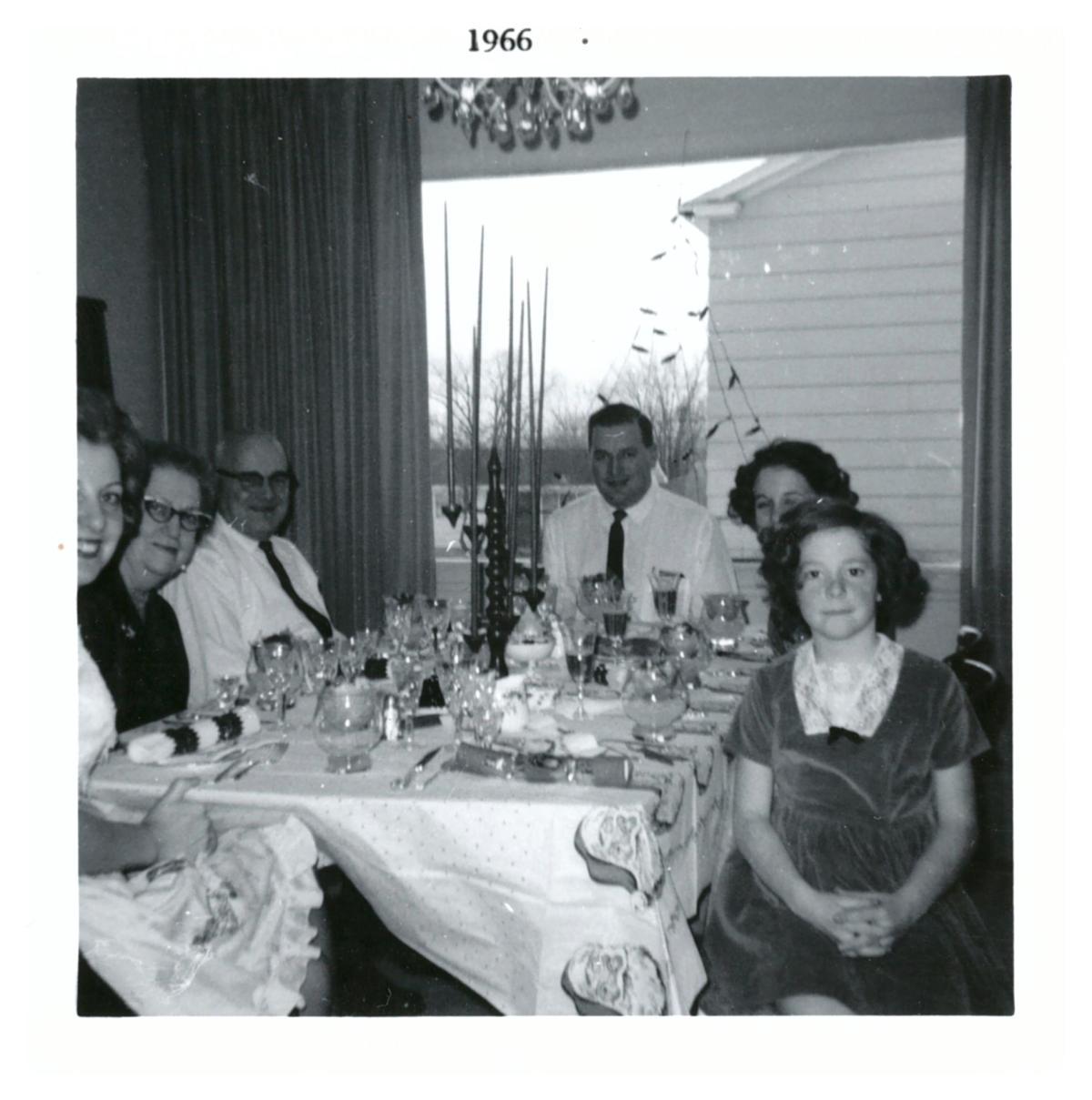
I remember Sunday dinners that seemed to go on for hours when I was growing up… My grandparents would join us, we’d have dinner, then coffee for the adults, and just hang around the table talking for ages. My dad loved to get a good discussion going, often about current news or sometimes about mischief he and his brother did as kids (that was our favourite topic!). This photo was taken by 11-year-old me, with my new camera in 1966!

So, it struck a chord when I read about a study done in Quebec that conducted surveys of families with young children to find out whether the environment during a typical family meal might influence learning, lifestyle and socializing.

They began by surveying families with 6-year-olds to determine the environment of a typical family meal. Four years later, when the children were age 10, they conducted more surveys: asking parents to assess their children’s lifestyle habits, teachers to gauge academic achievement, and the children themselves to assess their social adjustment from their point of view.

They found that improved family meal environment quality (eating together and engaging in conversation during the meal), predicted higher levels of physical fitness, decreased soft drink consumption, and less physical aggression and oppositional behaviour. Maybe all those family dinners had something to do with my dislike of Coke and joining the gymnastics and track and field teams… who knows?

But frequency of family meals is reported to be generally in decline. The Euromonitor International’s annual study of global consumers reports a world-wide trend towards less structured meal occasions, resulting from busy lifestyles, more unconventional working hours, increased single parent households and increased numbers of working women.

Breakfasts, once a regular sit-down meal, are reported to have become less consistent and are often now eaten on the run or skipped altogether. Snacking has increased because of smaller breakfasts and generally shorter lunch breaks (with many eating in their car while doing errands or even at their desks due to work pressures), leading to an increased demand for pre-packaged portable foods, unfortunately often highly preserved to increase shelf-life.

The annual study found that younger, urban consumer groups have particularly been trending towards more flexible and informal eating habits. Only approximately half of the populations around the world they surveyed still cook a meal entirely from raw ingredients at least once a week.

However, researchers also found a trend in recent years toward eating in rather than out. They reported that this was likely due to financial pressures from the recession that began in 2008. Use of prepared ingredients, such as sauces, is also reported to be on the rise, making home-cooked meals easier to prepare for those with less time. The researchers opinion was that now would be a good time for a public awareness program to encourage more frequent family dinners with conversation between adults and children, what they termed a quality eating environment.

Many of us just enjoyed a wonderful family dinner on Christmas day. The studies described above suggest that we should consider making this a regular event, especially if there are small children in the family.

But socialization is important for adults too. Studies of communities around the world with higher proportions of centenarians (people over 100 years old), referred to by researchers as “Blue Zones”, looked for shared characteristics. This is a list of what these communities had in common:

  • Family and social engagement

  • Semi-vegetarianism (majority of food from plant sources)

  • Legumes commonly consumed

  • Consistent moderate physical activity as part of life

  • Less smoking

This list seems to fit with the idea that eating food at home in a quality family environment could result in improved physical, academic and social outcomes for young children that persist for years. It also echoes Michael Pollan’s food rules (“Eat real food, mostly plants, and not too much”) that I discussed in an earlier blog.

Having a longer and healthier life does not have to be complicated. Plan simple meals that include plenty of fruits and vegetables, eat with family and friends whenever possible, and keep active throughout the day to stay fit — all good habits to start creating a healthier lifestyle. Some claim you could add 10 quality years to your life by following this simple strategy.

So, doesn’t that sound like a great New Year’s Resolution? Here’s to a healthy 2018 for all of you!

References:

Euromonitor

Quebec study